-
-

Basic Thumbnail of Guardian Angel Application
-

Rough demo of how we used bardapi
-
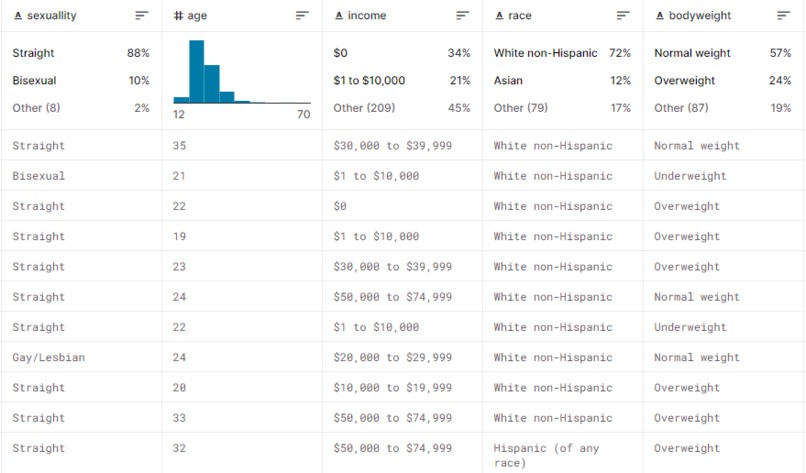
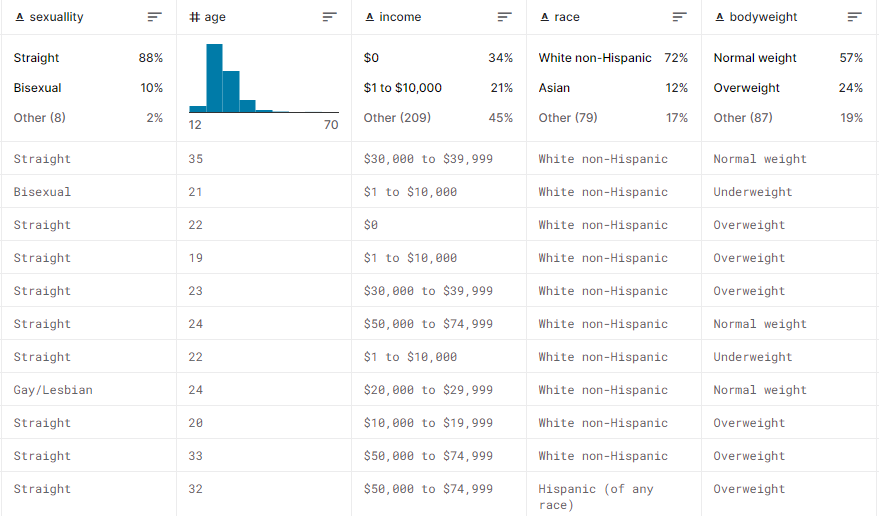
Partial screenshot of the dataset we used


Inspiration
4 months ago, my sister's close friend committed suicide. It was a gut-wrenching event that affected the entire community, and prompted me to understand the significance of one feeling the need to take their own life. I was incredibly worried about my sister's mental health, but didn't know how to effectively gauge it without outright asking her. My worst fear was her doing the same thing her friend did, so I made sure that I would make an effort to show her that suicide was never a viable answer. From this hackathon, I have been able to see how Artificial Intelligence can use data to help you understand the effects somebody's characteristics have on them attempting suicide. We will be using this concept to further advance better mental health throughout the world.
What it does
Our app takes in the characteristics that have been found to have correlation in a person attempting suicide, and uses them to estimate the chance of someone potentially doing the same in the future. Furthermore, the AI chatbot gives you a set of solutions that you can implement to improve your/another person's mental health.
How we built it
To build this app, we did the front end designing on Bubble. We included information about our mission, characteristics, and more. We created a categorization model using decision trees that we trained using survey data that included suicide statistics found on Kaggle. Using this model, we used user input including a variety of information such as gender and race to predict potential suicidal tendencies and compare it to the average person. We then used the bardapi Python library to create a chatbot that has more emphasis on mental health to offer potential solutions to issues. Finally, we provided additional solutions and remedies to depression and other mental health issues.
Challenges we ran into
In the beginning, we did not know what we wanted to do regarding suicide. We knew that we wanted our app to center around the topic as it was personal to many of us, but we couldn't decide whether it was more beneficial to predict suicide rates or individual suicidal tendencies. We settled on individual suicidal tendencies because we believe that it has more benefit for each person and can help even one person. Throughout the process, we had problems creating a decision tree model, but were able to use software such as SAS to work with data. Finally, we had numerous issues with the front end development, as we were not familiar with Bubble. However, YouTube tutorials and lots of patience allowed us to finish successfully.
Accomplishments that we're proud of
We overcame a lot of hardships, and we're all very proud of our end result. This was the first hackathon for most of us, so we had no expectations, but we were proud of how we were able to successfully design an app that implemented AI and utilized the Python library, bardapi.
What we learned
Since we had barely any prior knowledge involving either AI or hackathons, we had a lot of fun learning the process of coming up with ideas and implementing them. We learned how tedious this process really can be and how to overcome issues through patience, teamwork, and the internet.
What's next for Guardian Angel
We created our app in only ~6 hours, so a lot of elements were either extremely rushed or didn't come out as polished as we would've hoped. Moreover, we hope to improve our model to be more accurate and to detect suicidal tendencies by using other factors. Although ambitious, we hope that our app can save lives in the future and spare family members and friends from the pain of losing a loved one.
Built With
- bard
- bubble
- python


Log in or sign up for Devpost to join the conversation.