-
-
-
-
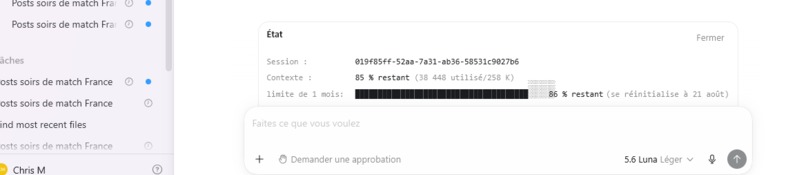
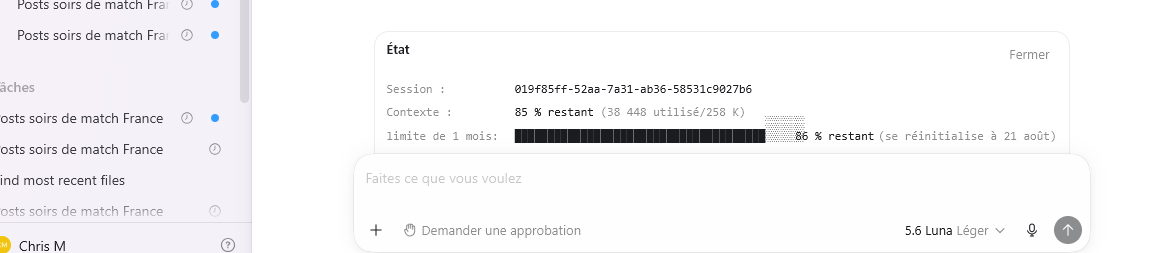
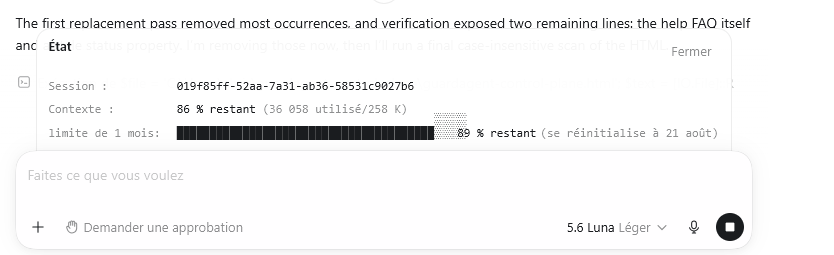
Chris Messana uses codex with GPT 5.6 model
-
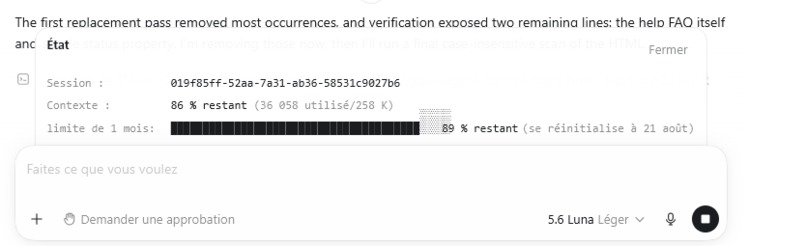
Proof of Use of codex with GPT 5.6 model
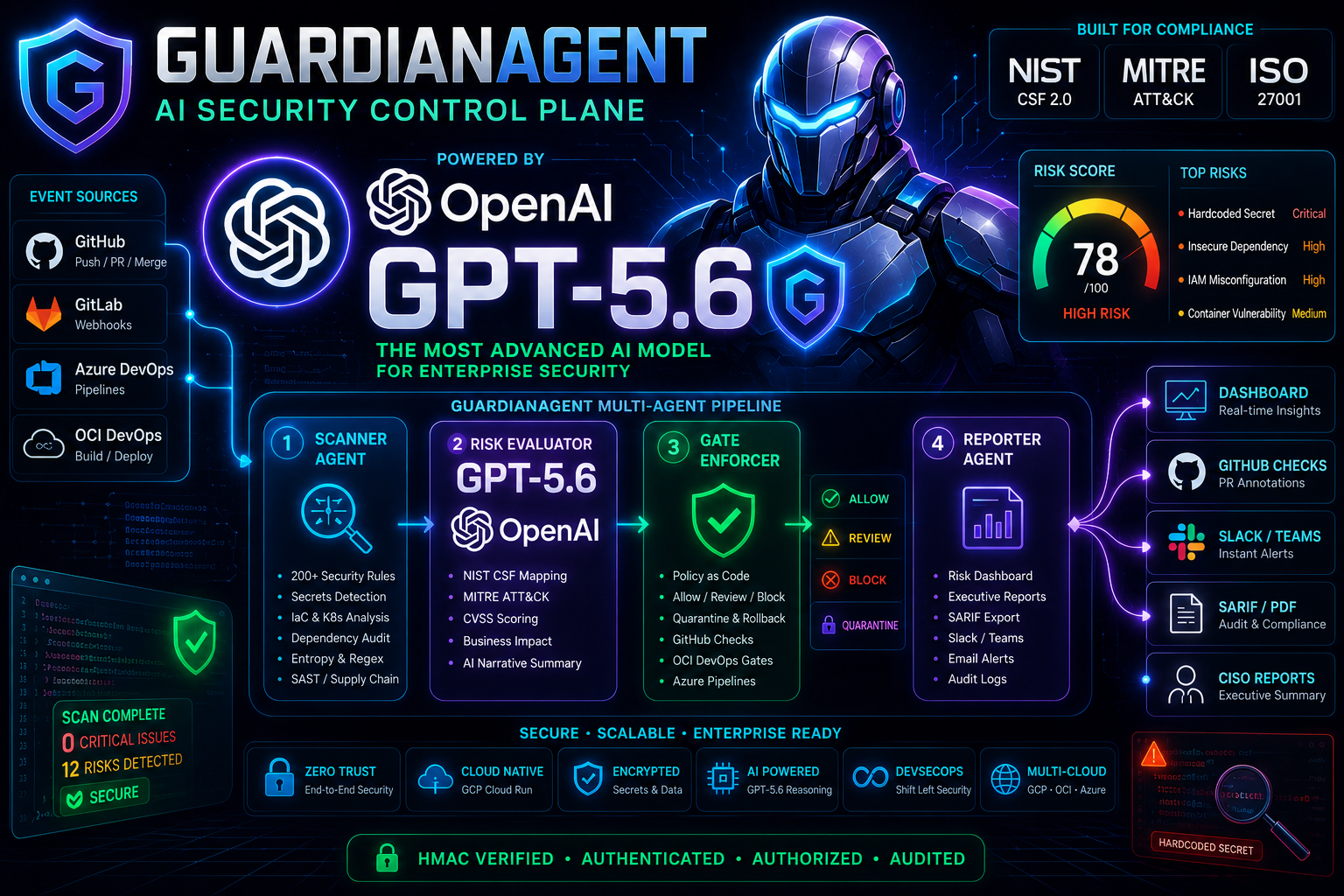
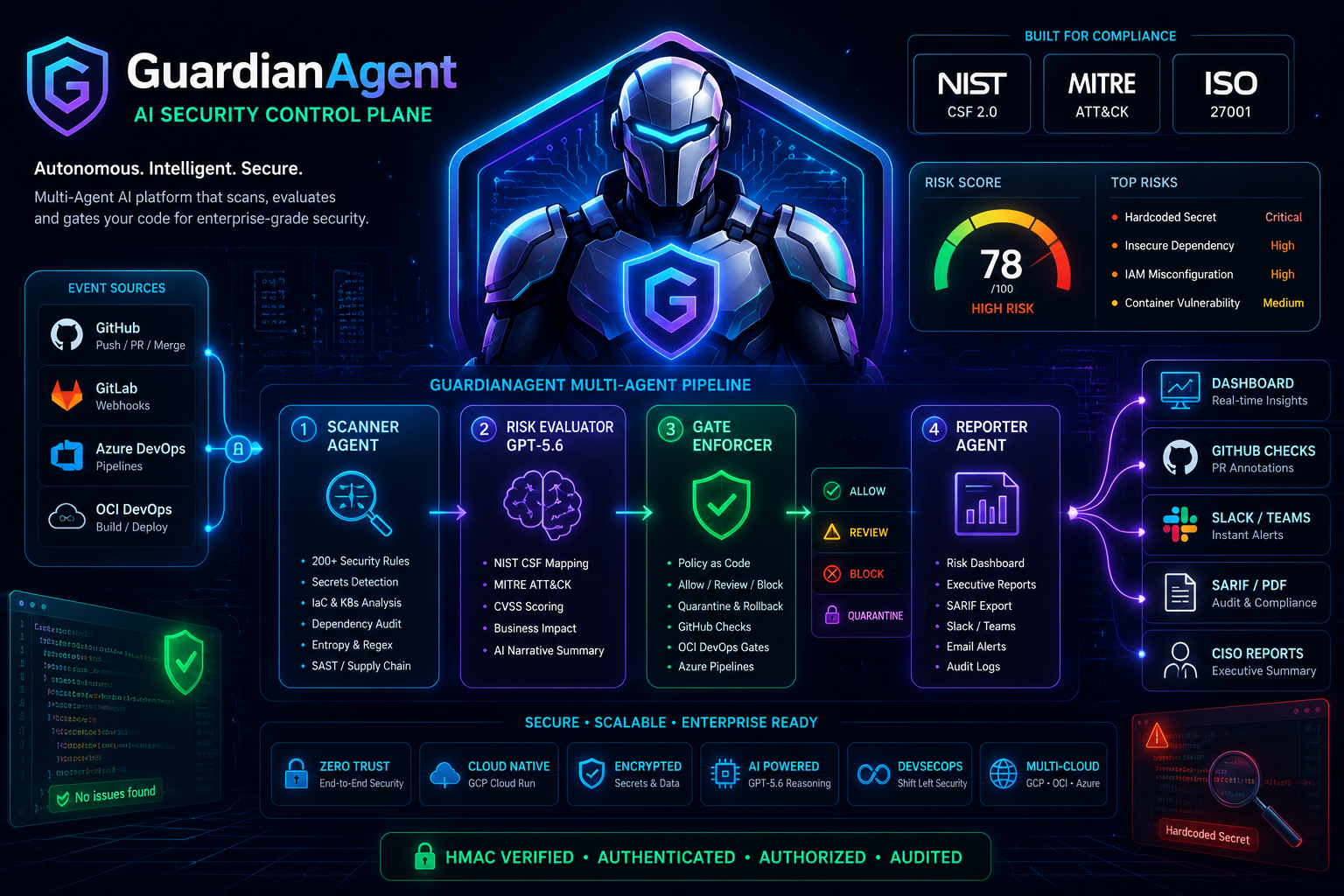
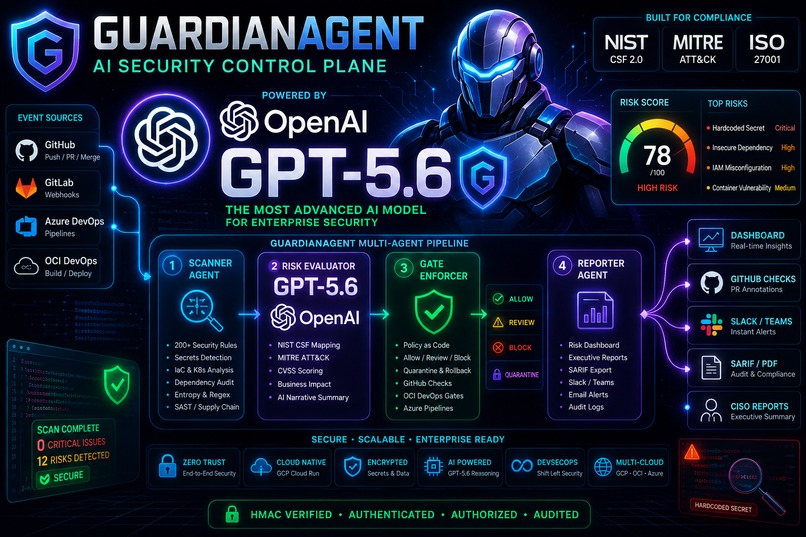
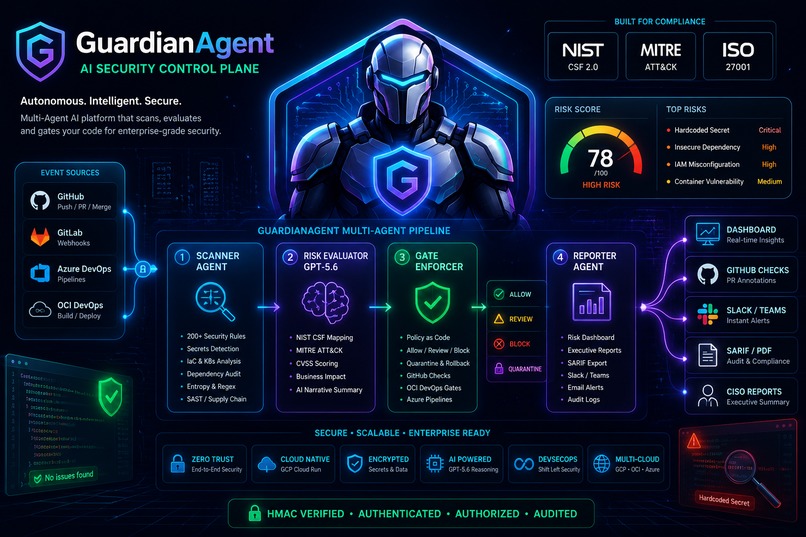
The AI security control plane for the agentic era - code gate, prompt firewall, auto-remediation and audit, powered by OpenAI GPT-5.6.
GuardAgent Control Plane is the product evolution for defensive security testing and product development only. Dashboard demo data is simulated; the analysis engine, GPT-5.6 reasoning, Prompt Shield, agent policy enforcement and audit persistence are real.
What makes it different Five engines, one control plane, one audit trail:
Engine What it does Code Gate 43-rule deterministic analyzer + GPT-5.6 intent reasoning -> Allow / Review / Block / Quarantine, mapped to MITRE ATT&CK Prompt-Injection Shield Runtime AI firewall for agents: screens every prompt, RAG document and tool output before the model sees it - 14 detectors (hijack, exfil, smuggling, tool-abuse, persona, recon) + GPT-5.6 intent pass -> PASS / SANITIZE / BLOCK, with a sanitized copy on SANITIZE AI Fix Engine GPT-5.6 rewrites flagged code with defects remediated (secrets -> env, TLS restored, queries parameterized) + change-by-change explanations; deterministic auto-patches offline Agent Execution Policy Every AI-agent tool call is evaluated before it runs: Executed / Sandboxed / Awaiting approval / Denied Posture Score Live 0-100 grade computed from gate, containment, shield and CISA-KEV exposure pillars Everything lands in the same SQLite audit trail with evidence IDs, streams to the dashboard over SSE, and exports as SARIF 2.1.0 for GitHub code scanning.
How I Collaborated with Codex The Collaboration Story This entire project was built in partnership with OpenAI Codex across focused, iterative sessions. Here is exactly how that collaboration shaped each layer of the product.
🧠 Phase 1 — Architecture (Codex as Thought Partner) I described the evolution goal to Codex:
"I have guardagent-control-plane using Gemini on GCP. I want to port the reasoning core to GPT-5.6, extend the secret detection to 200+ patterns with entropy scoring, and make the CI/CD gate work natively on GitHub Actions, OCI DevOps, and Azure Pipelines. Keep the single-file dashboard pattern."
Codex generated the initial multi-agent topology — Scanner Agent → Risk Evaluator (GPT-5.6) → Gate Enforcer → Reporter — in minutes. What would have been a day of architecture sketching became a 30-minute conversation with immediate scaffolding.
⚡ Phase 2 — Core Development (Where Codex Accelerated the Most) Secret pattern engine — I gave Codex the taxonomy (AWS keys, OpenAI tokens, OCI credentials, Databricks tokens, Snowflake passwords, Stripe keys, GitHub PATs, generic API keys). Codex wrote all 200+ regex patterns, entropy filters, and the full test suite in a single session. Estimated time saved: 6–8 hours.
NIST CSF 2.0 mapper — I provided the framework subcategory list (GV, ID, PR, DE, RS, RC functions). Codex generated the complete control-to-finding mapping and the weighted scoring algorithm. I then calibrated the weights based on my experience delivering compliance for enterprise clients (Oracle EBS, Azure, Databricks environments).
FastAPI route layer — I described the 14 endpoints I needed in natural language. Codex generated all routes, Pydantic models, auth middleware, and error handlers. I focused on the business logic and security model rather than boilerplate.
GitHub Actions YAML — From a single prompt describing the desired pipeline behaviour, Codex generated the full matrix build, caching strategy, conditional gate logic, and artifact upload steps.
docker-compose demo stack — Codex assembled the multi-service compose file (API + static dashboard via nginx) from a plain description of the local demo requirements.
🎯 Phase 3 — Key Decisions Were Mine Codex accelerates; it does not decide. Every product and architecture decision that shapes GuardianAgent's identity came from me:
Choosing GPT-5.6 over GPT-4o for the risk reasoning core — GPT-5.6's superior multi-step reasoning significantly improves the quality of NIST control mappings and executive narratives, which I verified by comparing outputs side-by-side. Capping the Gate Enforcer at "recommend-then-confirm" — after testing showed false positives in monorepo environments, I deliberately chose not to hard-block by default. The gate_mode: advisory | warn | hard ladder was my design. The "Explain & Remediate" requirement — the original control-plane flagged issues. GuardianAgent requires every finding to carry a plain-language explanation, a severity score, a remediation recipe, and an estimated effort in hours. This came from practitioner feedback on the v1. Multi-cloud first — OCI, Azure, and Alibaba Cloud are supported from day one because ALEODATA's client base spans all three. This is a product decision rooted in real delivery experience, not a Codex suggestion. Privacy-preserving findings store — secrets detected during scanning are stored as hashed references only, never plaintext. I specified this constraint explicitly; Codex implemented it. 🔁 Phase 4 — Iterative Refinement with GPT-5.6 Once the Codex sessions produced the working skeleton, I used GPT-5.6 in chat mode for:
Edge-case analysis on the risk scoring algorithm (particularly for monorepo polyglot repos) Validating NIST CSF 2.0 subcategory assignments for ambiguous findings Generating adversarial test scenarios for the AI agent guardrails module (prompt injection, jailbreak simulation) Drafting the executive risk narratives that the Reporter Agent surfaces to CISOs GPT-5.6's extended reasoning caught subtle errors in control weighting that code generation alone would never have surfaced.
Where GPT-5.6 & Codex Contributed Component GPT-5.6 Role Codex Role My Role Secret pattern engine (200+ rules) Reviewed entropy logic Wrote all regex + full test suite Defined secret taxonomy NIST CSF 2.0 mapper Validated control mappings Generated scaffold + scoring fn Framework selection, weight calibration Agent orchestration layer Reviewed agent design Scaffolded all agent classes Architecture & autonomy decisions Risk scoring algorithm Edge-case analysis Initial scoring function Calibration, tuning, false-positive policy FastAPI REST API (14 routes) — Generated all routes + models Business logic, auth model, rate limiting GitHub Actions integration — Generated full YAML Pipeline design, gate-mode ladder Executive risk narrative Drafted CISO narrative templates Generated report structure Tailored for non-technical executives Frontend dashboard — Generated chart + module components UX decisions, module selection Unit + integration test suite Generated adversarial scenarios Wrote all test code Test strategy, coverage targets docker-compose demo stack — Generated compose file Service topology, port mapping GPT-5.6's Specific Contributions GPT-5.6 was indispensable for compliance reasoning tasks that require understanding regulatory intent, not just pattern matching:
Ambiguous NIST CSF 2.0 mappings — when a finding could map to multiple subcategories, GPT-5.6 provided nuanced guidance on the most defensible primary mapping, citing framework rationale. CISO-grade narrative generation — GPT-5.6 produces executive summaries that are technically accurate and readable by non-technical board-level stakeholders simultaneously. This balance was not achievable with prior models. Adversarial guardrail testing — I used GPT-5.6 to generate prompt-injection and jailbreak attempts against the AI agent guardrails module, stress-testing the detection logic before shipping. Architecture ┌─────────────────────────────────────────────────────────────────┐ │ GuardianAgent │ │ │ │ ┌──────────────┐ ┌──────────────┐ ┌──────────────────┐ │ │ │ Scanner │ │ Risk │ │ Gate Enforcer │ │ │ │ Agent │──▶│ Evaluator │──▶│ Agent │ │ │ │ │ │ (GPT-5.6) │ │ │ │ │ │ • 200+ rules │ │ • NIST CSF │ │ • GitHub Actions │ │ │ │ • Entropy │ │ • Scoring │ │ • OCI DevOps │ │ │ │ • IaC audit │ │ • Narrative │ │ • Azure Pipelines│ │ │ └──────────────┘ └──────────────┘ └──────────────────┘ │ │ │ │ │ ┌────────▼────────┐ │ │ │ Reporter Agent │ │ │ │ • Risk Dashboard│ │ │ │ • CISO Reports │ │ │ │ • Slack / Teams │ │ │ └─────────────────┘ │ └─────────────────────────────────────────────────────────────────┘ Features 🔑 200+ secret patterns — API keys, tokens, credentials, certificates, private keys 📋 NIST CSF 2.0 full mapping — every finding auto-mapped to framework subcategories with weighted scoring 🤖 AI agent guardrails — GPT-5.6 detects prompt injection and behavioural anomalies in downstream agents ⚡ Sub-second scanning — async parallel processing for large repositories 🚦 Pipeline gates — advisory | warn | hard modes for GitHub Actions, OCI DevOps, Azure Pipelines 📊 Risk trend dashboard — single-file HTML (same pattern as guardagent-control-plane) 📧 Multi-channel alerts — Slack, Teams, PagerDuty, email 🌍 Multi-cloud policies — OCI, Azure, Alibaba Cloud, AWS 🔒 Privacy-preserving — secrets never logged in plaintext (hashed references only) 📄 GPT-5.6 executive reports — CISO-ready narratives generated by the model
Built With
- gpt5.6
- openai
- python

Log in or sign up for Devpost to join the conversation.