Inspiration
We have participated in Insdo's challenge because it appealed to us as an interesting way to build an app that let us learn new technologies as well as have a taste of what it is like to work with geographic data.
What it does
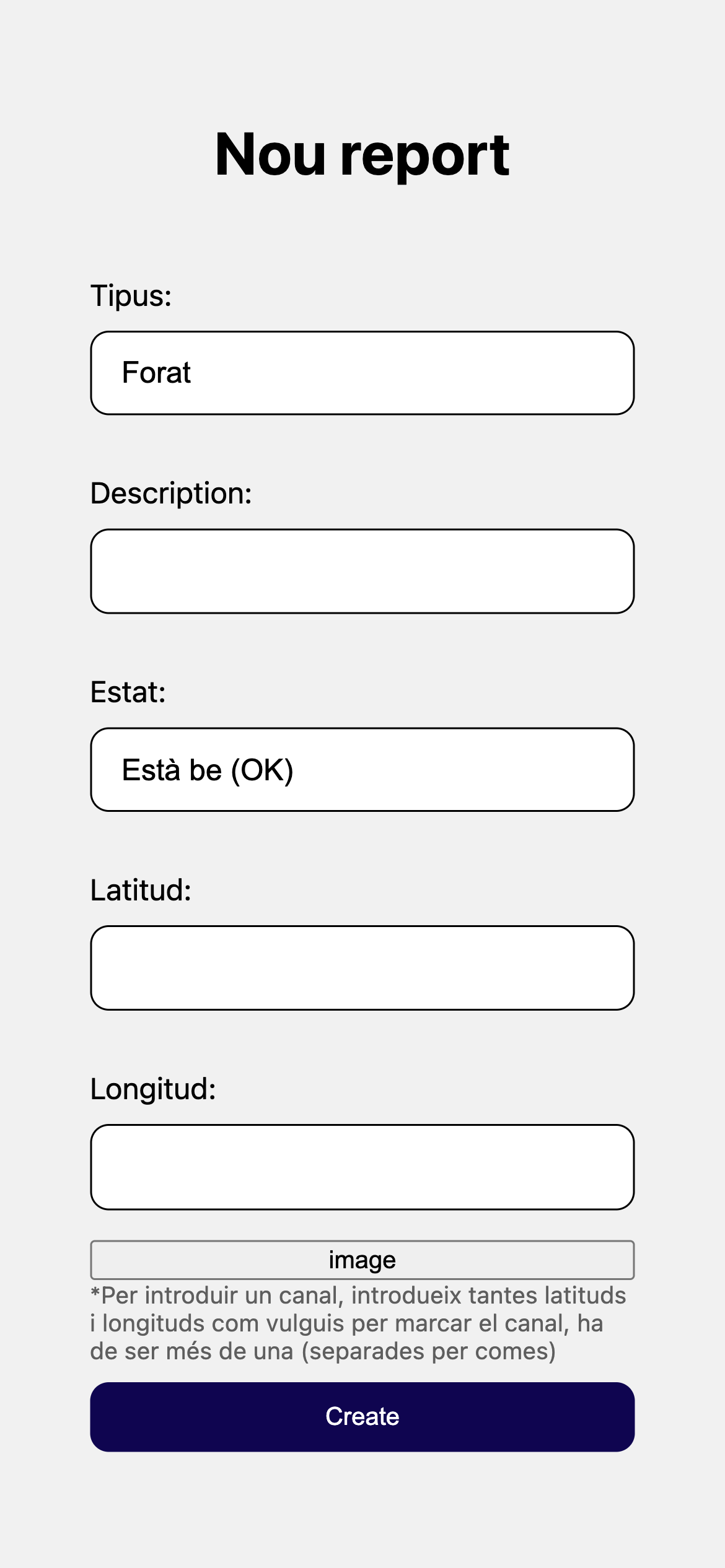
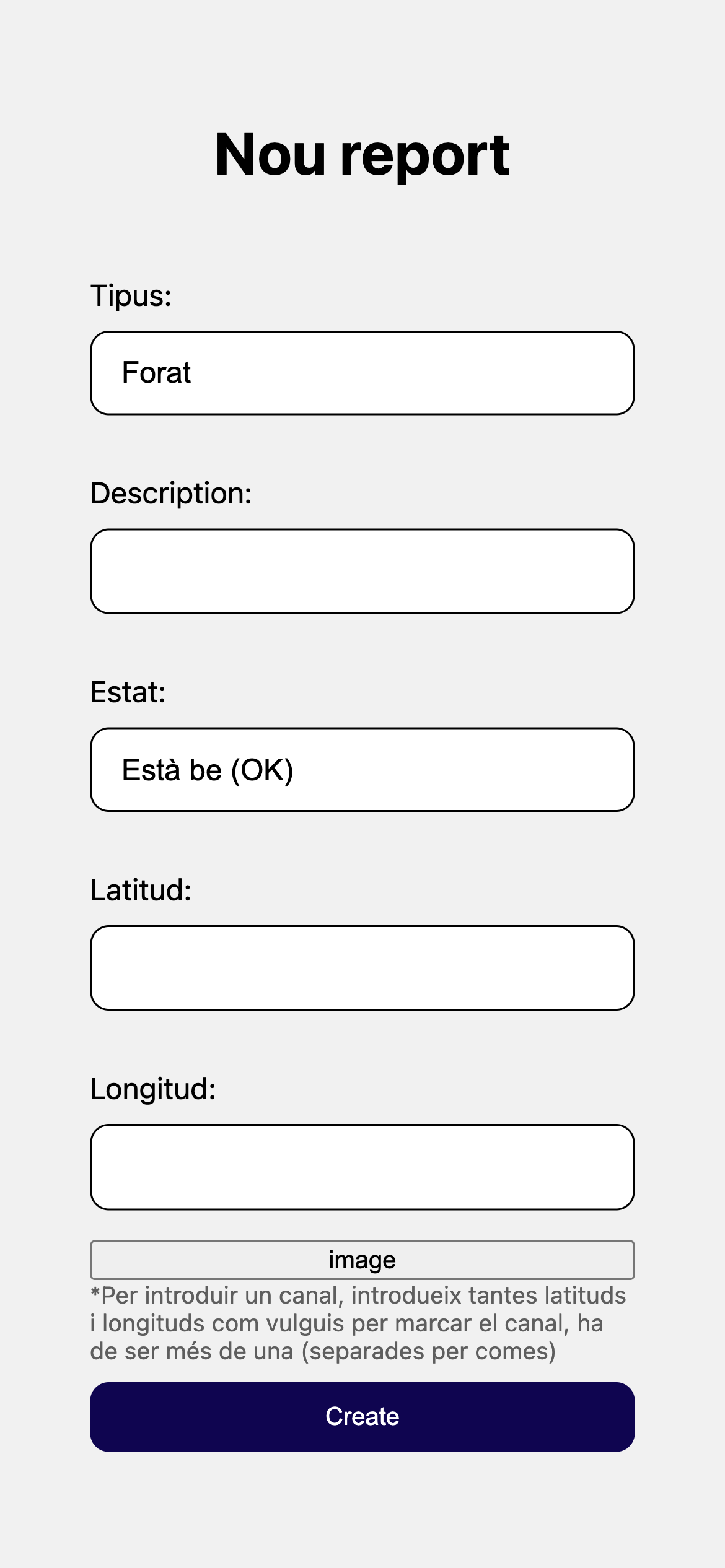
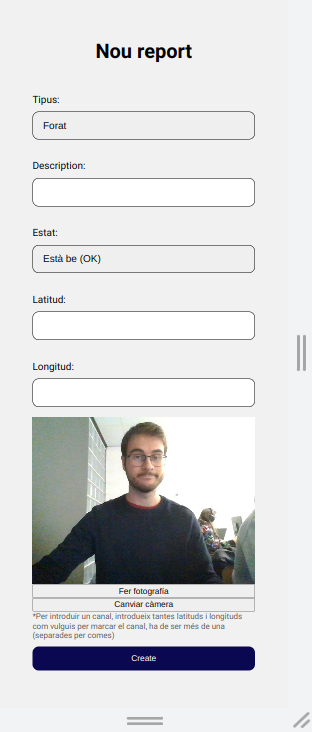
Our app lets you detect, upload and report incidents regarding different services and facilities in your city. In this first iteration we work with manholes and canalization items in the city, and you can upload them to the app with different kinds of information: location, image, description, current status...
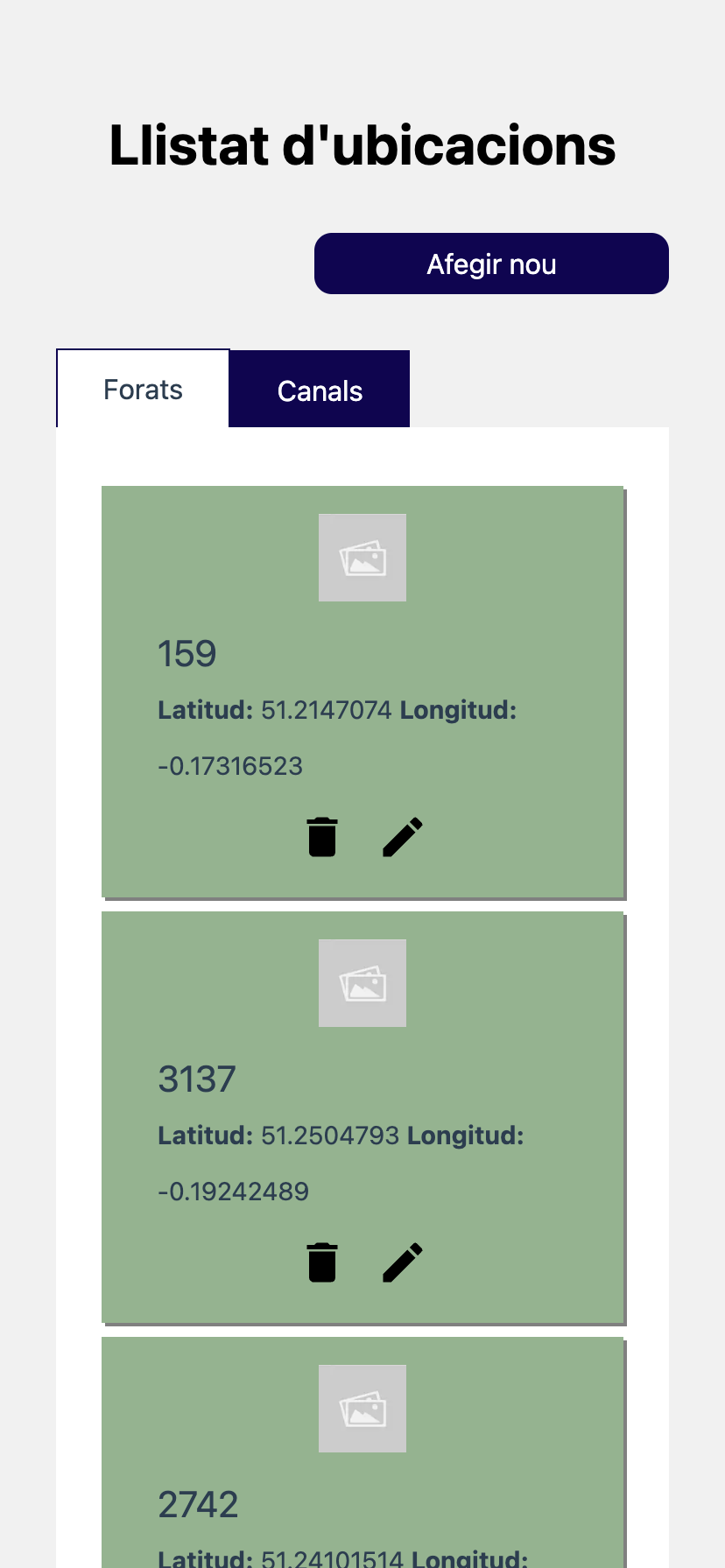
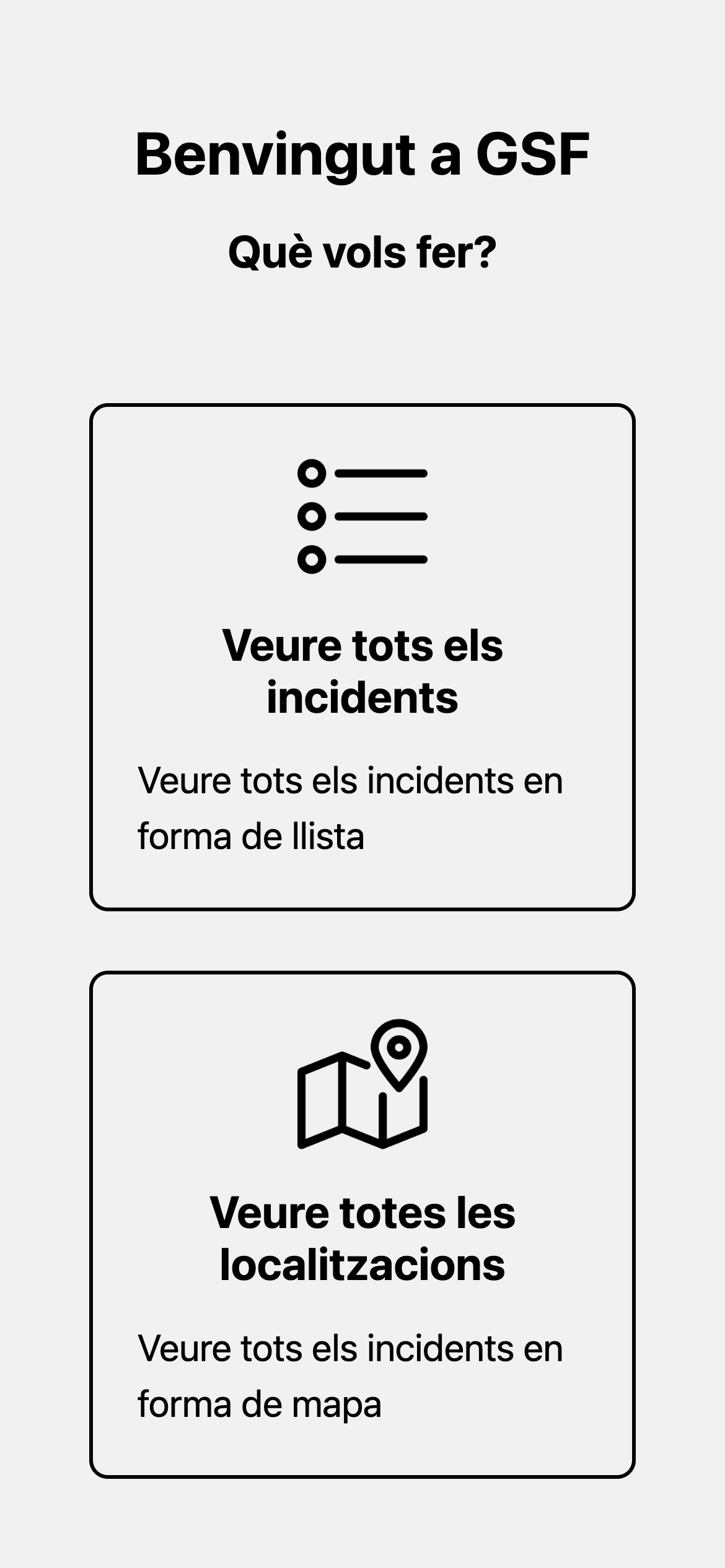
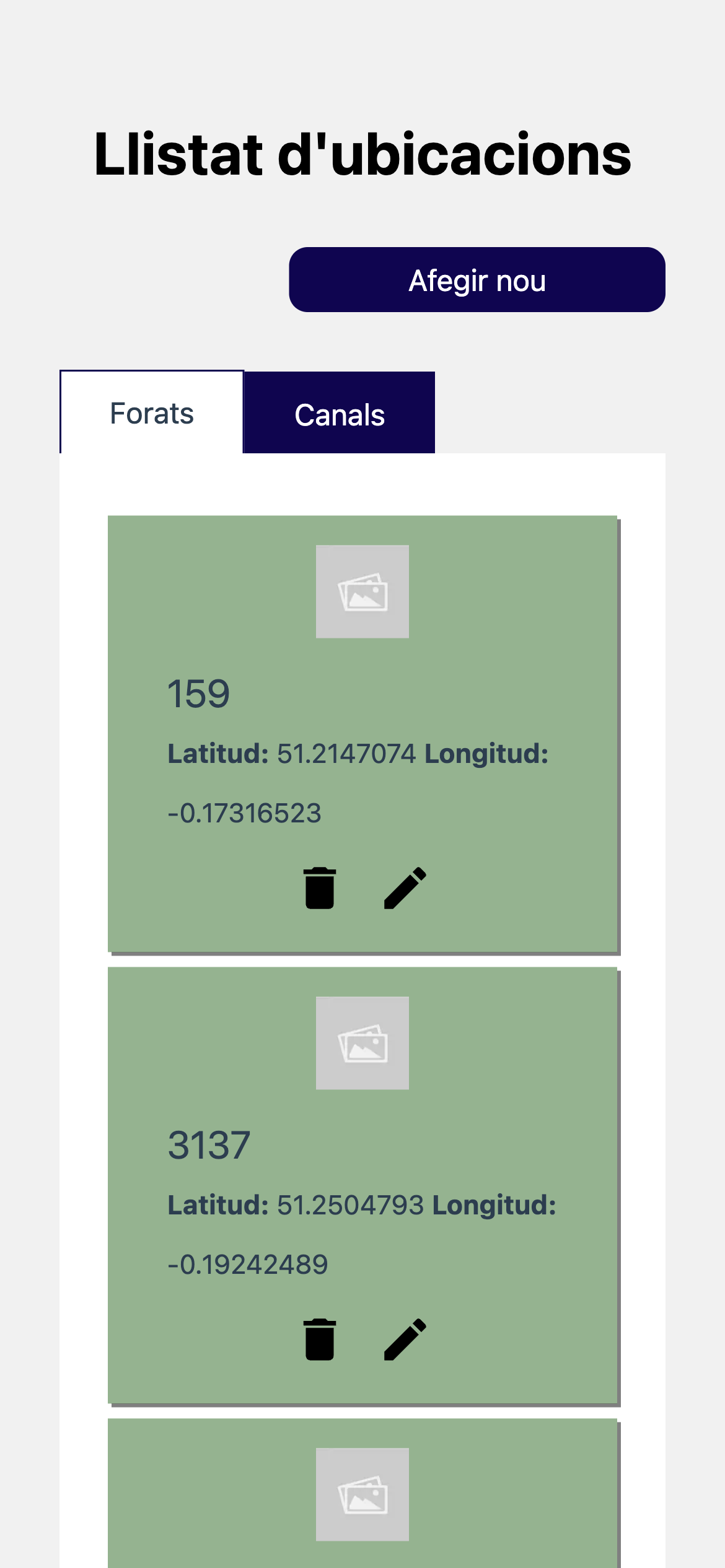
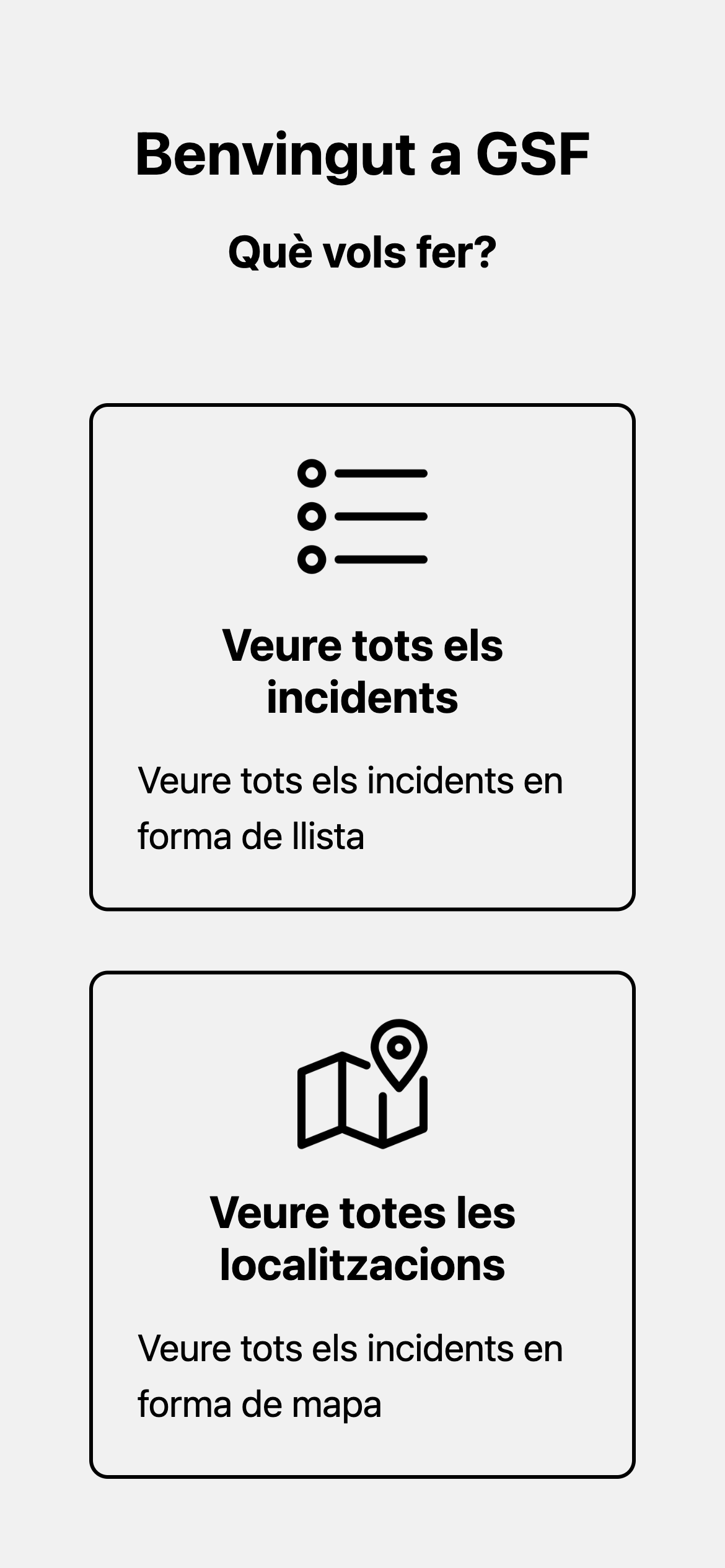
Later on, if you pass by them will you're out in the street, you can check up on these items again on the app, either through the map or a list of elements, and change their status if it's necessary. From OK to MISSING, to BROKEN or viceversa...
How we built it
We have built it using a stack of the following:
- Client is a webapp built with NextJS, deployed with Vercel
- Server serves a Restful API with Flask (Python), deployed on Heroku.
- We have used a github repository to upload and manage our code.
Challenges we ran into
This was the first time that we have used Flask to build an application, as well as NextJS was new for a lot of us. Using these technologies that we aren't experienced with has been a challenge of its own, since we have had to learn from scratch and build something that works in less than 24 hours.
Accomplishments that we're proud of
We are proud that we developed an MVP version of our project that has reached a state where it works correctly and lets us play with it in different ways. We could easily see it being improved and expanded upon in the future, and we have left many ideas in the drawer.
There's a lot of aspects that we think could be improved on our app, both scope/functionality wise and tech wise, so having that vision of future for a project that was developed in such a short time excites us and makes us happy.
Learning to use different technologies has been a very satisfying experience, and we had a lot of fun!
What we learned
We learned to use Python(Flask) to make an API as well as pairing it with NextJS. For some of us it was the first time deploying an application in Heroku, so that was algo a new experience.
What's next for GSF (Geo Sensor Field)
We think that there is a lot of room to grow for this project, we could:
- Start by refactoring the code to make it more easily mantainable and not so hackathon-like.
- Add functionalities to the map, like using the user's location, adding a new element right from the map.
- Add offline functionalities to the webapp, so that it can be used in places without signal.
- Expand domain to add more city facilties types.
- Finish the image display for every item.
Built With
- flask
- nextjs
- postgresql

Log in or sign up for Devpost to join the conversation.