-
-
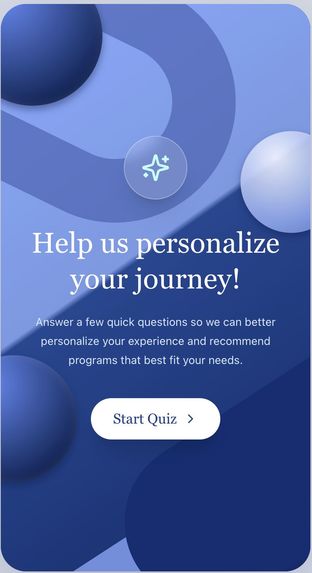
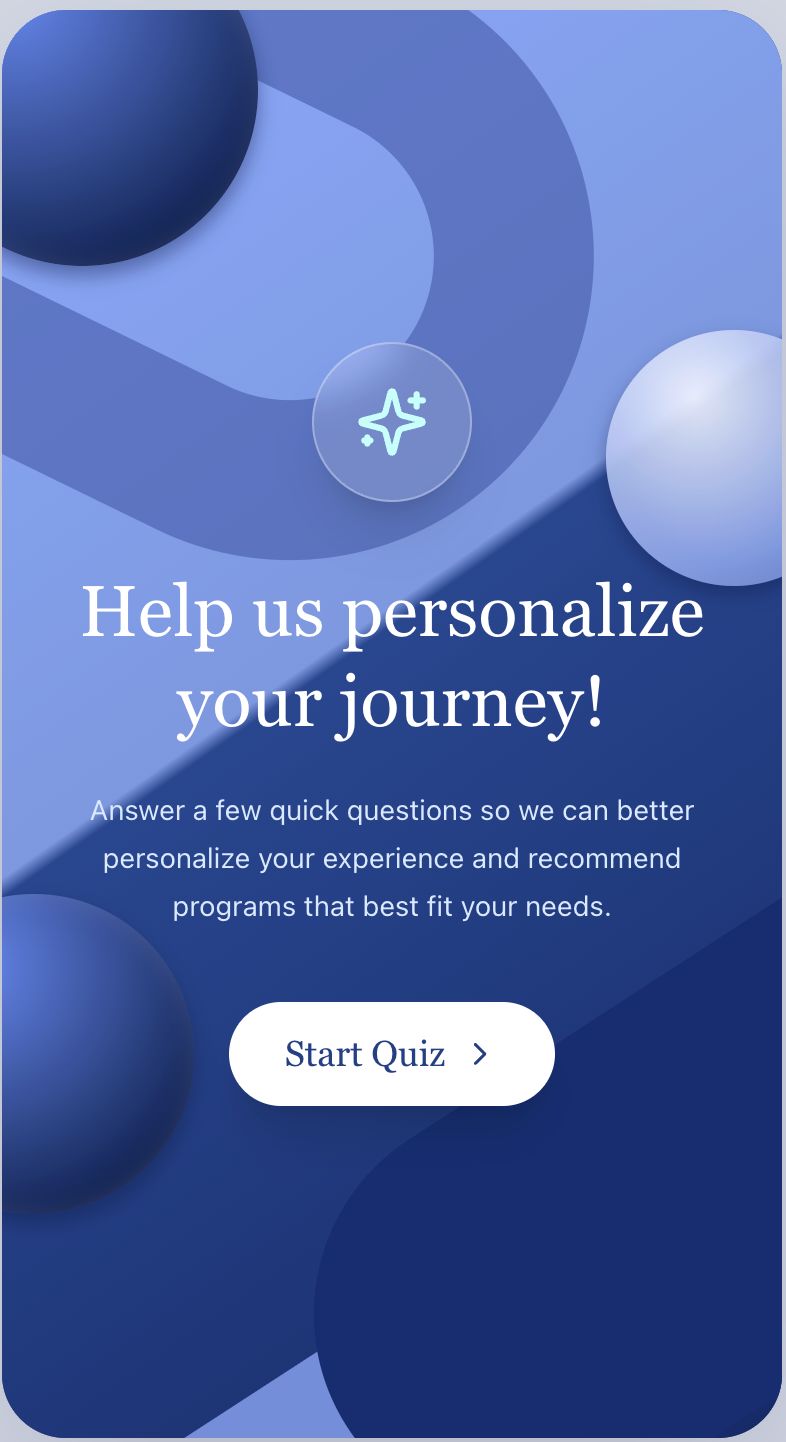
First Quiz Introduction
-
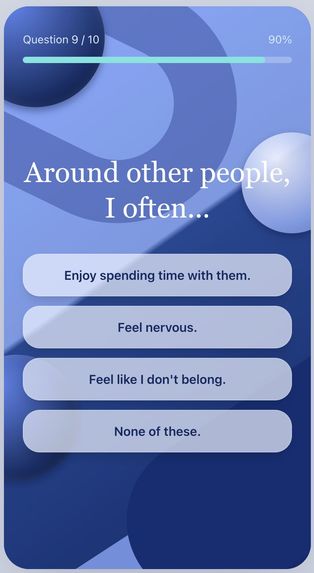
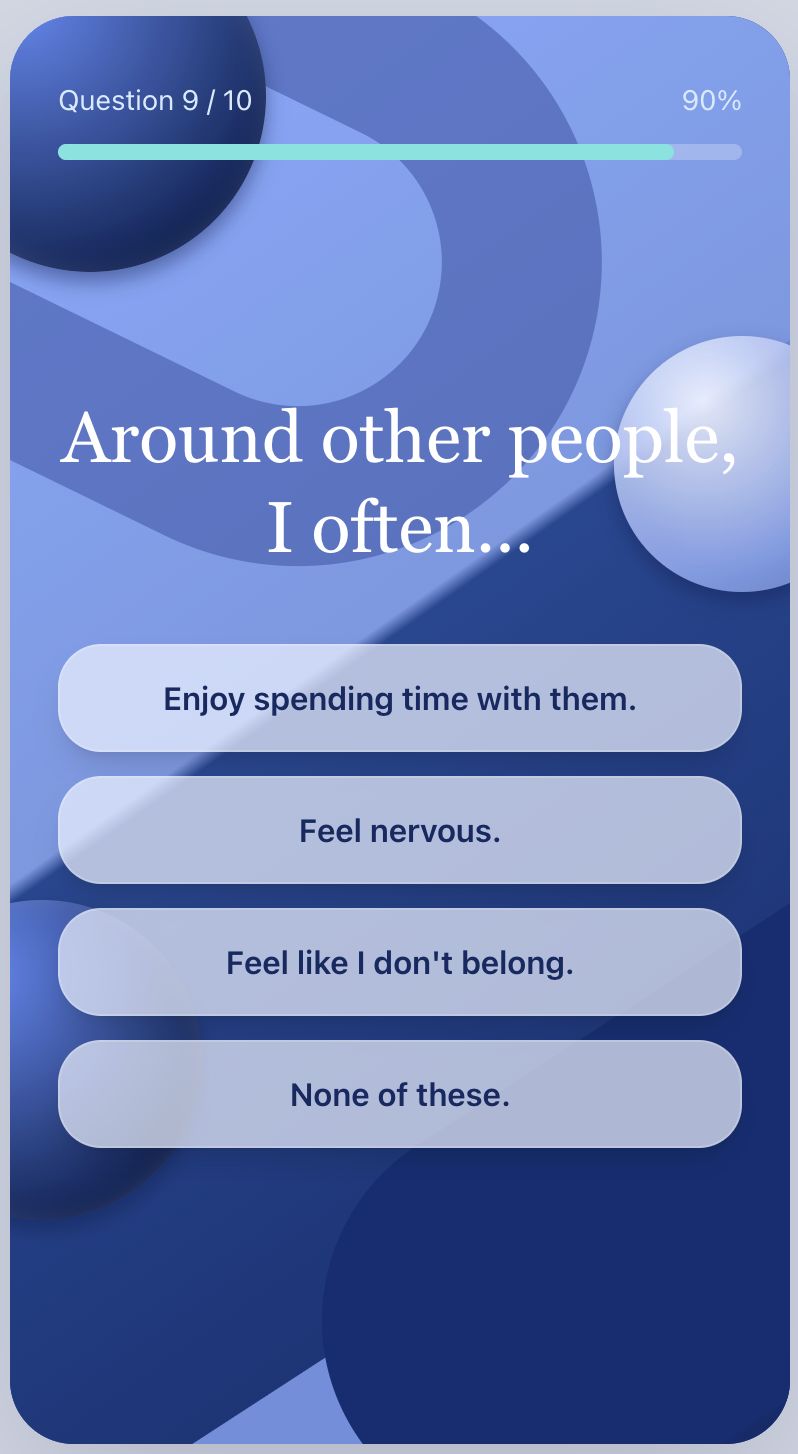
Quiz Question Layout
-
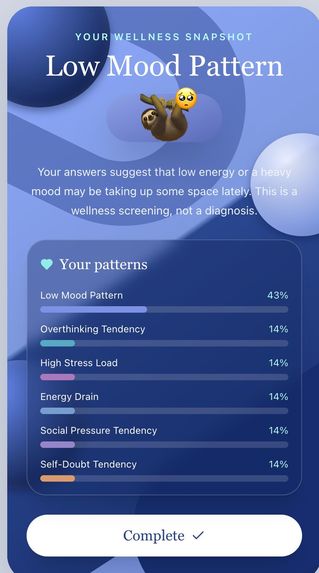
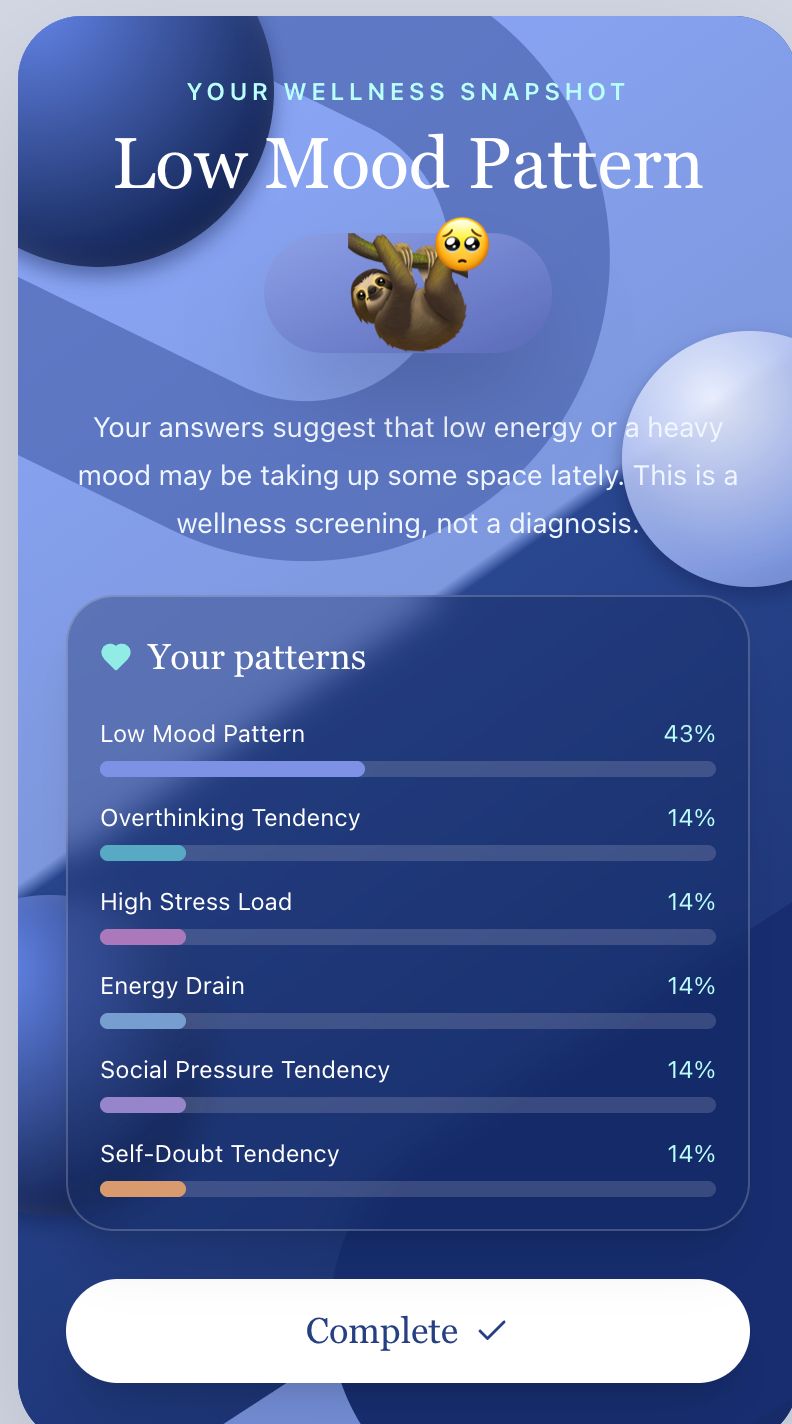
First Quiz Results
-
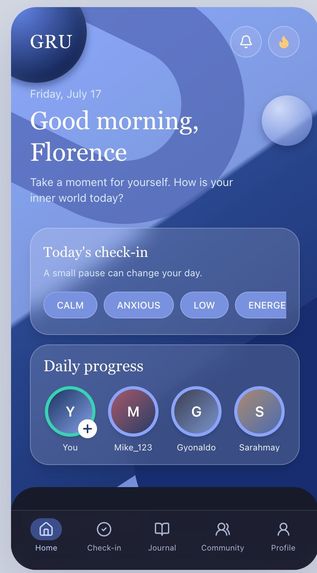
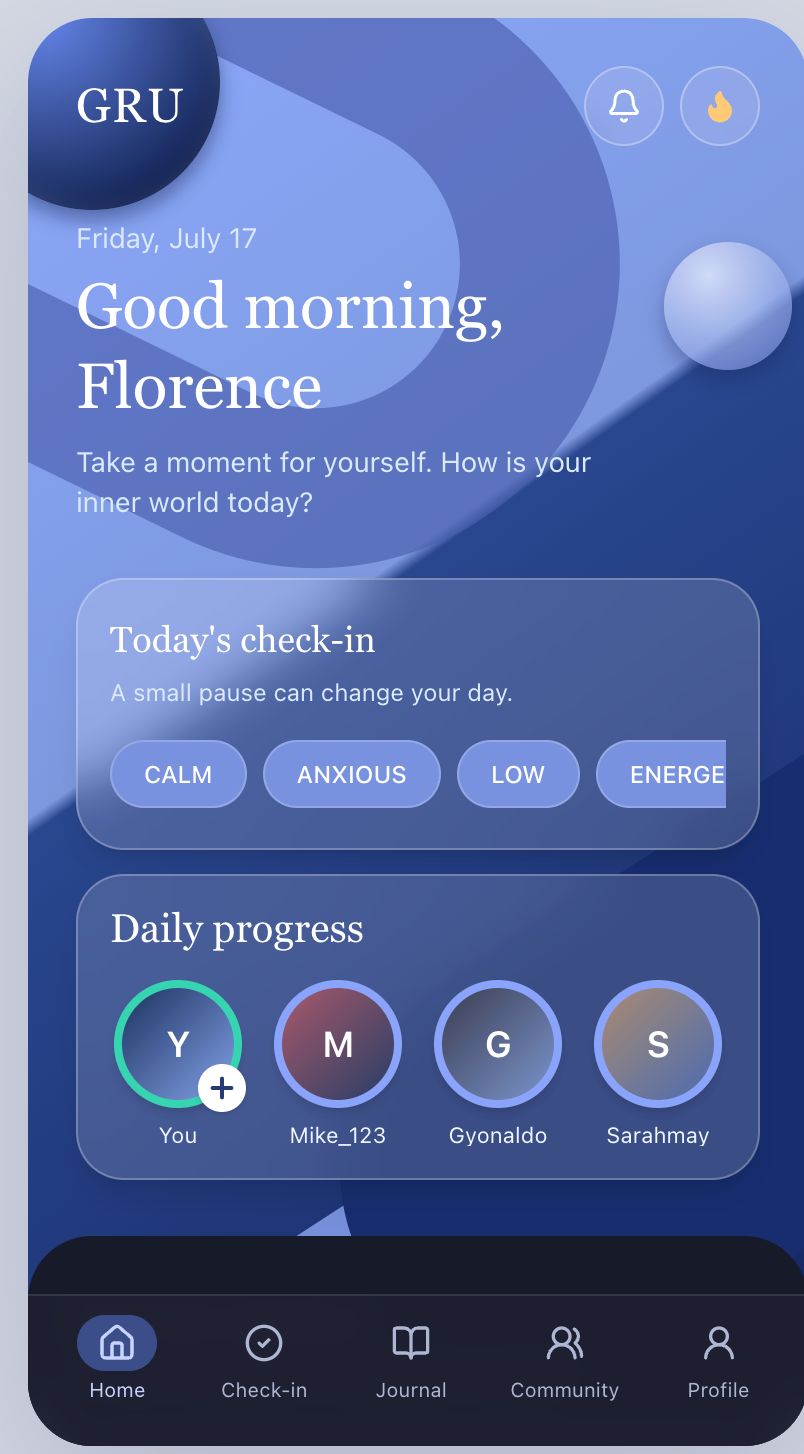
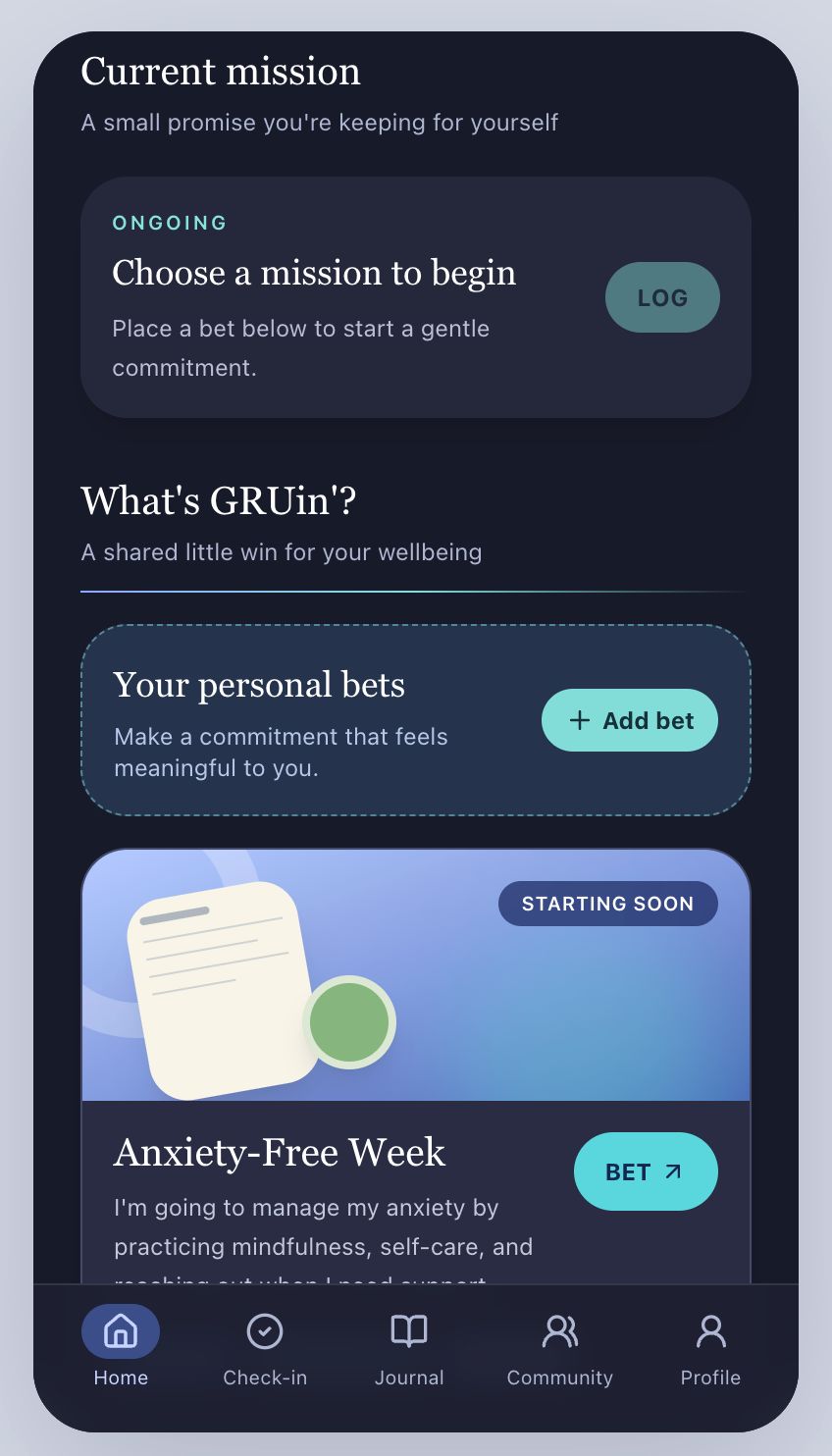
Home Page
-
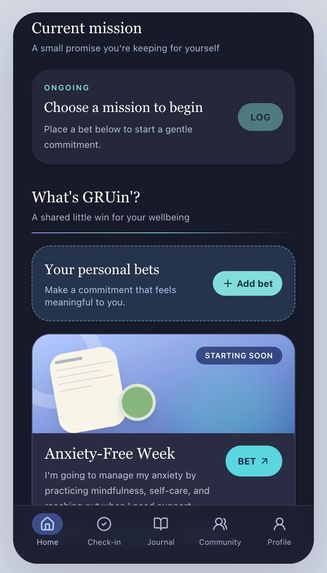
What's Gruin'? Feed
-
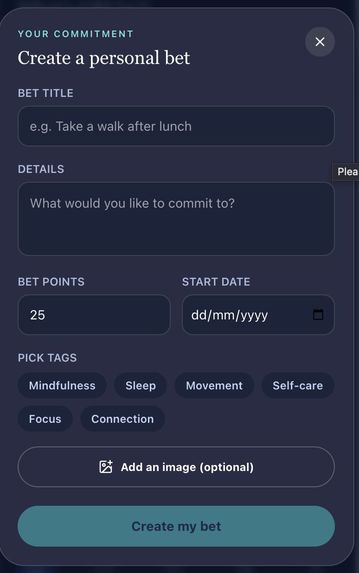
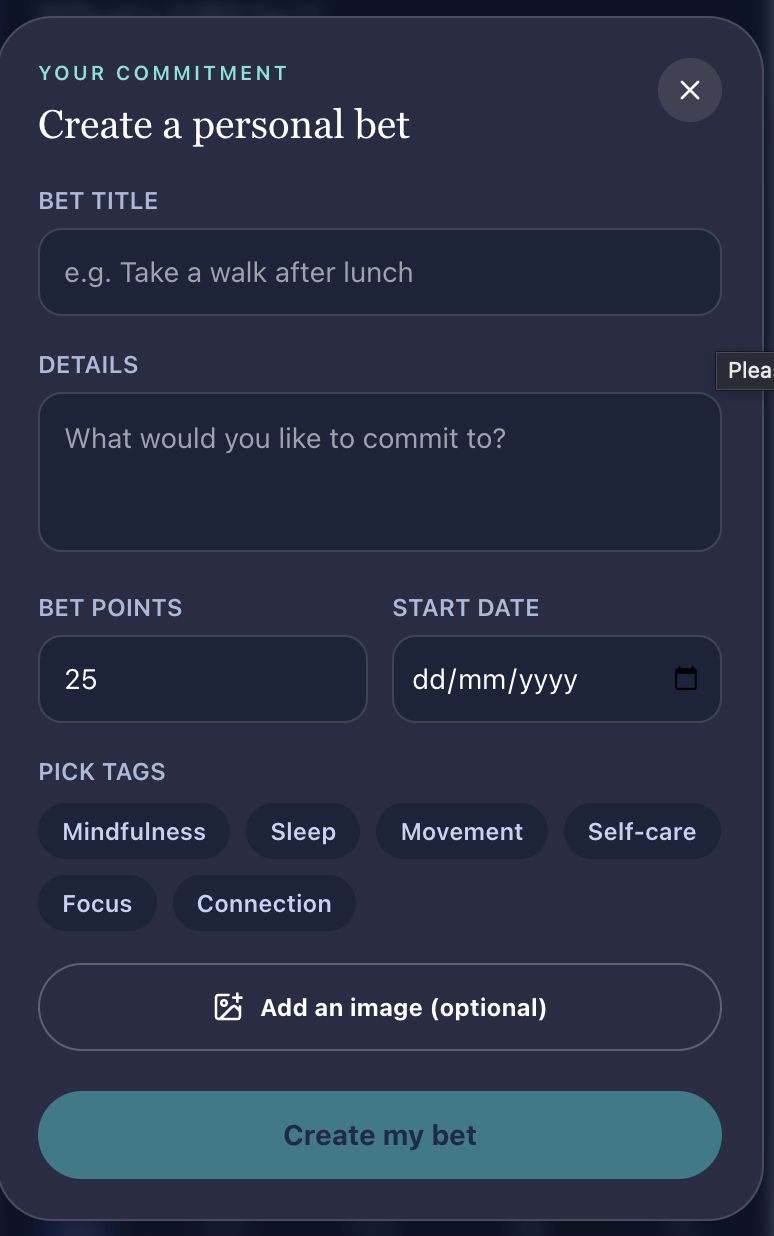
Creating a Bet Pop-Up
-
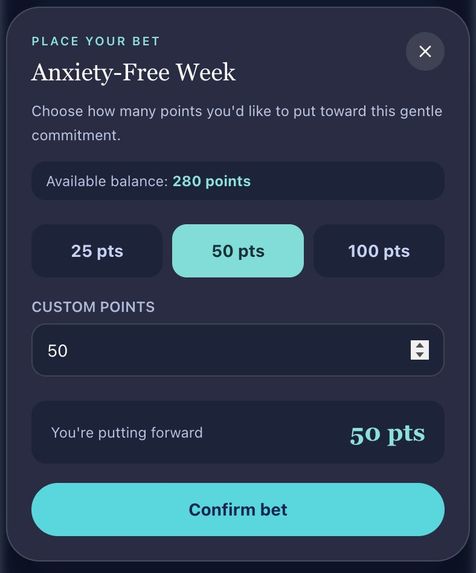
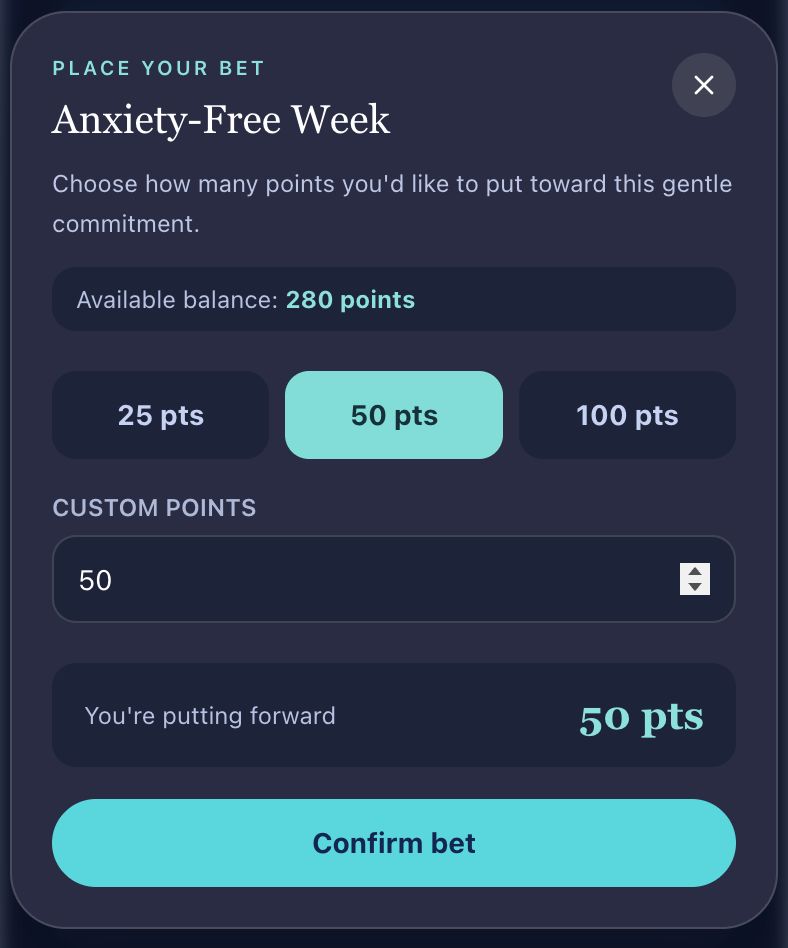
Placing Bet Pop-Up
-
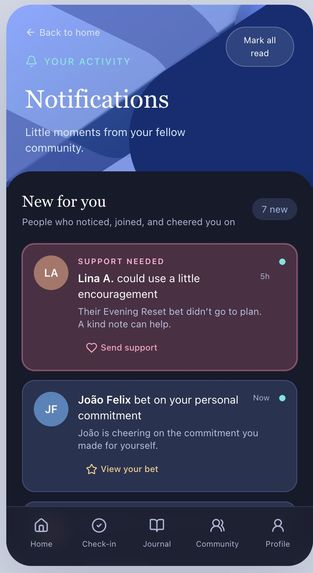
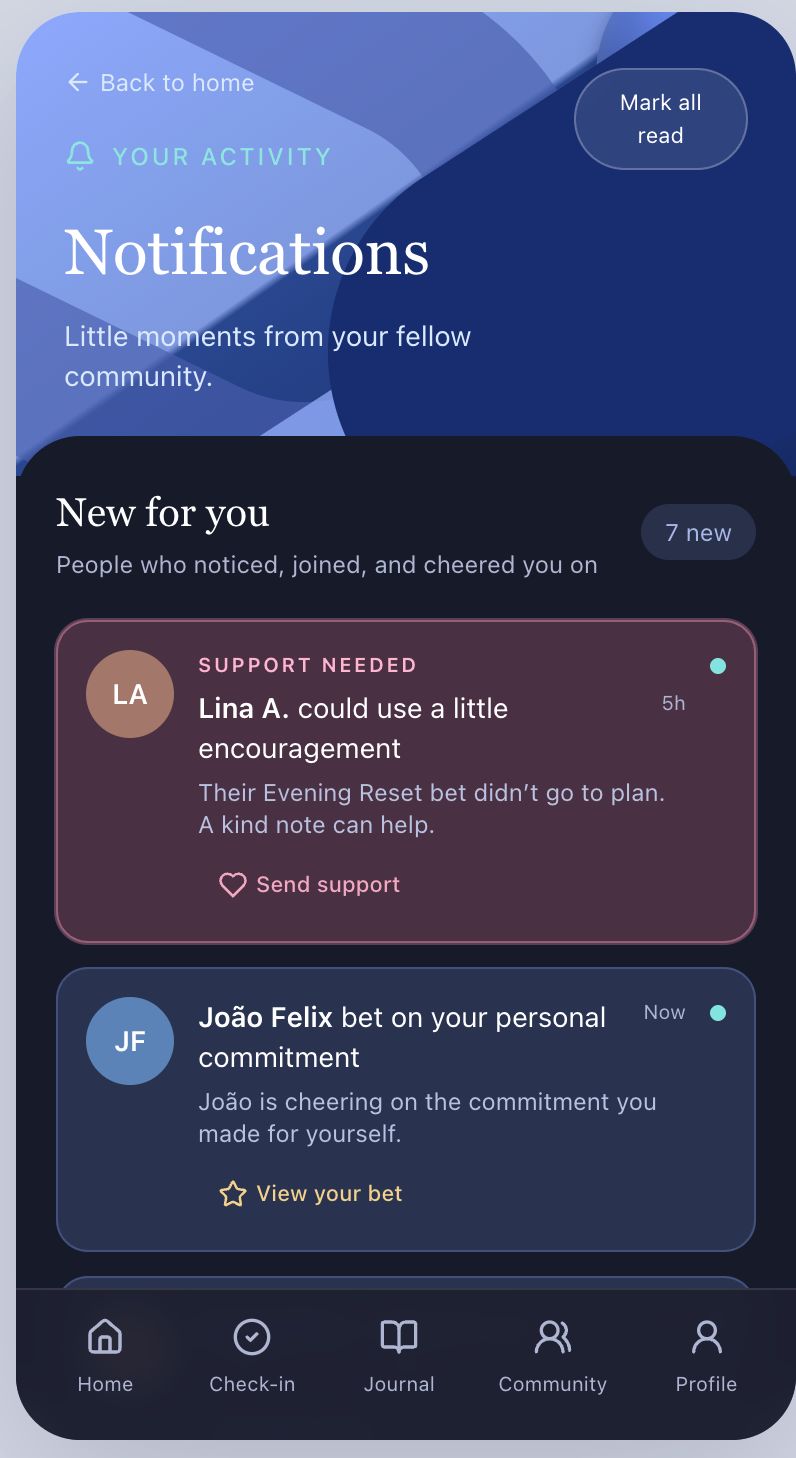
Notification Page
-
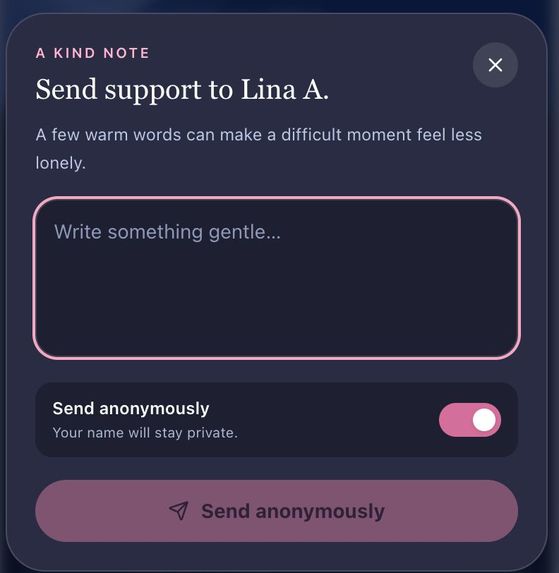
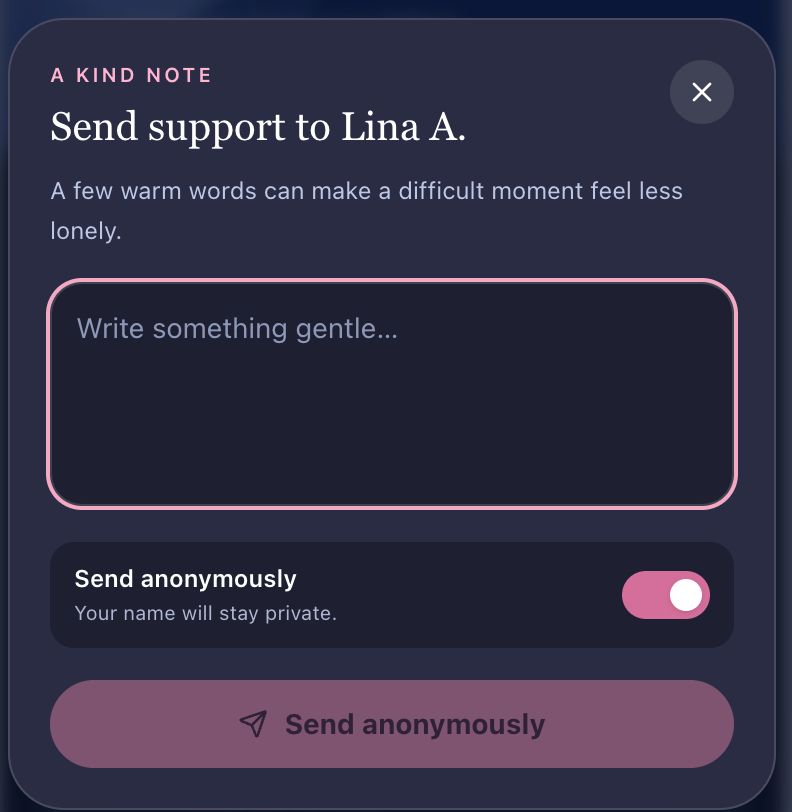
Sending Support Pop-Up
-
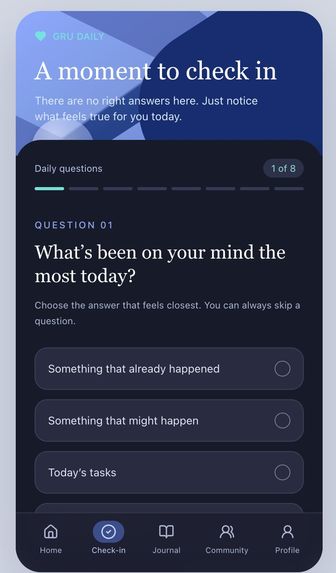
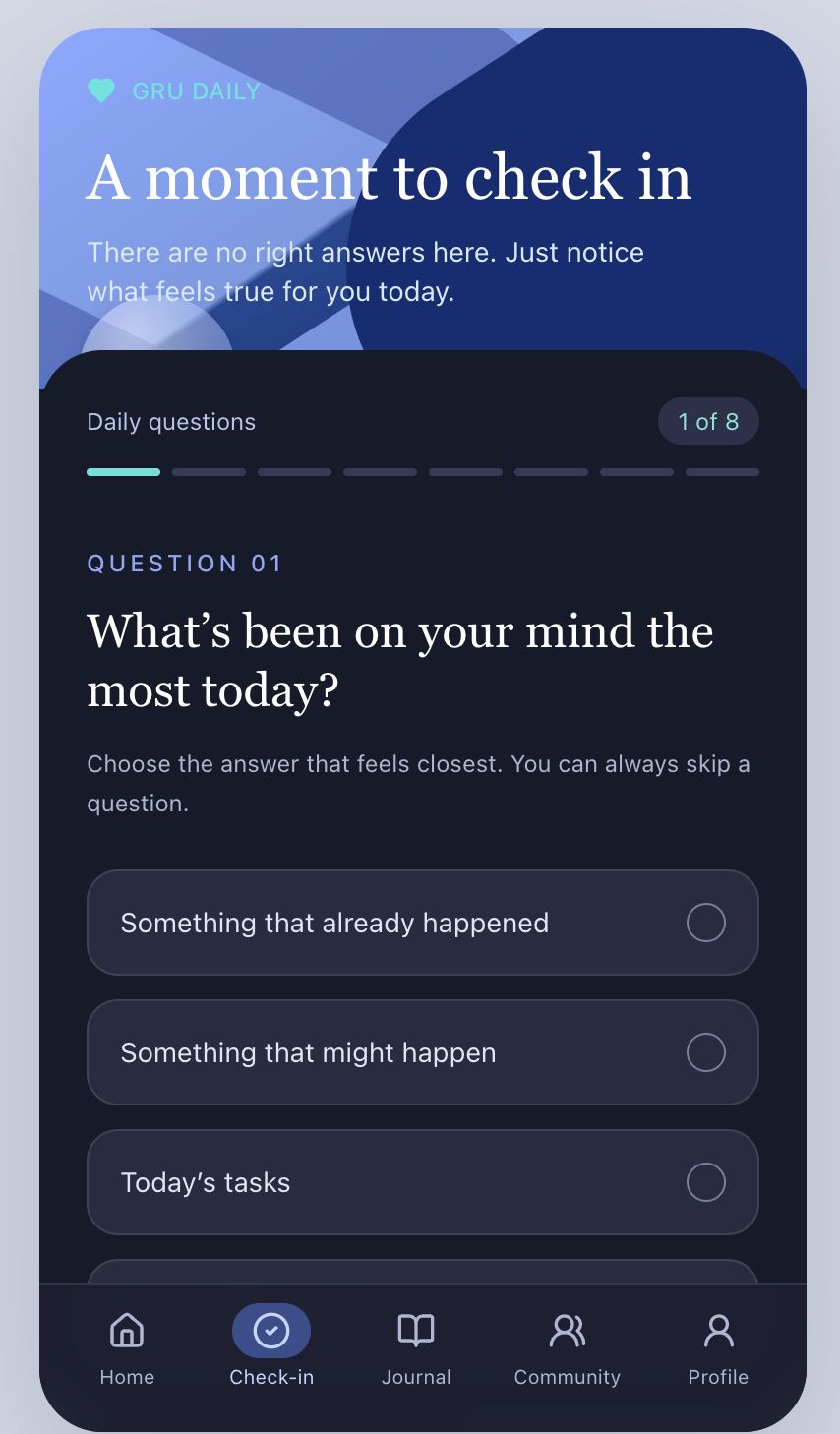
Daily Check-In Questions
-
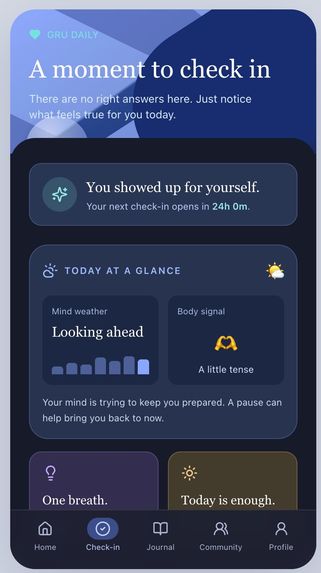
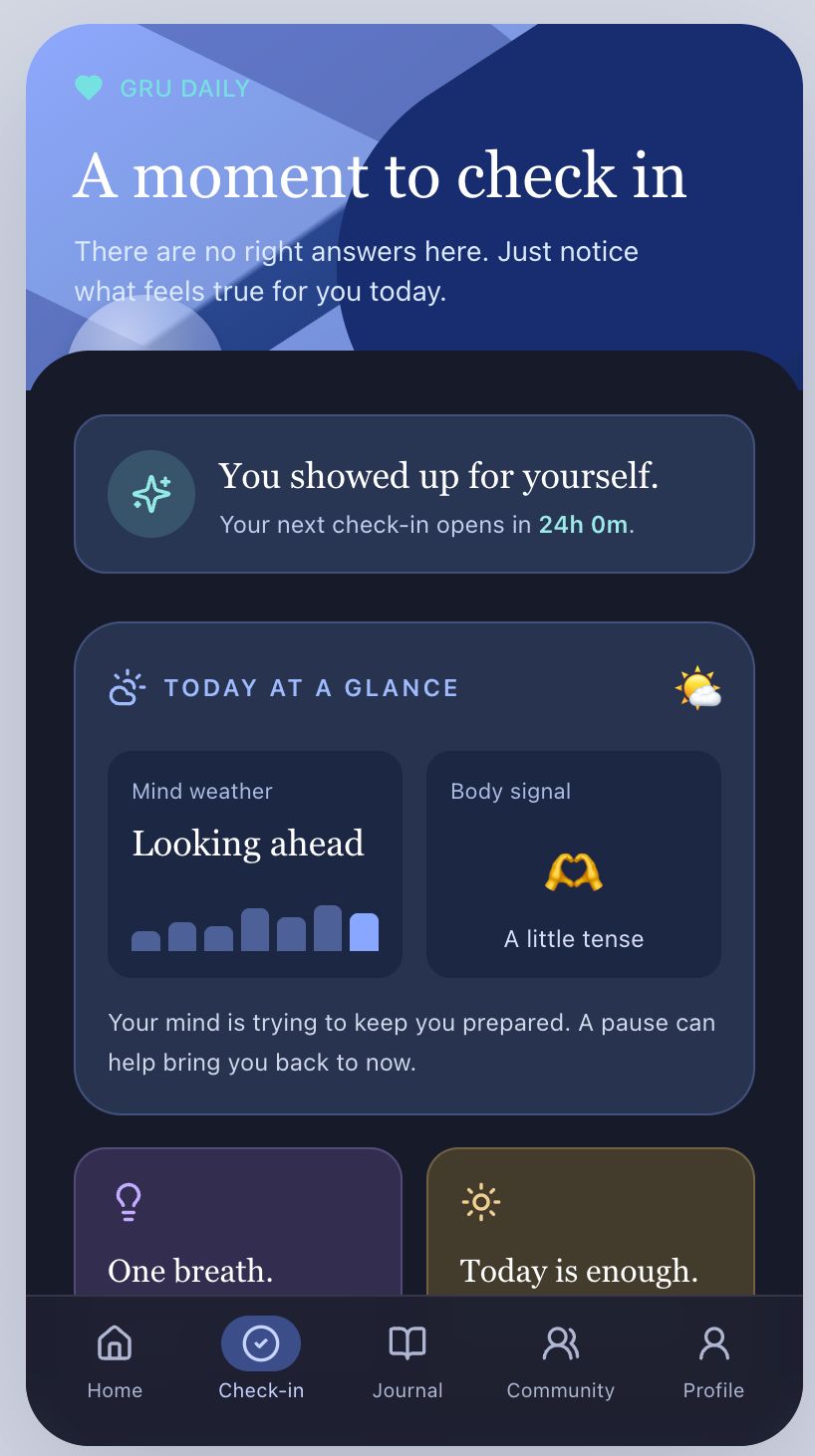
Daily Check-In Results
-
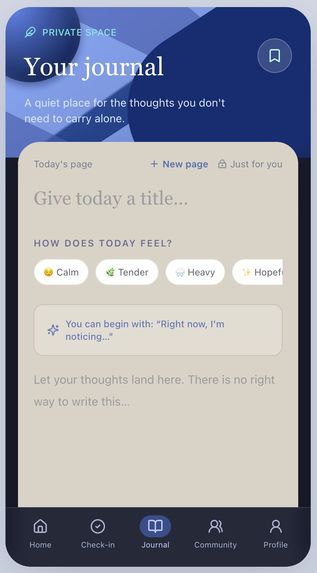
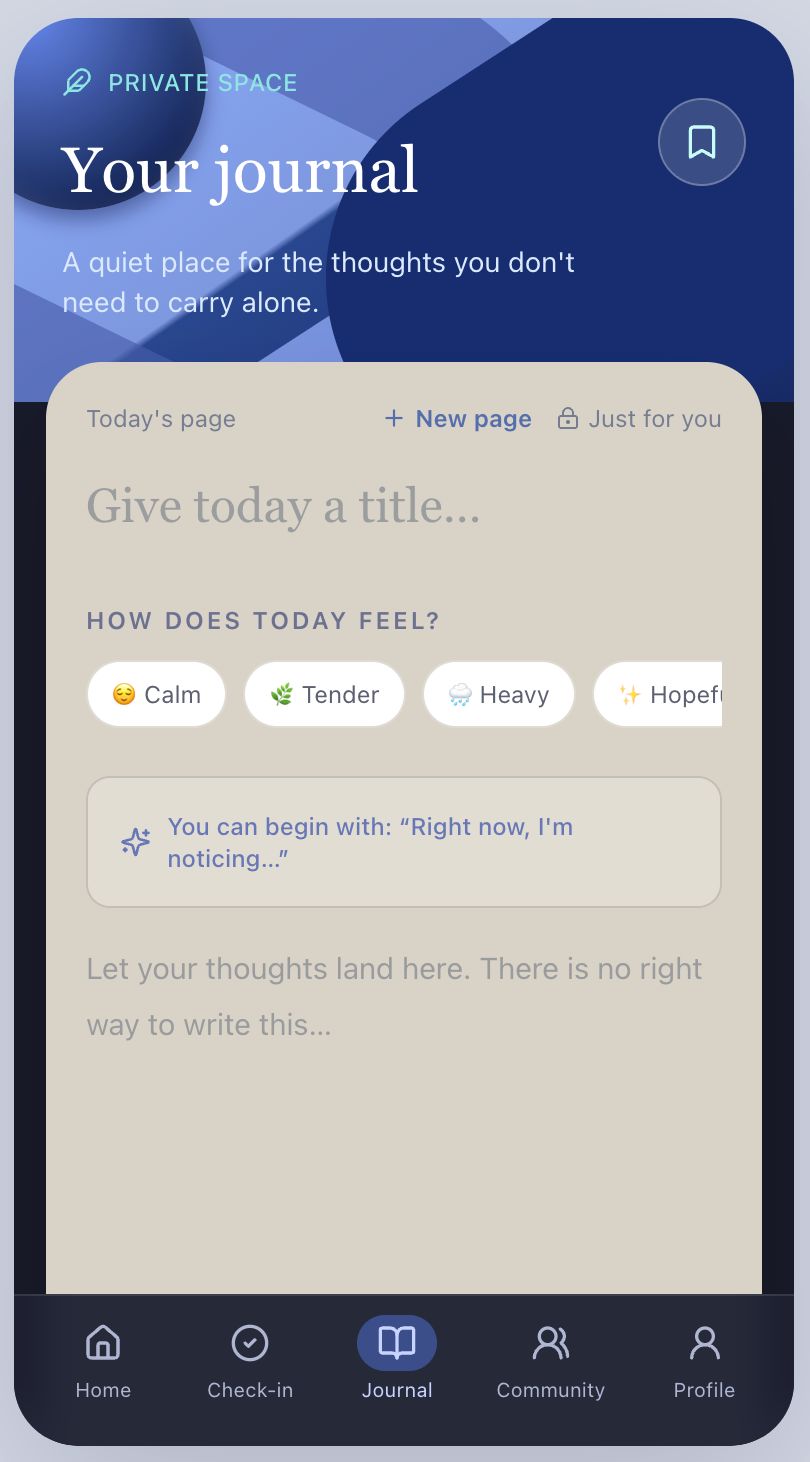
Journal Page
-
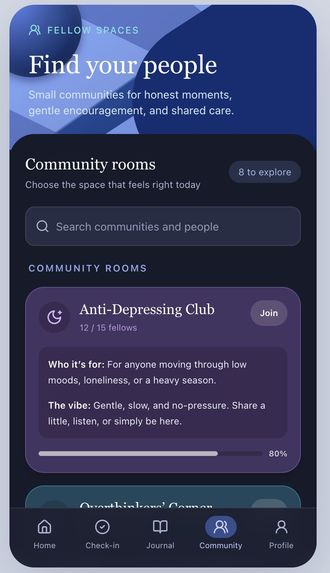
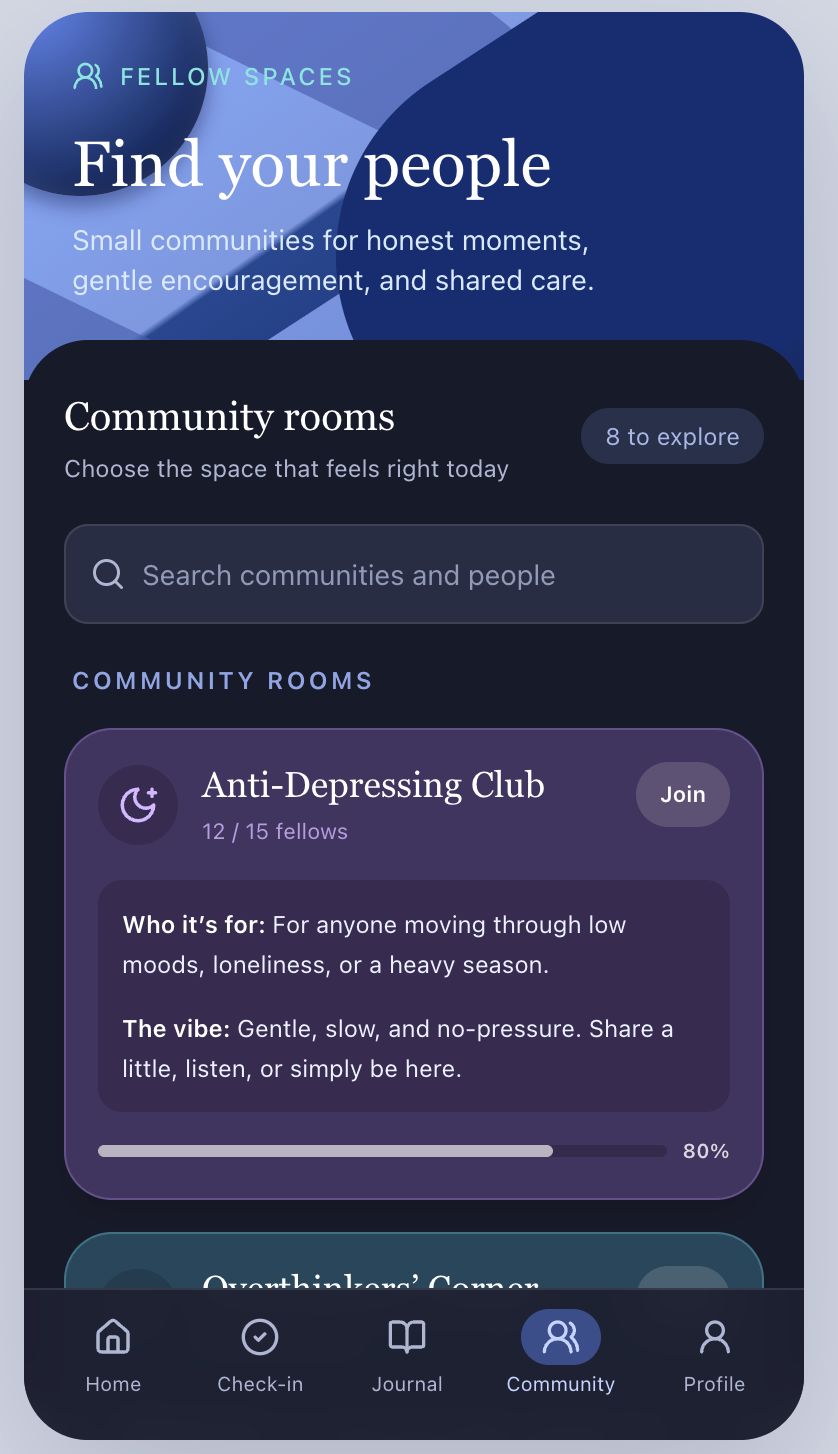
Community Page
-
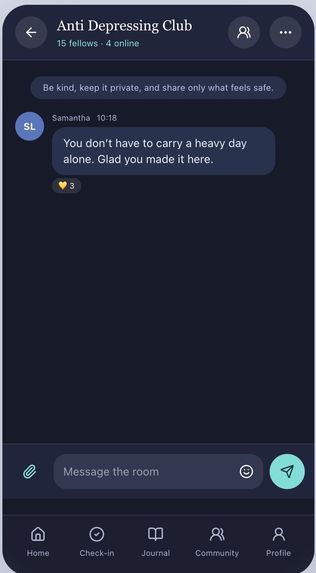
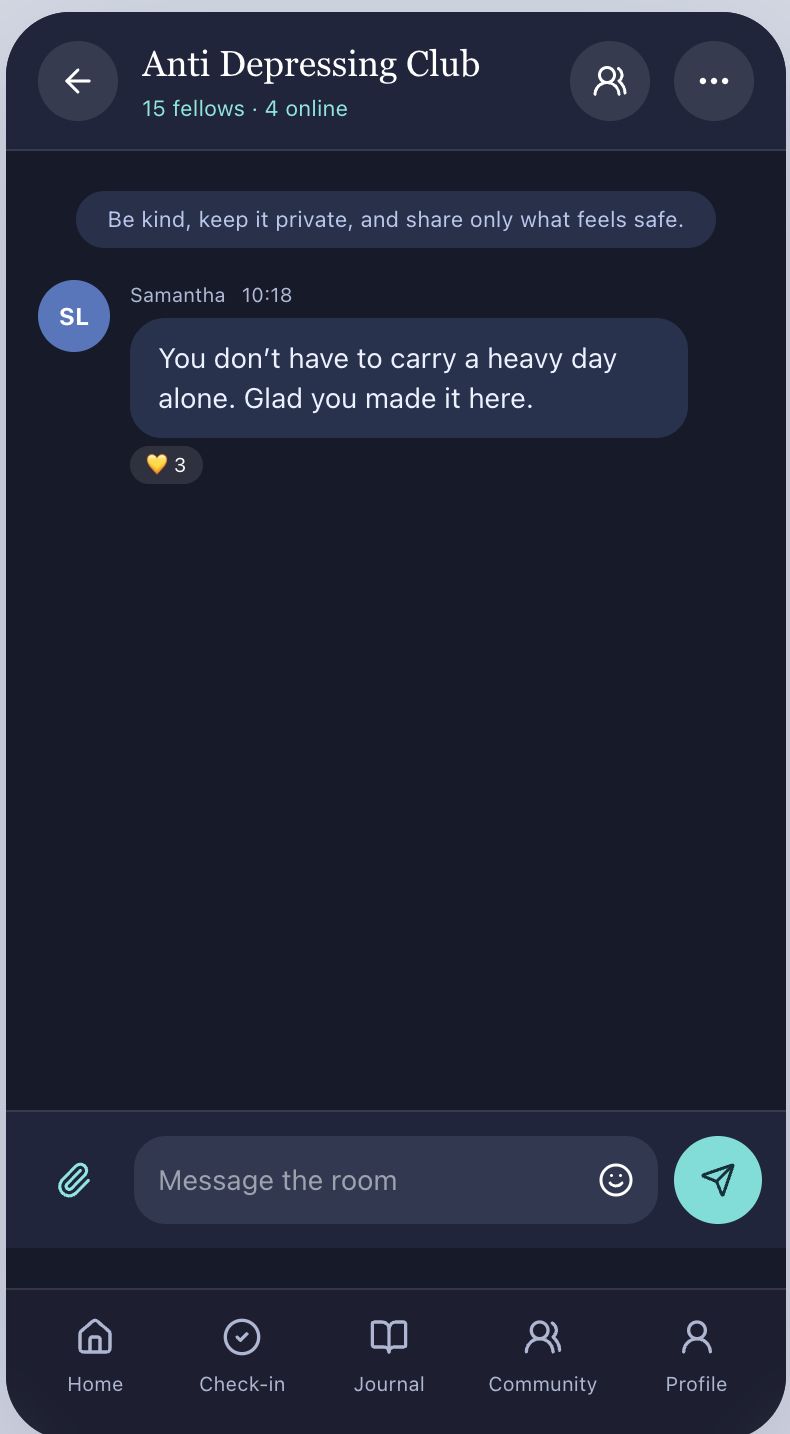
Community Chat Rooms
-
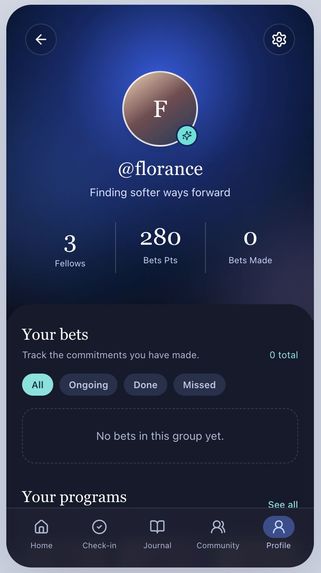
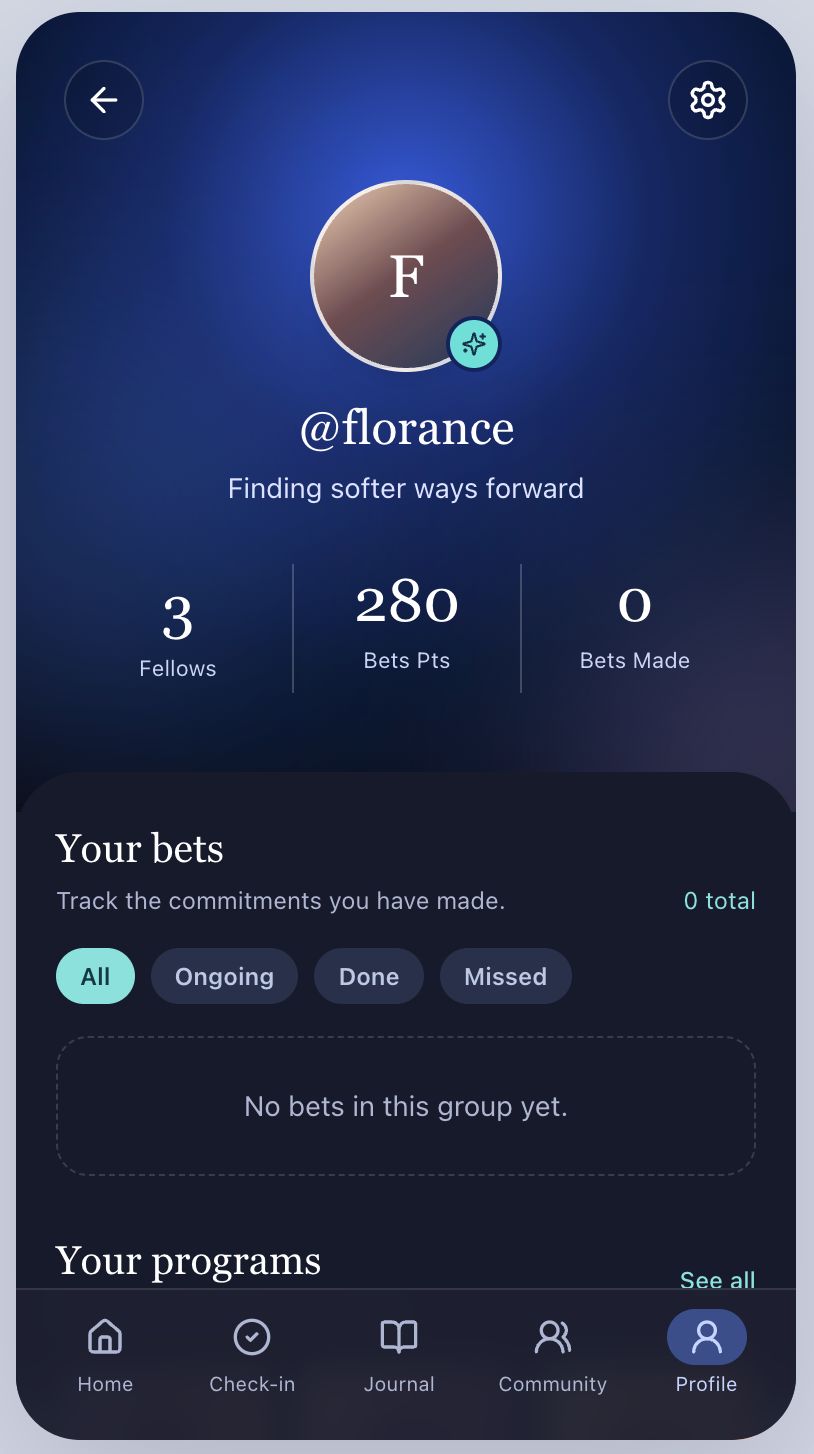
Profile Page
-
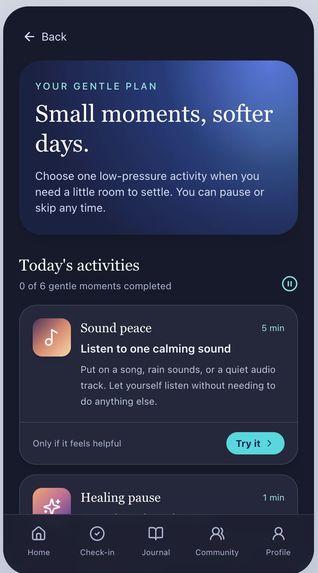
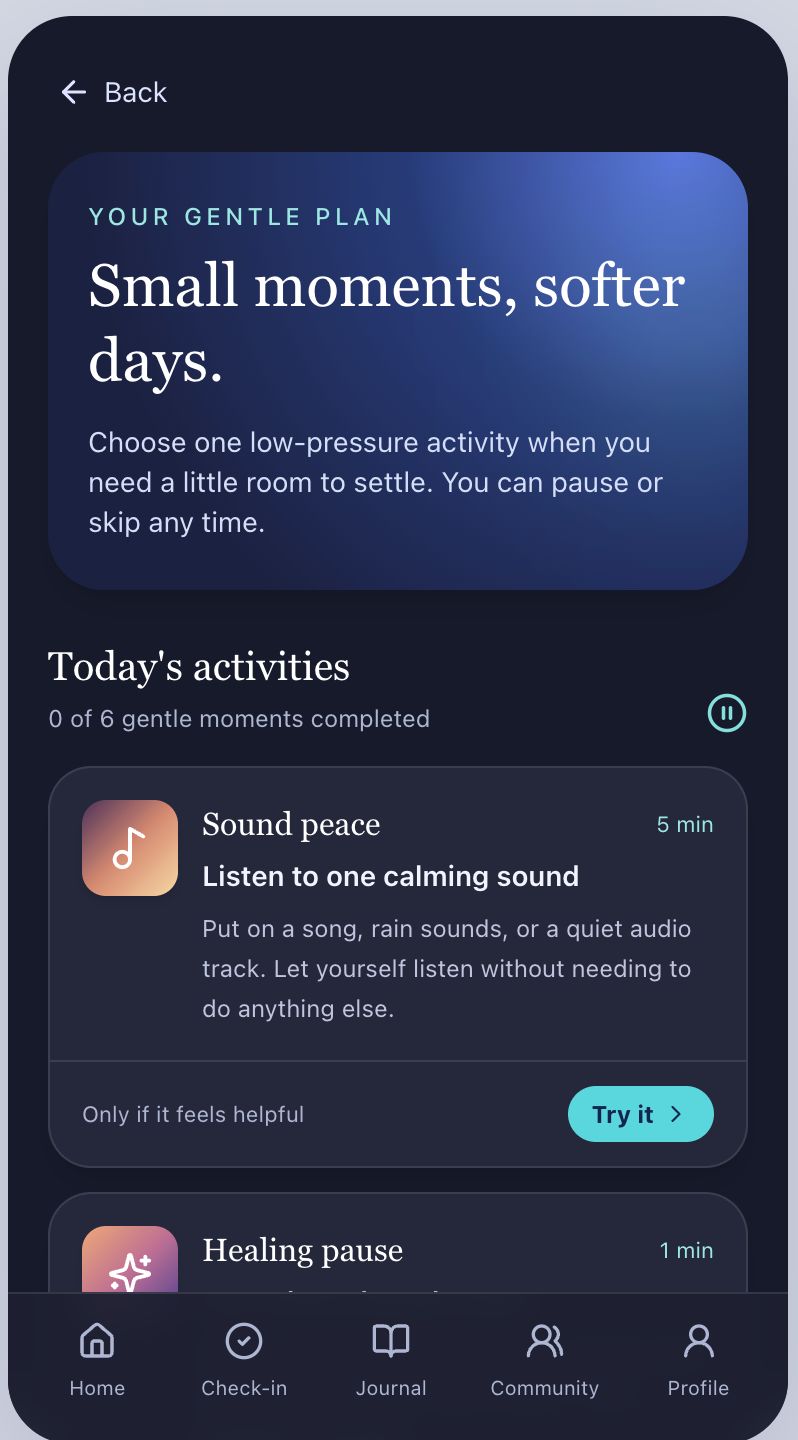
Personalized Program Page
Inspiration
We noticed that many existing mental health apps feel impersonal. Some of our friends who have struggled with their mental well-being shared that while these apps offer useful resources, they often lack the warmth, encouragement, and sense of connection needed to keep users engaged.
This inspired us to create GRU—a mental wellness ecosystem designed to help people build healthy habits before their challenges develop into more serious mental health conditions. Rather than only providing support during a crisis, GRU focuses on early awareness through personalized daily check-ins, guided grounding activities, and a supportive community that celebrates every small step forward.
What it does
GRU is a web-based mental wellness platform designed to support individuals who may be experiencing early signs of mental health challenges but lack a trusted support system. Rather than acting as a medically certified diagnostic tool, GRU focuses on helping users better understand their emotional well-being through self-reflection and consistent habit building. Upon signing up, users complete a one-time 10-question assessment that evaluates common emotional tendencies such as overthinking, high stress, low mood patterns, energy drain, social pressure, and self-doubt. Based on a scoring system, the app identifies the user's strongest tendency and displays its intensity on a scale, providing a personalized starting point without making any clinical diagnoses.
After onboarding, users are directed to the home page on future logins, where they complete personalized daily check-ins tailored to their identified tendency. These check-ins contribute to a daily streak, update a simple wellness trend graph, and provide motivational messages to encourage consistency and self-awareness. The application also includes a unique "Program" system, where users create personal commitments—or "bets"—such as completing an anxiety-free week or practicing healthier habits for a chosen period. Programs may be posted publicly or anonymously, and creators can upload daily photo updates as personal proof of their progress.
GRU emphasizes community support through its "What's Gruin'?" feed, which showcases users' programs in a social-media-style format. Instead of traditional likes or comments, other users can place supportive bets using in-app points to encourage someone in achieving their goal. If a user fails to complete their program, everyone who supported it receives a "Support Needed" notification, allowing them to send encouraging messages anonymously or publicly. In addition, users can participate in small communities of 10–20 members to chat with others who share similar experiences, fostering meaningful peer support in a more intimate environment.
Although GRU is currently a prototype developed as a web application using Next.js, React, TypeScript, and Tailwind CSS, it demonstrates how digital platforms can encourage healthier mental wellness habits without replacing professional care. The app intentionally avoids diagnosing mental illnesses and instead serves as a companion for self-awareness, accountability, and community encouragement. While features such as AI-powered personalization, expanded analytics, and stronger community moderation remain future improvements, GRU's primary goal is to create a safe and accessible ecosystem where users feel supported throughout their mental wellness journey.
How we built it
We started by brainstorming ideas and designing the user experience in Figma, focusing on creating an interface that feels welcoming, calming, and easy to use.
We then developed GRU as a mobile-first web application, allowing it to provide the experience of a native mobile app while remaining accessible from any browser.
Our technology stack includes:
- TypeScript / TSX — page and React component code
- CSS — global styling, with Tailwind CSS utility classes
- HTML — via JSX/TSX markup
- JavaScript tooling — Next.js, React, npm configuration
Throughout development, we also used AI coding assistants to help debug logic, accelerate development, and improve our workflow, allowing us to spend more time refining the user experience and core features.
Challenges we ran into
One of our biggest challenges was deciding what not to build.
As a team, we kept coming up with exciting new ideas and features. We spent nearly five hours discussing which features truly aligned with our vision and which ones should wait for future versions.
This experience taught us the importance of prioritization. Rather than building everything, we focused on creating a strong foundation that delivers meaningful value to users.
Accomplishments that we're proud of
We're incredibly proud of how much we accomplished together in such a short amount of time.
Some of our proudest achievements include:
- Turning an idea into a working prototype.
- Completing the first major pages of our application before midnight on our first development day.
- Creating a cohesive design and branding that reflects our vision for GRU.
- Working together efficiently as a team, where everyone contributed, collaborated, and supported one another throughout the project.
More than anything, we're proud that we built something we genuinely believe could make a positive impact on people's lives.
What we learned
Through GH's mentoring sessions and throughout the development process, we learned that great products aren't defined by the number of features they have.
Choosing the right core features—and executing them well—is often far more valuable than trying to build everything at once.
We also gained valuable experience in UI/UX design, full-stack web development, teamwork, project planning, and rapid prototyping under time constraints.
What's next for GRU
Mental health challenges continue to rise among our generation, and we believe early support can make a meaningful difference.
Our next goal is to develop GRU into a beta-ready product that can be tested by real users. We hope to gather feedback, iterate on the experience, and continue improving the platform based on users' needs.
In the future, we'd also like to collaborate with local psychologists and mental health professionals to validate our approach and ensure that our features are responsible, evidence-informed, and genuinely helpful.
If the opportunity arises, we hope to secure funding or investment that would allow us to continue developing GRU into a platform that gives people a safe space to be heard, better understand themselves, celebrate their progress, and seek support before small struggles become overwhelming.
Built With
- codex
- css
- html
- javascript
- next.js
- node.js
- npm
- react
- tailwind-css
- typescript

Log in or sign up for Devpost to join the conversation.