Inspiration
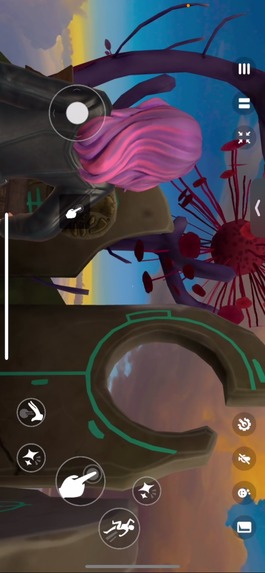
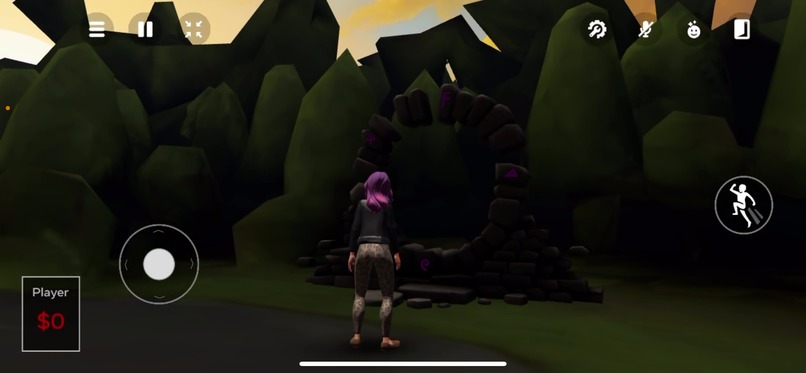
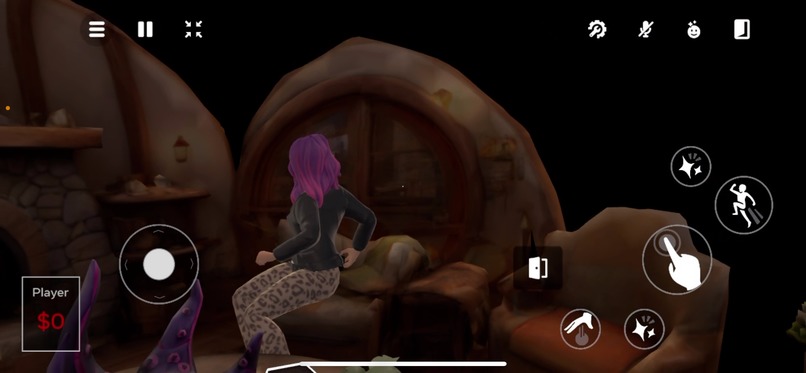
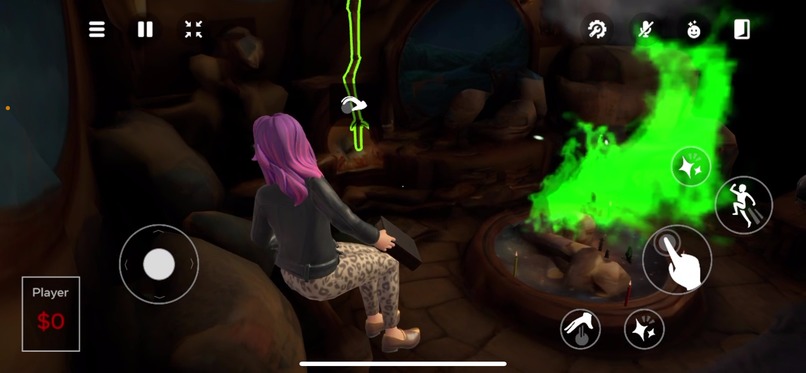
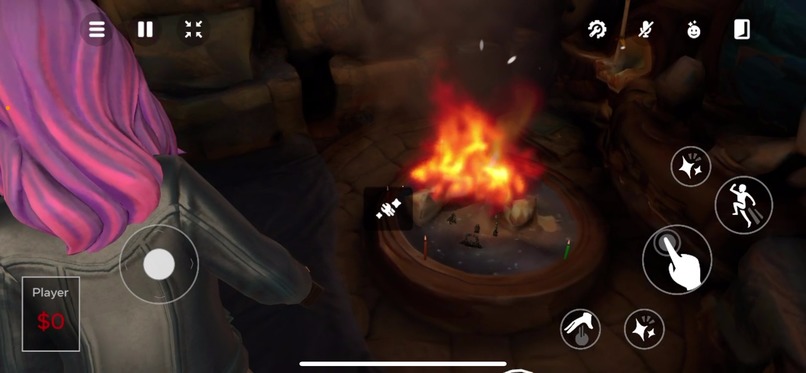
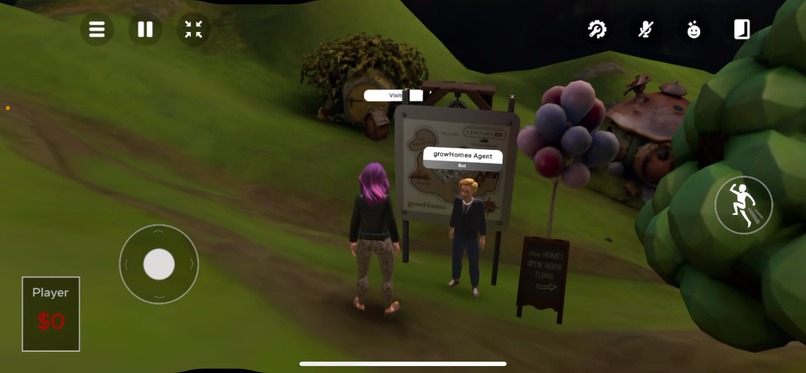
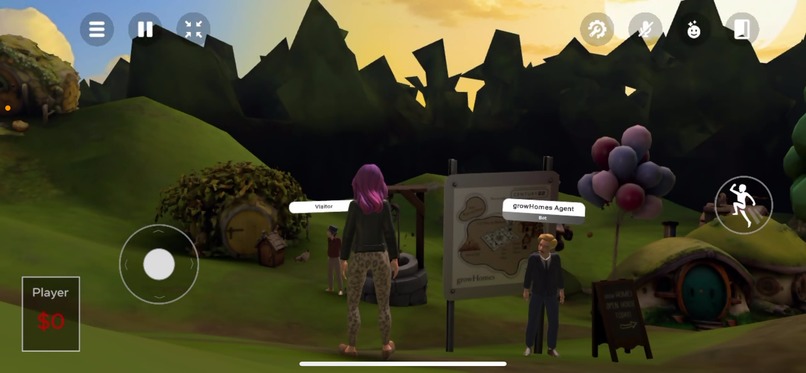
growHomes began with a simple question: what if building a home on mobile felt as easy and joyful as planting a seed? While experimenting with Horizon GenAI meshes, the landscape started looking like rolling, meshy hills that reminded me of California. The idea of “growing” tiny homes from these hills—instant architecture through touch—sparked the core concept. I wanted to blend cozy worldbuilding with mobile-native interactions in a way that felt magical, intuitive, and lighthearted.
What it does
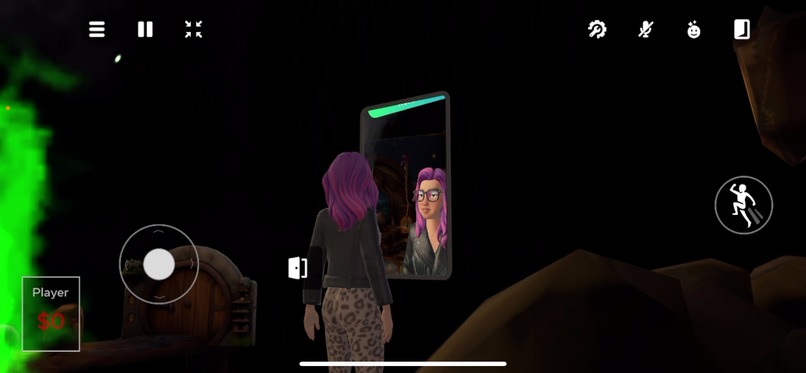
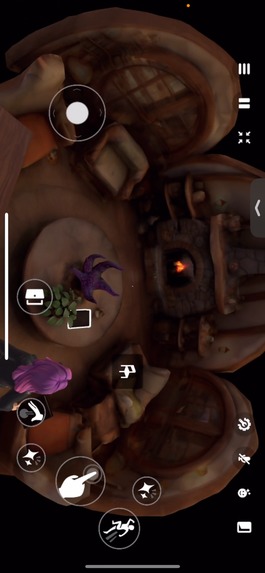
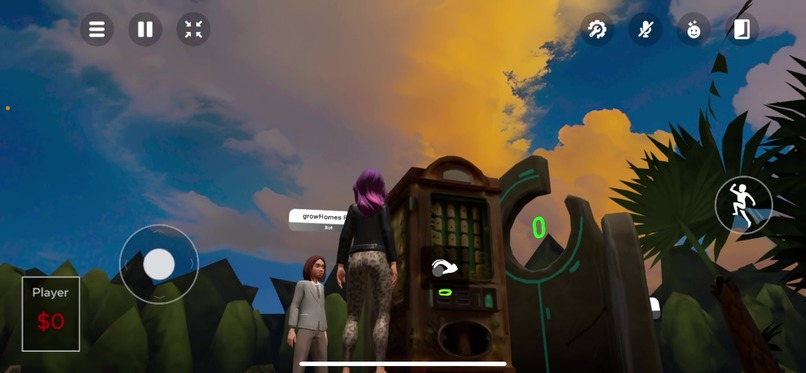
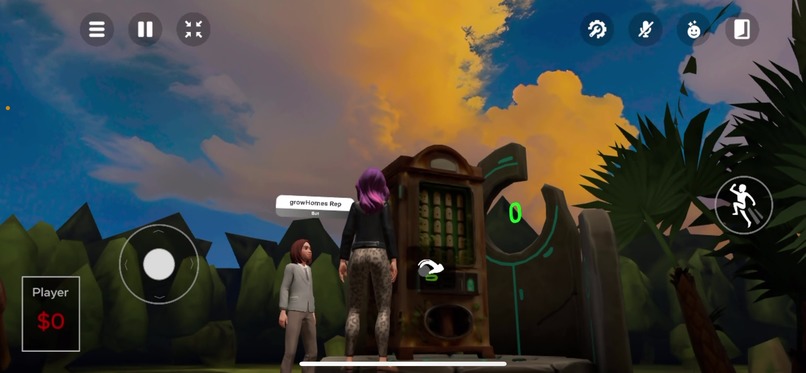
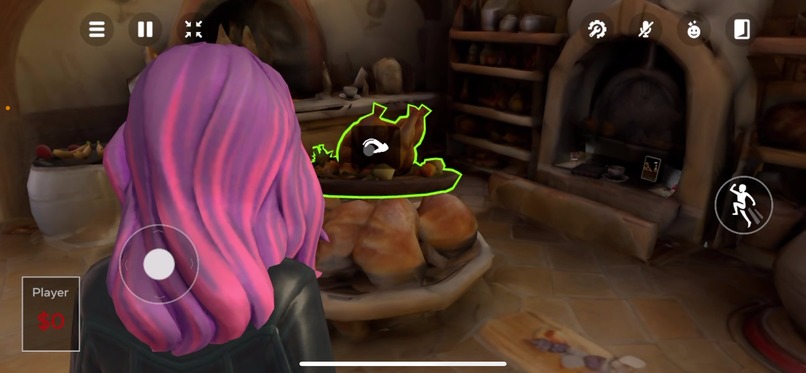
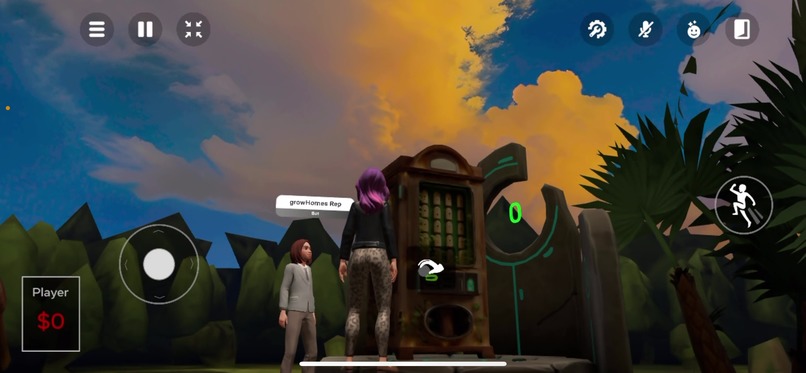
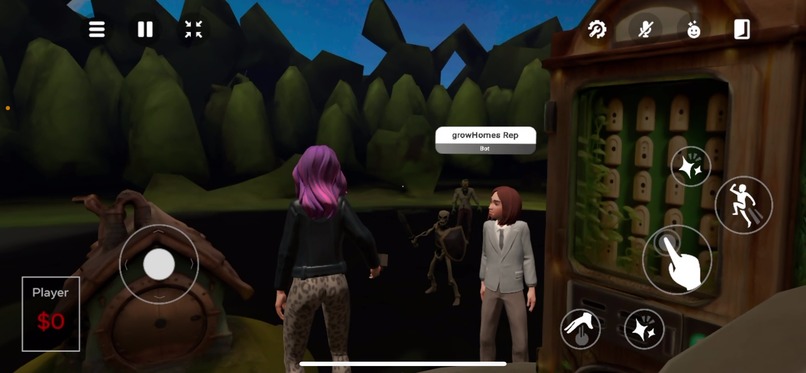
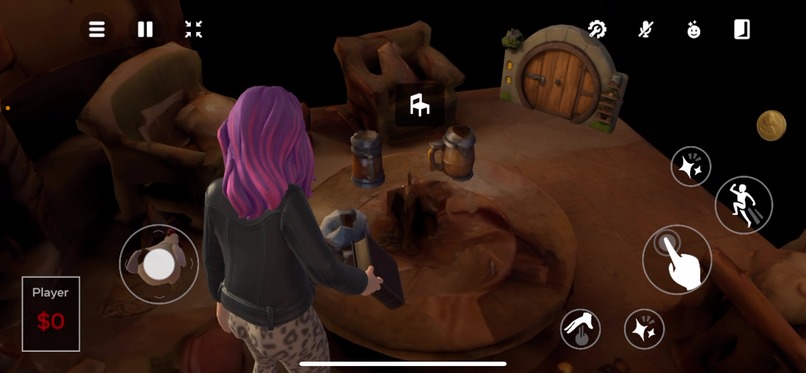
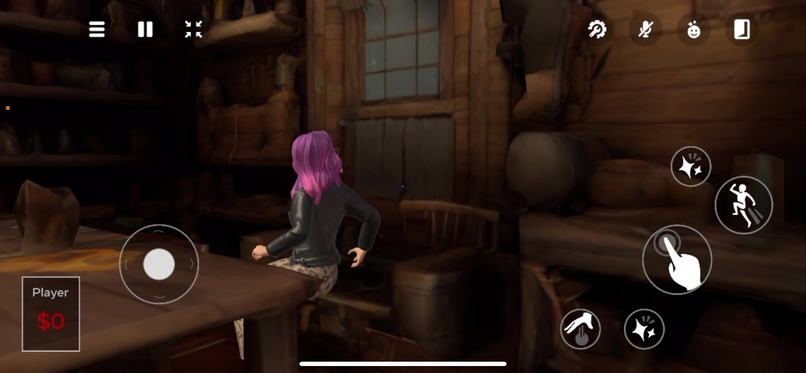
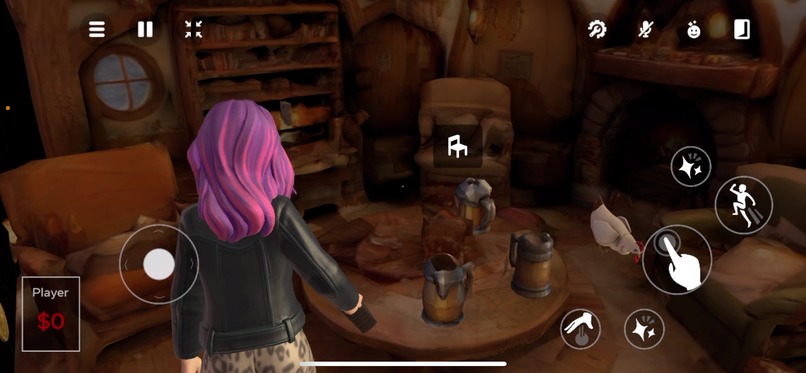
growHomes transforms mobile gameplay into a tactile builder experience. Players throw “home seeds” using touch gestures, and the world grows structures directly where the seed lands. A concierge voice agent guides players with no UI clutter. A vending machine system provides tap-to-spawn utilities and decor. The hot air balloon offers a whimsical one-tap travel metaphor. It’s a pocket-sized virtual estate ecosystem where your world literally grows under your fingertips.
How we built it
The world is constructed entirely with Horizon GenAI meshes and free Horizon assets, optimized for mobile performance. Core systems rely on:
- navmesh + avatar AI agent for NPC loops
- world streaming for lightweight terrain
- mobile-friendly triggers + transforms for deterministic growth
- AWS Polly for generative concierge voices
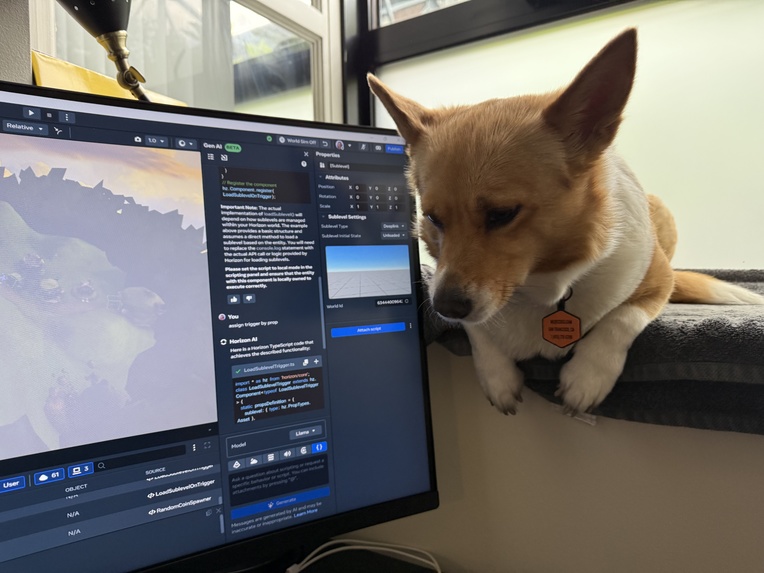
Scripts were built in Horizon’s TypeScript APIs, with assistance from DeepSeek and GPT-4o for rapid iteration.
Challenges we ran into
Mobile ergonomics required rethinking traditional worldbuilding—UI felt too heavy, physics too unpredictable, and certain APIs behaved differently than expected. Parenting entities after grab events proved difficult, and accessing Unity-style component arrays wasn’t always possible. I also ran into Horizon’s hybrid-Unity quirks around UI latency and locomotion.
Accomplishments that we're proud of
The throw-to-grow mechanic is delightful and surprisingly natural on mobile. The vending machine “virtual estate tools” system became a flexible pattern for spawning utilities. And the visual cohesion achieved using only GenAI meshes was a big win—especially on mobile.
What we learned
Designing for mobile first means reducing UI, maximizing gesture-driven interactions, and building systems that feel playful, not technical. I also learned how far Horizon’s scripting APIs can stretch when treated like a tiny builder engine.
What's next for growHomes
More growable home types, user-customizable interiors, and social open-house events. I’d like to expand the parcel system, add mini-puzzles inspired by mechanical wonders, and explore runtime mesh imports or GenAI-designed homes. If we win, you can grab the colorful balloon and fly straight into your next dream parcel.
Built With
- meta-horizon


Log in or sign up for Devpost to join the conversation.