-
-
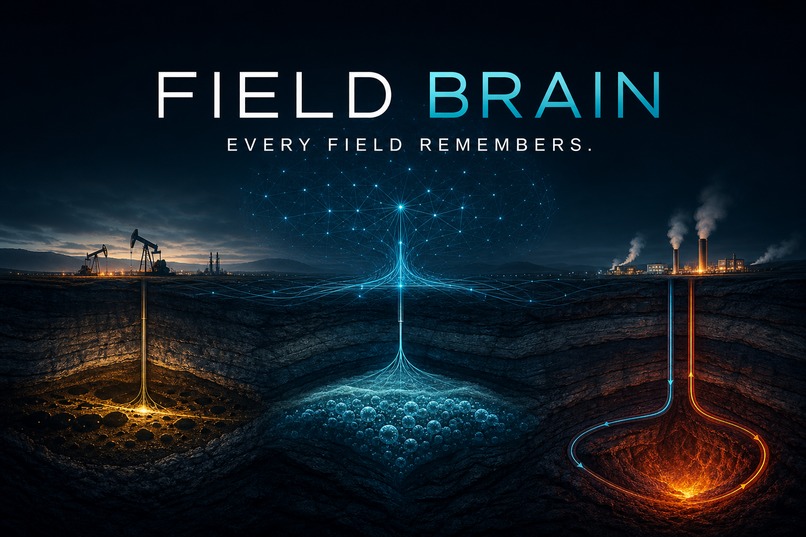
Enterprise AI Agent for Deep Tech Domain for Oil & Gas Industry, GeoThermal, CO2 Storage
-
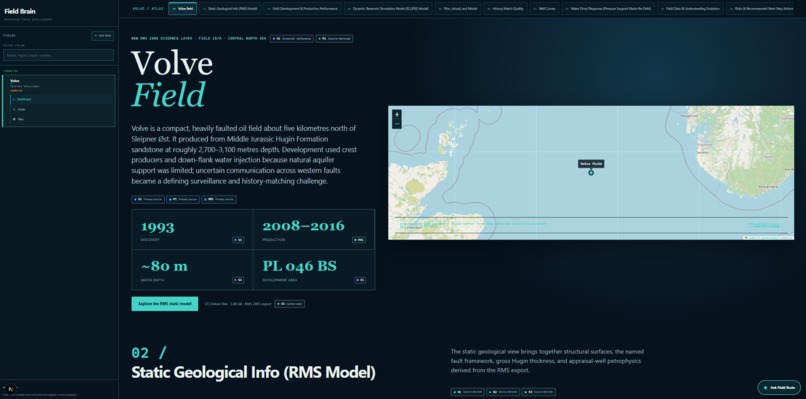
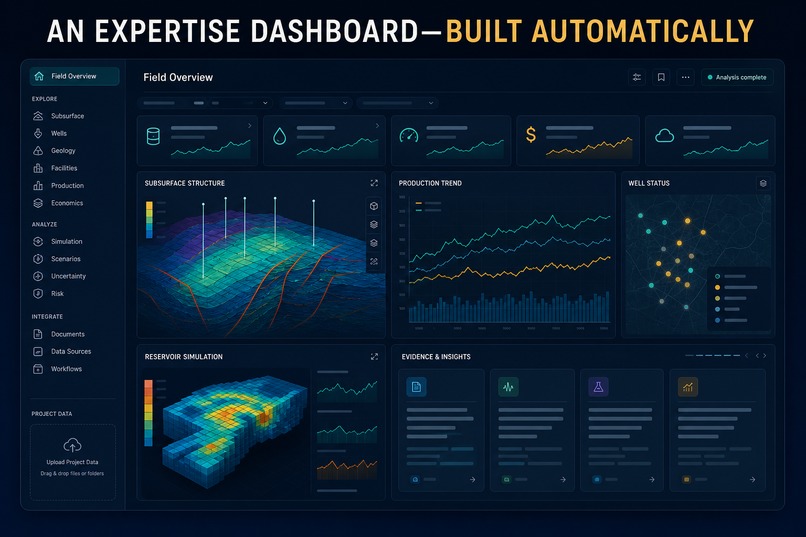
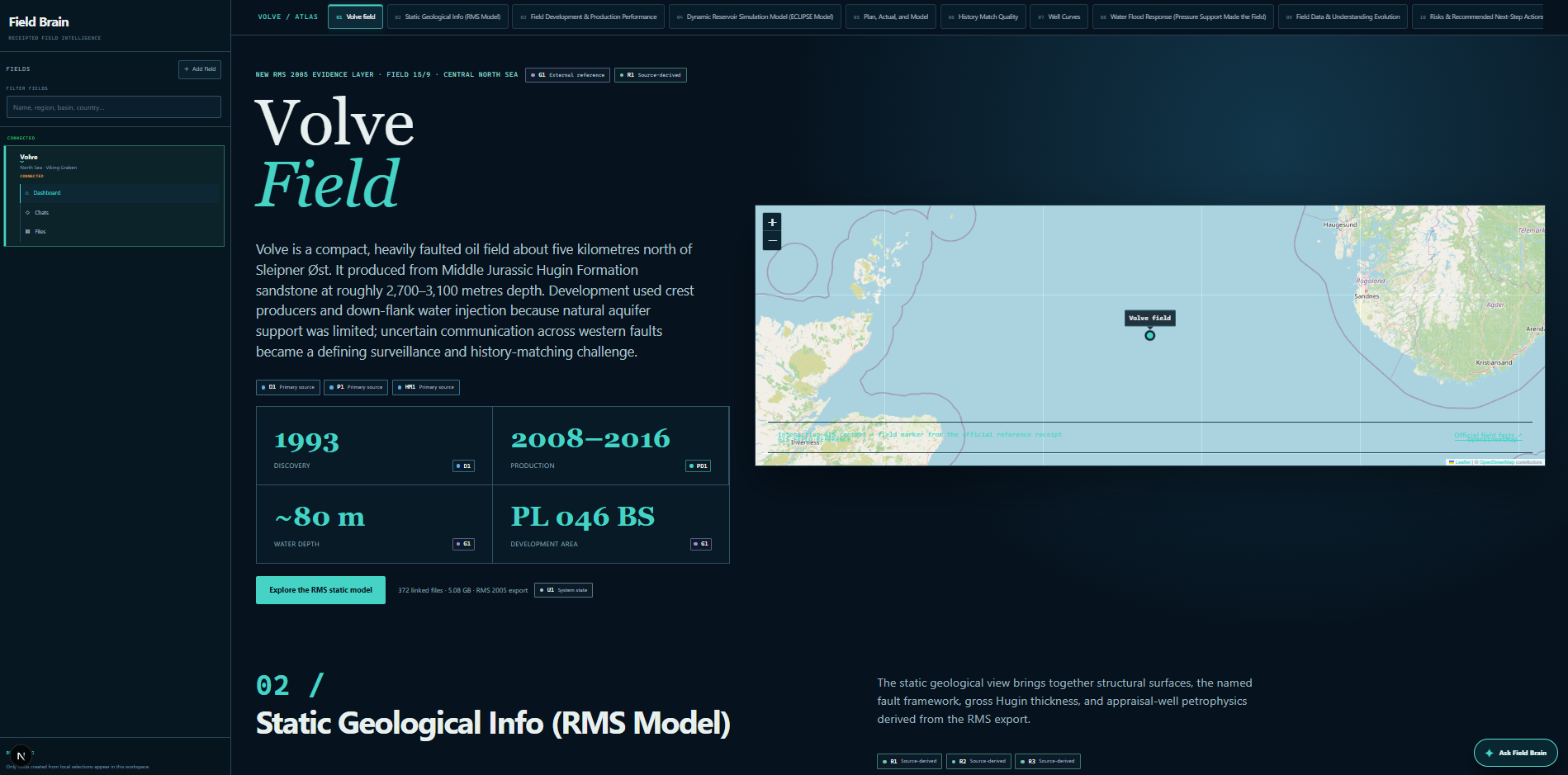
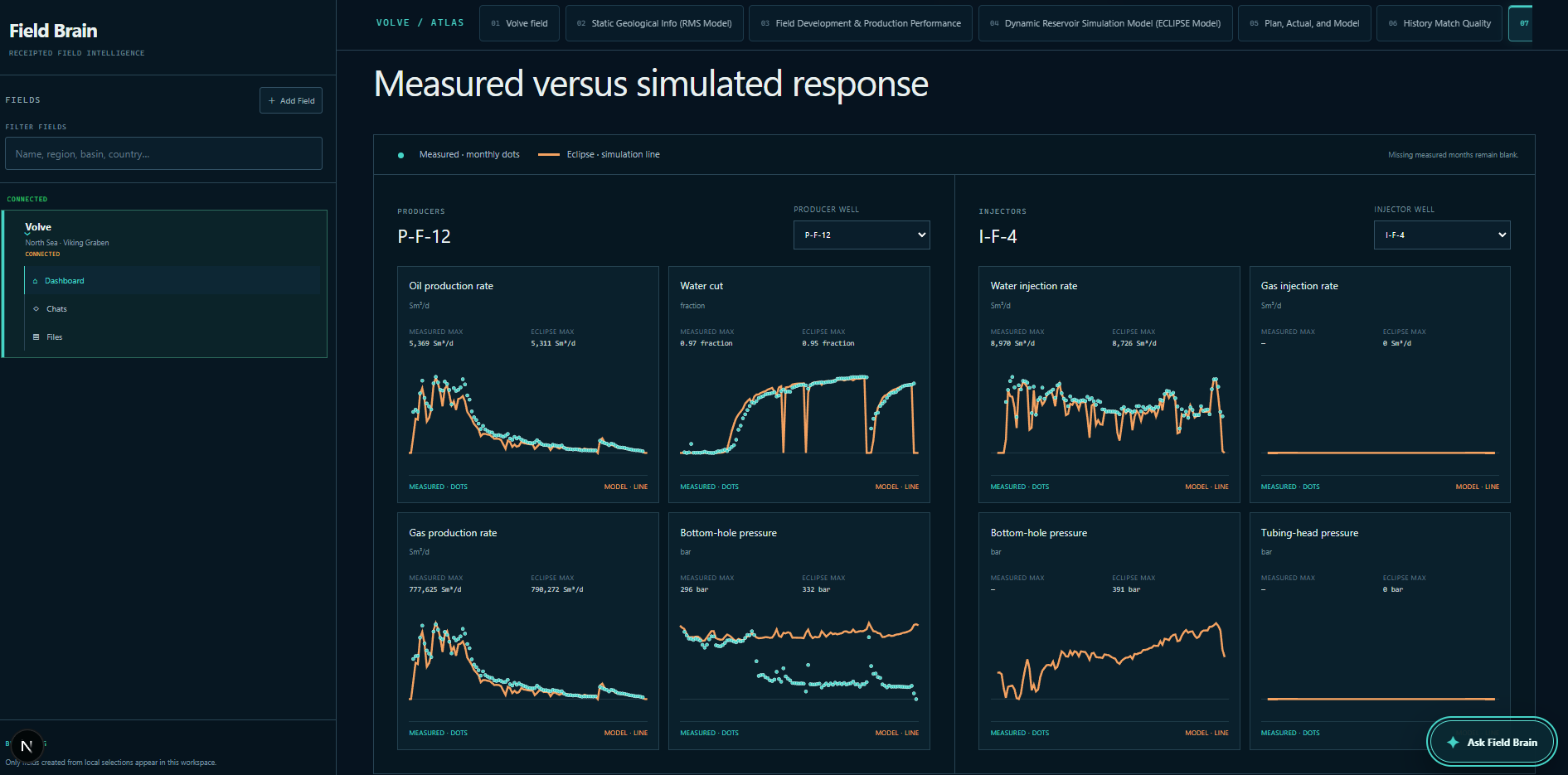
Auto Dashboard Generation
-
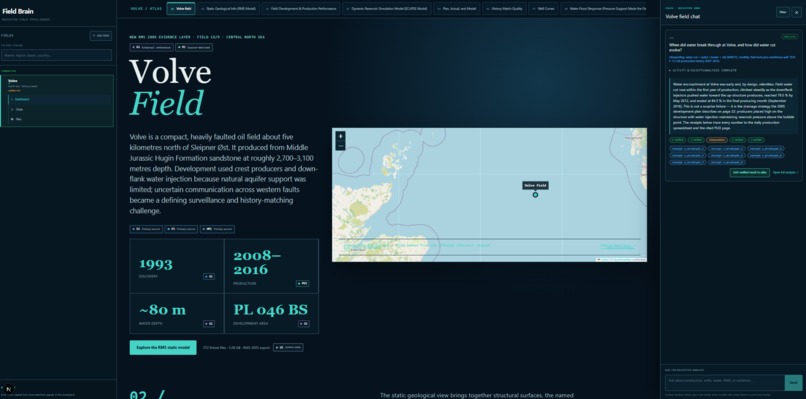
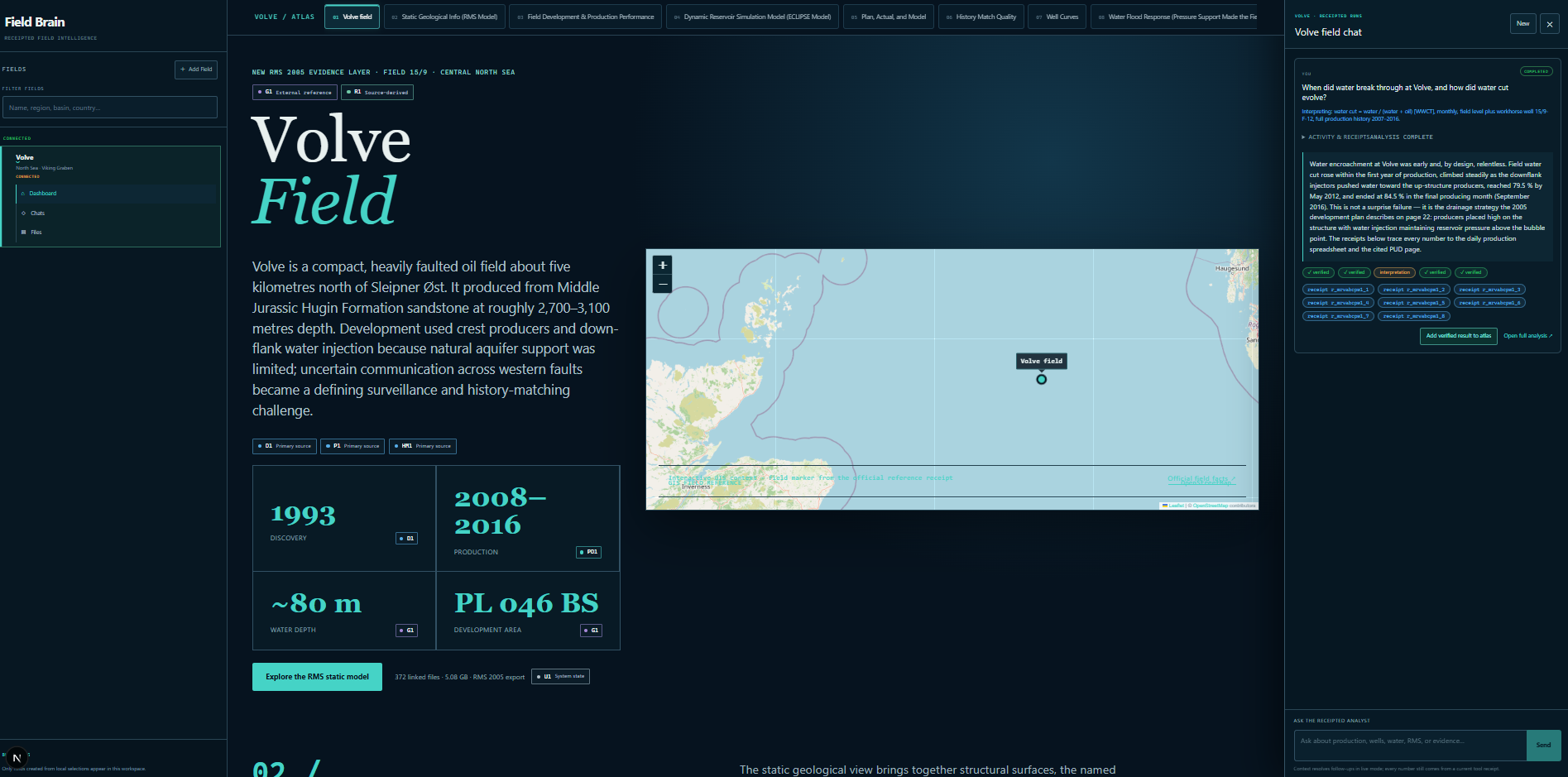
AI Chatbot (domain & field specific)
-
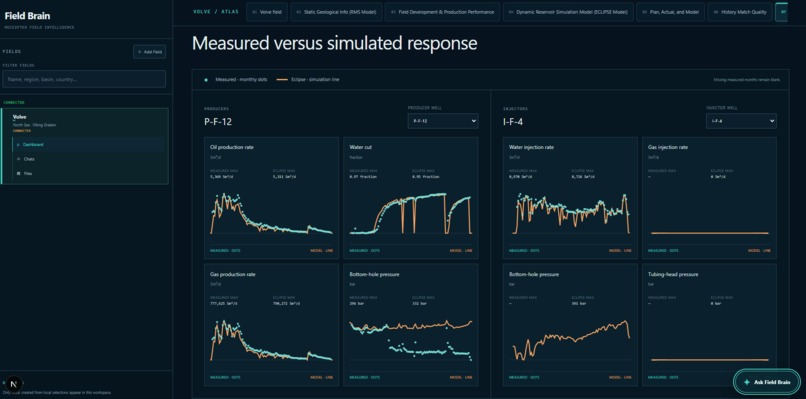
Domain data visualization
-
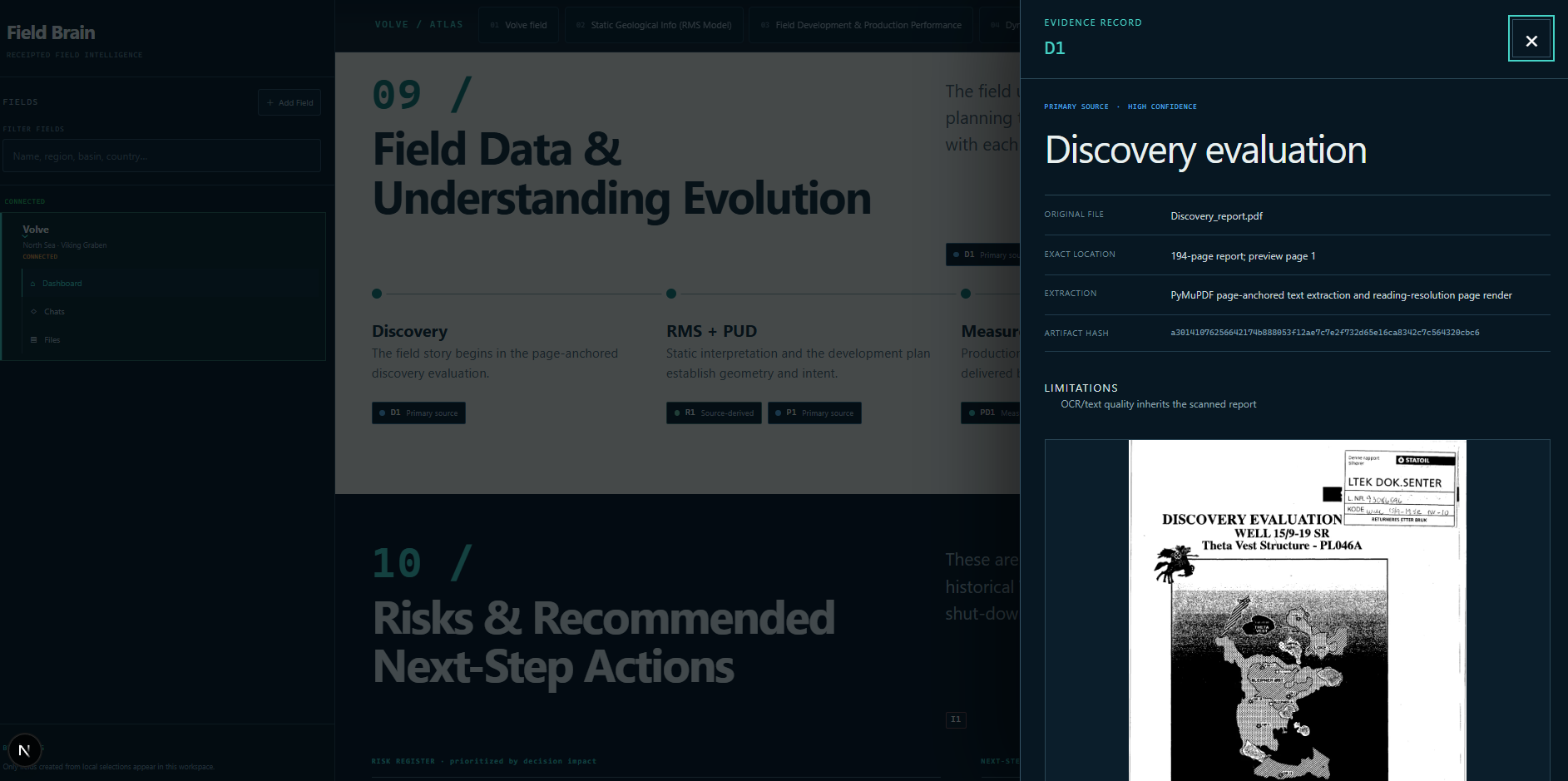
Data Source
-
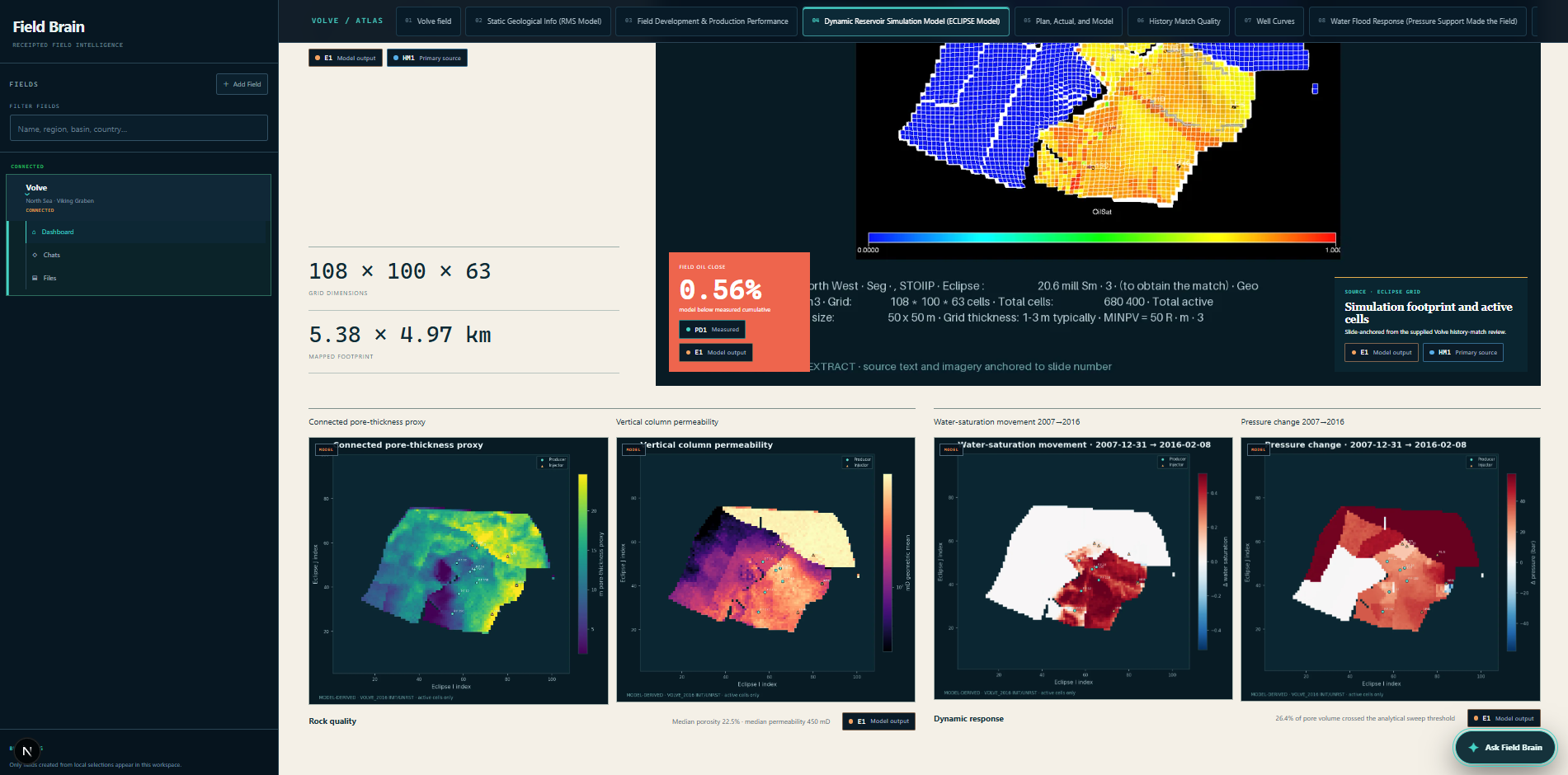
Domain software data display
-
-
-
-
-
-
-
Inspiration
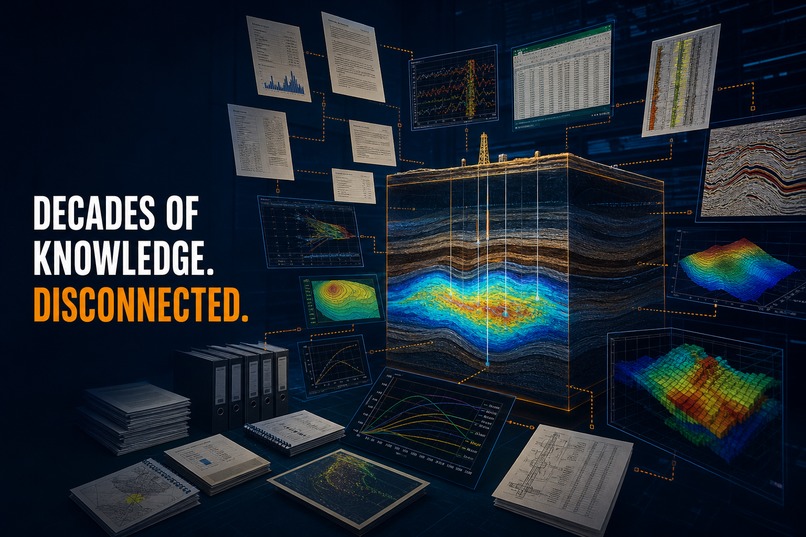
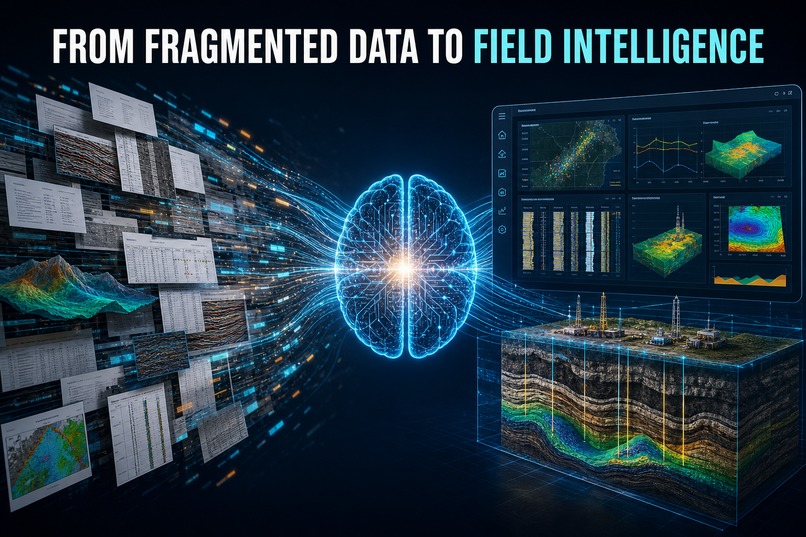
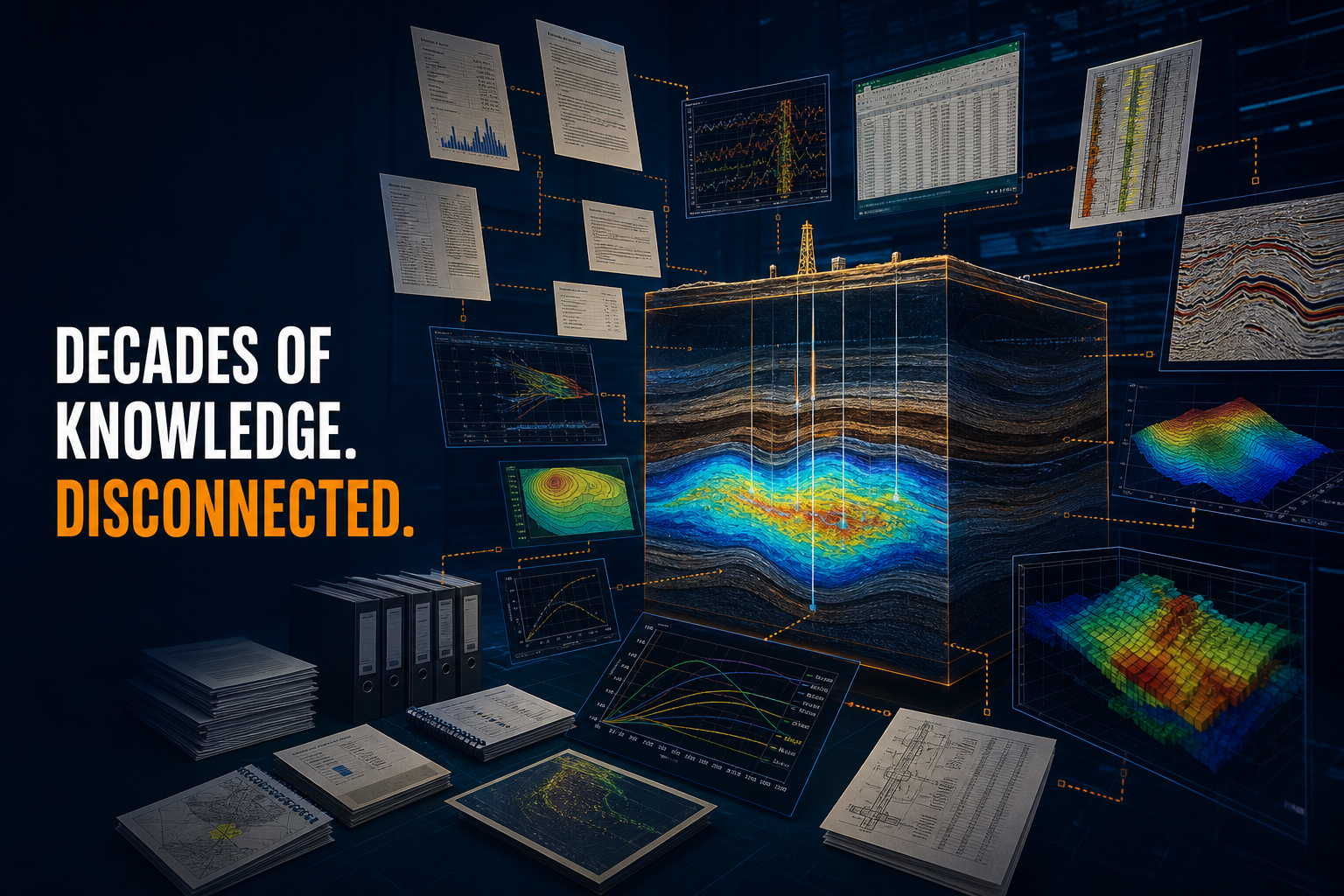
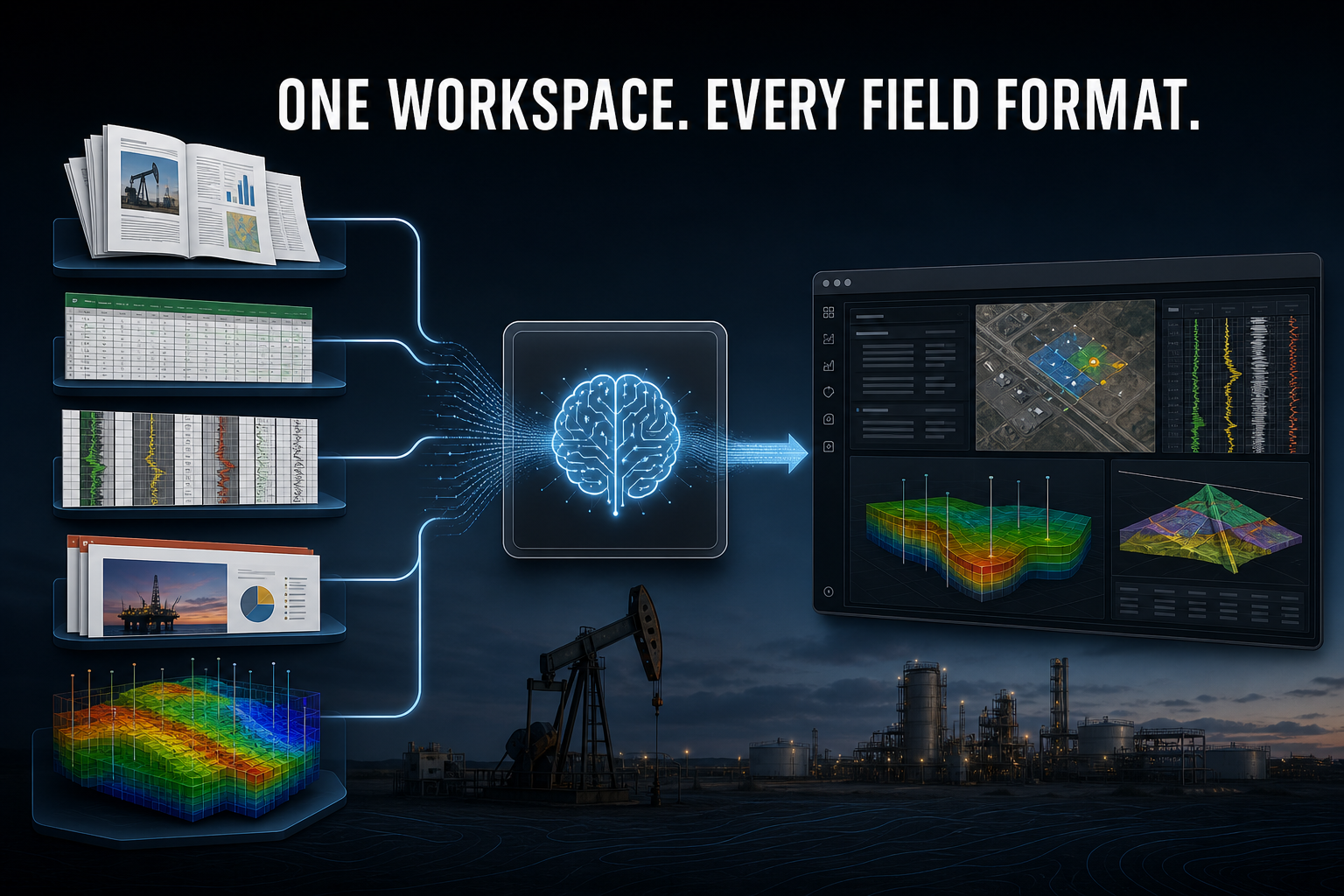
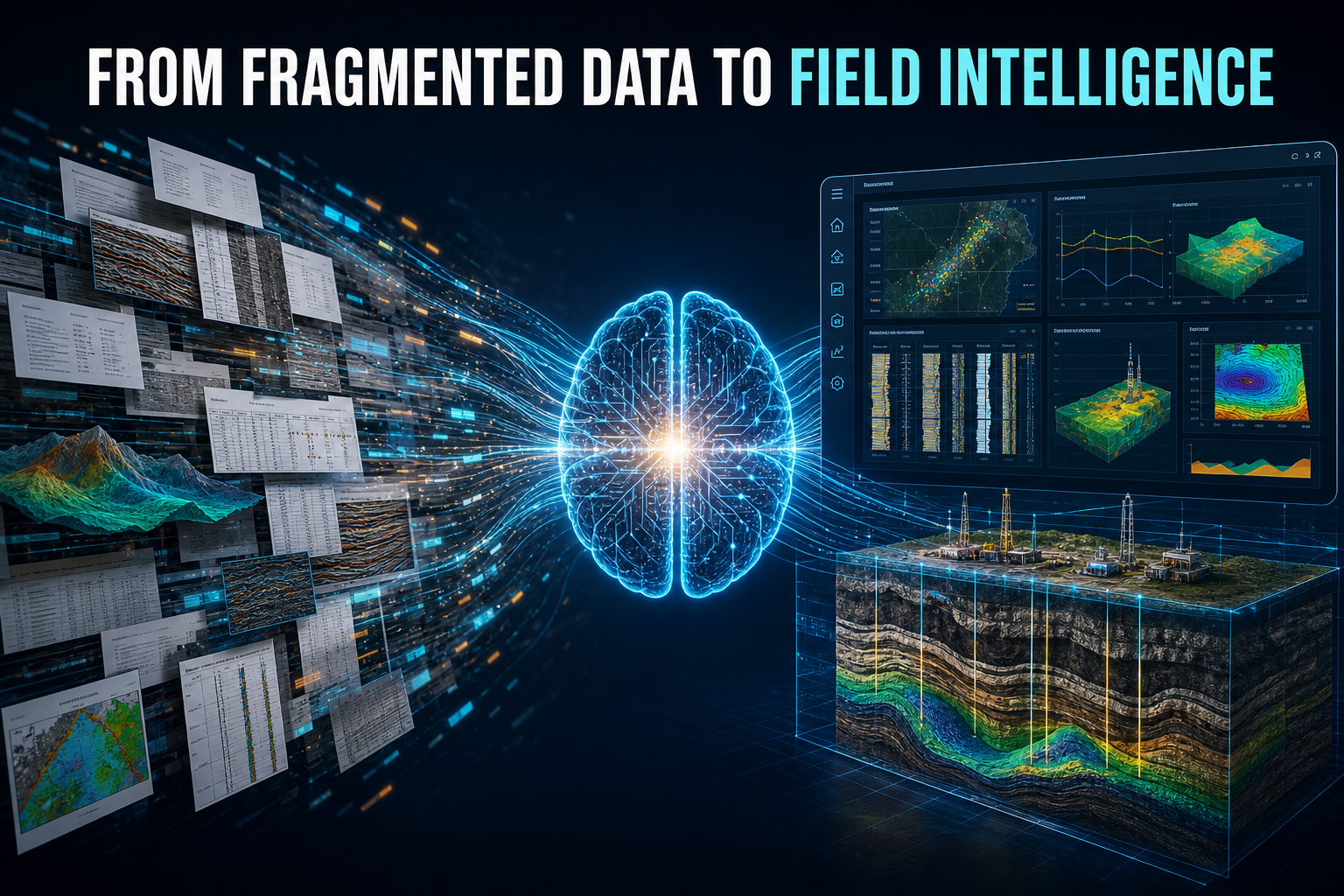
Oil and gas fields, CO₂ storage sites, and geothermal projects generate enormous volumes of technical knowledge. Yet this information remains fragmented across reports, spreadsheets, well logs, reservoir models, simulations, presentations, and 2D and 3D datasets.
Much of this data is stored in proprietary formats that traditionally require expensive domain-specific software—and specialists trained to use it—to open, visualize, and analyze. Connecting everything can take technical teams days or weeks.
We asked: What if a field could simply tell you what it knows?
What it does
Field Brain transforms fragmented subsurface information into one living, decision-ready knowledge system.
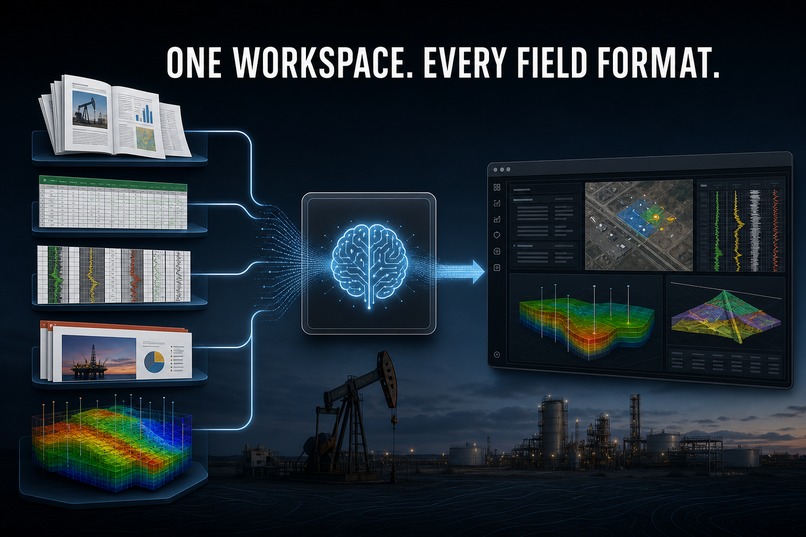
Users select a project's technical folders, and Field Brain:
- Interprets reports, tables, well data, presentations, models, and supported specialist engineering files
- Connects information across formats and technical disciplines
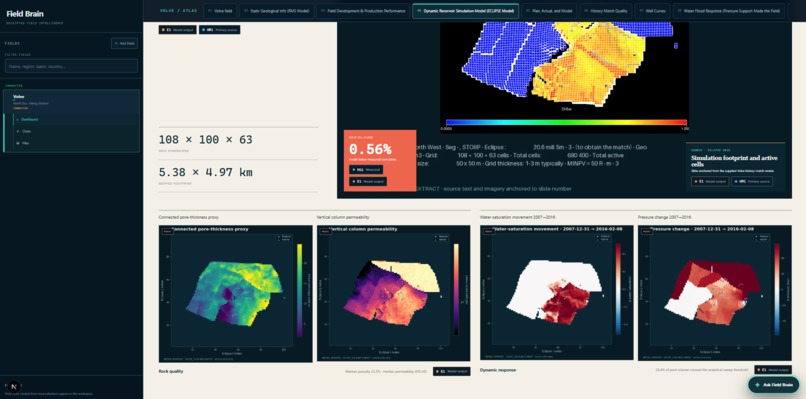
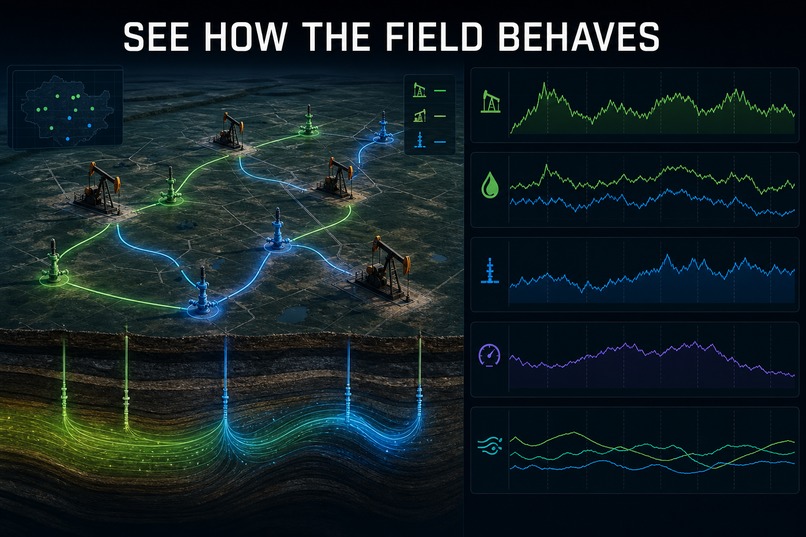
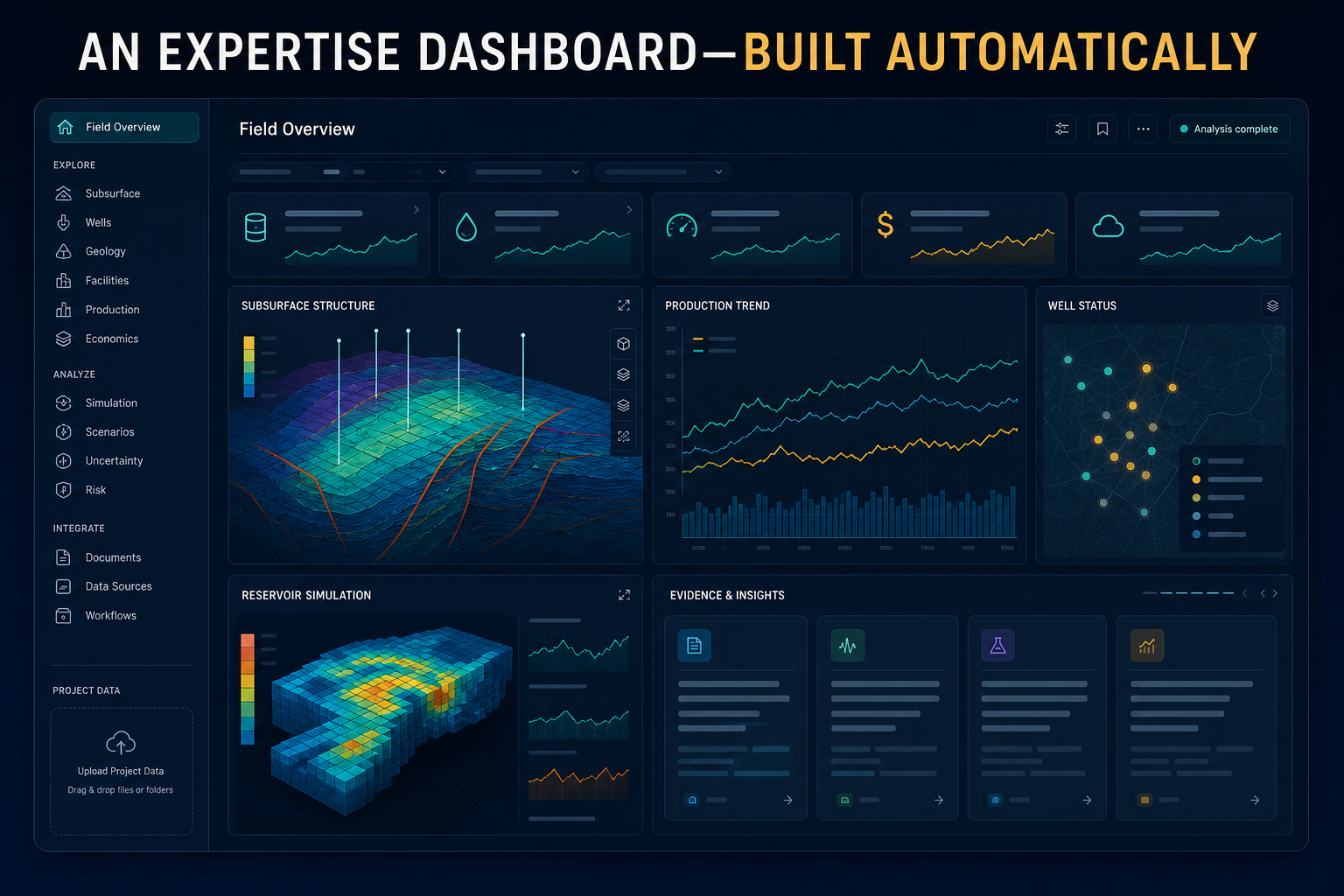
- Automatically generates a structured field dashboard
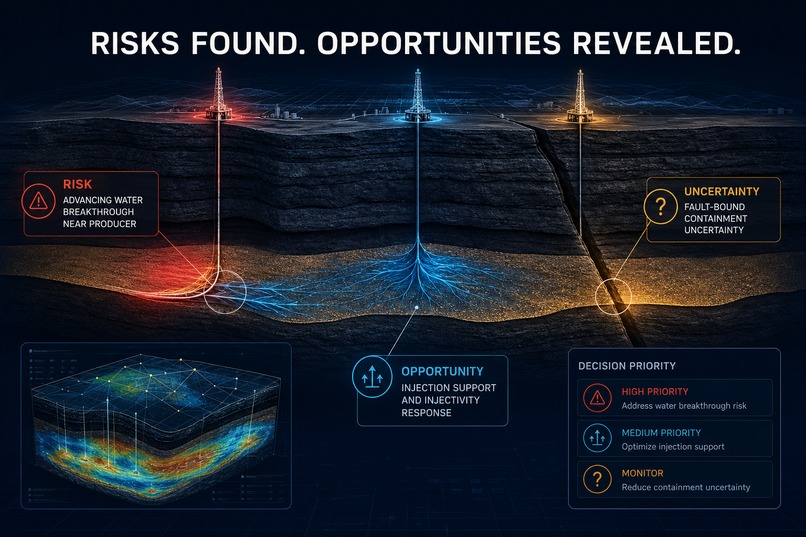
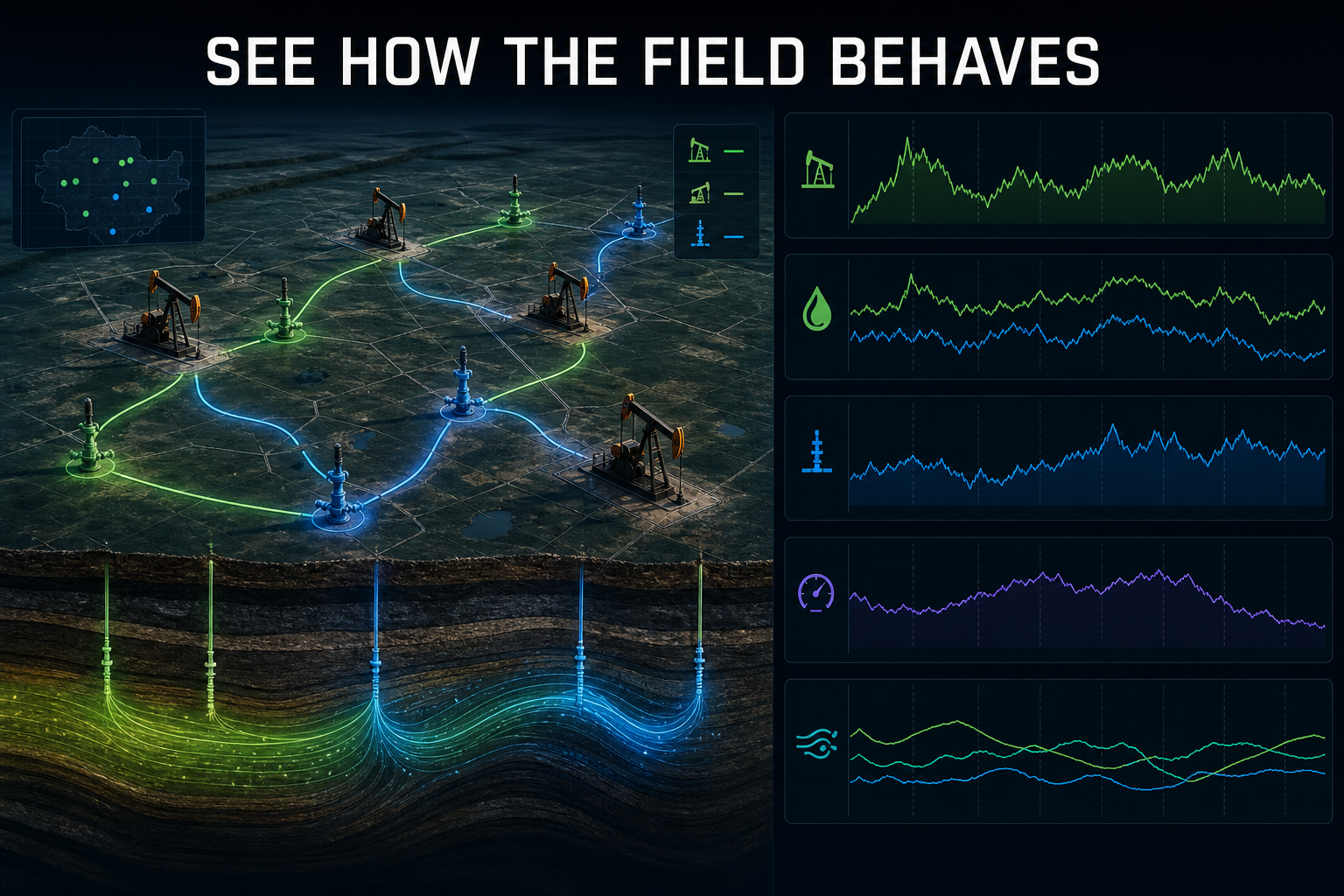
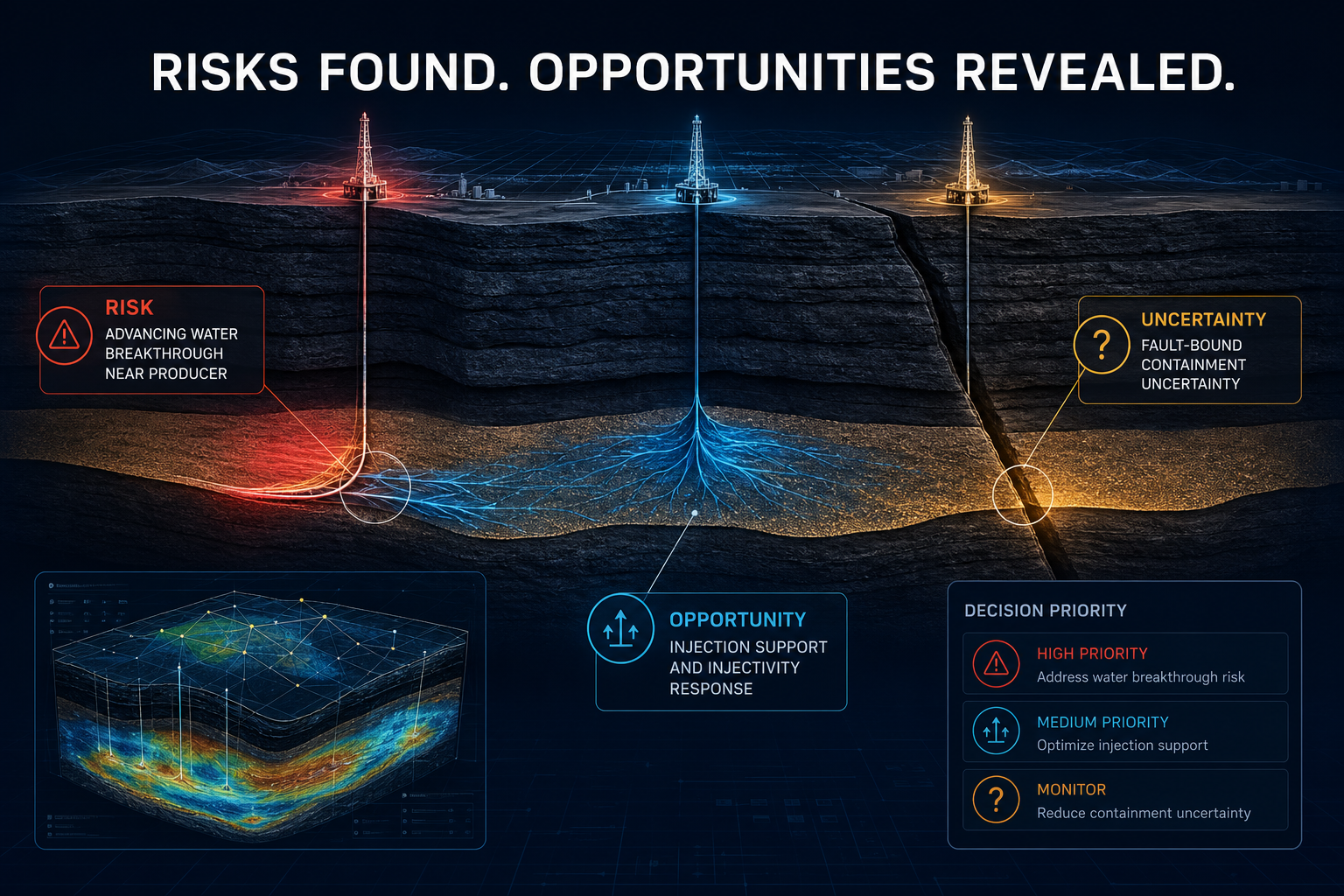
- Highlights development history, reservoir behavior, performance, risks, and opportunities
- Answers technical questions in natural language
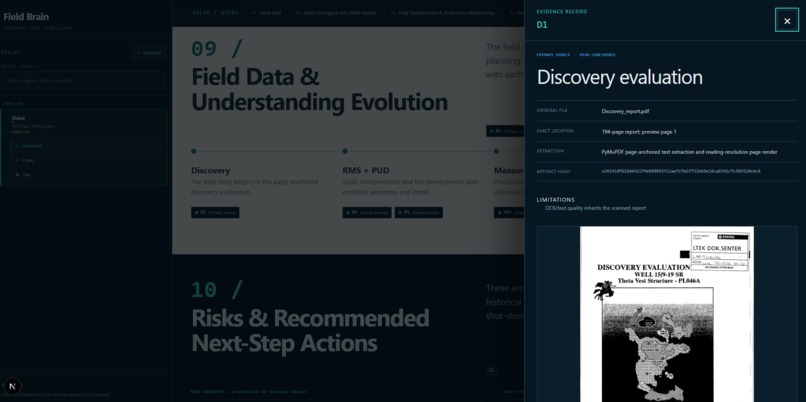
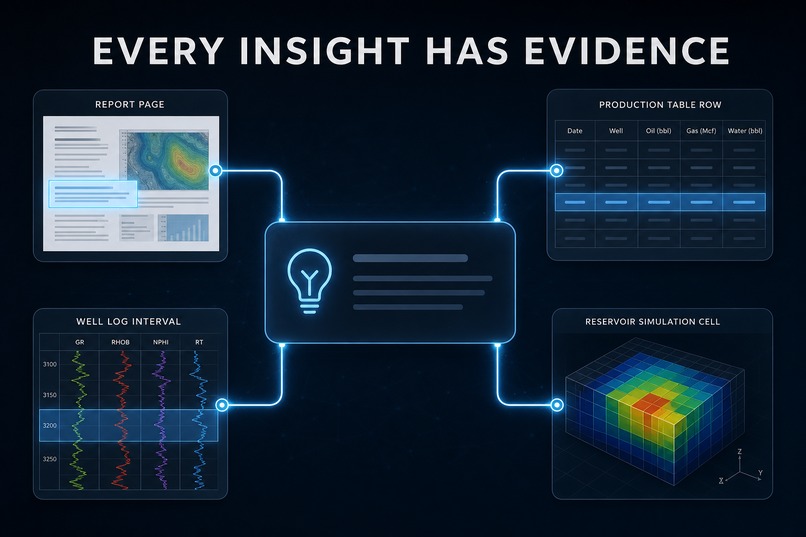
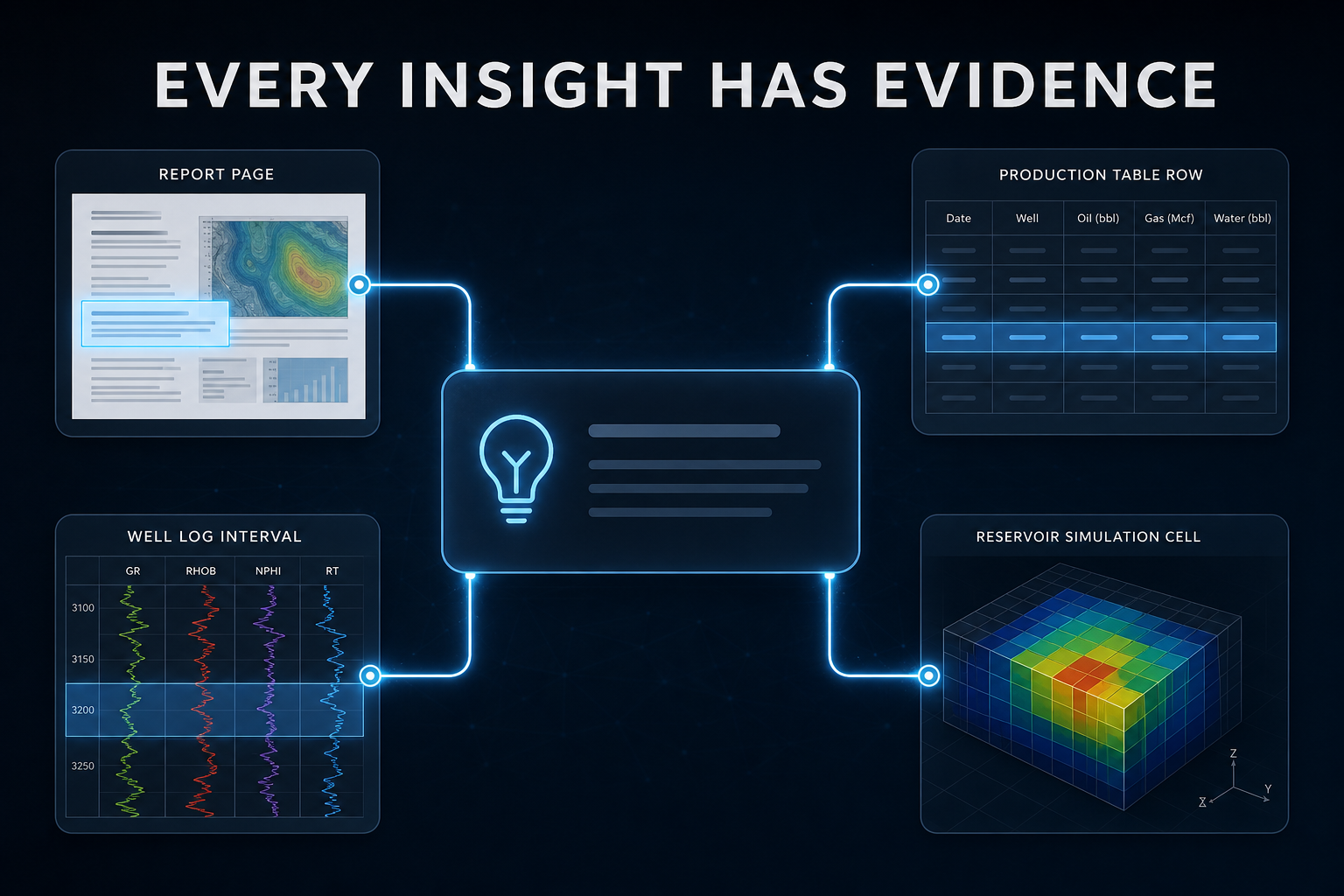
- Links insights and answers to their supporting files for provenance and verification
This gives engineers and decision-makers one coherent, traceable view of an asset—without requiring every user to purchase or master all the original domain applications.
How we built it
We developed and tested Field Brain using Equinor's public Volve dataset.
The system inventories the selected files, extracts technical information and source references, identifies relationships across documents and datasets, and uses GPT-5.6 to generate domain-specific insights. It then organizes those findings into an interactive dashboard and searchable field knowledge system.
Codex served as a rigorous, cost-efficient engineering partner throughout the long-horizon build, supporting architecture, implementation, testing, error correction, and verification.
Challenges we ran into
Our main challenges were connecting highly diverse data, interpreting domain-specific formats, and balancing automation with technical rigor.
We also needed to reduce hallucination risk. In subsurface engineering, a convincing answer is not enough—it must be verifiable. We therefore built a provenance layer that connects findings to their supporting source files and helps users distinguish documented facts from AI-generated interpretations.
Accomplishments that we're proud of
We transformed hundreds of disconnected Volve files into a coherent, decision-oriented dashboard.
We are especially proud that Field Brain can interpret information previously confined to specialist applications, connect knowledge across technical disciplines, and provide natural-language answers with traceable evidence.
What we learned
We learned that frontier AI can do more than summarize individual documents. With the right architecture, it can connect information across disciplines and build a more complete understanding of a complex physical asset.
We also learned that AI should not replace engineers or geoscientists. Its greatest value is making their data and accumulated expertise more accessible, connected, verifiable, and reusable.
What's next for GroundTruth
Next, we plan to expand support for additional engineering formats, strengthen uncertainty and provenance controls, and enable Field Brain to continuously update as new reports, models, and operational data arrive.
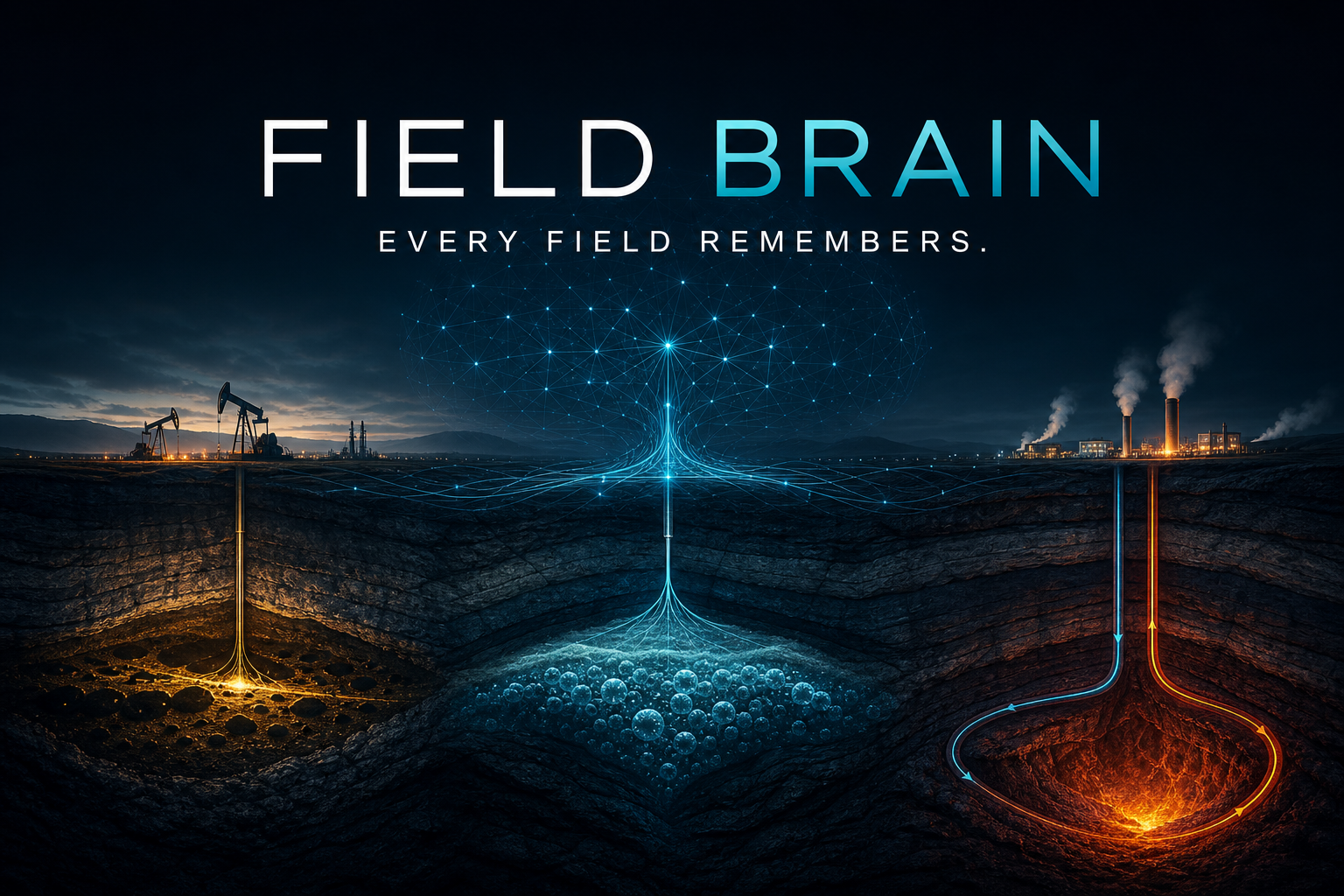
Our longer-term vision is to build a persistent intelligence layer for oil and gas, CO₂ storage, geothermal energy, underground hydrogen storage, mining, and groundwater management.
Every field remembers. Every engineer can ask what it knows.
Built With
- codex
- duckdb
- express.js
- gpt
- node.js
- npm
- pandas
- parquet
- playwright
- python
- react
- sql
- typescript
- yaml
- zod


Log in or sign up for Devpost to join the conversation.