-
-
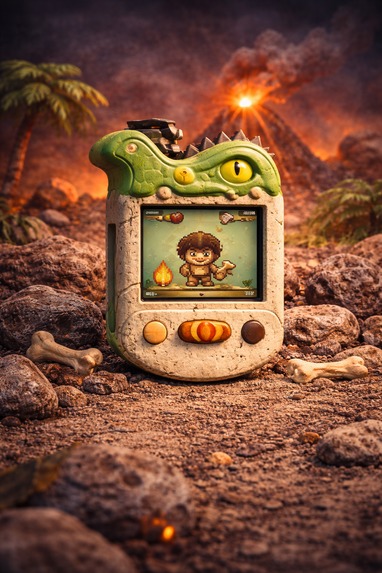
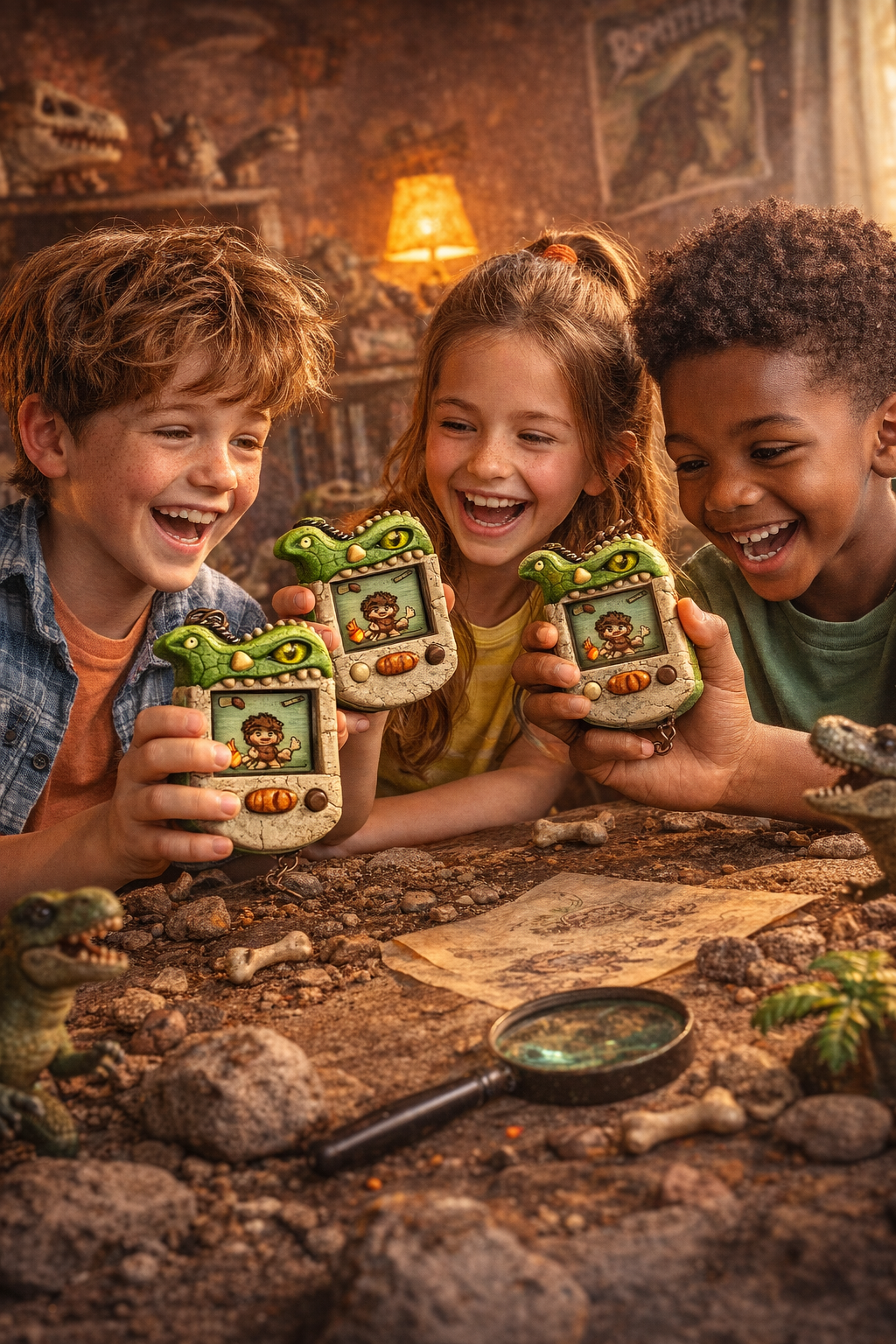
Product Photo
-
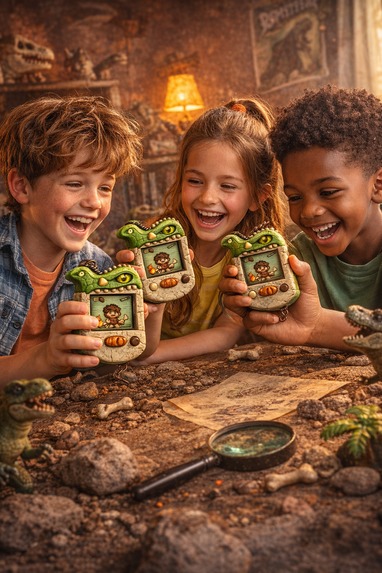
Magazine Shot
-
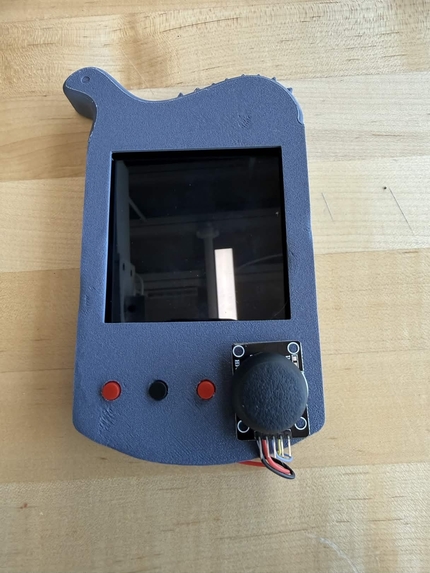
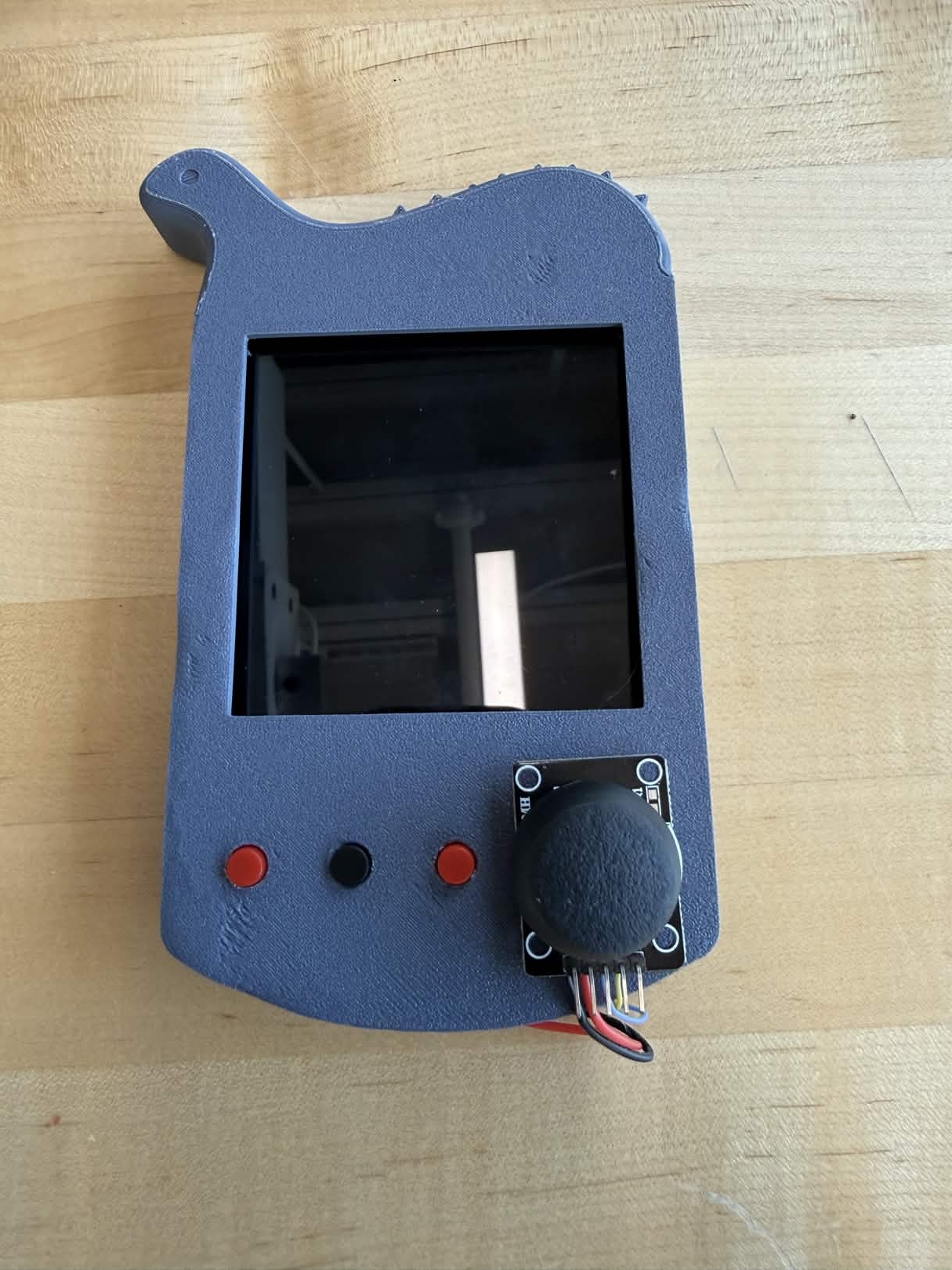
Prototype Shell
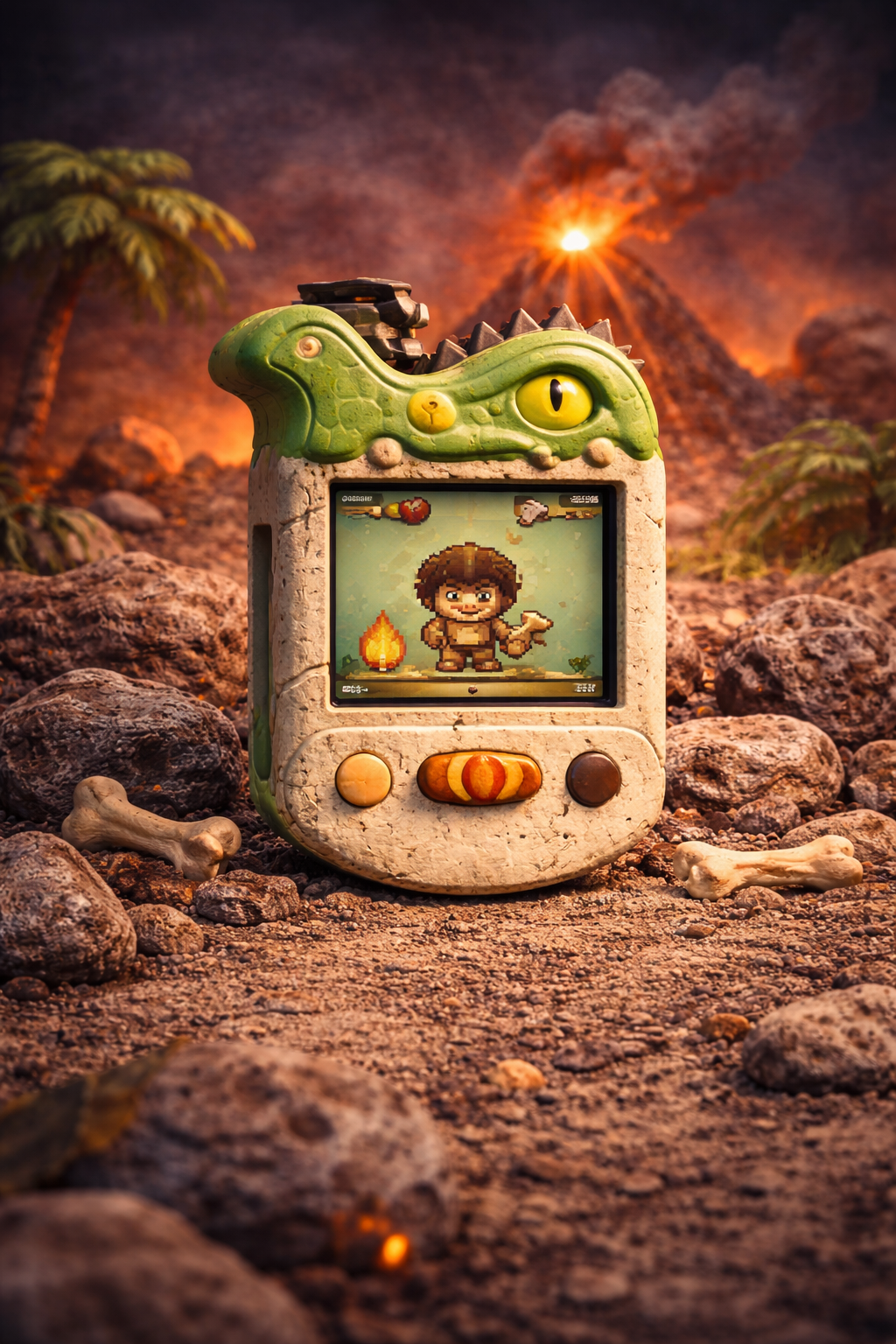
Grokagotchi
Smart. Savage. Yours.
Inspiration
Grokagotchi came from combining two ideas: the focused magic of pocket companions like the Dreamcast VMU, PocketStation, Pokéwalker, and Pokémon Mini, and the reality that kids now mostly experience AI through phones and tablets. We wanted to build a dedicated handheld that makes AI feel like a toy companion instead of another app.
What it does
Grokagotchi is an AI-powered digital pet in a dinosaur-styled handheld, roughly the size of a 16 oz bottle. It introduces Grok, a caveman companion who reacts to the player, learns behavior over time, and evolves through care, play, and interaction. Instead of passive scrolling, the device encourages short, intentional play sessions centered on companionship, progression, and imagination.
How we built it
The current concept was built from the outside in. We started with the industrial design and modeled a custom shell that mixes a Tamagotchi-like body with a dinosaur silhouette on top. From there, we mapped the technical direction around an ESP32-based platform with a screen, physical buttons, and planned wireless features. On the software side, the concept uses local game logic and pet-state management on-device, with cloud-assisted AI for dialogue, memory, and personality growth. We also developed the early brand language, toy-commercial style, and visual product direction to make the concept feel market-ready.
Challenges we ran into
The biggest challenge was balancing toy simplicity with AI ambition. The product needs to feel playful and understandable for kids, but still intelligent enough to feel alive. We also had to think through how a stylized shell would realistically house electronics, power, display, and controls without losing usability. Another major challenge was defining an AI experience that feels rich and character-driven without turning the device into a miniature smartphone.
Accomplishments that we're proud of
We turned the idea into a coherent product vision across hardware, branding, user experience, and technical architecture. The shell design gives the product a distinct identity, the concept directly addresses a real problem around passive phone use, and the roadmap is clear enough to move toward prototyping. The project already has a recognizable look, personality, and purpose rather than just a loose hardware sketch.
What we learned
We learned that embodied AI feels fundamentally different from AI in an app. Putting a character inside a dedicated object changes how people relate to it. We also learned that nostalgia only works when it supports a modern use case; the device has to do more than reference Tamagotchi-era products. On the technical side, we learned that small-device constraints force much sharper decisions around latency, power, interface design, and which AI features actually matter.
What's next for Grokagotchi
The next step is building a functional ESP32 prototype that proves the core loop: persistent pet state, responsive interaction, and lightweight AI-driven behavior. After that, the focus is refining the shell, display, battery, and UX, then testing the concept with real users. The long-term roadmap is a 2026 prototype milestone followed by iteration toward a 2029 release window.

Log in or sign up for Devpost to join the conversation.