-
-
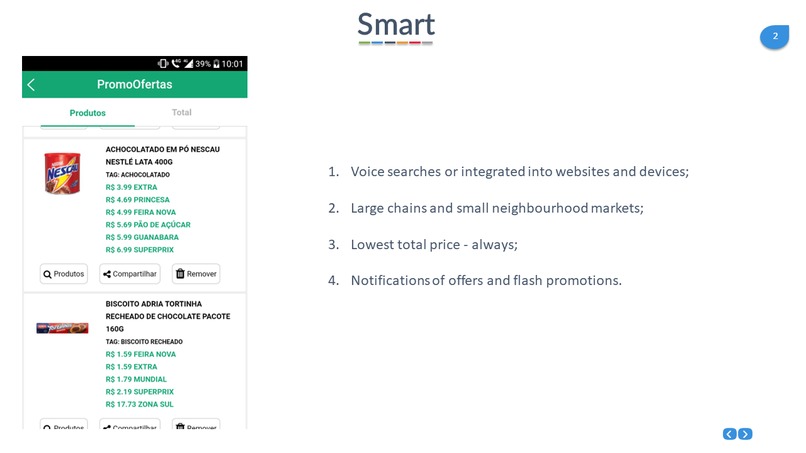
Comparison has many challenges and different standards for the same product.
-
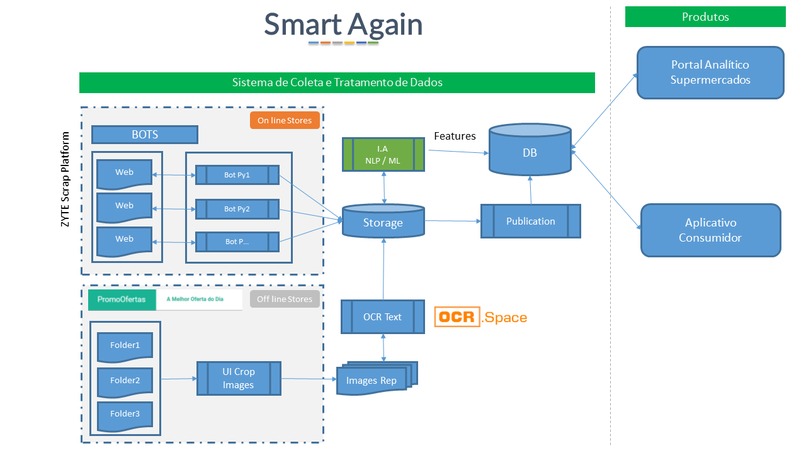
Old Architecture
-
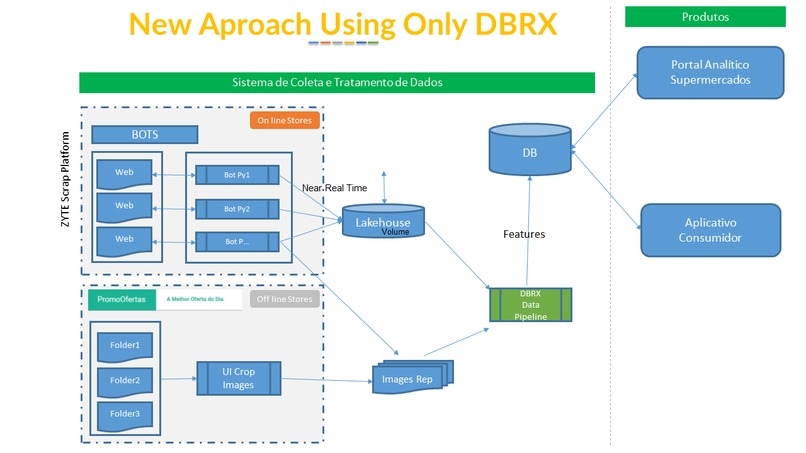
new Gen AI Architecture
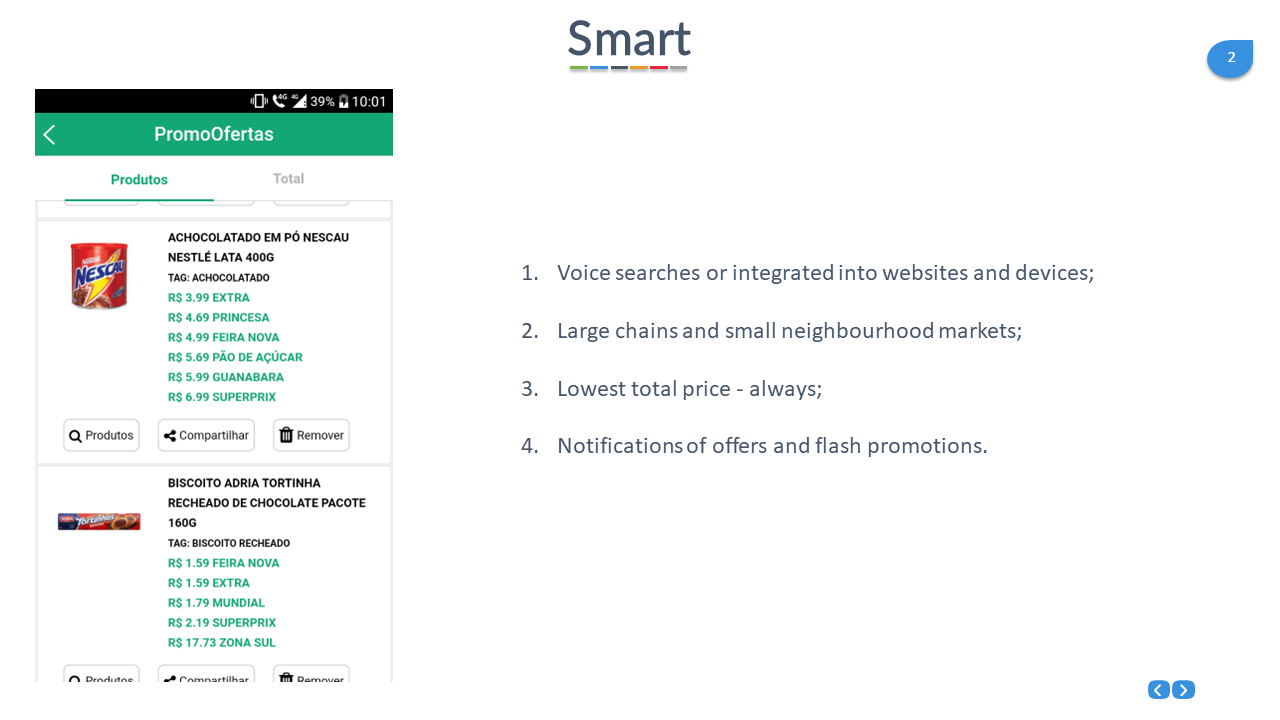
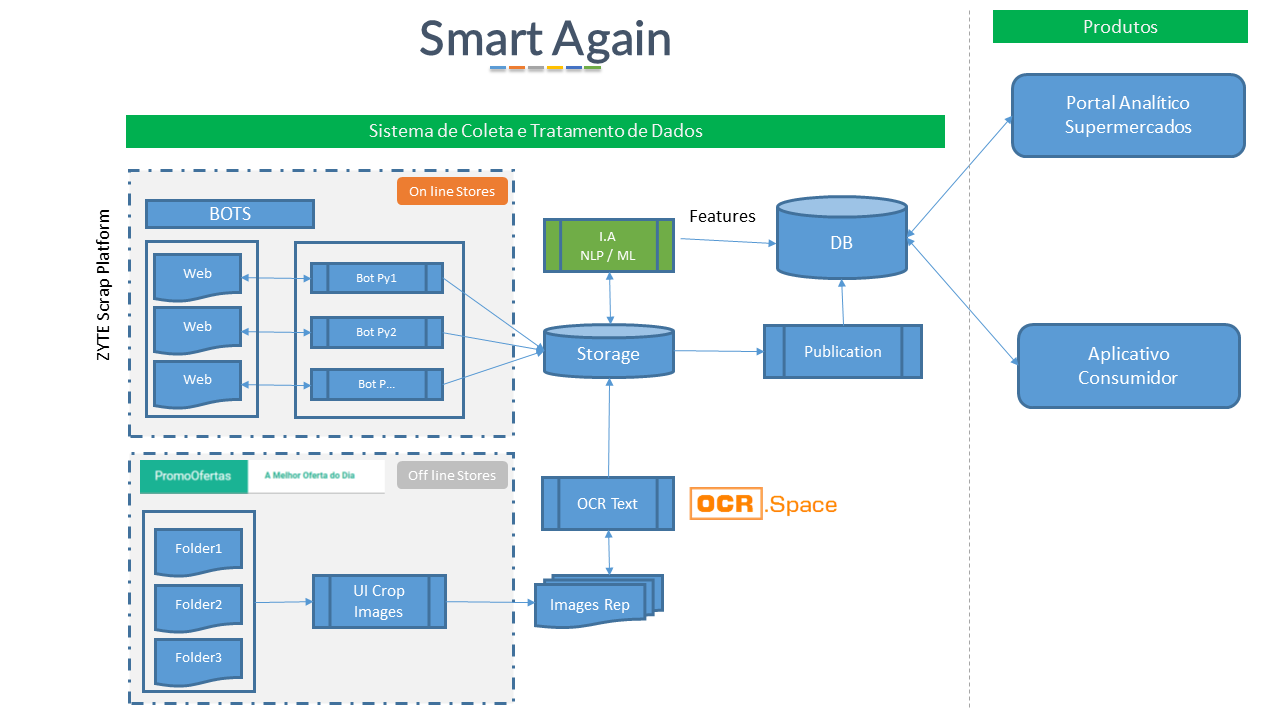
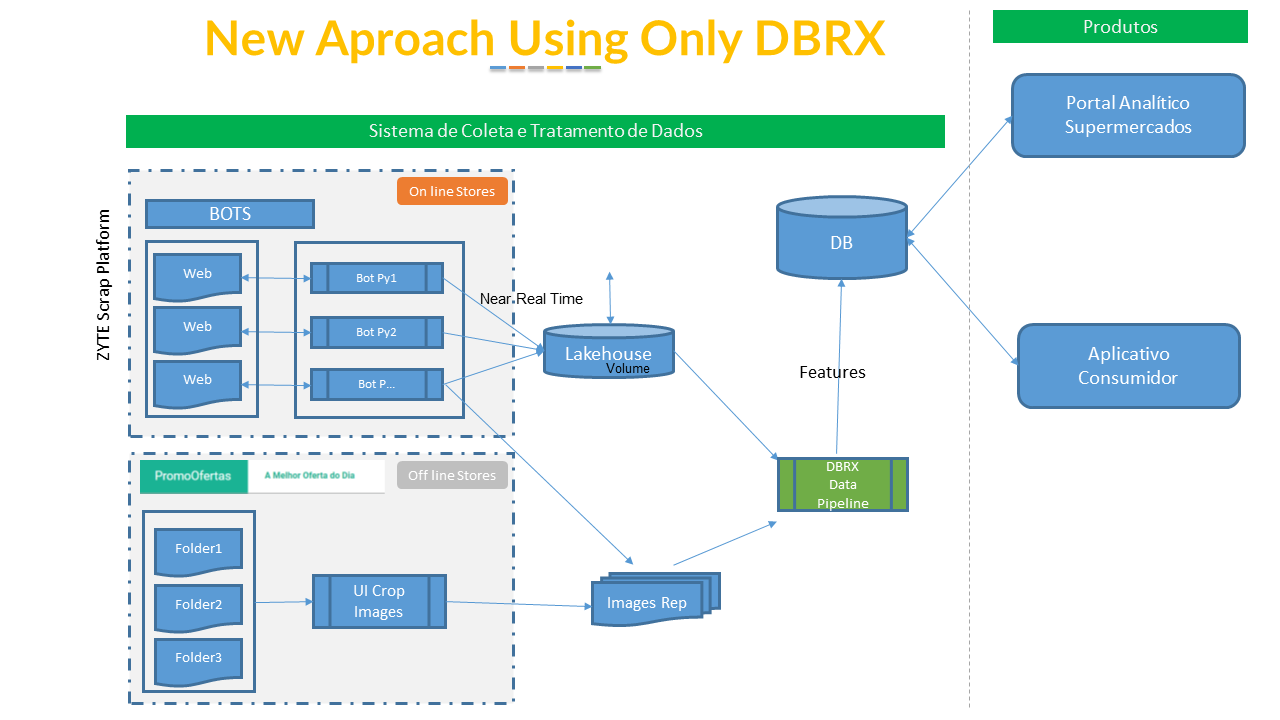
Comparing prices among online supermarkets as part of pricing strategy - The PromoOfertas use case.
Price comparison is a strategic player in grocery chains. Creating a price comparison takes time, involves many people, and has long rollout cycles to other regions. As a Data Engineer at PromoOfertas, I spent two years creating two models (one PT-BR and the other in EN) with many line codes, regex patterns, and simple NLP commands.
Now, using Gen AI, grocery store chains can leverage to scale the data processing to the next level, combining auto categories classification, converting measure unity, and scaling a single model to many regions by native support for multi-language. Gen AI can fill the gap in missing offline store prices, which means it does not have data from offline stores (small and local places).
Before LLM, we spent considerable time writing lots of code, using many regexes, and using limited NLP commands. I achieved an accuracy of 70 or 80%. Using the Gen AI, it was concluded over the weekend through DBRX LLM, and I got 95% precision—and multi-language by design. It doesn't matter where the competitor's product and prices come from. It can be from websites, third-party systems, or even local small offline grocery stores. Every data and product's price is processed by a single data pipeline.
For the future, the plan is to optimize the OCR pipeline using AI and create an AI Agent to create a custom and compelling message for the customer for more personalized conversation.
Built With
- databricks
- datalake
- dbrx
- llm
- pyhon
- scrapy
- workflows


Log in or sign up for Devpost to join the conversation.