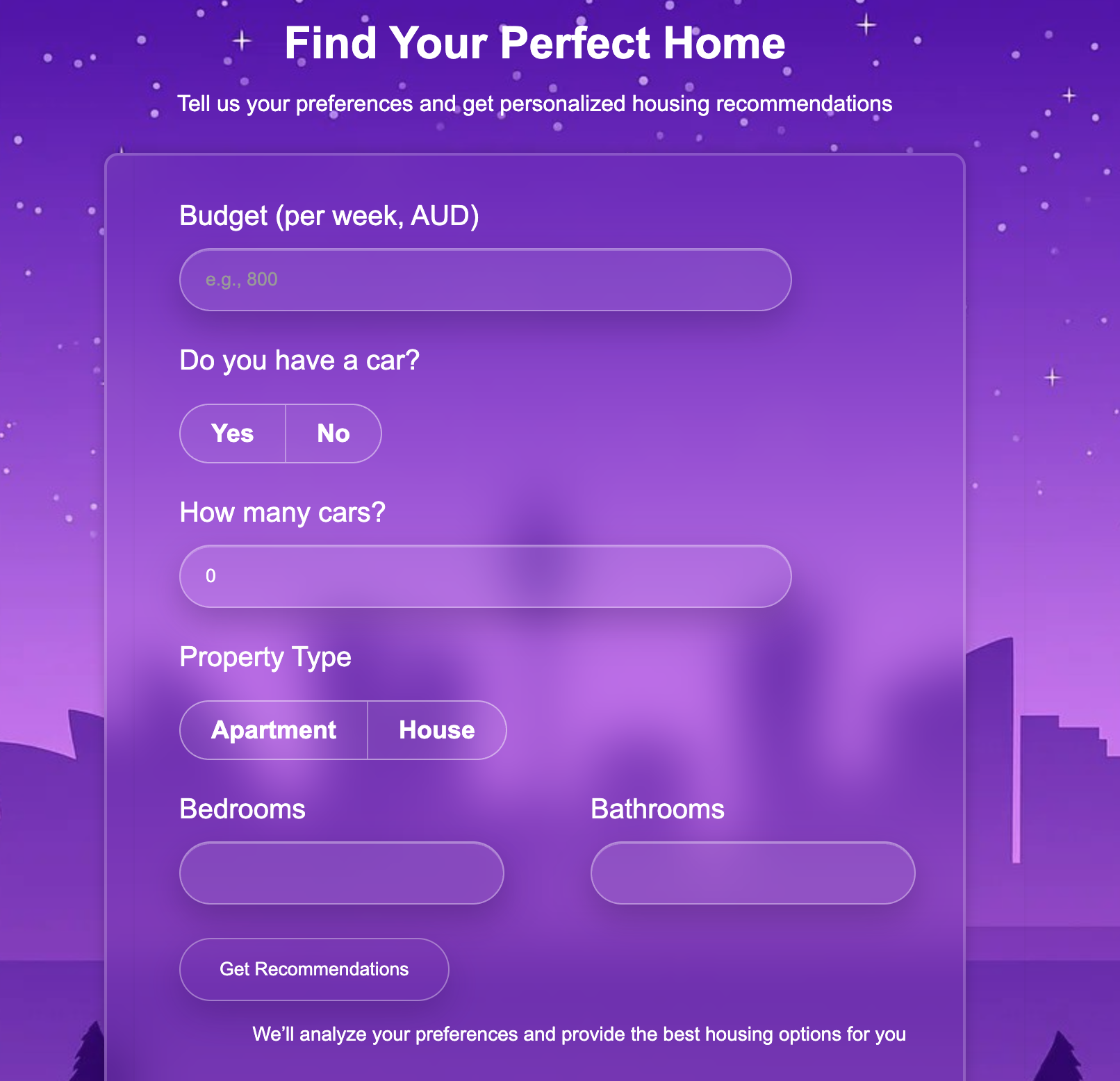

Like most ambitious projects, our journey wasn’t smooth sailing. From the very beginning, we realized that turning our idea into something practical would mean juggling a lot of moving parts, and honestly, that juggling act ended up eating most of our time. The biggest struggle came from the constant need to switch between different technologies. We started with a front-end built in HTML, then had to process our datasets in Python, save them into CSV files, and finally push everything into the backend where the predictive model lived.
On paper, that sounded straightforward, but in reality it was anything but. Each step had its own set of headaches. Data from one system wouldn’t line up neatly with the other, encodings didn’t always match, and there were countless small bugs that only appeared when the pieces were stitched together. A lot of our time was spent not on the exciting “AI prediction” part of the project, but on chasing down formatting errors, rewriting scripts, and figuring out why the backend wasn’t responding the way it should.
Because so much effort went into fixing these integration issues, we didn’t get the chance to finish building the full pipeline. We had working parts—the front-end, some data processing, and the rough skeleton of the backend—but the complete system wasn’t ready by the submission deadline. That was frustrating, because the vision was there, and the individual parts showed promise, but the reality of connecting them all proved harder than expected.
Still, even though we couldn’t deliver a perfectly polished product, the experience taught us a lot. We learned firsthand just how tricky it is to move data between different systems, and how important it is to simplify where possible instead of overcomplicating early stages. We also learned how to adapt under pressure, whether that meant dividing up the work differently, spending late nights troubleshooting together, or rethinking what success should look like when deadlines were closing in.
Looking back, if we had more time, we would definitely try to streamline the pipeline instead of bouncing between so many formats. Maybe we’d keep everything inside a single database, or rely on tools like FastAPI or Flask to handle communication between the front-end and backend more cleanly. Even though the submission wasn’t complete, we still walked away with something valuable: a clearer sense of how to build smarter next time, and a deeper respect for how messy but rewarding it can be to turn an ambitious idea into reality.

Log in or sign up for Devpost to join the conversation.