-
-
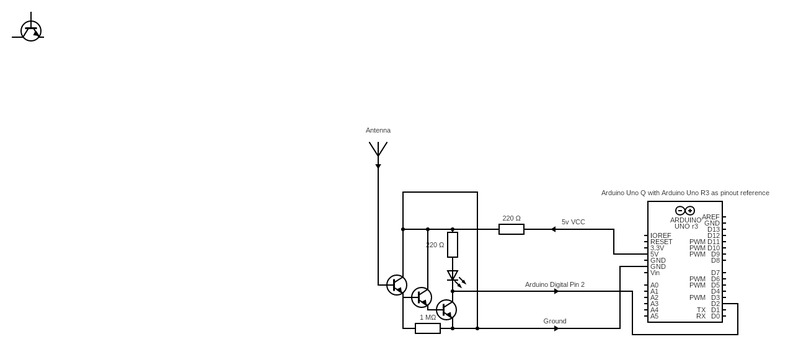
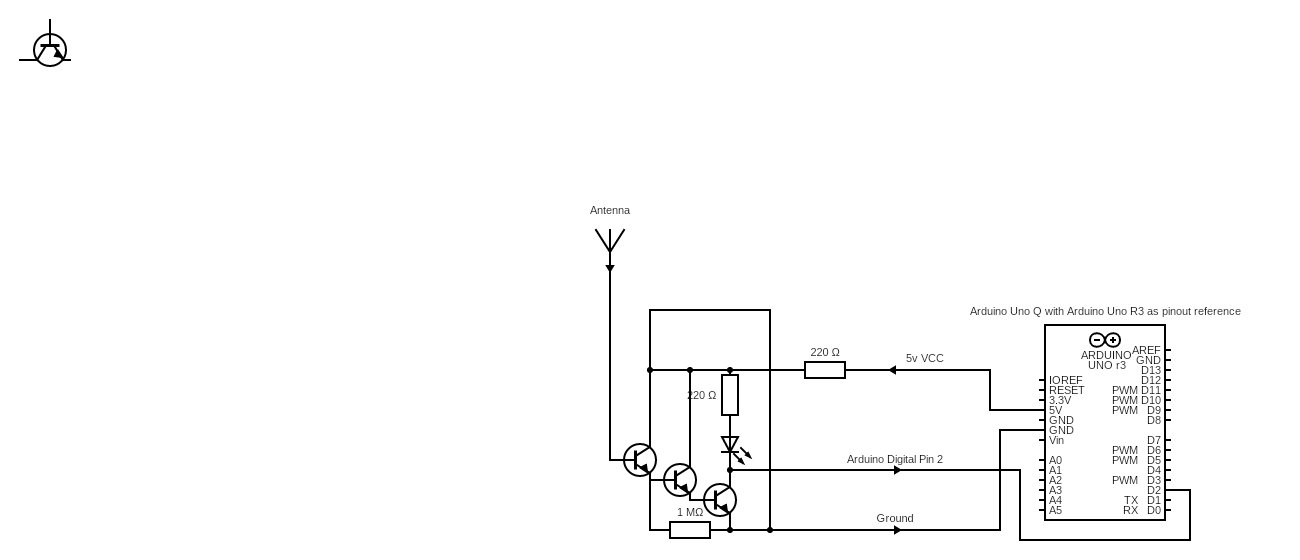
Arduino Schema
-
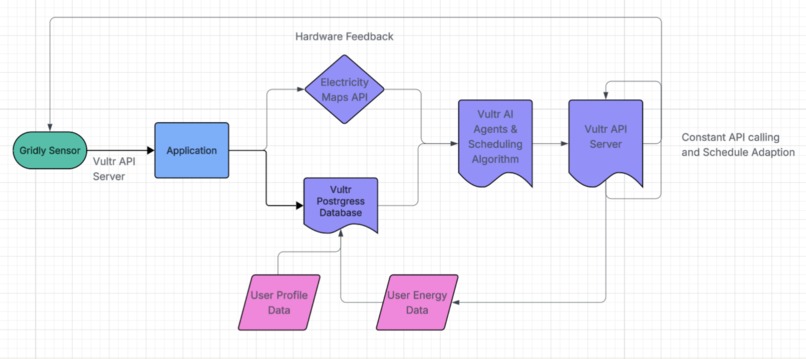
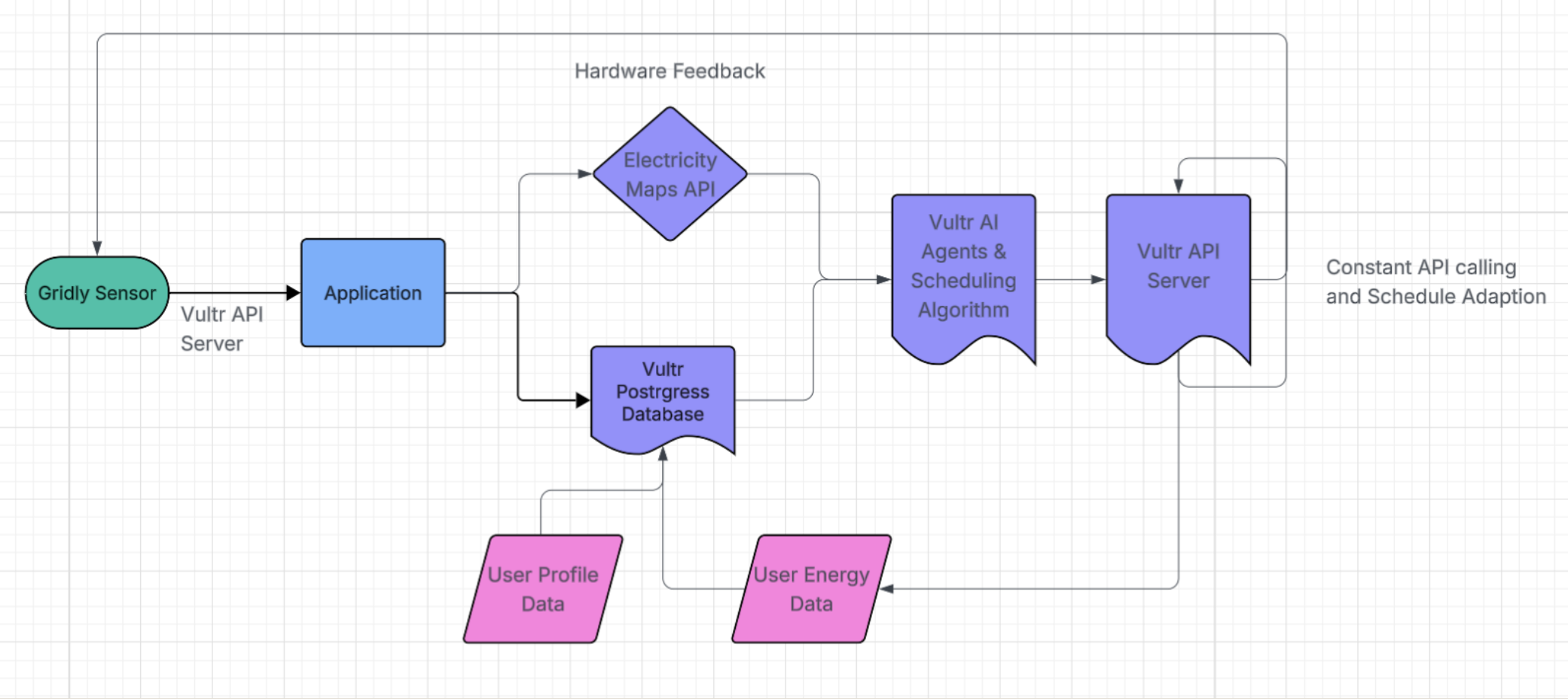
Tech Stack Diagram
Inspiration
Gridly was inspired by the growing strain on the electric grid caused by electrification, unmanaged residential loads, and rising peak demand. Modern consumers remain disconnected from grid conditions: standard charging is “blind” to fluctuations in electricity prices (which can vary up to 13x in Georgia), hourly changes in carbon intensity, and—critically—periods of grid congestion and peak stress. Our team set out to build a system that not only benefits households, but actively helps relieve grid stress by shifting flexible demand away from peak hours and toward cleaner, underutilized capacity.
What it does
Gridly is an intelligent energy management system that automatically shifts energy usage to times when electricity is cheapest, cleanest, and least stressful for the grid. Using a smart plug and a real-time dashboard, users set a charging deadline and adjust a slider to balance cost savings, emissions reduction, and grid support.
A Safety Priority feature ensures devices charge immediately if they fall below a defined battery threshold, while Vultr AI Agents provides personalized insights that explain how a user’s behavior reduces peak demand, avoids congestion, and supports overall grid reliability—alongside lowering household costs and carbon footprints.
How we built it
Gridly’s architecture separates concerns across four key layers:
- Frontend: Built with Next.js 16, React 19, and Tailwind CSS 4, using Recharts for visualizing price signals, carbon intensity, and grid-friendly charging windows, and shadcn/ui for controls.
- Backend: A FastAPI (Python) server running on a Vultr VPS that orchestrates optimization runs, device control, and analytics.
- Integrations: Uses the Electricity Maps API for carbon intensity forecasts, Vultr Databases for data storage, and Vultr AI Agents backed by a Gemini fallback to translate grid conditions into actionable, user-friendly insights.
- Hardware: An STM32U585-based IoT device supporting the Matter protocol, enabling secure power monitoring and remote load control.
- Optimization Engine: A PuLP-based MILP optimizer that schedules charging to minimize cost and carbon intensity while explicitly avoiding peak grid stress periods and respecting user deadlines and safety constraints.
Challenges we ran into
We identified a major Manual Management Burden: expecting consumers to manually respond to price spikes, congestion, and forecast changes is unrealistic. We also faced Trade-off Complexity—designing both the optimizer and UX so users could intuitively support grid stability without sacrificing convenience or device reliability.
Accomplishments that we’re proud of
- Grid-Aware Load Shifting: Built a working system that shifts flexible residential load away from peak hours, directly reducing grid congestion while delivering 20–40% household cost savings.
- Safety-First Optimization: Implemented a robust Safety Priority path ensuring grid-friendly behavior never compromises device availability or user trust.
- End-to-End System Integration: Successfully combined Matter-enabled hardware, MILP optimization, and AI-driven grid insights into a single, scalable product.
What we learned
We observed significant grid stress during peak evening hours in Georgia’s electricity market, particularly under time-of-use pricing structures like the Georgia Power Overnight Advantage plan. Even modest residential load shifting, when coordinated across users, can materially reduce peak demand, lower emissions from peaker plants, and improve overall grid resilience.
What’s next for Gridly
Our next phase focuses on scaling Gridly as a grid-supportive demand flexibility platform. At 10,000 users, Gridly could avoid 100,000+ kg of CO₂ annually while meaningfully reducing peak load. We plan to launch an Enterprise API for utilities and grid operators to enable demand forecasting, peak shaving coordination, and grid stress mitigation, helping delay infrastructure upgrades and reduce reliance on fossil-fuel peaker plants—while maintaining strict user consent, privacy, and data controls.

Log in or sign up for Devpost to join the conversation.