-
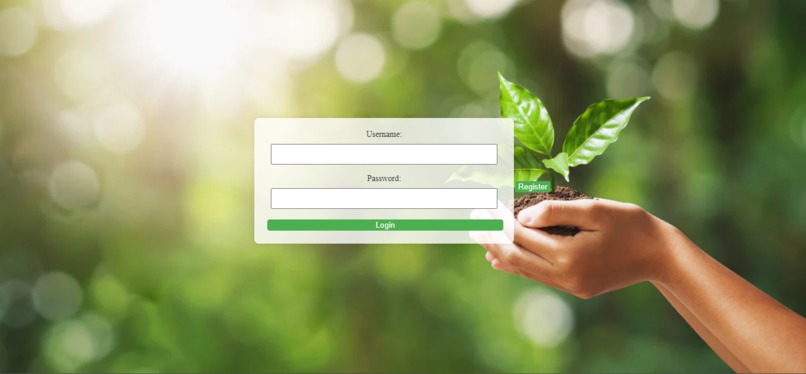
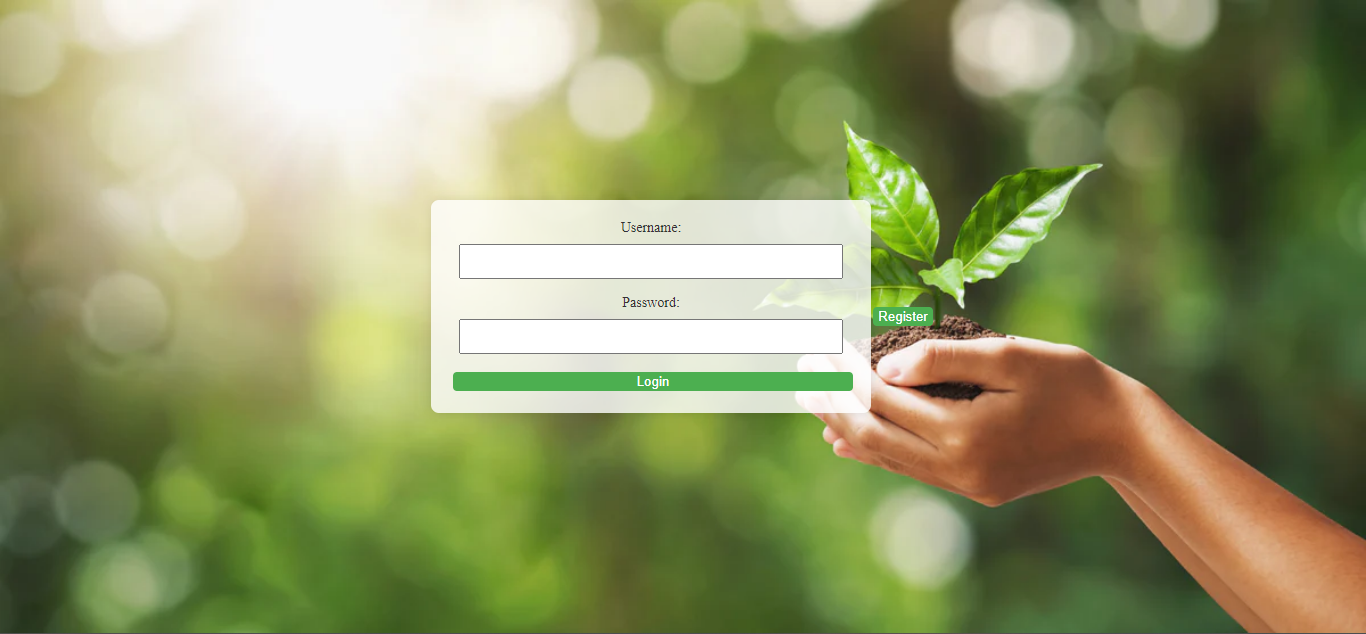
login page
-
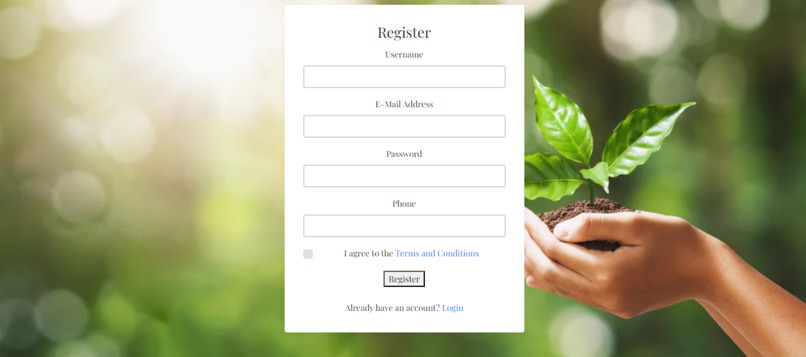
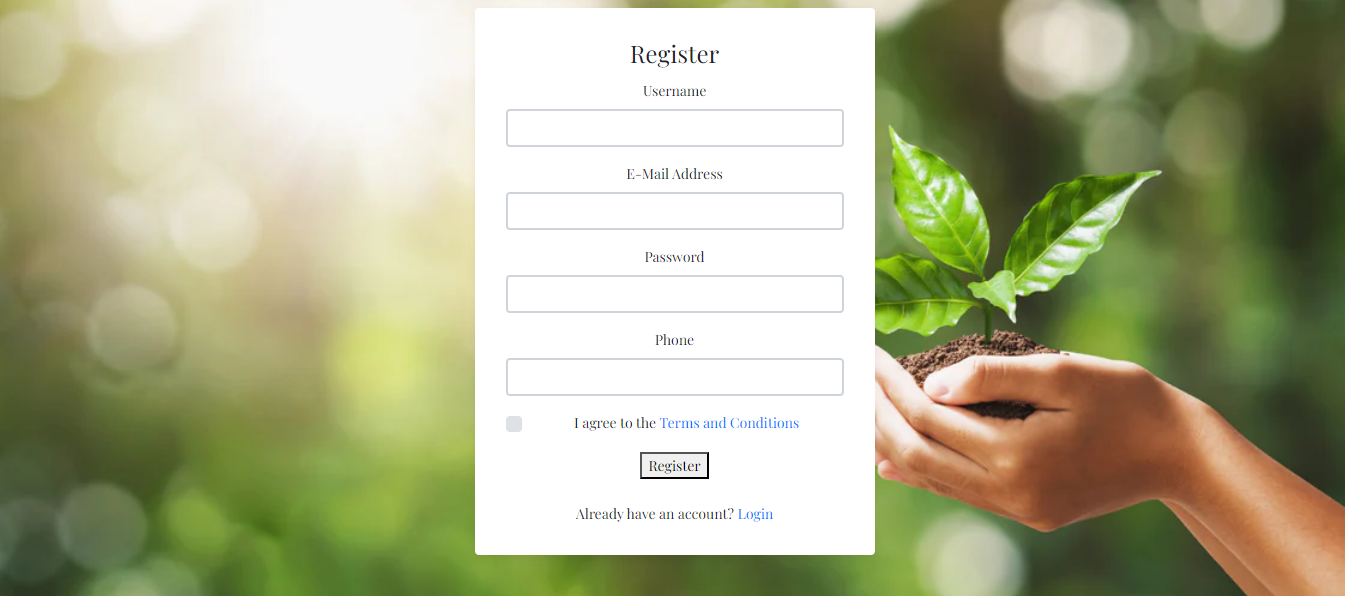
register page for new users
-
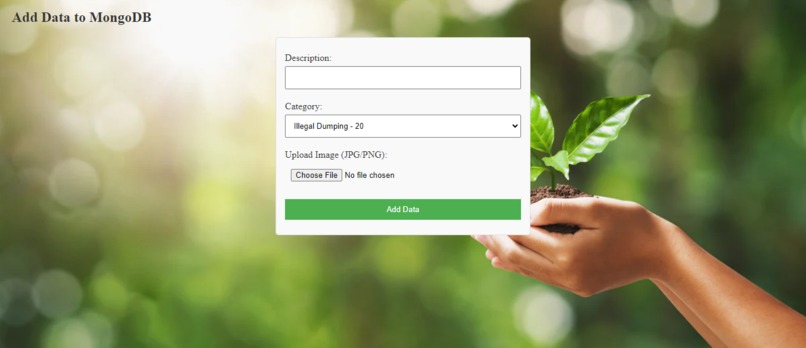
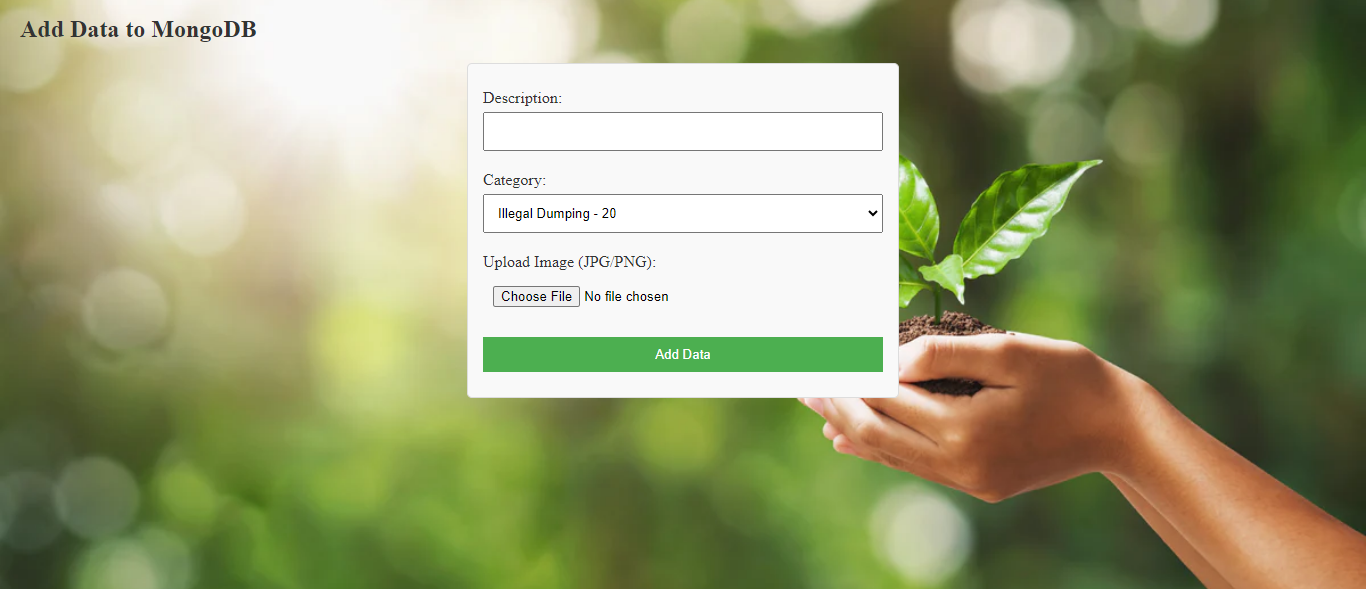
Page to upload pictures of areas with garbage, enables current user location and distributes points based on activity reported.
-
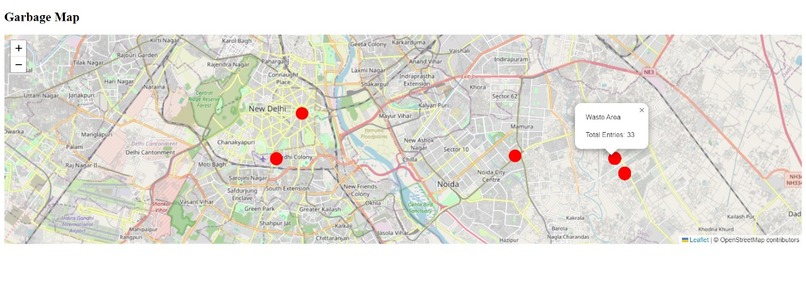
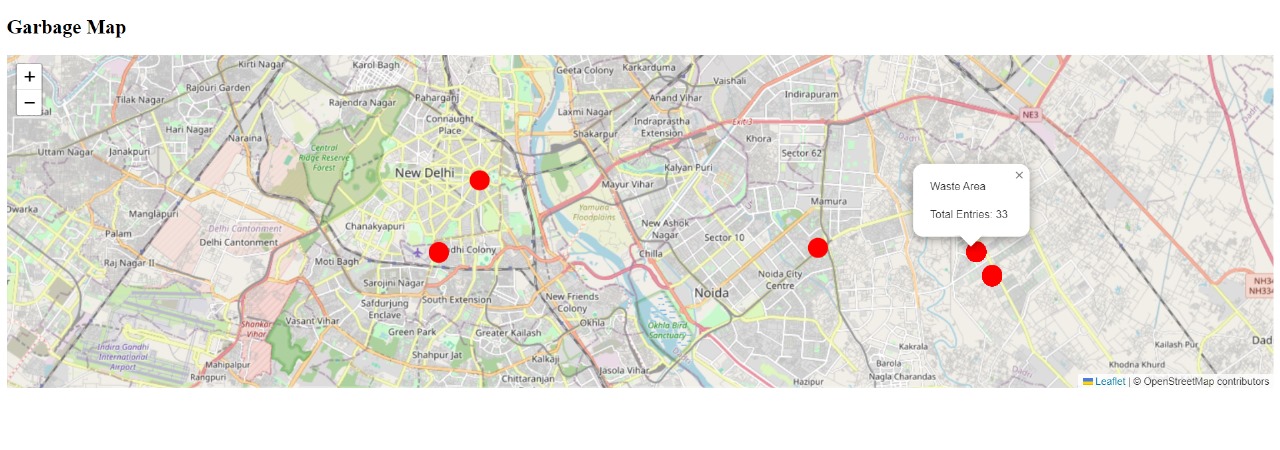
map for geotracking, after enabling location
-
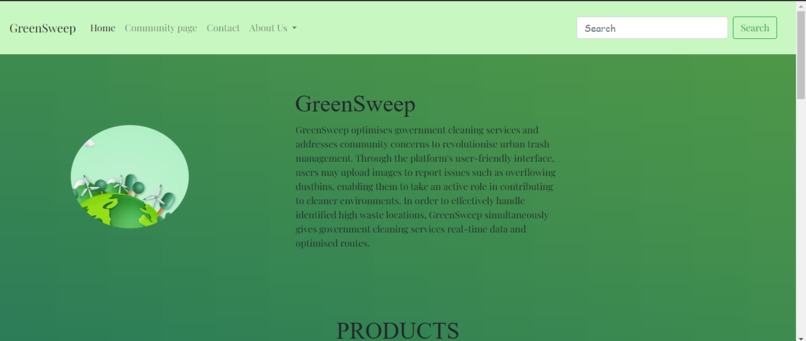
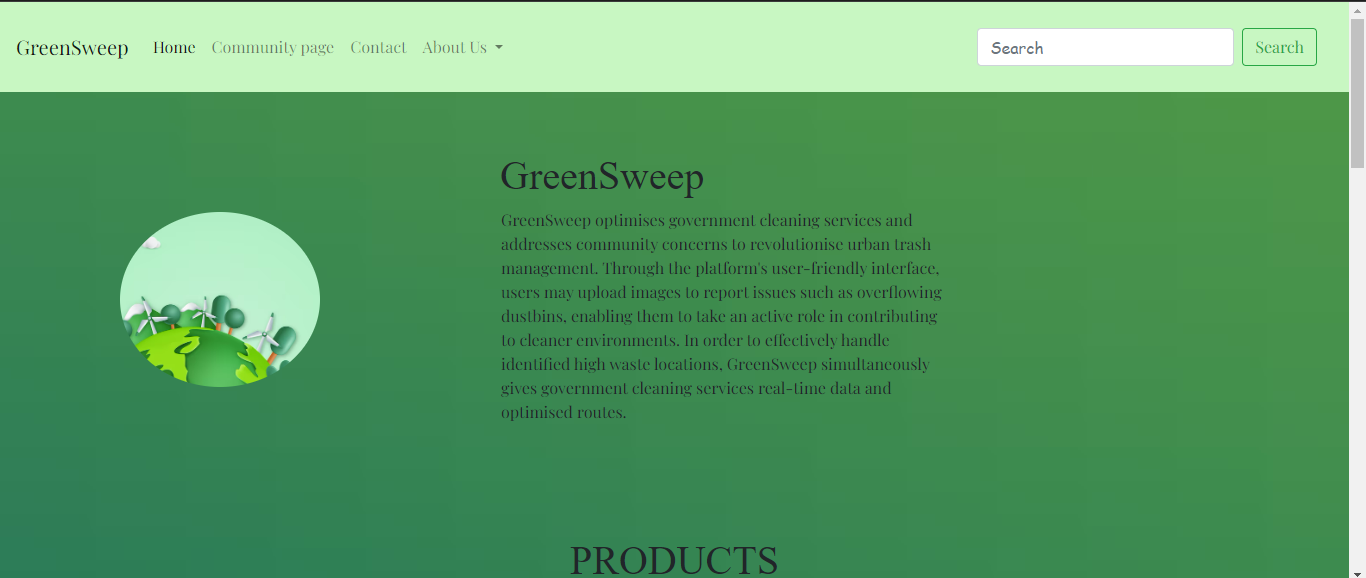
landing page
-
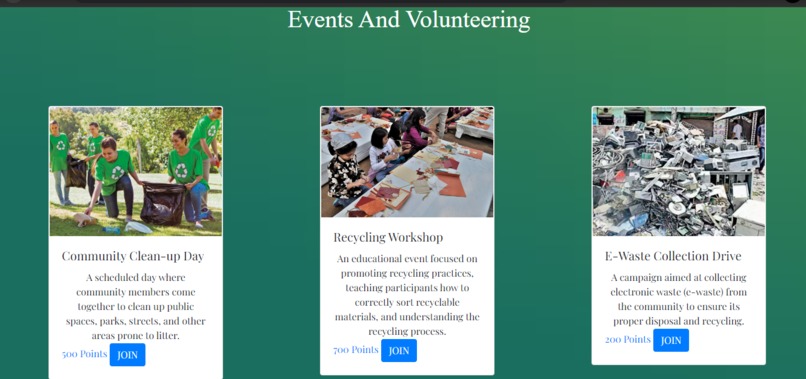
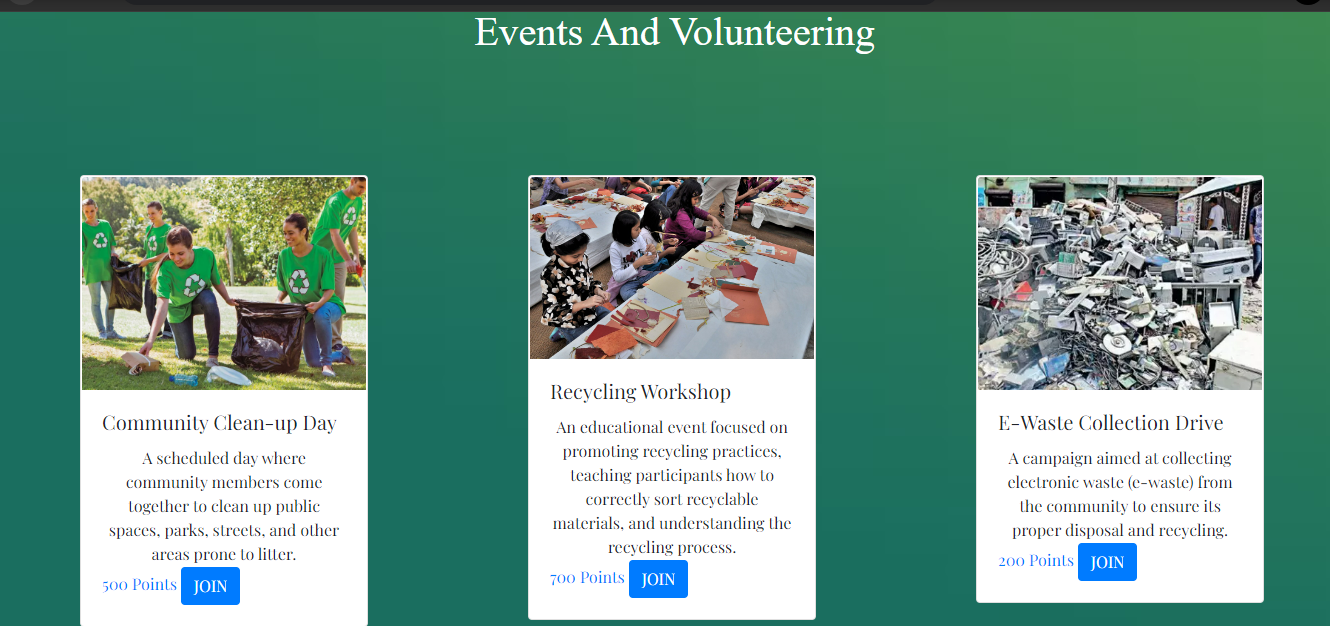
events and volunteering for user engagement
Inspiration
To present some statistics:
- According to the World Bank, the world generates approximately 2.01 billion metric tons of municipal solid waste annually.
- On a per capita basis, the global average is about 0.74 kilograms of waste per person per day. A significant portion of daily waste is composed of plastic. In 2019, global plastic waste generation was estimated to be around 368 million metric tons per year.
- Food waste is a substantial component of daily waste. Globally, it's estimated that about one-third of all food produced for human consumption (approximately 1.3 billion metric tons) is lost or wasted each year.
A considerable amount of waste is often disposed of improperly or illegally, contributing to unnoticed waste. This can include illegal dumping in water bodies, forests, or unauthorized landfills, which lead us to work on a solution for waste management and awareness.
What it does
GreenSweep, the suggested solution, combines geo-tracking, optimised route planning, and a real-time public participation approach to urban waste management. The key features of GreenSweep include:
- Citizen Engagement in Real Time and image upload: Users can upload images of garbage-related issues using their mobile devices. Implementing a user-friendly form to capture details like description, category (e.g., overflowing bins, illegal dumping), and location.
- Geo Tracking: GreenSweep includes a map feature to display areas with high waste indices. Using GPS to track the user's location for personalized recommendations and alerts.
- Point-driven Reward Scheme: Integrate a points system for users contributing to waste management. Reward users with points for reporting waste, proper disposal, or engaging in eco-friendly practices.
- Data Analytics: Implement data analytics to generate insights into waste patterns, high-impact areas, and user engagement levels. Utilize the map interface to visualize data trends and inform waste management strategies.
How we built it
GreenSweep was built using the following tech stacks:
- Geographic Information System (GIS), This allowed GreenSweep to identify priority areas for intervention and track the progress of clean-up efforts in real-time.
- Web Development (HTML, CSS, JavaScript), used to create the layout, style, and interactive elements of the platform, providing users with a seamless and intuitive experience.
- Backend Framework (Node.js, Express), facilitated the development of robust server-side logic, handling data processing, authentication, and communication between the client-side and database.
- Database (MongoDB), employed to store and manage data related to user profiles, environmental data, clean-up activities, and more. Its flexibility and scalability made it well-suited for handling the diverse and dynamic datasets used in GreenSweep.enhanced data collection and visualization, allowing users to document and share their contributions effectively.
- Image Upload (Multer), enhanced data collection and visualization, allowing users to document and share their contributions effectively.
- User Authentication (JWT),
- Data Visualization (Leaflet for maps), visualize geographic data and display clean-up sites, waste accumulation areas, and other environmental features.
Challenges we ran into
Limited financial and logistical resources hindered the scale and efficiency of clean-up activities. Adequate funding, equipment, and manpower are essential for successful initiatives.
Accomplishments that we're proud of
Our experience using GreenSweep has been really inspiring and educational. We learned about the significant influence that every person can have on society and the health of our world as we dug deeper into the topics of environmental awareness and conservation. We've seen firsthand through our combined efforts how little deeds can result in big positive changes that encourage others to support the cause of social good. Our experience with GreenSweep has essentially been one of growth, learning, and discovery. It has given us the knowledge, abilities, and drive to become change agents and create a long-lasting impact in our communities and beyond. We are full of hope and resolve to build a better, more sustainable future for future generations as we continue to negotiate the nexus between environmental preservation and technology.
What we learned
Our involvement with GreenSweep opened doors to new technological horizons, giving us the chance to investigate cutting-edge tech stacks and get our hands dirty while developing a project with practical application. Embracing new technologies and using them to solve urgent environmental issues was thrilling. In addition, the idea of using blockchain technology for our initiative opened our eyes to the exciting realm of web3 and its possible uses for social good. We were fascinated by how blockchain technology could transform environmental efforts' transparency, accountability, and trust, opening the door to more effective and significant solutions.
What's next for GreenSweep
->Blockchain-driven Reward Scheme: We plan on integrating a points system for users contributing to waste management. Reward users with points for reporting waste, proper disposal, or engaging in eco-friendly practices and offering coupons, discounts, or other rewards for users with high points.
->Collaborating with municipalities and Corporate Sponsorships: GreenSweep can benefit from collaborating with government services and corporate industries to make it a stronger business model.

Log in or sign up for Devpost to join the conversation.