-
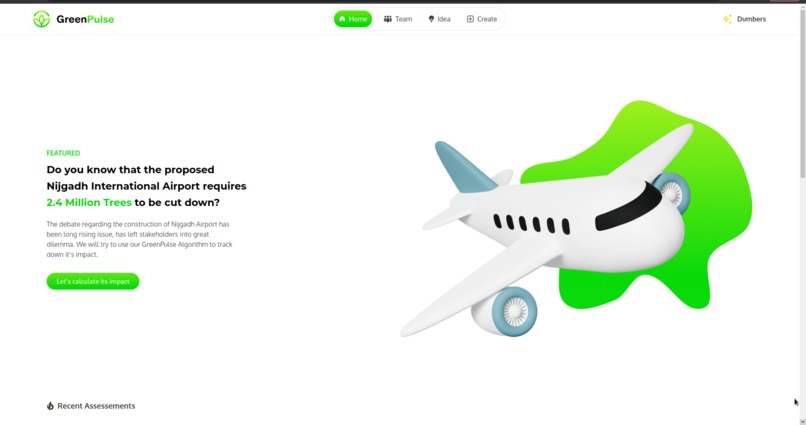
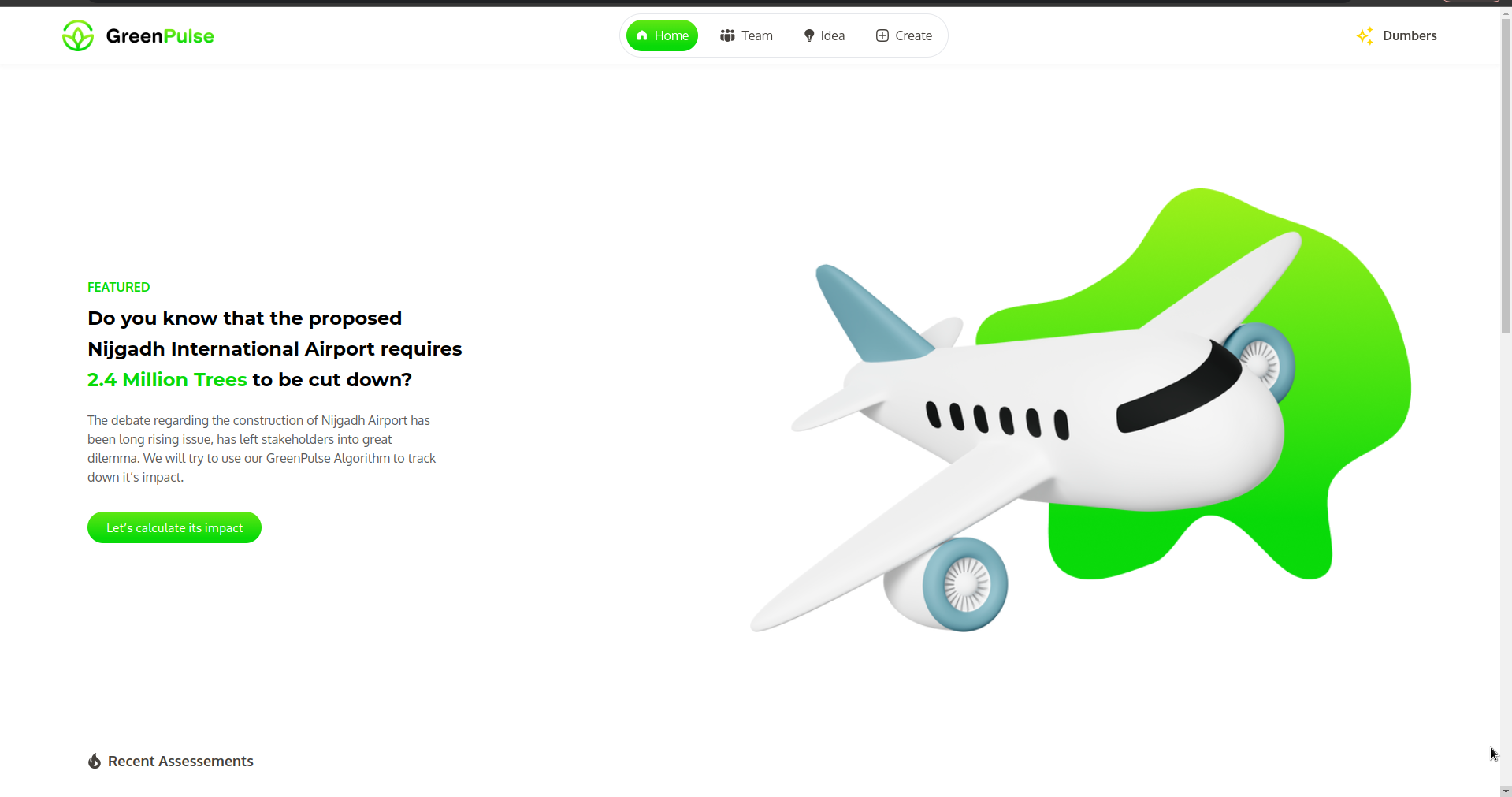
Home page of GreenPulse
-
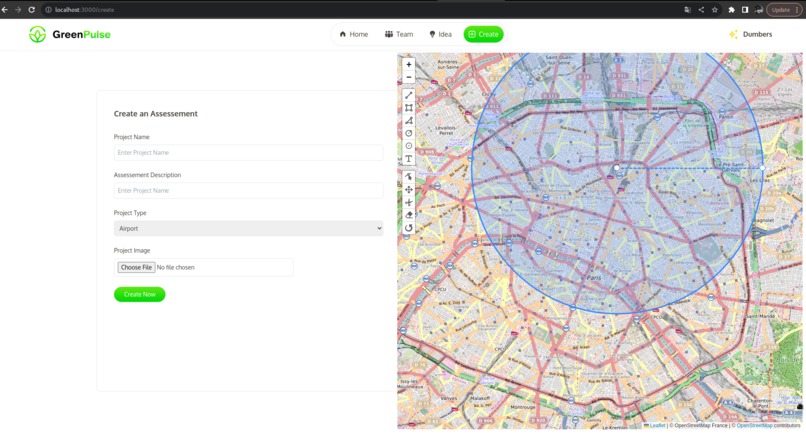
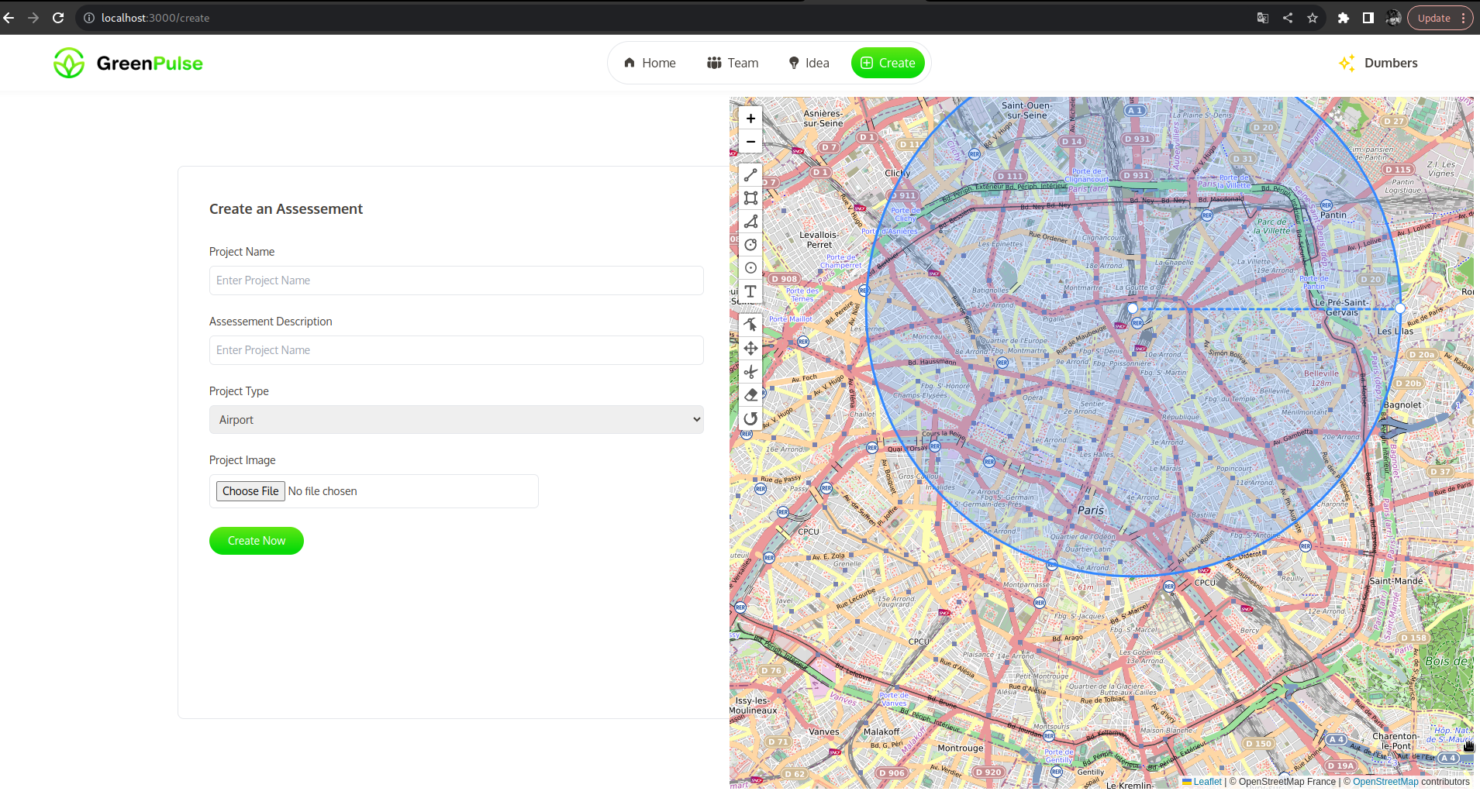
Create project view of GreenPulse
-
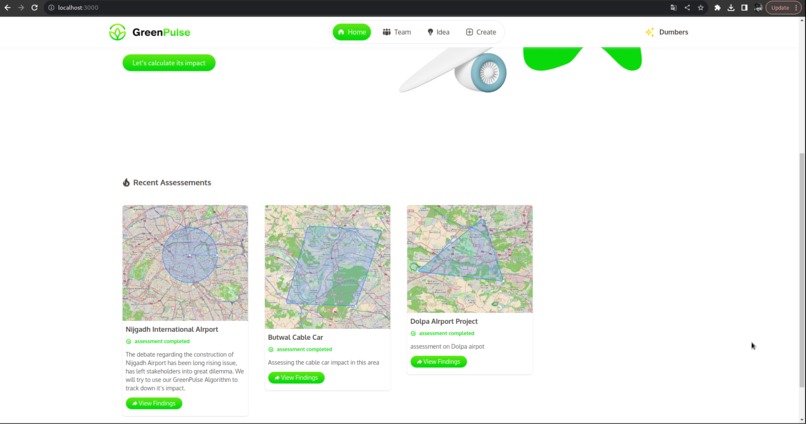
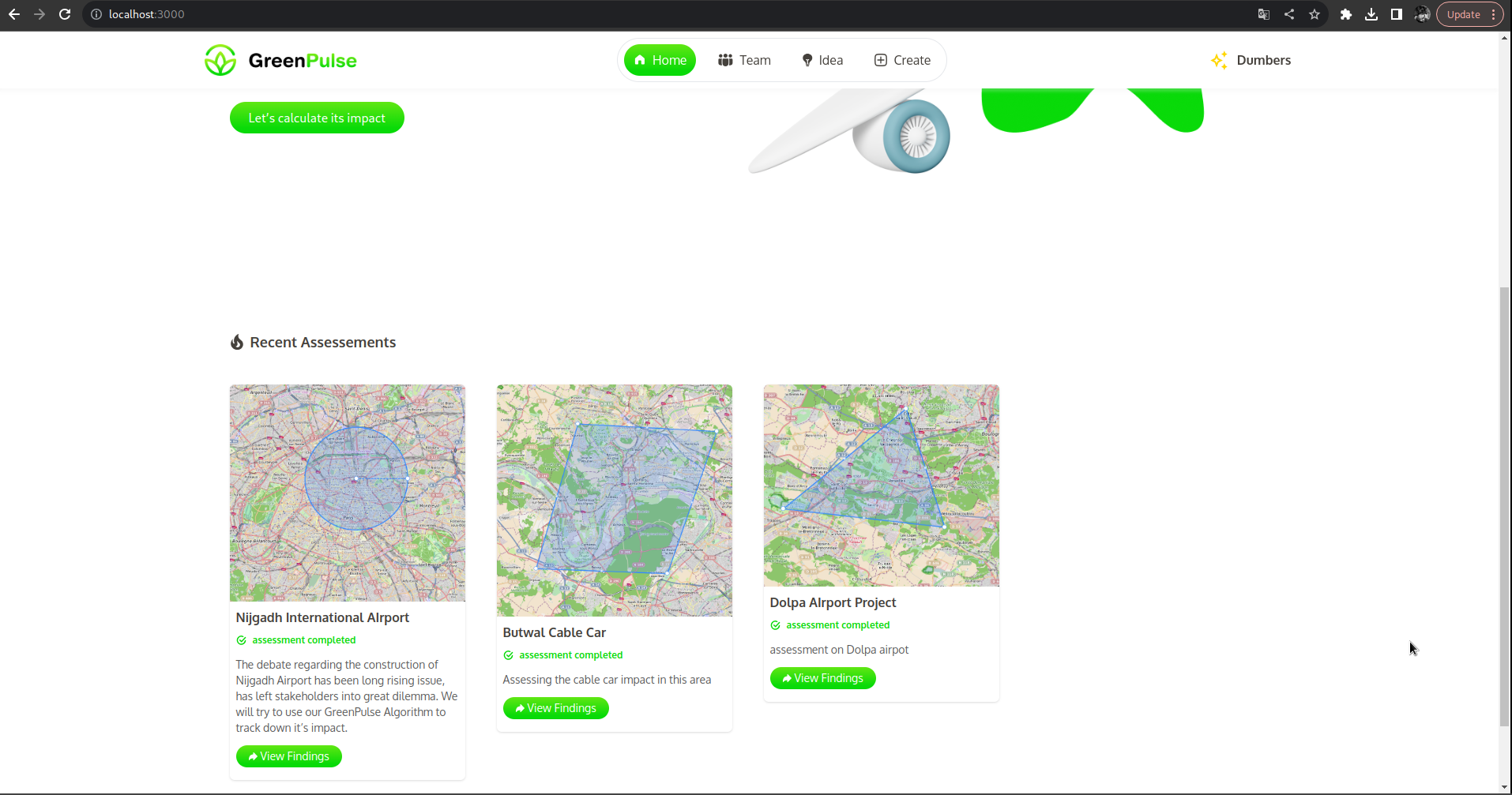
Project listings of GreenPulse
-
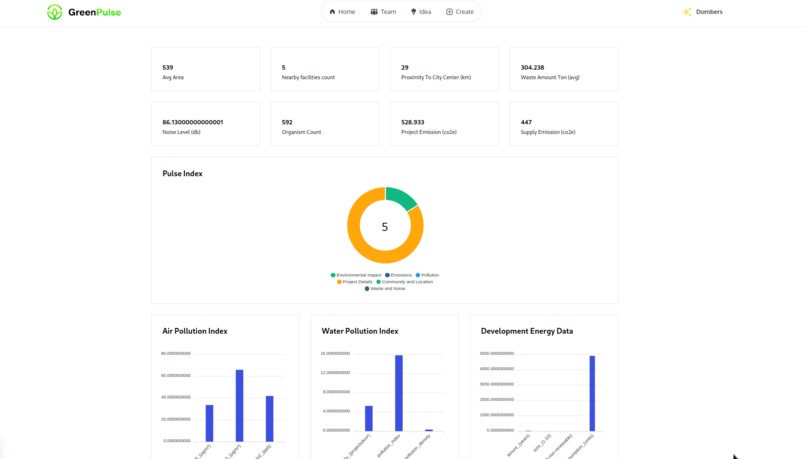
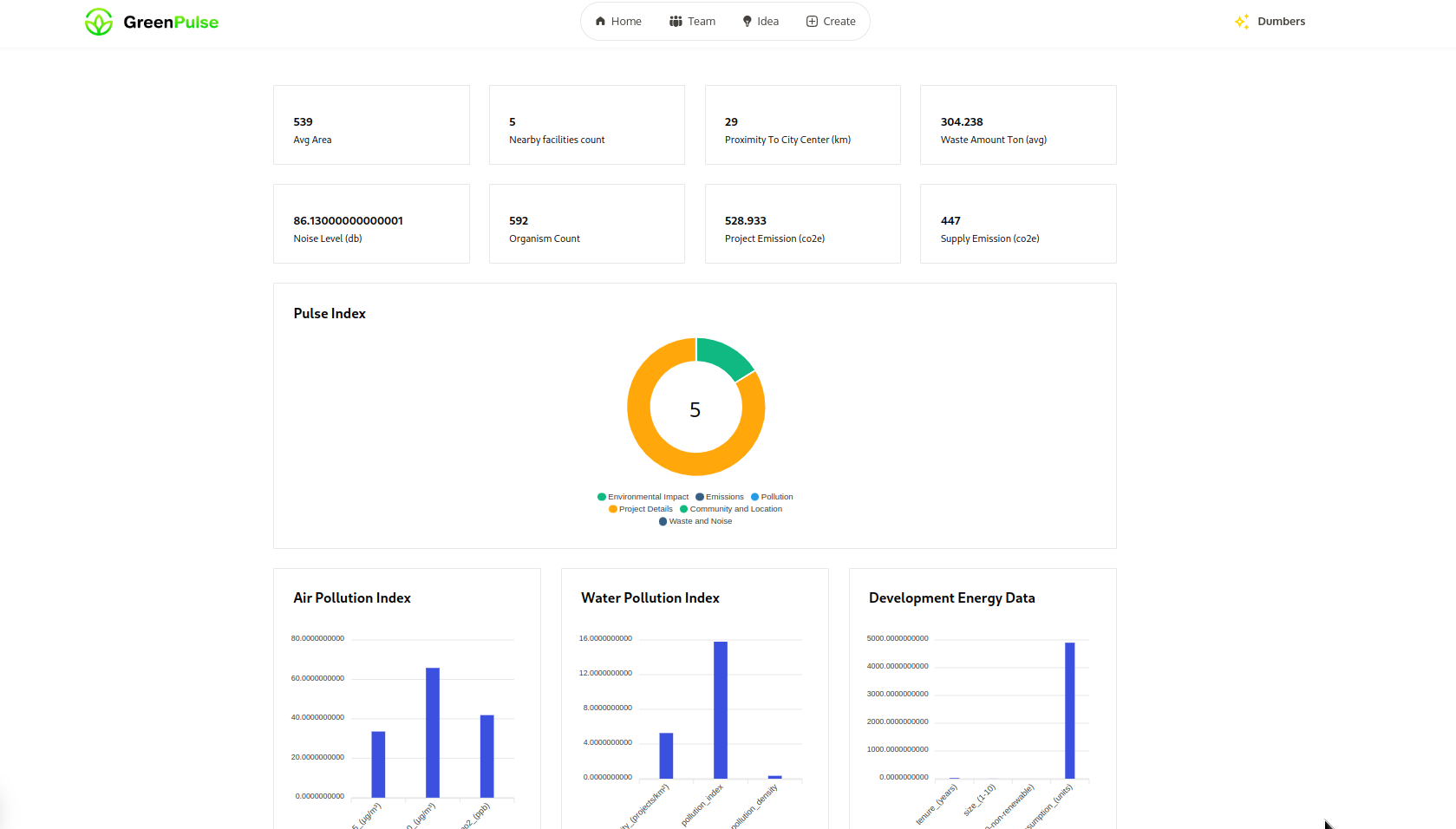
Stats & assessment
Inspiration
On the 18th of Bhadra in 2021, a significant landslide struck the northern region of Butwal, highlighting the city's vulnerability due to its proximity to the environmentally sensitive Chure Hill Range. Prior to this incident, environmental experts had strongly advised against engaging in major construction projects within this fragile ecosystem.
Coincidentally, during this period, a Cable Car project was underway, aimed at linking Butwal to Palpa. It was while observing this project from Palpa that we began contemplating the development of an innovative application capable of meticulously assessing the potential environmental impact of such massive structures.
Soon after, the spotlight shifted to the controversy surrounding the construction of the Nijgadh International Airport, drawing widespread attention. The scrutiny extended to the Environmental and Social Impact Assessment (ESIA), which faced considerable criticism for its resemblance to a hydropower project. Shockingly, it was revealed that 2.4 million trees were slated for removal. In response to the criticisms, the Ministry of Forestry and Environment entrusted the task of tree counting to the Forest Department in Bara District for a second evaluation.
Observing the duality where development projects sometimes exacerbate these environmental challenges while also being at risk themselves, we were moved to find a solution. "Green Pulse" germinated from this understanding, with a vision to harmonize development initiatives with the environment, ensuring that they are both protectors and beneficiaries of each other.
What it does?
"Green Pulse" serves as a dual-purpose tool:
Environmental Impact Assessment: It calculates the potential environmental impact caused by proposed development projects, visualizing risks like deforestation, water contamination, and increased vulnerability to natural disasters.
Project Vulnerability Assessment: Conversely, it also assesses the potential risks to the development projects themselves due to environmental factors, like landslides, flooding, or seismic activities.
All this information is distilled into intuitive visual representations, ensuring that every user, regardless of their technical expertise, can understand the implications clearly and act upon them.
How we built it?
We amalgamated advanced mathematical formulas with localized environmental data, categorizing them into distinct parameters that consider Nepal's unique landscape and environmental challenges. These categories encompass everything from geological formations and river flow patterns to historical climate data and future projections.
Challenges we ran into
- Balancing the dual purpose of the tool, ensuring that both assessments are comprehensive and interlinked.
- Integrating diverse datasets to provide a holistic picture without overwhelming the user.
- Calibrating our models to stay relevant to the ever-evolving environmental and developmental landscape of Nepal.
Accomplishments that we are proud of
- Pioneering a tool that recognizes the interconnectedness of development projects and the environment, ensuring neither is compromised.
- Contributing to a shift in mindset, where environmental responsibility and development go hand in hand.
What We Learned?
- The profound interdependence between development projects and their surrounding environment, where one’s vulnerabilities can be the other’s strength and vice versa.
- The importance of making complex data accessible and actionable for diverse user groups, ensuring informed decision-making at every level.
What's Next?
Building on the momentum:
Feedback Loop Integration: We intend to allow users to feed back into the system, refining our models based on real-world outcomes and experiences.
Collaborative Alliances: Forming alliances with local construction firms, governmental bodies, and environmental organizations to create a cohesive ecosystem of sustainable development.
Mobile Accessibility: Given the importance of on-ground accessibility, we're working towards a mobile application, ensuring that "Green Pulse" is at the fingertips of every stakeholder involved in Nepal's developmental journey.
Our overarching goal for "Green Pulse" is to make it an indispensable ally in Nepal's pursuit of sustainable progress, where development projects not only coexist with but also thrive alongside a healthy, resilient environment.
Built With
- fastapi
- figma
- javascript
- maths
- nextjs
- osm
- python
- redis
- scikit-learn
- sqlite
- streamlit
- tailwind


Log in or sign up for Devpost to join the conversation.