Inspiration

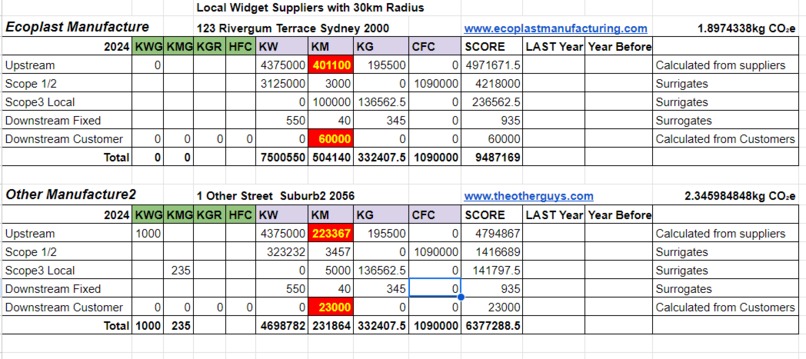
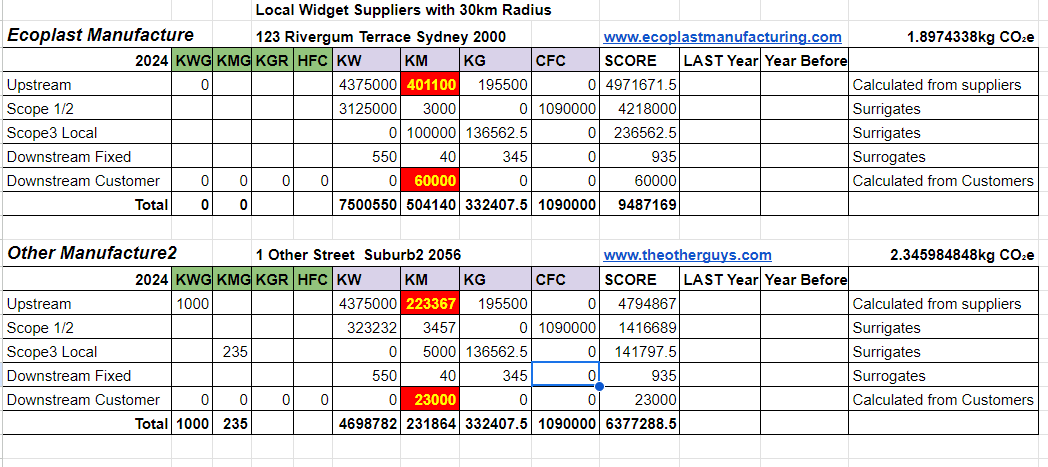
GreenPass was inspired by years of experience in natural resource management, where I saw how surrogate data could help experts and the public understand environmental impacts. This insight made me realize that businesses could also use this approach to track carbon emissions and make better decisions.

What it does

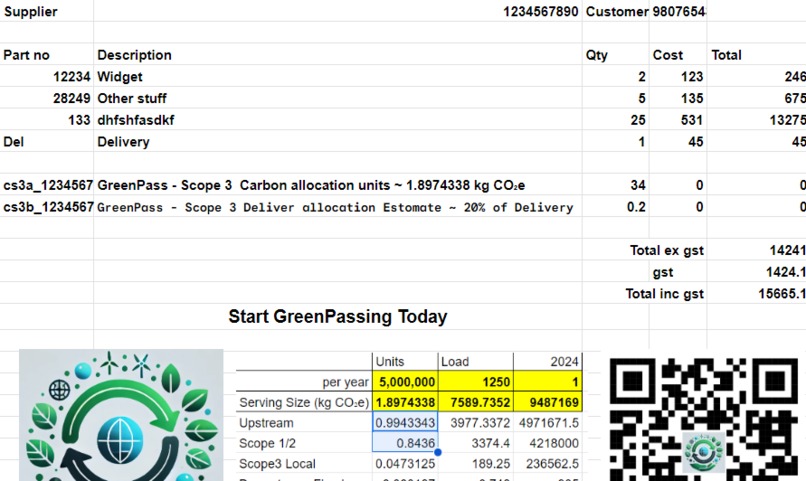
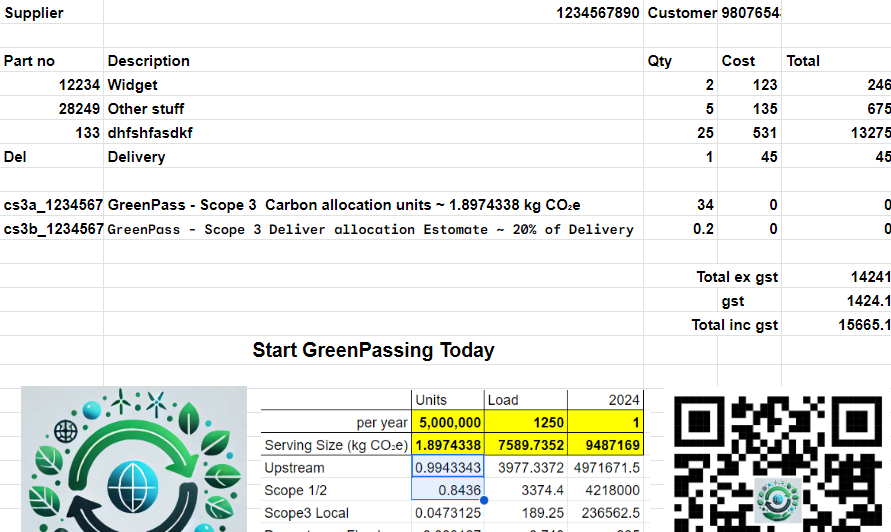
GreenPass is a software solution that uses surrogate data—like energy consumption, travel distance, and waste generation—to calculate Scope 3 carbon emissions. It integrates seamlessly with accounting systems to allocate emissions to products, improving transparency in supply chains.

How we built it

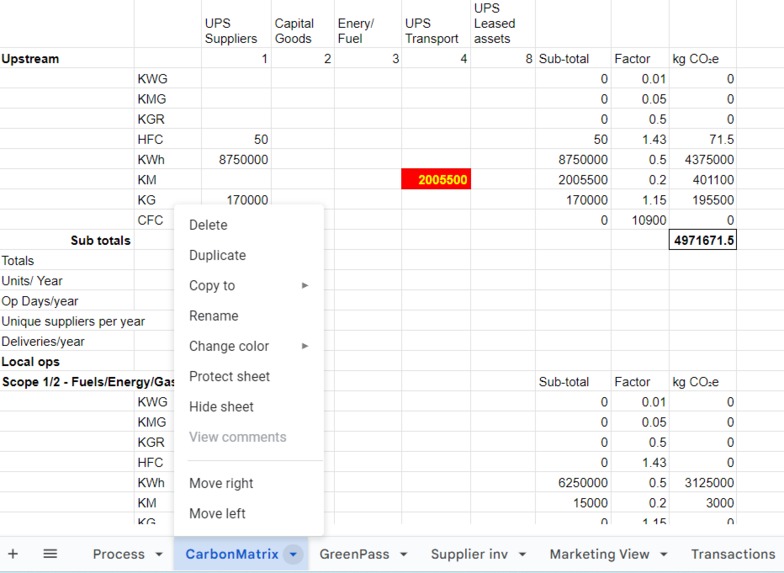
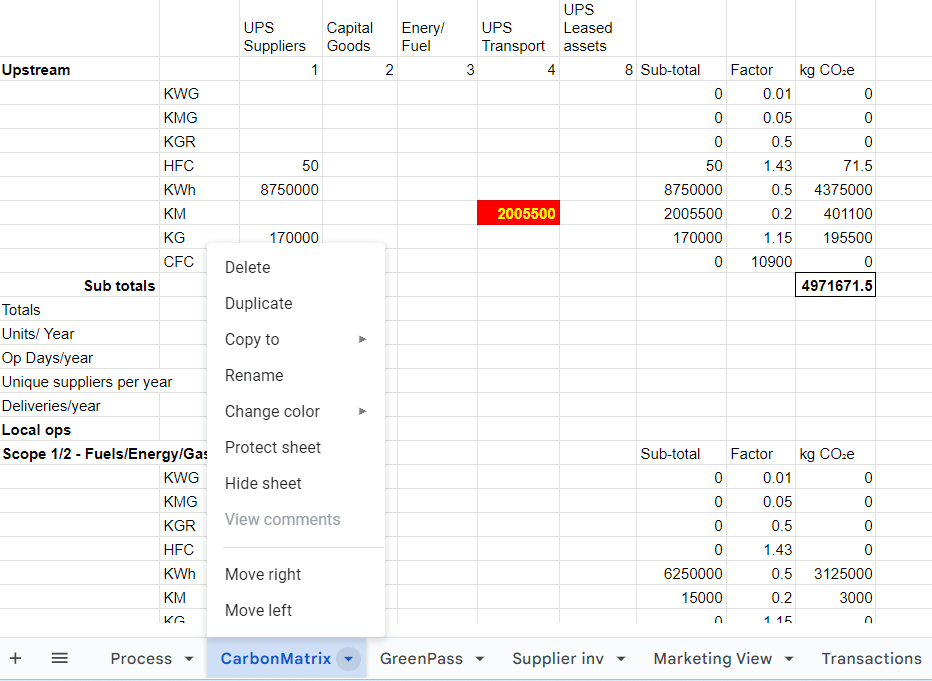
We built GreenPass by first identifying the key surrogates that best reflect Scope 3 emissions across industries. The system was then designed to incorporate these data points into existing procurement and billing systems, ensuring that organizations can track their emissions without needing a new operational layer. I have protype the tools in a spreadsheet and will add it as an extension to my existing collaboration platform.

Challenges we ran into

One of the biggest challenges was ensuring that the surrogate data used was both accurate and comprehensive. We also faced technical hurdles when integrating GreenPass with different accounting systems, requiring custom solutions to maintain ease of use.

Accomplishments that we're proud of

We’re proud of creating a solution that makes carbon accounting accessible and actionable for businesses, enabling them to see the environmental impact of their choices in real-time without additional workload. Also we have created a system that adds more value to existing quality data within your accounting package.

What we learned

We learned that businesses will be more willing to adopt sustainability measures when those measures align with existing operations and don’t add complexity. We also discovered that transparency fosters trust between suppliers and customers. ( and lots of stuff about scope 3 emissions)

What's next for GreenPass

Action Plan for Implementing GreenPass (See detailed attachement) Phase 1: Planning & Data Collection Define 13 Scope 3 emission categories, gather surrogate data (e.g., energy use, travel, waste), and engage stakeholders. Develop a data collection system with validation procedures.

Phase 2: Product-Level Carbon Allocation Integrate surrogate data for each product, create a GreenPass calculation engine to allocate emissions, and establish a software platform using double-entry bookkeeping for carbon tracking.

Phase 3: Invoice Integration Embed GreenPass data into invoices, matching supplier and purchaser carbon entries.

Phase 4: System Launch Pilot, then fully launch, GreenPass with ongoing monitoring, auditing, and reporting for compliance.

Phase 5: Future Enhancements Explore a GreenPass marketplace, global expansion, and integration with other carbon tools.

Share this project:

Updates

posted an update

Action Plan for Implementing GreenPass Phase 1: Planning & Data Collection Define Scope 3 Categories: Identify all 13 categories of Scope 3 carbon emissions that will be included (e.g., purchased goods/services, fuel/energy-related activities, transportation, waste, etc.). Determine relevant surrogate data for each category: Normal energy consumption (kWh) Green energy consumption (kWh) Distance travelled for deliveries (km) Waste generated (kg) Greenhouse gases emitted (CHC gases) Engage Key Stakeholders: Collaborate with suppliers and purchasers to explain the GreenPass system and how it will track and allocate carbon emissions. Develop communication and training materials to educate all parties involved on the scoring and allocation process. Create Data Collection Framework: Build the system to collect surrogate data related to the operational activities of suppliers. Ensure suppliers can input accurate data on energy use, transportation distances, waste generation, and GHG emissions into the platform. Develop validation and audit procedures to ensure data integrity and transparency.

Phase 2: Product-Level Carbon Allocation Surrogate Data Integration: Separate surrogate carbon scores (energy, travel, waste) across all products supplied by an organisation. Establish a formula for allocating organisational Scope 3 emissions to each product based on surrogate metrics. GreenPass Calculation Engine: Build the GreenPass calculation engine that will distribute the organisational GHG emissions to each product. Assign GreenPasses to the products based on the surrogate data and GHG scores, generating a carbon footprint for each item supplied. Develop GreenPass Platform: Create the software platform to manage GreenPass transactions and allocate carbon data to purchasers. Integrate double-entry bookkeeping principles to track carbon data both on the supplier’s and purchaser’s side for each transaction.

Phase 3: Invoice Integration & Double-Entry Carbon Matching Invoice Integration: Embed GreenPass data directly into supplier invoices, showing the carbon allocation associated with the purchase. Ensure the GHG data for the whole organisation (GreenPass) is transparently allocated across all products sold. Double-Entry Bookkeeping System: Implement the GreenPass double-entry system where each carbon allocation to a purchaser is matched by an entry on the supplier’s ledger. Ensure the supplier’s carbon allocation (debits) matches the purchaser’s (credits) to maintain accountability and traceability for all carbon emissions.

Phase 4: System Launch & Optimization Pilot Implementation: Select key suppliers and purchasers to run a pilot program of the GreenPass system. Collect feedback and refine the platform for usability, accuracy, and transparency. Full Launch: Roll out the GreenPass system to all participating suppliers and purchasers, ensuring that all parties have been trained on using the platform. Monitor the real-time allocation and matching of carbon data across supply chains. Ongoing Monitoring & Auditing: Establish continuous monitoring and auditing of surrogate data and GHG allocations to ensure accurate reporting. Refine allocation formulas based on real-world data and feedback from users. Reporting & Compliance: Generate reports that allow suppliers and purchasers to track their carbon footprint, helping them meet regulatory compliance and sustainability goals. Support purchasers in utilising GreenPass data for their own Scope 3 carbon reporting and reduction strategies.

Phase 5: Future Enhancements GreenPass Marketplace: Explore the development of a marketplace where surplus GreenPass credits can be traded or exchanged, creating an incentive for organisations to reduce their carbon footprint. Global Expansion: Expand GreenPass to include global suppliers and purchasers, offering a standardised method for Scope 3 carbon allocation and matching across borders. Integration with Other Carbon Tracking Systems: Establish partnerships or integrations with existing carbon reporting tools to streamline data sharing and create a unified approach to carbon accountability.

Log in or sign up for Devpost to join the conversation.