Inspiration
The inspiration behind GreenLens came from the everyday challenges people face when trying to make sustainable choices.
Ever found yourself staring at a product, unsure whether it can be recycled or if it's eco-friendly?
You’re not alone! With so many confusing recycling rules, misleading product labels, and no real-time guidance, it’s easy to feel overwhelmed. Let’s face it—choosing the most eco-friendly option isn’t always clear, and many of us unintentionally contribute to waste and environmental harm.
That’s where we come in! We recognized the need for a simple, accessible solution to help people make better decisions every day.
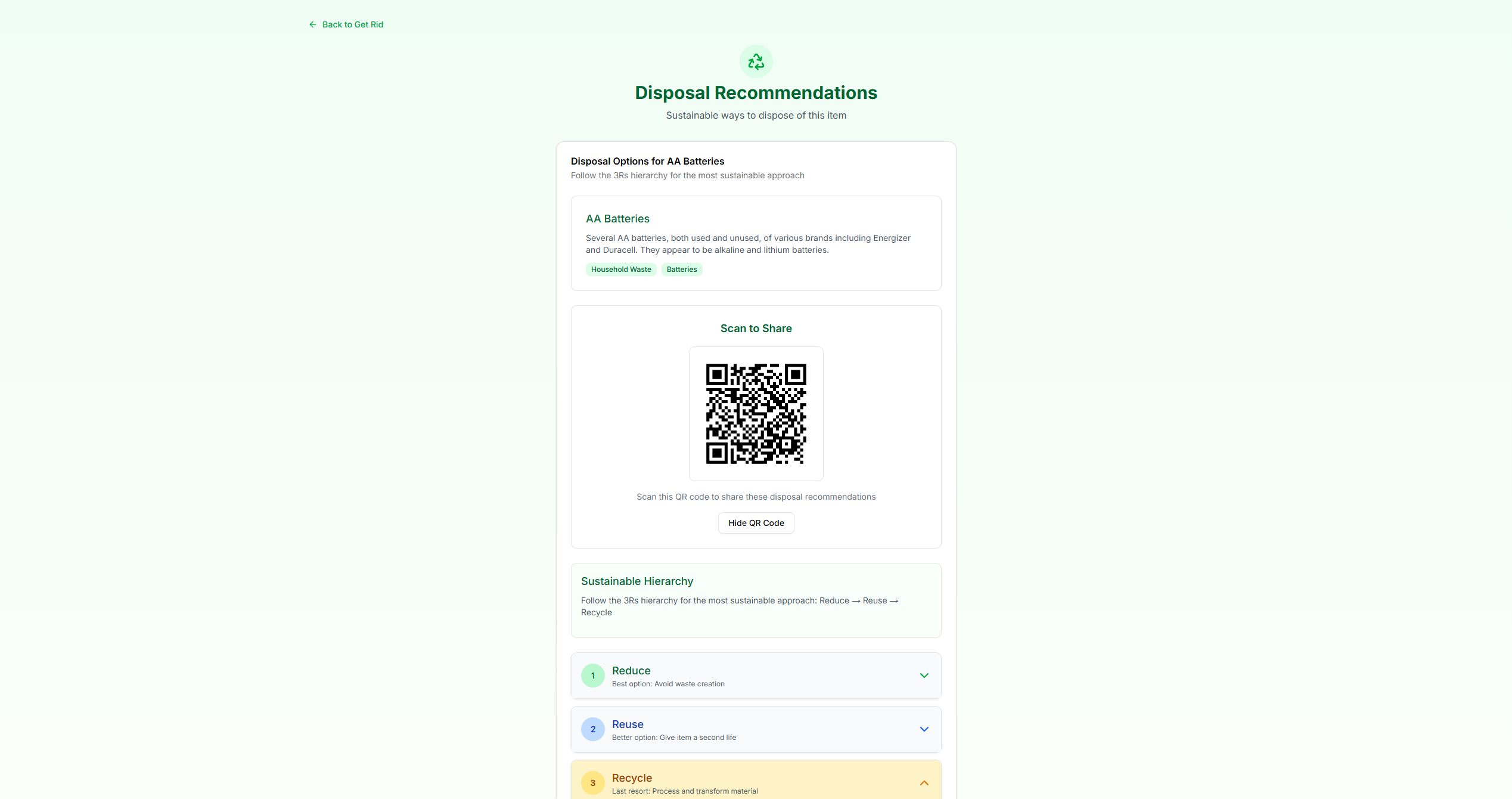
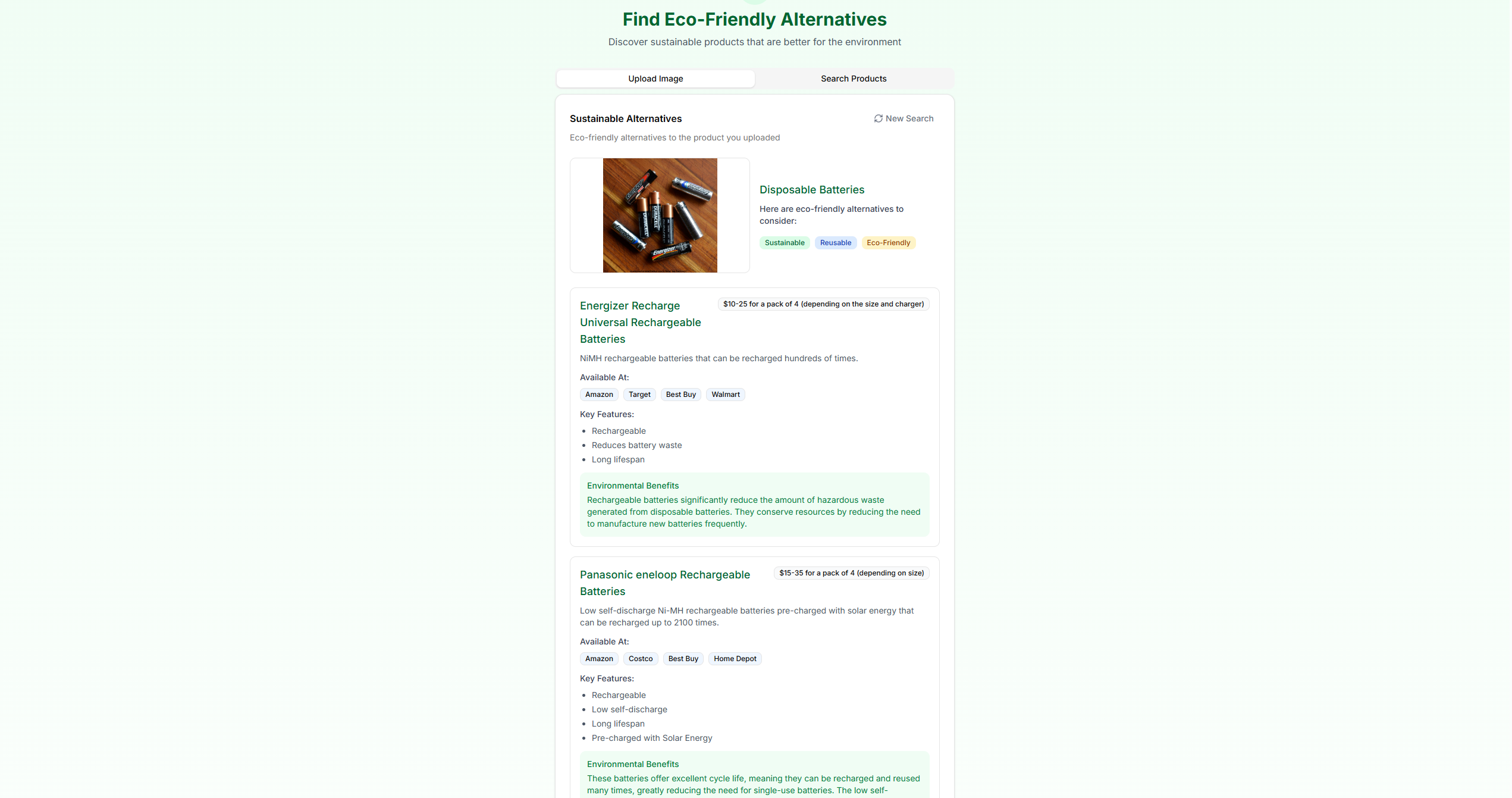
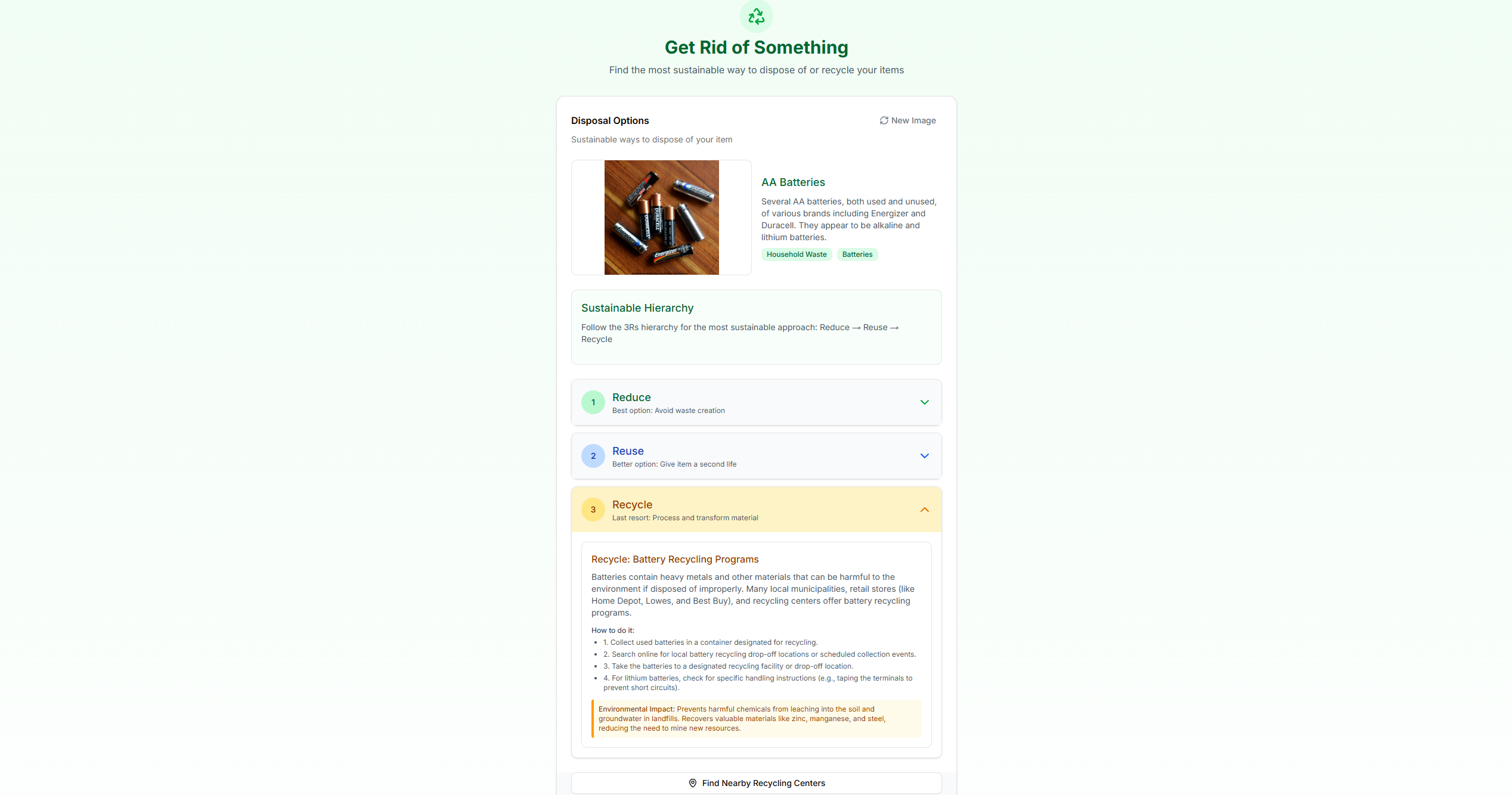
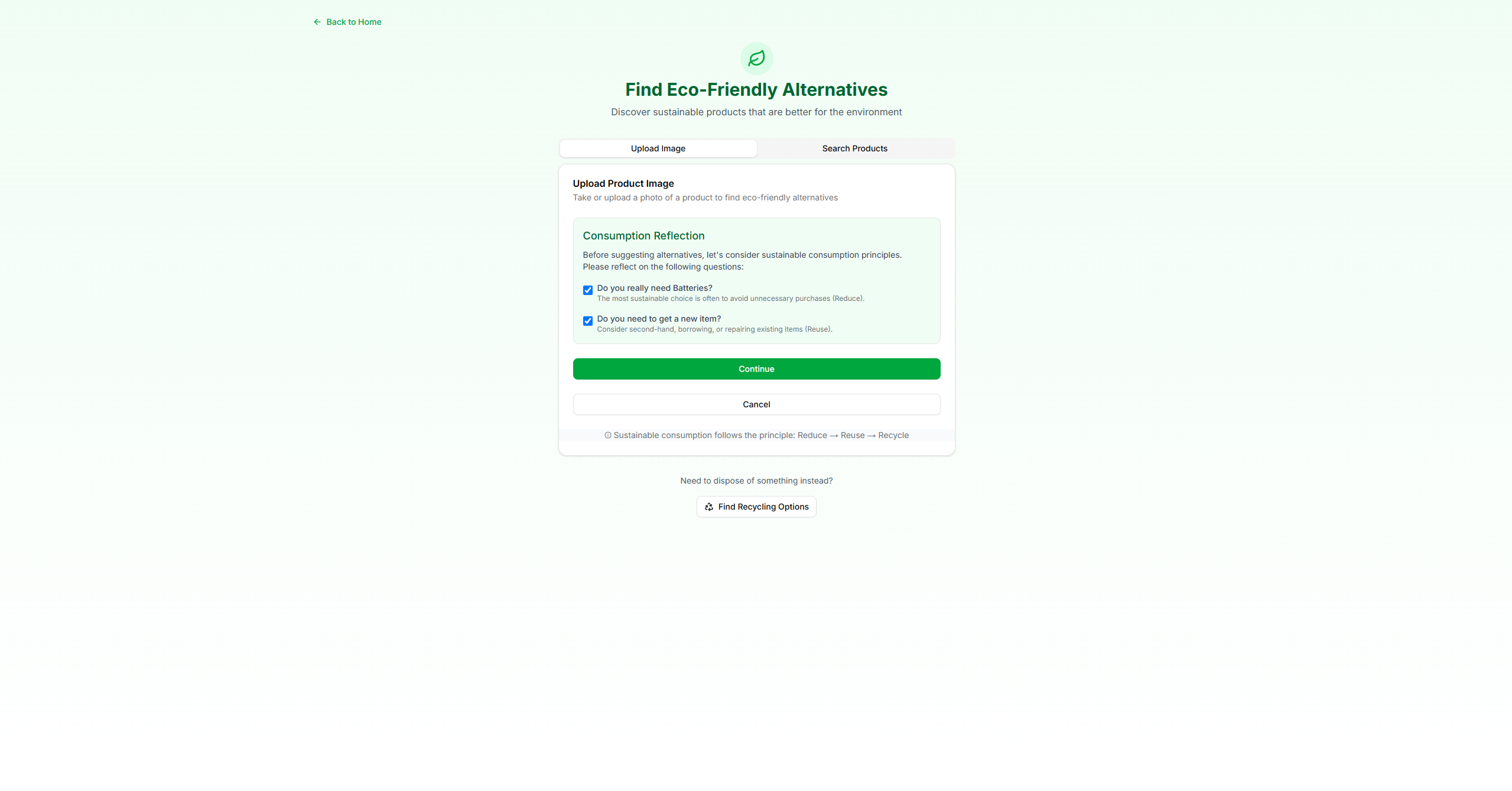
That's why we created GreenLens, an AI-powered tool designed to empower you. By simply taking an image, you’ll instantly access detailed insights on recyclability, eco-friendly alternatives, and ways to reuse. But it doesn’t stop there! GreenLens enables you to share these insights with others through QR codes, creating a community-driven ripple effect of sustainable choices. Together, we can make a difference, one scan at a time.
How We Built It
We built GreenLens using JavaScript/TypeScript (front-end), Python (back-end), Next.js, React, Tailwind CSS, FastAPI, Gemini API for AI-driven insights, MongoDB, Vercel, Azure, Docker, and Axios for scalable, cloud-based deployment and image recognition.
How it Works
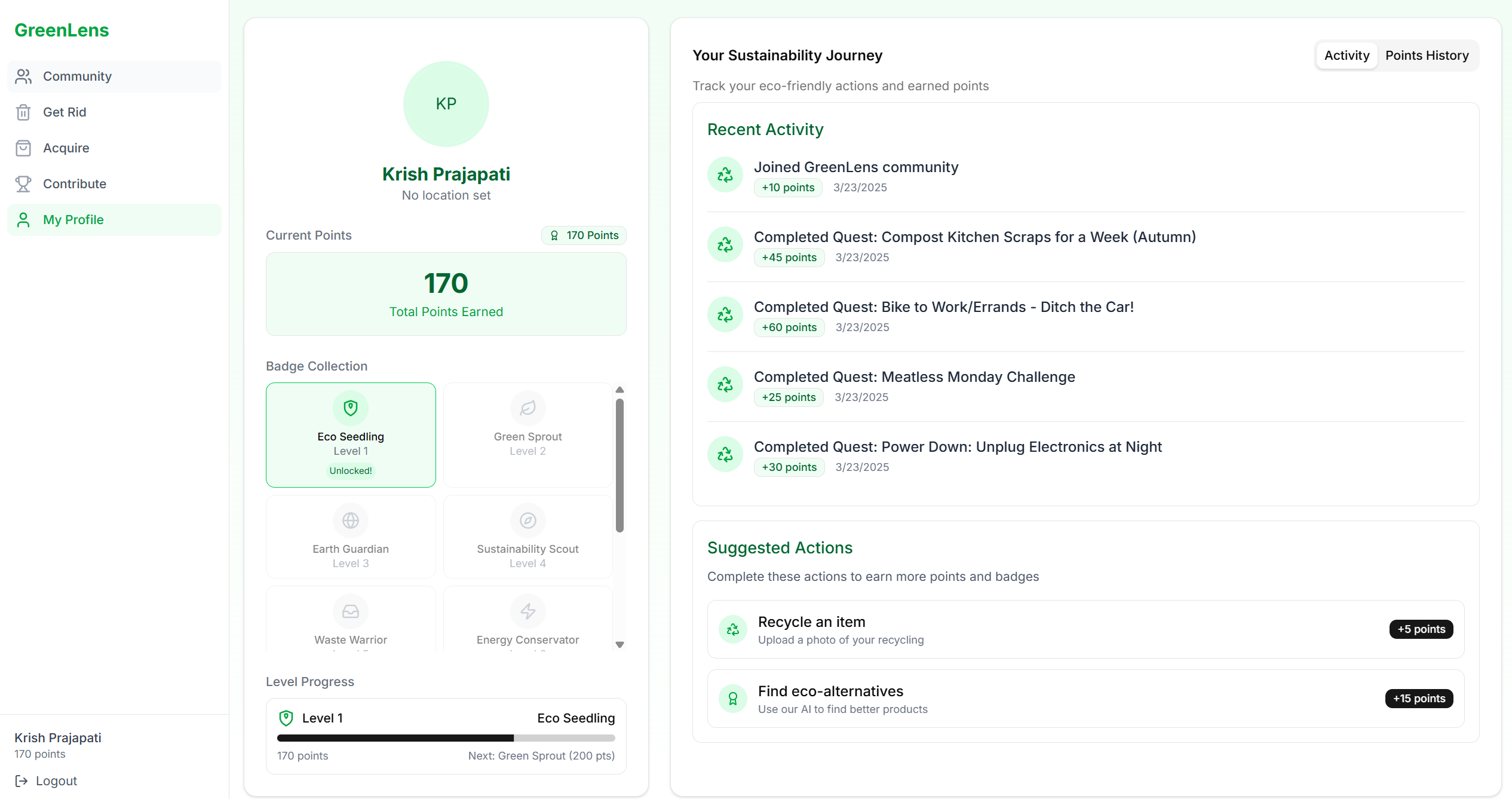
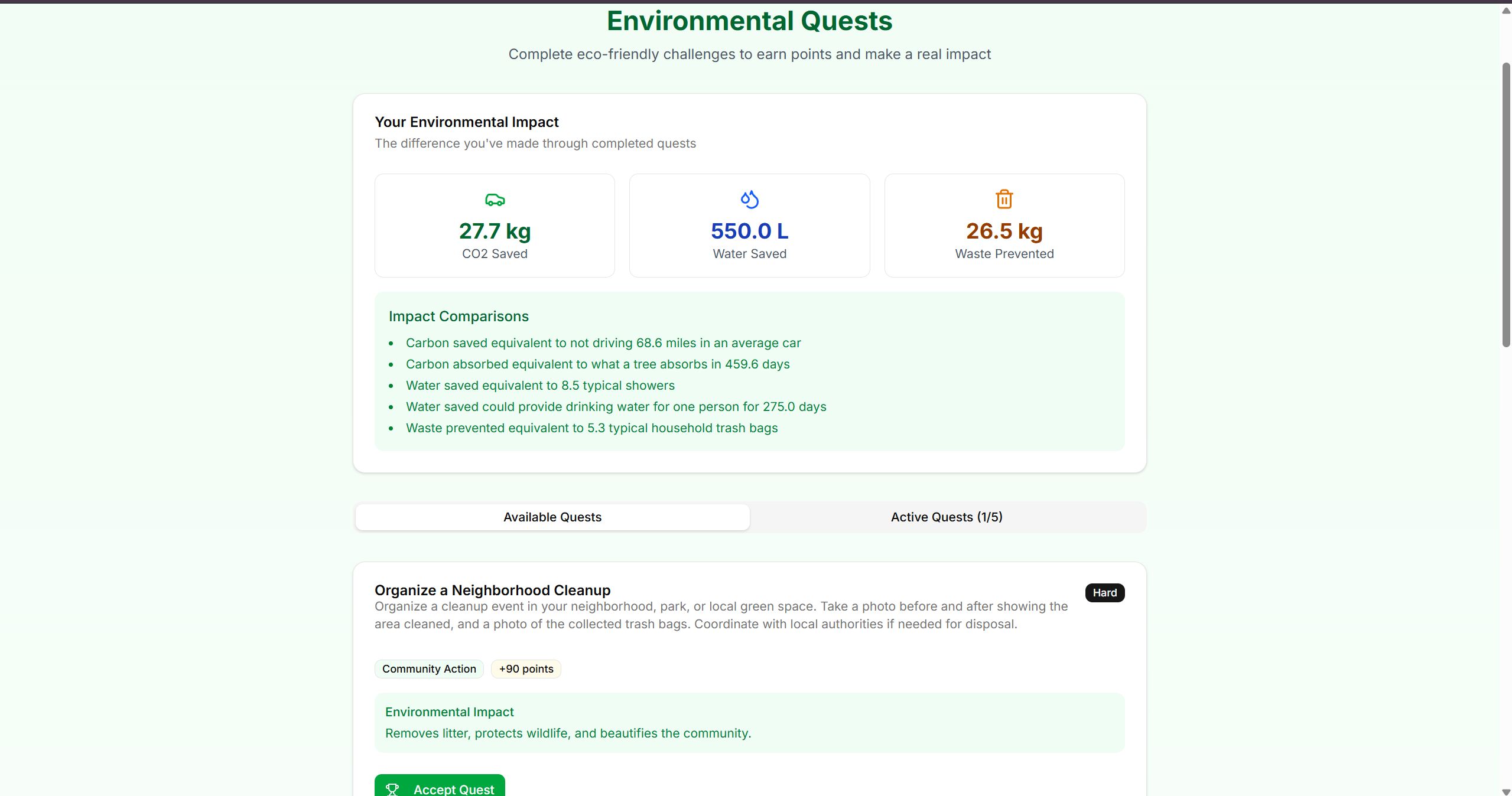
GreenLens introduces a unique approach to sustainability by integrating AI-powered image recognition with a community-driven QR code system. Users can scan products to instantly access AI-generated recyclability information, eco-friendly alternatives, creative reuse ideas, and environmental impact data, which they can also share with others via QR codes. Each user has their own profile, and the platform also features an AI-powered quest system that encourages users to complete environmental tasks, earning points and climbing a leaderboard to make sustainability both engaging and rewarding. By gamifying sustainability and providing actionable insights, GreenLens simplifies eco-conscious decision-making while fostering a community-driven movement for climate action.
Through crowdsourced sustainability insights and collective impact tracking, it aligns with UN Sustainable Development Goals (SDG 12 & 13) for responsible consumption and climate action. With its blend of AI, user-friendly design, and real-world impact, GreenLens transforms environmental awareness into action—one scan at a time!
Challenges We Ran Into
AI Model Integration: Integrating Gemini for image recognition was challenging due to inconsistent image quality and varied product packaging. We had to fine-tune the preprocessing pipeline to ensure accurate recognition and consistent outputs across different conditions.
Scalability & Deployment: Managing a large number of concurrent user requests posed scalability issues. We had to optimize MongoDB queries and use Docker to containerize services for smooth deployment on Azure and Vercel.
Gamification & State Management: Building a gamification system to track user progress and achievements in real-time was tricky. Ensuring efficient updates for quests and leaderboards across the app required careful state management using React Context API and MongoDB aggregations to prevent performance issues.
What We Learned
- AI model integration with Gemini: Ensuring accuracy through preprocessing techniques and image augmentation.
- Frontend optimization: Using React’s memoization and Next.js static generation for faster page loads and smoother user experiences.
- Gamification implementation: With server-side state management, ensuring real-time quest and leaderboard updates without affecting backend performance.
- Cloud deployment strategies: Optimizing Azure’s compute resources and using Docker to ensure portability and ease of deployment.
What’s Next?
- Enhance the existing point-based system by enabling users to fund and vote on community-driven sustainability projects, amplifying their impact on both local and global environmental efforts.
- Improve AI model accuracy by fine-tuning Gemini with custom data and more product-specific training.
- Expand the sustainability database by integrating user-contributed insights and using Google Maps APIs for a visual representation.
Built With
- axios
- azure
- docker
- fastapi
- gemini
- javascript
- mongodb
- next.js
- python
- react
- tailwind-css
- typescript
- vercel


Log in or sign up for Devpost to join the conversation.