-
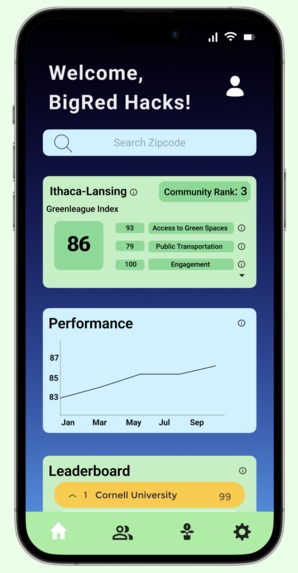
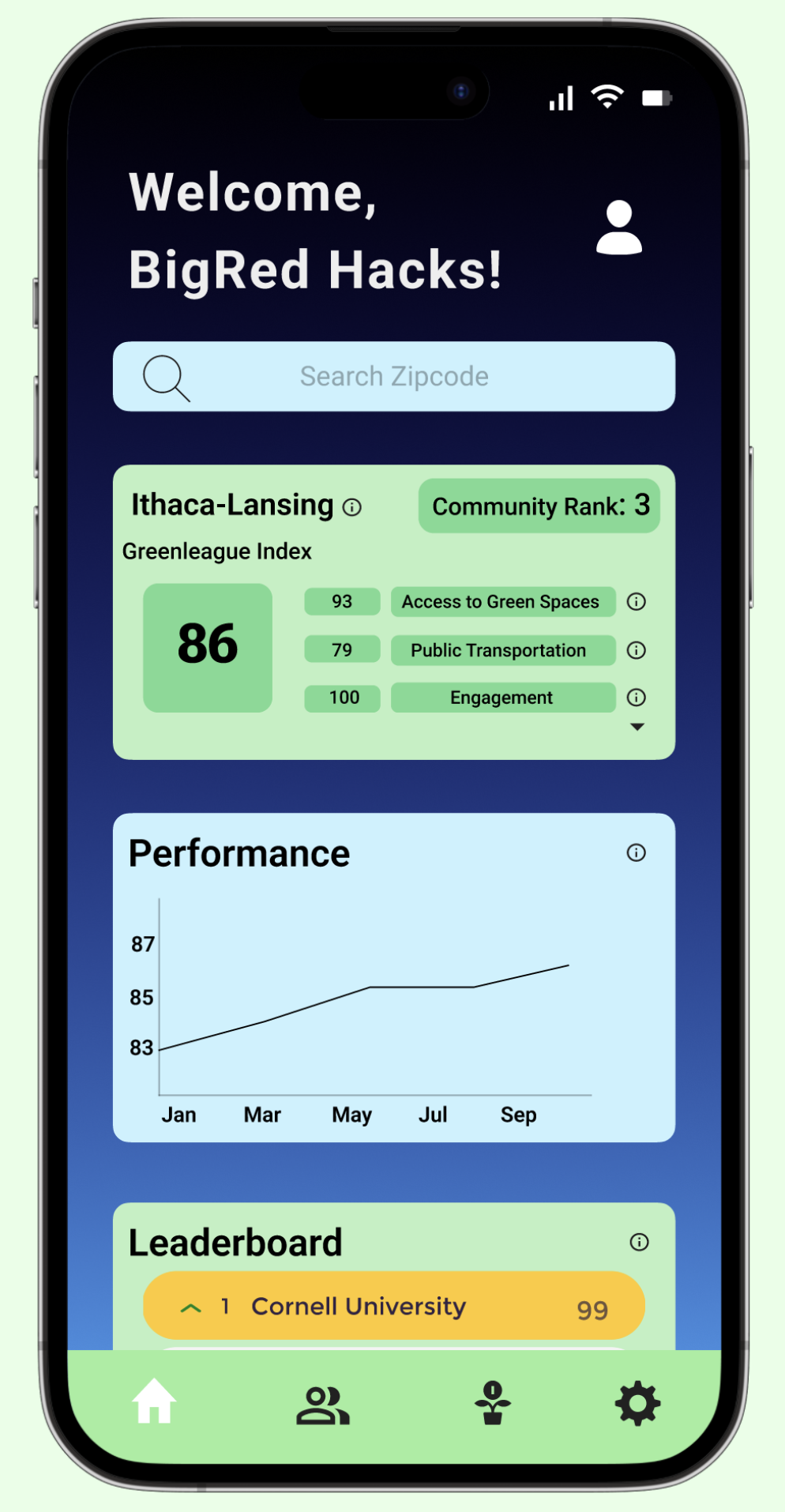
Home Page
-
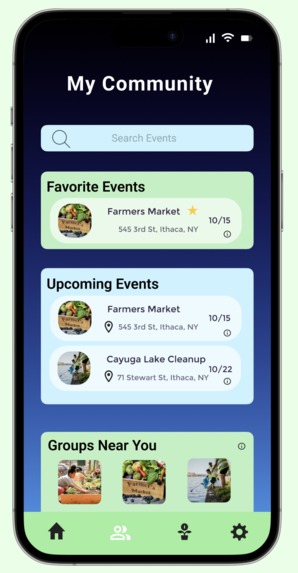
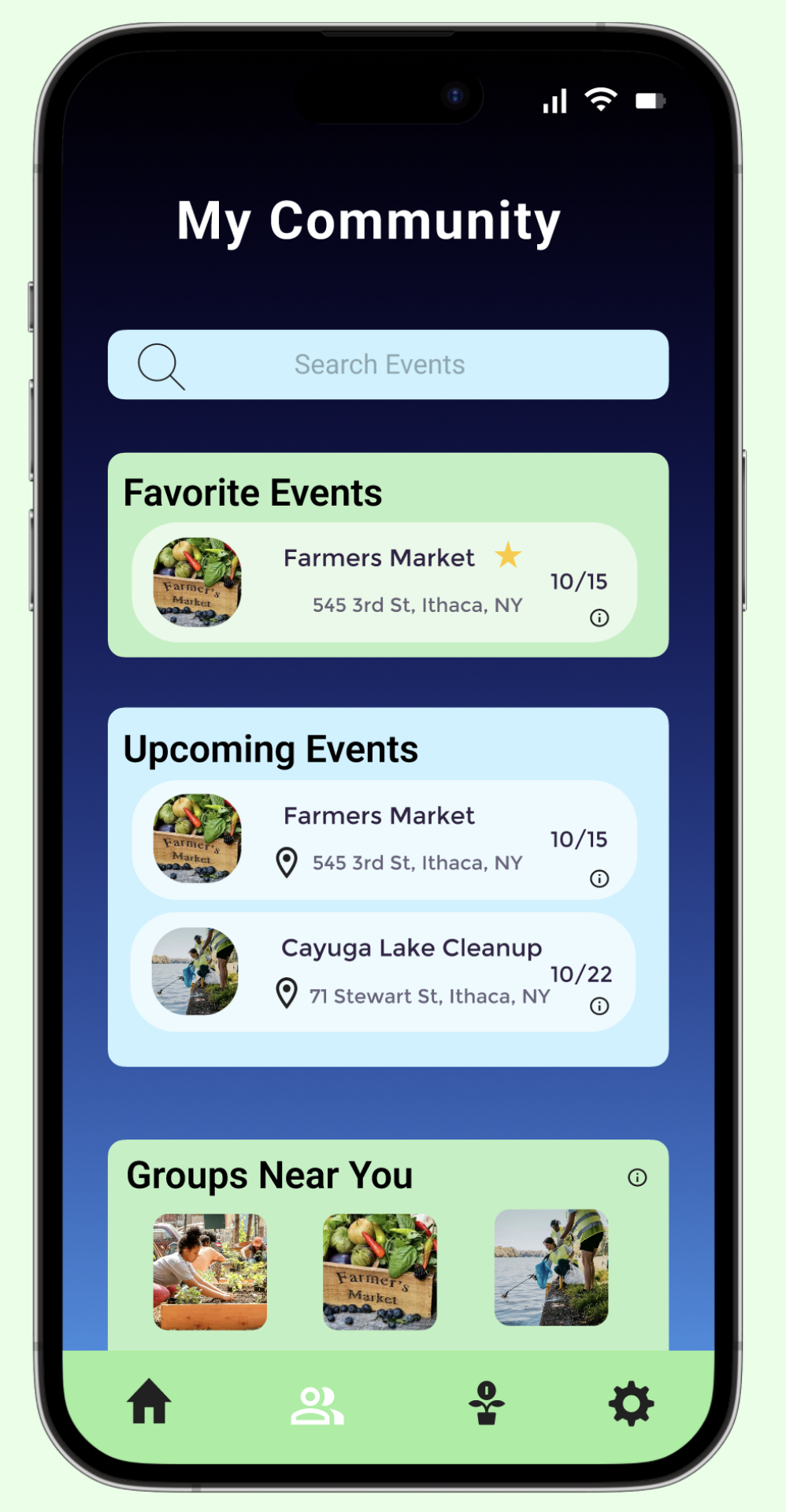
Community Tab
-
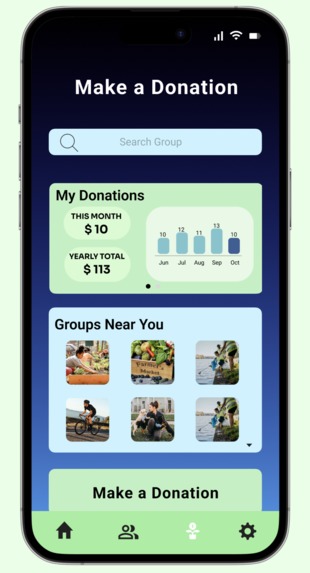
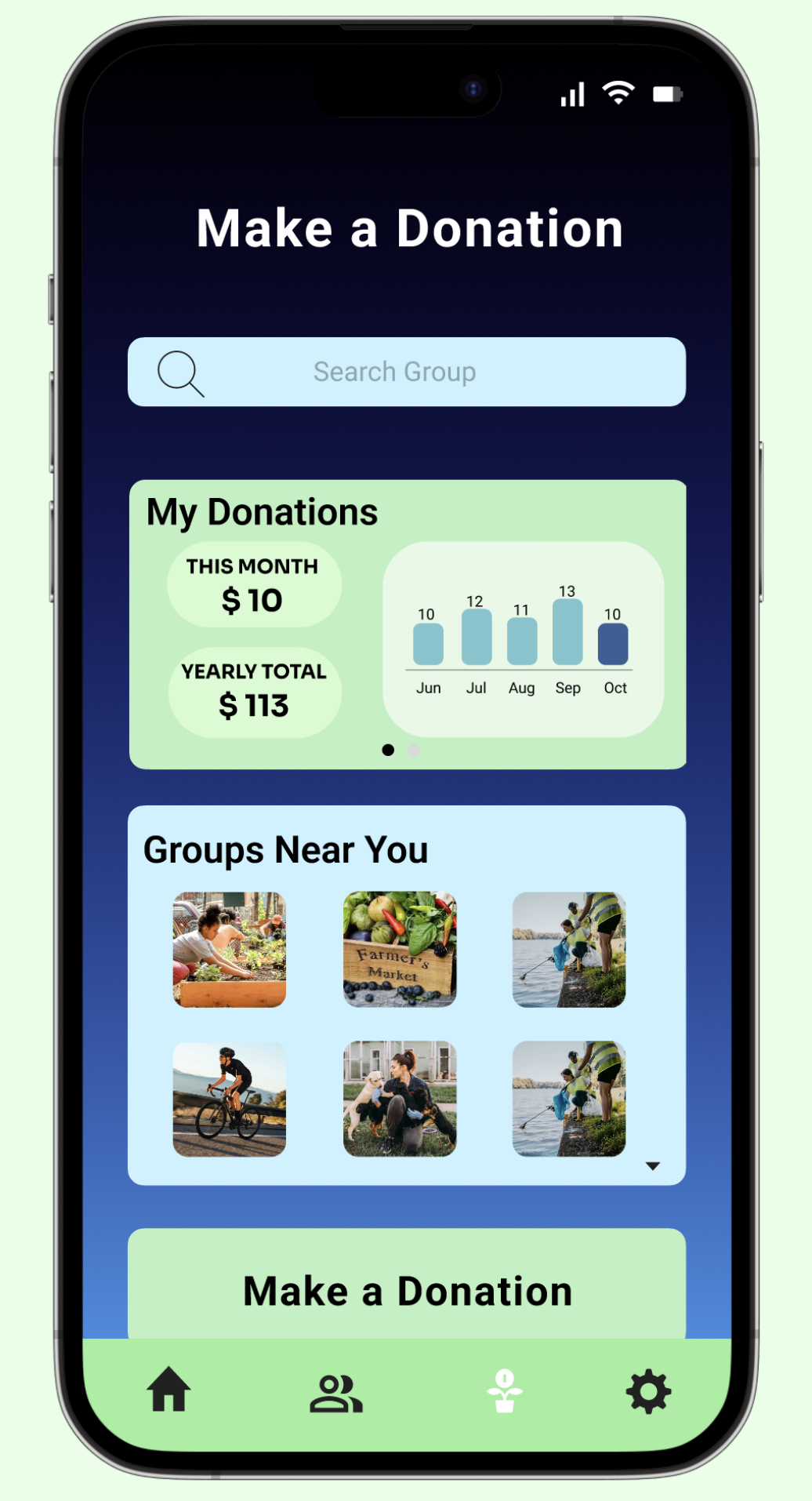
Donation Tab
-
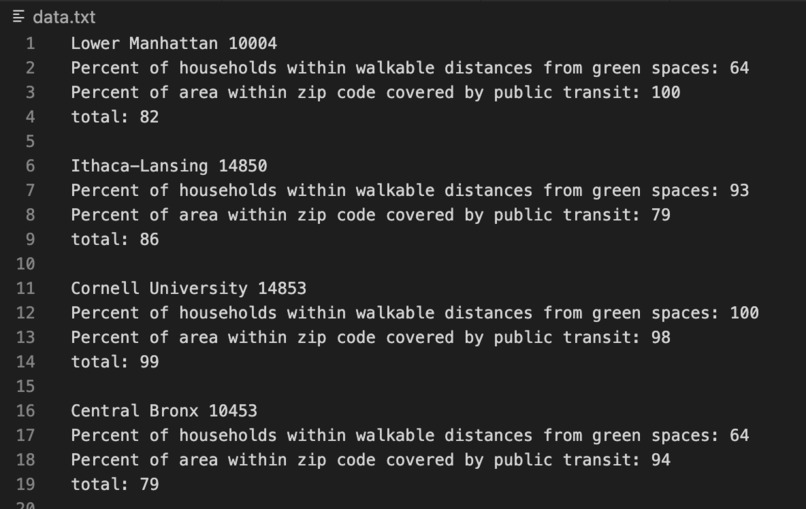
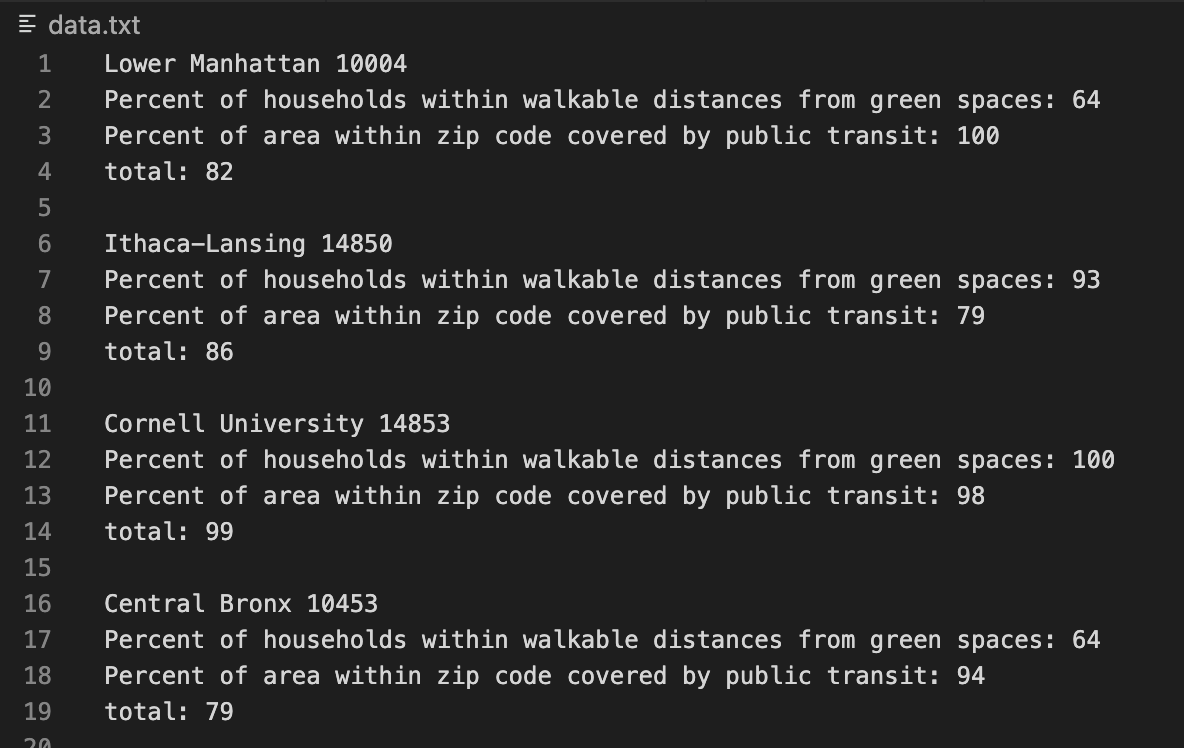
Algorithm Results
Problem
Tackling climate change and building a sustainable environment requires a huge global effort, and it is difficult to get everyone on board. There are a number of reasons why people are unable to help in climate change, even if they want to. Firstly, the issue of climate change is so vast and complex that it can be difficult to know where to start in terms of making a difference. Secondly, many people feel powerless to make a difference, believing that their individual actions will have little impact on the problem. Finally, there are several climate change organizations working towards this goal, however, they are not effective in communicating at a community level and mobilizing people to take necessary actions. All of these factors combine to make it very difficult for people to help in climate change, even if they want to. However, it is important to remember that every little bit helps and that even small changes can make a difference. Therefore, people need to start focusing on their immediate neighborhood before trying to solve the issue at a global level.
What it does
Greenleague is a concept for a mobile application which rates how "green" a neighborhood is. Within the application, there is also a leaderboard feature where people can see how their neighborhood is faring compared to others. Studies (source at the end) have shown that people are more likely to do certain tasks when they realize that their neighbor is doing better. While there are several factors that affect how "green" a locality is, we focused only on 2 key factors during the making of this project:
- Access to green spaces (Percentage of households within walkable distances from green spaces like parks and cemeteries)
- Public Transportation in the area (Percentage of area in zip code covered by public transport)
The data is acquired using Google maps API (find place from text). Using this data, we came up with algorithms (Dijkstra's shortest path algorithm and Spanning a vector onto plane) to determine the final value of these metrics. The neighborhood is then given a number ranging from 0-100 (100 being most green), that determines it's "greenness".
In addition to these insightful data, the app also provides a platform to build a sense of community. People can participate in several events happening around them, become more aware of the climate change organizations around them working towards change, make donations and also organize their own events bringing more people together!
Process
We started with some good, old-fashioned brainstorming using sticky notes on Figma and sorted them into categories. After several hours, we made our mind to build a phone application and started to draw out a diagram for the app's overall structure. We then tried coming up with a new tier of metrics we will be presenting our audience with which involves the application of algorithms like Dijkstra's shortest path algorithm to compute certain values. We then turned to Figma again, and finalized the design and UI of the application incorporating several features! 22 hours later, we finally had a prototype ready for testing!!
Reference
Built With
- figma
- python


Log in or sign up for Devpost to join the conversation.