-
-
Cover Page
-
-
-
-
Inspiration
Miami is getting hotter every year due to climate change, leading to health risks, higher energy costs, and worsening environmental conditions. We wanted to create a tool that not only predicts how bad things could get but also empowers people to take action. By visualizing greener, cooler urban spaces, we hope to raise awareness and inspire change.
What it does
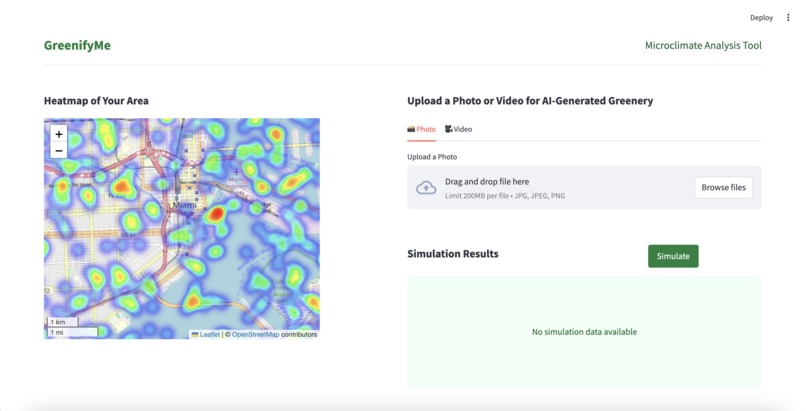
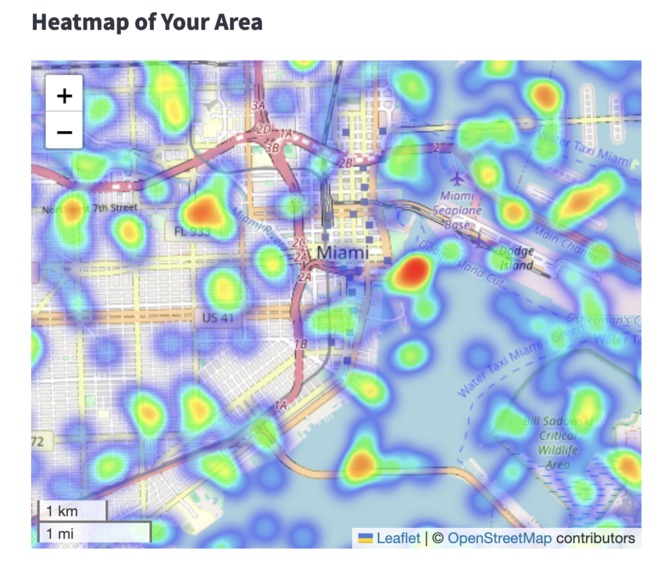
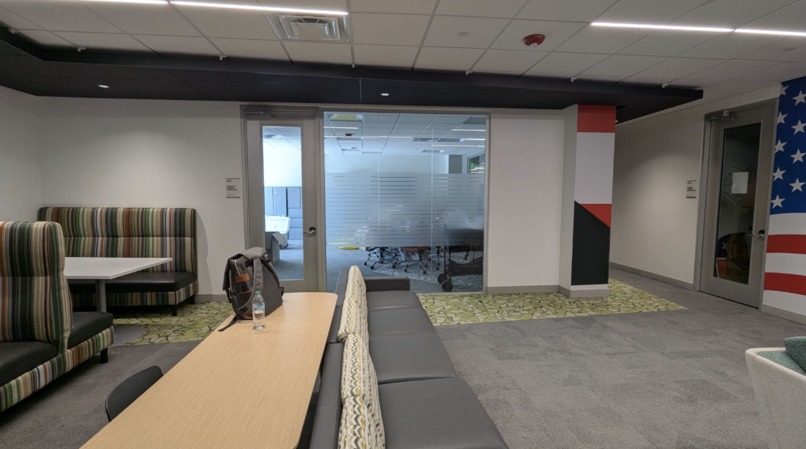
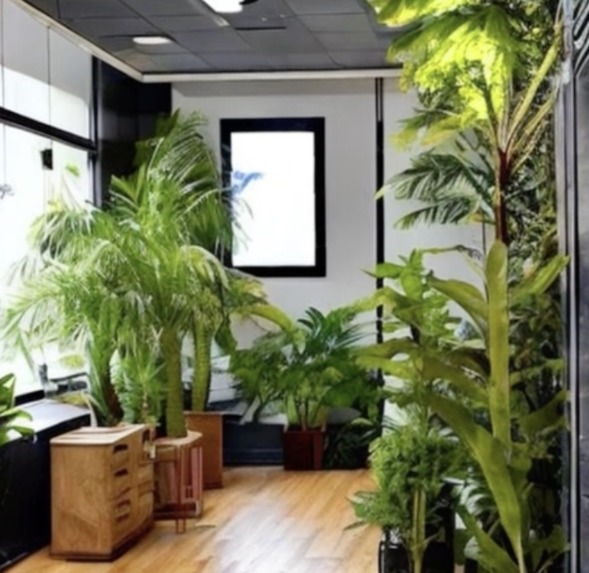
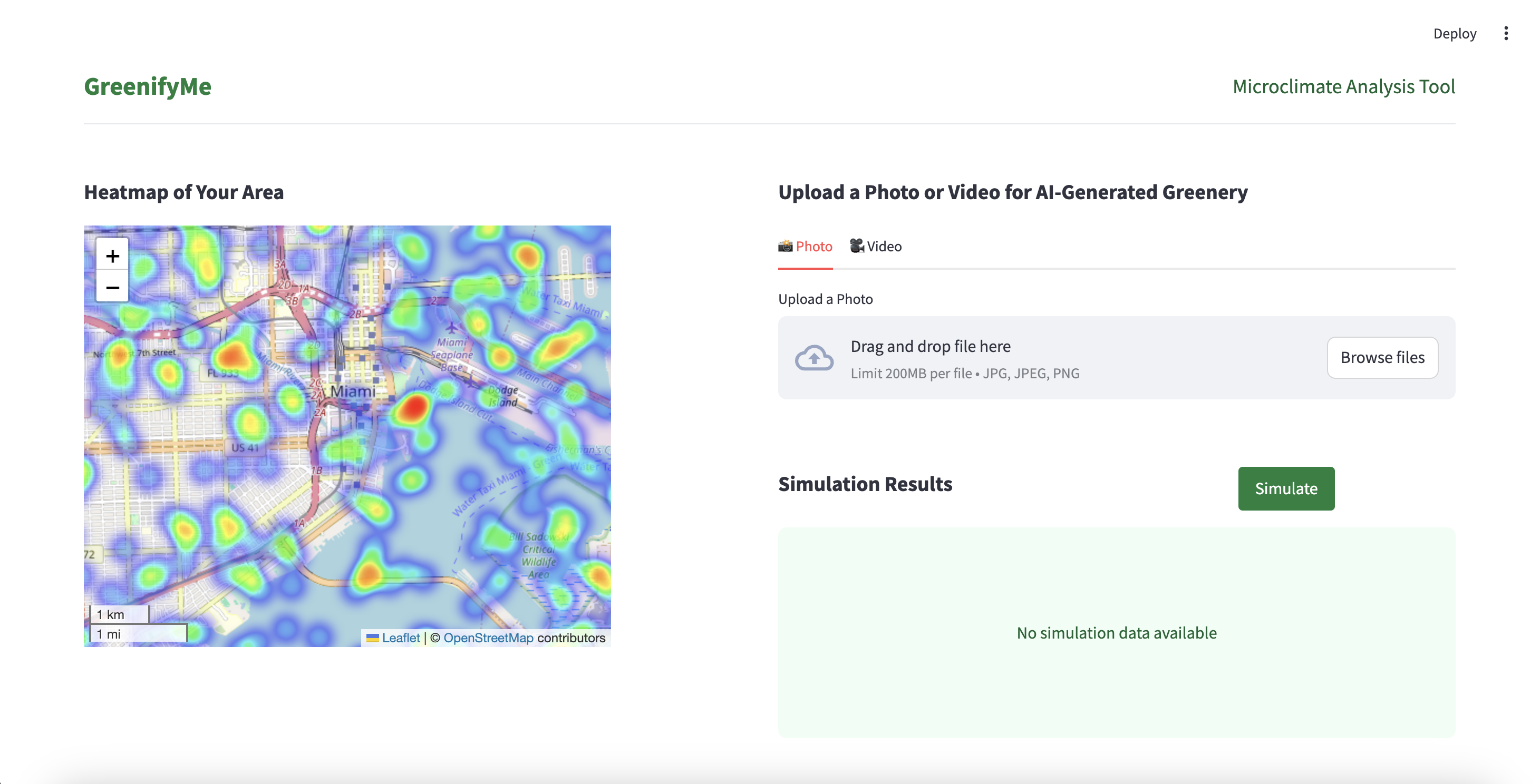
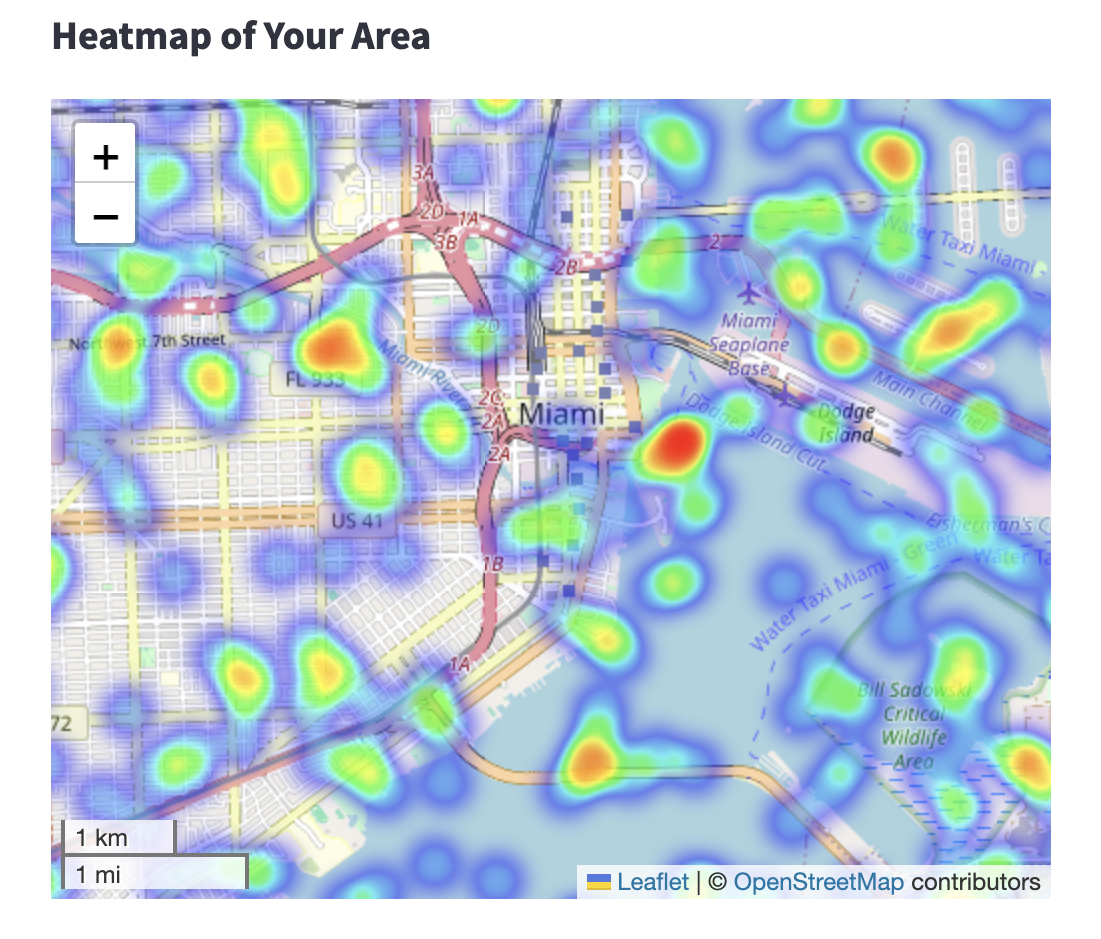
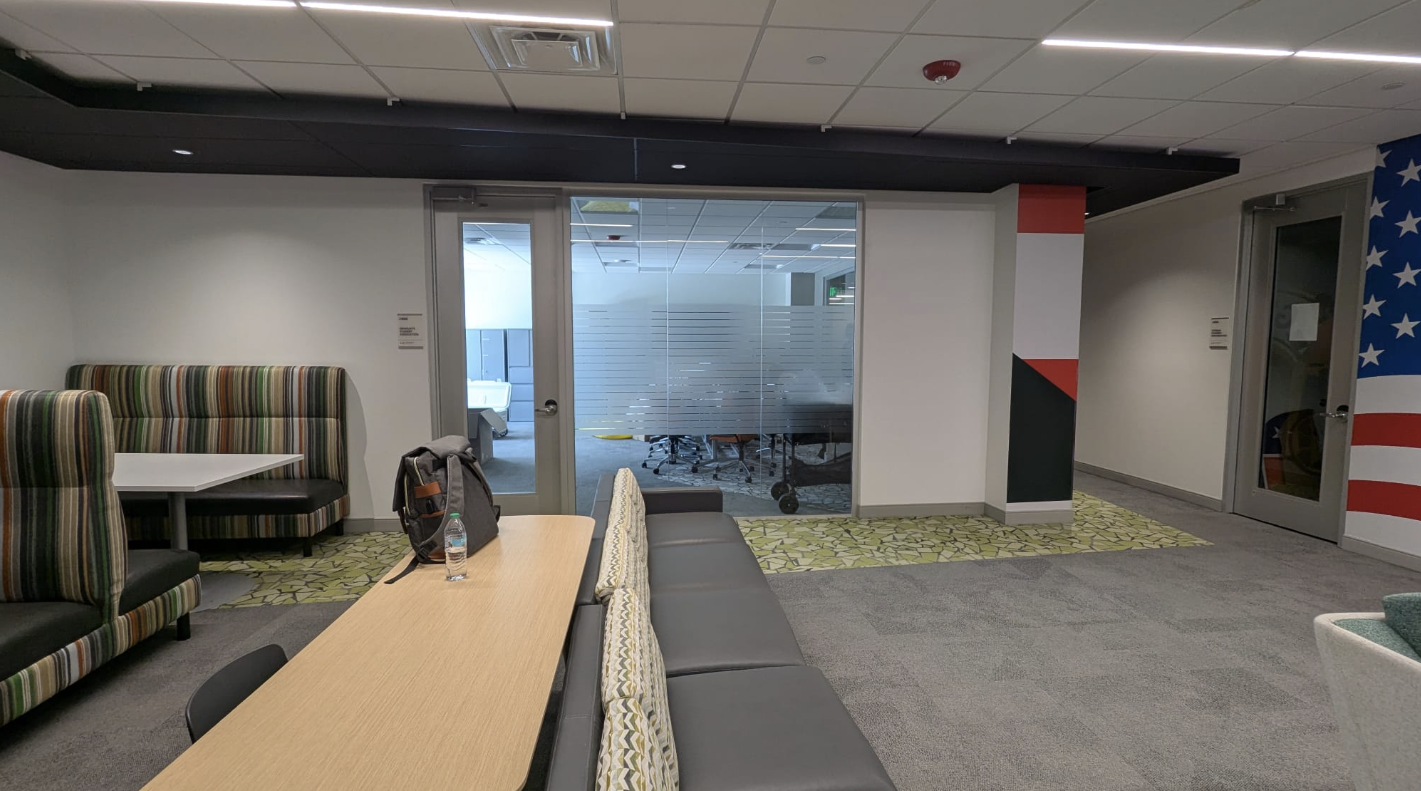
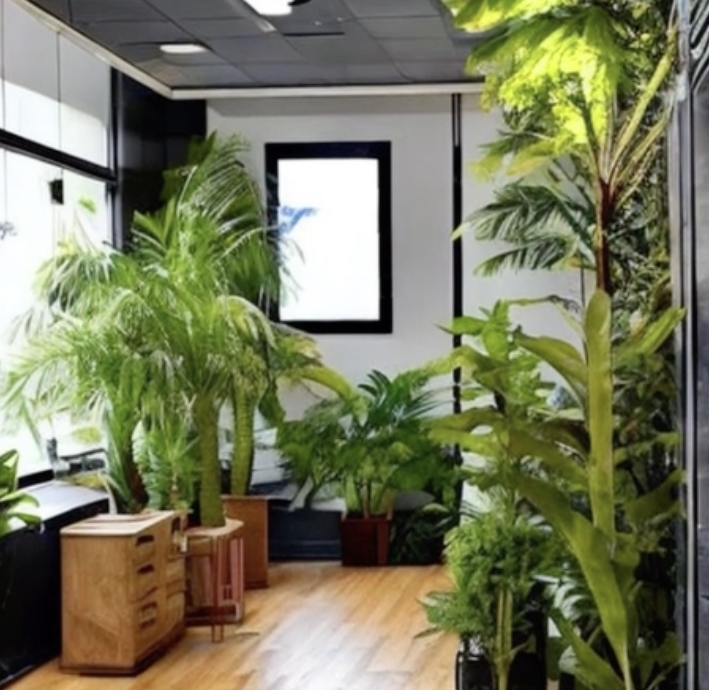
GreenifyMe is an AI-powered micro-climate analysis tool that predicts rising temperatures in Miami over the next 5 years using historical data. It allows users to find predicted "hot spots" and allows for them to upload images or videos of their surroundings and simulate how adding trees, green roofs, or other eco-friendly changes could help reduce heat and create a greener environment. The interactive heat map highlights areas that could benefit from more vegetation, offering insights for individuals, urban planners, and policymakers.
How we built it
We combined machine learning, generative AI, and climate data analysis to create a tool that predicts temperature trends and generates visualizations. The project includes an AI model trained on historical temperature data, using the LSTM (Long Short-Term Memory) model for time series forecasting to make the next year's predictions and display a heat map displaying future temperature projections, and an interactive feature that lets users see how their environment could improve by adding greenery to their space using stable diffusion.
Challenges we ran into
One of the biggest challenges was learning about time series forecasting and how we could use the LSTM model to generate predictions from the climate temperature dataset and modify the model to minimize overfitting when predicting the values. Integrating AI-generated visualizations required optimizing performance to keep the tool fast and user-friendly. Designing an intuitive user experience was also critical in making the tool accessible to a broad audience.
Accomplishments that we're proud of
We successfully developed a functional AI model capable of predicting temperature trends and visualizing green infrastructure improvements. The interactive feature allowing users to upload images and see potential environmental changes was a major milestone. Creating an intuitive, user-friendly interface that makes climate data accessible and actionable is something we take pride in. Successfully connecting generative AI to our project within a short amount of time.
What we learned
We gained experience in learning about AI/ML technologies, climate data analysis, and front-end development. Working with large datasets taught us how to optimize AI models for efficiency and accuracy. We also learned the importance of user experience design when presenting complex data in a way that is easy to understand. Most importantly, we realized how technology can be used to raise awareness and drive real-world environmental change. Working with niche types of AI tools like stability AI for input painting to create suggestions and edit photos.
What's next for GreenifyMe
We plan to expand GreenifyMe by incorporating real-time climate data to improve prediction accuracy and fine-tuning our image generation for better visuals. Adding more interactive features, such as location-based recommendations and community engagement tools, will enhance its impact. We also aim to collaborate with environmental organizations and city planners to help implement real-world green infrastructure solutions. GreenifyMe is just the beginning of a larger effort to make cities more sustainable and resilient to climate change.


Log in or sign up for Devpost to join the conversation.