Inspiration
A common issue of recycling on a low level is that people, intentionally or unintentionally, place non-recyclable waste in recycling bin or vice versa. No place is this more frequent than in public locations such as streets or parks where people are least likely to pay attention to their waste and, often times, there aren't even any distinction between recyclables and non-recyclables. The Green Street Can's biggest goal is to seamlessly integrate with the city's existing infrastructure to improve recyclability across a wide community.
What it does
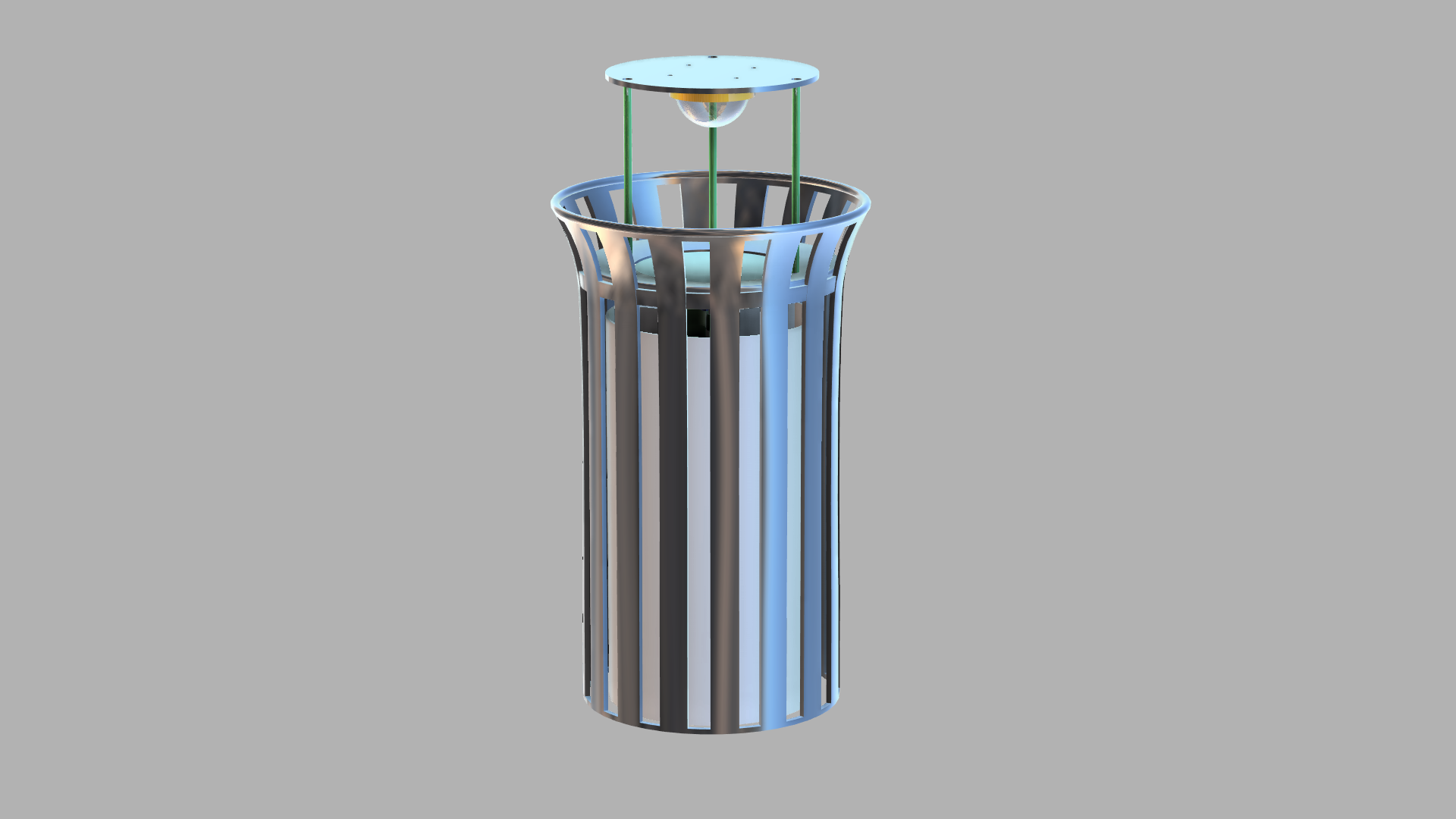
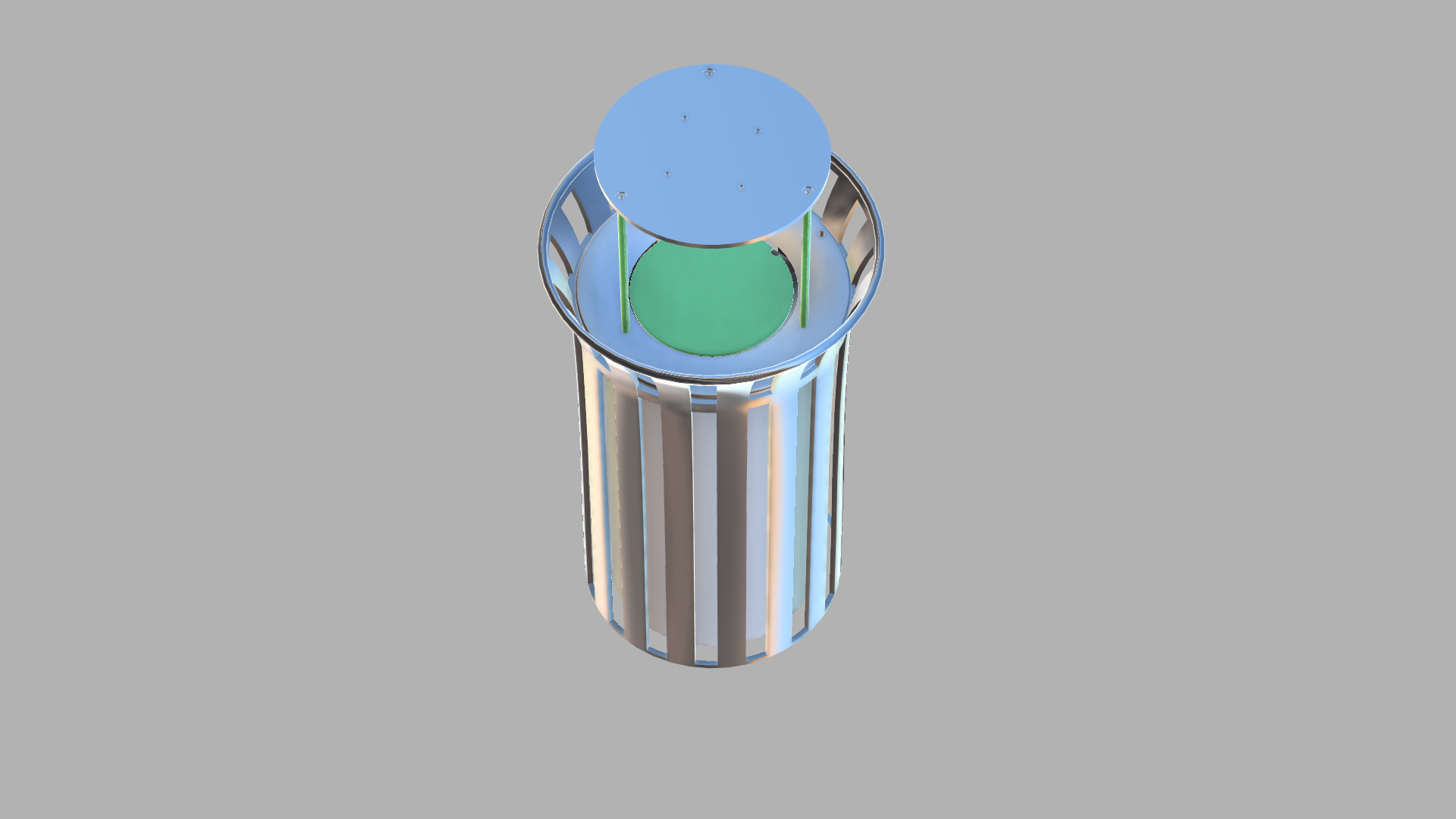
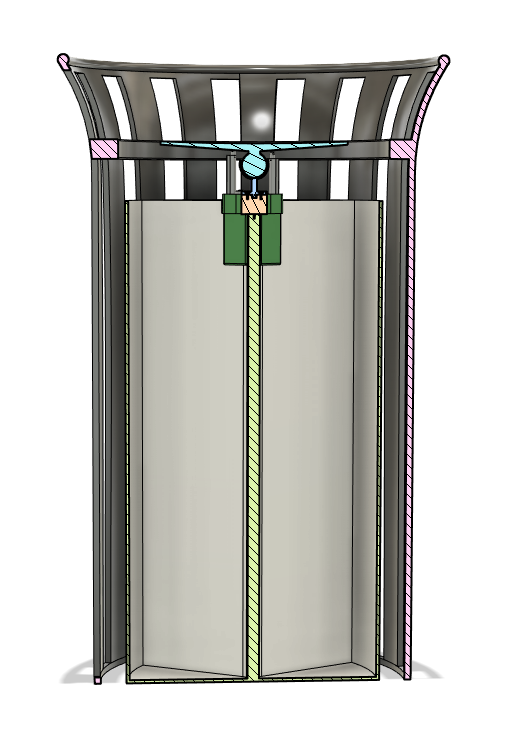
Green Street offers a solution to the recycling problem without having to allocate space and resources for dedicated recycling stations. With our replacement kit, the garbage cans you can frequently find across America in streets and parks can become recycling stations. Green Street is designed to be unobtrusive to the logistical operation of these existing garbage cans and is easily removable should the need arise.
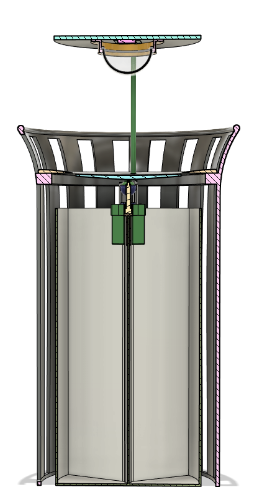
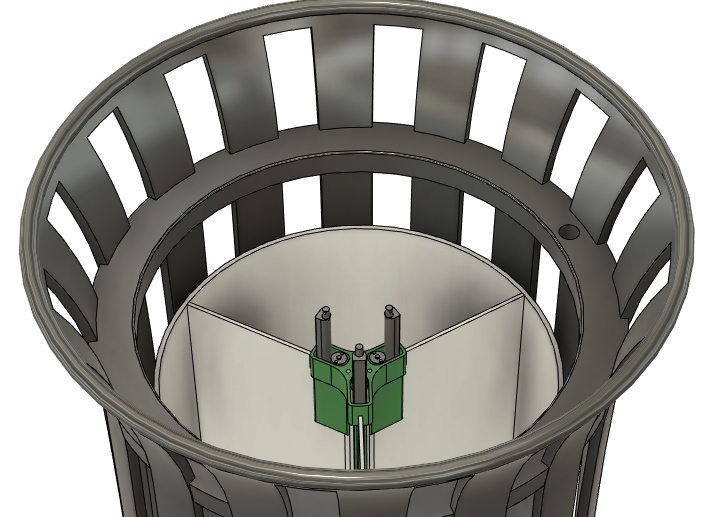
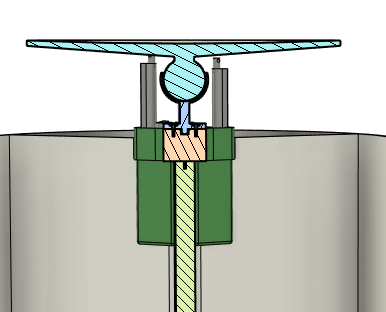
Green Street uses a suite of sensors not dissimilar to one found in your smartphone, including a motion sensor, optical imaging sensor, LED flash, and LiDAR to identify the trash you place. Using AI detection features already found on modern day smartphones, Green Street sorts the trash into 3 different categories: recyclables, such as commonly found plastic bottles or cans; non-recyclables, which commonly includes plastic bags or styrofoam; organics, such as food waste and commonly oily packages. Once Green Street identifies the type of waste, one of 3 linear actuators activate and tilt the platform and places the waste into one of three containers.
How we built it
We began the design process by identifying key areas where improvements could be made to the recycling process. Once a handful of issues were identified we moved onto brainstorming solutions to these issues and accessed the feasibility of these technologies- both technologically and economically. After coming up with our ideas for Green Street, we moved on to the CAD assembly process.
Challenges we ran into
The biggest challenge we came up to was easily designing our sort mechanism to fit into pre-existing infrastructure. Using a circular frame to create 3 sortable compartments was our primary concern during the design phase.
Accomplishments that we're proud of
We are most proud of Green Street's ability to integrate with existing infrastructure. Creating a product with a low barrier of entry, both mechanically and economically, was our biggest challenge and goal simultaneously and our proudest accomplishment.
What we learned
Through developing Green Street we learned a tremendous amount about the recycling processes and also why this problem is so hard to solve. Upon first glance, it appeared almost easy, as if it should be a task already automated and operating efficiently. But as we dove deeper into the topic, we learned about the challenges and the environmental impact the lack of automation in this field was causing.
What's next for Green Street
Green Street is powered through solar panels which could lead to potential issues in regards to longevity. Extrapolating from existing technologies in smart home devices, we determined that Green Street should reasonably survive through a rainy day but battery life is no doubt an issue that must be resolved. Further improvements for Green Street would focus strongly on making it more efficient to operate and creating more robust systems. Additionally, Green Street has bounds of empty space for modularity, creating a variety of opportunities.

Log in or sign up for Devpost to join the conversation.