-
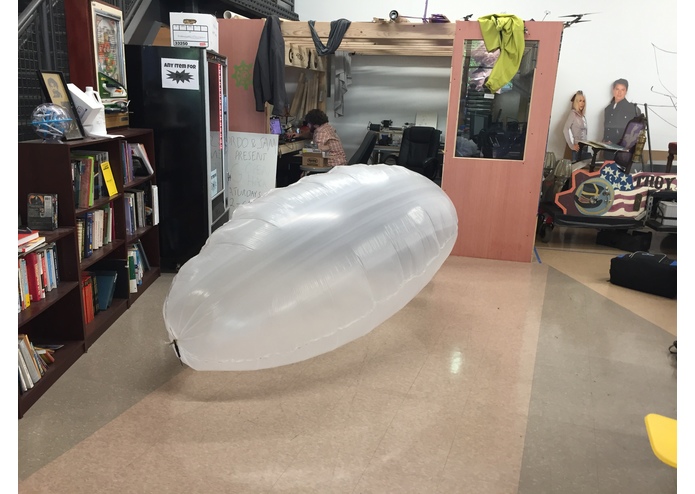
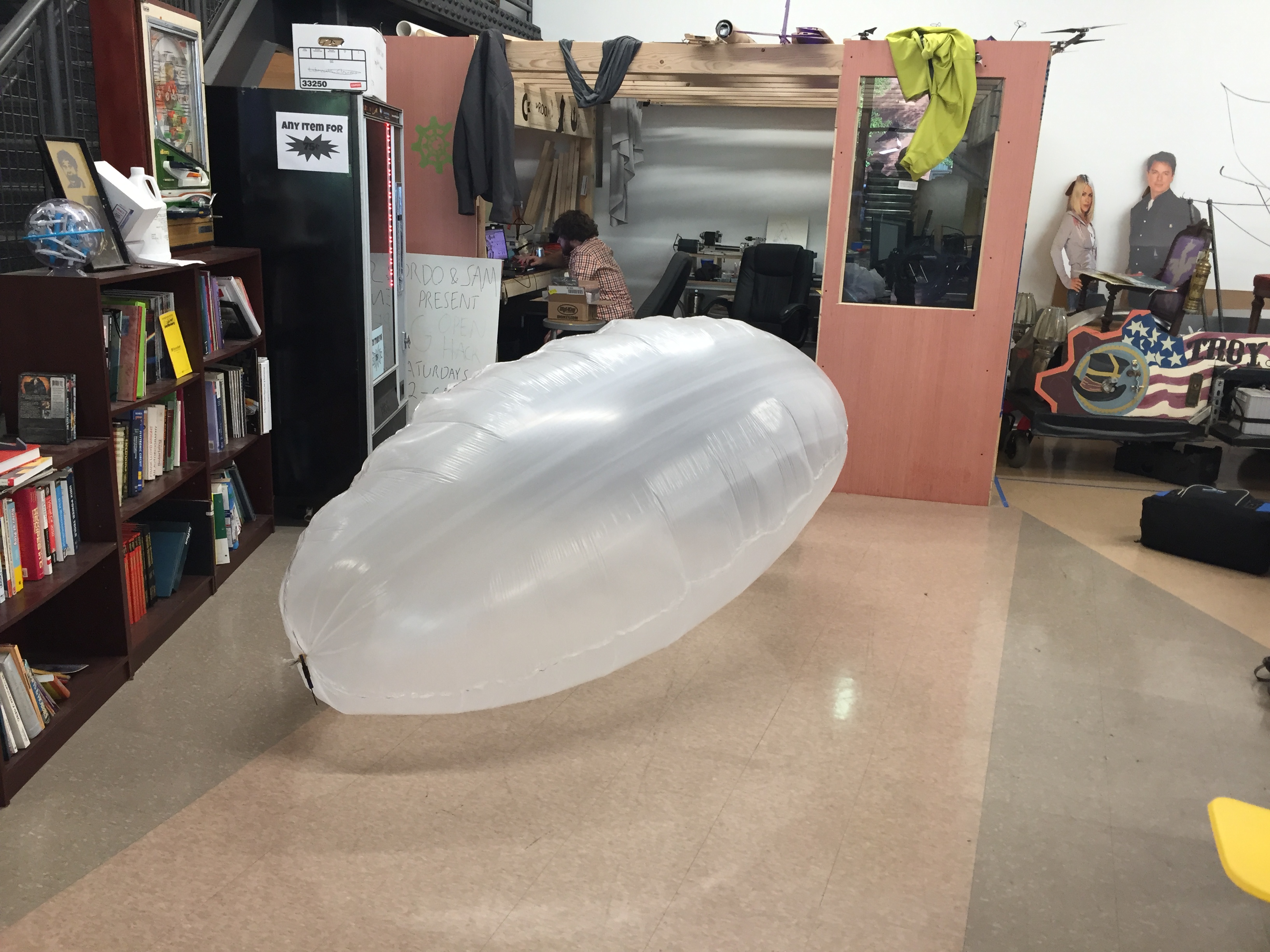
proof of concept bladder
-
-
-
-
-
-
-
-
-
-
This image is currently processing. Please be patient...

Sensor package with a machine learning backend to track intra-campus materials flow and energy waste over time
Inspiration:
Energy auditing is an important part of improving overall building
efficiency. However, in manufacturing environments, more efficient equipment is often
prohibitively expensive (or simply unavailable). Rather than look at specific equipment or
building technologies, we took a macro approach to campus-wide optimization at a
manufacturing and warehousing facility.
What it does
Green Helix consists of two parts - an aerial sensor package and a machine learning backend.
The sensor package uses a FLIR lepton camera, as well as air quality sensors that measure
VOCs, CO, and other compounds that might be released in manufacturing (and it's flexible
enough to allow other sensors relevant to the specific manufacturing at a facility). The
backend performs computer vision to detect events such as doors opening/closing and vehicles
idling (from heat signatures). Once events/objects are detected, a machine learning engine
looks for use patterns, and identifies likely problem areas where repeated events cause
energy loss. The air quality sensors add the ability to monitor emissions over time,
allowing correlation of emissions with other processes and events. The end product is a comprehensive report that looks at energy waste as a function of manufacturing processes,
How I built it
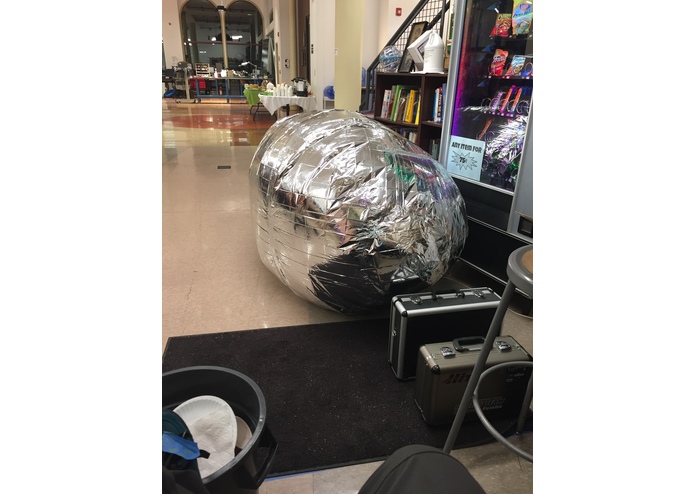
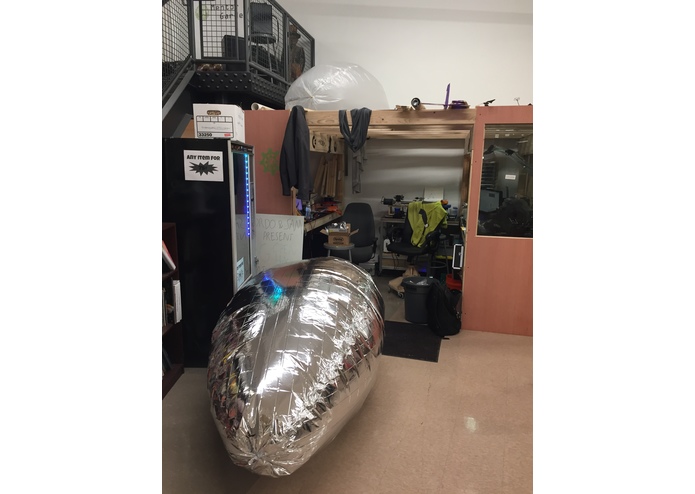
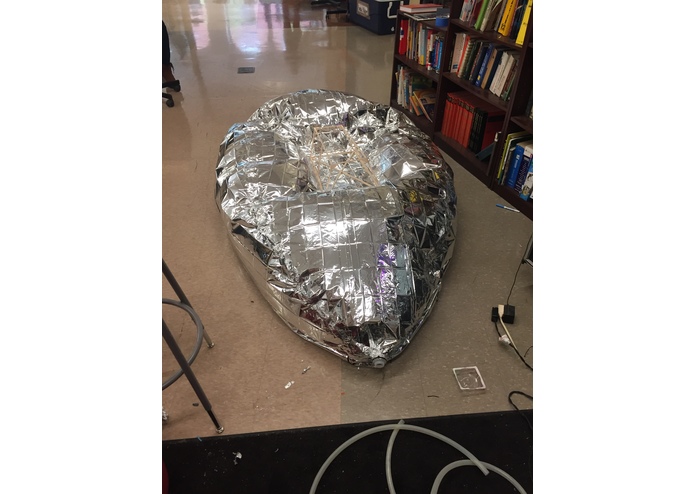
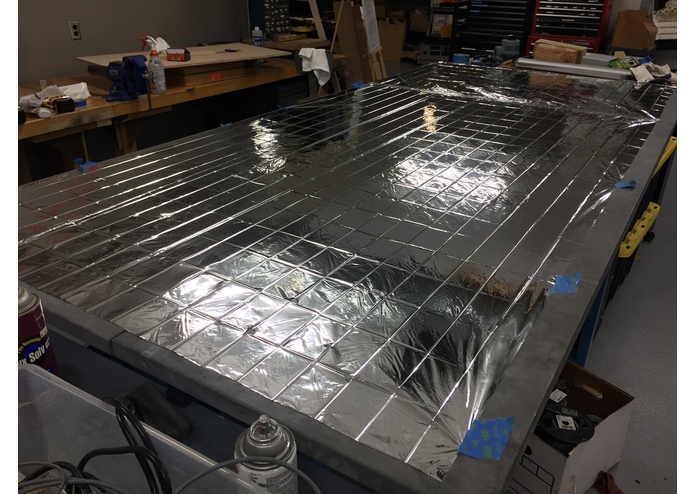
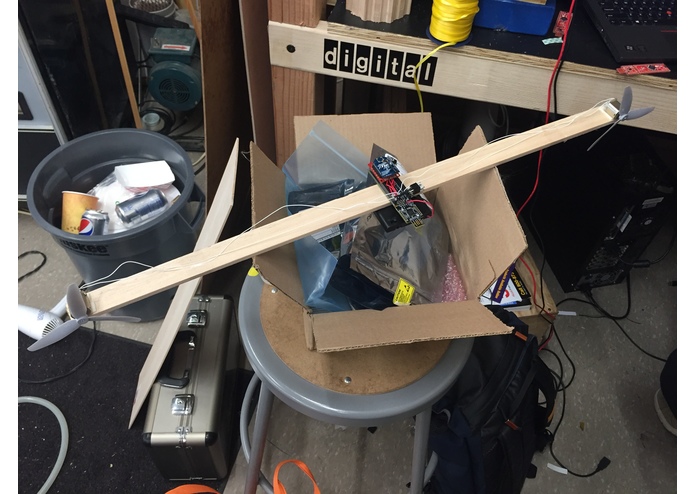
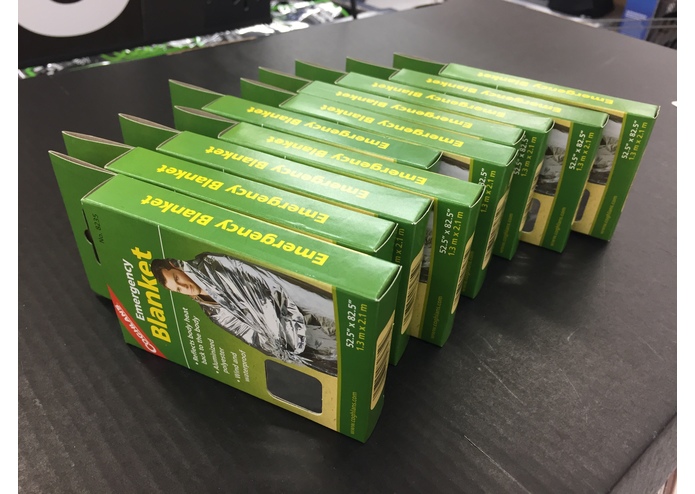
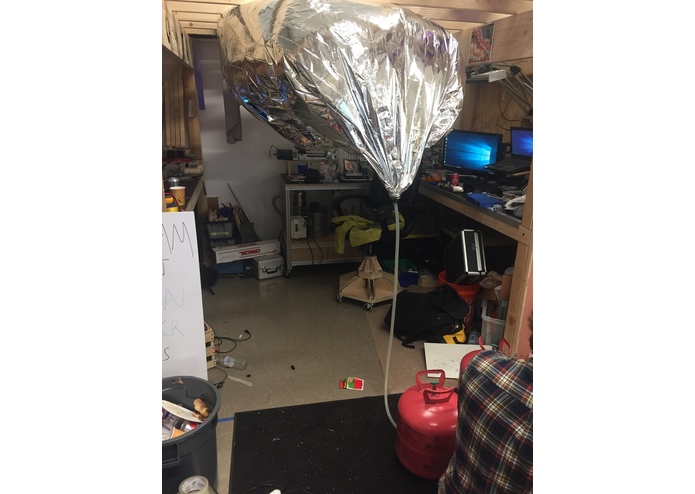
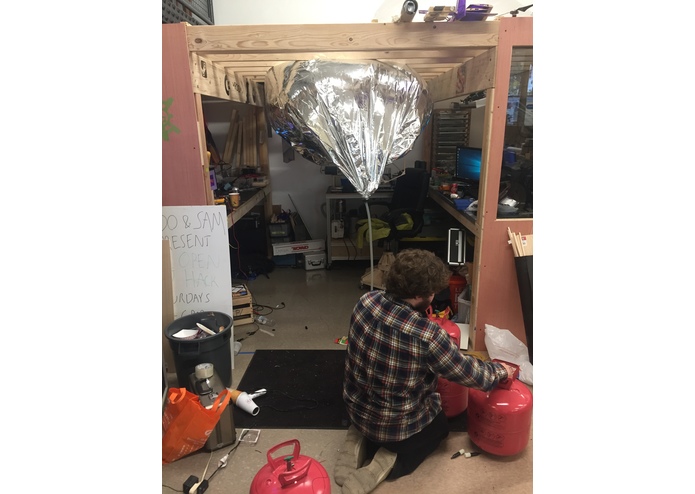
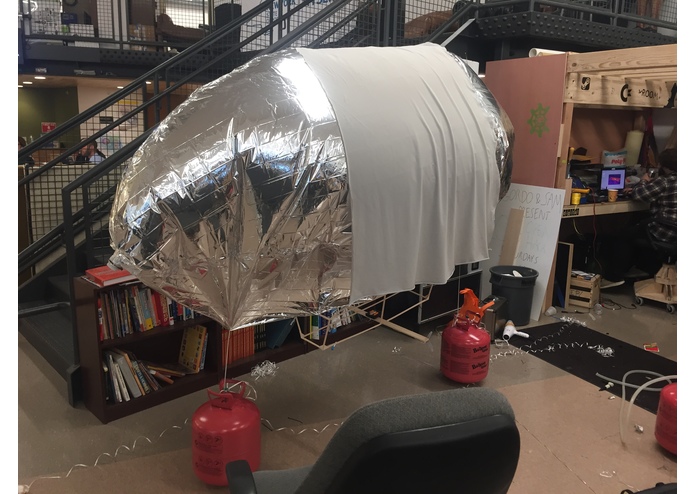
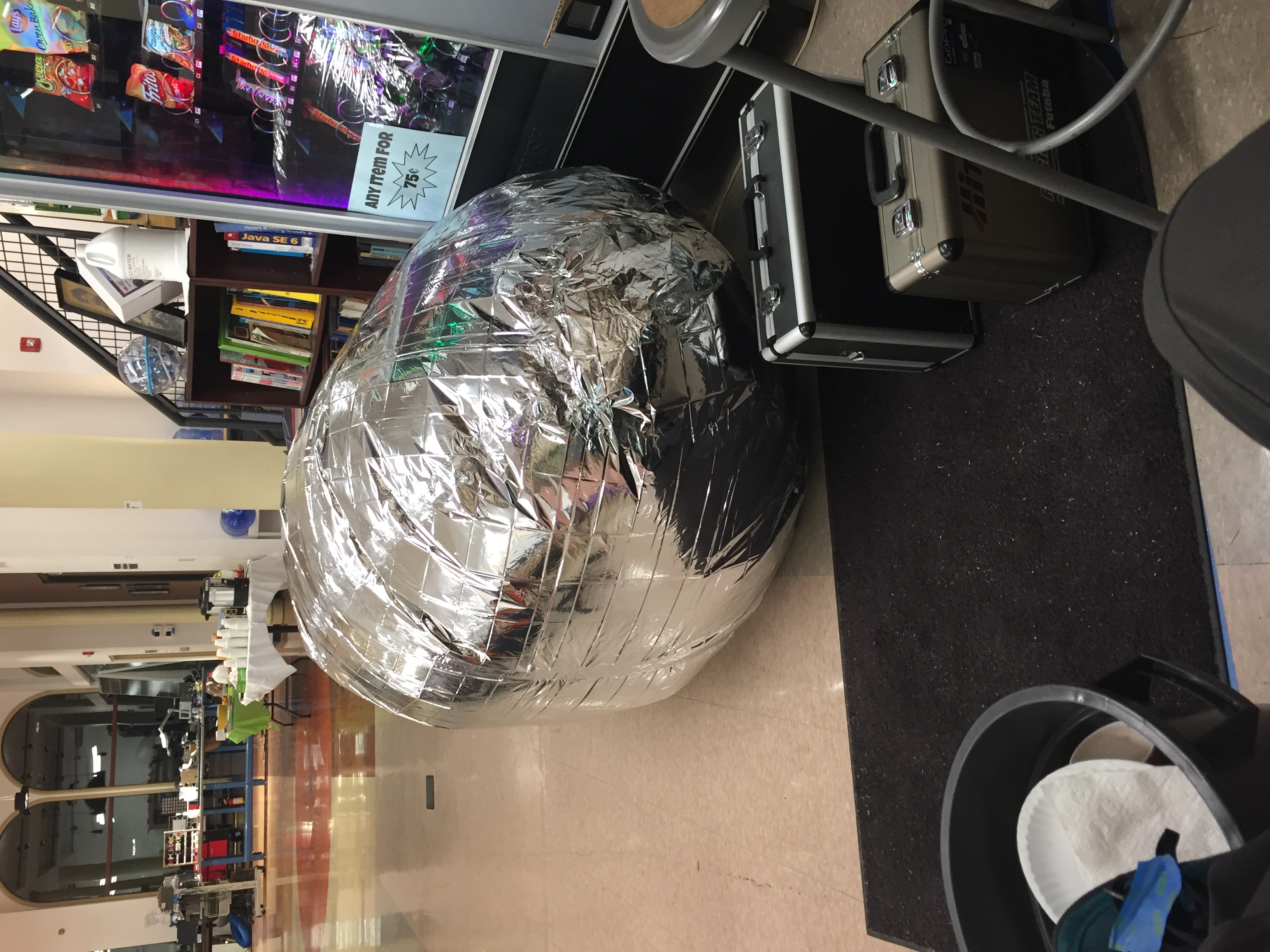
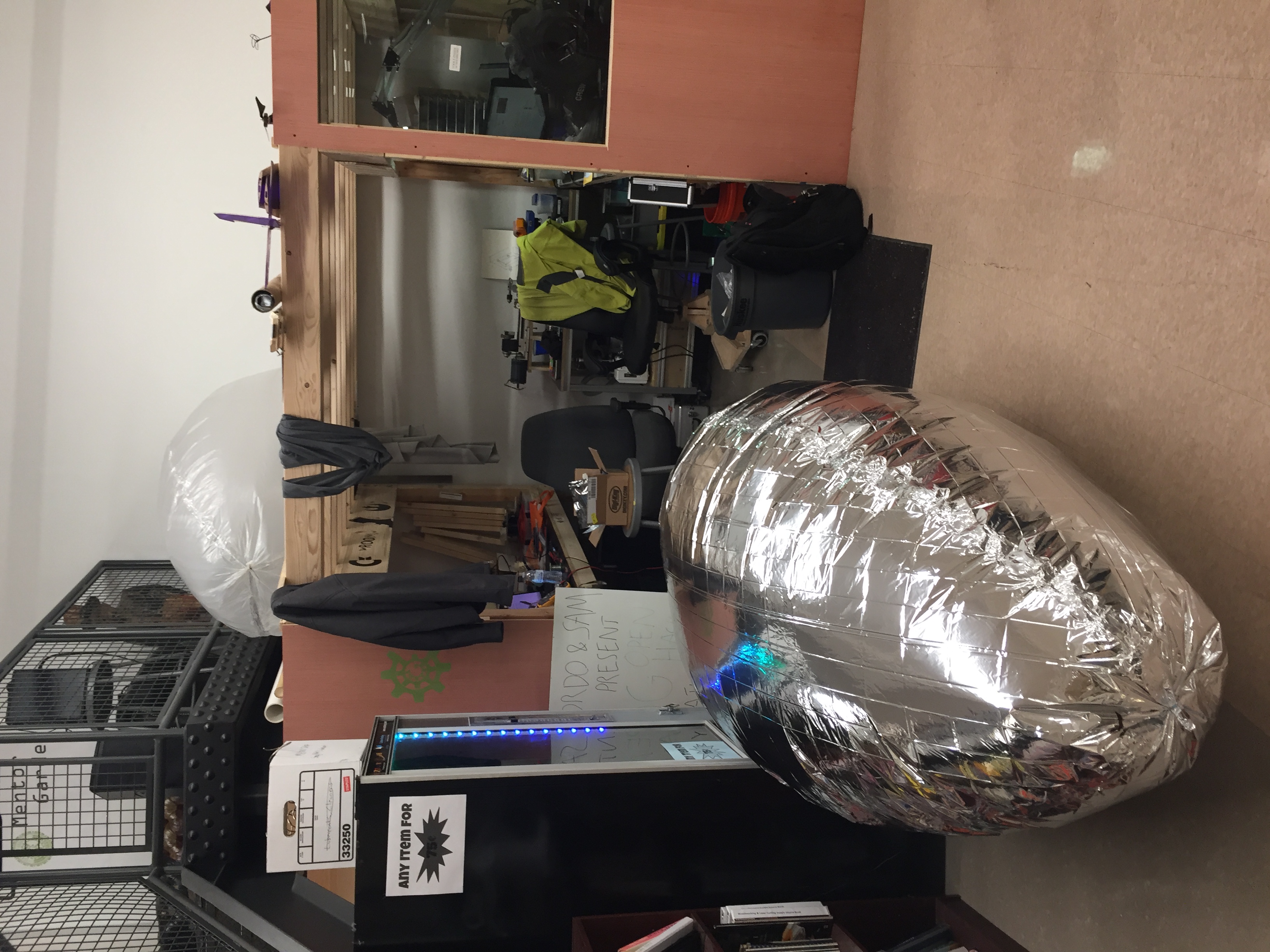
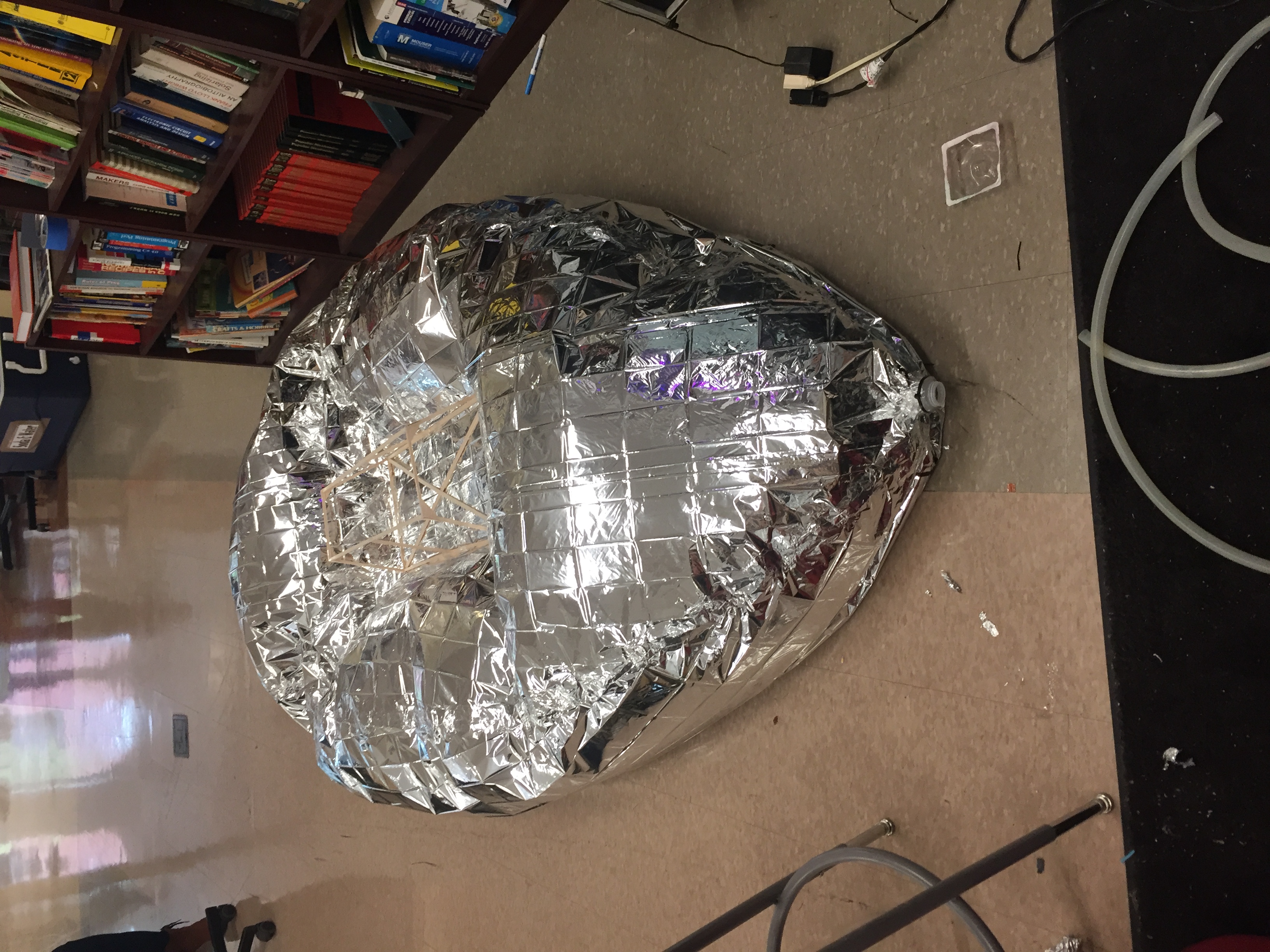
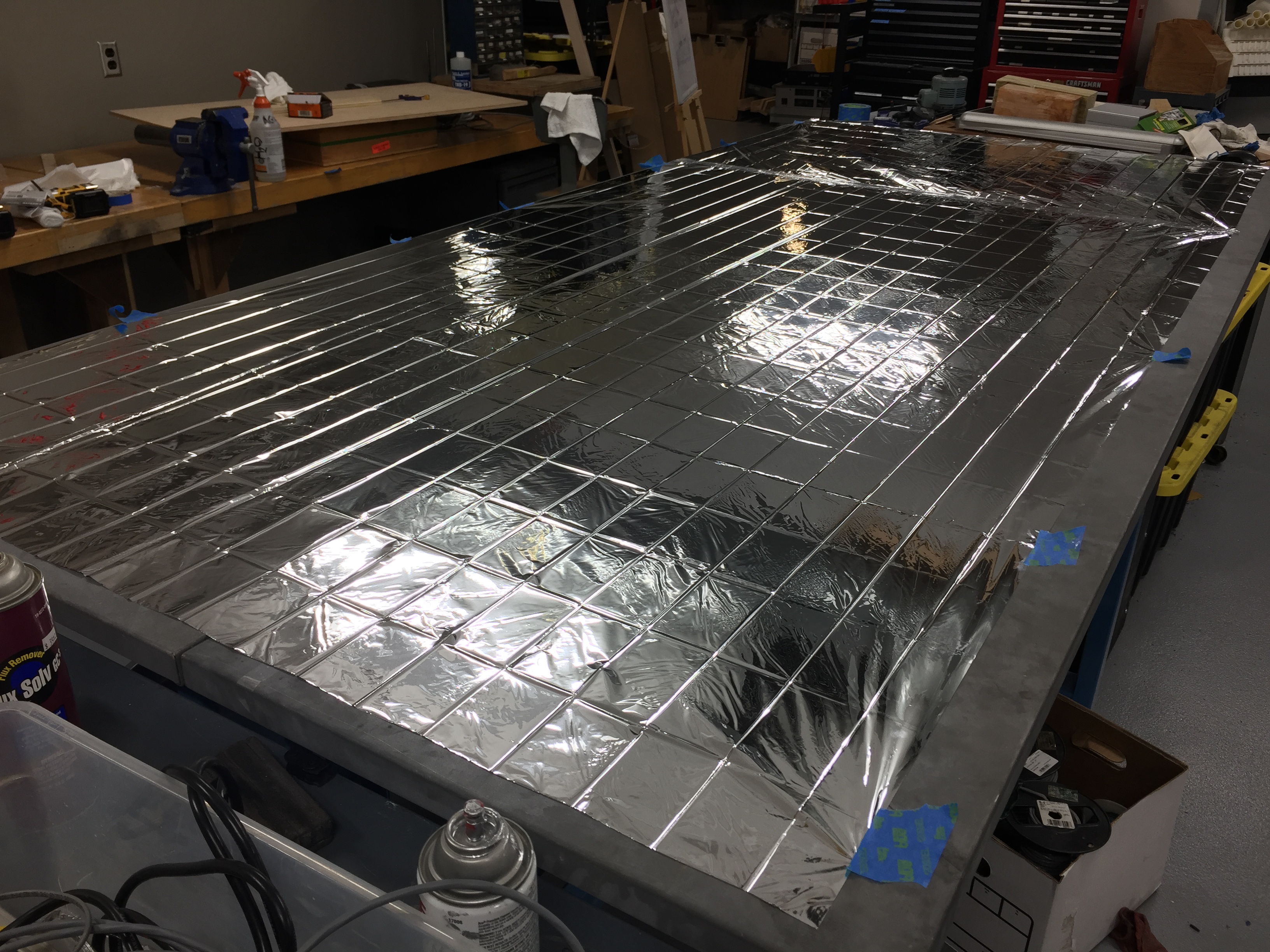
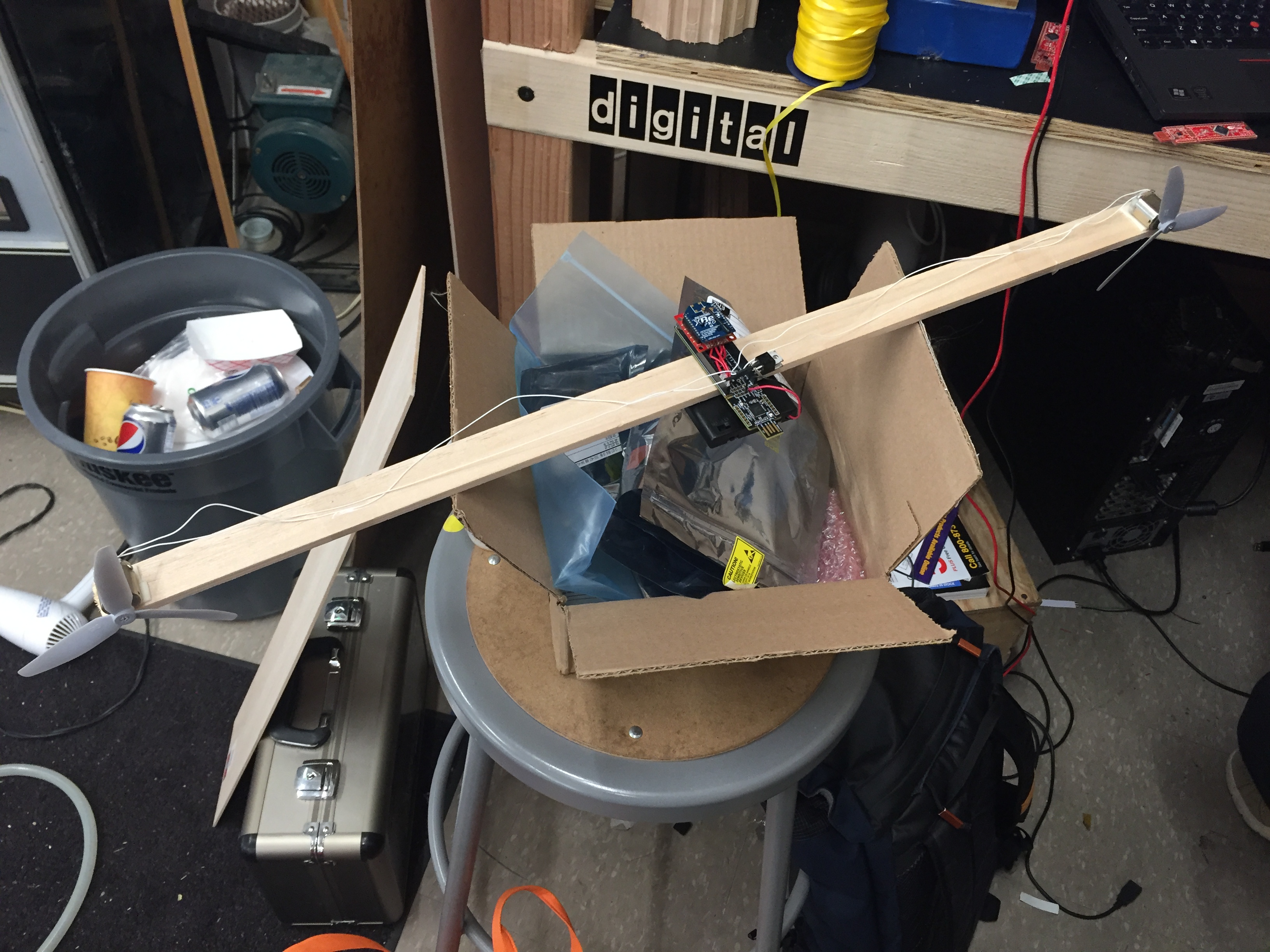
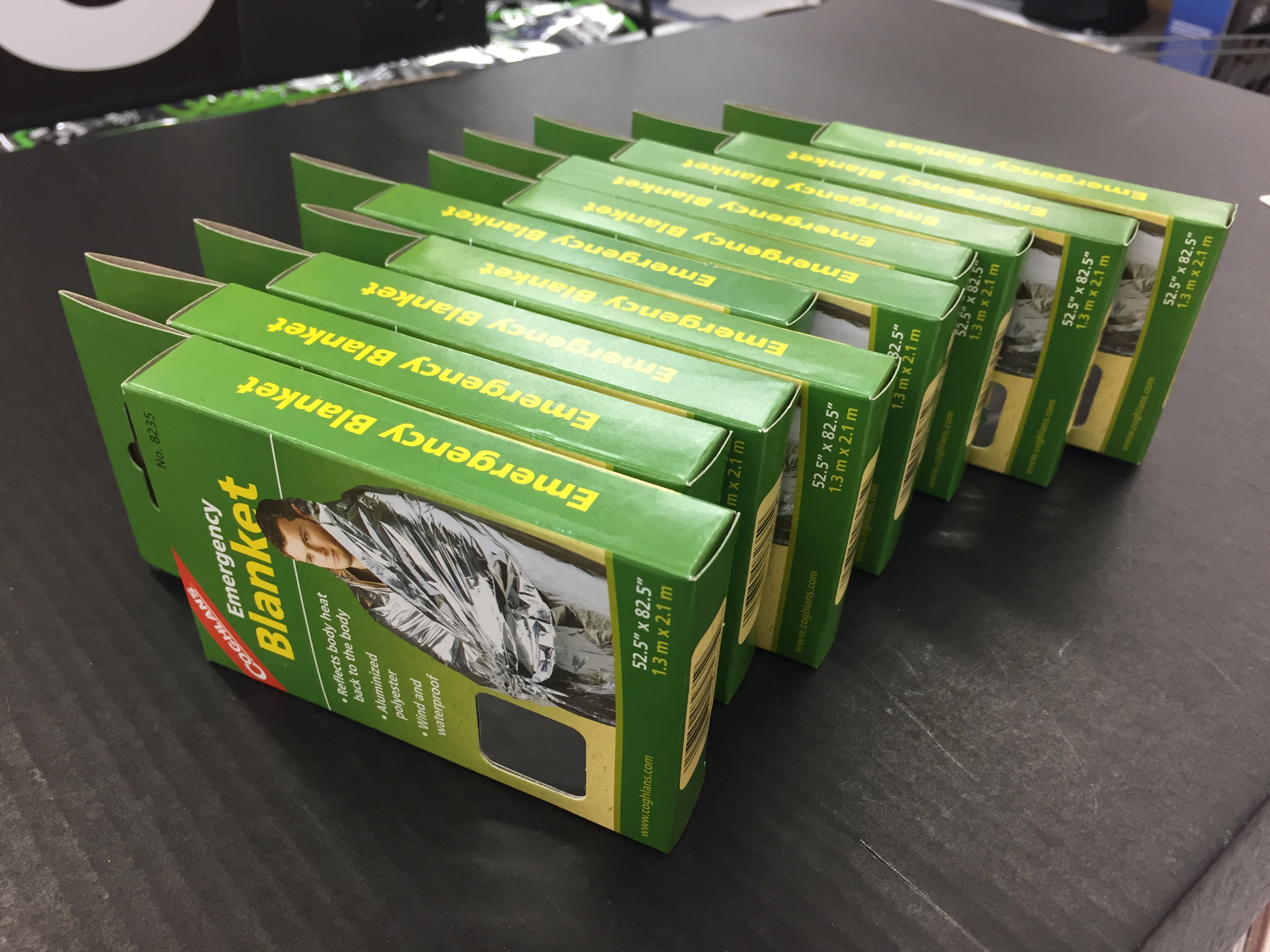
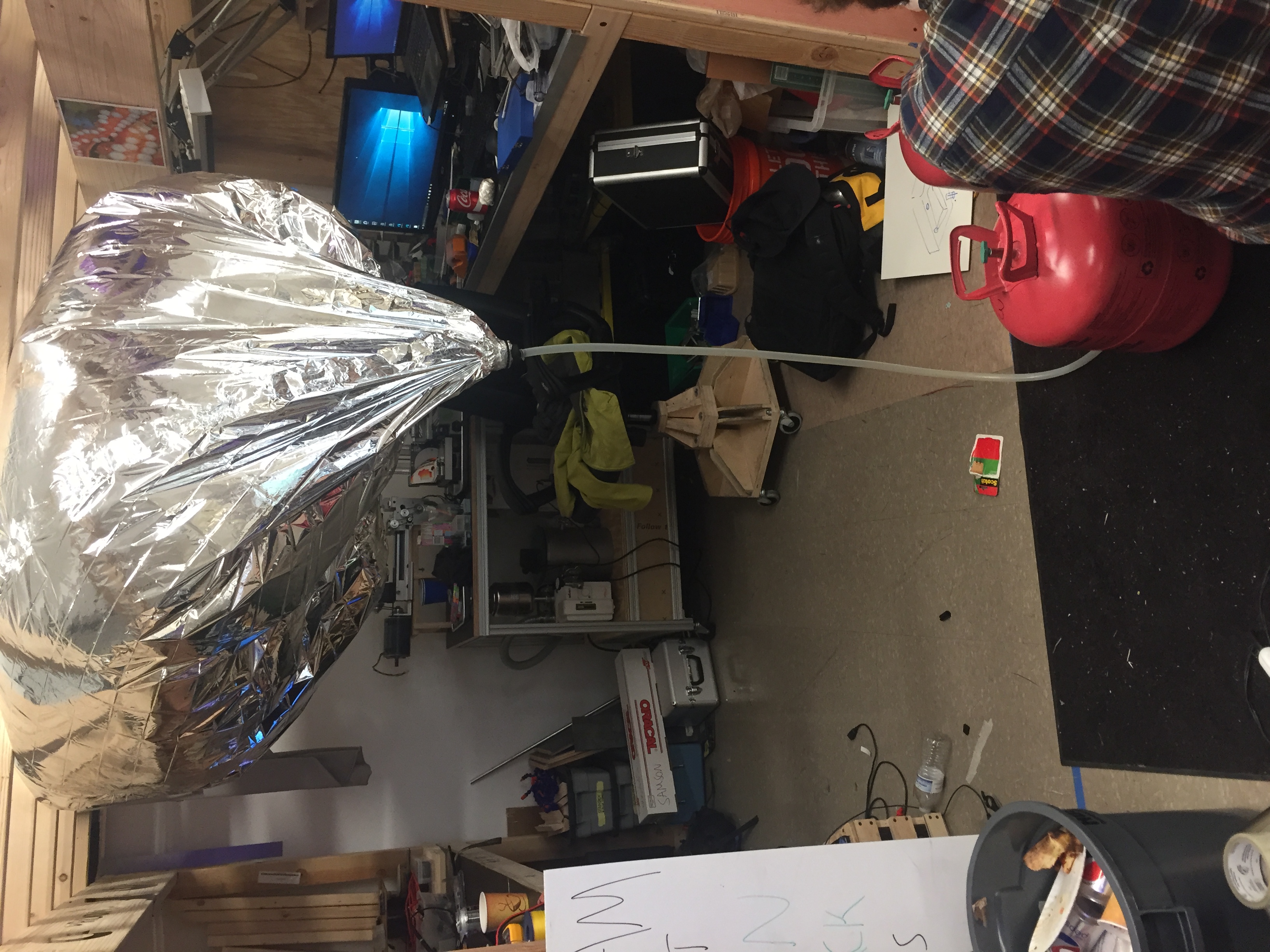
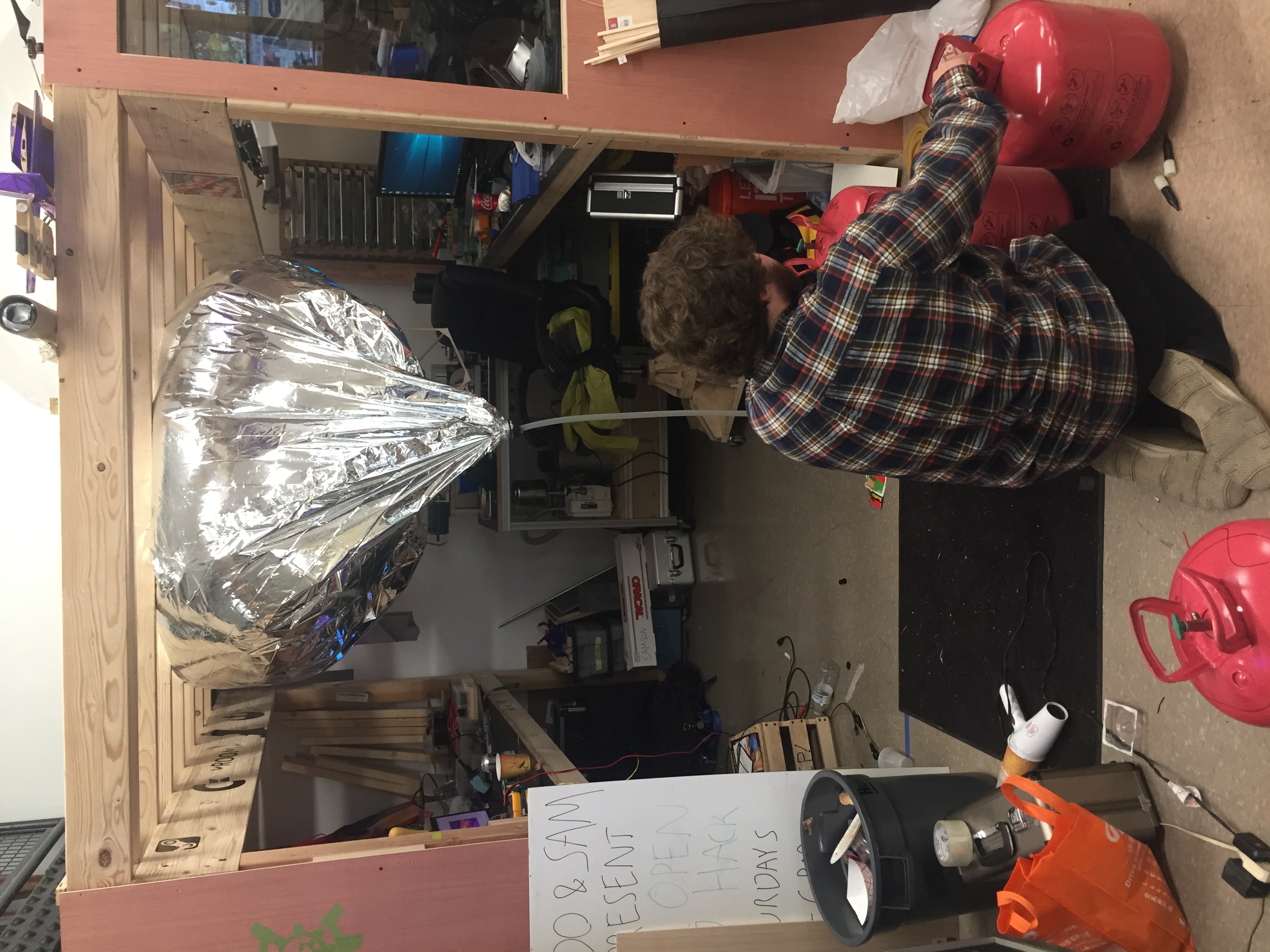
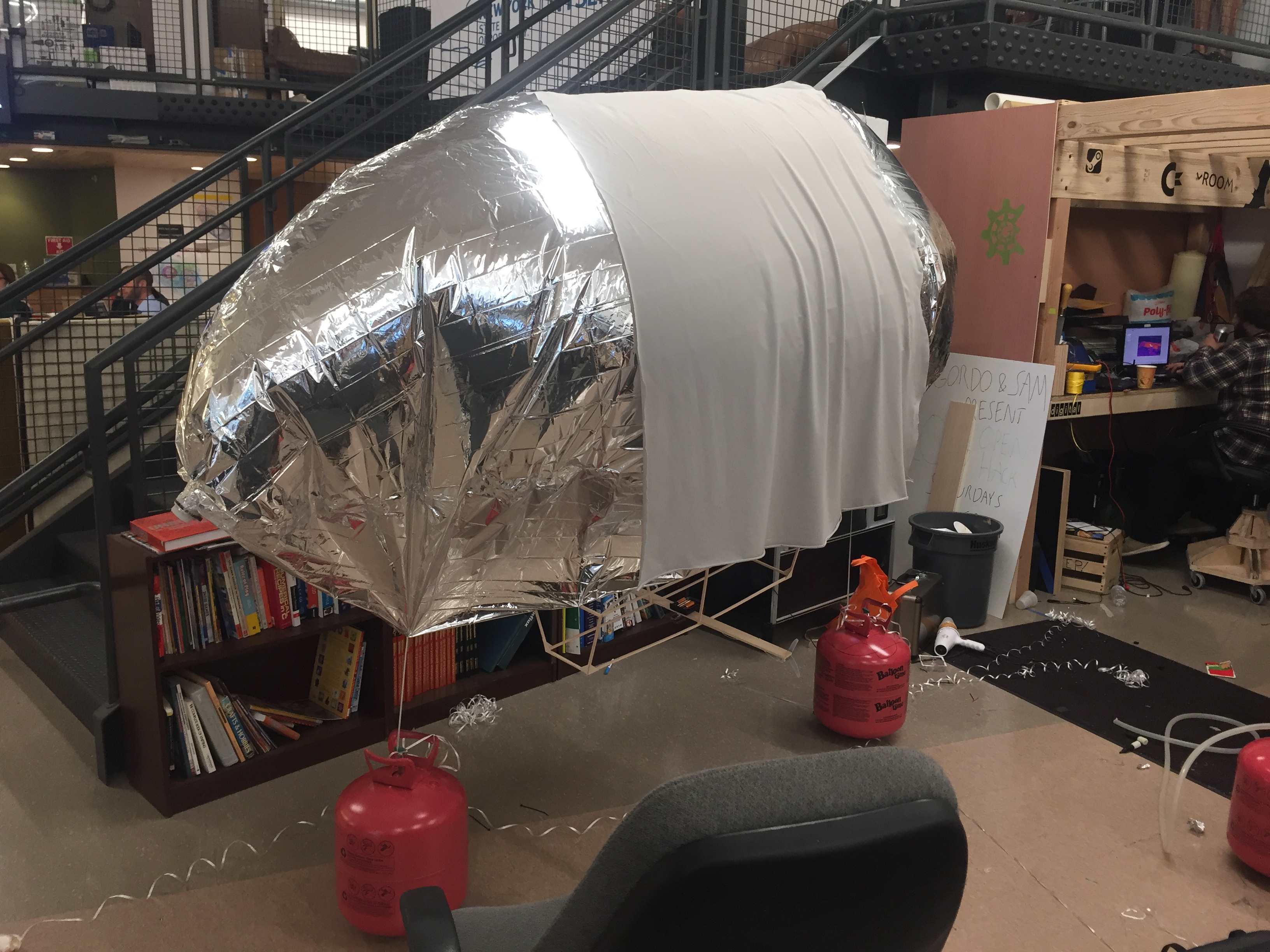
First, we considered many options to construct the balloon envelope. We decided to piece together a blimp style bladder from material, first making a proof of concept out of polyethlene then later making a second version out of mylar emergency blankets. we built the gondola out of a lightweight balsa frame.
For the electronics and sensor package, our proof of concept is powered by a PSOC 5 microcontroller, and consists of sensor and control hardware, as well as a wireless link between the vehicle and the base station PC. Data is streamed in real time back and forth to the vehicle for both sensing and control. Although the Green Helix vehicle will likely be tethered in many applications, control is still important for orientation and counteracting wind.
Challenges I ran into
Our largest challenge in the span of this hackathon has been managing the balloon envelope. balancing lifting gas with air and ballast to make it float properly is delicate and time consuming. Also we were plagued by leaks.
In terms of electronics, since our model is too small and fragile to deploy outside, our sensor suite is limited. This is something we'd like to continue developing as we move forward


Log in or sign up for Devpost to join the conversation.