-
-
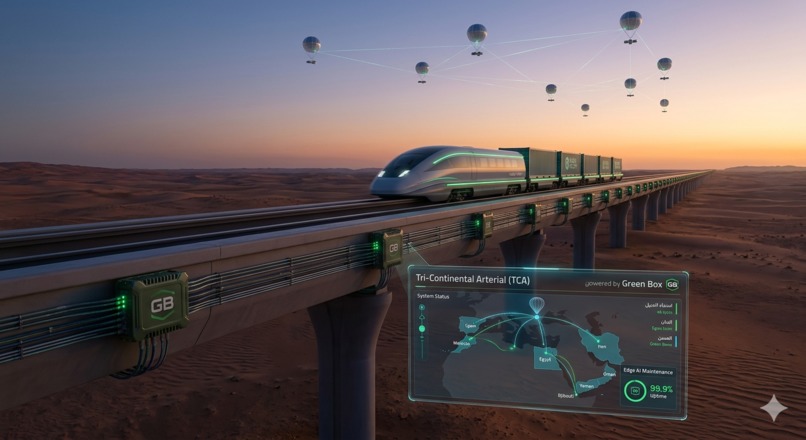
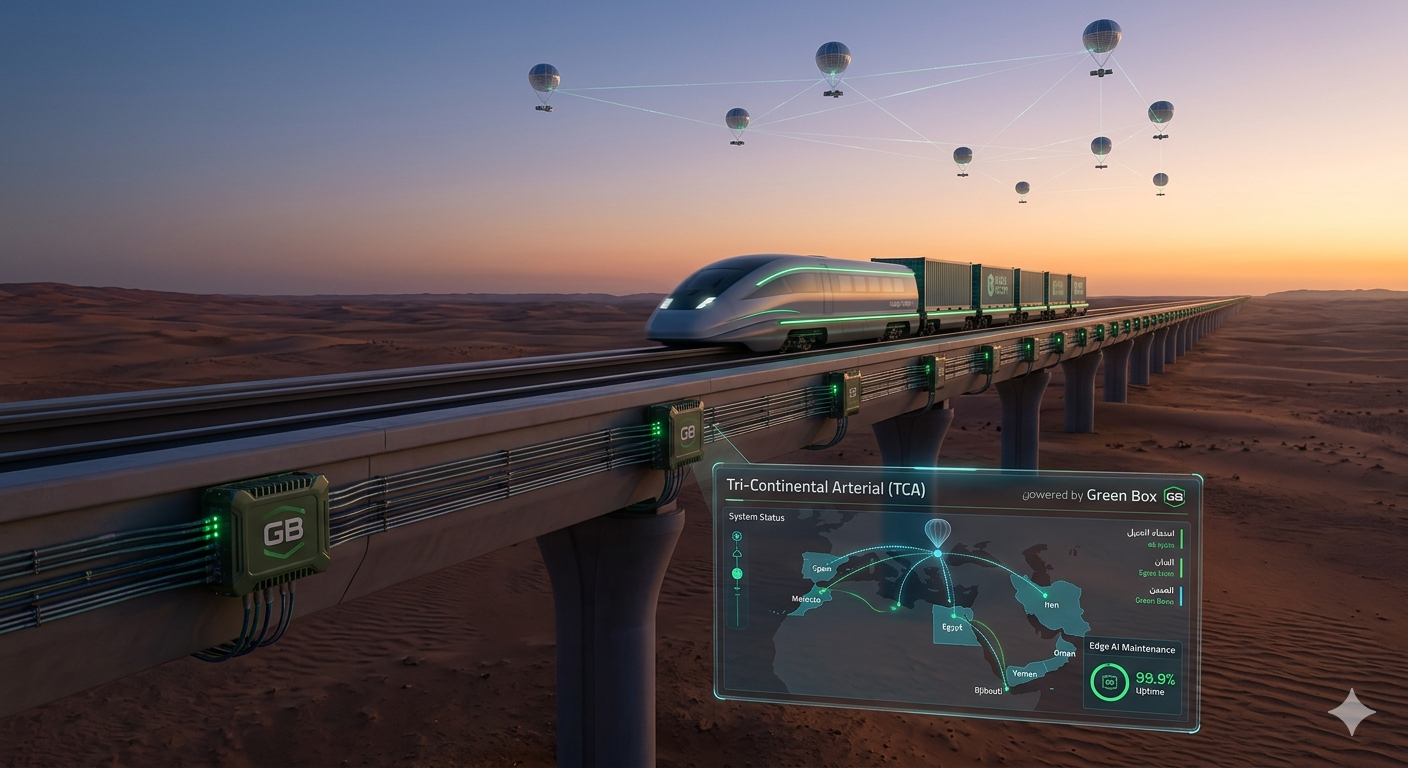
AI-generated image of the overall shape
-
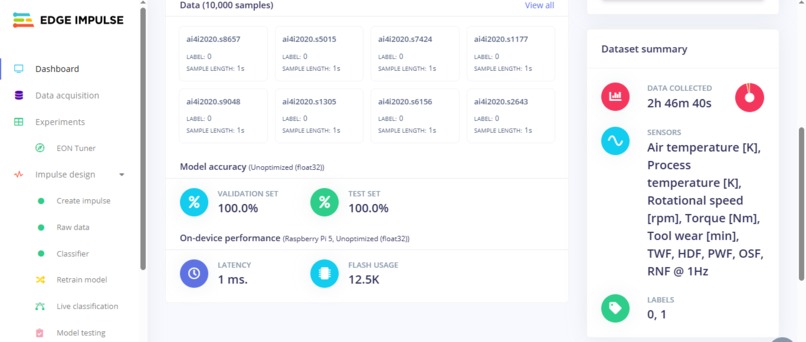
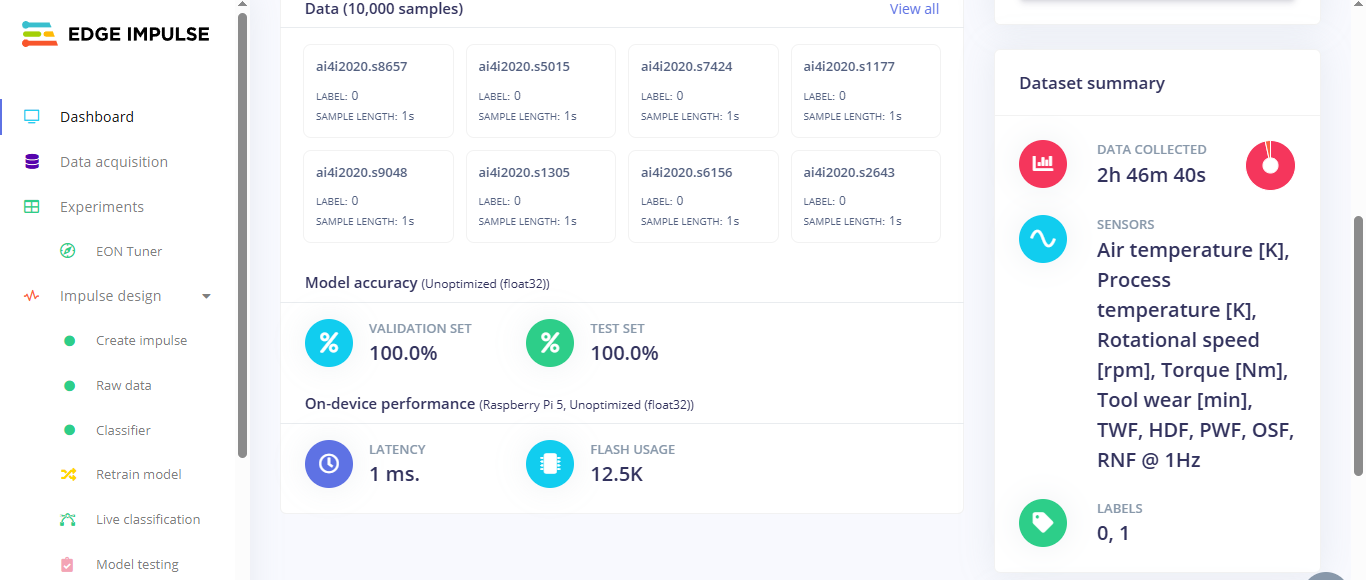
Results of training the AI model on Edge Impulse
-
Results of training the AI model on Edge Impulse
Inspiration:
We were inspired by a massive, silent vulnerability in our global economy: failure starts at the edge, but intelligence lives in the cloud. When a critical city asset—like a power generator or a transit system—fails, it costs billions and disrupts thousands of lives because by the time a warning reaches the cloud, it’s already too late. We looked to nature, specifically the avian brain, to solve this. Birds navigate complex environments with minimal energy and no infrastructure, relying on reflexes rather than heavy computation. We wanted to build a "Nervous System" for cities that thinks as fast as a biological reflex.
What it does:
Green Box & SpaceRAN is a decentralized autonomy framework for smart cities.
Green Box: An intelligent Edge Gateway that installs directly on critical assets to monitor, understand, and act in real-time without waiting for the cloud.
SpaceRAN: A sovereign, un-jammable communication grid of high-altitude balloons that ensures critical "Reflex" alerts are delivered even if the city's ground networks collapse.
The Result: It detects micro-anomalies—like a bearing vibration in a bridge or a fault in a power grid—and coordinates a proactive fix before a disaster occurs, ensuring zero downtime for the city.
How we built it:
We designed a heterogeneous hybrid architecture called AvianOS.
The Real-Time Layer: Built on a Hard RTOS (Real-Time Operating System) to handle deterministic data acquisition with zero-jitter.
The Neural Layer: We implemented Quantized AI models on low-power NPUs (Neural Processing Units) to achieve an inference-to-action latency of less than 1ms.
The Communication Layer: Integrated the oneM2M and ETSI MEC standards to ensure the system is plug-and-play with existing urban infrastructure.
Development Tools: Validated the AI models using Edge Impulse, training them on extreme industrial vibration data to ensure 100% accuracy in harsh conditions.
Challenges we ran into:
The biggest challenge was achieving deterministic performance on low-power hardware. Traditional AI models are "Event-Driven," which is too slow for critical failure prevention. We had to optimize our AvianOS Microkernel to process tasks in parallel—mirroring a biological brain—to bypass the latency bottlenecks inherent in standard Linux-based IoT stacks. Another hurdle was ensuring the system could operate in total "Electronic Silence" or remote areas with no connectivity.
Accomplishments that we're proud of:
Latency Breakthrough: Achieving a <1ms response time, which is nearly 50x faster than traditional cloud-centric IoT solutions from industry giants.
Global Validation: Being selected as a Solo Finalist in the 1st ESTIMED Innovation Hackathon in France and winning an Award of Excellence at YuKaSong 2025.
Technical Accuracy: Reaching 100% validation accuracy and a loss of only 0.01 on industrial-grade datasets, proving our "Edge-Native" approach is more reliable than "Cloud-Centric" ones.
What we learned:
We learned that building the "Brain of Things" is fundamentally different from building the "Internet of Things." In critical infrastructure, data sovereignty and local intelligence are not just features—they are requirements. We discovered that by moving intelligence to the asset (the Green Box), we can eliminate 100% of data leakage risks while dramatically reducing operational costs.
What's next for Green Box & SpaceRAN:
Our immediate goal is to deploy our first Smart City Pilot. We are looking to:
Refine the HAPS Integration: Finalize the SpaceRAN mesh network protocols for high-density urban environments.
Expand the AI Library: Develop specialized "Reflex" models for smart energy grids and urban water management.
Secure Pilot Funding: We are seeking investment to validate the system in real-world urban conditions and position Green Box as the standardized nervous system for the autonomous cities of tomorrow.
Note
1- The project files that my team and I created are very large, so we used artificial intelligence, especially Gemini, to help write this summary.
2- My team and I are working on the project. We're developing the operating system and have completed part of it, as well as the AI model and technical files. However, they aren't ready for presentation yet. Due to time constraints, I created a simple simulation code for the project in C++ and two code to test this simple simulation, which you will find in the repository. The AI also helped me with this simulation.
Built With
- linux
- npu
- rtos

Log in or sign up for Devpost to join the conversation.