-
-
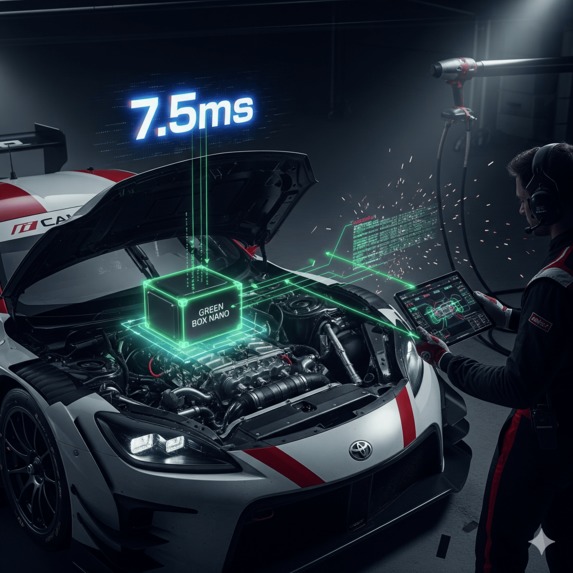
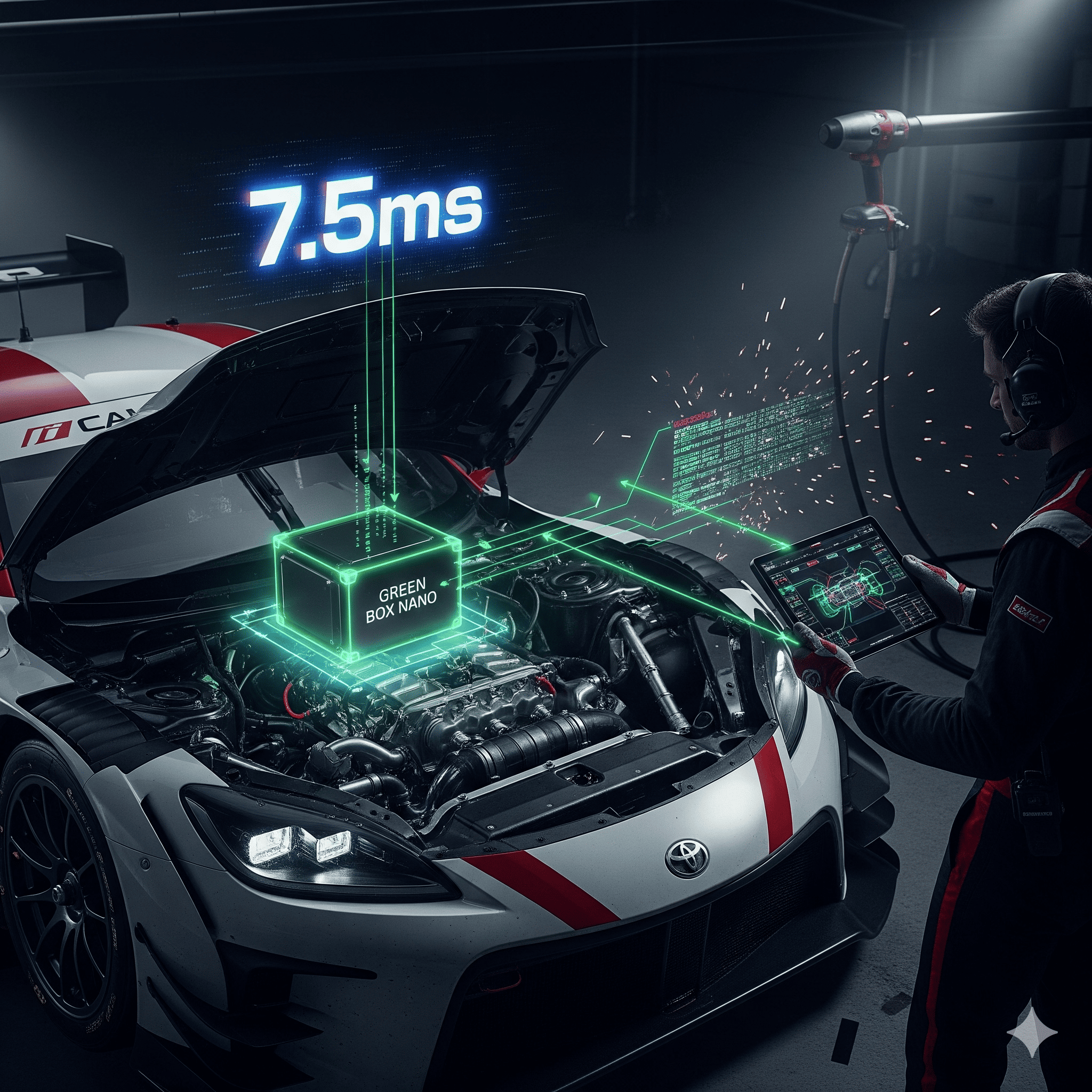
Zero Downtime Engineered:7.5ms
-
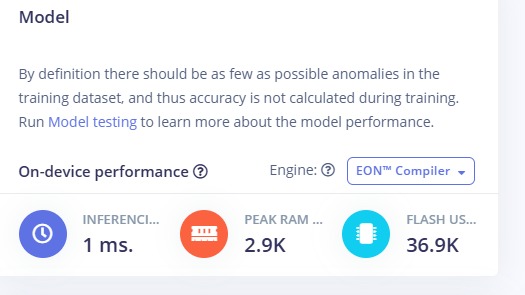
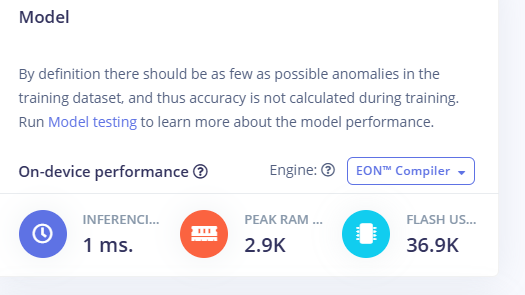
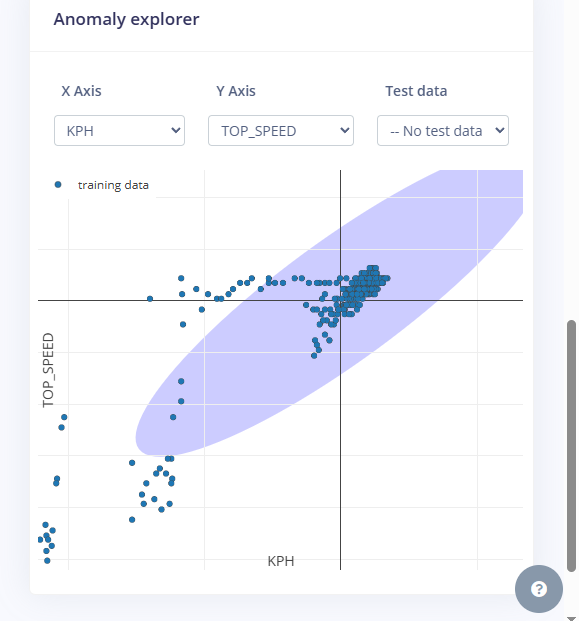
Model Performance
-
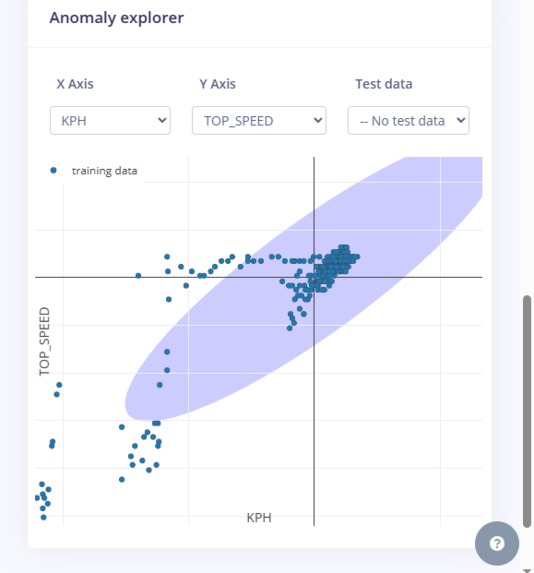
Threshold Data
-
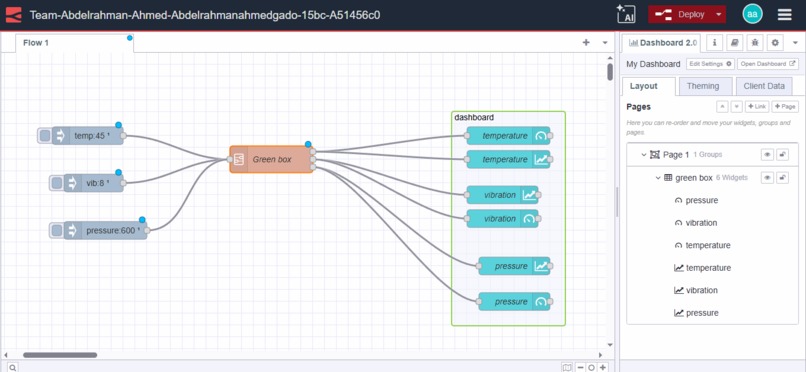
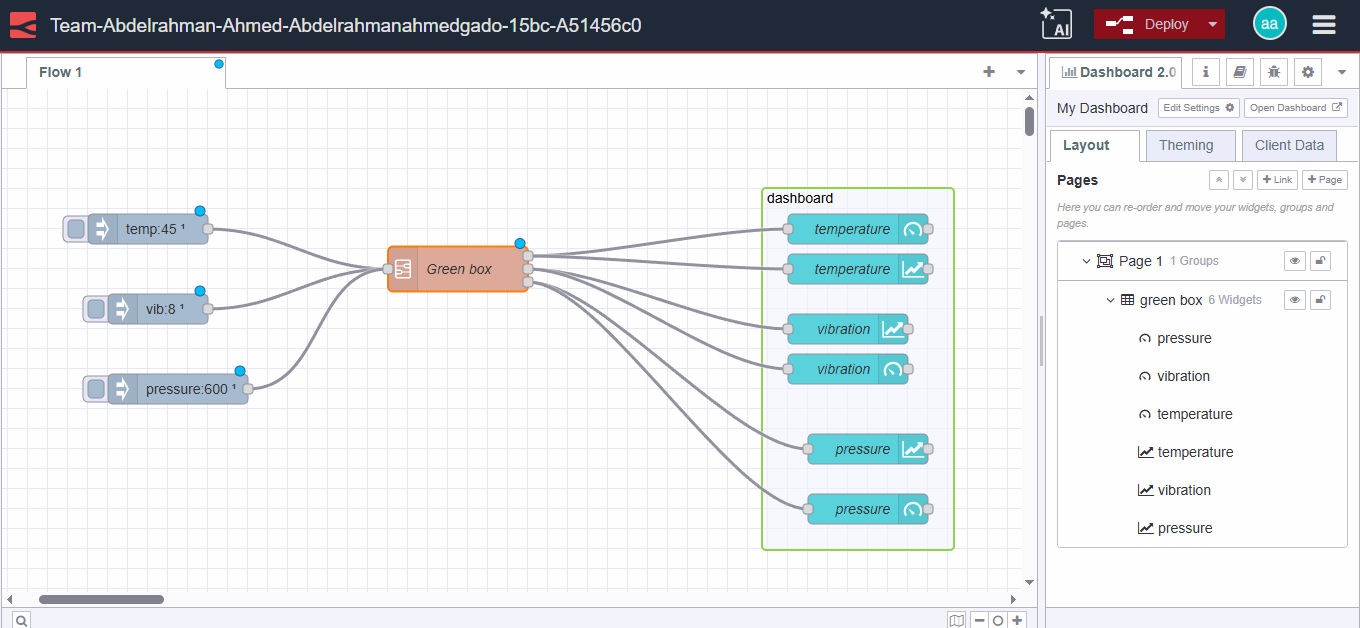
red node flow
-
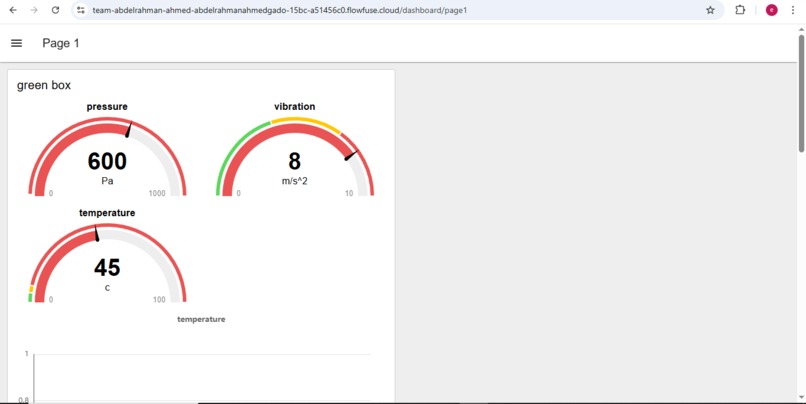
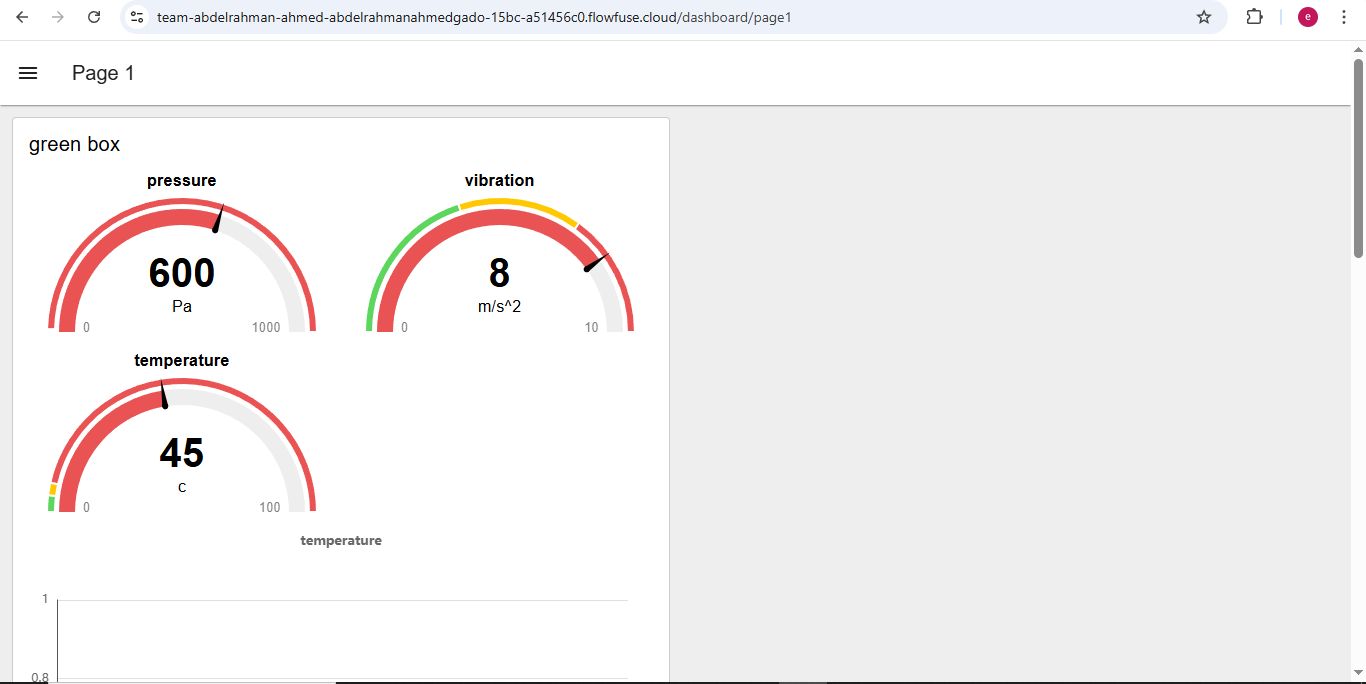
red node dashboard
-
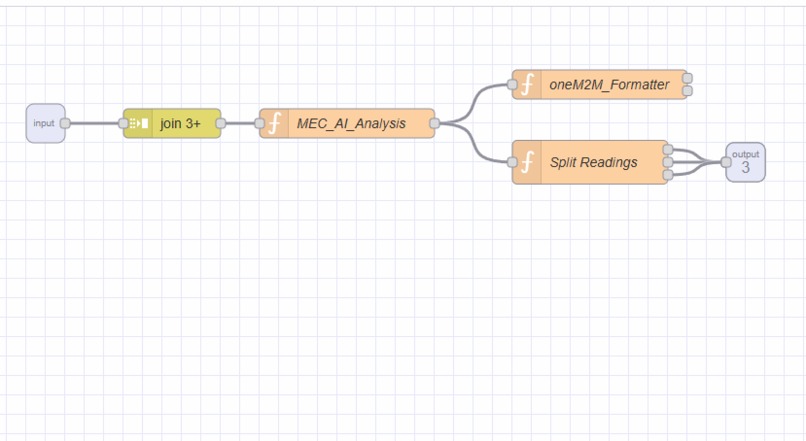
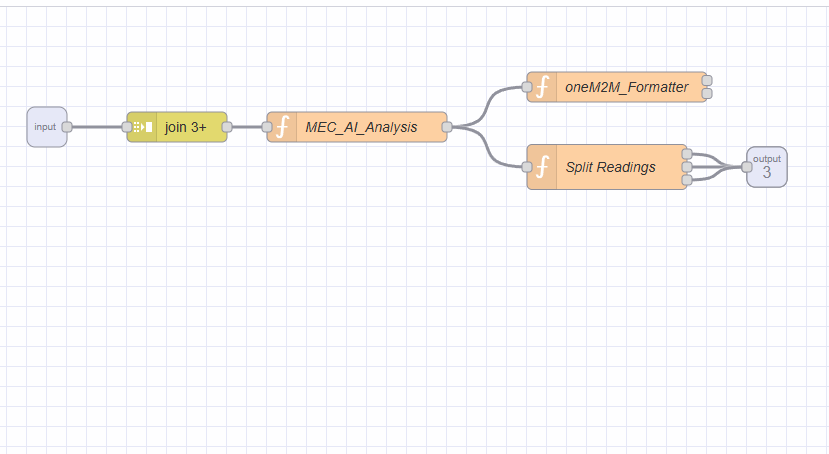
inside green box
Inspiration: Why Green Box? Our inspiration stemmed from a clear and costly pain point in mission-critical industries, particularly in automotive racing: Unscheduled Downtime. In endurance racing, breakdowns don't just mean losing a race; they mean immediate and severe financial and logistical losses. We realized that current AI solutions heavily rely on the Cloud, which introduces unacceptable Latency. Our goal was simple yet ambitious: to eliminate the human and network time factor from the critical maintenance equation, and transform prediction into an immediate, deterministic profit.
Explanation: What Does Green Box Do? Green Box is an Embedded Edge AI system, designed to generate deterministic diagnostic decisions in under 7.5 milliseconds.
- The Core Innovation: 7.5 ms Latency: The solution uses a specialized Green Box Nano Unit installed inside the asset (e.g., a race car ).
Absolute Speed: Achieves a constant decision time of 7.5 milliseconds (from sensor reading to diagnostic decision).
Edge Processing: This speed is made possible by an Arm NPU and RTOS architecture, which executes highly optimized, quantized AI models (INT8/TFLite) locally, bypassing cloud latency.
Self-Sustaining: The unit is ultra-low power, drawing minimal energy (2-5W) and can be powered by energy harvesting from the vehicle (e.g., regenerative braking).
- The Closed-Loop Logistics Strategy:
The system connects instantaneous diagnosis to automated execution, turning prediction into profit.
Diagnosis (Green Box Nano - Vehicle Unit): The Nano Unit detects a critical fault (e.g., "Imminent gearbox bearing failure #XYZ").
Unified Communication (oneM2M): The decision is packaged into a standardized oneM2M message and sent immediately.
Automated Execution (Green Box Base - Team Unit): The Base Unit, located with the pit crew, receives the message and launches the Marketplace System (the team's warehouse management system).
Logistics Action: The automated logistics system prepares the required spare part (#XYZ) and dispatches it (via automated delivery/drone) to the pit stop before the vehicle arrives, eliminating maintenance waiting time entirely.
- Absolute Reliability:
The system ensures the critical decision is delivered under any condition:
Dual Connectivity: Uses both Wi-Fi 6/6E (for ultra-low latency near the pit) and Private 5G/LTE (for general track coverage).
Automatic Failover: The system autonomously switches to the most stable network channel, guaranteeing the delivery of the 7.5 ms decision.
In essence, Green Box is the Edge AI champion that ensures critical decisions are never dependent on network delay or human intervention, maximizing operational uptime.
How We Built It :
To achieve our goal, we followed a Deterministic Engineering methodology:
1- Data and Methodology: We used the shared competition data (Toyota Telemetry files) as our foundation. However, we moved beyond traditional analysis and adopted the "Threshold Data" approach, which focuses on training the model on what the "Healthy" state of the vehicle looks like.
2- Feature Engineering: We merged and sorted the data (by Car Number then Lap Number) to create clean, sequential time series. We selected only five key Input Axes: KPH, TOP_SPEED, and S1/S2/S3_SECONDS. We applied Normalization to these features to ensure our model gave fair weighting to all different measurements (speed, time).
3- Model Training and Optimization:
We trained the Anomaly Detection model on clean lap data. This model detects degradation based on an Anomaly Score exceeding a certain threshold.
To achieve speed, we optimized the model into a Quantized (INT8/TFLite) format and successfully compiled it to achieve an Inference Time of 1 millisecond (1ms) on the Arm NPU architecture.
4- Closed Loop: We integrated this rapid 1ms decision with an automated logistical system (Green Box Base Unit) via the oneM2M protocol, ensuring the conversion of the decision into an automated action for parts preparation before the vehicle arrives.
Challenges We Faced :
1- Multi-Time Series Challenge: The data was initially temporally unsorted across different cars. We overcame this by sorting the data first by Car Number and then by Lap Number (LAP_NUMBER) to create clean, segmented time series for each entity.
2- Achieving Deterministic Decision Time (7.5ms): This was the greatest challenge. We bypassed the cloud barrier by focusing entirely on the Edge, working with an RTOS/Arm NPU architecture to guarantee a stable, fixed inference time, which led us to the 1ms achievement.
3-Transitioning from Prediction to Logistics: The challenge was not just technical; it involved designing the entire system. We had to design a communication protocol (oneM2M) to link the AI model to the team's Warehouse Management System.
What We Learned :
Speed Takes Precedence: We proved that in critical environments, Speed (1ms) is more vital than excessive accuracy (Overshooting Accuracy). An accurate decision that arrives too late is worthless.
The Power of Feature Engineering: We learned that the correct, Normalized features (the five selected axes) are what define the model's performance, not the sheer volume of raw data.
Deterministic AI: Future solutions will be those operating on the Edge with optimized models, guaranteeing absolute reliability and independence from volatile internet infrastructure.
Green Box is the culmination of applying Deep Learning to real-world challenges, transforming a common racing dataset into an ultra-fast decision engine that guarantees maximum efficiency and safety in every lap.
Horizontal Scalability: Mission-Critical Applications:
Smart Cars & Autonomous Driving: Used within the Autonomous Driving Unit (AD ECU) for the immediate and reliable prediction of critical component failures (such as the steering or braking system) a fraction of a second before they occur. A 1 ms inference time ensures that the decision to stop the vehicle or transfer control is definitive and reliable, which is indispensable in high-risk safety environments.
Here's a video demonstrating the project's AI capabilities; I encourage you to watch it:

Log in or sign up for Devpost to join the conversation.