-
-
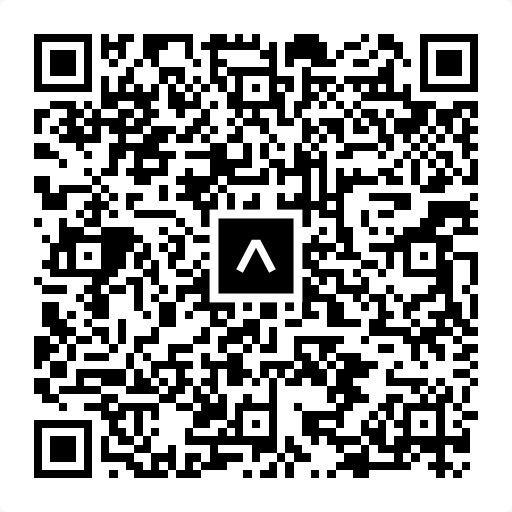
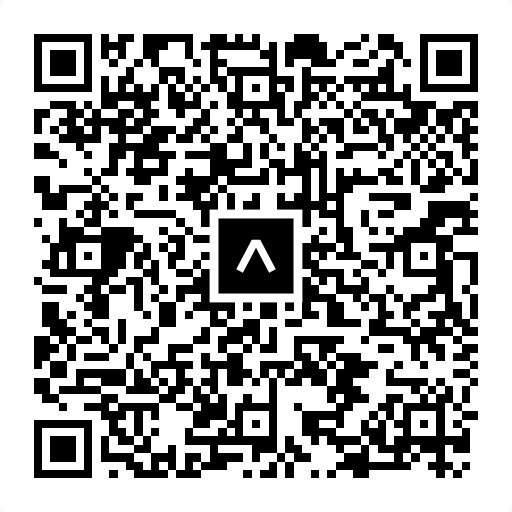
Try on Expo with you mobile device (need Expo Go app installed)
Inspiration
GratiTune was born from personal experience. For the past 8 years, I’ve struggled with anxiety—and through therapy, reflection, and a lot of learning, I’ve come to deeply understand how powerful our internal dialogue is. One of the most transformative realizations I had was that anxiety often thrives in negative thought loops, and that gratitude can be a powerful way to shift out of them.
This project is fueled by a genuine desire to help others gain the tools that helped me. I believe mental health is one of the greatest challenges of our generation, and that giving people better access to effective, empathetic support is one way we can make the world a little bit better.
The idea came from a personal insight: that in the moments I felt more at peace, I was more connected to gratitude. So we envisioned a digital solution—a conversational companion—that helps users become aware of their thought patterns and gently tunes them toward a more grateful, kind, and present mindset.
The name “GratiTune” comes from this very idea: that our mind is like a radio, and we can learn to tune it from anxiety and self-criticism to something calmer, kinder, and more constructive.
We don’t pretend to replace therapy—but we want to walk beside those who need support, helping them change their patterns and rediscover their own voice.
What it does
GratiTune is a mobile-first, AI-powered mental health companion that helps users manage anxiety by:
- Detecting and reframing automatic negative thoughts (ANTs)
- Encouraging authentic gratitude practice
- Delivering bite-sized, evidence-based mental health insights
- Offering a reflective space for journaling without pressure or judgment
It’s not a therapist. It doesn’t give advice. It’s a mentor that helps you learn how to tune your inner dialogue toward clarity, kindness, and resilience.
How we built it
We used a conversational AI layer trained on cognitive behavioral principles and gratitude science. We combined this with a minimalist UI/UX that prioritizes emotional safety and user agency. The MVP was built using:
- Bolt.new as our main code tool to rapidly build and iterate the app experience
- OpenAI API, fine-tuned to deliver a personalized and therapeutic-like conversational experience
- ElevenLabs integration, allowing users to talk with the AI companion using voice in a natural and human-like tone
- React Native with Expo, integrated in Bolt, to develop a mobile-first application with smooth cross-platform performance
- Supabase for secure, privacy-first data storage
- A custom journaling engine with emotional tone tagging
Challenges we ran into
- Designing a non-directive yet helpful AI experience was harder than expected. Balancing empathy and structure took multiple iterations.
- Data privacy and ethical constraints were central: we had to ensure that users always feel in control of their information.
- Simplifying the onboarding while keeping the core message clear was a UX challenge.
- It has not been easy to work with bolt creating a mobile app and multiple issues working with supabase, it has not been as simple as we imagined.
Accomplishments that we're proud of
- We created a working MVP that reflects our core values: empathy, science, and user agency.
- We made our most ambitious application with bolt as of now. multiple integrations, mobile app and more.
What we learned
- Mental health tools don’t need to be rigid or clinical to be effective—they need to feel human.
- Language matters. Small changes in how the AI phrases things can shift a user’s emotional response dramatically.
- People want support, not solutions. Being heard is often more powerful than being fixed.
- The mental health app space is highly competitive, with many well-funded players and feature overlap. But that doesn’t mean there’s no room—on the contrary, it shows the demand is real.
- There’s a clear opportunity to serve a segment of users who feel disconnected from existing narratives. We are not Stoic, Liven, or Gratitude. We’re building a product that speaks to skeptical, intelligent adults (18–40) who want real tools grounded in science and empathy—not rigid programs or naive positivity.
- Our differentiator isn’t just in what the app does—it’s in how it feels. Our commitment to authenticity, user agency, and human-like interaction is what sets GratiTune apart.
- We still need to put this product into the hands of users. Our next key step is validating our hypothesis in the real world, gathering feedback, and iterating quickly based on lived experiences—not assumptions.
What's next for GratiTune
- Launch a social media campaign to promote our landing page MVP—targeting early adopters who connect with our brand identity and message. We'll invite them to join our waitlist and be the first to try GratiTune.
- Validate our core hypothesis during Phase 1: Do users engage in meaningful conversations with the AI companion? Do they use the gratitude journal and connect with the brand tone? Are they interested in sharing insights with their therapist?
- Expand into therapist collaboration (Phase 2): Enable structured export of journal and mood data to professionals. Partner with therapists to co-design a dashboard that adds clinical value and strengthens the therapeutic alliance.
- Close the access gap (Phase 3): Launch a built-in “Find a Professional” feature with secure therapist profiles, integrated booking, and virtual session support—bridging self-guided support with professional care ethically and safely.
- Continue building trust and scientific credibility: Run pilot studies with mental health professionals to validate outcomes like reduced negative self-talk, improved emotional regulation, and therapeutic engagement.
Our long-term vision is for GratiTune to become the go-to mental health companion for people seeking emotional clarity and support. As more individuals turn to tools like ChatGPT to talk about their mental well-being, we believe there’s a need for a solution that’s built specifically for that purpose—rooted in empathy, guided by science, and designed with mental health in mind from day one.
Closing
GratiTune isn’t just an app—it’s a vision for a different kind of mental health support.
We believe everyone deserves access to tools that help them understand themselves, manage anxiety, and build emotional resilience—even if they can’t (or don’t want to) go to therapy. We designed GratiTune to empower people, not to fix them. We invite them to explore their minds with curiosity, not judgment. To shift from what’s missing to what’s meaningful. To tune their inner narrative to a frequency of clarity, gratitude, and kindness.
What sets us apart isn’t just what we offer—it’s how we show up.
We don’t prescribe, we don’t pretend to know better, and we don’t sell false promises. We accompany. We reflect. We help users find their own path. Every word, every tool, every interaction in GratiTune is built with empathy, backed by science, and guided by the principle that users should always feel safe, seen, and in control.
We’re not about rigid philosophy, coaching programs, or sugar-coated affirmations. We’re here for the real ones—for the thoughtful, skeptical, curious minds who want practical tools and a space to grow, on their own terms.
As millions turn to generic AI tools like ChatGPT to talk about their well-being, our vision is to offer them a better alternative: a space built intentionally for that purpose. A mental health companion that listens, respects, and helps them rewrite their story—not just respond.
GratiTune helps you change the station in your mind. Not by telling you what to hear, but by helping you discover how to listen to yourself—more clearly, more kindly, and more humanely.
And that’s just the beginning.
Built With
- 21.dev
- elevenlabs
- openai
- reactnative
- supabase


Log in or sign up for Devpost to join the conversation.