-
-
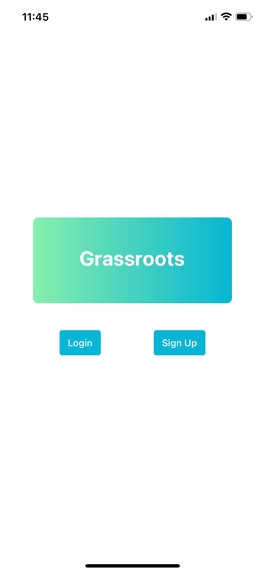
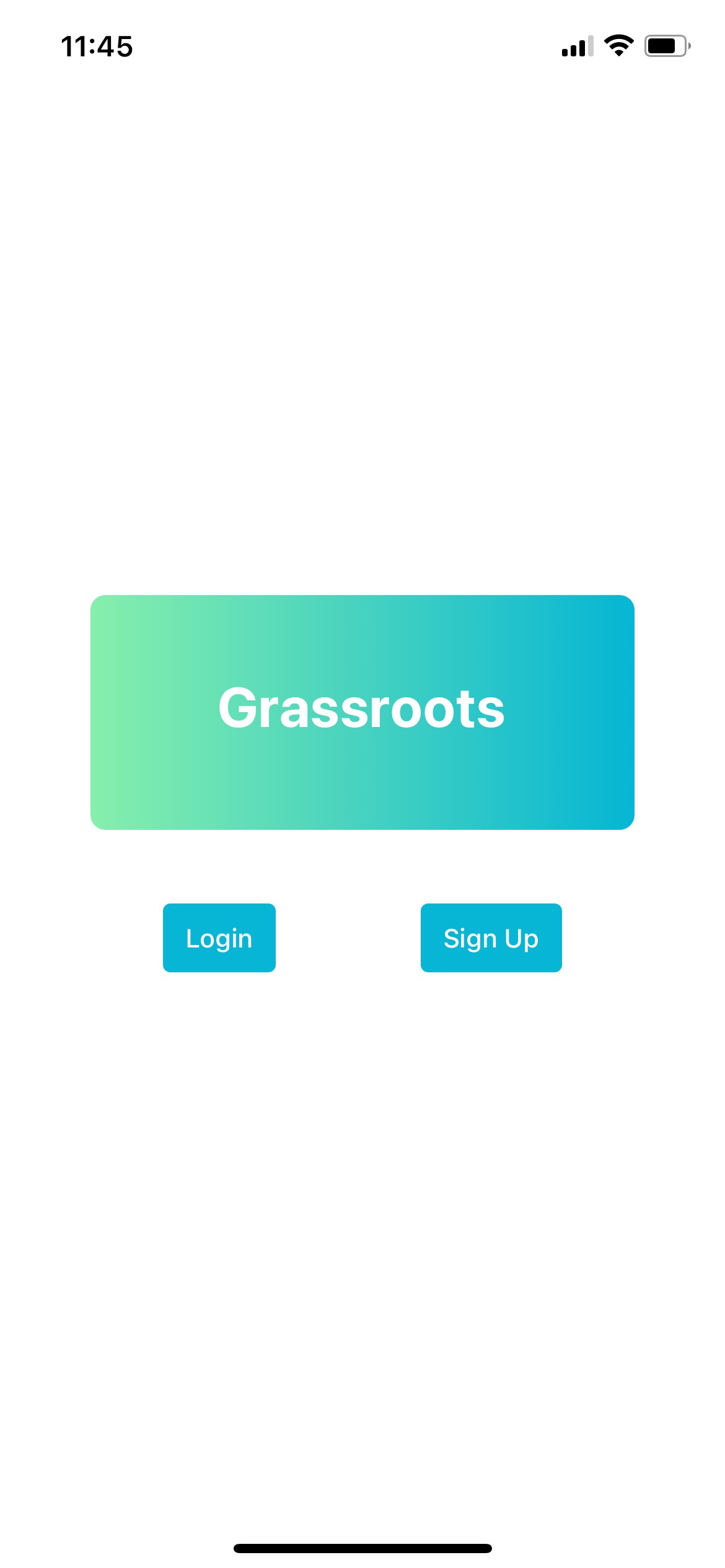
Welcome page
-
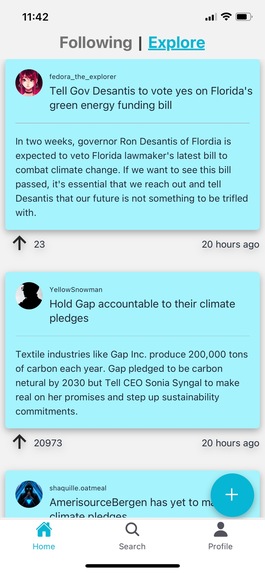
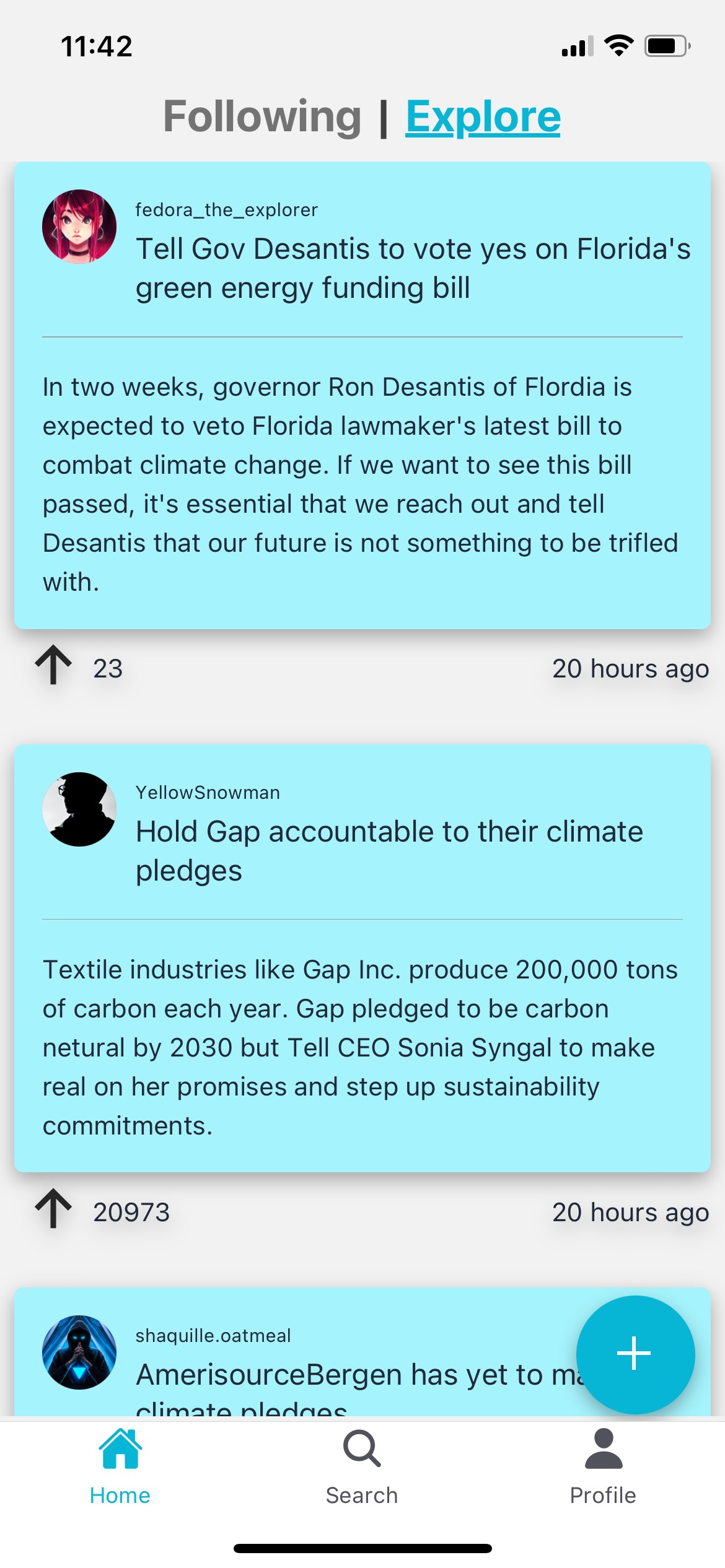
Post feed
-
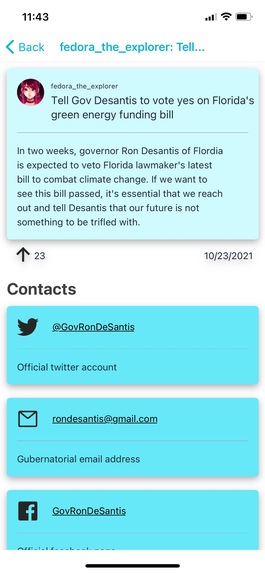
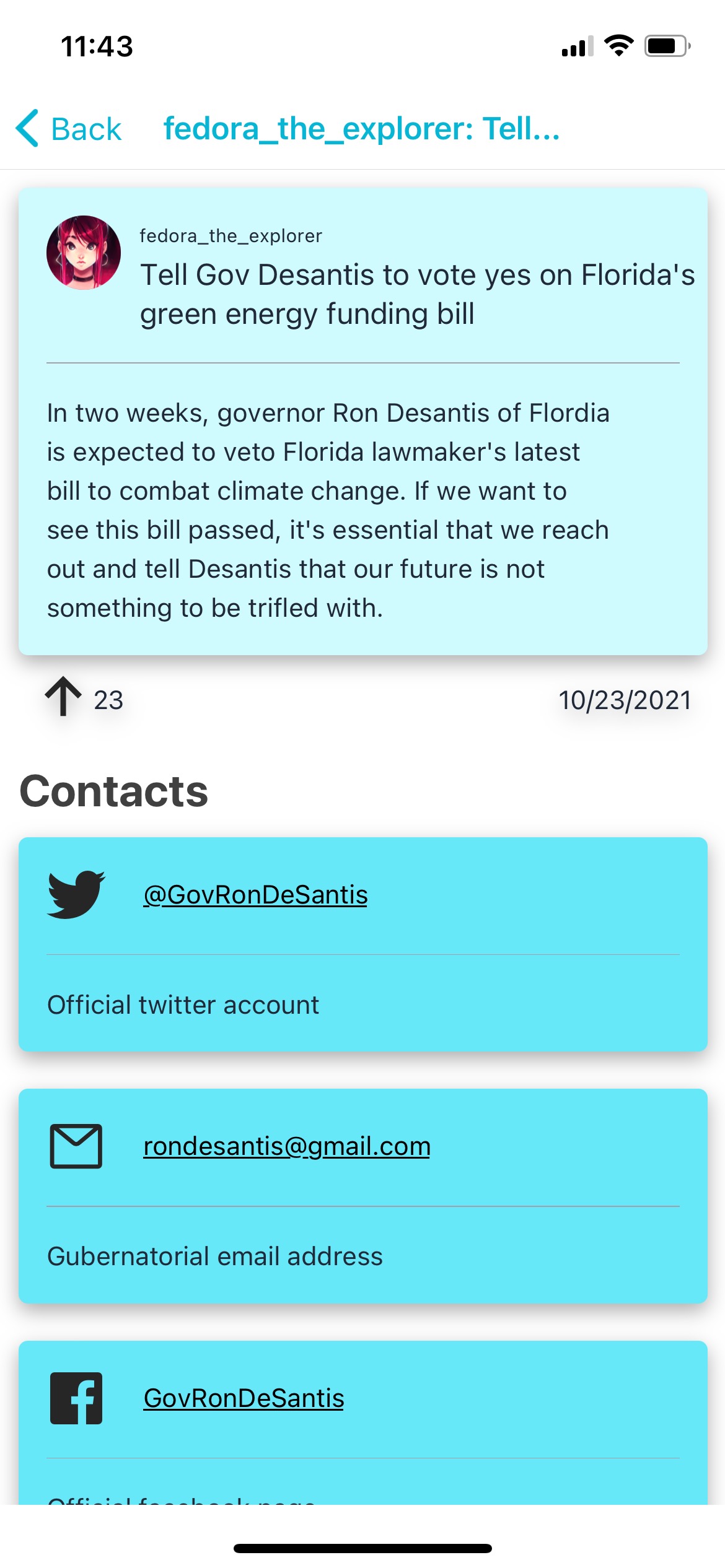
Page showing post and relevant contacts
-
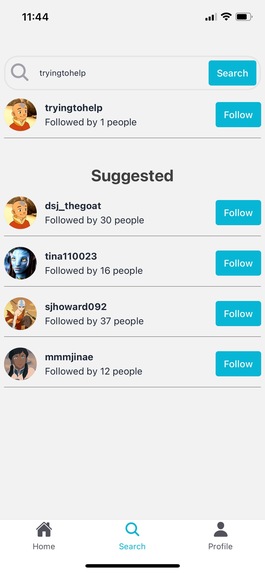
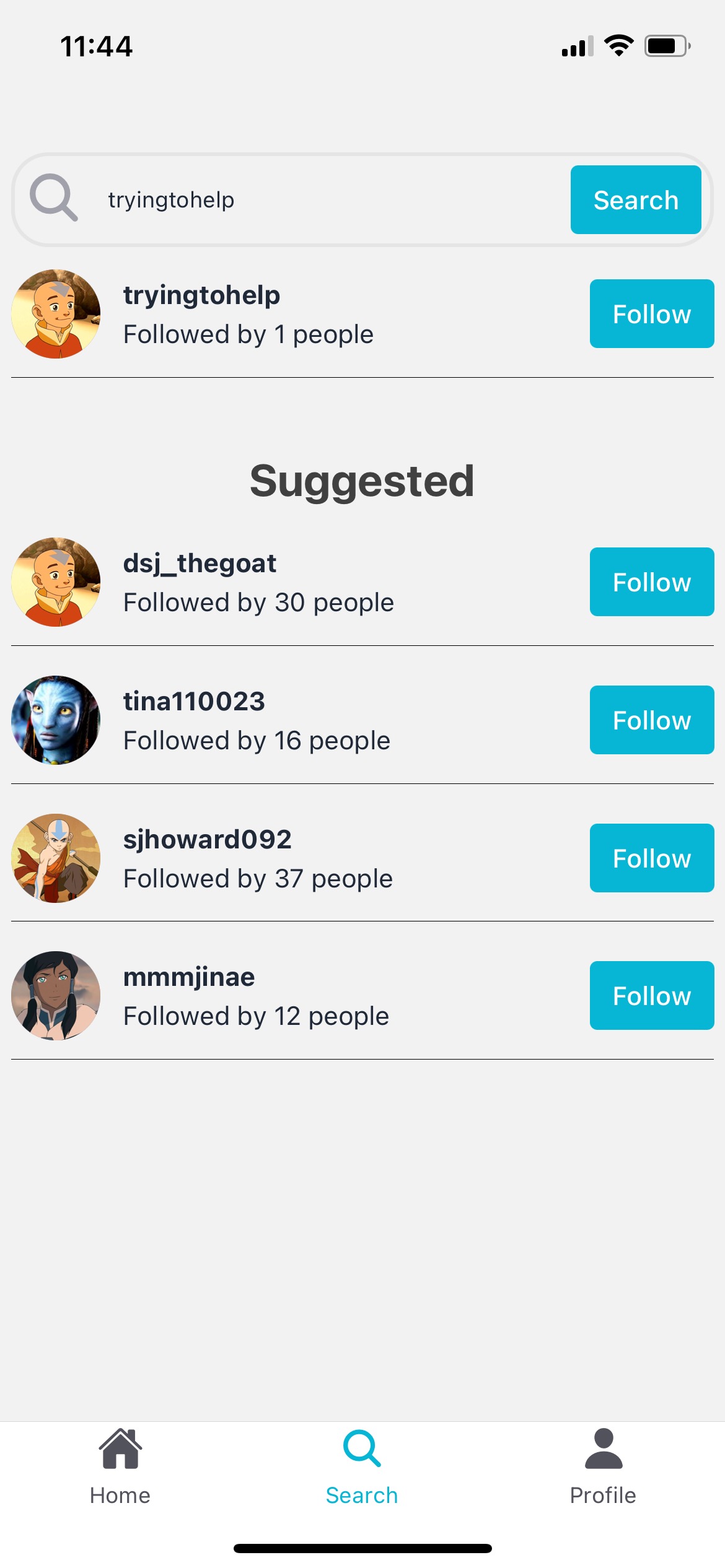
Search page
-
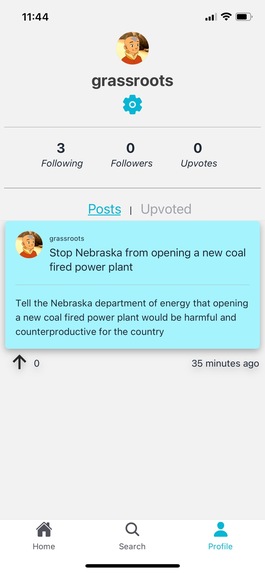
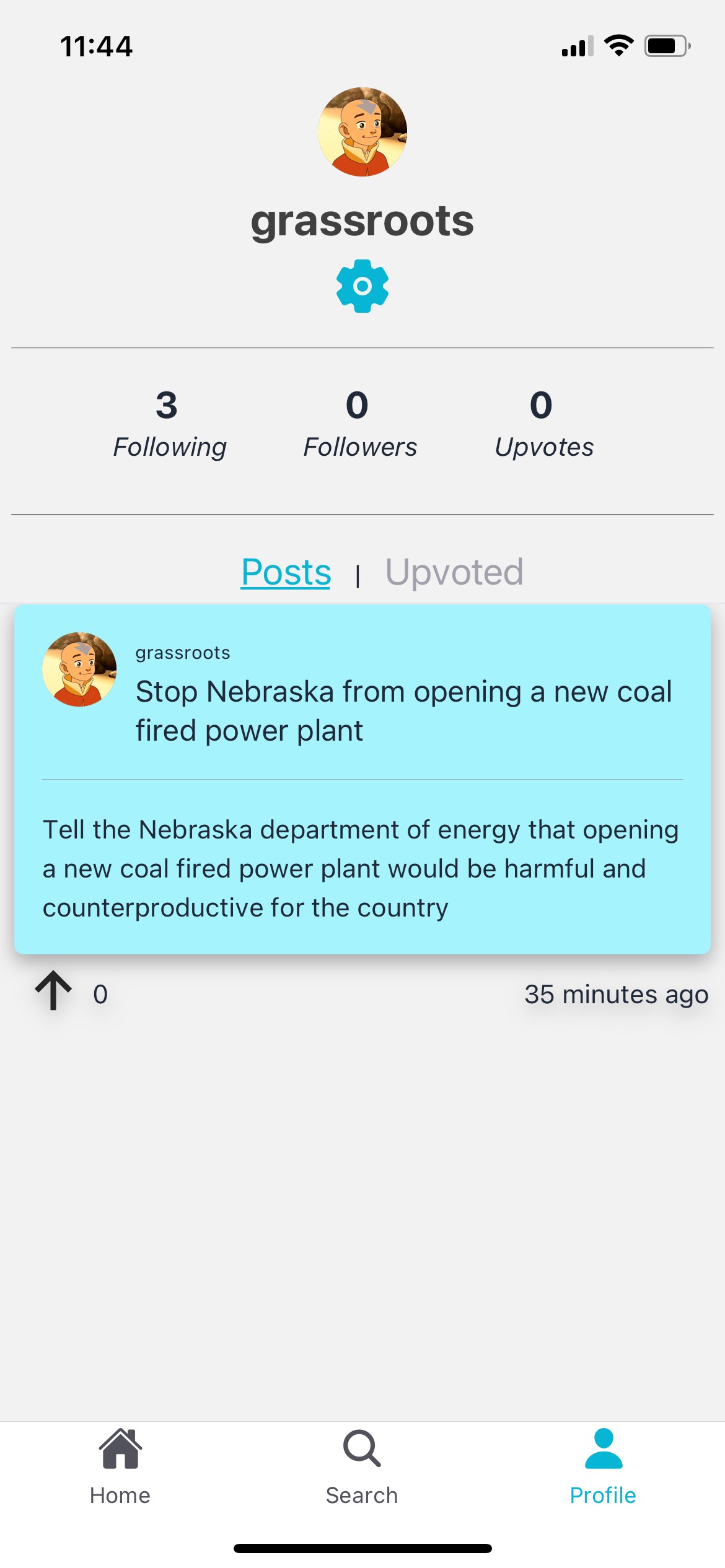
Profile page
Inspiration
For some time, corporations and governments have been redirecting the responsibility of addressing climate change onto individuals. For example, the idea of a person's "carbon footprint" was actually popularized by British Petroleum 16 years ago to divert the attention of climate responsibility from the company onto the individual. This strategy has expanded to other fossil fuel and plastic companies as well, which is meant to make us believe that only individual actions will save us from climate change. While it is true that we need all the help we can get, the vast majority of our ability to address climate change lies in the hands of a select few people in power who refuse to do what is necessary. A recent study found that just 100 companies are responsible for 71% of global emissions. Systemic change—as opposed to individual change—is far more valuable, yet we see so little of it. It’s easy to lose hope and think there’s nothing one person can do to help. However, we believe there is. One way that people can make a difference in this fight is by leading a grassroots movement and joining together to call on these companies, governments, and organizations to change.
What it does
GrassRoots is a mobile app for climate activism. You may have been told by activists to contact your local representatives about policies that matter to you. We were inspired to expand upon this idea and create an ecosystem where people can pressure those in power to make advances in stopping climate change. In GrassRoots, users can create posts that explain how a certain person or organization is in a position to cause change, and then attach these people’s contact info and encourage other users to reach out and express the need to cause this change. For example, let’s say I knew that the Governor of Florida was expected to veto an important climate bill. I could create a post that explains this situation and attach the governor’s twitter handle and email address to the post. Other users on the app could see my post and upvote it so that more people can see it too. Then, in seconds, they can tap on the contact info that I posted and automatically be taken to the governor’s twitter page or automatically open an email draft addressed to him. Ideally, the governor would receive a flood of tweets and emails showing how much people care about this issue, and hopefully choose to not veto the bill. Altogether, this creates a unique community that strengthens each other through a grassroots movement engaged in stopping climate change.
How we built it
Grass Roots is an iOS and Android mobile application built using React Native, JavaScript, NativeBase, Redux, Firebase, and Expo. The frontend and backend are both built in JavaScript using the React Native framework. We used NativeBase as a UI library for the frontend, Redux for state management, Firebase for user authentication and cloud databasing, and expo for testing and simulating. We simultaneously worked on different parts of the applications and pushed our changes to different branches in GitHub.
Challenges we ran into
We had several problems with git merges and errors that popped up because someone had made changes in the backend that the frontend was not ready to handle yet. Also, we ran into difficulties with simulating the app on Android Emulator because of incompatible versions of the expo-cli package.
Accomplishments that we're proud of
We’re very proud of our app’s functionality and close resemblance to what we had envisioned. We believe our UI is streamlined, clean, and intuitive to use.
What we learned
We learned how to make a mobile application using React Native as the framework for the front end. Half of our team was working with React Native for the first time, and the project was definitely a learning experience. Working on the app required us to pick up concepts as we went; limited familiarity with using VS Code and Expo offered a lot of opportunities to learn. We also gained experience using a cloud system such as Firebase to store data and for programming the back end of a mobile application.
What's next for GrassRoots
In the future, we hope to patch bugs and expand the functionalities of our app. We plan on letting users tag specific topics to discuss, and also expand the number of contact platforms that our app supports. We currently have integrated support for Twitter, Facebook, Email, Instagram, and Phone . We also hope to expand GrassRoots to cover other areas of activism besides climate change, such as gender equity, racial justice, and LGBTQ+ rights.


Log in or sign up for Devpost to join the conversation.