-
-
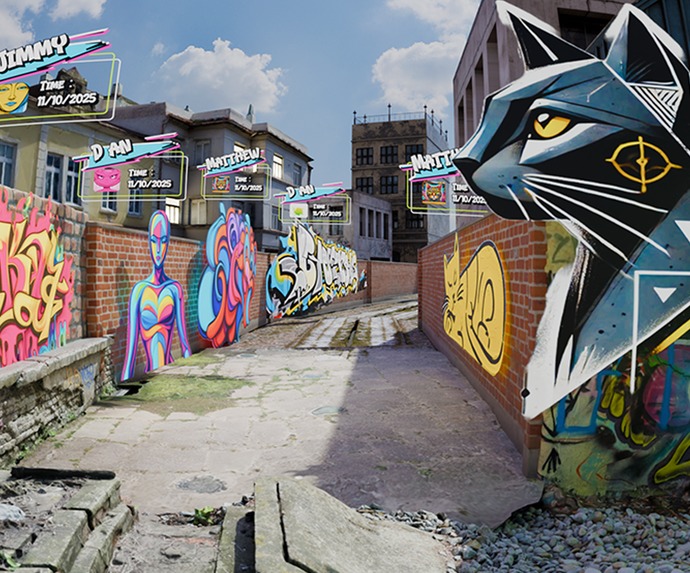
graffiti view
-
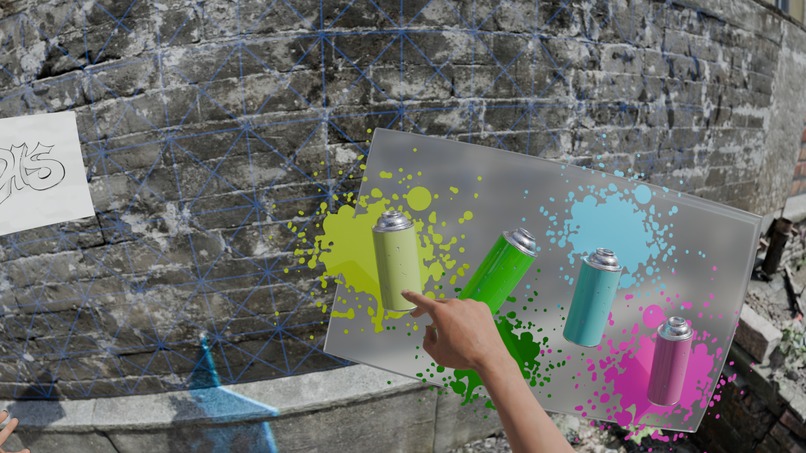
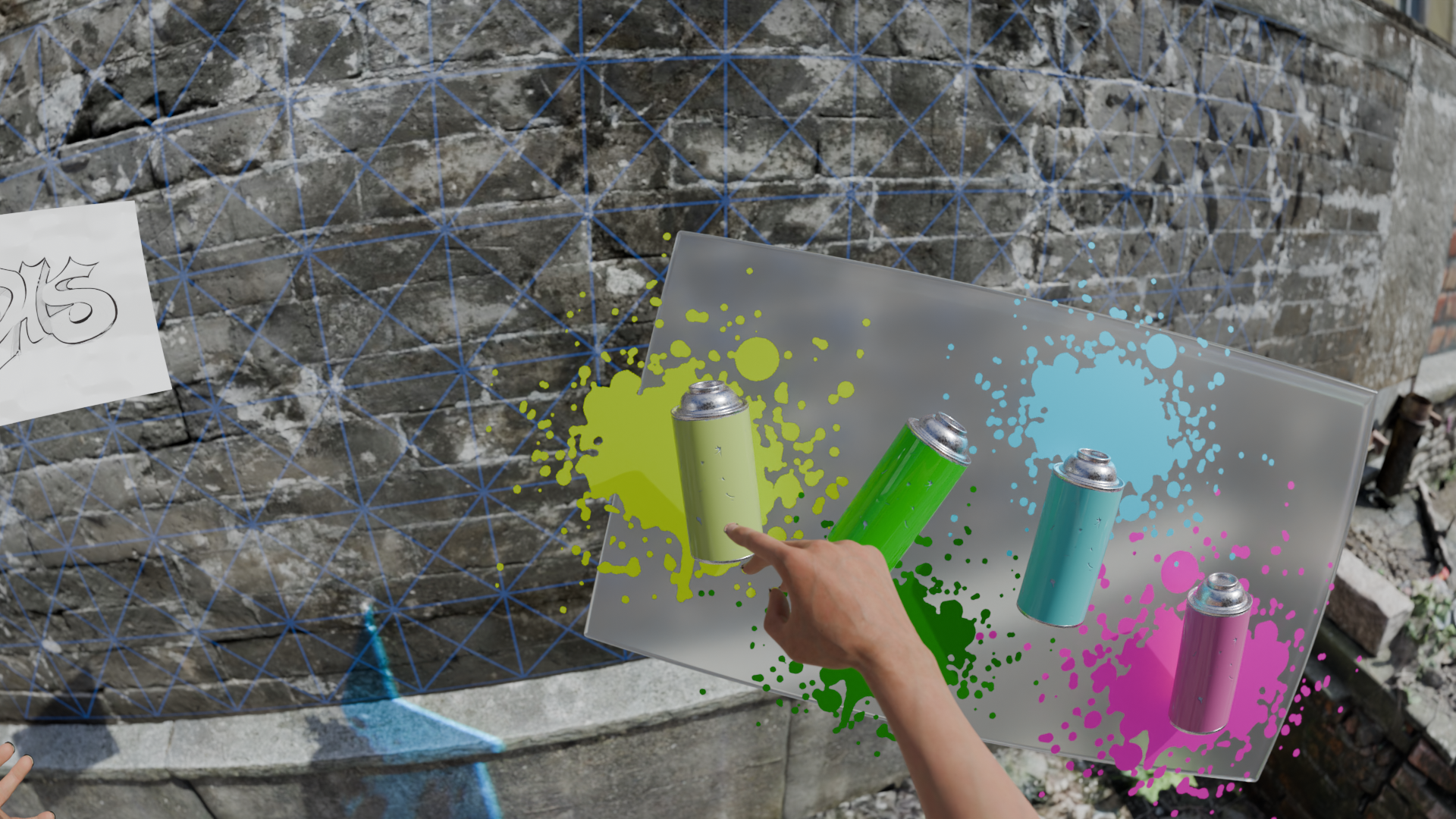
selecting spray can
-
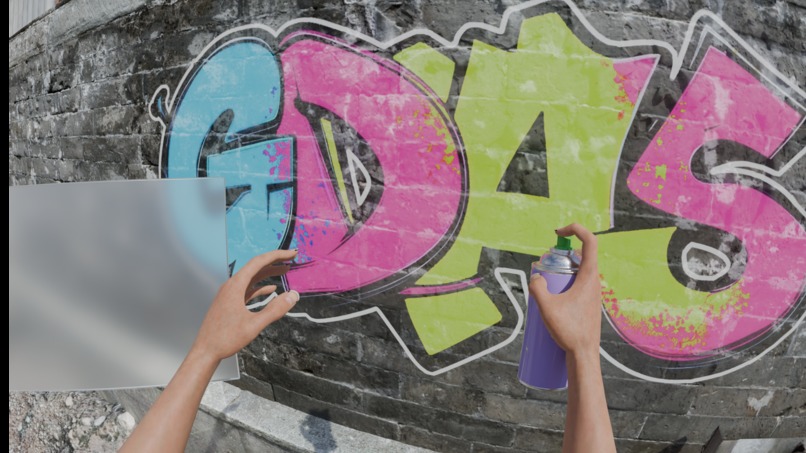
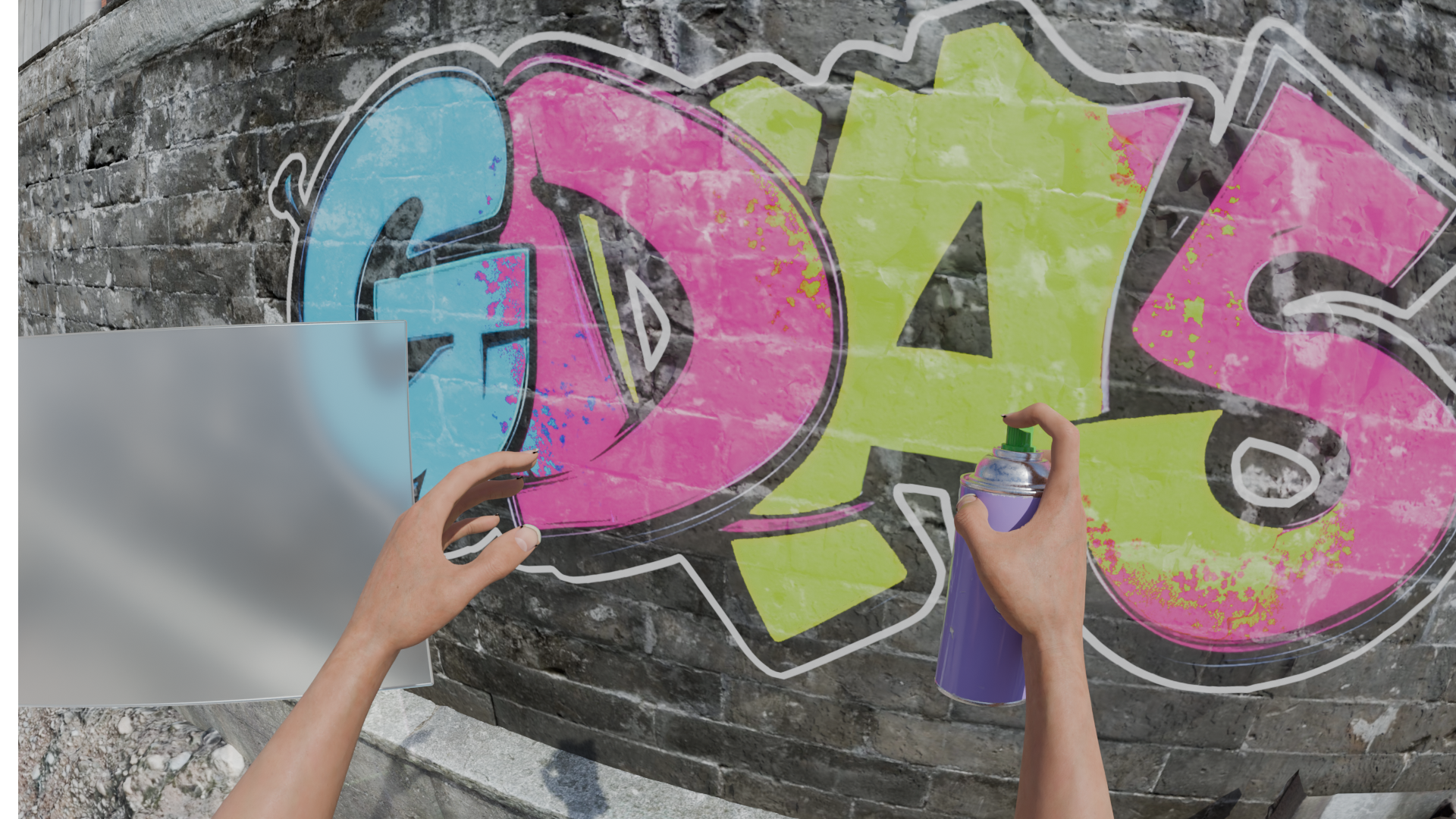
doijng graffiti
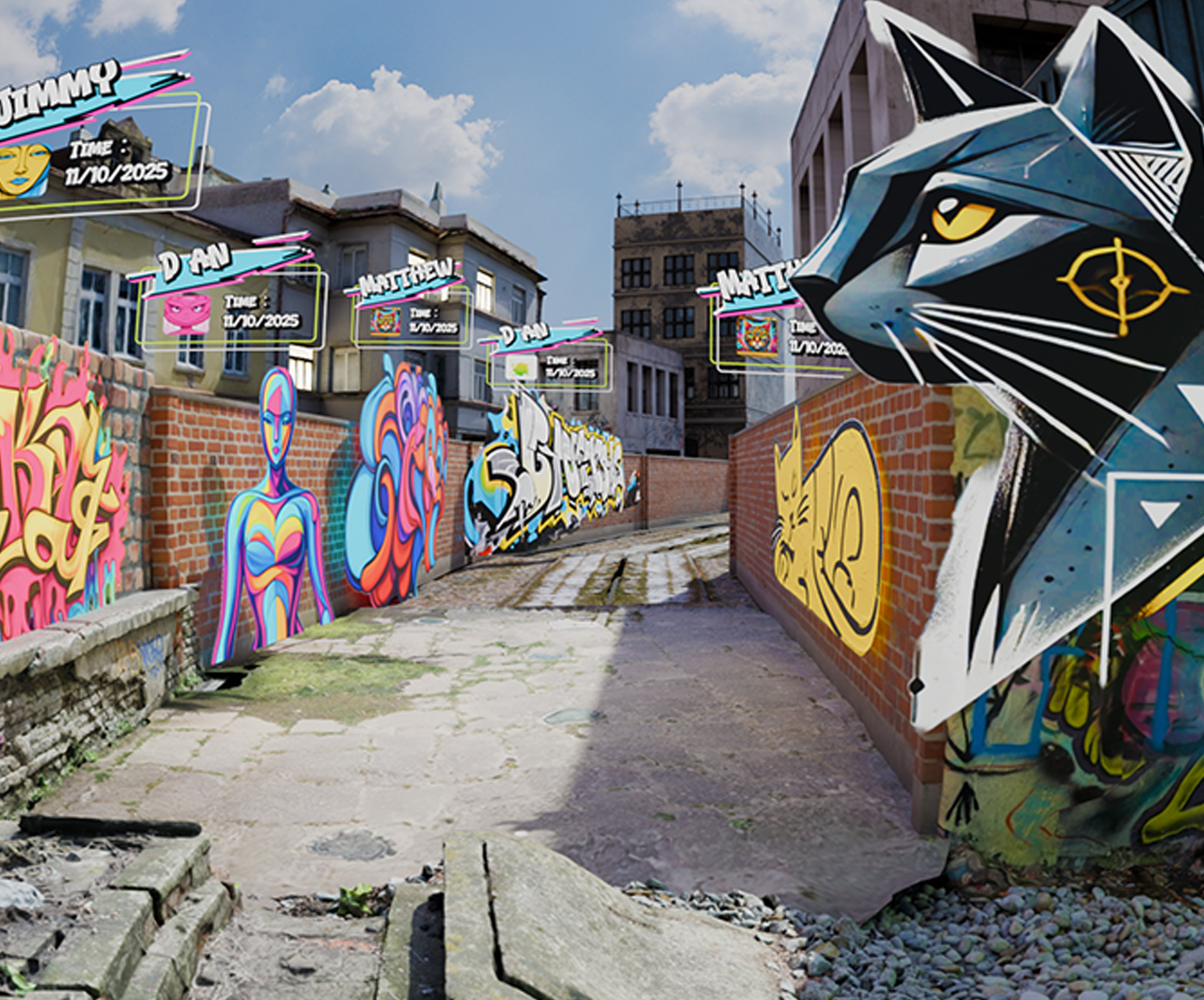
Inspiration
In some countries, graffiti is restricted, which hinders the growth of graffiti culture. Additionally, traditional graffiti can be expensive, limiting accessibility for aspiring artists. This inspired us to create a new way and a new place for graffiti to grow and thrive digitally. By using AR and VR environments, GraphAR provides a platform for graffiti to evolve as a cultural expression without physical or financial limitations.
What it does
GraphAR is a digital tool that allows users to create graffiti in AR and VR environments. With a virtual graffiti can, users can paint and design graffiti that can be placed anywhere in the virtual or augmented space. This makes it accessible for everyone to see and contributes to the creation of a digital graffiti community.
How we built it
We used Blender to design the 3D assets and Figma to create the user interface (UI). Blender was also instrumental in producing the promotional video. The development process was fast-paced, requiring us to complete the video in just three days.
Challenges we ran into
One major challenge was developing the video within a tight deadline of three days. It was difficult to make the video smooth and cohesive because we were experimenting with different elements in Blender. Additionally, the rendering process was time-consuming, adding to the pressure.
Accomplishments that we're proud of
We are proud that we managed to finish the project within the limited timeframe. Despite the challenges, we successfully created a compelling video and a functional prototype, exceeding our initial expectations.
What we learned
We learned a lot about graffiti culture, as some of our teammates were not familiar with it before. Additionally, we gained valuable experience with AR and VR technologies, particularly on the Oculus Quest 3. We also explored 2D and 3D UI design, improving our understanding of user interface and user experience design.
What's next for GraphAR
In the future, we plan to transition GraphAR to a more robust framework like Unity or similar software. This will allow us to refine the tool, improve spatial interactions, and enhance the UI and UX. We also aim to incorporate AI features and explore new possibilities to make the tool even more engaging and user-friendly.
Built With
- blender
- figma


Log in or sign up for Devpost to join the conversation.