-
-
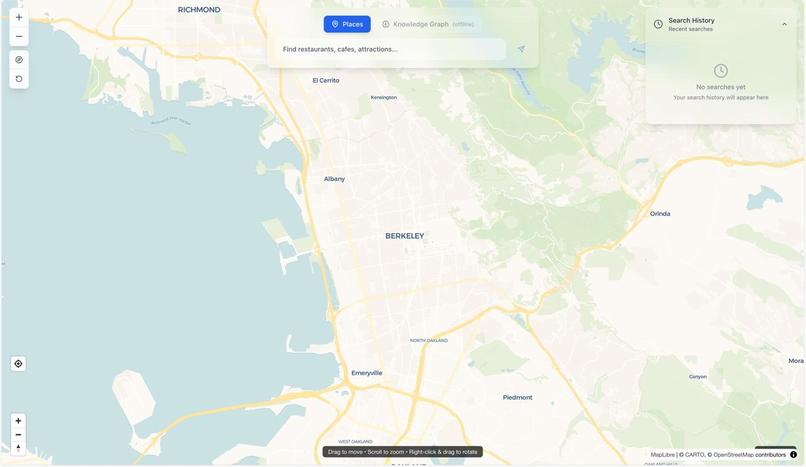
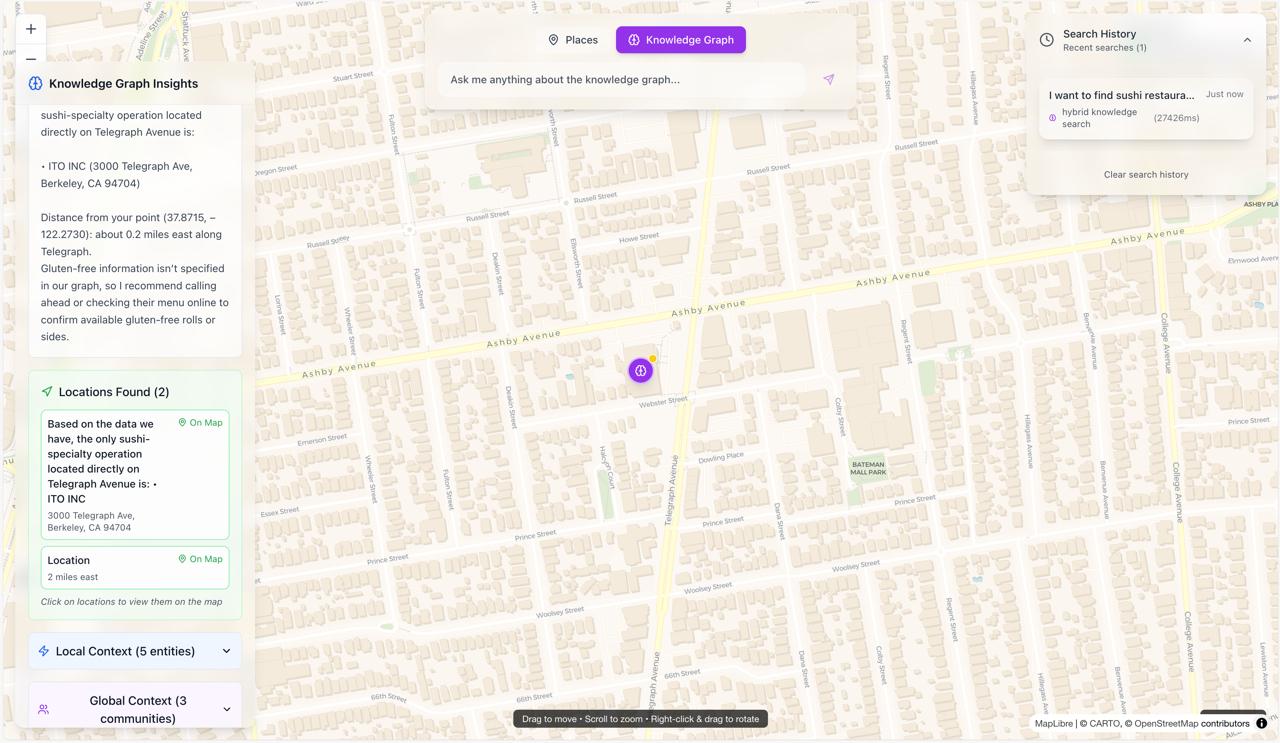
First Frontend UI
-
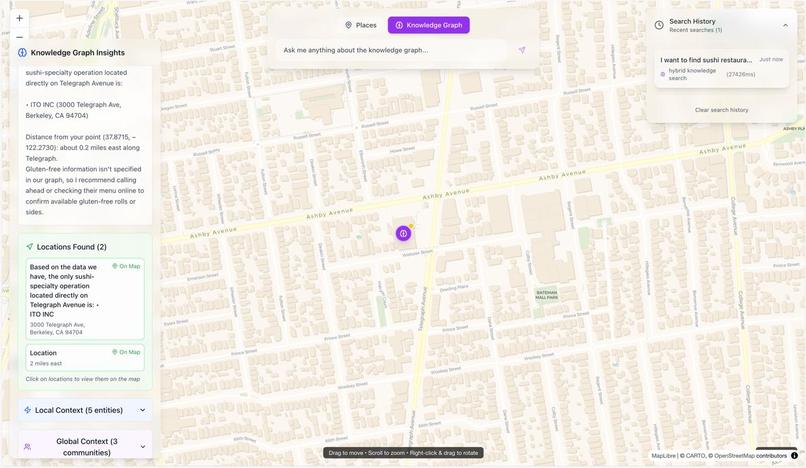
Second Frontend UI
-
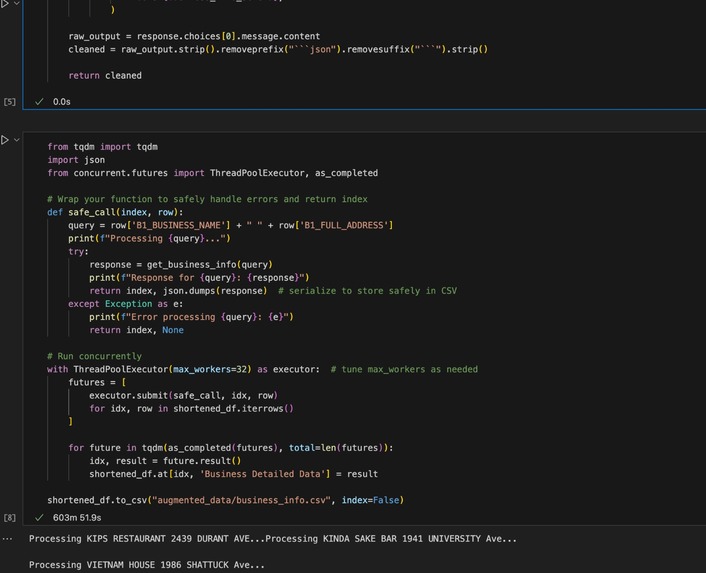
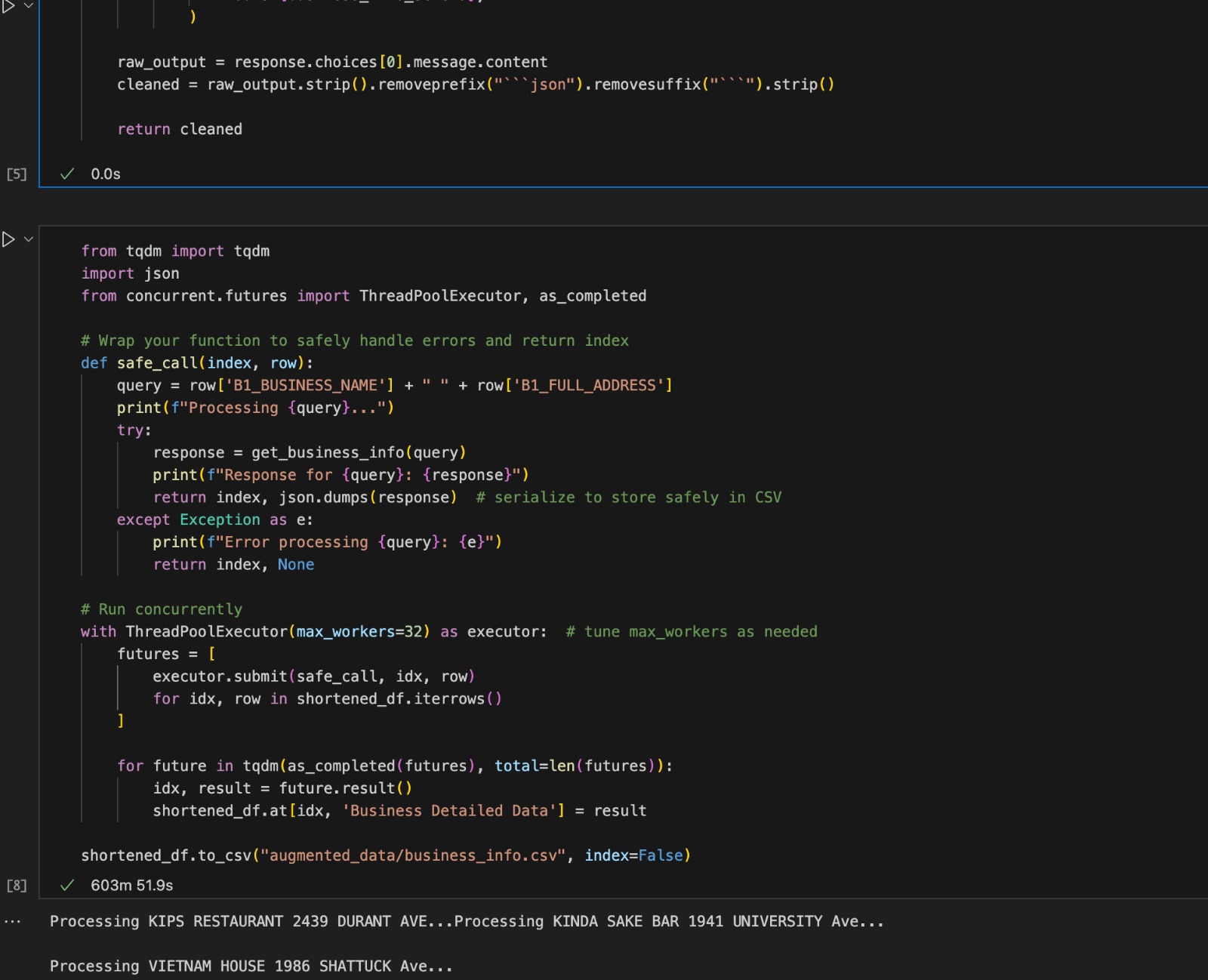
Data scraping and augmentation notebook
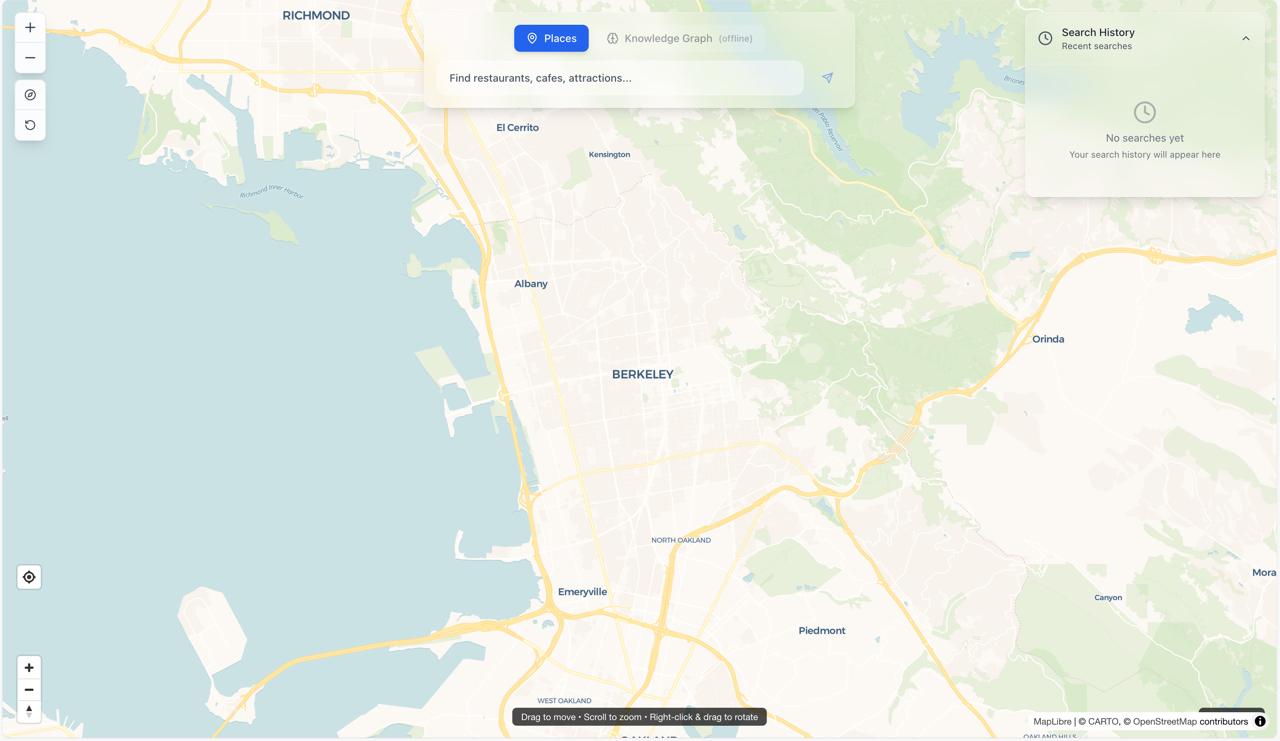
Video Demo
Inspiration
Current search is broken. Search engines rely on string matching and keyword tuning, not true understanding. With LLMs and graphs, we can rebuild search from the ground up—semantic, contextual, and interactive. We're starting with a digital twin of the real world, beginning in Berkeley.
What it does
Graph is a world-scale knowledge engine where everything is a node. People, places, facts, and memories are embedded in a graph through LLMs and GraphRAG. Users can search the entire graph in natural language, visualize the connections, and even place themselves inside it. You can query a building, a person, or an event, and get a response that knows how it's all linked—contextually and relationally.
How we built it
We used:
- Python and various LLMs to intensely augment the data
- FastAPI to handle LLM requests and orchestrate backend services
- GraphRAG to build context-aware graph data structures
- Azure OpenAI and Claude to fetch embeddings and perform agentic workflows
- React + TypeScript for a fast, smooth frontend
- Gemini for multimodal agent capabilities
- GraphQL to structure graph queries
- Cloudflare + Azure Foundry for scalable hosting and caching
Each node in the graph holds a vector, powered by Azure’s text-embedding-3-large. Our server connects these embeddings to LLM outputs in a real-time interactive interface.
🤝 Sponsors + Products We Used
- Azure OpenAI – GPT-4o + o4-mini for embedding, classification, and multi-modal understanding
- Anthropic – Claude for rich, long-form scraping and agentic workflows
- Gemini – Pro model used for image + text understanding, redundancy checking
- Letta AI – Agent routing, orchestration, and multi-agent memory handling
- Vapi – Voice interface (in progress) for real-time audio interactions
- Fetch AI – Used for real-time planning agents and knowledge graph updates
Challenges we ran into
- Graph complexity: Making vectorized nodes traversable in real time while keeping contextual awareness
- LLM integration: Getting Claude, Gemini, and Azure GPT-4o to work smoothly in parallel agent workflows
- Latency and cost: Balancing responsiveness with API rate limits and inference pricing
- Frontend–graph sync: Visualizing real-time graph updates was tricky to optimize
Accomplishments that we're proud of
- Built a full LLM-powered GraphRAG stack end-to-end in one weekend
- Fully integrated Claude, GPT-4o, Gemini, and Fetch into agent workflows
- Designed a real-time graph search UX where users can explore knowledge as a map
- Used cutting-edge tools like Azure Foundry and Cloudflare Vectorize to scale intelligently
What we learned
- Agent workflows are powerful but chaotic. Memory, planning, and tools need strict control
- Vector databases and graph databases are very different beasts, but we merged them effectively
- Building with multiple LLM providers (OpenAI, Anthropic, Google) unlocked new use cases and capabilities
What's next for Graph
- Make it multiplayer: users can collaborate in a shared knowledge space
- Zoom out: bring in more cities, institutions, and data sets
- Decentralize: users can own their nodes and control what they share
- Release a public search portal to explore the Berkeley knowledge graph in real time
- Add interactive voice agent integration using Vapi or other tools
Built With
- claude
- fastapi
- gemini
- graphql
- graphrag
- openai
- python
- react
- typescript


Log in or sign up for Devpost to join the conversation.