-
-
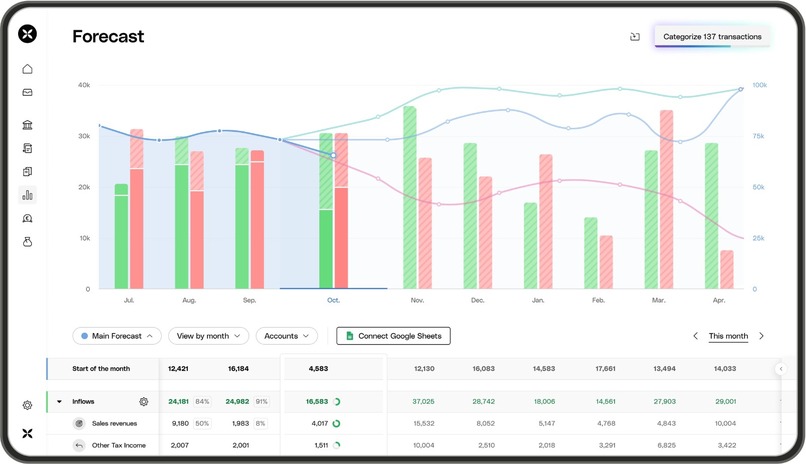
1. Main dashboard Income, expenses, and projected cash flow.
-
-
-
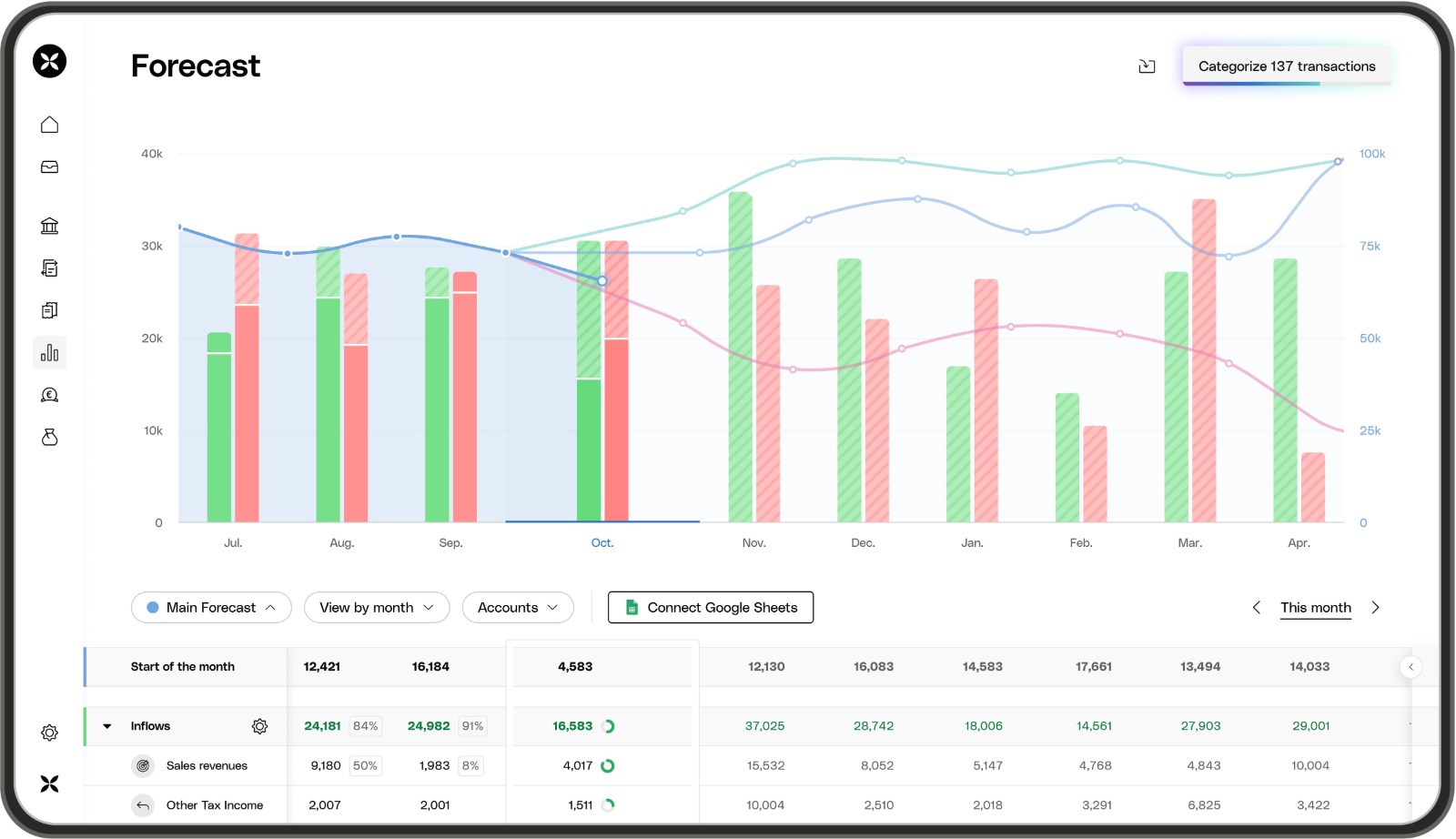
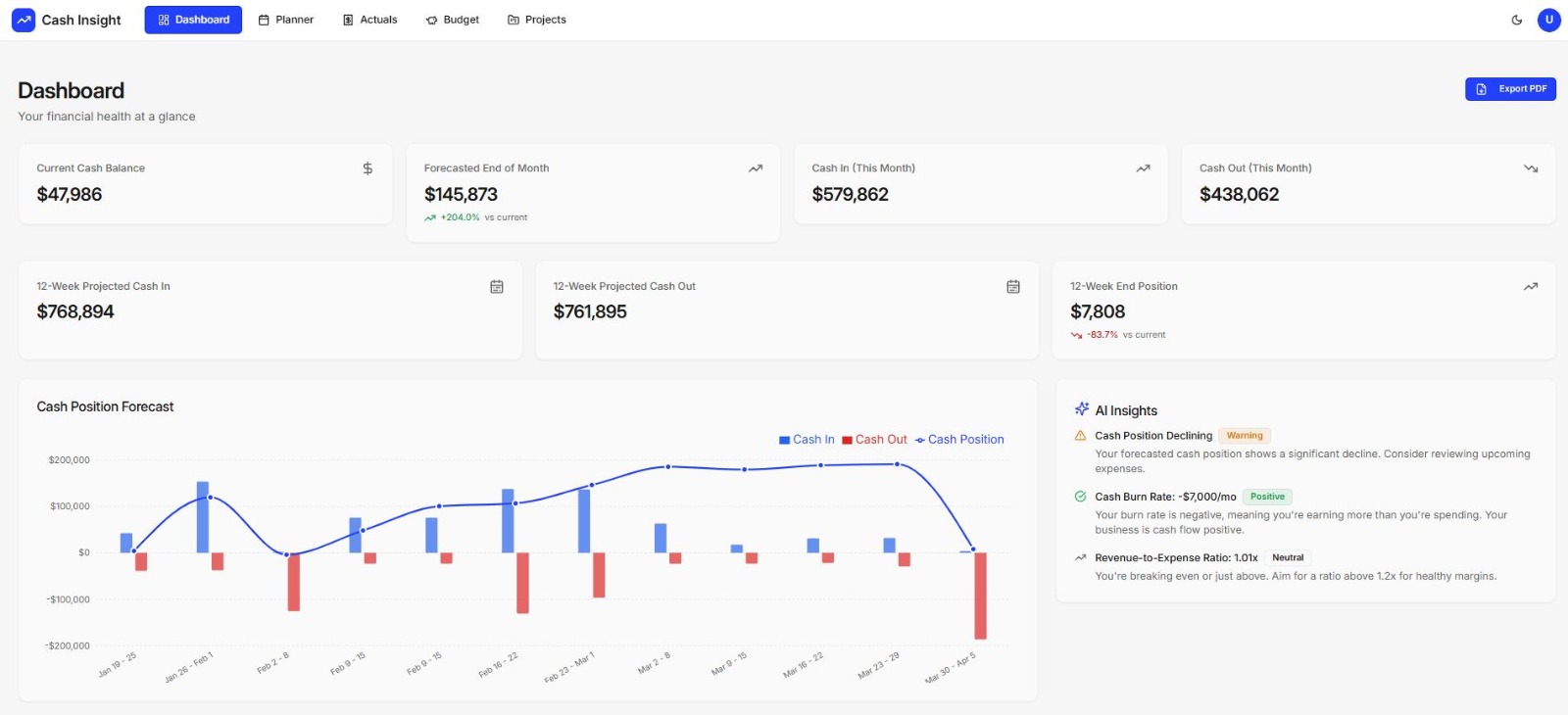
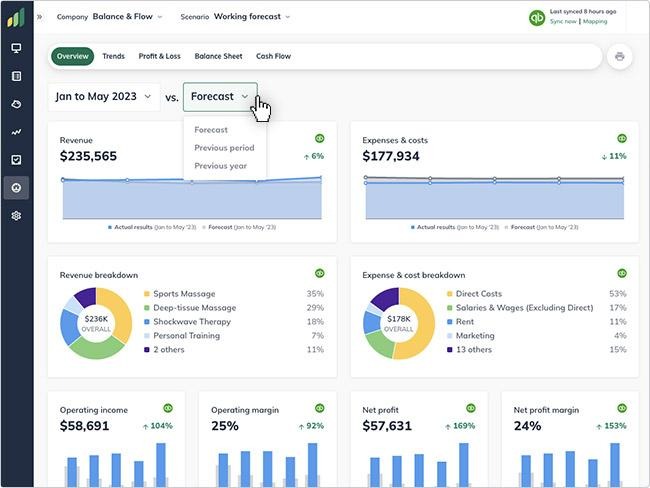
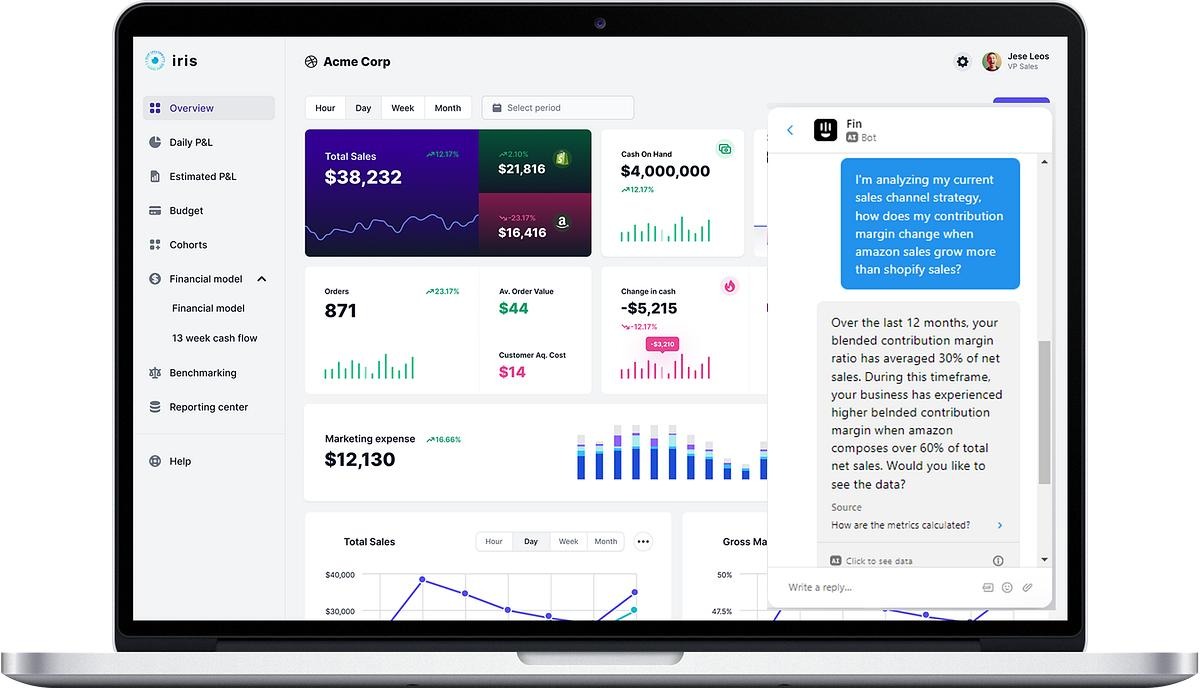
Inspiration Small businesses, rural entrepreneurs, and self-help groups often face financial difficulties because they cannot easily predict future cash shortages or identify financial risks early. Many make business decisions based on past experience without having a clear picture of their future income and expenses. This inspired us to build GramPulse AI, an AI-powered financial early-warning system that helps small businesses understand their financial health and make better decisions.
What it does? GramPulse AI analyzes financial information such as income, expenses, savings, and loan repayments to estimate future cash flow and identify possible financial risks.
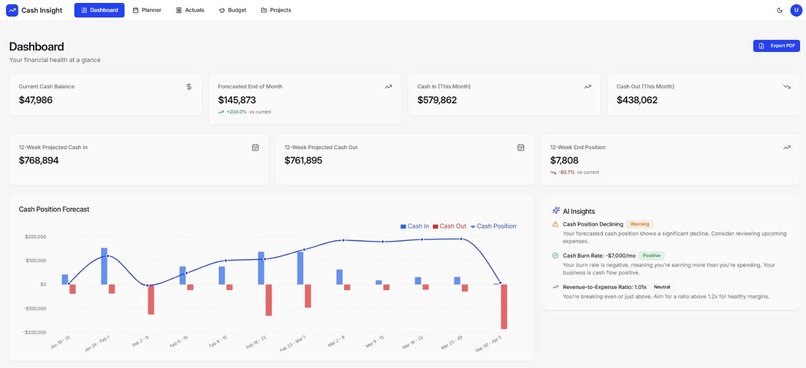
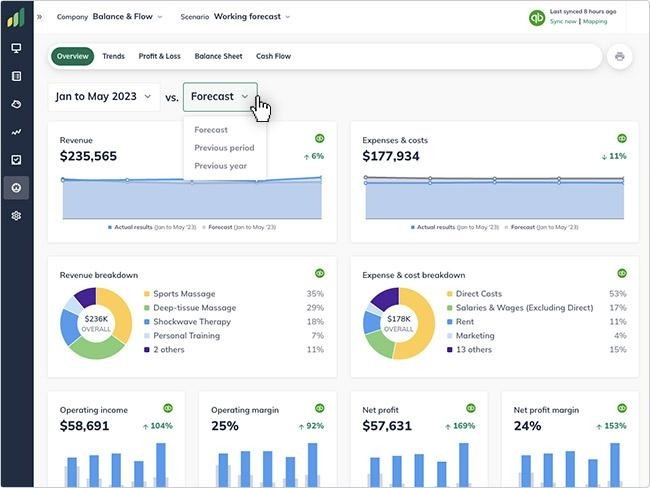
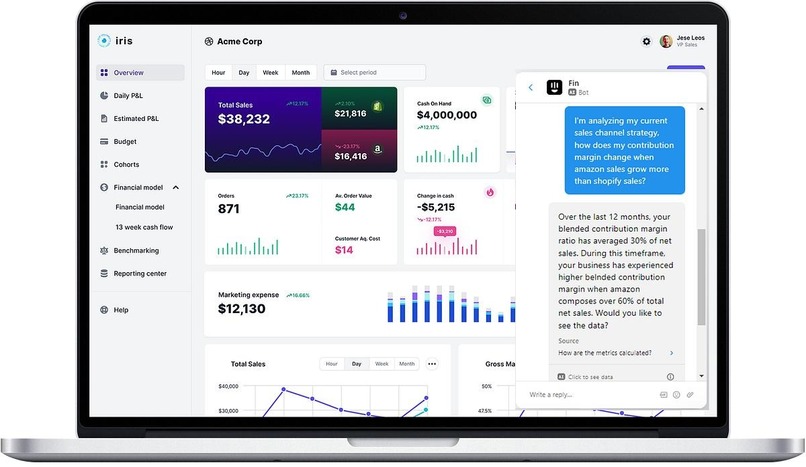
Key features include: 1)Cash Flow Forecasting: Estimates future income and expenses using historical financial data. 2)Early Risk Alerts: Highlights possible cash shortages, falling income, and upcoming repayment difficulties. 3)AI Financial Assistant: Explains financial risks in simple language and suggests practical actions. 4)Business Health Insights: Presents financial trends and risk indicators through an easy-to-understand dashboard. 5)Accessible Interface: Provides a simple, mobile-friendly experience for small business owners and rural entrepreneurs.
How we built it? The project is designed as a web application with a React frontend and a Python FastAPI backend. Python-based data processing and forecasting methods analyze financial records and estimate future cash flow. An NVIDIA Nemotron model accessed through Nebius is intended to power the AI assistant, helping users understand the analysis and receive contextual recommendations. The dashboard brings together forecasts, financial indicators, and risk alerts in one place. The system is designed to use sample financial records for demonstration, avoiding the need to expose real users' sensitive financial information.
Challenges we faced? One of the main challenges was turning financial data into useful information that a small business owner can understand. Another challenge was separating numerical forecasting from AI-generated explanations so that recommendations are based on the available data rather than unsupported assumptions. Designing a simple interface while keeping the system useful and reliable was also an important consideration.
What we learned? Through this project, we explored how AI models, data analysis, forecasting, and web development can work together to address a real-world problem. We learned the importance of presenting predictions clearly, handling incomplete data, and communicating uncertainty instead of treating forecasts as guaranteed outcomes.
What's next? Future improvements include multilingual support, integration with authorized digital transaction records, better forecasting using seasonal business patterns, and personalized alerts. Our goal is to make financial insights more accessible and help small businesses recognize risks before they become serious problems.
Built With
- artificial-intelligence
- data-visualization
- fastapi
- financial-technology
- machine-learning
- nebius
- nvidia-nemotron
- predictive-analytics
- python
- react
- rest-api
- tailwind

Log in or sign up for Devpost to join the conversation.