Inspiration
Grading written work is slow, and students often get a bare mark with little explanation. Teachers have rubrics, but applying them consistently across dozens of scripts is tiring, and fully automated AI grading isn't trustworthy enough to hand students a score unchecked. We wanted a tool that saves teachers time without taking the final decision away from them: AI drafts, the teacher decides.
What it does
GradeLens is a rubric-based evaluation platform with two roles.
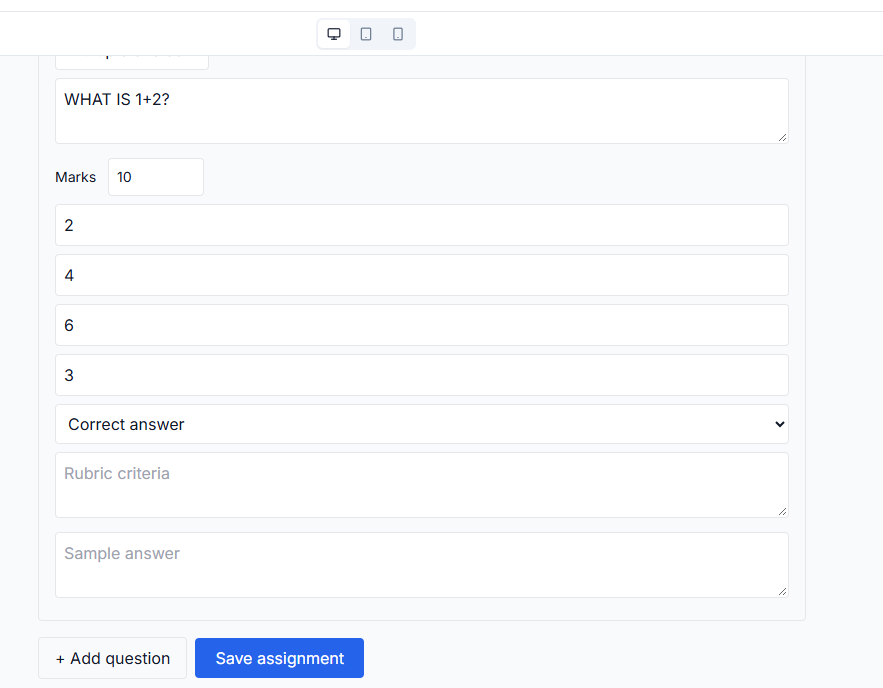
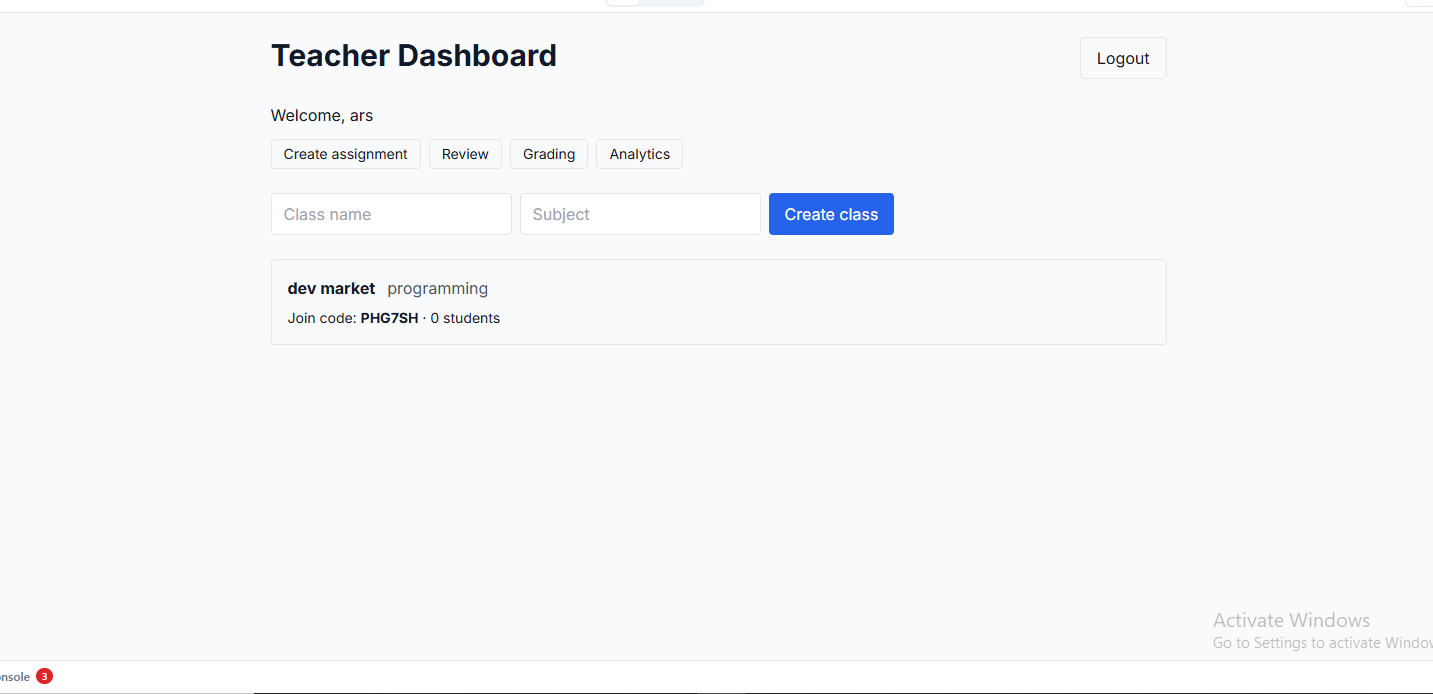
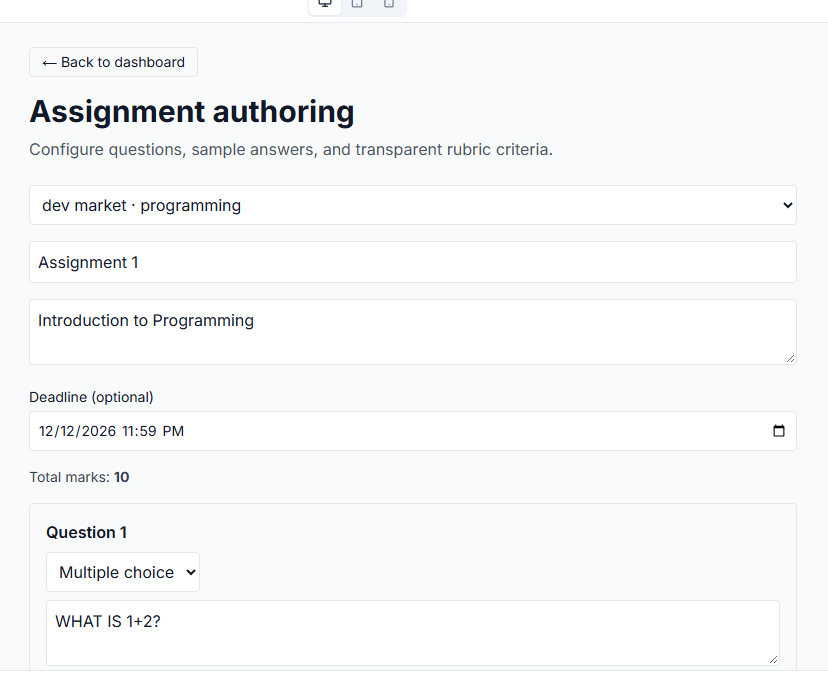
- Teachers create classes with join codes and build assignments with MCQ, short-answer and written questions. Each written question carries its own rubric and sample answer.
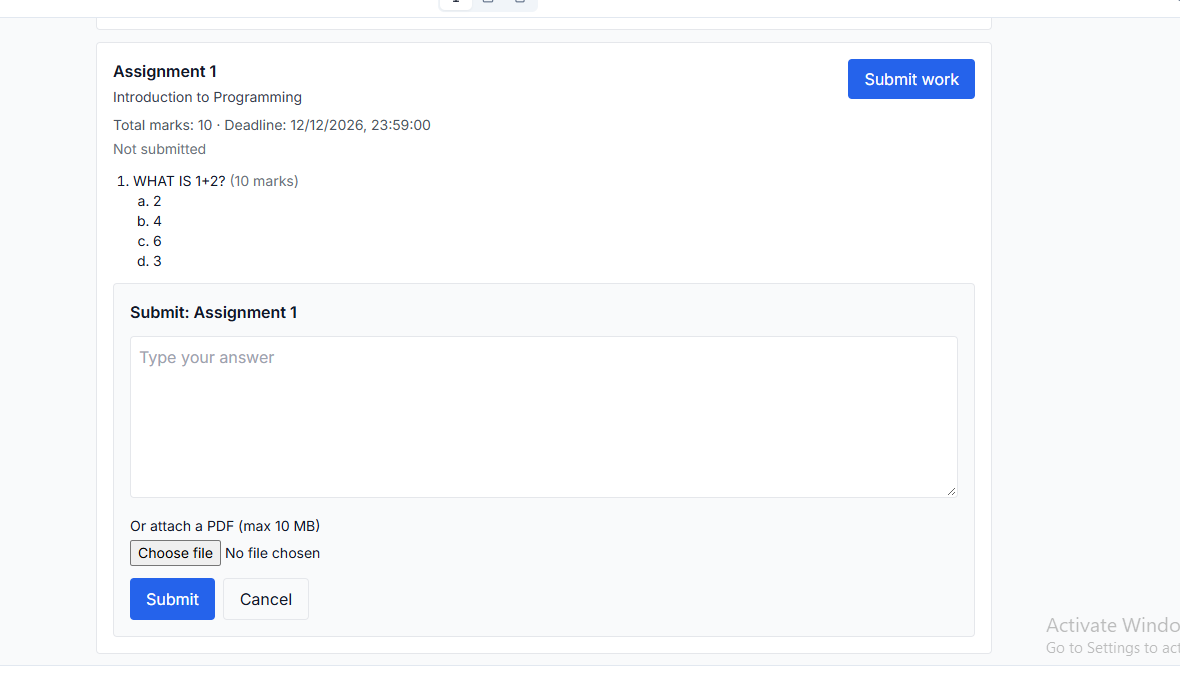
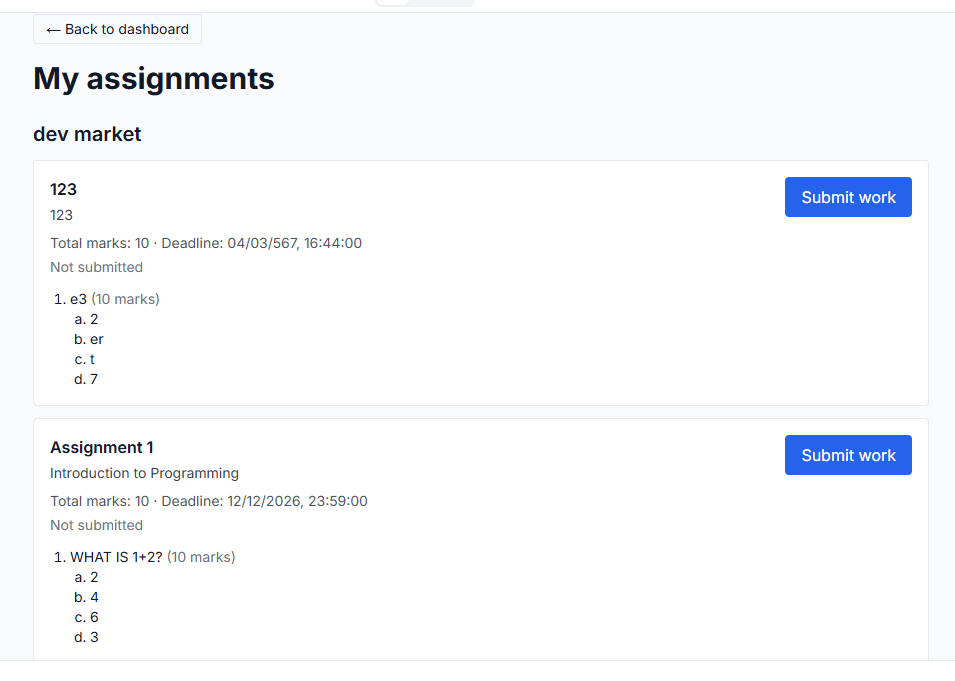
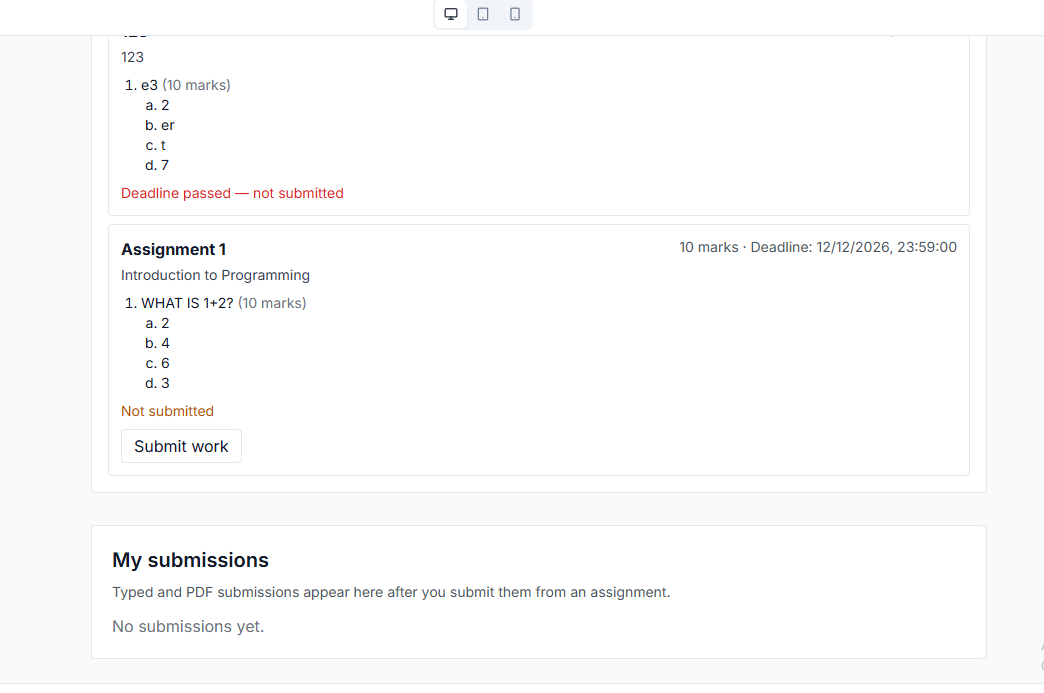
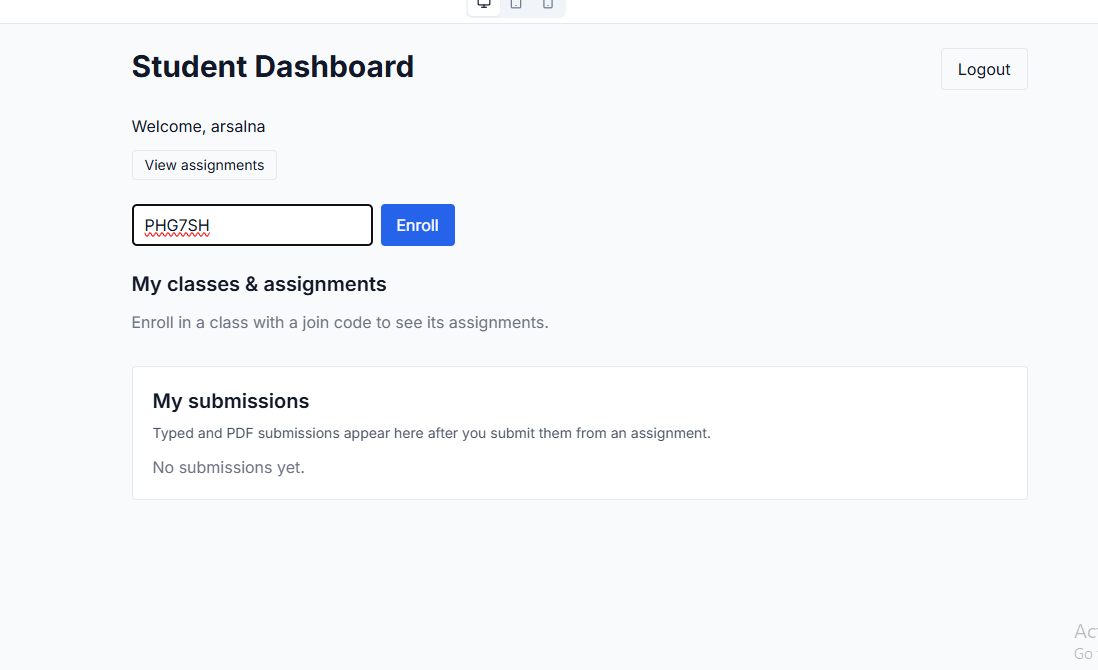
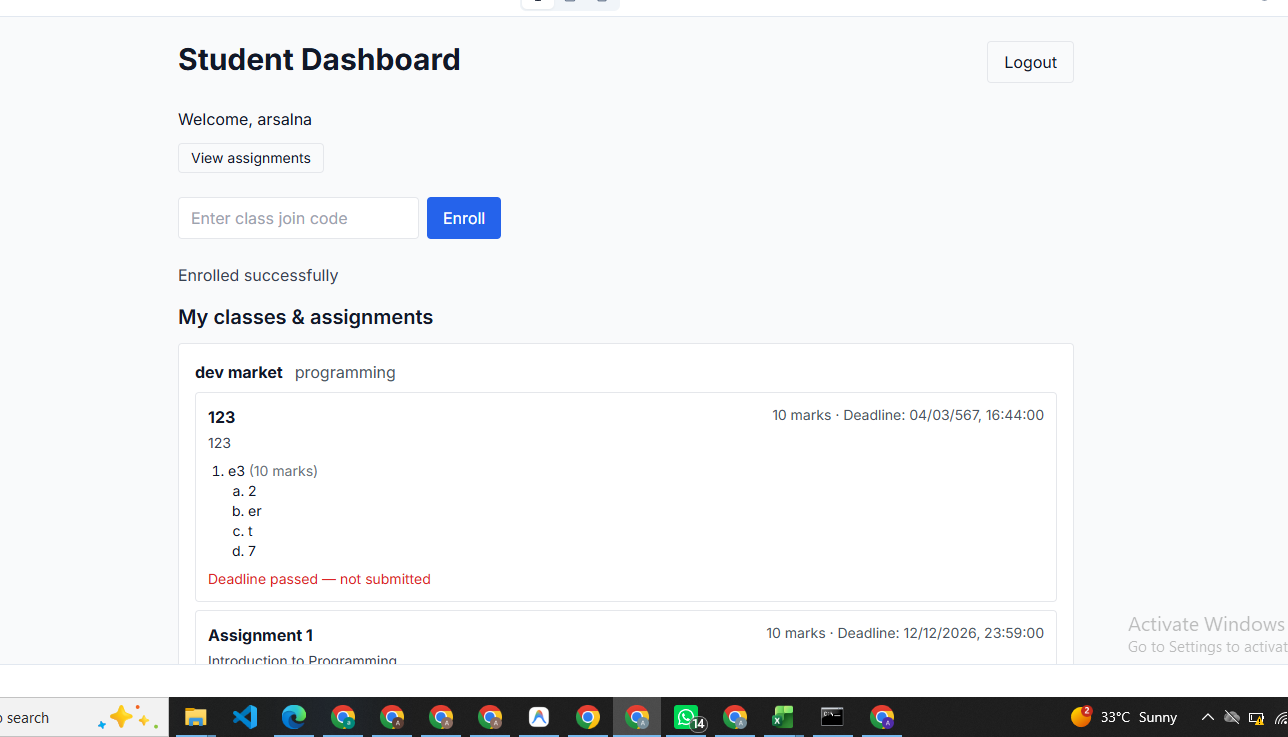
- Students enroll with a join code and submit typed answers or a PDF, subject to server-enforced deadlines and one submission per assignment.
- Grading: MCQs are auto-graded. Written answers are drafted by a Groq-hosted LLM against the teacher's rubric, producing a score, feedback, strengths, gaps and suggestions.
- Teacher review: teachers see the AI draft, edit scores and feedback, and approve before anything is released. Students never see AI draft fields or unapproved results.
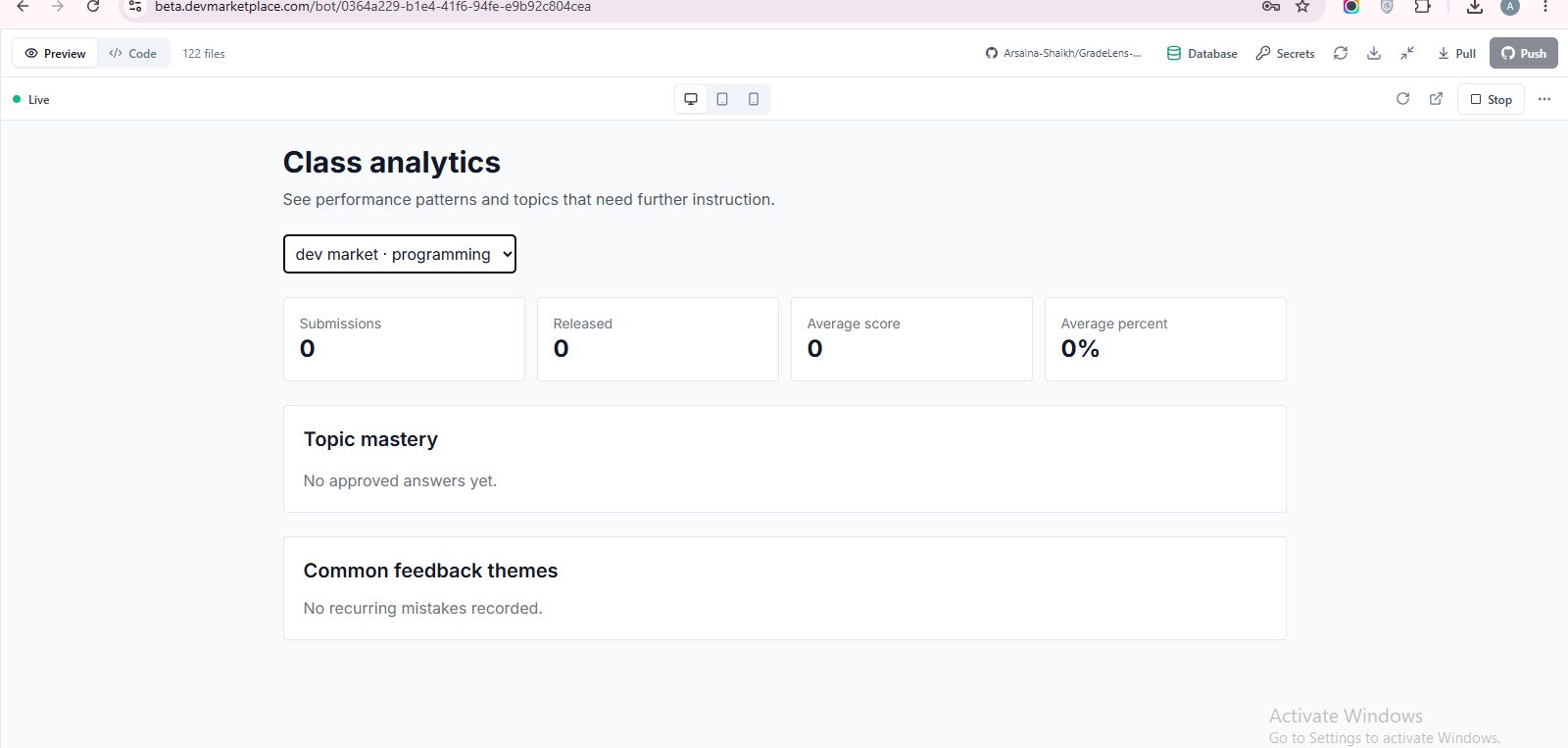
- Reports and analytics: released results come with a downloadable PDF feedback report, and teachers get analytics on their own classes.
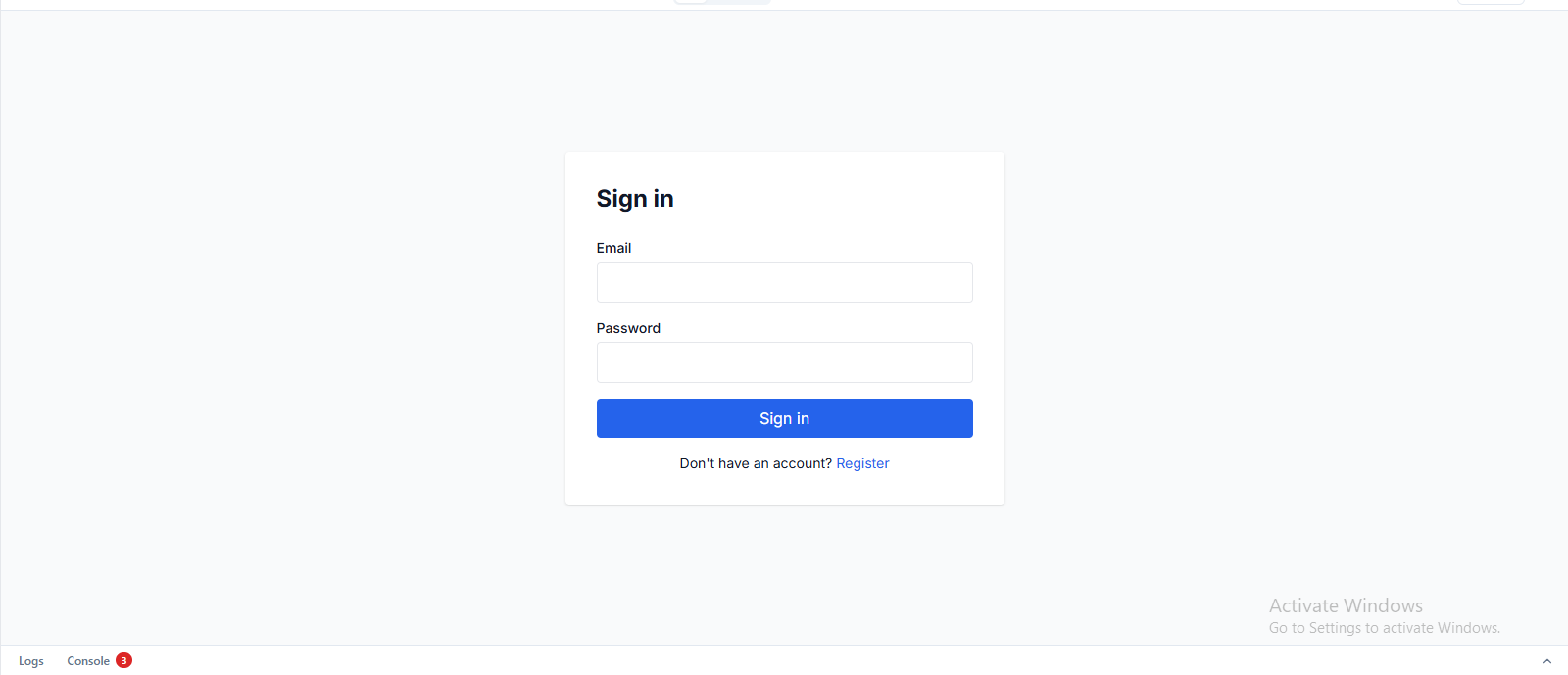
- Security: it includes JWT auth, optional TOTP two-factor login, and role and ownership checks on every endpoint.
How we built it
- Backend: FastAPI, SQLAlchemy 2, Alembic migrations and PostgreSQL, with business logic in services and thin routers.
- Auth: JWT with scoped tokens (access versus 2FA), bcrypt through passlib, TOTP through pyotp, and rate limiting on failed logins and 2FA attempts.
- AI grading: LangChain's ChatGroq, with LLM output validated as JSON (required keys, score within 0 to the question's marks, lists of strings). It retries once, and if the output is still invalid it flags the answer for manual grading.
- Documents: PDF upload checks (magic bytes, 10 MB limit, random filenames), optional OCR fallback for scanned work, and fpdf2 for feedback reports.
- Frontend: Next.js 14 (App Router), React and Tailwind, with API calls going through a same-origin
/apiproxy. - Process: we used an
AGENTS.mdwith project rules and small, focused commits, and logged AI-assisted work inAI_DISCLOSURE.md.
Challenges we ran into
- Silent failures: optional routers load defensively so auth stays up, but that also hid errors. A syntax error in the assignments router silently disabled the whole module.
- Login bug:
submissionshas two foreign keys tousers(the student and the releasing teacher), which made SQLAlchemy's relationship mapping ambiguous. Every query onUserreturned a 500, and the UI only showed a generic "Login failed". - Trusting AI output: LLM responses can be malformed or out of range, so we needed strict validation, a retry and a manual-review fallback.
- Privacy boundaries: making sure a student can never receive draft or unapproved fields took careful schema design and tests.
- Deployment: a preview proxy, a platform-managed database schema and Alembic had to work together without creating duplicate tables.
- Frontend structure: we had both a root
app/folder and a parallelfrontend/src/apptree, so some pages were unreachable until we re-exported them.
Accomplishments that we're proud of
- A human-in-the-loop design where the AI never releases a grade on its own.
- Server-side enforcement of deadlines, ownership, roles and release status, rather than relying only on the UI.
- A grading pipeline that fails safely: invalid AI output is flagged for manual grading instead of being trusted.
- Security hardening beyond the basics: scoped JWTs, 2FA, rate limiting, security headers and request IDs.
- Debugging and fixing the login failure from a single misleading error message down to its root cause.
- Clear documentation and an AI-disclosure trail.
What we learned
- Generic error messages hide real bugs, and surfacing the actual failure saves hours.
- Optional or defensive loading needs logging and tests, otherwise whole features disappear unnoticed.
- LLMs are useful drafters but need schema validation and a human check before their output affects students.
- Small, focused commits make debugging and review much easier.
- Privacy and access control are easiest to get right when designed into the data model from the start.
What's next for GradeLens
- Finish the student experience: a complete assignment list and submission screen, deadline countdowns and notifications.
- Better teacher tools: multiple-choice authoring, reusable rubric templates, bulk review and side-by-side comparison of AI and teacher scores.
- Stronger AI grading: confidence scores, per-criterion scoring, teacher feedback to improve prompts, and support for handwritten work through improved OCR.
- Production readiness: shared rate limiting, httpOnly cookie sessions in place of localStorage, private object storage for uploads and a live deployment with monitoring.
- Integrations: LMS connections (Google Classroom, Moodle), CSV grade export and multi-language support.
- Fairness: bias checks and audit logs for AI-assisted grading decisions.

Log in or sign up for Devpost to join the conversation.