-
-
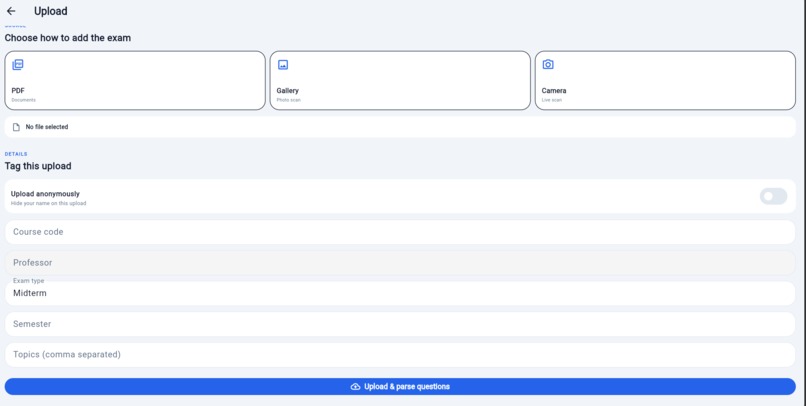
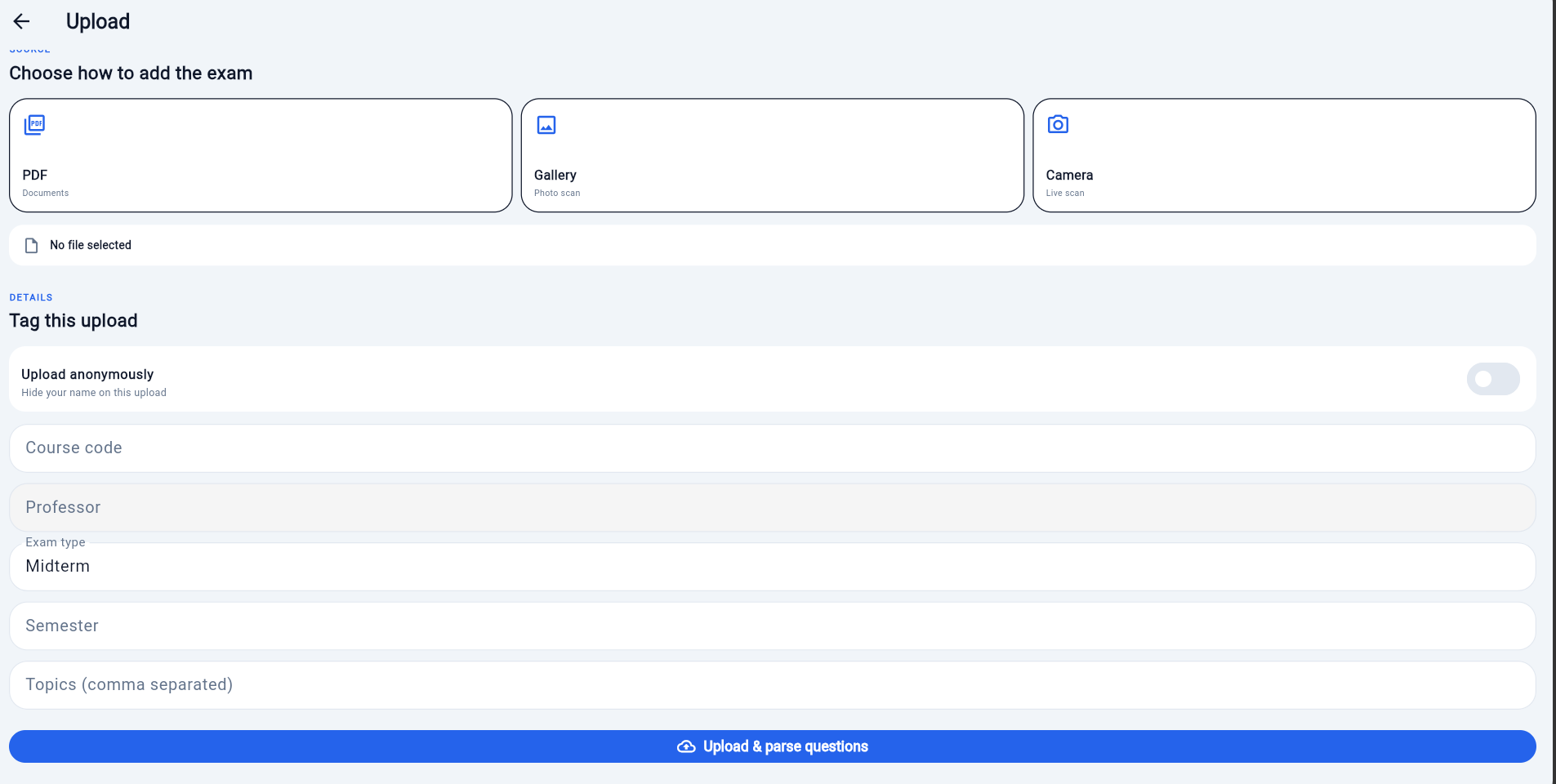
upload materials
-
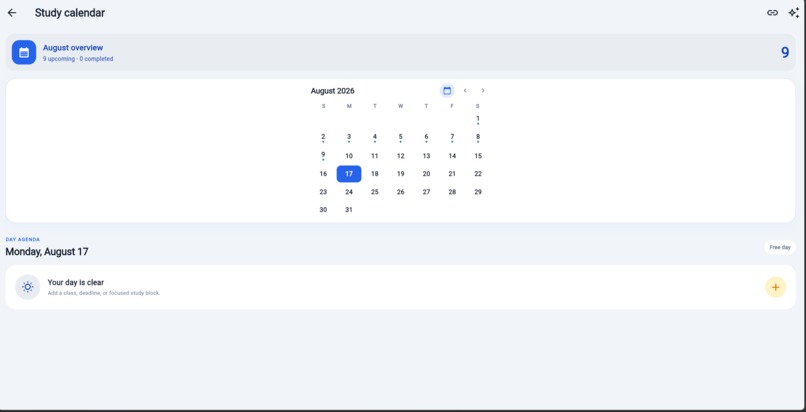
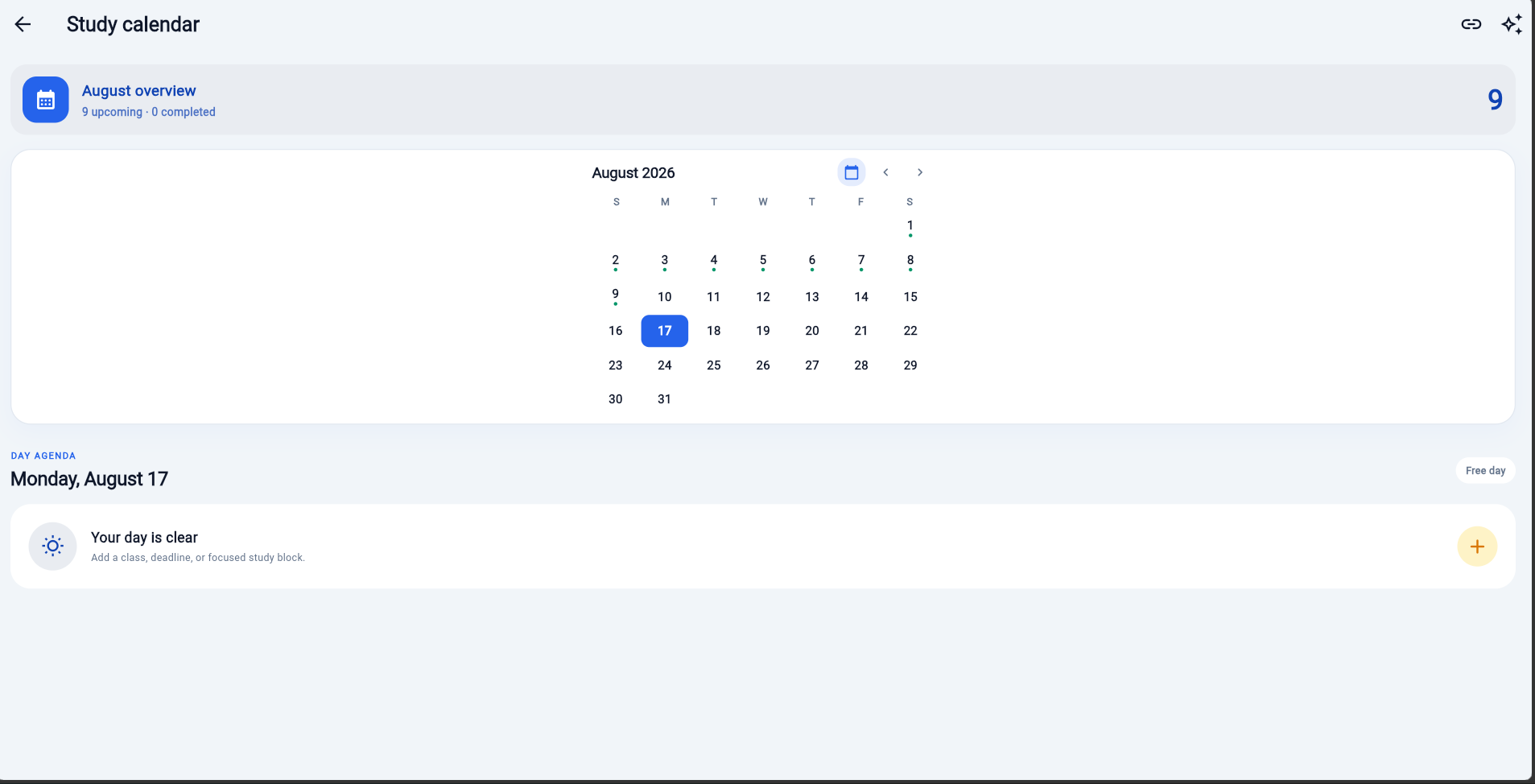
planner to plan your day
-
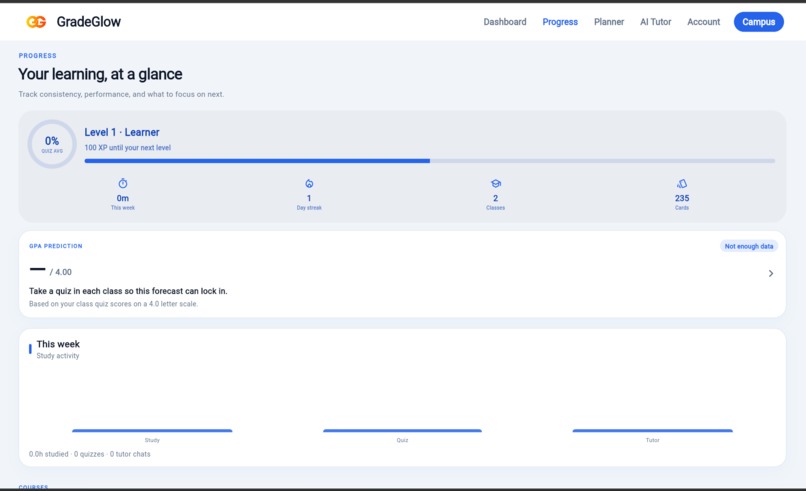
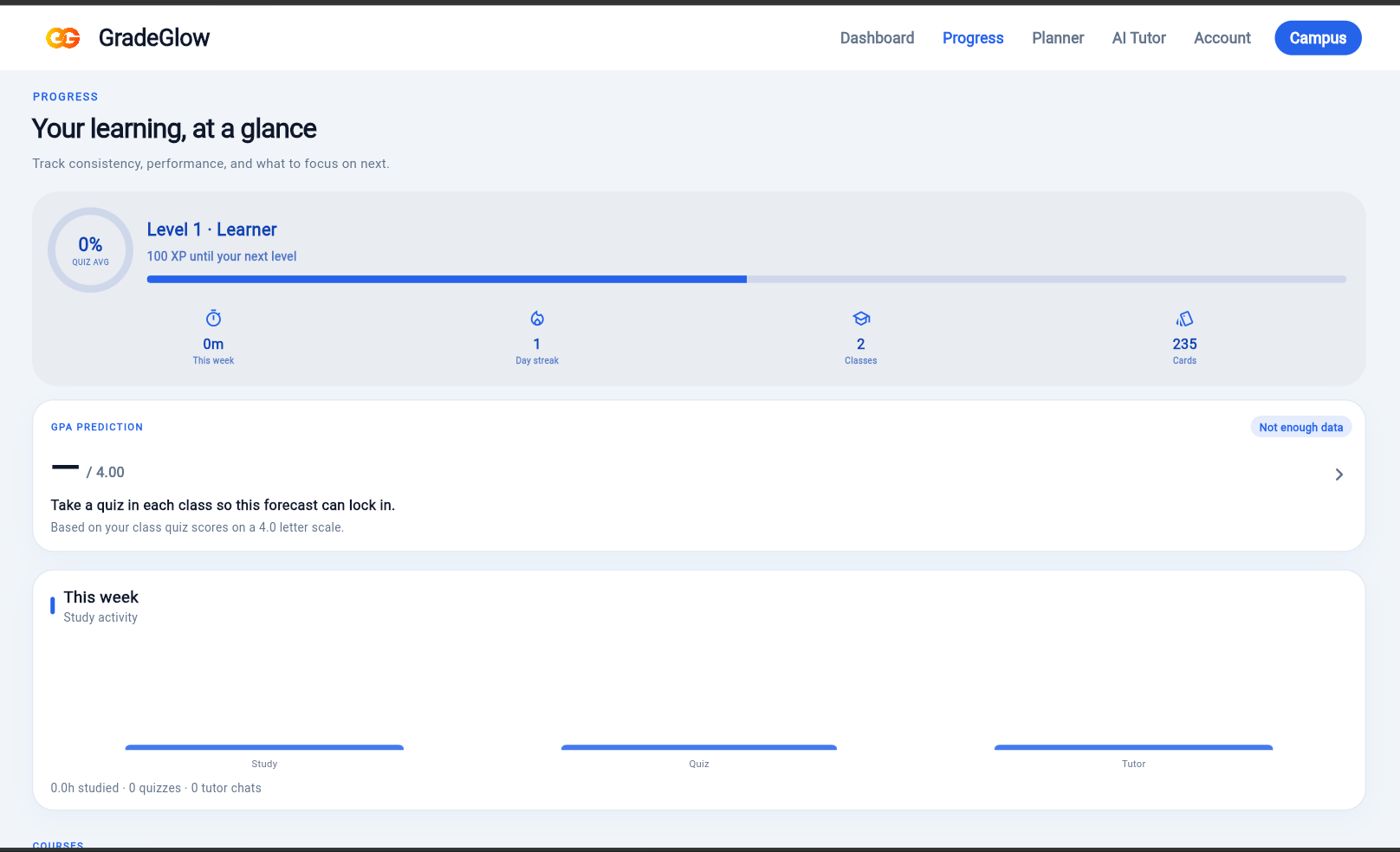
track your progress and GPA
-
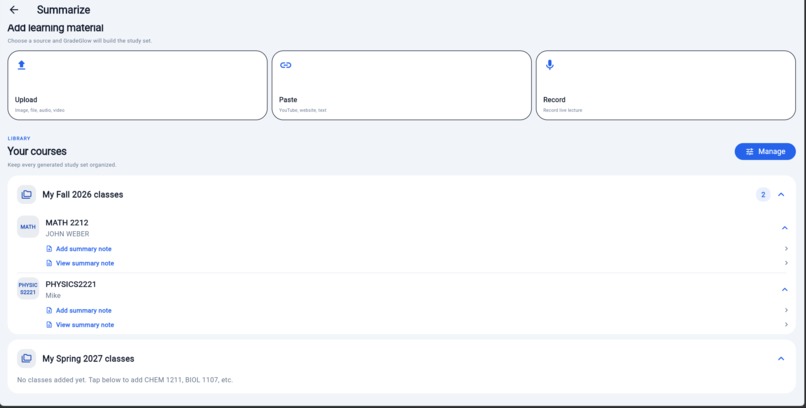
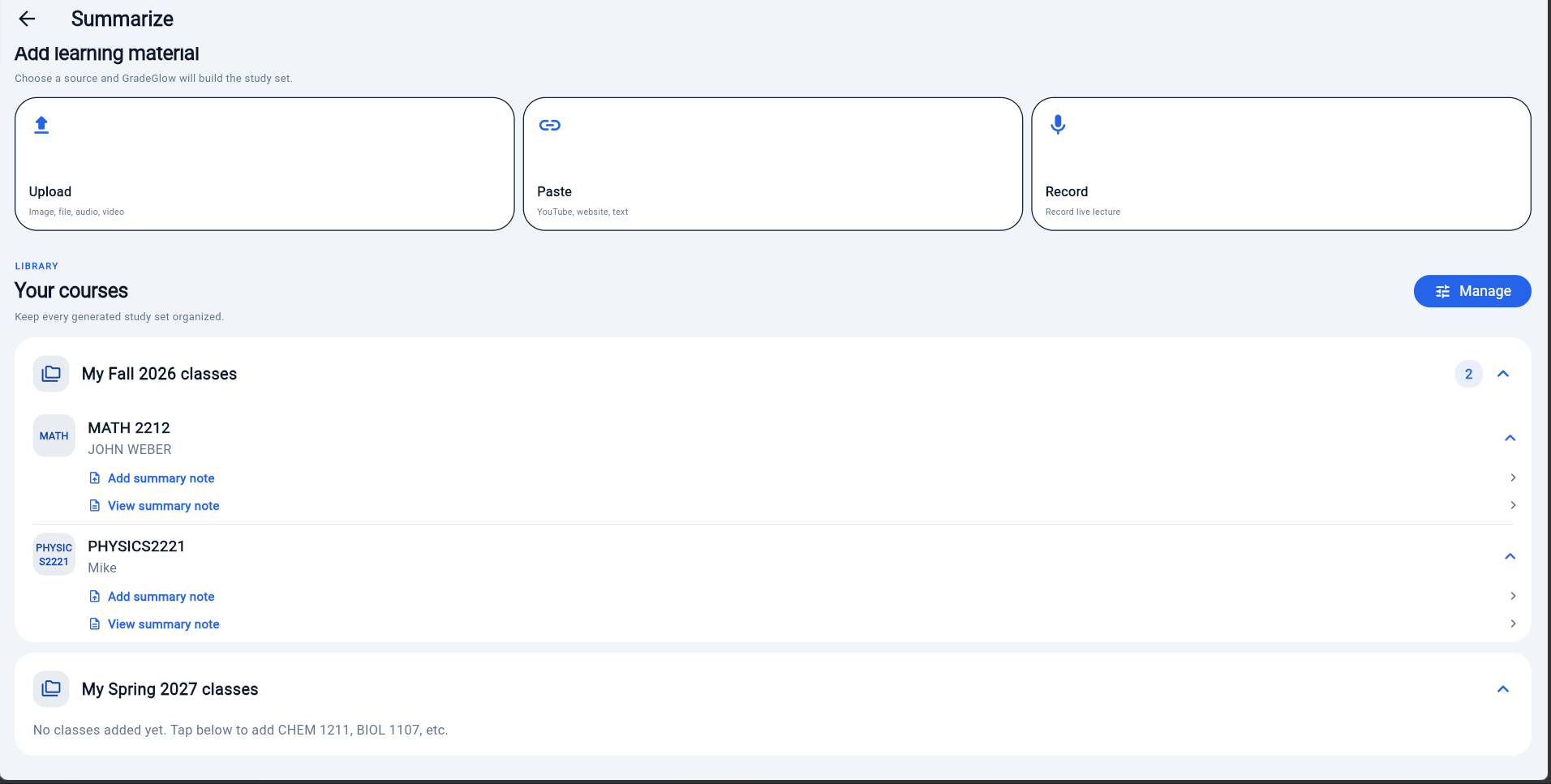
record, paste link, upload slides for lecture for a note summary
-
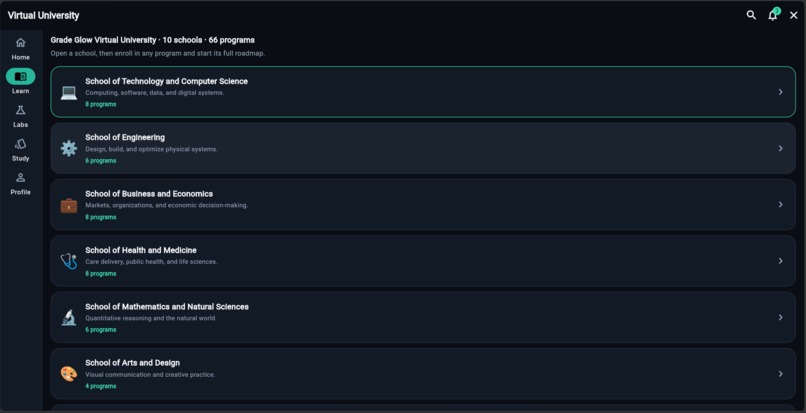
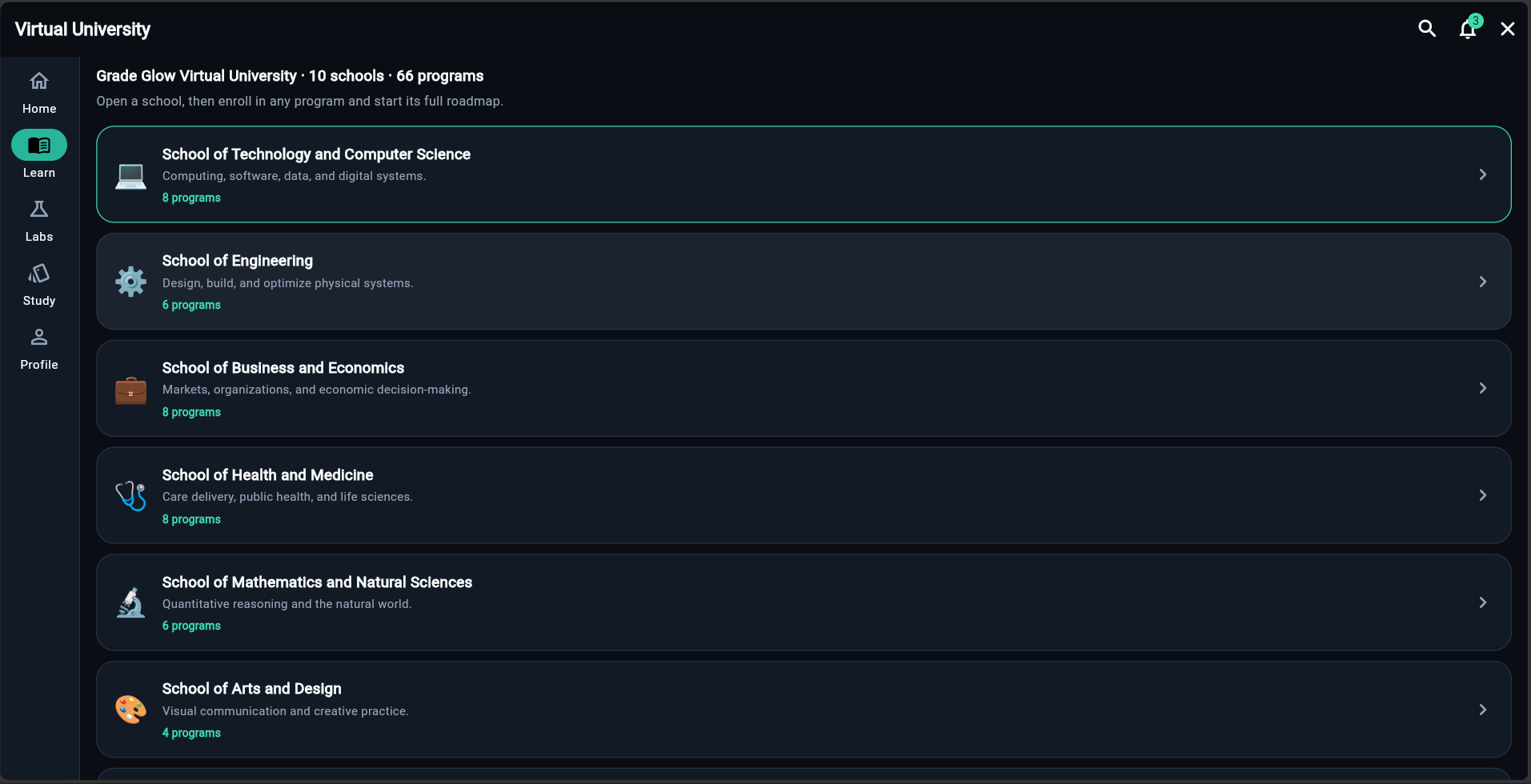
courses avaliable
-
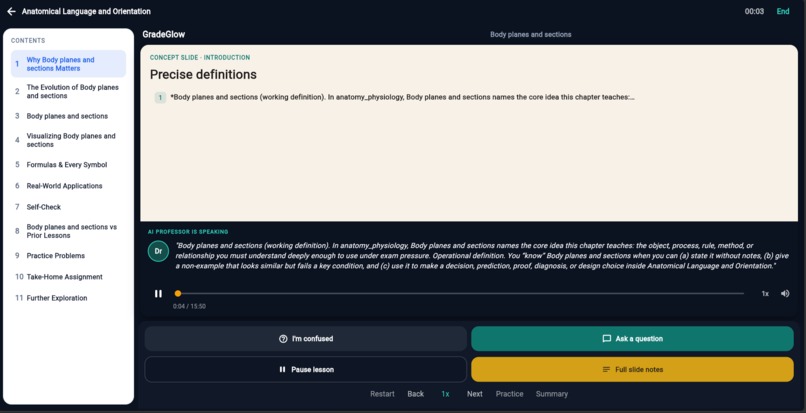
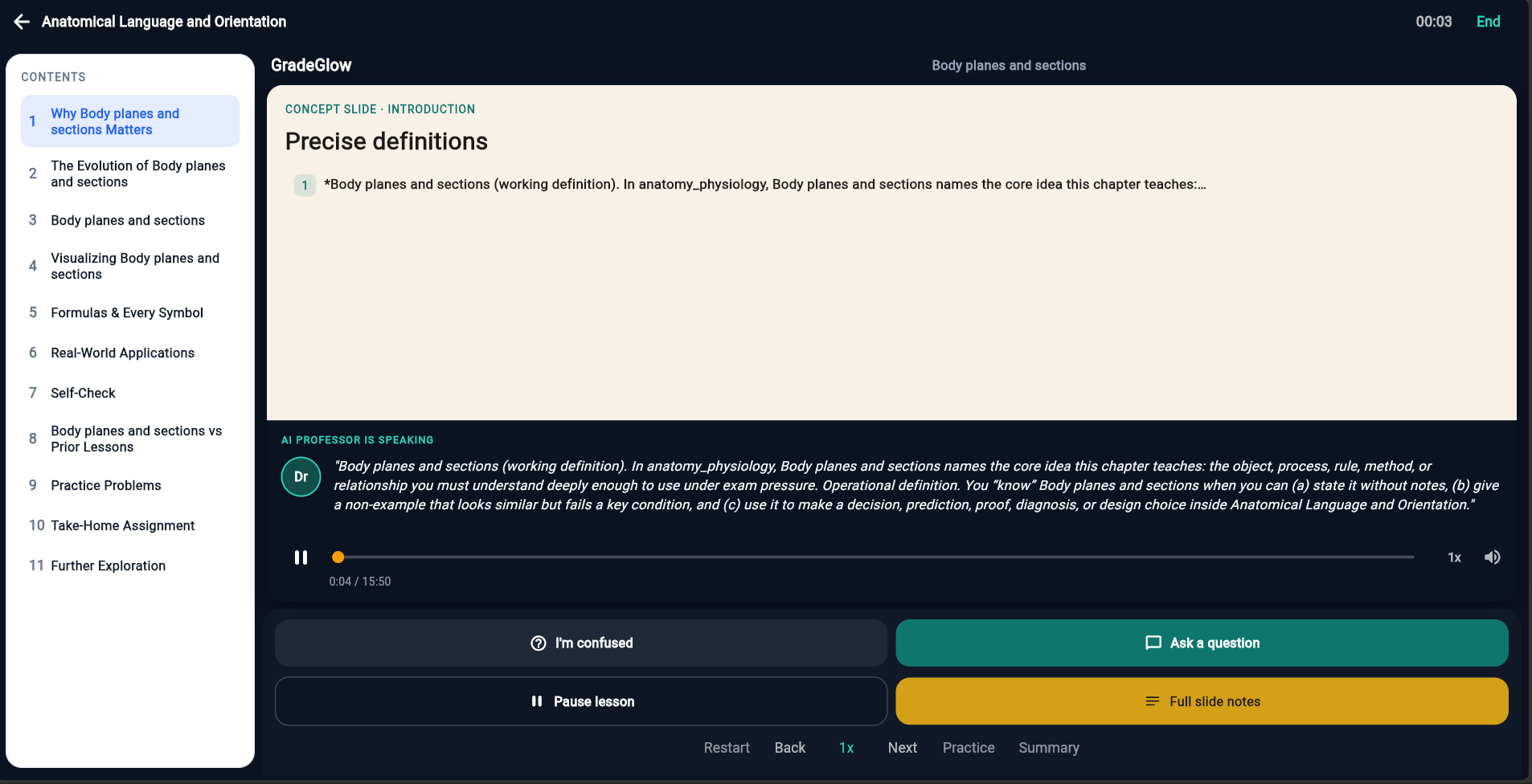
AI lecture classroom
-
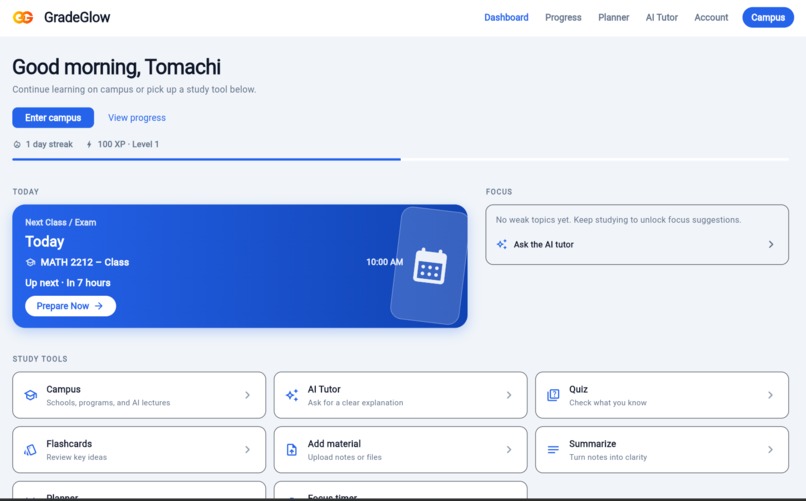
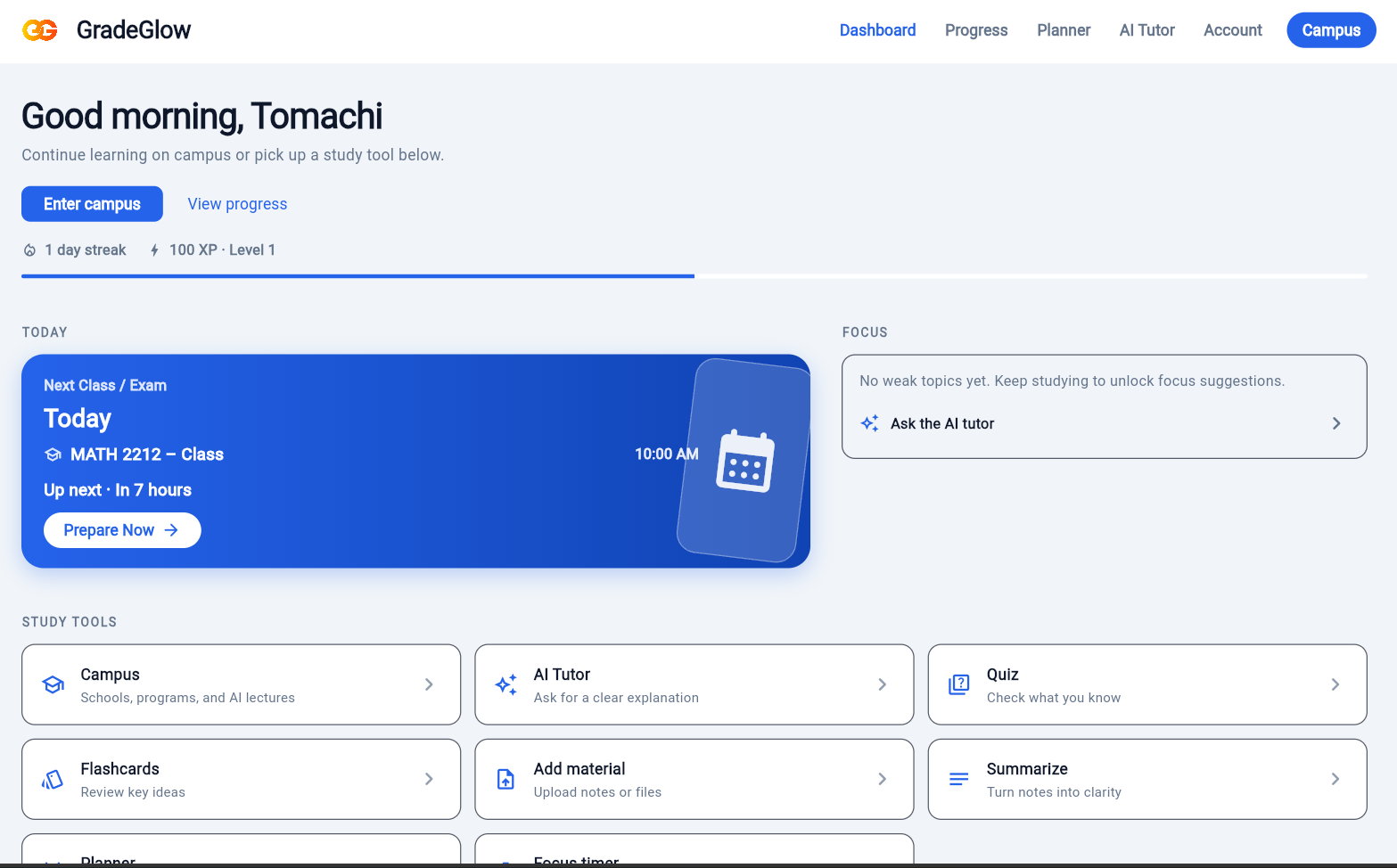
dashboard
Inspiration
I was inspired by the idea of making education more interactive, practical, and accessible. Traditional online learning often focuses heavily on watching lectures, reading notes, and answering quizzes, but students do not always get the opportunity to practice what they are learning in realistic situations.
That inspired me to build a virtual university experience where students can learn from an AI professor, study structured courses, and enter interactive simulations that feel more like real university labs, internships, and professional environments.
The goal was to create something that does more than give students information—it helps them understand concepts, apply them, make decisions, learn from mistakes, and build confidence.
What it does
GradeGlow is an AI-powered learning platform designed to make studying more personalized, interactive, and practical. Instead of only giving students notes, videos, or quizzes, GradeGlow helps students learn through AI tutoring, organized courses, study materials, quizzes, flashcards, and interactive learning experiences.
The bigger vision behind GradeGlow is to create a Virtual University where students can learn from an AI professor and practice what they learn through realistic labs and simulations.
The AI can help explain difficult concepts, simplify lessons, answer questions, create study materials, and guide students through their learning. The platform is designed to help students go from simply memorizing information to actually understanding and applying it.
How we built it
We built GradeGlow using Flutter and Dart for the application and Firebase for backend services such as authentication, data storage, and hosting.
We designed the application around the student experience. Students can have their own profiles, access courses, study with AI, create study materials, review flashcards, take quizzes, and track their progress.
One of the biggest parts of the project is the AI learning experience. We wanted the AI to feel more like a tutor or professor rather than just a chatbot. It should explain concepts step-by-step, give examples, answer questions, and help students understand where they went wrong.
We also designed the Virtual University concept around realistic labs and simulations. For example, a business student could investigate a company's declining sales, while a finance student could analyze financial information and make investment decisions.
Challenges we ran into
One of our biggest challenges was trying to bring so many ideas together into one platform. GradeGlow is not just a study app. We wanted it to include AI tutoring, courses, quizzes, flashcards, student profiles, progress tracking, and eventually realistic simulations and labs.
Another challenge was figuring out how to make AI actually useful for education. We did not want students to simply ask the AI for answers. We wanted it to help them learn the material and understand why something is correct.
We also ran into technical challenges with Flutter, Firebase, responsive design, hosting, debugging, and connecting different parts of the application.
Making the labs feel realistic was another challenge. We wanted them to feel more like actual university laboratories, internships, or professional environments instead of just another quiz.
Accomplishments that we're proud of
We are proud that we were able to turn the original idea into an actual working application.
We created the foundation for an AI-powered learning platform with:
AI-powered tutoring Virtual University courses Student profiles Study materials Flashcards Quizzes Progress tracking Interactive learning experiences Firebase integration Responsive application design
We are especially proud of the vision for the Virtual University and interactive labs because it gives GradeGlow the potential to go beyond traditional study applications.
Instead of only asking students to remember information, we want them to eventually enter realistic scenarios where they can apply what they learned and develop skills they can use outside the classroom.
What we learned
The biggest thing we learned is that building an educational product is not just about adding more features. Every feature needs to have a purpose and make learning better.
We learned about application development, AI integration, Firebase, user experience, responsive design, debugging, and how to organize educational content.
We also learned that learning by doing can be much more powerful than simply reading or watching. This influenced our decision to make realistic labs and simulations an important part of GradeGlow.
Most importantly, we learned how difficult—but also rewarding—it is to take a big idea and turn it into something people can actually use.
What's next for GradeGlow
The next step for GradeGlow is to continue developing the Virtual University and make the learning experience much more immersive.
We want to expand the course catalog across areas such as Computer Science, Business, Finance, Accounting, Economics, Mathematics, Biology, Chemistry, Physics, Medicine, Nursing, Law, Engineering, and other fields.
We also want to develop more advanced AI professors that can teach entire lessons, adapt explanations to each student's level, ask follow-up questions, and provide personalized feedback.
The biggest feature we want to expand is the interactive lab system. Our goal is for students to enter realistic simulations where they can investigate problems, make decisions, experience consequences, and learn from their mistakes.
Ultimately, we want GradeGlow to become more than a study app. We want it to become a virtual learning environment where students can learn knowledge, practice real-world skills, and build confidence before they enter the real world.


Log in or sign up for Devpost to join the conversation.