-
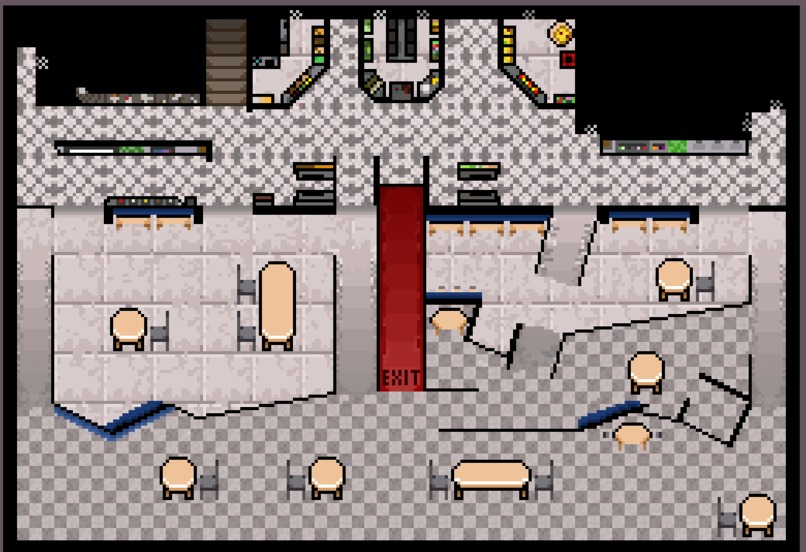
Gracie's Recreation
-
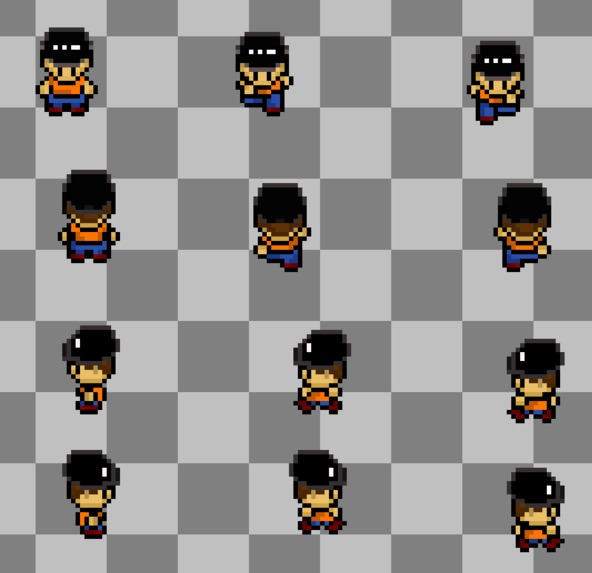
RIT Dining Workers
-
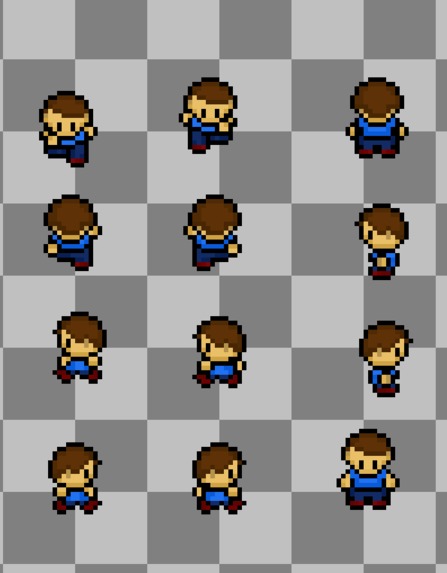
Player
Inspiration
Our group of four met during our orientation. As freshmen, we eat at Gracie's almost every other day. Through this, we've formed a close friendship and even have a funny group chat called "Gracie's Enjoyers." In the chat, we're social and set up plans to hang out at Gracie's. Over time, we've invited mutual friends, making our trips even more fun. When we heard about Brick Hack 11, we thought it would be funny to create a game about Gracie's. After some brainstorming while on an empty stomach, we decided to make a game about getting food from Gracie's in a point system timer game.
What it does
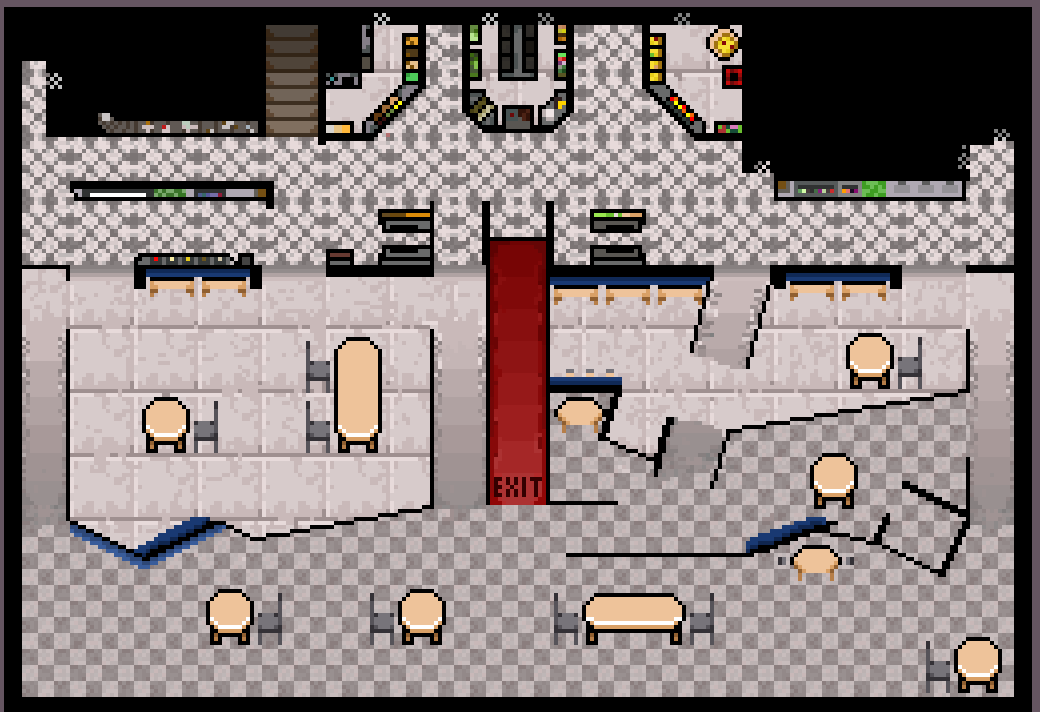
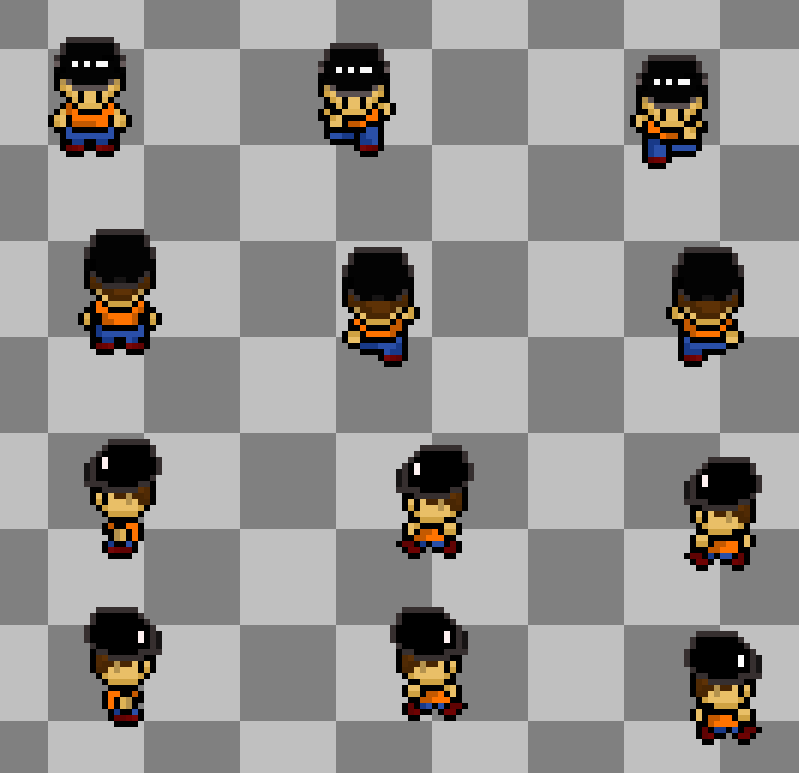
Simulation of Gracie's. Explore our own version of beloved Gracie's! See actual Dining workers moving around the map.
How we built it
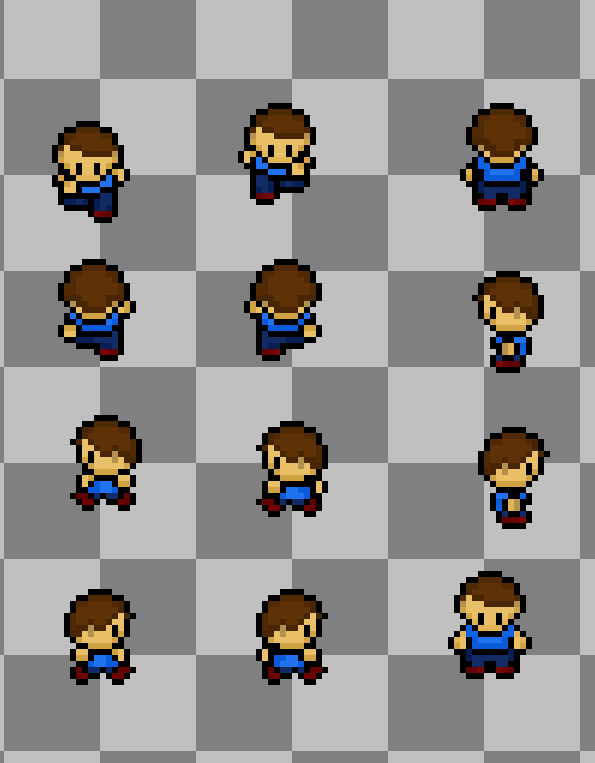
We used two software programs, Processing and Aseprite. Processing is a coding language and a software sketchbook, so its perfect for visual images while coding. The whole game was coded using Processing, and the program implemented Aseprite design. Aseprite was used for all designs and animations. The Map, decorations, the furniture, the characters, the items, and the walking animation was all created by one person using Aseprite.
Challenges we ran into
New to Tools - Justin hasn't touched processing in two years, Kenan just downloaded for the first time as soon as hackathon started. Raul just downloaded Aseprite with no experience with designing as soon as the hackathon started. That didn't stop us and we each learned the software really quick. Team Work Flow - Since every member is working on a different part of the game, miscommunication can easily happen. Miscommunication barely happened. Tile Map - Although the map design was really well made, the layering was a weird and tile map standards wasn't implemented, so when it came to coding it in, there was a lot of work to do. Also, there was a problem with collisions. Collisions - Since the Tile Map was done weirdly, collisions didn't work correctly at all. A Solution was downsizing all the tiles, so there was more collision flexibility. The Downside is that there was 4x more tiles and complicated hard coding to deal with it, which more time was wasted. This is unnecessary, and could have been prevented. At least it was fixed.
Accomplishments that we're proud of
Everything is built from scratch. All the coding, all the designs, all from scratch. Instead of doing templates or anything like that, we all decided to just do the whole thing from scratch instead. We did this so we can more experience since this is our first hackathon as freshmen. It was so much more work and thinking, but seeing the end results made it worth it We are proud of how quickly we learned the software and were able to program a whole game, all within 24 hours. Raul watched one tutorial as soon as the hackathon began, and within the first 12 hours, the whole tile map was full designed with detail. Then went on to make character animations easily. Kenan just downloaded Processing as soon as hackathon began started doing complicating coding after getting familiar with how it works. We came only with a idea and no experience, yet we accomplished so much.
What we learned
We learned how to make a full game from front end to back end. We learned how to come up with complicated math for Processing. We learned how to correctly follow tile map standards after we messed up, so next time, it doesn't happen again.
What's next for Gracie's Enjoyers
Add a point collection system! Get points in a certain amount time,
Built With
- aseprite
- github
- java
- processing

Log in or sign up for Devpost to join the conversation.