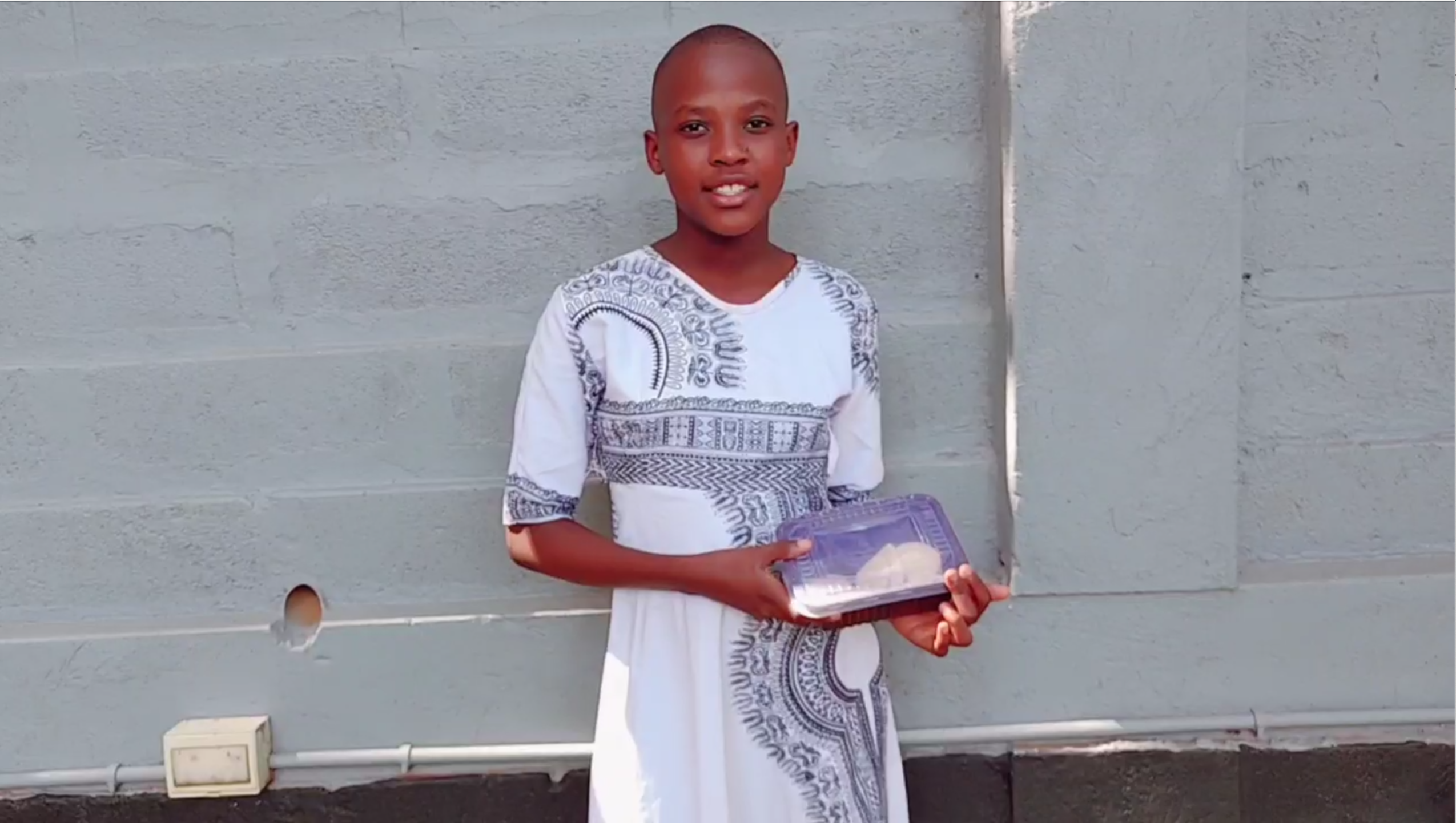
Inspiration I am 13 years old, and I love baking. But one day, while walking to school, I saw a younger child sitting outside the gate, unable to buy a simple exercise book. That image stayed with me. I realized that many orphans and less-privileged kids in my community struggle with the most basic school supplies—things I take for granted.
I asked myself: "What do I have that I can give?" I didn't have much money, but I had two working hands, a small oven at home, and a recipe for chocolate chip cookies. That’s when it clicked—I could bake to give back. Grace's Confectionaries wasn't born from a business idea. It was born from a broken heart that wanted to heal itself through flour, sugar, and butter.
What it does Grace's Confectionaries is a social enterprise bakery run by me: a teenager, for the benefit of vulnerable children.
Here’s how it works:
Every morning before school, I bake fresh confectionaries (cupcakes, cookies, and brownies) and deliver them to 2–3 nearby shops.
The shops sell them to their customers throughout the day.
Every evening after school, I visit each shop, collect the money, and calculate my profits.
From those profits, I set aside 40% specifically to buy exercise books, pens, pencils, and rulers for orphans and less-privileged children at my school.
I personally deliver the books to them, often with a handwritten note of encouragement.
It’s not just about feeding hunger—it’s about feeding minds. My treats satisfy a sweet tooth, but the real sweetness is watching a child open a brand-new notebook with a smile.
How we built it Phase 1: The Recipe Test I started by perfecting just three products—chocolate chip cookies, vanilla cupcakes, and fudge brownies. I tested them on my family and neighbors, asking for honest feedback on taste, texture, and size. I also learned a lot from my elder sister who is a professional baker as well.
Phase 2: The Numbers Game: I calculated the exact cost of ingredients for one batch. I divided by the number of pieces to know my cost-per-item. I set a wholesale price for shops that gave me a small profit margin while still being affordable.
Phase 3: The Shop Pitch (Week 4) With my elder sister's help, I approached two small local shops near my school. I brought free samples and explained my mission. I told them: "If you sell my treats, you're helping an orphan get a book." Both shops agreed immediately.
Phase 4: The Daily Routine (Ongoing) I built a strict schedule:
5:00 AM – Bake
6:30 AM – Deliver
4:00 PM – Collect money
5:00 PM – Count earnings, separate profits, and track the "book fund"
Phase 5: The Giving (Weekly) Every Friday, I count the money in my GREEN Jar (the book fund). On Saturday, I buy stationery in bulk and distribute it to identified orphans and needy children at school.
Challenges we ran into Challenge: How I Overcame It Waking up at 5:00 AM: I prepare all dry ingredients the night before. I also go to bed earlier, even if it means less screen time. Shops delaying payment: I now collect daily without exception. If a shop can't pay, I pause supply until they clear. Unsold stale goods: I reduced the quantity per shop and introduced a "swap" system—take back unsold items and replace with fresh ones next morning. Balancing school and baking: During exam weeks, I switch to simpler recipes (like no-fuss cookies) or reduce the number of shops temporarily. Ingredient prices rising: I now buy flour, sugar, and butter in bulk at wholesale markets with my elder sister on weekends. Feeling tired or discouraged I remind myself of the orphans' smiles. I also keep a small notes of children receiving books—it motivates me instantly. Trust as a minor: My elder sister co-signed a simple agreement with each shop. This gave them confidence that I am serious and reliable. Accomplishments that we're proud of Supplied over 250 treats to local shops in just 2 months.
Provided 45 exercise books, 60 pencils, and 30 erasers to orphans and less-privileged children at my school.
Created a self-sustaining cycle—the business funds the charity, with zero external donations needed.
Inspired 3 classmates to start their own small projects (one sells recycled crafts, another grows vegetables and the other makes Toy cars from plastic waste).
Earned the trust of 2 shop owners who now display a small card next to my treats: "Buy a cupcake and help a child learn."
What we learned Entrepreneurship is not about age—it's about action. You don't need to be an adult to solve a problem.
Small, consistent efforts create big change. One cupcake doesn't buy a book, but 50 cupcakes do.
Money must be managed strictly. The Three-Jar System (Reinvest, Give, Save) saved me from spending my profits carelessly.
People want to support a good cause. Shop owners and customers buy more when they know the story behind the product.
Failure is feedback. When cookies burned or a shop had slow sales, I didn't quit—I adjusted my recipe or quantity.
Giving feels better than receiving. The joy on a child's face when I hand them a new book is worth more than any money I could keep.
Time management is a superpower. I learned to bake, study, collect money, and rest—all in one day—without burning out.
What's next for Grace's Confectionaries Short-term (Next 3 months):
Add one more shop to my supply route.
Introduce a new product—iced cinnamon rolls—to attract more customers.
Create a simple order book where shops sign daily for the treats they receive (to reduce disputes).
Start a "Book Drive" —encourage customers to donate used textbooks, which I'll distribute alongside my new books.
Medium-term (Next 1 year):
Save enough profit to buy a small portable display cart for weekend local markets.
Partner with a local library or church hall to host a weekly "Study & Snack" session where orphans can come, use the books I bought, and enjoy a free treat.
Train one other young person (a friend or sibling) to help with baking and delivery, creating a small team.
Long-term (Next 3–5 years):
Register Grace's Confectionaries as an official community-based organization (CBO) .
Expand to supplying schools directly—providing affordable snacks for school feeding programs while funding even more educational materials.
Build a "Books for All" scholarship fund—where a percentage of profits goes toward school fees for one orphan each year.
Inspire a national movement of young social entrepreneurs who use their talents to solve community problems.
Built With
- containers
- oven
- racks


Log in or sign up for Devpost to join the conversation.