


Inspiration
The challenges posed by the COVID-19 pandemic highlighted the difficulties of online schooling and maintaining connections while practicing social distancing. As first-year students, we experienced these issues firsthand, feeling disconnected from our peers outside of scheduled Zoom calls for classes. Recognizing the need for a solution that could recreate the campus experience and facilitate effective collaboration, we conceived GPAid.
What it does
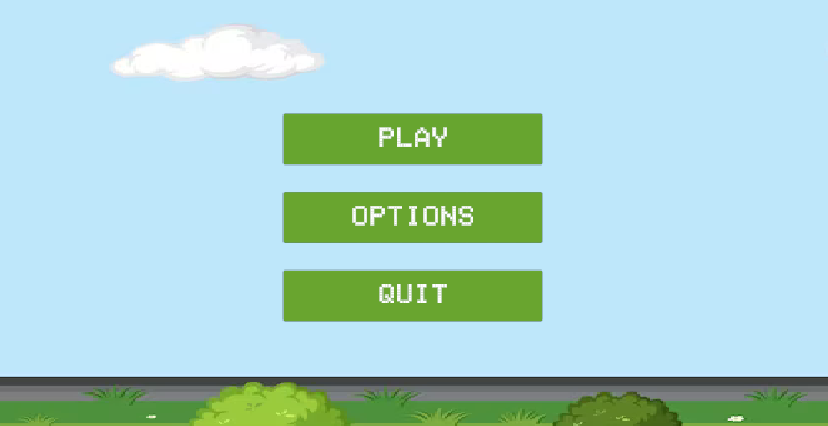
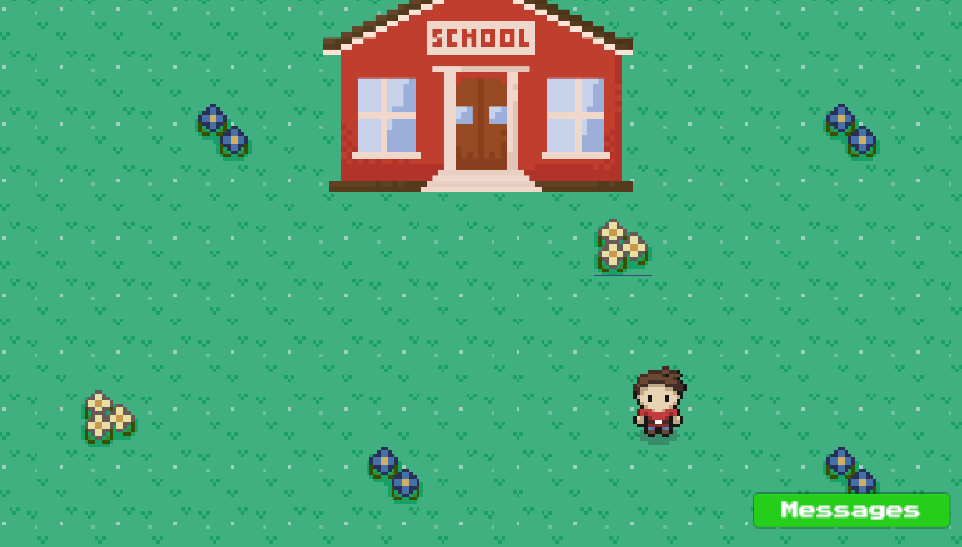
GPAid is a virtual campus that leverages technology to enhance learning and social interaction. It offers a 2D game environment where students can interact, collaborate, and discuss, simulating the experience of a physical study hall. Students load into a virtual campus and navigate their way to their desired building, which is according to their major. Communication occurs through text and proximity-based voice chat, allowing students to easily converse with others around them. Each building is equipped with online features that help students in that field, for example: The chemistry building has a molecular structure builder as an interactive element, the math building has an interactive graphing calculator as a part of their whiteboard, and the physics department has a large virtual whiteboard with physics to share
How we built it
We built GPAid using Unity as our foundational platform. Unity's modular nature allowed us to import libraries for complex tasks, while its extensive tutorials enabled us to accelerate production with confidence. Additionally, Unity's support for the webGL format facilitated easy porting of the game to a website. We integrated multiplayer support using Photon, enhancing the collaborative experience for students.
Challenges we ran into
One of the many challenges was that many of the features originally intended to be a part of the final product turned out to be out of the scope of what was possible for our team to achieve given the time and resources available to us. Many complex features, such as live chatlogs, voice chat, and multiplayer support were either much more difficult and time-consuming than we originally anticipated, or were simply not feasible for the project. This forced us to reconsider our priorities and areas where our focused efforts were needed.
Accomplishments that we're proud of
One of the biggest accomplishments of the project is that it was made entirely from scratch, as we wanted to maximize how much we could learn from this experience. Thus, even the most complex feature, the multiplayer support, was developed as a result of our sole efforts.
What we learned
We learned many things in the development of our project. Many soft skills, like time management, effective planning, and cooperation were developed and honed during the process, but we were also able to develop many technical skills in programming, software development, and presentation; all vital skills that will help us further our careers and academics.
What's next for GPAid
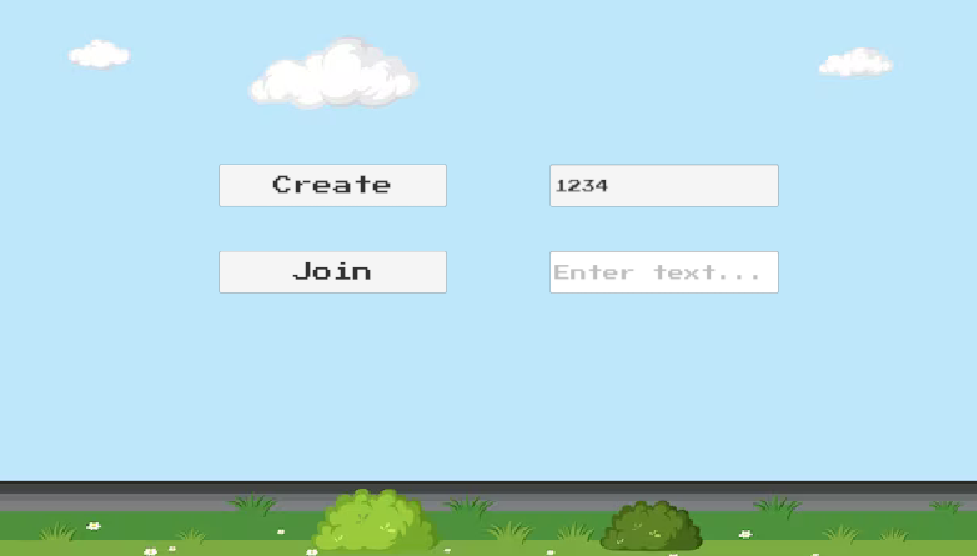
The next steps for GPAid include many of the features we originally planned to include but could not due to time constraints. Features such as vocal communication, chat logs, server selection, learning tools and functionalities, account creation and social features.

Log in or sign up for Devpost to join the conversation.