-
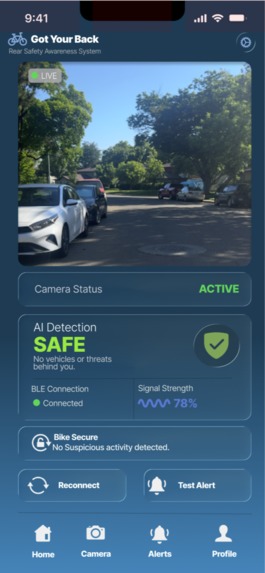
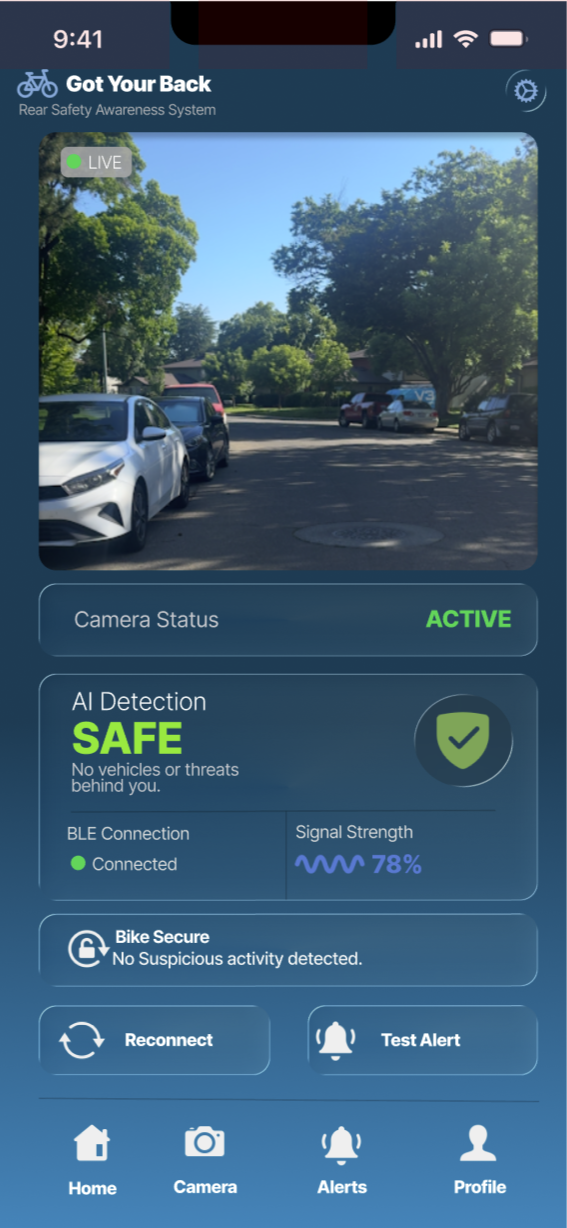
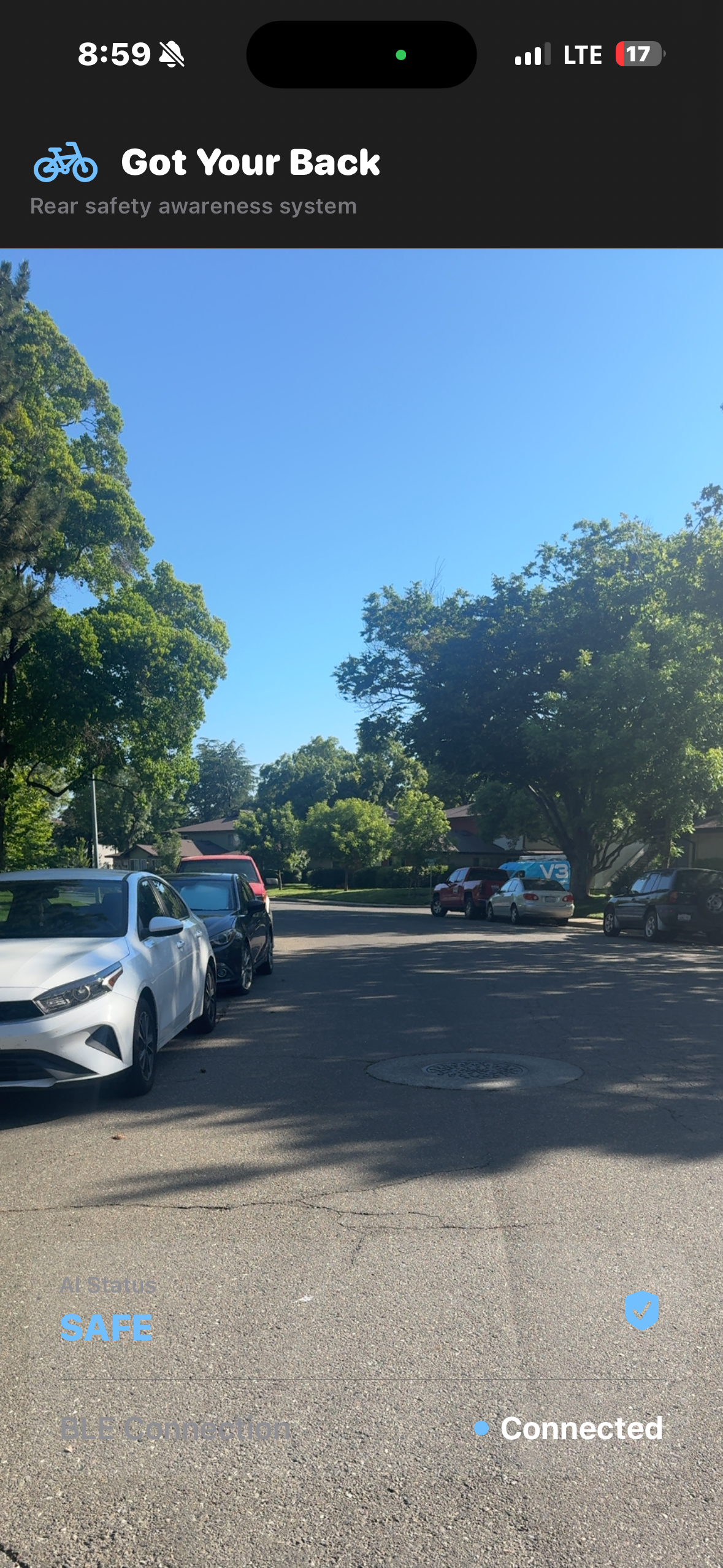
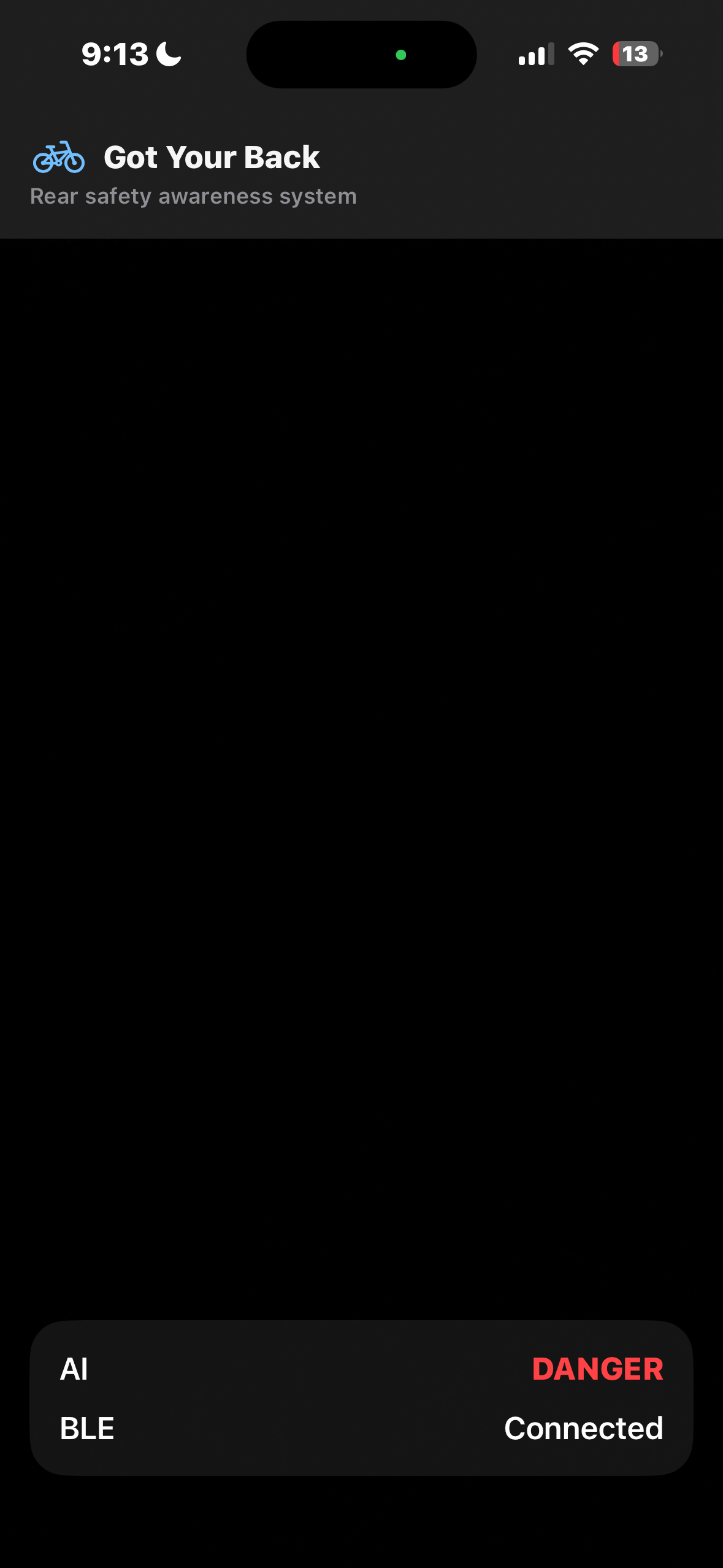
App Schematic
-
-
-
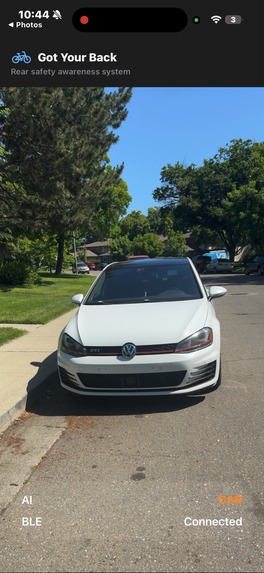
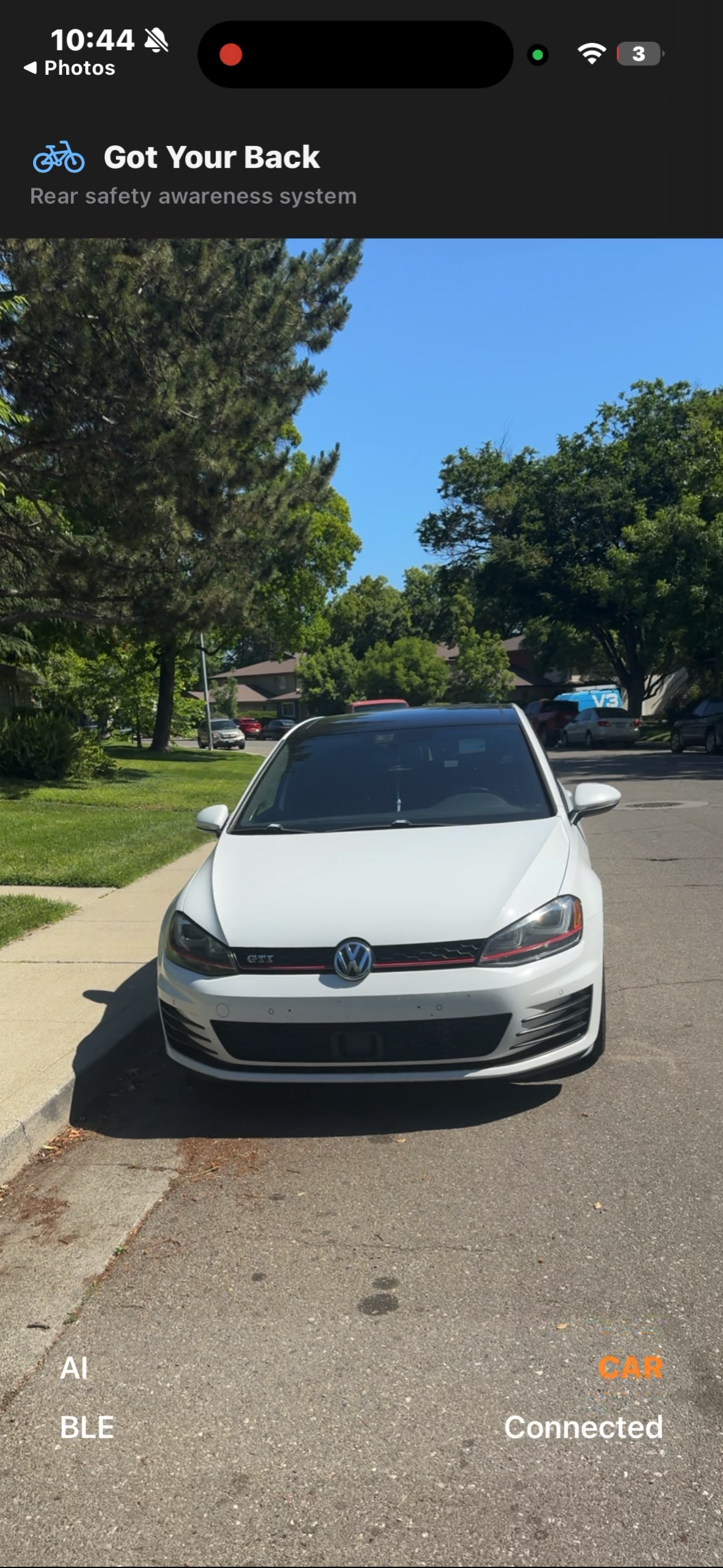
Car Approaching
-
-
-
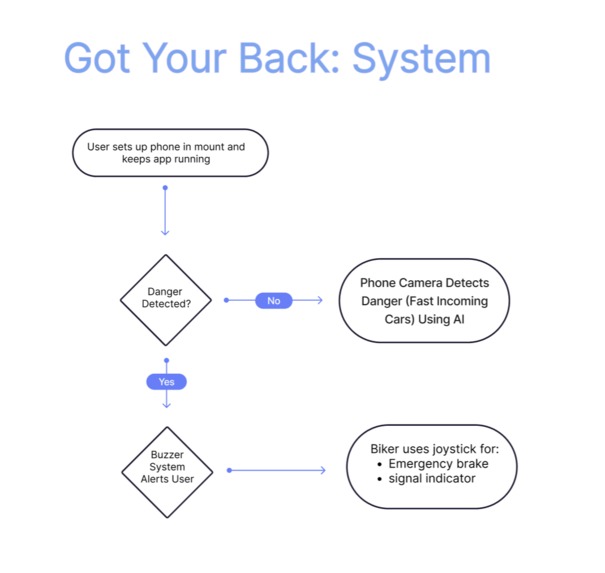
System Flowchart
Inspiration 🚲
As UC Davis students ourselves, we understand the importance of ensuring a safe bike ride for all students who need to get around. Based on the recent fatal bike accidents in the area, we decided to combine our hardware and software knowledge to create a cheap and simple real-time bike alert system.
What it does 🚨
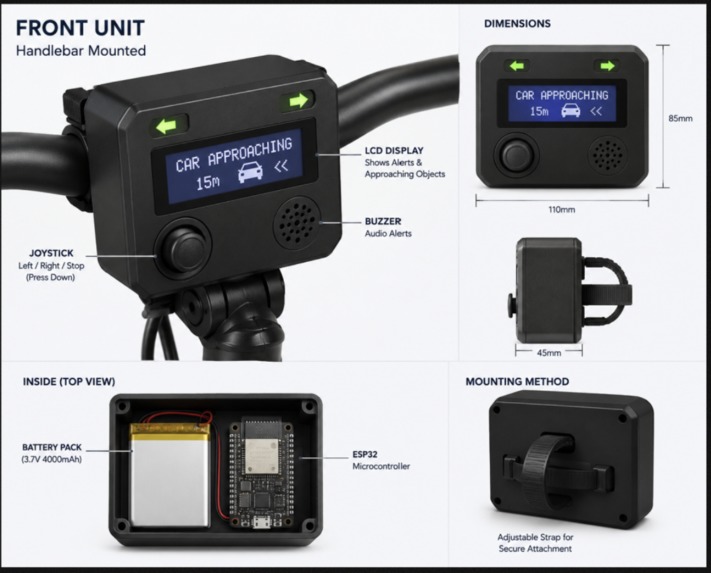
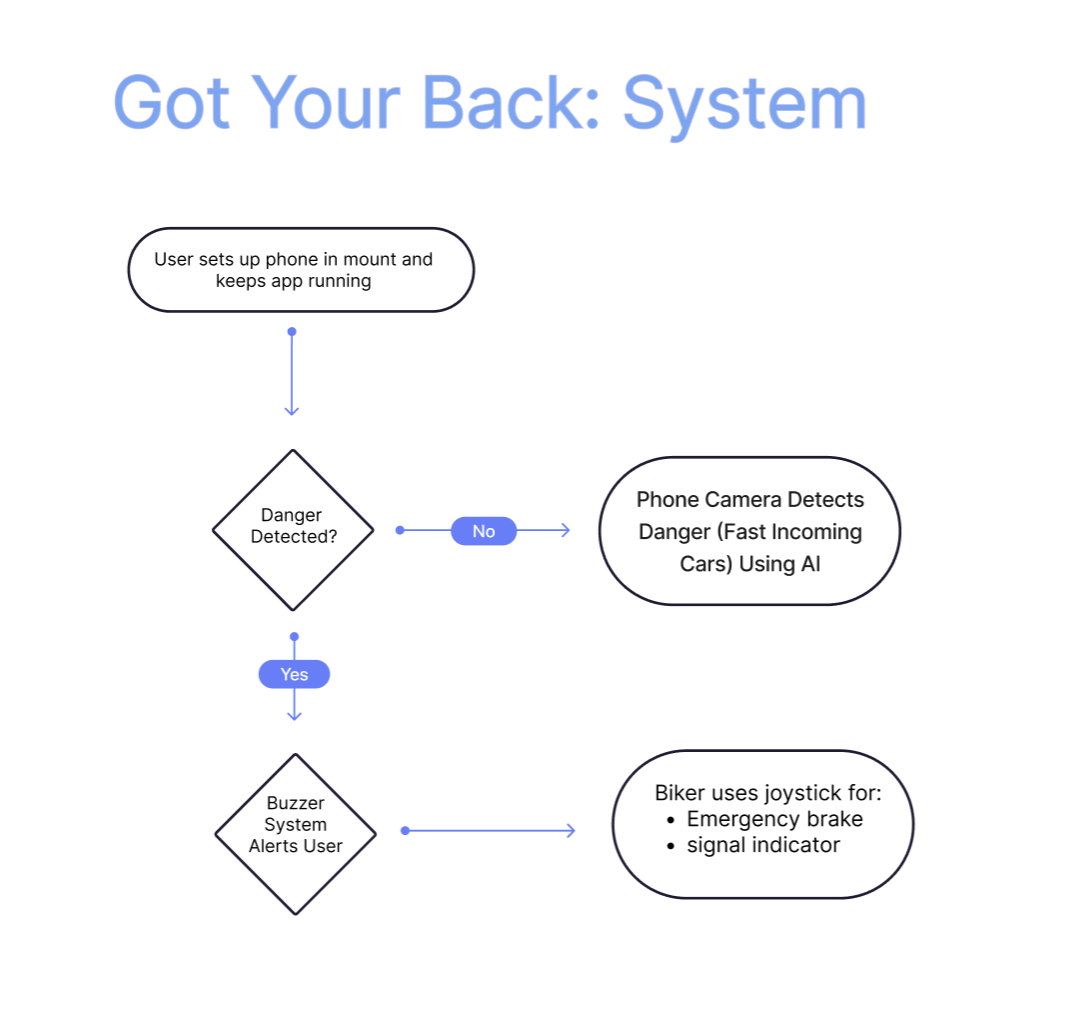
Got Your Back is a smart bicycle safety system that detects fast-approaching vehicles from behind using AI-based computer vision via our phone app. When a potential collision risk is identified, the system immediately alerts the rider through a buzzer.
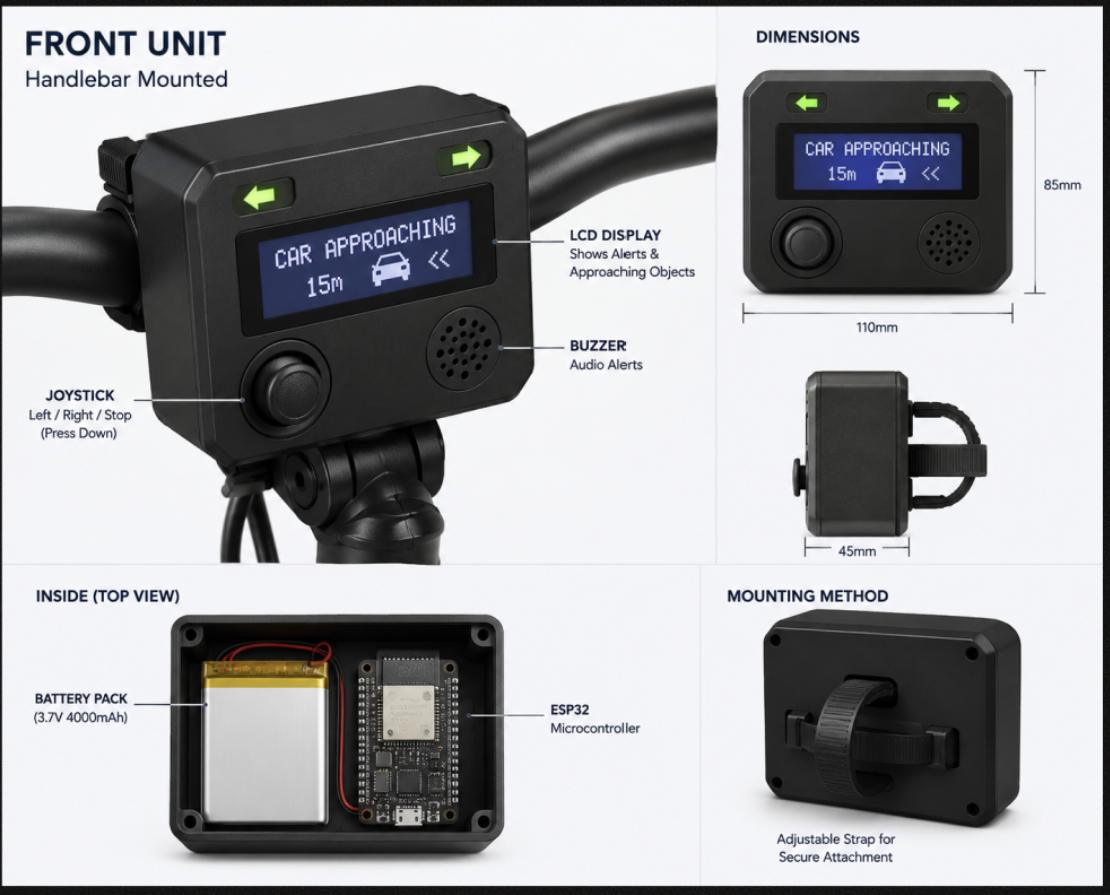
The rider can also use an integrated joystick system for multiple safety controls for turning indication and as an emergency brake trigger for immediate stopping response. Together, these features create a multi-modal safety and control system for cyclists in high-traffic environments.
How we built it ⚒️
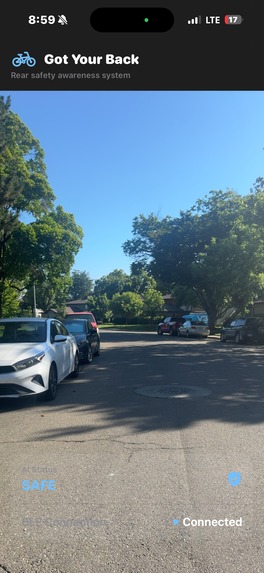
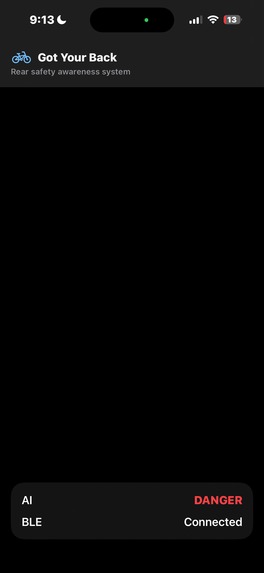
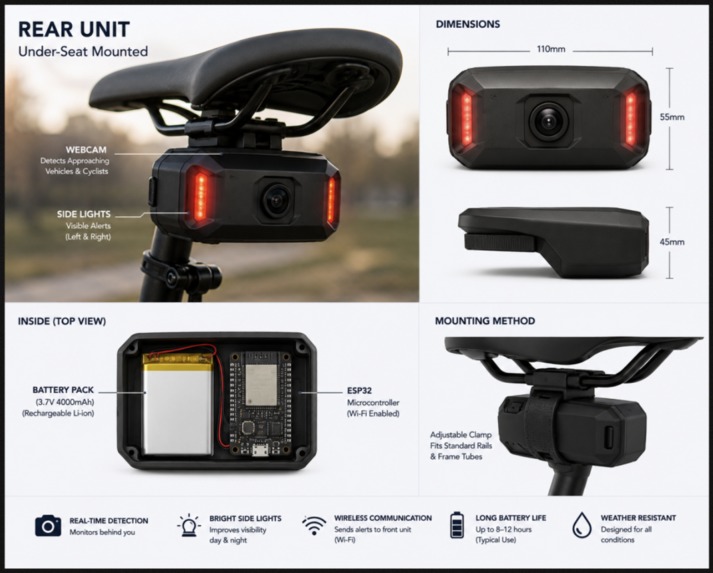
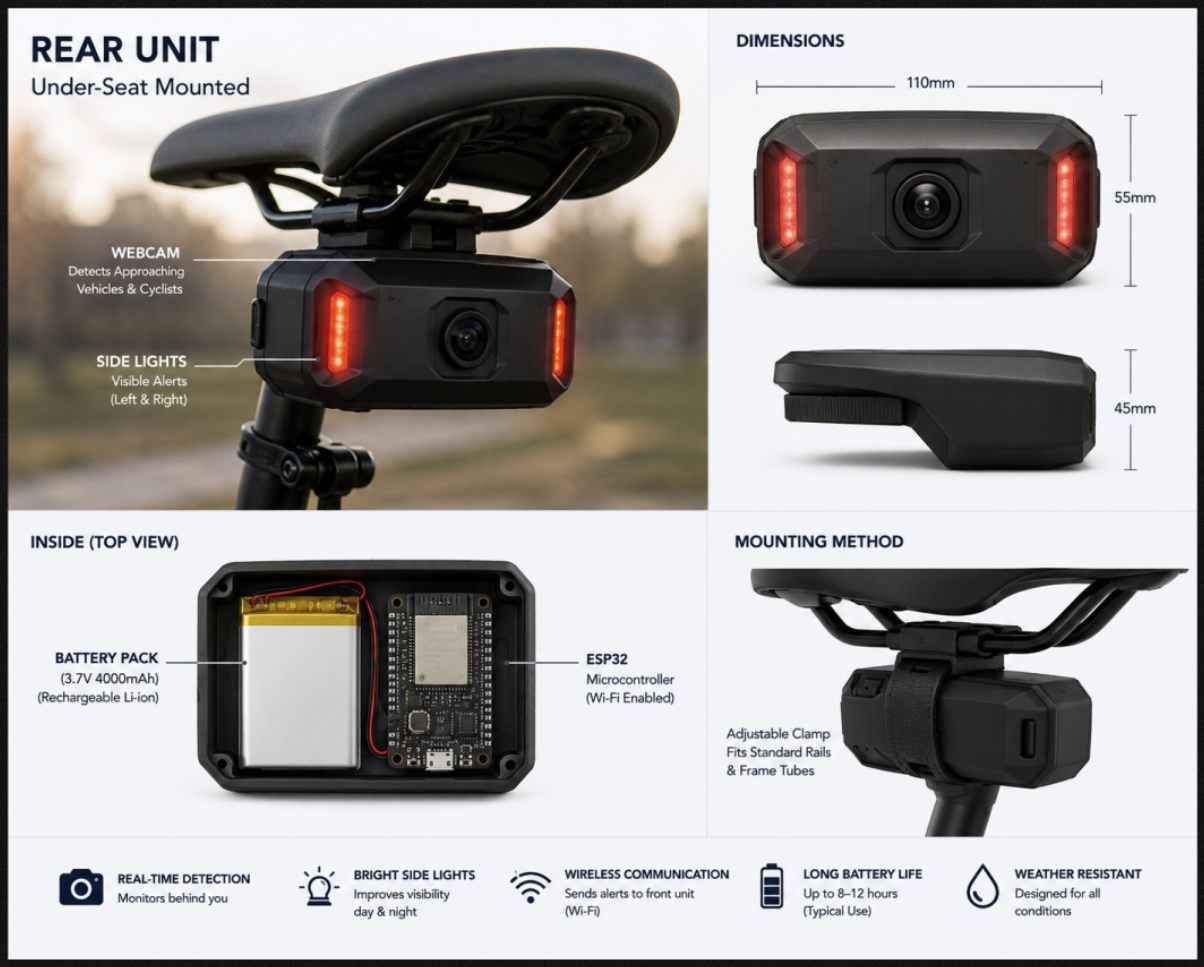
We created a phone mount that properly secures the phone on the back of the biker's seat, ensuring the biker is focused on the road. While biking, the rider keeps our iOS app open or running in the background, and it uses the back of the phone camera with our app to identify danger. We used xCode, Swift, and OpenAI's GPT 4.0.mini model in order to detect for vehicles approaching and classify them as possible dangers. We advertise the ESP32C6 microcontroller over Bluetooth Low Energy (BLE) as a possible connection for the app to connect to. Behind the scenes, the ESP32 confirms the connection and based on the message that it receives of the user's real-time status of "DANGER", "SAFE", or "CAR APPROACHING", our buzzer alarm system will start sounding with increasing frequency. We also created a joystick system, so riders can easily indicate if they are turning right, left, or braking. Once they move the joystick, our visual system lights up accordingly.
Challenges we ran into 💻
The first microcontroller we used was the Raspberry Pi given to us by MLH, which didn't work after hours of extensive troubleshooting; we had to reconsider parts of the architecture and adapt to the limitations of our available hardware while maintaining core functionality. We also faced challenges balancing real-time AI processing with hardware constraints.
Accomplishments that we're proud of
Making this all come together. We’re proud to have brought together a functional end-to-end prototype under time constraints. Despite hardware setbacks, we still managed to build a working system that demonstrates real-time detection, alerting, and rider interaction. Most importantly, we translated a real-world safety problem into a tangible prototype combining both software and hardware concepts.
What we learned 📖
We learned how to design systems around hardware limitations, how difficult real-time computer vision is on embedded systems, and the importance of simplifying the system when building under time constraints. We also gained experience integrating AI-based perception with physical hardware controls in a safety-critical context.
What's next for Got Your Back
For the future, we aim to evolve the system with a processor that is compatible with an external camera for the convenience of users who do not have a phone. On the hardware and mechanical side, we plan to explore a mechanical integration of an assisted emergency braking system that interfaces directly with the bicycle's braking system, enabling a more immediate physical response while maintaining rider safety. Long term, we want to refine the system into a compact, production-ready safety module that seamlessly integrates using perception, alerting, and physical actuation in a single device.


Log in or sign up for Devpost to join the conversation.