-
-
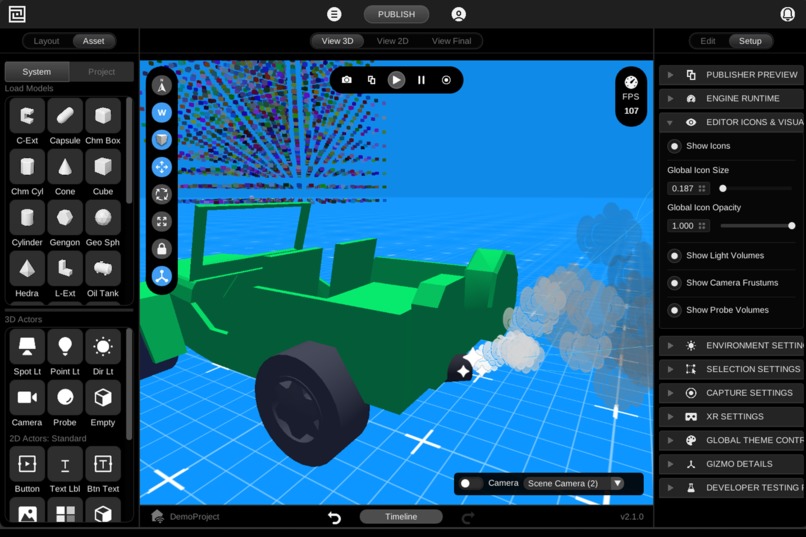
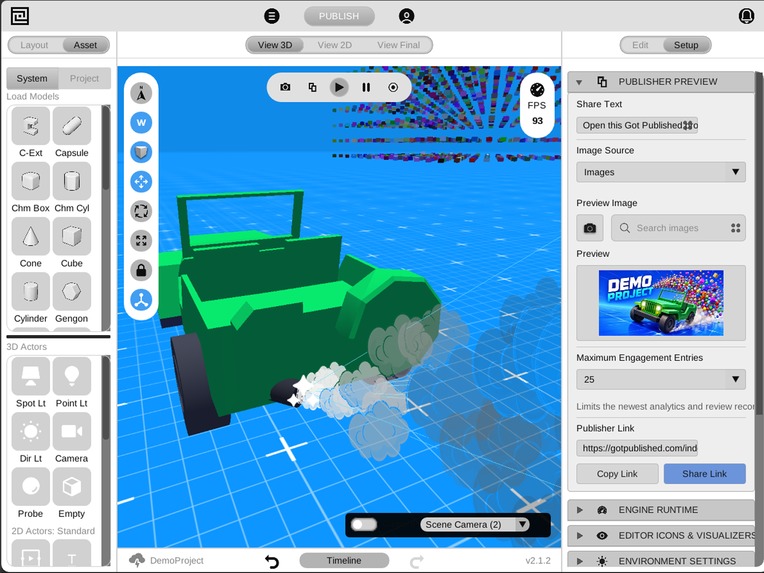
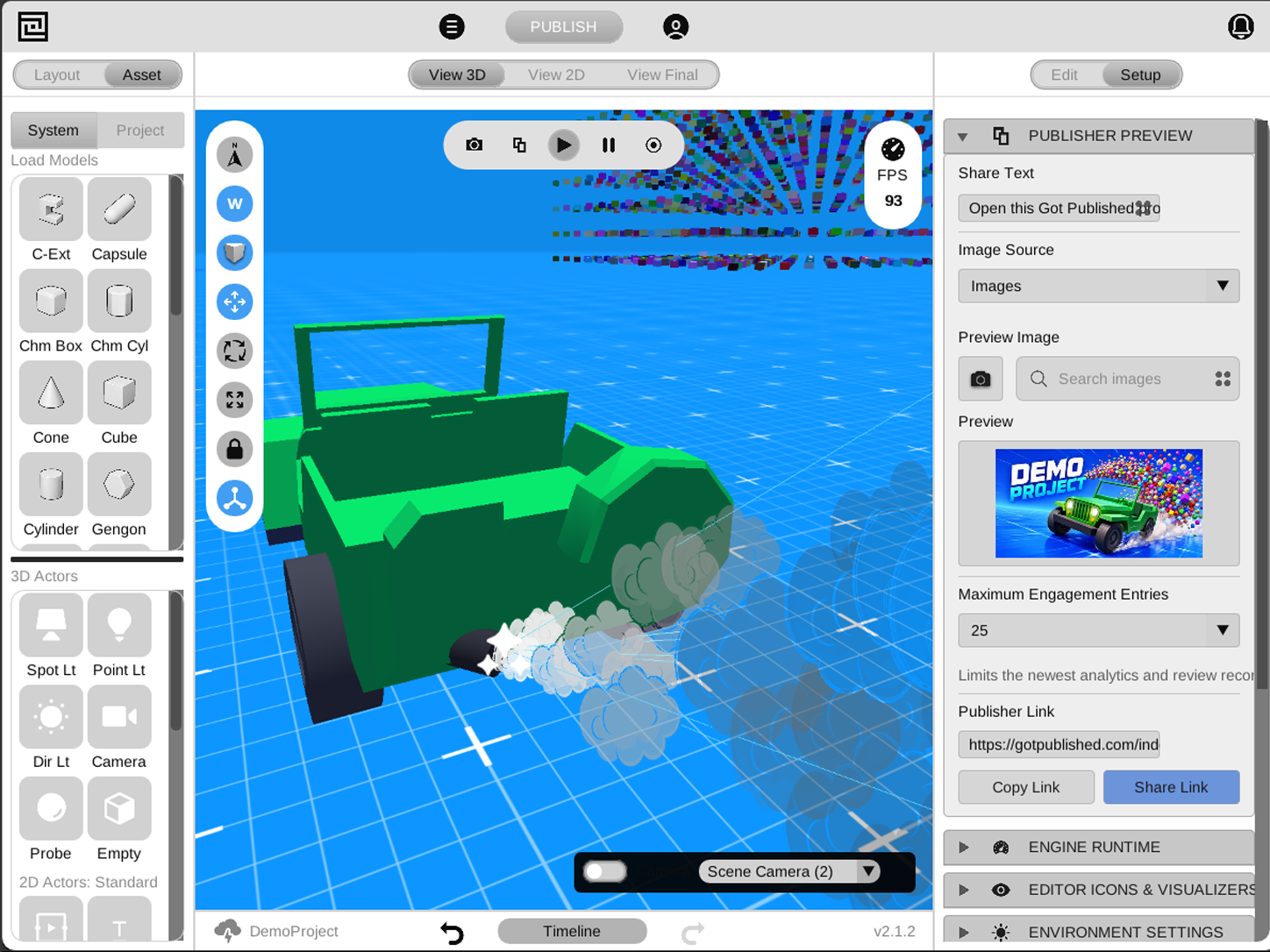
The Editor
-
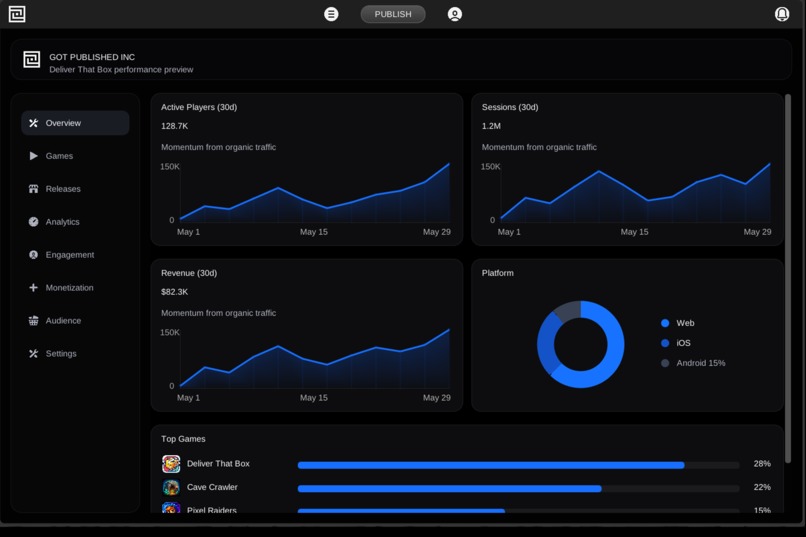
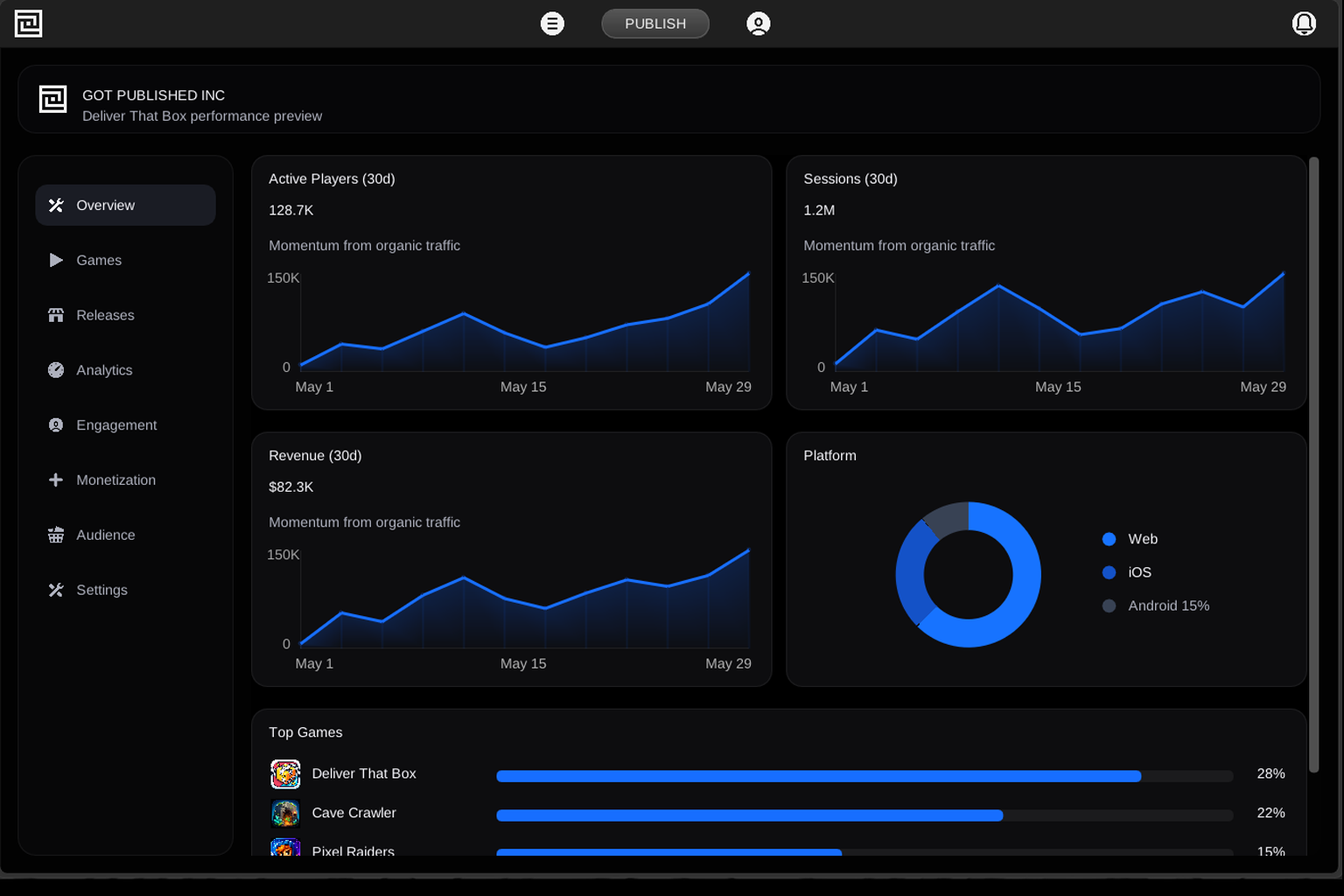
The Analytics
-
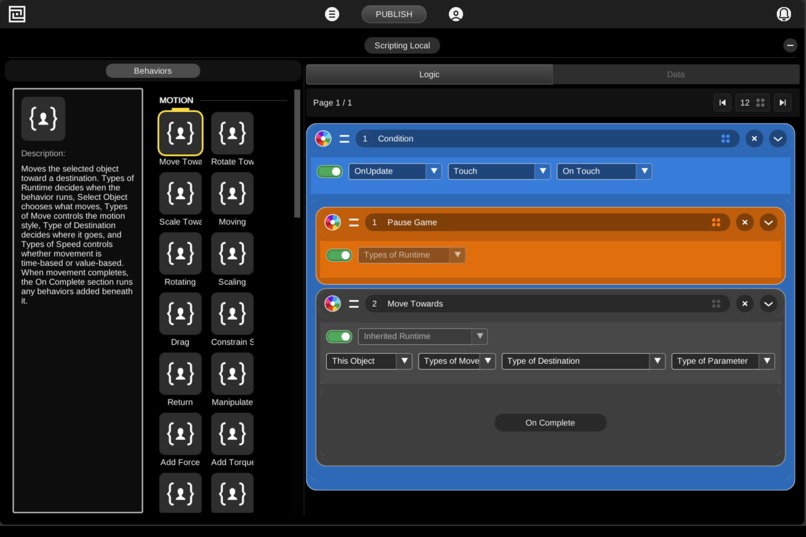
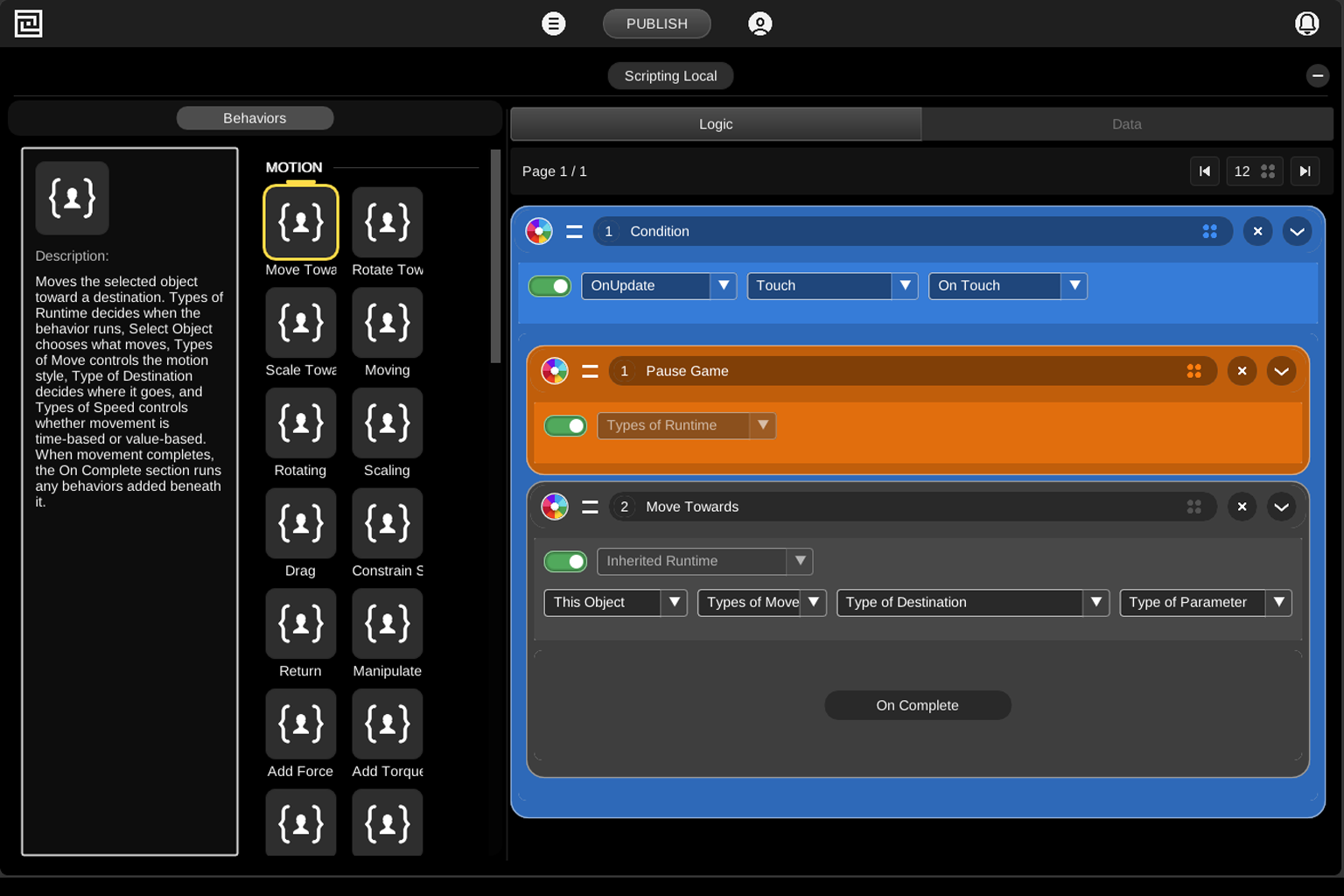
The Code
-
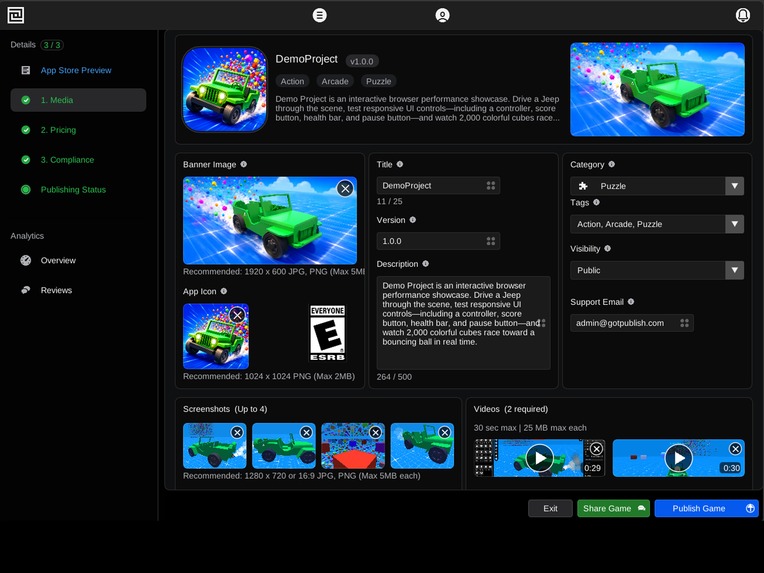
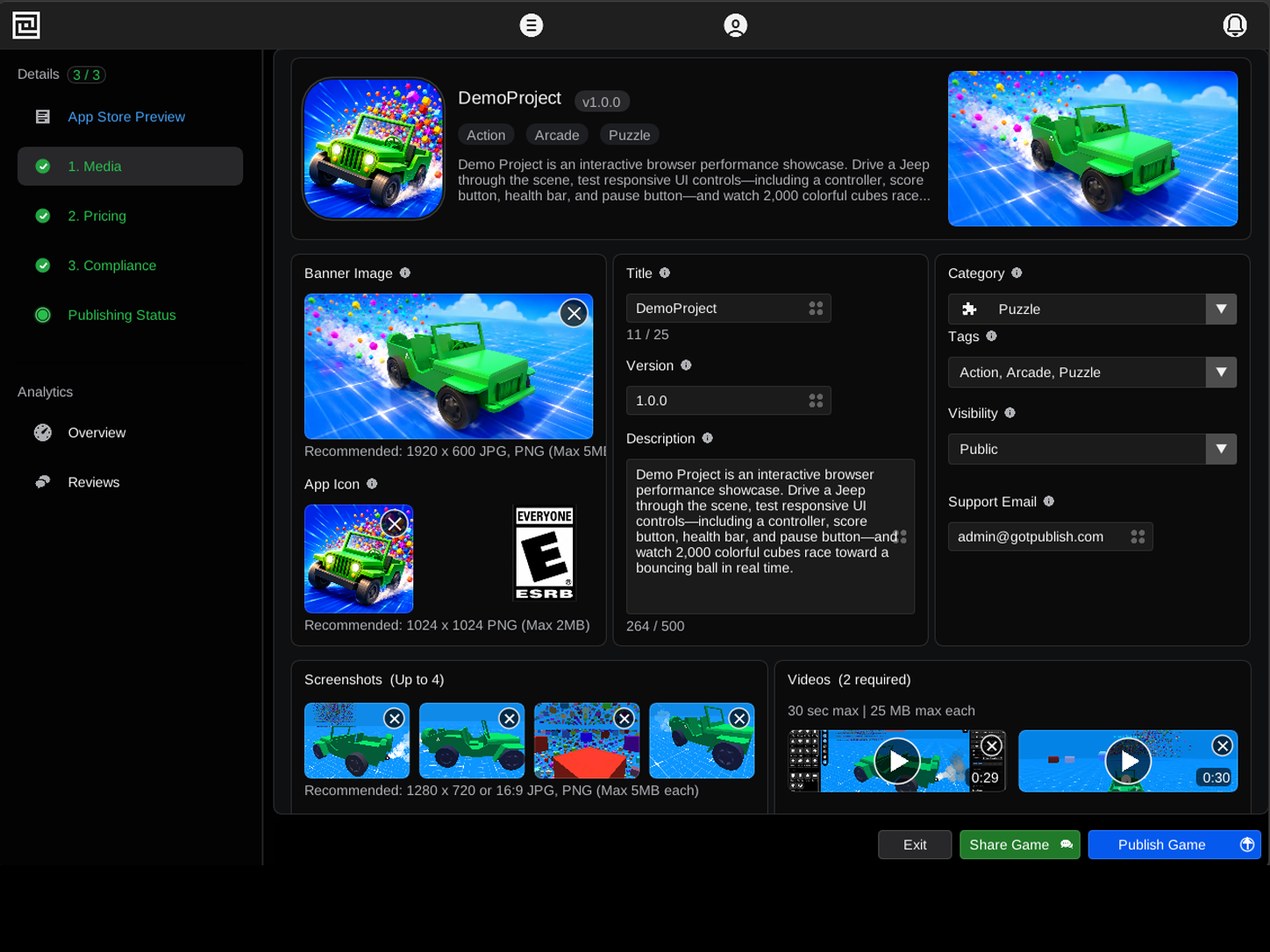
The Publishing Portal
-
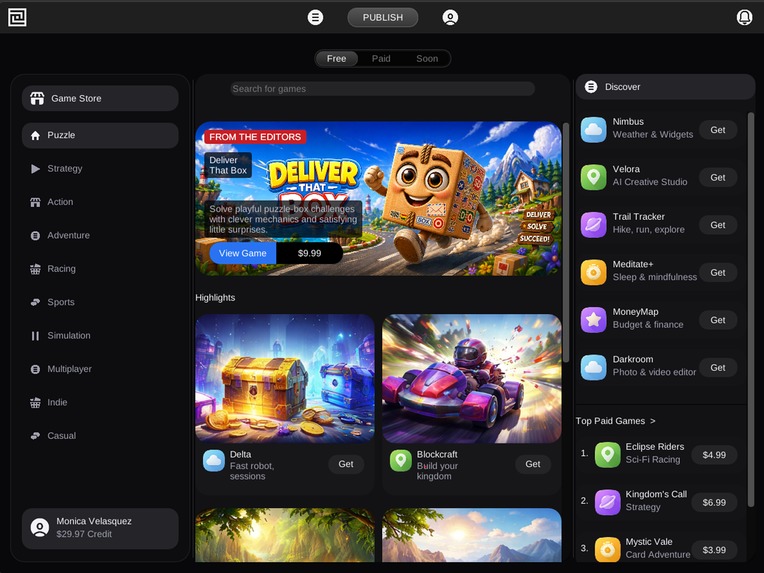
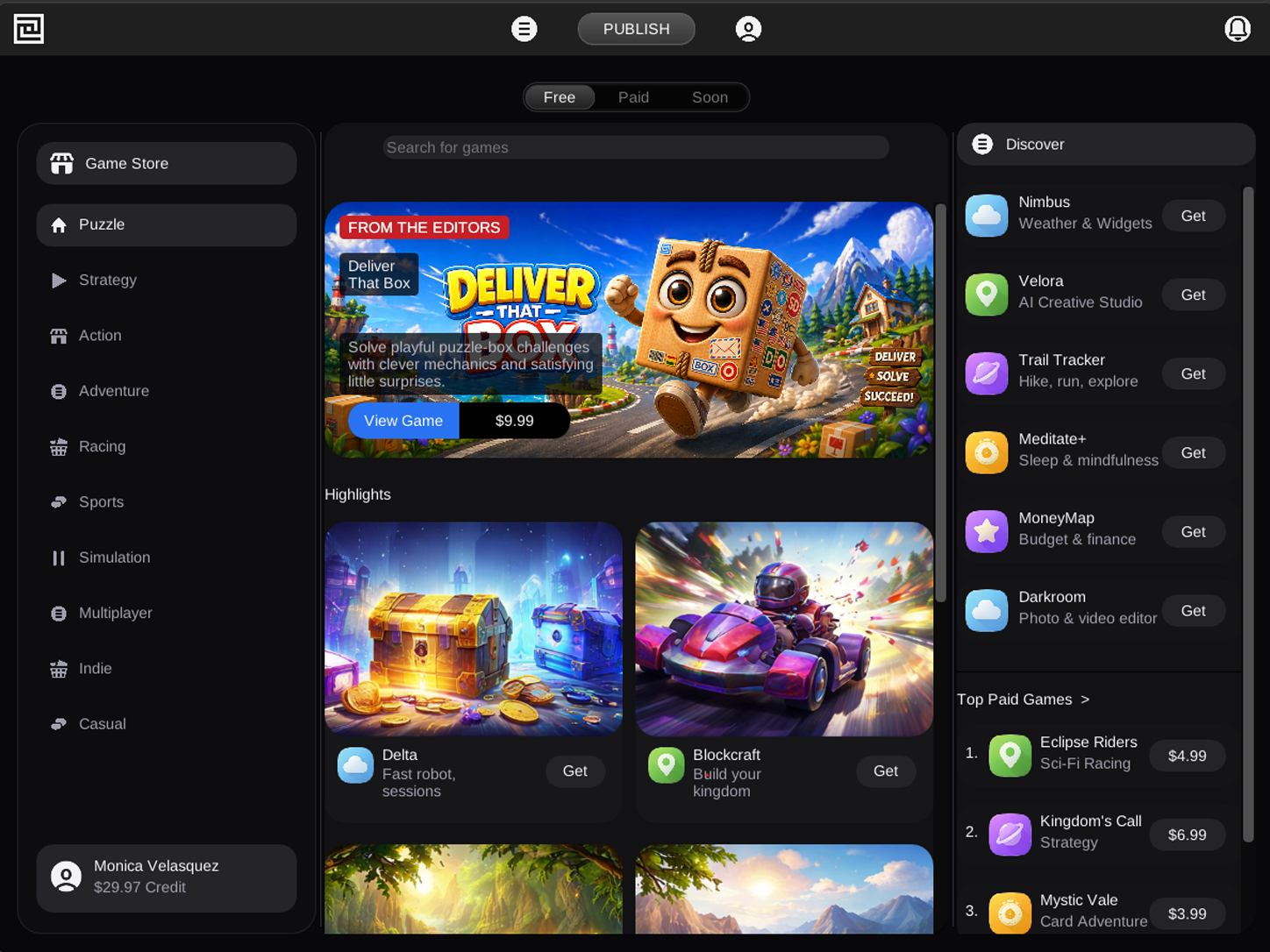
The Store
-
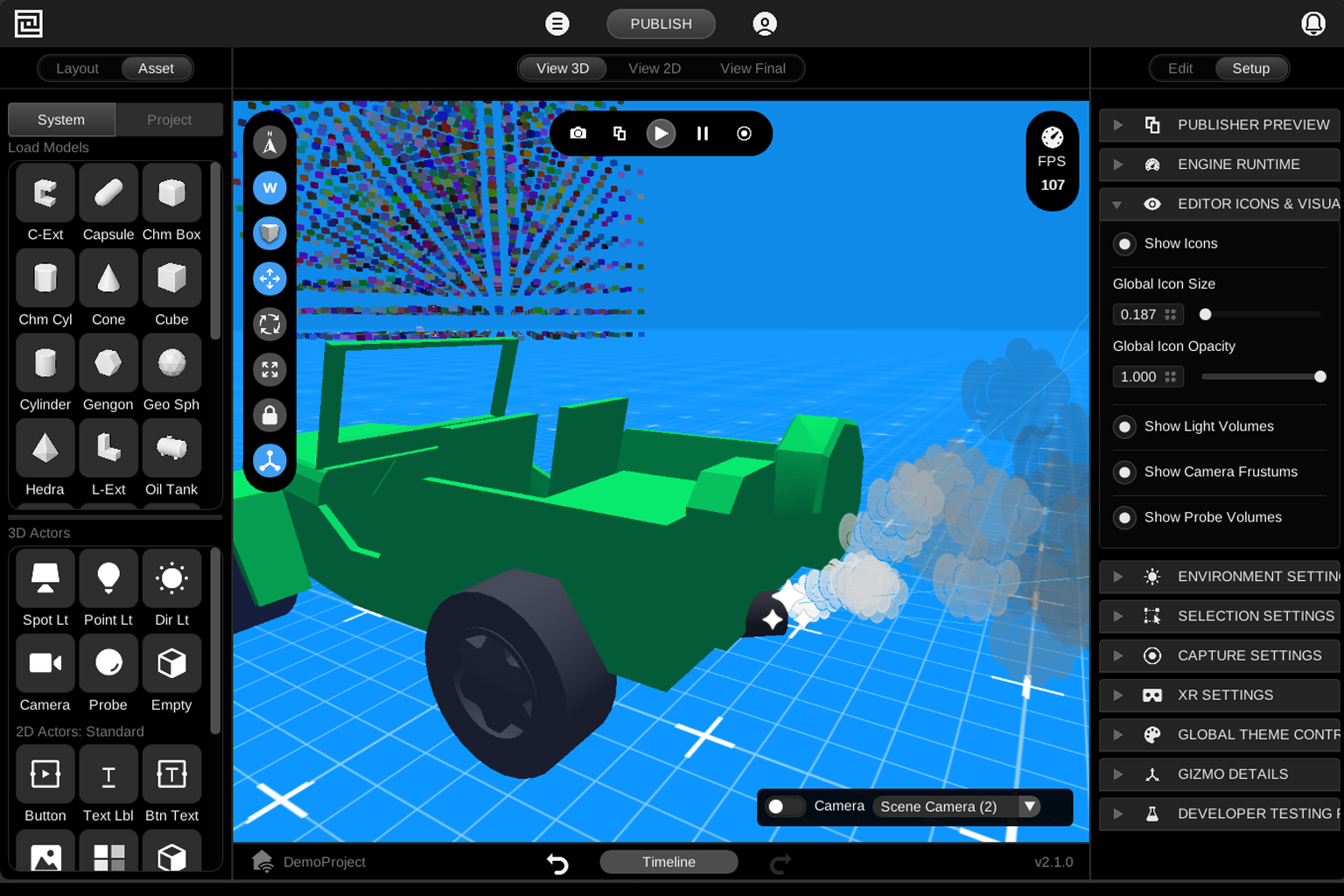
The Theme Color
Inspiration
Shipping a game has always felt harder than making one.
I’ve been building games for most of my life, and I’ve repeatedly run into the same problem: before anyone can play what you’ve created, you have to navigate large engine downloads, platform-specific builds, app store requirements, runtime fees, commissions, and lengthy publishing processes.
For independent developers, those barriers can turn a creative idea into a technical and financial burden.
I wanted to build a browser-first, frictionless ecosystem where someone could create a game, publish it instantly, and share it as easily as they would share a website.
What it does
Got Published is an integrated browser-based game engine and publishing platform.
Developers can create games directly in their browser, publish them to the Got Published marketplace, or generate a playable link that can be shared with anyone.
Unlike traditional game engines that require local installations, separate deployment tools, and platform-specific builds, Got Published brings the creation and publishing process into one connected browser-based platform.
Players don’t need to download an engine, install an application, or find the game through an app store. They simply open the link and play.
My goal is to make building, publishing, and playing games feel like one seamless experience instead of three separate processes.
How I built it
I designed Got Published as a web-first game engine with its own integrated publishing pipeline.
The engine, editor, publishing tools, and marketplace are all being developed as parts of the same platform. This allows a creator to move from building a project to sharing a playable version without leaving the browser or managing a separate deployment process.
As a solo founder, I use OpenAI Codex extensively to accelerate implementation. I’m responsible for the engine architecture, product direction, technical decisions, interface design, and overall creator experience. Codex helps implement those decisions and allows development to move much faster.
AI hasn’t replaced the engineering or decision-making process. It has allowed me to spend more time solving architectural problems, refining the product, and thinking carefully about the experience I want creators to have.
Challenges I ran into
Building a game engine is already a large technical challenge. Building one that runs entirely inside a browser while still feeling approachable made the problem even harder.
I’ve had to balance rendering performance, editor usability, project management, browser limitations, asset loading, and publishing—all while keeping the experience simple for the person using it.
One of the hardest parts has been hiding the complexity without taking away the control developers need. Every feature has to work technically, but it also has to feel understandable to someone who may not have years of game-development experience.
That process has forced me to question many of the assumptions built into traditional game engines and look for simpler ways to solve familiar problems.
Accomplishments that I’m proud of
The accomplishment I’m most proud of is building a functioning browser-based game engine and publishing ecosystem as a solo founder.
Got Published is no longer just an idea or a design prototype. Creators can build projects in the browser, work inside the editor, and move toward publishing and sharing those projects through the same platform.
The product is approaching its public launch and is scheduled to leave beta within the next 30 days.
After years of development, reaching the point where other creators will soon be able to use the platform is a major milestone for me. I’m also proud that AI-assisted development has allowed me to make progress that would normally be difficult for one person to achieve alone.
What I learned
The biggest lesson has been that AI can dramatically increase what an individual developer is capable of building, but it still depends on strong human direction.
Codex can help me implement systems quickly, but I still have to decide what should be built, how the systems should work together, which tradeoffs are worth making, and whether the final experience actually solves a problem for creators.
I’ve also learned that removing friction can be more valuable than adding another feature. Some of my best product decisions came from asking why a complicated step existed in the first place and whether I could remove it entirely.
I’m not trying to create a simpler-looking version of an existing engine. I’m rethinking the entire path from an idea to a playable game.
What’s next for Got Published
My immediate goal is to complete the beta, launch the platform publicly, and begin onboarding more creators.
From there, I plan to expand the engine’s capabilities, improve multiplayer support, grow the marketplace, strengthen the publishing and analytics tools, and make it easier for developers to distribute their games across different devices.
Long term, I want Got Published to become a place where independent developers, students, educators, and small teams can create and distribute games without needing the infrastructure or resources of a large studio.
The larger vision is simple: building and sharing a game should be as immediate and accessible as building and sharing a website.
Hidden Message
SWYgeW91IGZvdW5kIHRoaXMsIHRoYW5rIHlvdSBmb3IgbG9va2luZyBhIGxpdHRsZSBkZWVwZXIuIEdvdCBQdWJsaXNoZWQgZXhpc3RzIGJlY2F1c2UgSSBxdWVzdGlvbmVkIGFzc3VtcHRpb25zIG1vc3QgcGVvcGxlIGFjY2VwdCBhbmQgdHJlYXRlZCBldmVyeSBvYnN0YWNsZSBhcyBhbiBvcHBvcnR1bml0eSB0byBzaW1wbGlmeS4gQ3VyaW9zaXR5IGJ1aWx0IHRoaXMgcGxhdGZvcm0sIGFuZCBJIGhvcGUgdGhhdCBzYW1lIGN1cmlvc2l0eSBoZWxwcyB5b3Ugc2VlIHdoYXQgaXQgY291bGQgYmVjb21lLg==
Built With
- 3ds-max
- amazon-web-services
- bullet-physics
- c++
- cloud-storage
- codex
- css
- databases
- dear-imgui
- emscripten
- fmod
- git
- github
- html5
- javascript
- json
- netlify
- opengl
- photoshop
- rest-apis
- sourcetree
- visual-studio
- webassembly
- webgl

Log in or sign up for Devpost to join the conversation.