Inspiration
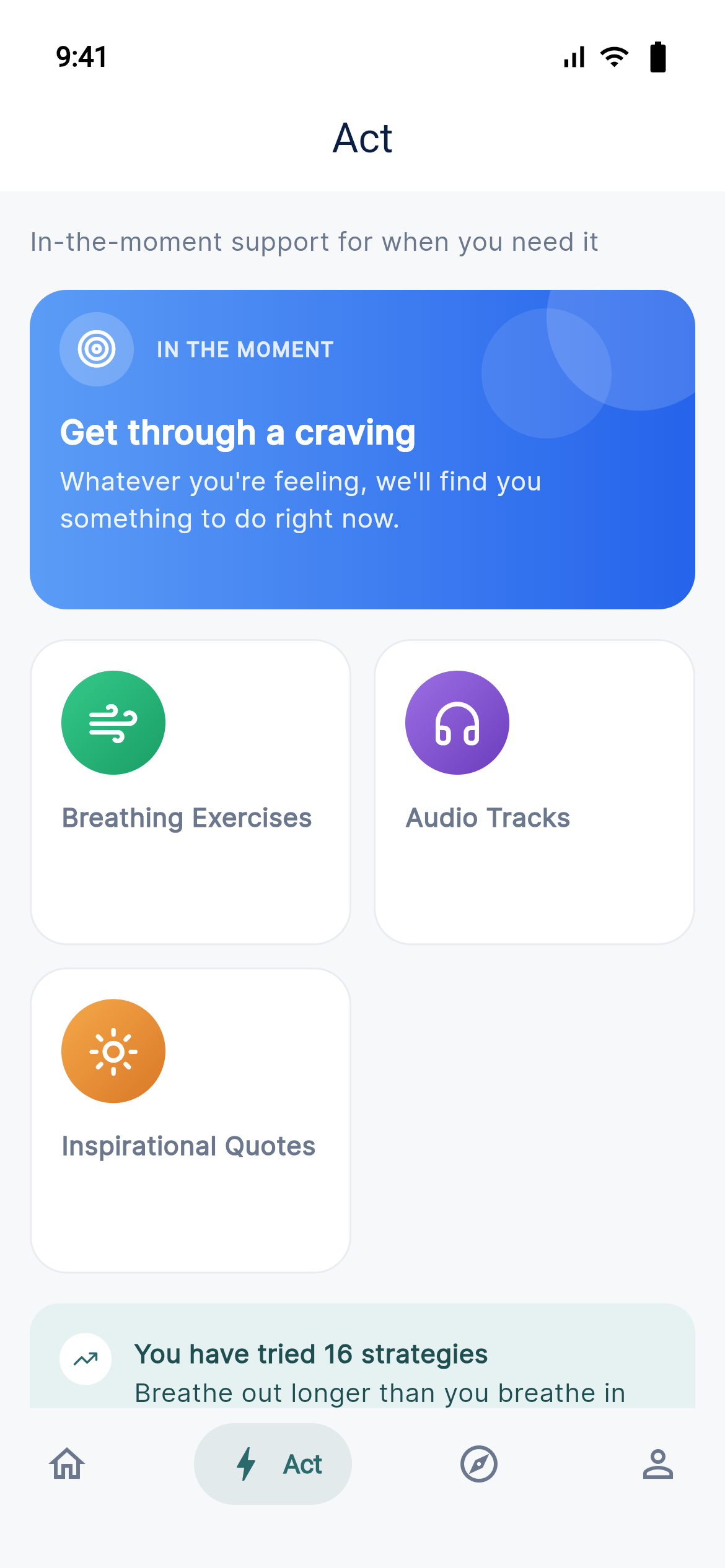
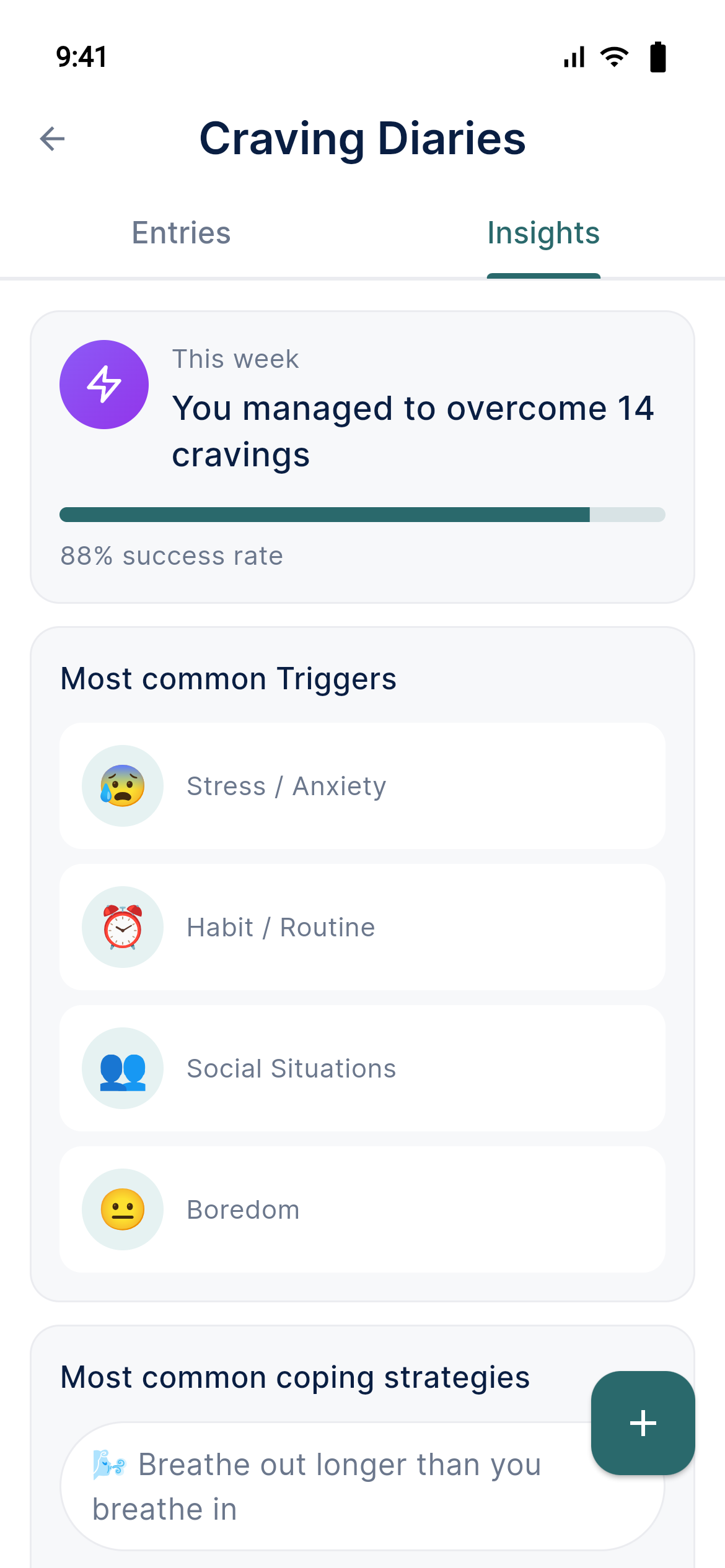
Most drinking apps ask you to quit, or they track calories and units like it's a spreadsheet. Habit tracking is not helpful in most cases because it doesn't really address how people think about drinking. We built GoSober to offer a program for people who want to drink less, notice their patterns, and feel better, without labels, programs, or a clinical framing. We provide guidance, tools, and help users overcome their craving crises.
What it does
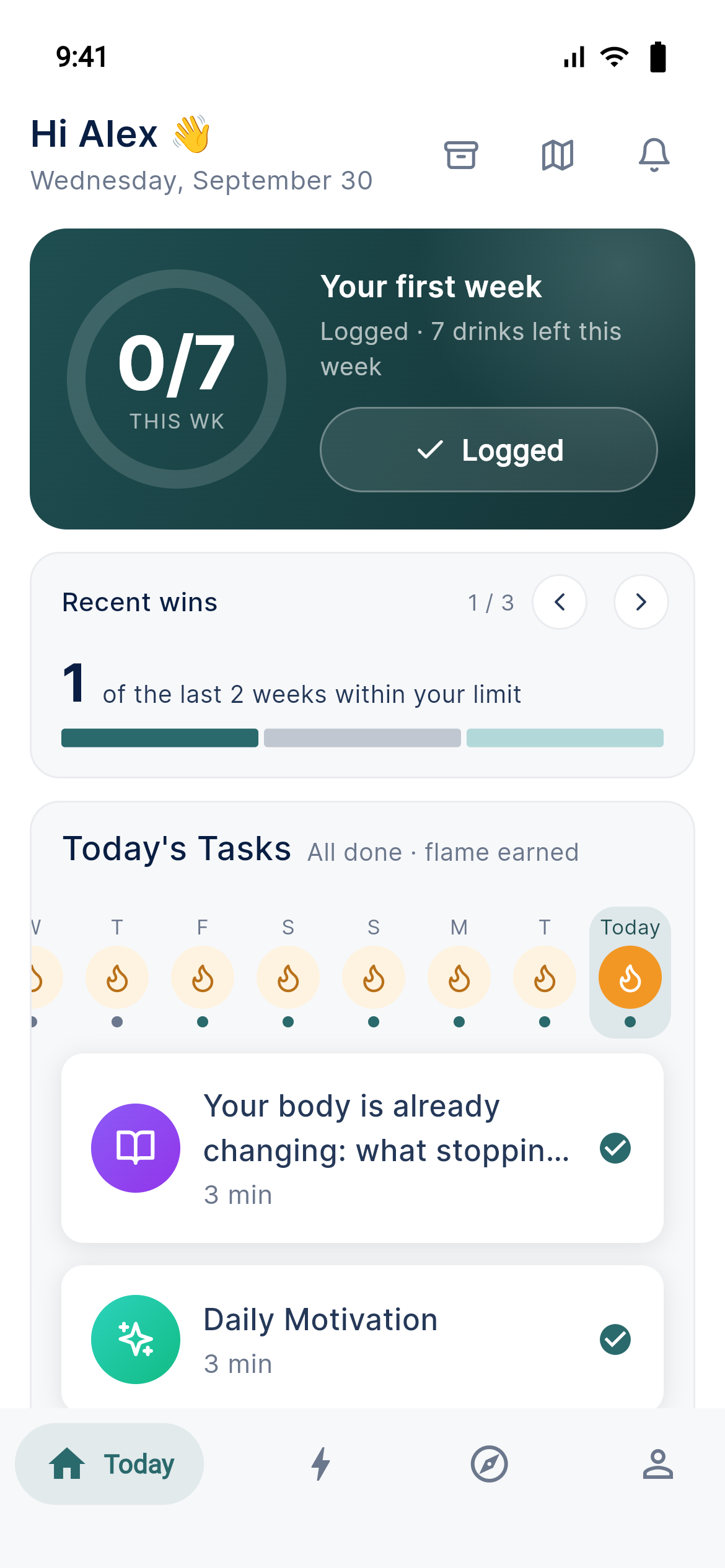
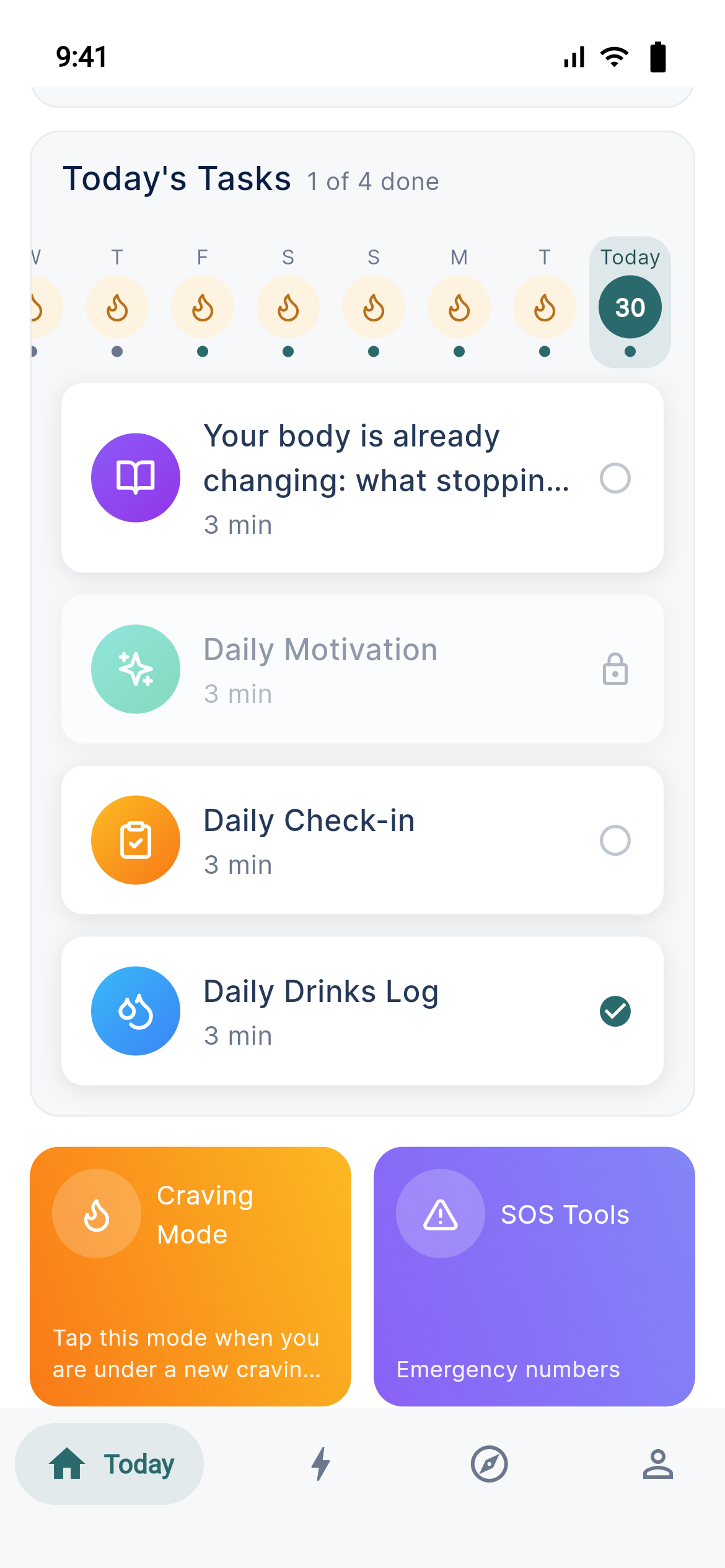
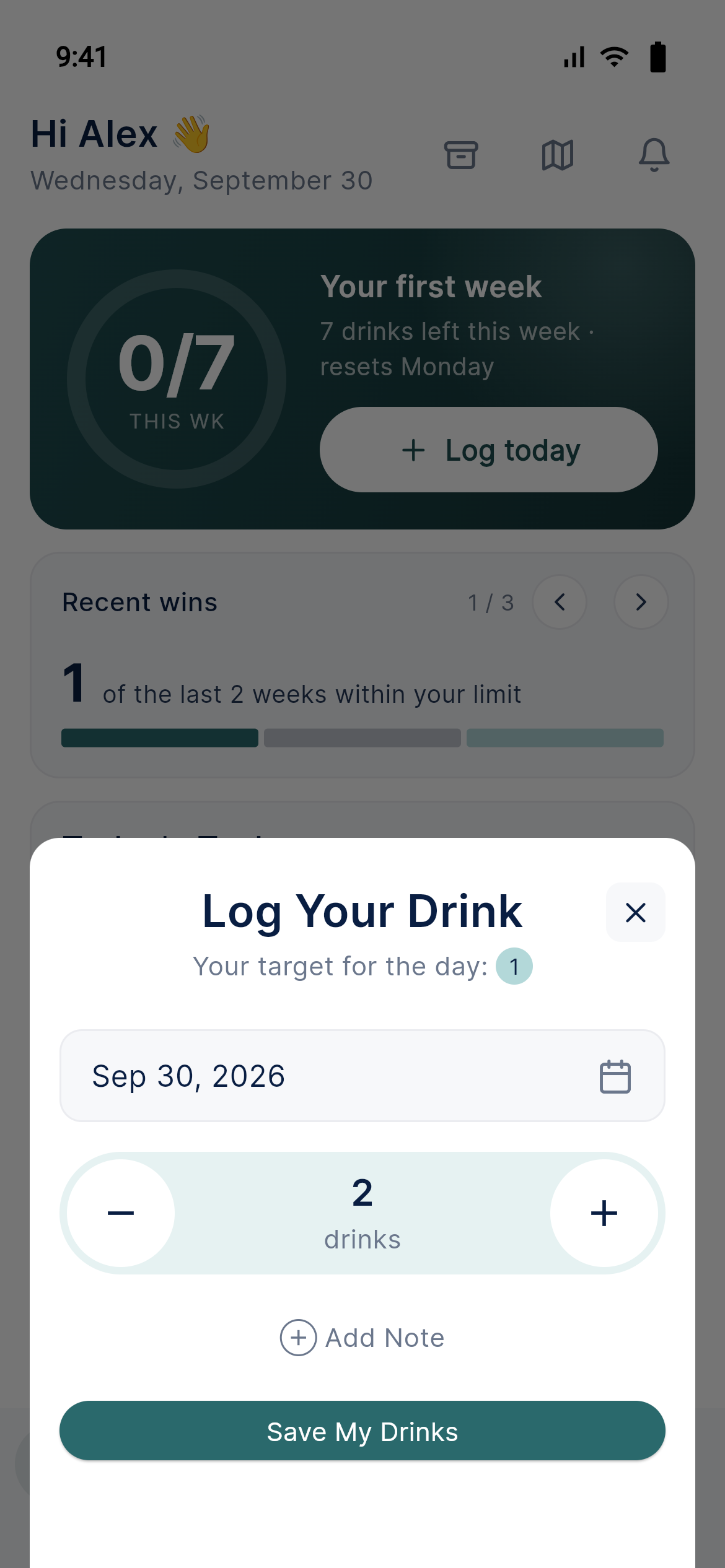
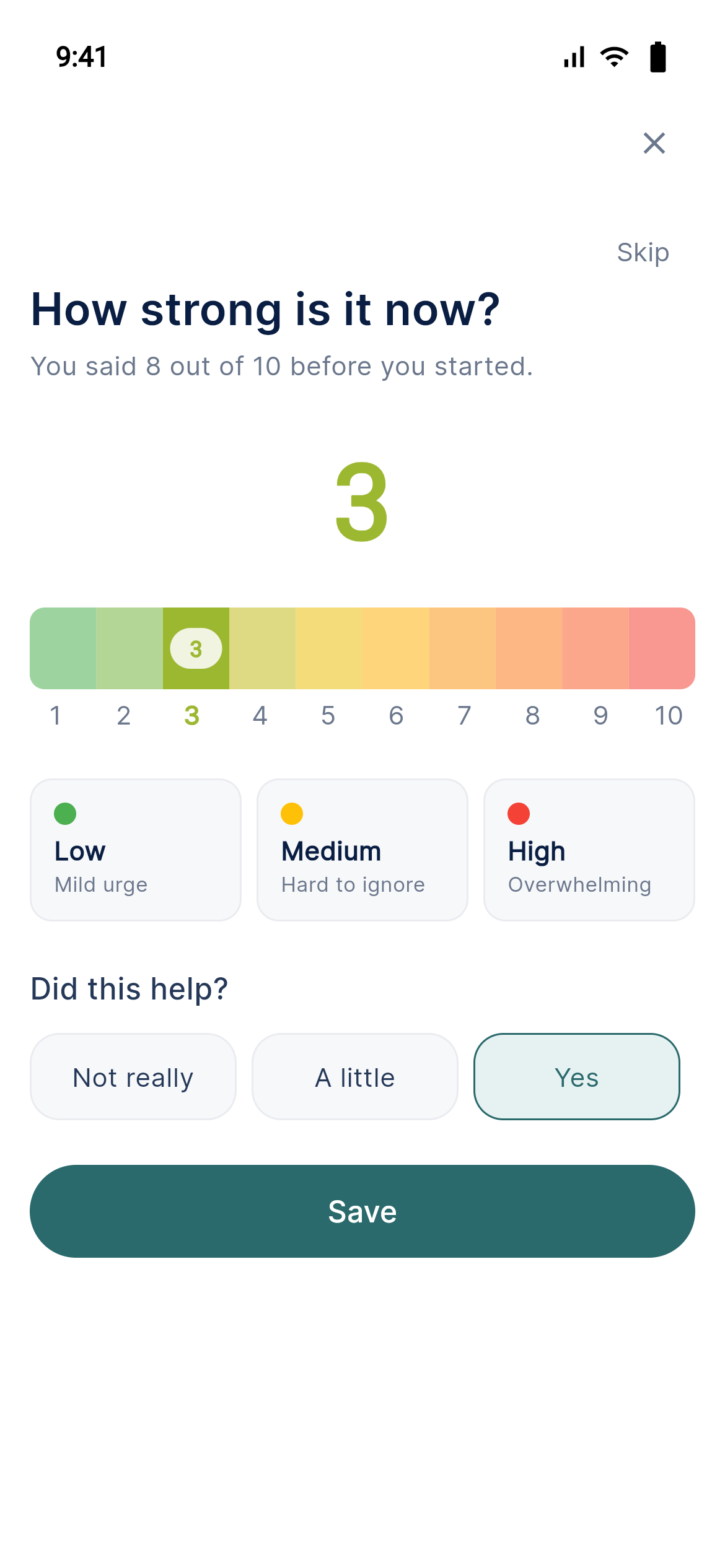
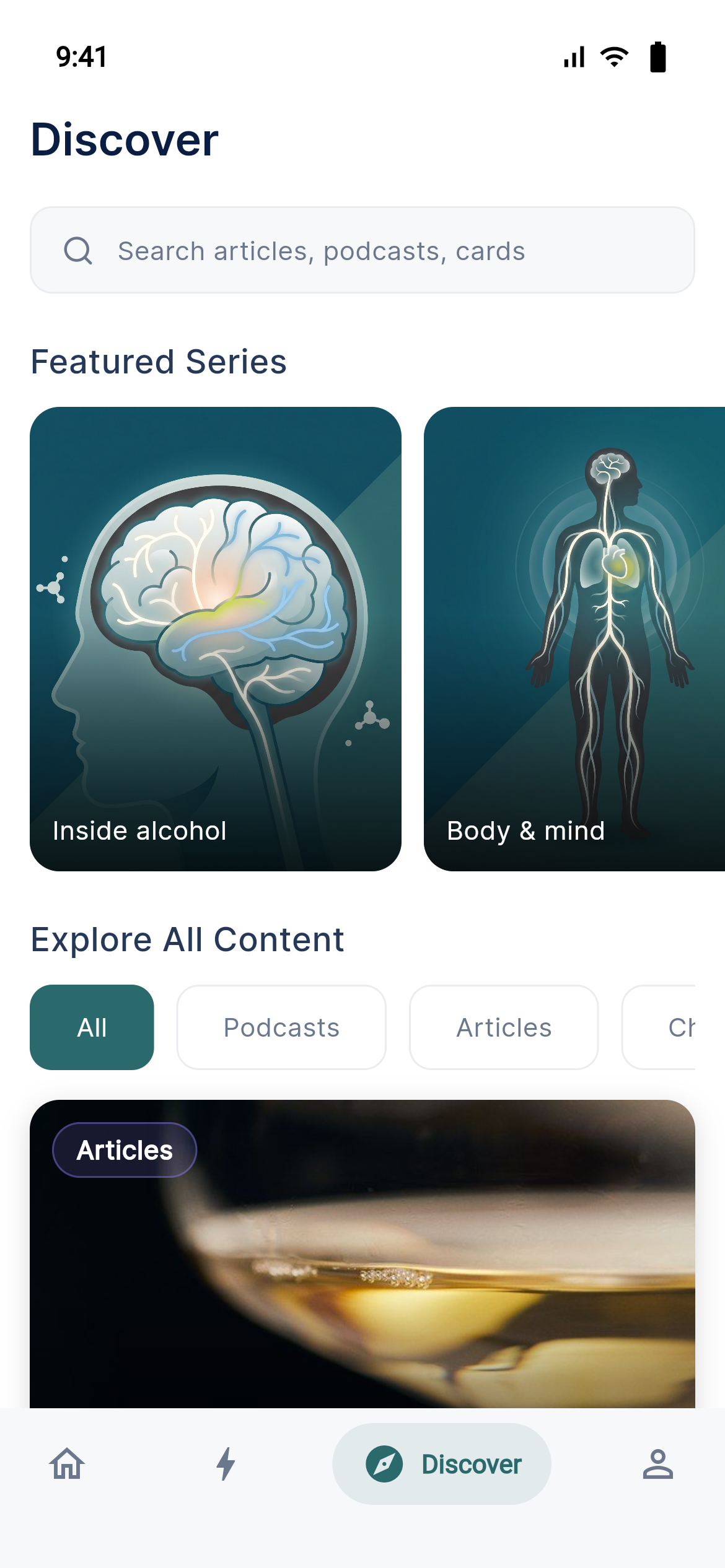
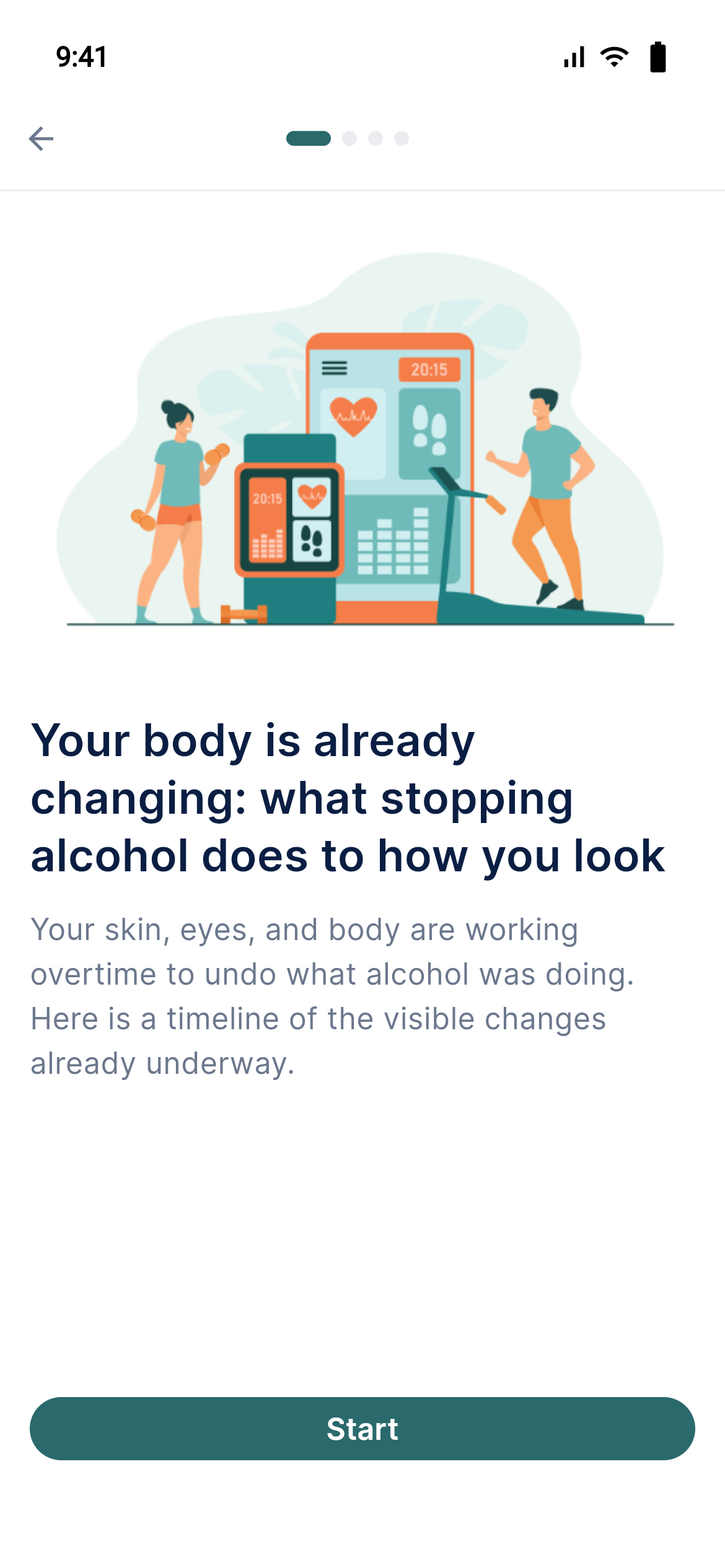
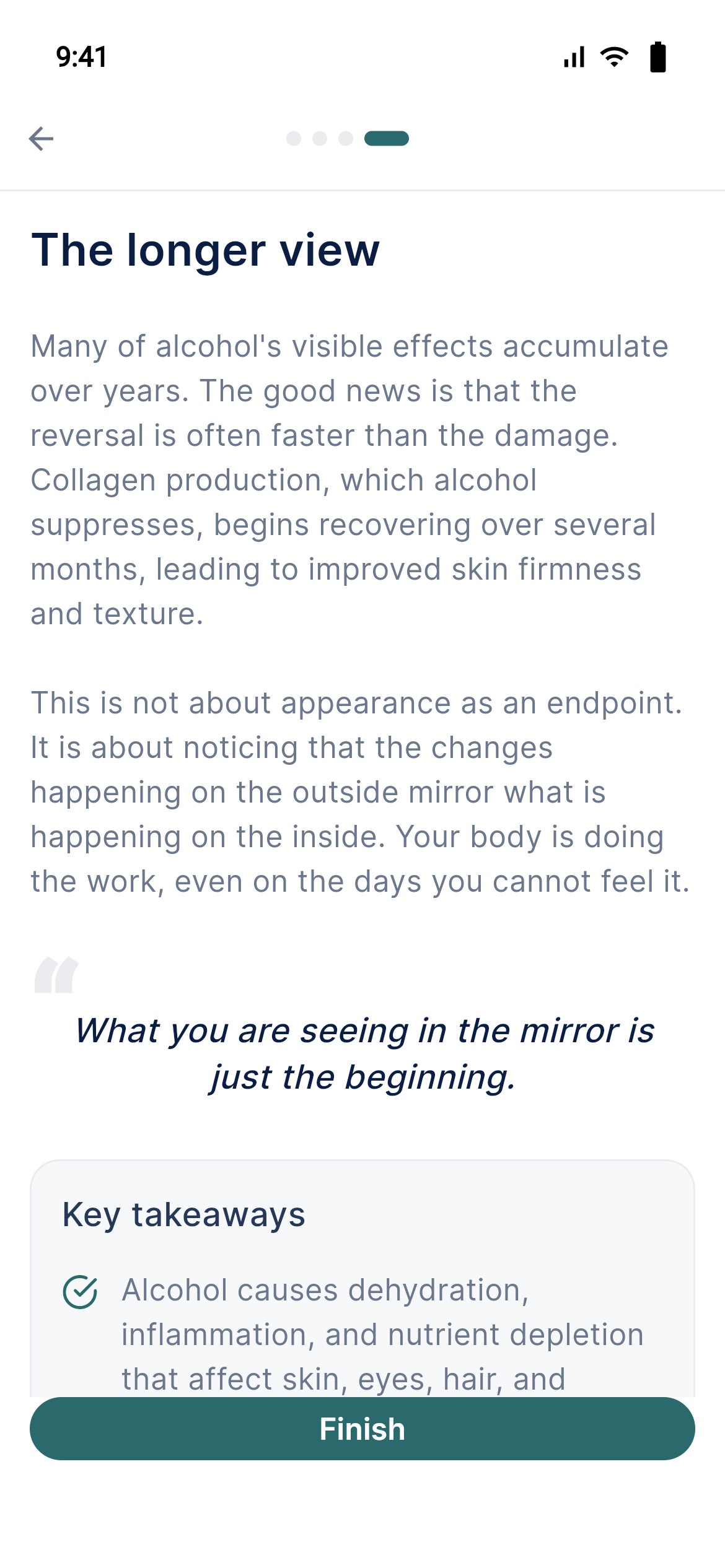
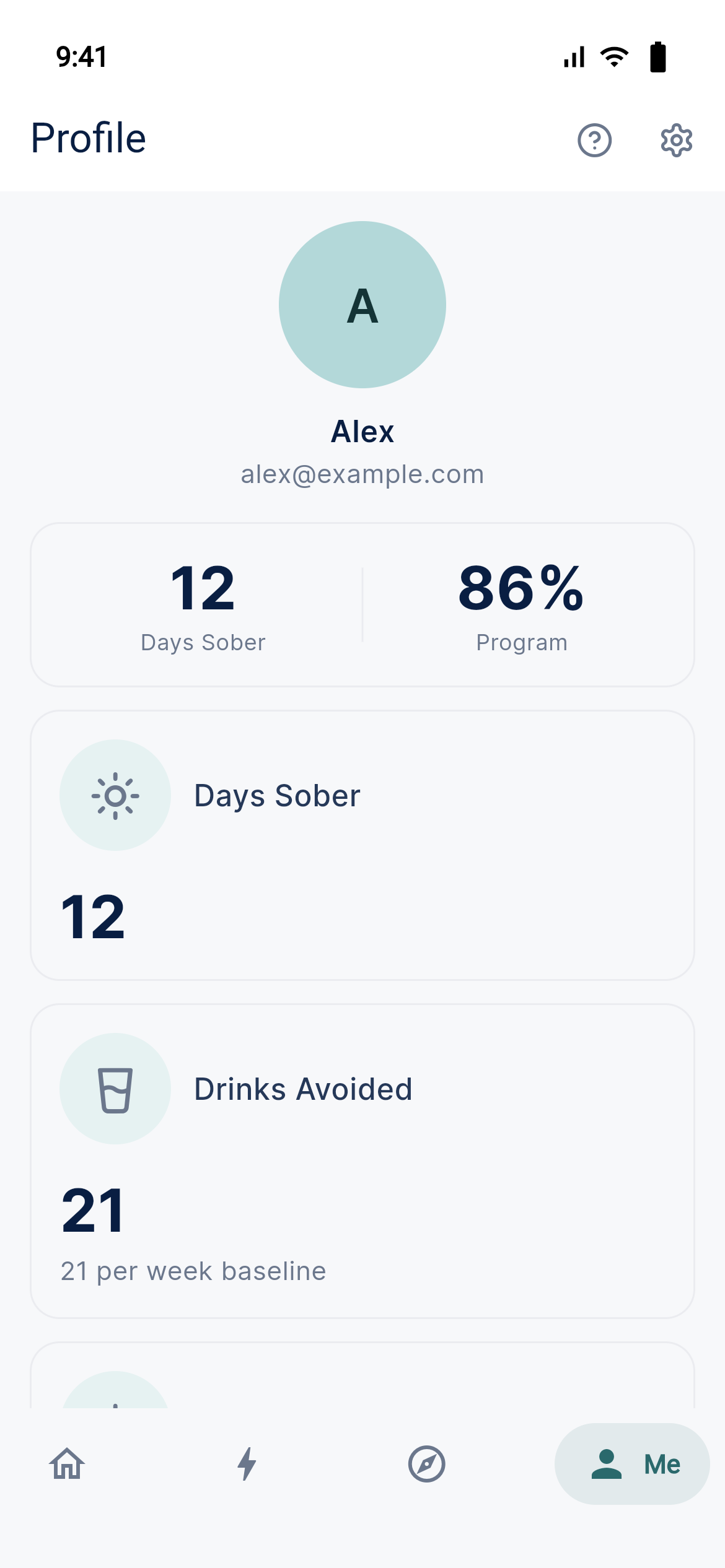
GoSober is a drink and mood tracker built around one thing: honesty with yourself, not a treatment plan. Each day, you get a lesson crafted by therapists, log how much you drank in simple terms (None, A few, Too much), and check in on your mood. Over time, GoSober surfaces the patterns behind the numbers: how drinking connects to stress, sleep, and mood swings, using trend charts that most drinking trackers don't offer.
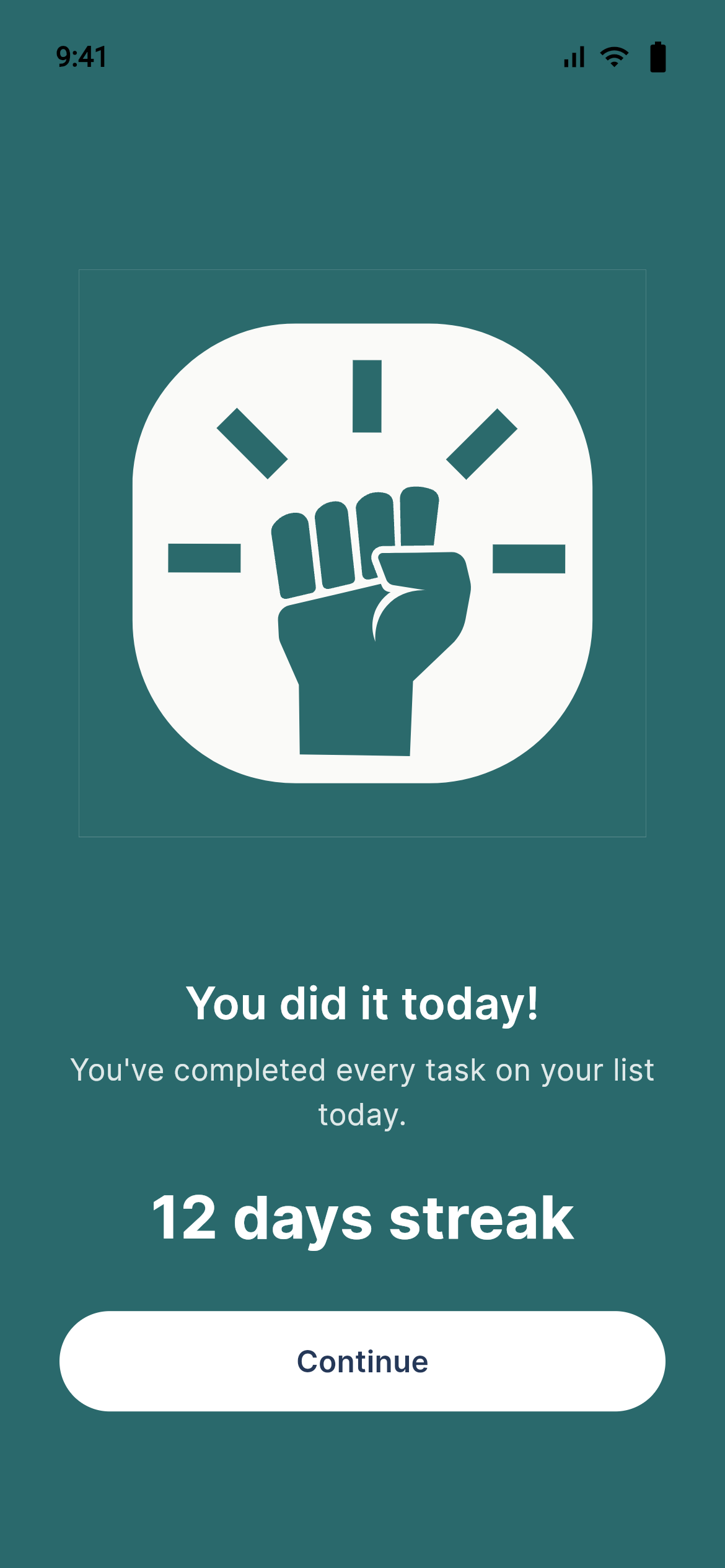
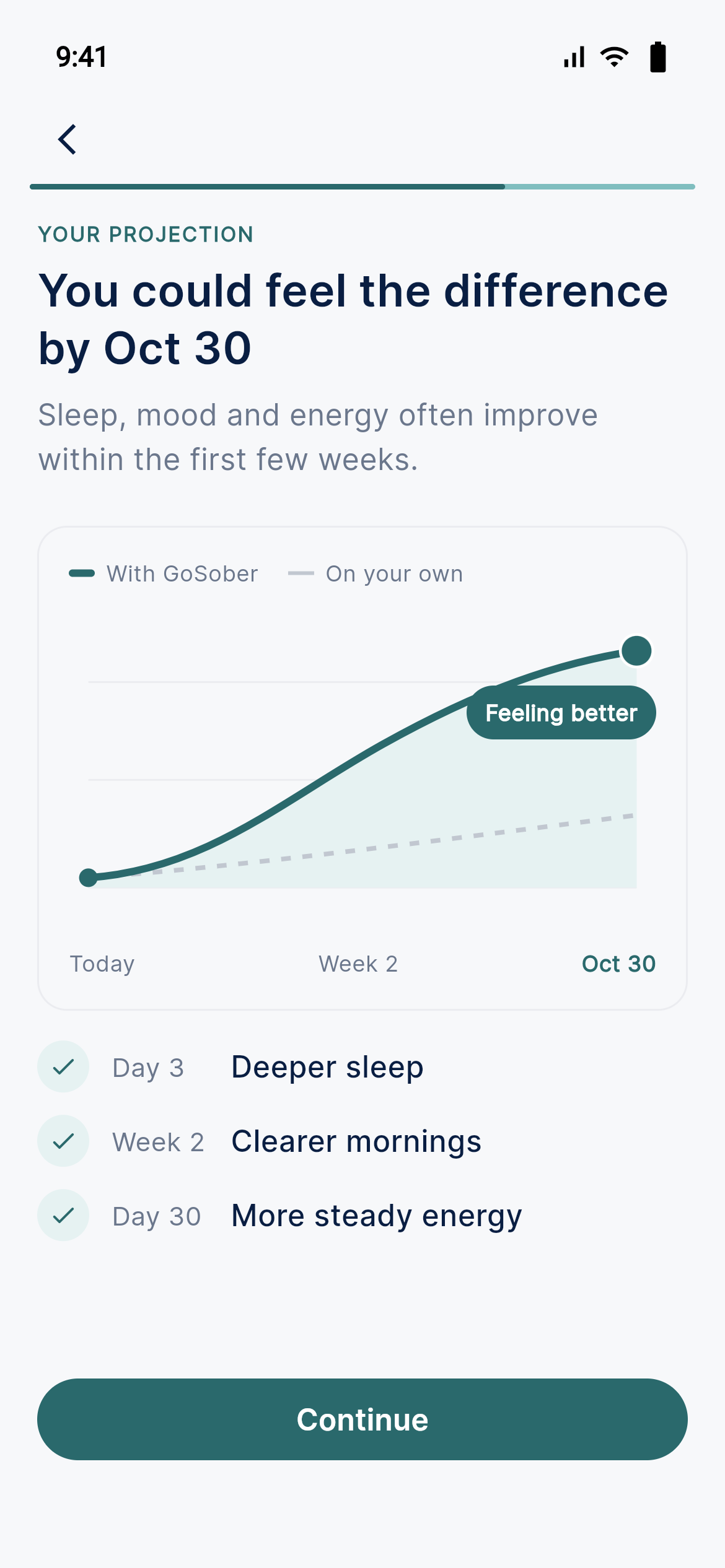
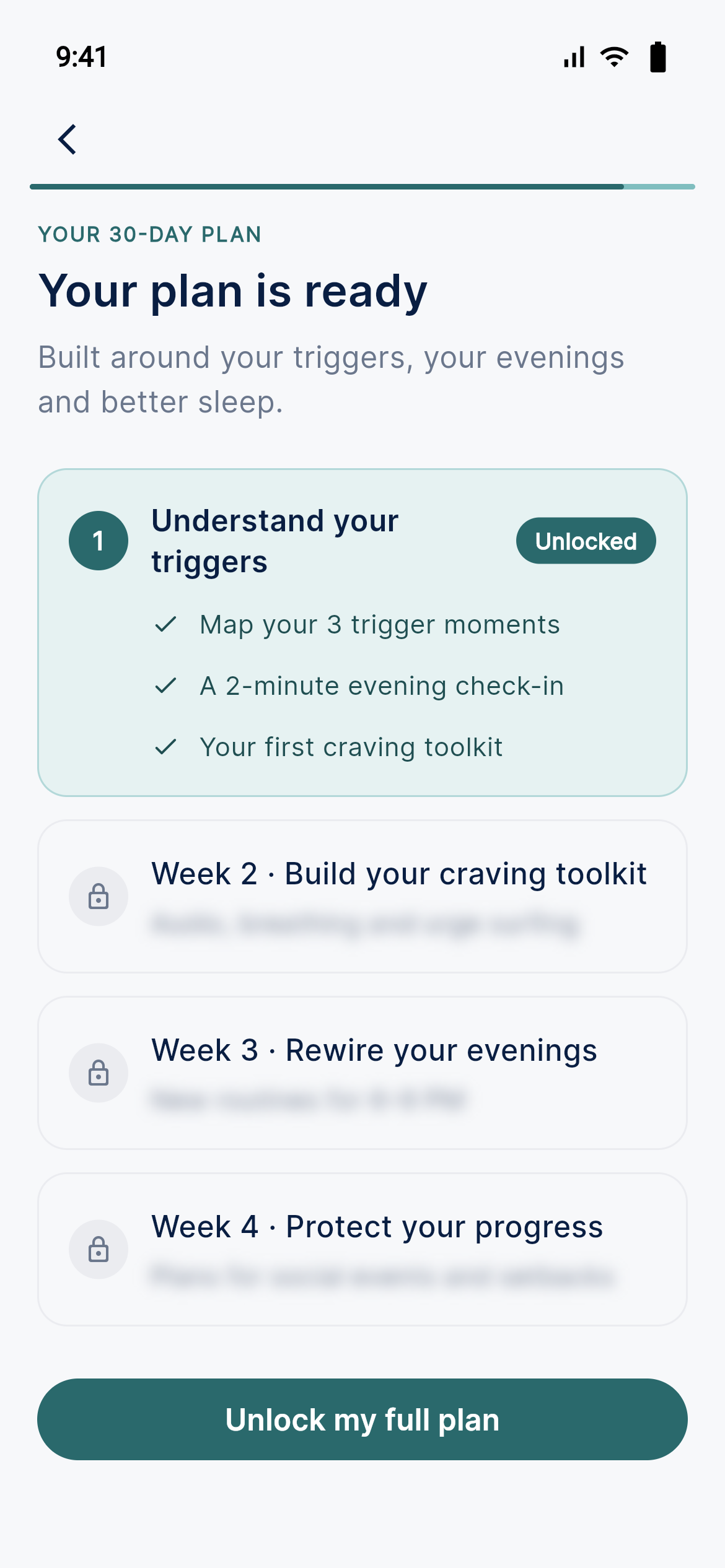
A streak system rewards staying under your own threshold, or tracks how long you've been AF (alcohol-free). It fits people cutting back just as much as people going fully alcohol-free. The guided 15-week roadmap gives structure to the habit change.
How we built it
GoSober started with keyword and competitor research. We mapped what people actually search for (drink tracker, cut back on drinking, mood tracker) against what competitors already own, then built the feature set around real user intent instead of guessing. Mood tracking became our focus early on, since none of the five competitors we studied led with it in their store listing, despite it being one of the highest-volume and most relevant terms in the category.
From there, we built the logging flow to be fast enough for a daily habit: a single tap to record a drink, a single tap to check in on your mood, and no forms to fill out if you don't want to.
Technically, the app was made by studying the competition first. An app designer created the screens in Figma for us, then our AI implemented them as real Flutter screens. We implemented the overall logic and backend using Supabase. Since user personalization is really important to us, we're working toward implementing a CRM system soon, such as OneSignal or Customer.io. Our content is hosted on Sanity, a headless CMS.
Challenges we ran into
Wellness and health content live under strict store policies, so every word had to earn its place. We kept a running AVOID list (words like addiction, treatment, therapy, recovery) and checked every piece of copy against it before it shipped. Getting the tone right for a moderation app was its own challenge: streaks needed to celebrate "staying under my limit," not "staying sober," so the same feature works for someone cutting back and someone going fully alcohol-free.
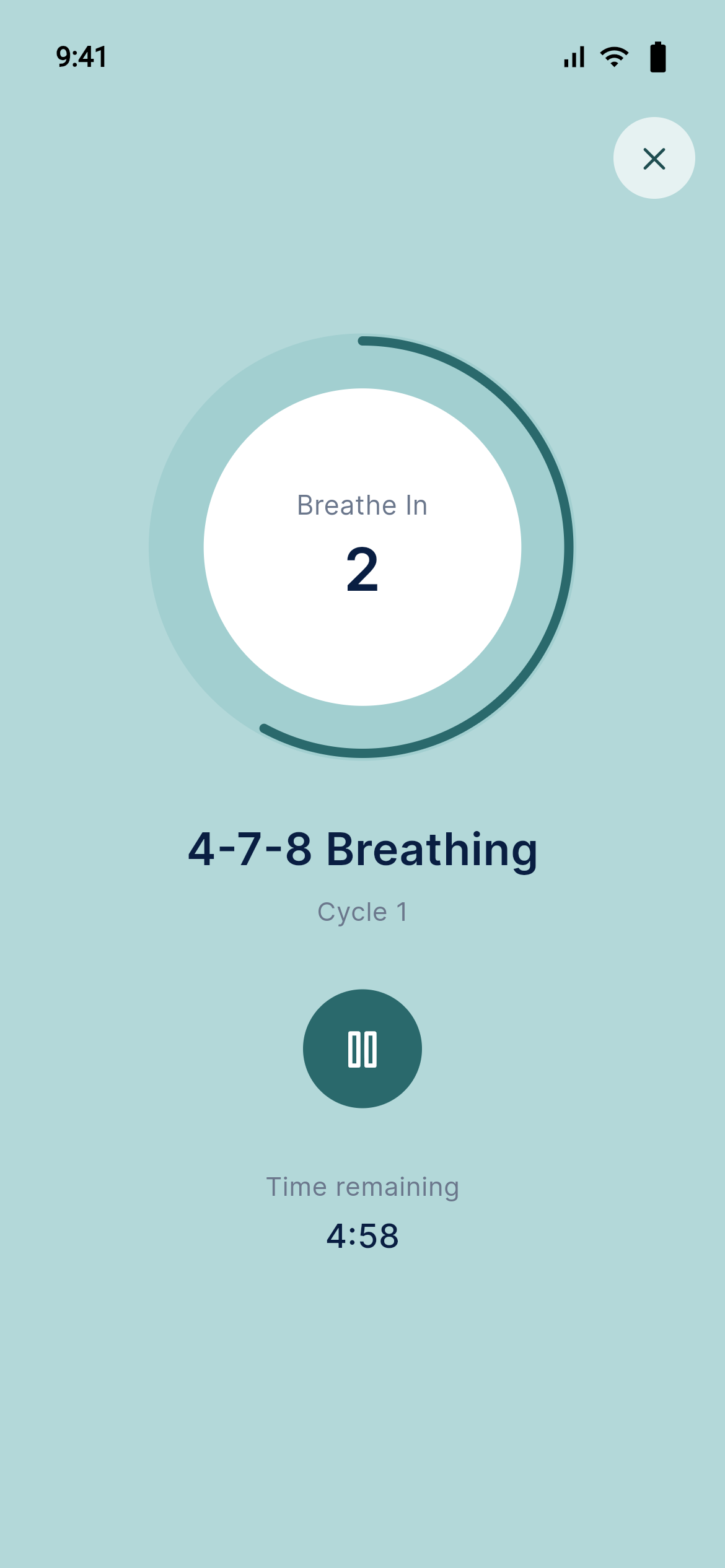
Similarly, creating the overall content of the app and populating all the programs was a challenge. Making sure the chapters made sense for each user based on their progress was not easy. We also plan to create audio content, but we're struggling to find the right TTS tool to generate nice-sounding meditation voices.
Accomplishments that we're proud of
We're proud of finding a real gap: mood tracking as a lens for understanding drinking habits, backed by research rather than a guess. This allows us to plan specific AI-supported features that will soon help users with specific craving coping mechanisms.
We're also really happy to have met many amazing people along the way. We learned so much from our users through their feedback, from therapists through their program suggestions, and from other app founders about overall strategy. This made our Shipaton experience very insightful, even if we couldn't publish by the deadline and therefore cannot qualify.
What we learned
We learned that nothing beats marketing. Even before the app goes live, having a steady flow of interested users is critical. We are not very good at this yet, but we're learning. If you are an experienced marketer, feel free to ping us. We want to extend the team.
What's next for GoSober
We're launching in English and French on Google Play, then watching real search-term data to replace our early estimates. We'll strongly focus on the FTUE (onboarding funnel, paywall, first actions in the app, etc.). One thing that is still missing is the notification flows. This is planned for after the Shipaton submission :)
Built With
- customerio
- flutter
- supabase

Log in or sign up for Devpost to join the conversation.