-
-
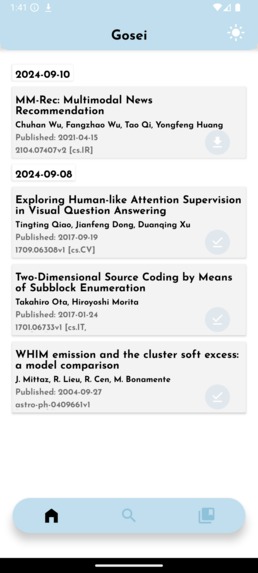
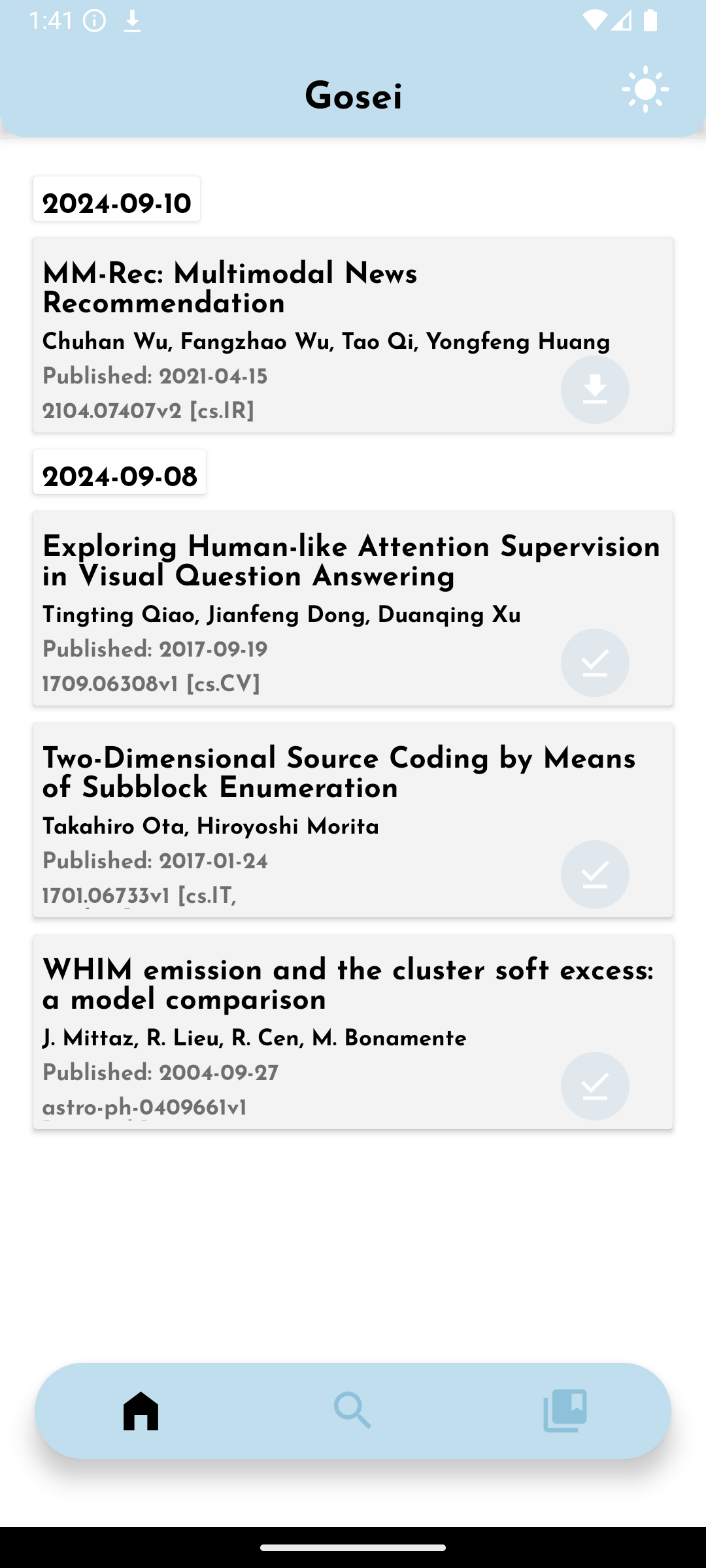
Home page where saved papers show up directly and you can change it dark mode here
-
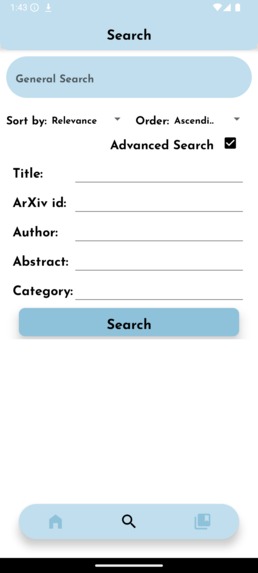
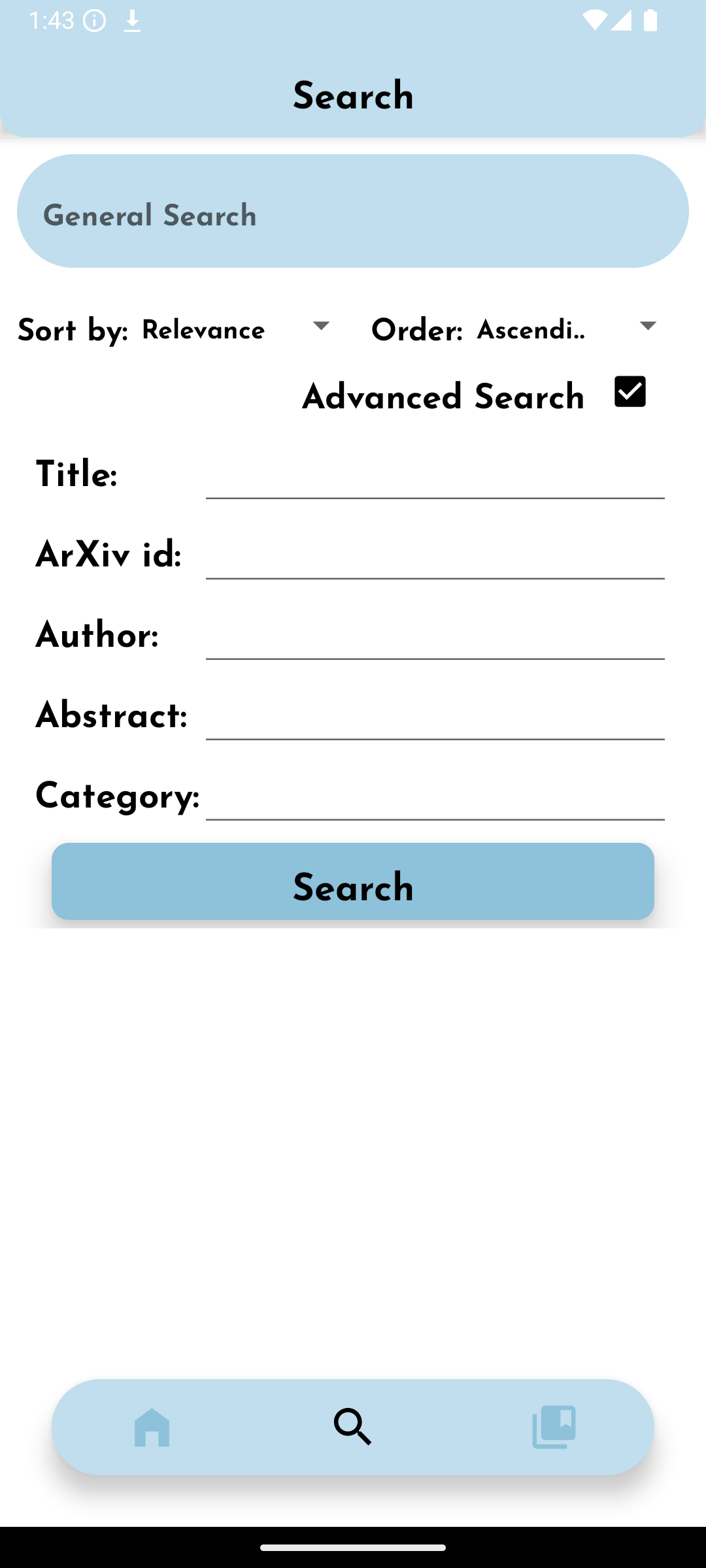
Search page where you can do advanced search
-
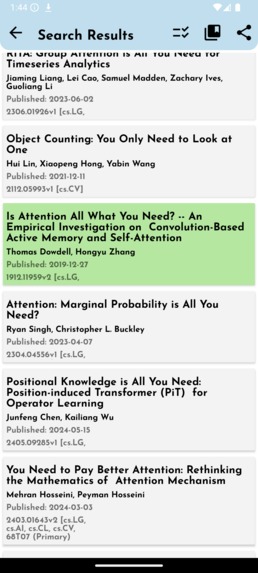
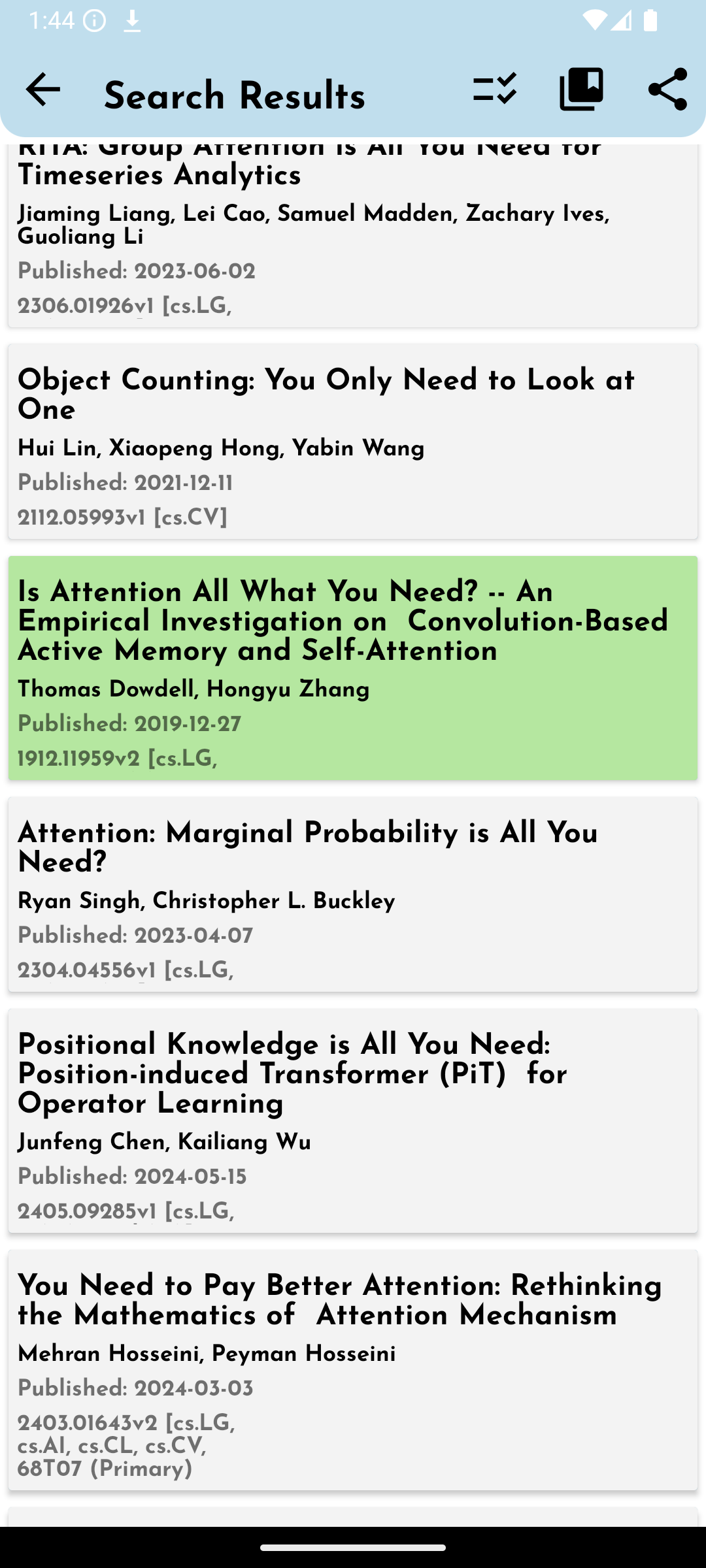
When you search
-
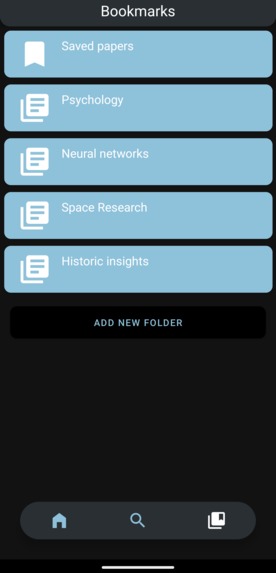
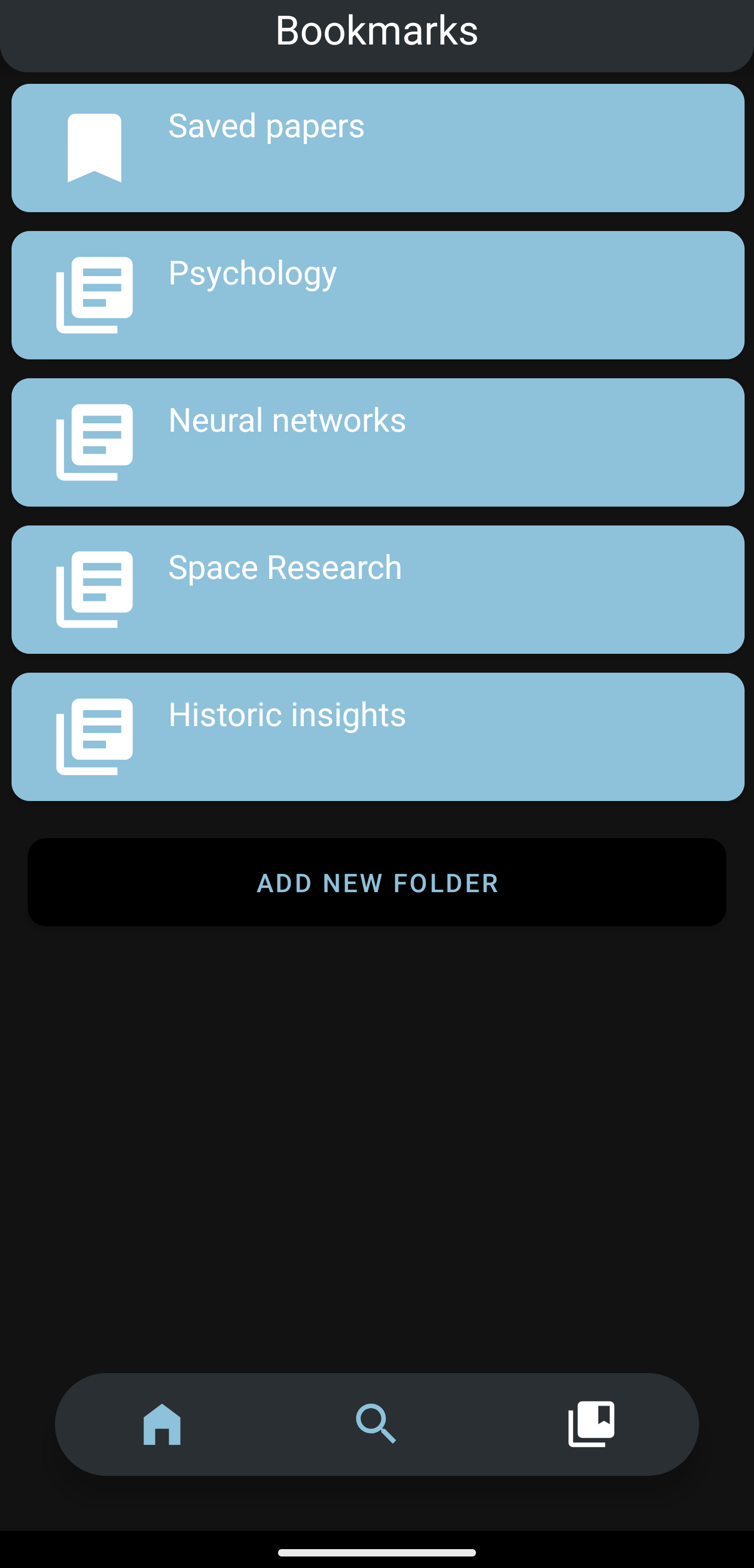
(dark mode)Bookmarks and you can create folders to keep them seperate
-
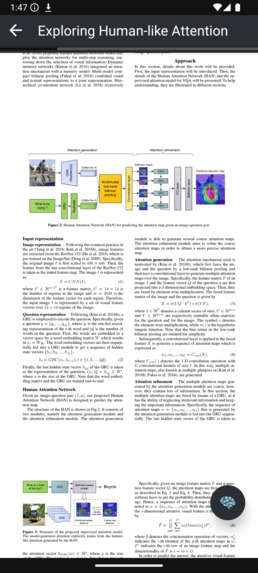
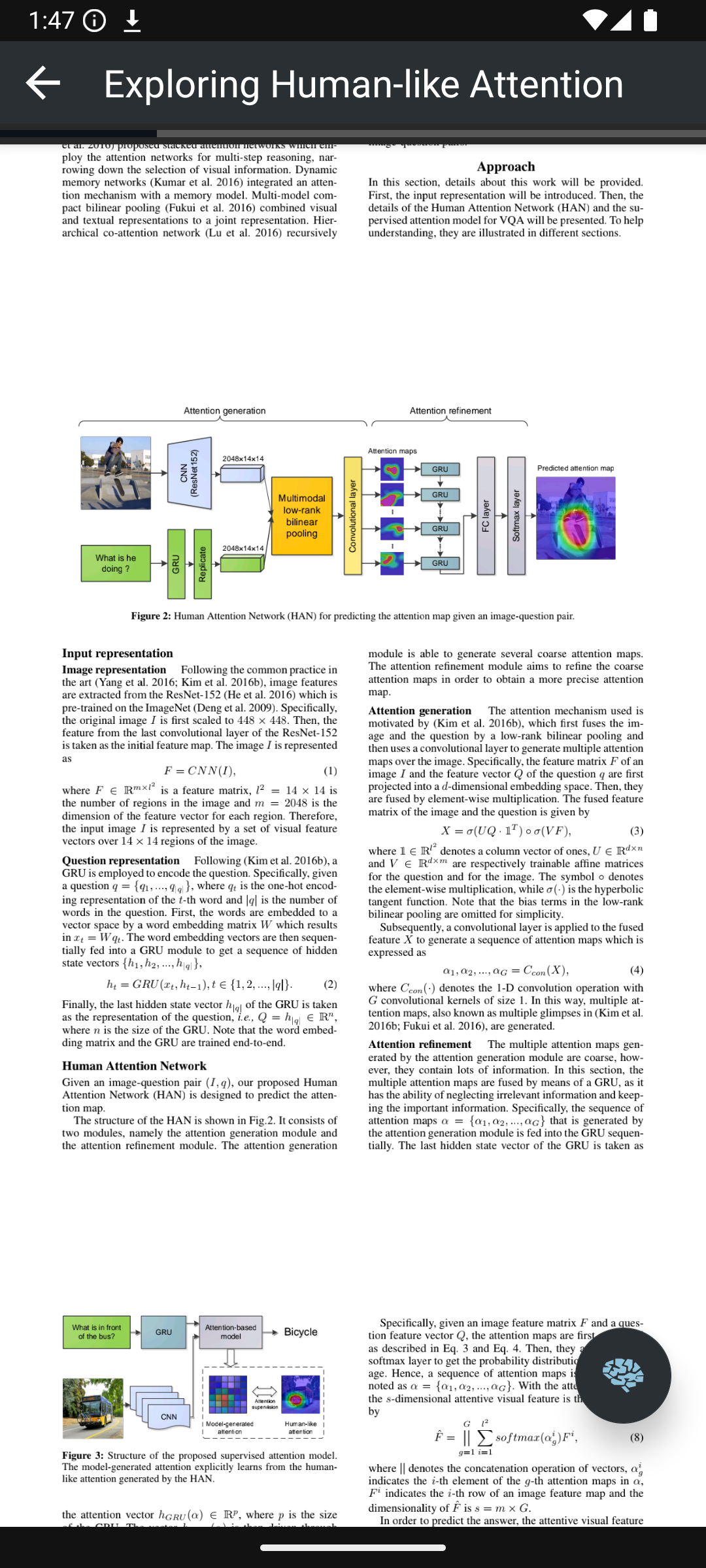
(dark mode) when you read a paper
-
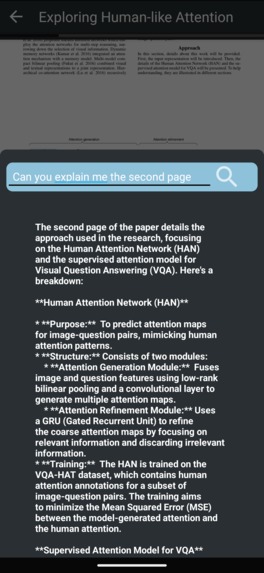
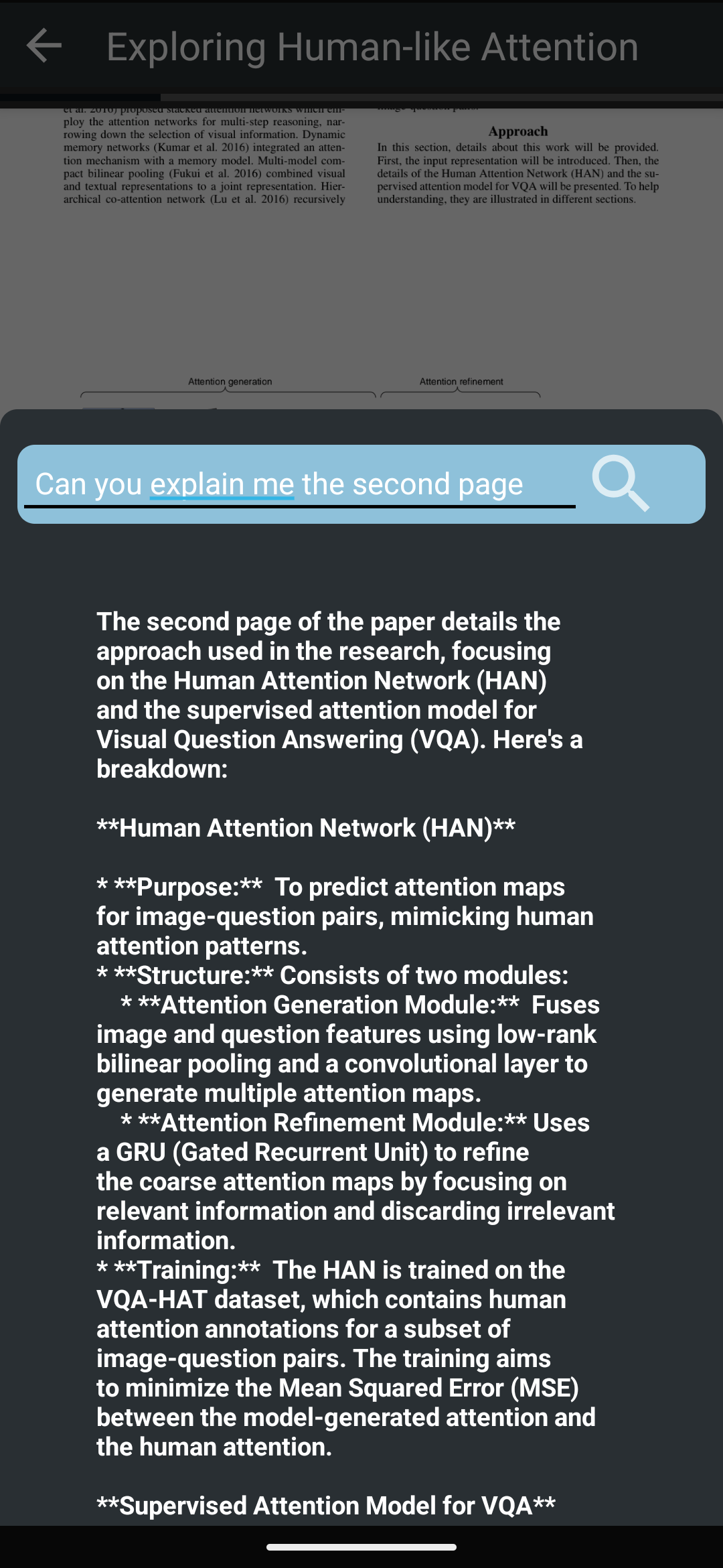
Use Ai tool to ask questions
-
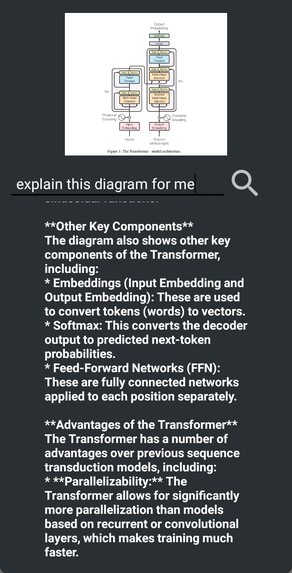
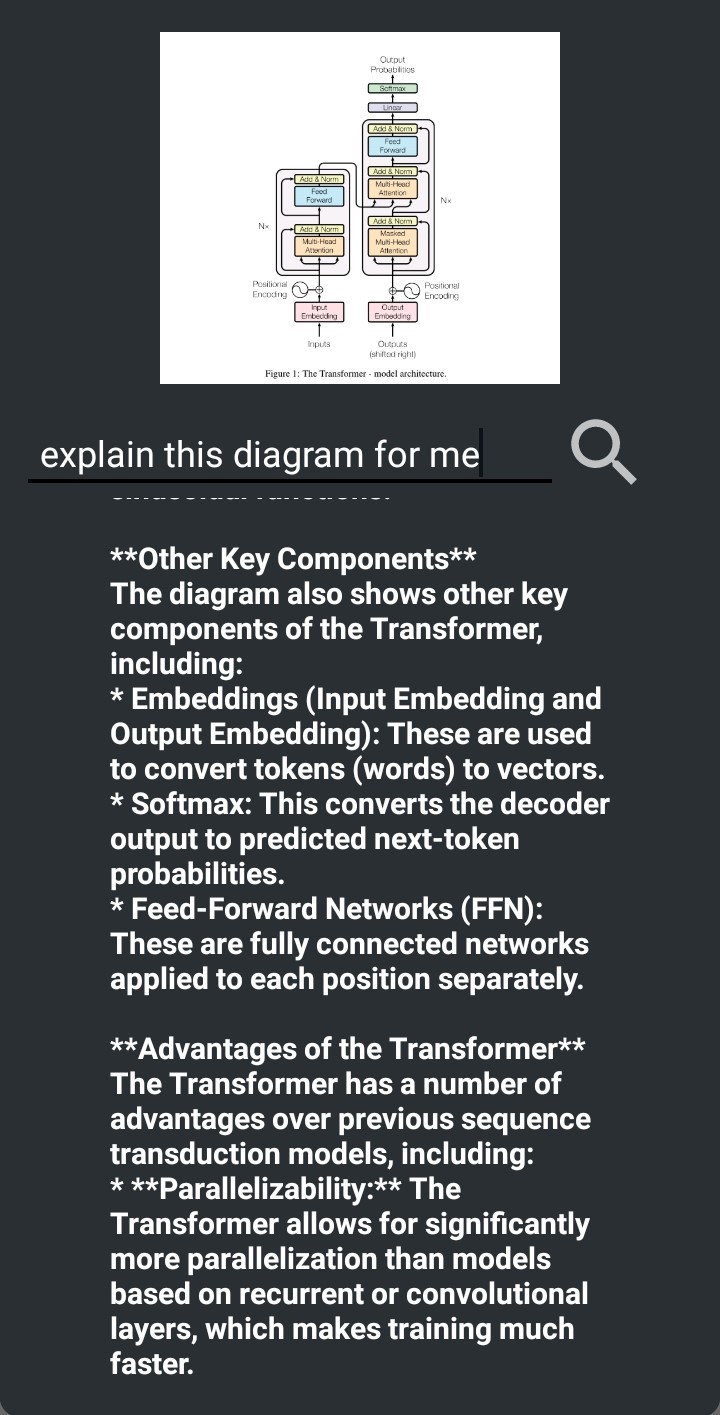
Using Vision tool to explain the transformer architecture
-
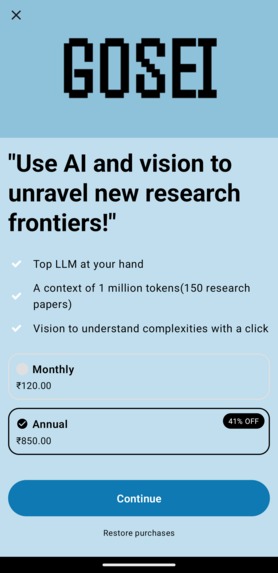
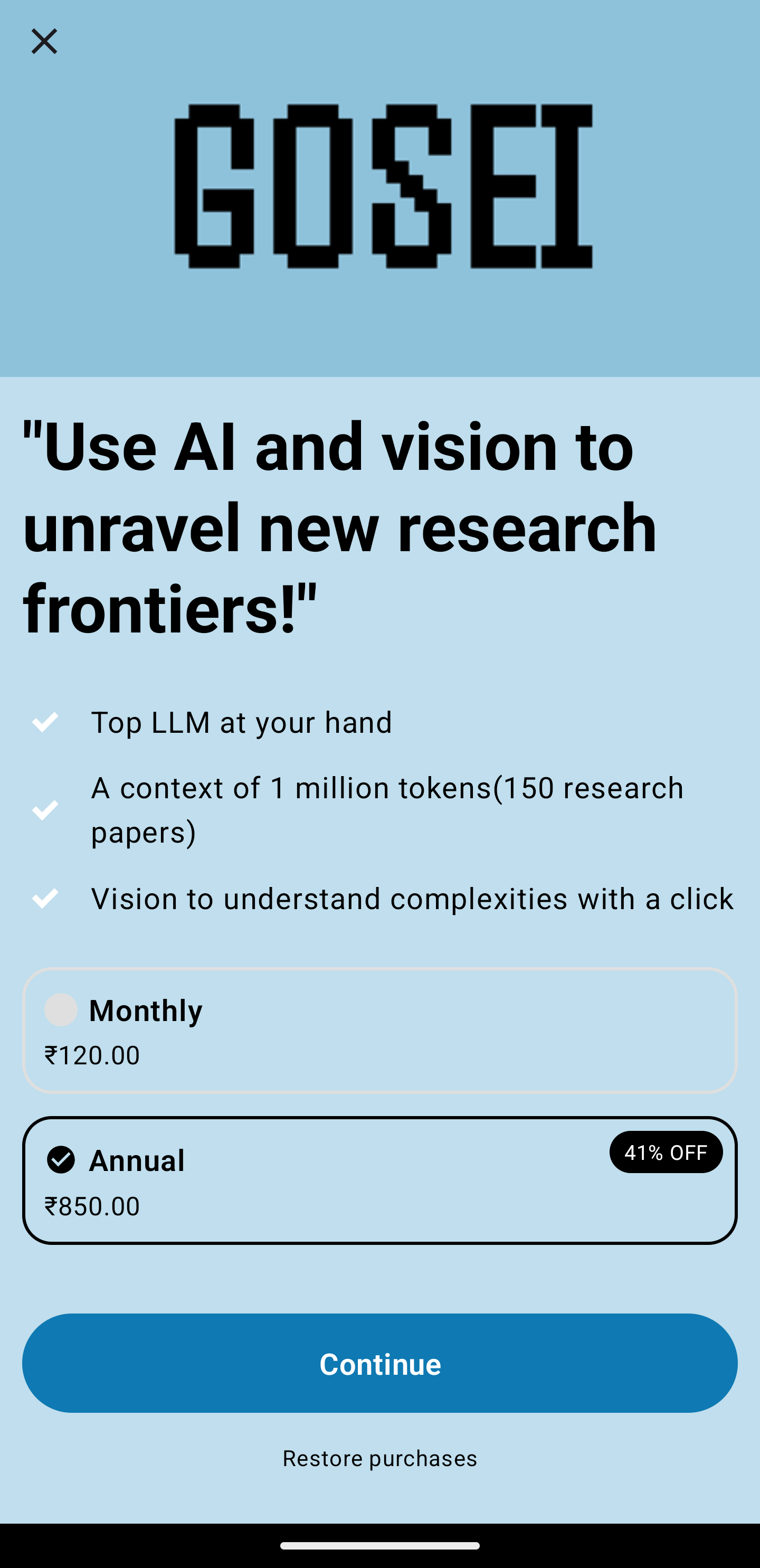
Revenue cat page with (USD)$1.5 for monthly subscription and (USD)$10 for annual
Inspiration
The AI revolution has unleashed a torrent of research, with over 100 papers on language models alone published weekly. This information deluge inspired Gosei's creation. As a researcher, I found myself struggling to keep pace with the rapidly evolving landscape of AI technology. The solution came from an unexpected place: the very AI driving this exponential growth. I envisioned a tool that could harness state-of-the-art language models to not just organize papers, but to actively aid in comprehension.
By leveraging advanced AI to interpret and explain research papers, Gosei aims to save researchers invaluable time and enhance understanding. It transforms the daunting task of staying current in AI research into an engaging, efficient process accessible from your pocket. Gosei represents a symbiosis of human curiosity and artificial intelligence, turning the challenge of information overload into an opportunity for accelerated learning and discovery.
What it does
Gosei was born from this vision - a mobile app that serves as your personal AI research assistant. It's designed to:
Simplify arXiv paper discovery and organization. Download and read them whenever and wherever you want. Offer in-depth, AI-powered analysis of complex research Using Gemini's Latest model. Provide on-the-go access to cutting-edge scientific knowledge. Provide Analysis on any graph, image or diagram. At a monthly cost of 1.5$ or an annual cost of 10$.
How we built it
1.Foundation: The app's core was built using Android Studio, with Java as the primary programming language. This provided a robust and flexible framework for creating a responsive, user-friendly mobile application. 2.User Interface: We designed an intuitive interface that allows users to easily search, download, and organize arXiv papers. The UI was crafted to be clean and efficient, ensuring a seamless user experience. 3.arXiv Integration: We implemented the arXiv API to enable paper searches and downloads directly within the app. This required careful handling of network requests and XML parsing to retrieve and display paper information. 4.Gemini Integration: The heart of Gosei's AI capabilities comes from integrating Google's Gemini model. We used the Gemini API to send paper contents to the model and receive intelligent analyses and explanations. 5.Natural Language Processing: We implemented NLP techniques to process the Gemini model's outputs, breaking down complex explanations into digestible chunks and highlighting key concepts for users. 6.Performance Optimization: Given the resource-intensive nature of AI processing, we implemented background threading and efficient caching mechanisms to ensure smooth performance, even when analyzing large papers.
Challenges we ran into
Developing Gosei was an exhilarating race against time. Initially, integrating arXiv's functionality proved challenging, with errors abounding in search, retrieval, and organization processes. Persistence ultimately paid off, leading to a functional core system. The integration of Gemini presented its own set of obstacles. Direct PDF processing via API proved unstable, prompting a strategic pivot. By extracting text and objects from papers to provide context, we achieved more reliable and insightful AI analysis. With many cutting-edge features documented primarily in Kotlin, adapting them to Java required creative solutions and persistent tinkering. This process of translation and adaptation, while time-consuming, ultimately enriched the app's capabilities. Despite the time crunch and technical challenges, each obstacle overcome brought Gosei closer to its vision of revolutionizing research accessibility. The journey from concept to functioning app was a testament to the power of agile thinking and determination in the face of hackathon pressures.
Accomplishments that we're proud of
Well, this might sound funny, but I really liked how it worked out after pulling all-nighters and banging my head, thinking I couldn't get around the challenges—but somehow, it all came together.
In short, Gosei’s development journey was filled with hurdles, from integrating with arXiv to managing API interactions and adapting code across different languages. Yet, the perseverance paid off, resulting in a mobile app that not only simplifies the discovery and organization of research papers but also brings cutting-edge AI, like Google's Gemini, to the forefront. Gosei empowers readers by offering in-depth analyses of complex papers, saving them time and deepening their understanding across various fields. The app represents a major leap in democratizing access to advanced research and redefining how we engage with scientific literature.
What we learned
Throughout the development of Gosei, one of the biggest takeaways for me was realizing just how transformative large language models (LLMs) can be in reshaping the way we study and engage with information. These models have an incredible ability to break down dense, complex research into understandable insights, essentially acting as a guide through the vast ocean of knowledge. Seeing firsthand how AI can help digest and explain complex papers, it became clear to me how much potential there is for LLMs to enhance learning, making high-level research accessible to more people and speeding up the entire research process. They don't just assist—they fundamentally change how we approach studying and knowledge-building.
What's next for Gosei - Research papers and AI
Next, I’m working on a feature that will allow users to listen to research papers, much like an audiobook. This would be especially useful for sections like results or specifications, which many tend to skim through. The idea is to make it possible for readers to engage with papers anytime, anywhere, transforming how we consume academic content. Alongside this, I’m also adding functionality to upload PDFs from other journals, further expanding Gosei's versatility and making it an even more comprehensive tool for research. These additions have the potential to truly change the way we interact with this content and stay educated.

Log in or sign up for Devpost to join the conversation.