-
-
-
GoSafe mobile
-
GoSafe mobile
Inspiration
I’ve always been driven by real-world impact, and the recent Los Angeles wildfire hit close to home—literally and figuratively. Hearing stories of people stranded because evacuation apps failed without internet sparked a fire in me. The mimik and Kwaai hackathon, with its focus on offline-first emergency solutions, was the perfect chance to tackle this. I imagined a tool that could save lives—like my family’s or neighbors’—even when networks collapse. That vision, plus the thrill of competing for first place at SCaLE22x, inspired GoSafe.
What it does
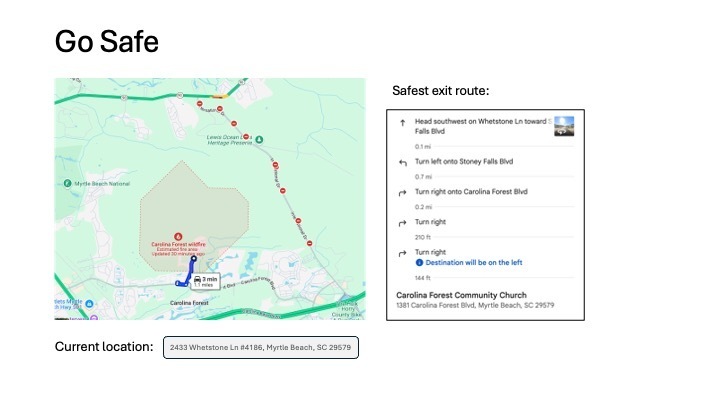
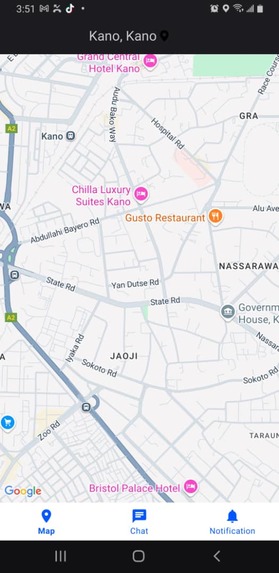
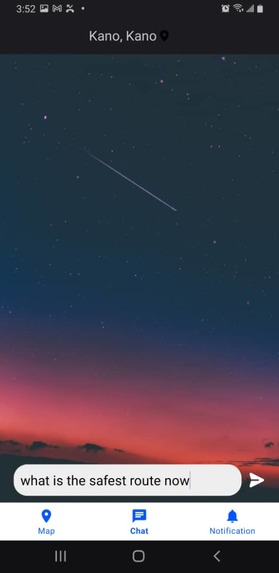
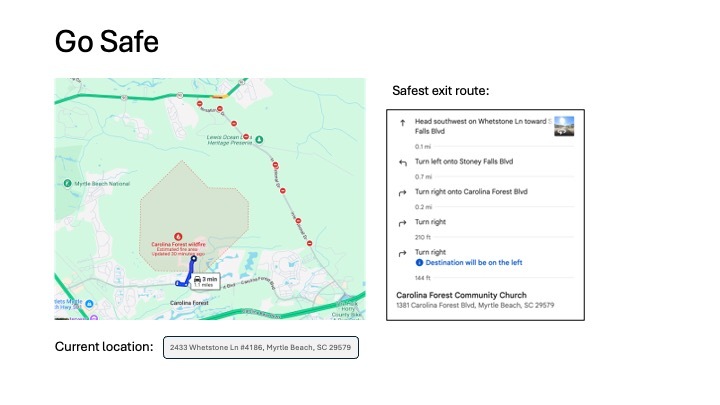
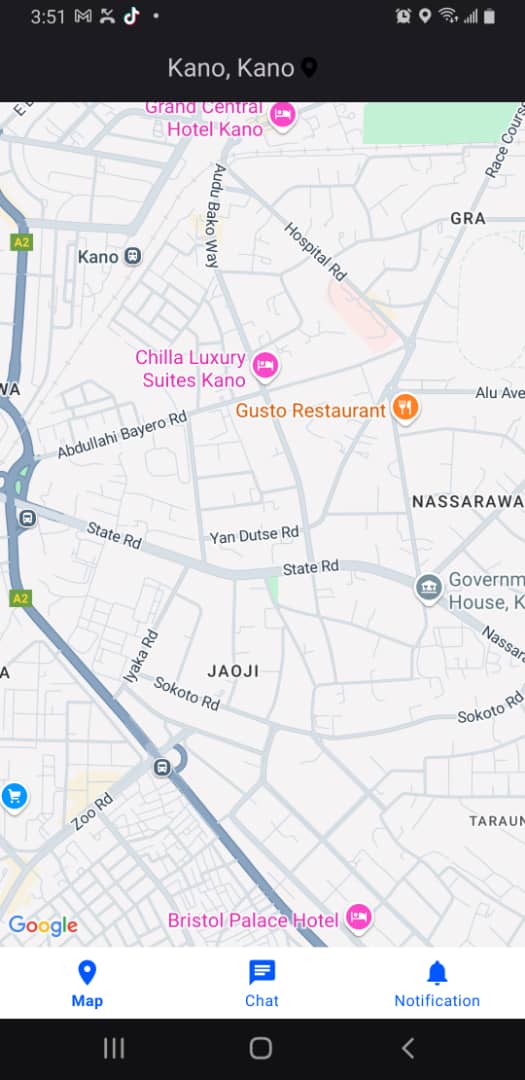
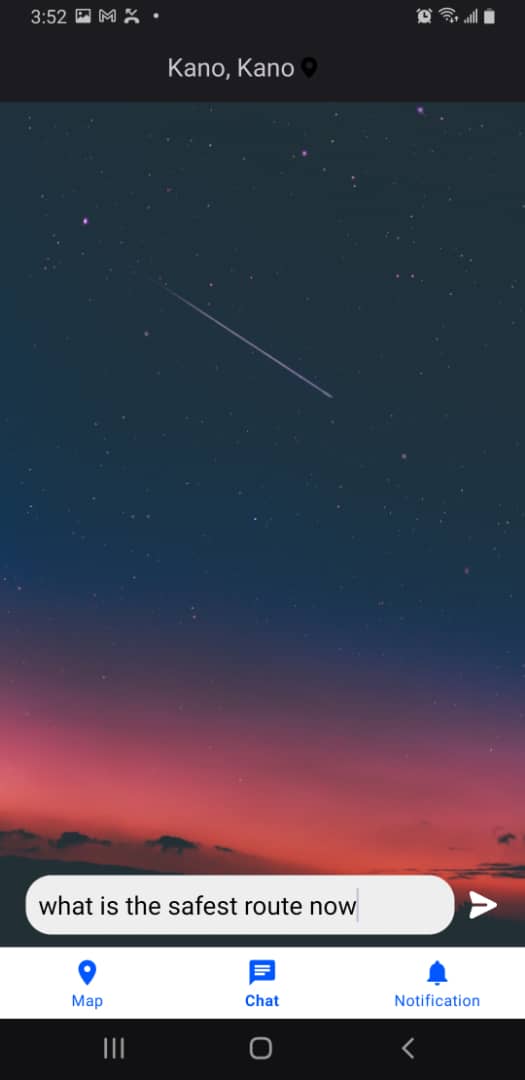
GoSafe is an AI-powered mobile app that delivers fast, personalized evacuation plans during wildfires—no internet required. It processes 1,200 wildfire scenarios locally, offering routes tailored to needs like wheelchair access. Offline, it uses cached plans; online, Groq’s API enhances real-time updates. Deployed via Flutter, it’s a lifeline for communities cut off by disaster.
How we built it
We started with a Python core, generating 1,200 synthetic wildfire scenarios using Ollama and LangChain—data reflecting LA’s chaos. we stored embeddings in ChromaDB for local retrieval, bypassing cloud reliance. Initially, we planned mimik integration, but without a Python SDK, I pivoted to cached plans for offline use, precomputed with generate_cached_plans.py. Groq’s API powered online updates, while Flutter brought it to mobile, packaging cached_plans.json for a sleek, offline-first app.
Challenges we ran into
Some teammates bailed, leaving few of us with a mountain of work and a March 5 deadline. Debugging ChromaDB paths and empty roads lists ate hours; the EdgeClient error from mimik’s missing SDK forced a last-minute pivot. Learning Flutter mid-project was a stretch, and balancing offline resilience with Groq’s cloud API tested my design skills. Time was the real enemy—every crash or dependency snag felt like a race against the clock. Yet, each hurdle made GoSafe stronger, proving I could deliver under pressure.
Accomplishments that we're proud of
We are proud of delivering GoSafe—a fully offline-capable app that rivals team efforts. Nailing 1,200 scenarios with ChromaDB, integrating Groq for snappy AI, and deploying via Flutter in days feels huge. Overcoming errors like EdgeClient not defined and still hitting the hackathon brief—offline, personalized, impactful—is a win I’ll carry forward.
What we learned
This project was a crash course in edge computing and AI. We dove into mimik’s distributed intelligence, learning how devices can collaborate without a cloud. ChromaDB taught me lightweight vector storage, while LangChain and Groq opened my eyes to fast, scalable AI inference. Flutter was new territory—we learned to bridge Python backends with mobile frontends. Most importantly, we discovered resilience: tackling a team-sized challenge alone sharpened my problem-solving and time management skills.
What's next for GoSafe
Next, we’d integrate mimik’s mobile SDK for true edge sync, swap Groq for Kwaai’s Personal AI when it’s ready, and optimize ChromaDB for smaller devices. Real-world testing in fire-prone areas and partnerships with emergency services could scale GoSafe into a go-to tool. Post-hackathon, we are pushing for deployment in LA—turning phones into lifelines, one download at a time.
Built With
- android-studio
- chromadb
- cloud
- groq
- java
- langchain
- mimik
- ollama
- python
- python-dotenv
- xml


Log in or sign up for Devpost to join the conversation.