Inspiration
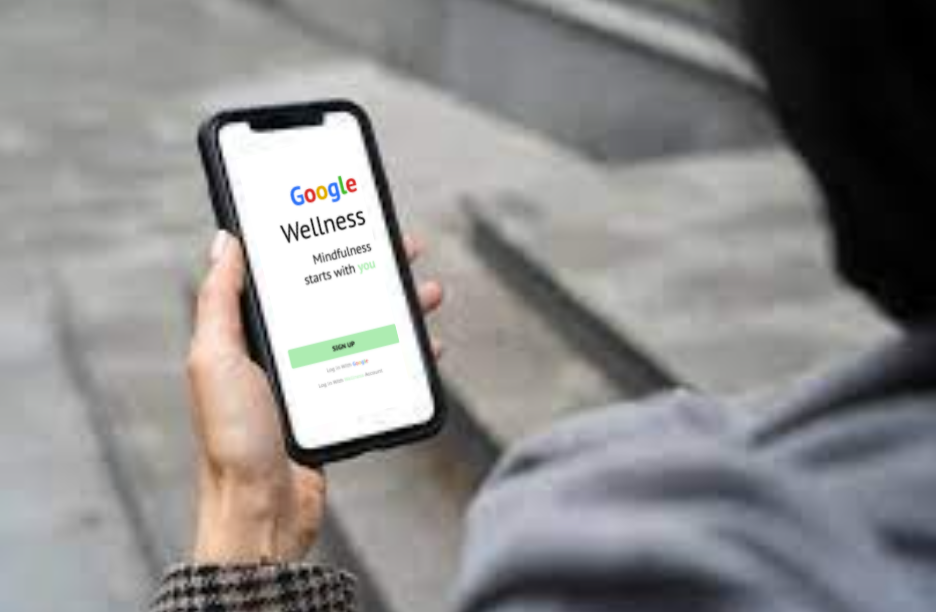
This pandemic has taken a toll on a lot of individuals. It has taken a lot away from all of us, and it is important to take care of yourself. The Google Wellness app makes you the priority, it allows you to focus on yourself and ensure you are being taken are of throughout this pandemic.
What it does
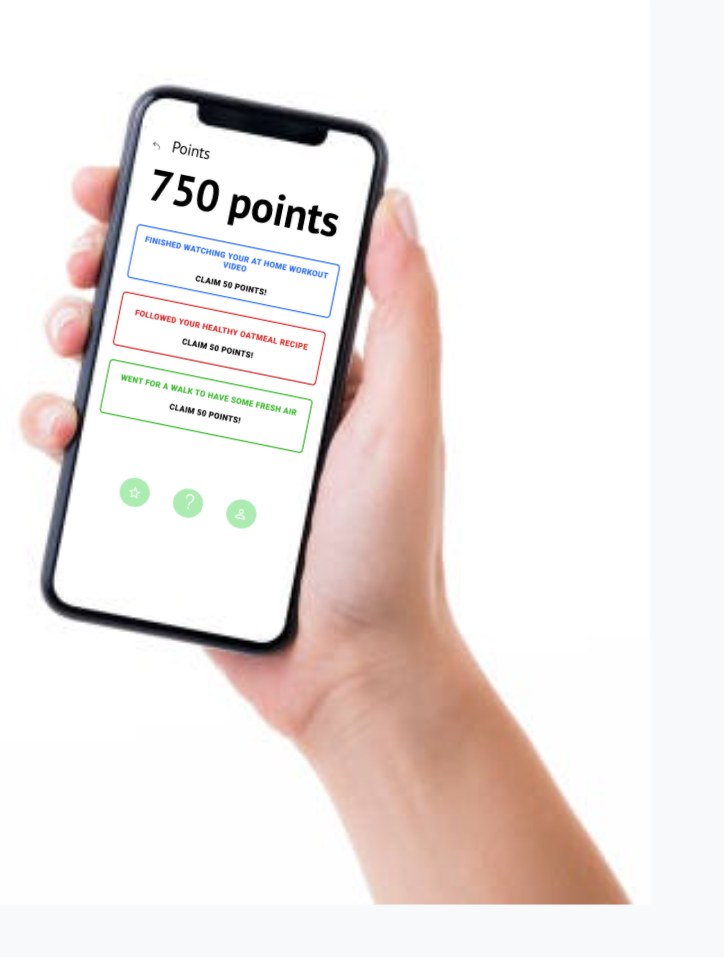
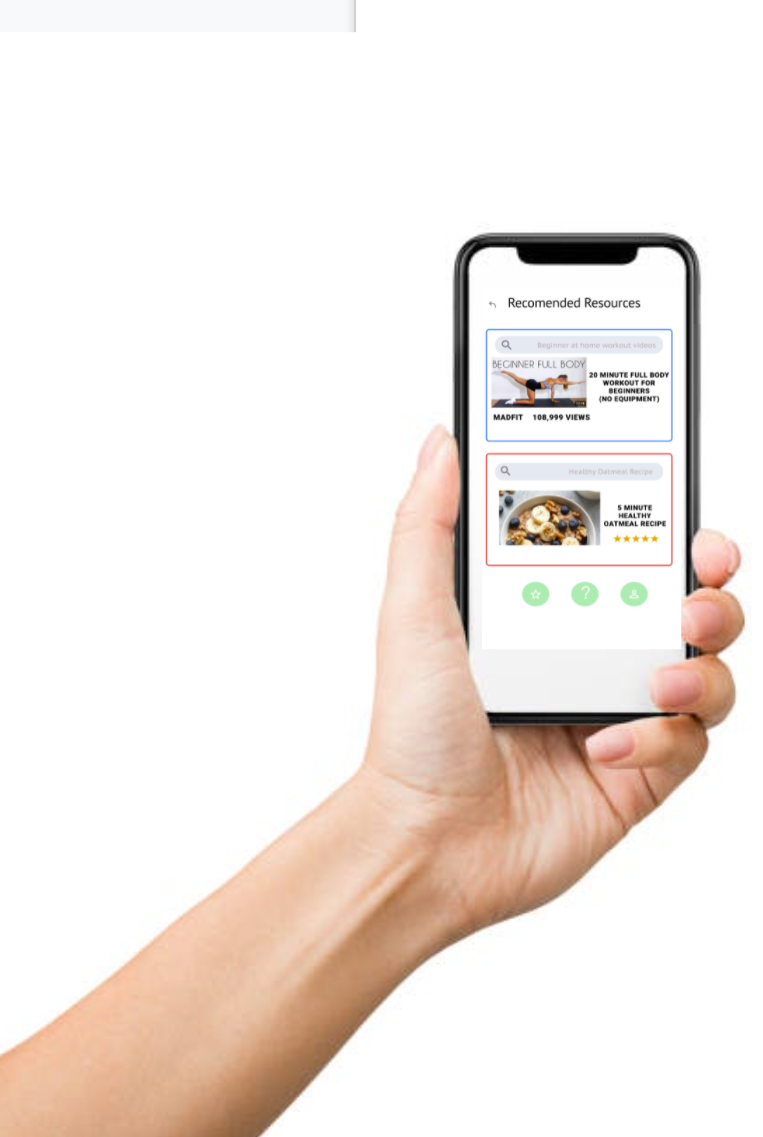
A google app focused on aiding all demographics prioritizing their mental health and physical activity during this pandemic. This app does so through the help of a weekly questionnaire that will aid in proving resources to succeed in this goal, as well as a reward system to invite and incentivize individuals to participate.
How we built it
How we built the design consists of a few tools. Primarily, we used figma to create a visual blueprint of the user’s interface. Our goal was to keep it simple and easy so that users can engage with the app without feeling overwhelmed. The color scheme we used incorporated colors from the Google logo, including red, blue, green, and yellow. In order to create the AI, we used flutter. Since flutter is OOP language, using .darts for different screens enabled inheritance to play a big role, keeping the code maintainable and efficient.
Challenges we ran into
Our first challenge for this hackathon was coming up with a creative solution for the problem we were given. We were thinking of ways in which we can stand out from other apps that promote improving physical and mental wellness. We were able to overcome this challenge by incorporating creating questionnaires and reward systems so users will engage in this app. Another challenge that our team came across is learning to convert Figma to Flutter. This is our team’s first time using Flutter so we felt that it was a learning barrier. We were eventually able to overcome this challenge by watching tutorial videos on how to use Flutter.
Accomplishments that we're proud of
Our team is very proud of how we were able to come up with an innovative AI solution for the problem. We were able to incorporate our technical and creative skills to come up with a creative design. We were able to achieve this by designing an app where we can promote mental and physical well-being by incorporating an incentive for the application. In addition, we felt that our UX design was able to adhere to the Google theme which was a creative component for our application.
What we learned
While looking into possible solutions to target mental and physical well-being, we learned that there is a lack of recognition on mental health issues and resources. Mental health is not a universal concept and applies in a different manner for each individual. There are a number of mental health disorders that are not recognized in society, with a lack of information on how to cope with each. Bringing awareness to these issues will assist people in recognizing the status of their mental health, and what steps they can take to ensure the overall betterment of their mental and physical health.
What's next for Google Wellness
Looking back on our project, we concluded our next steps to implement with Google wellness. To start off, we aim to shed light on all kinds of mental health issues that individuals face today. We hope to include educational components where users can learn of mental health issues, the side effects of it, what steps can be taken to combat these issues, as well as resources to acquire assistance, such as an SOS direct helpline feature. We also want to incorporate unique features that will allow users to engage with the app, as well as feel as if the app was accustomed for them. For instance, the app may recommend music that aligns with your mood based on the data collected from the mood tracker.
Built With
- api
- figma
- flutter


Log in or sign up for Devpost to join the conversation.