Inspiration
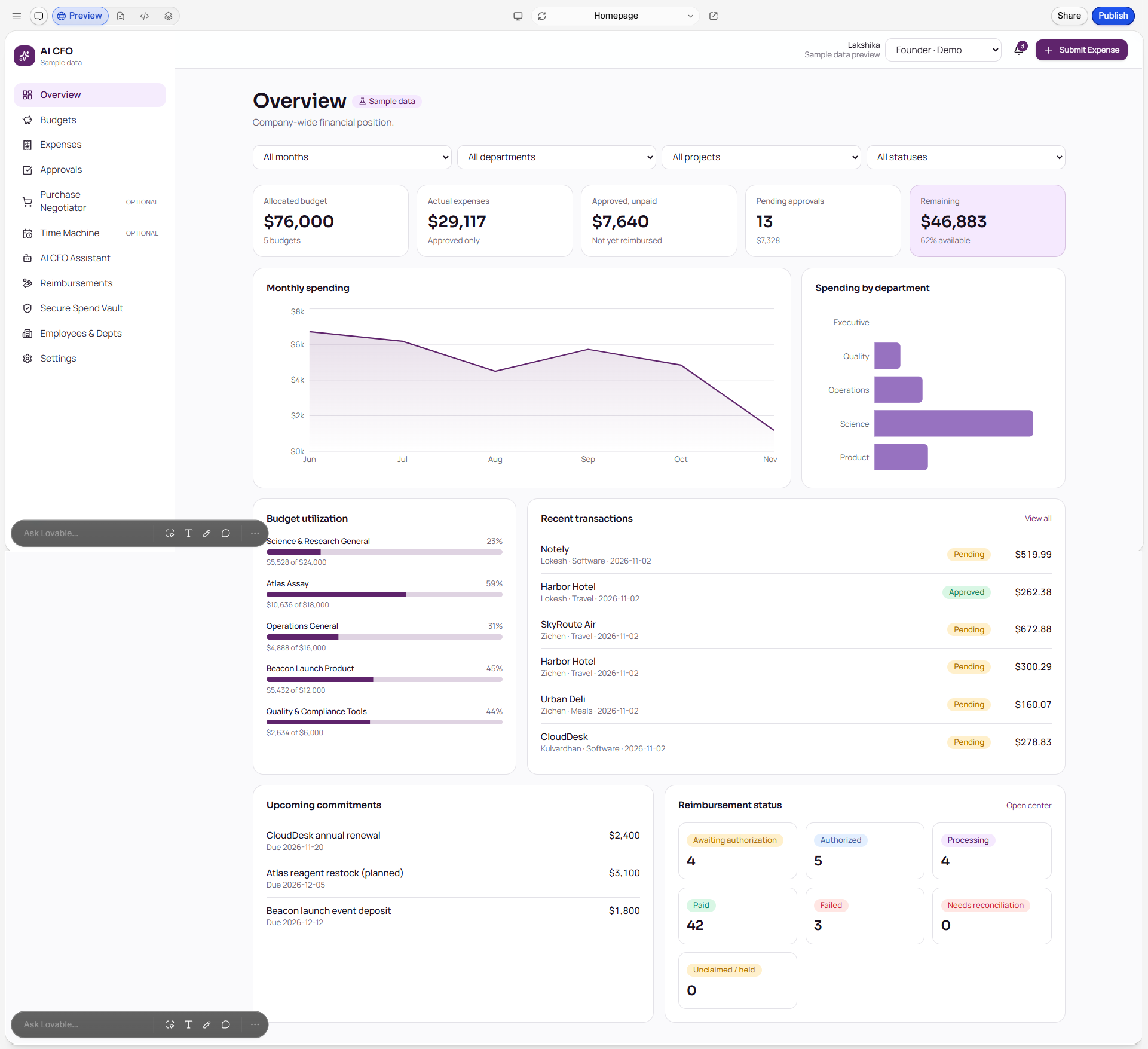
A founder can wear many hats. Finance shouldn't be another. GoodCents started with a conversation at a startup where one of us works. The founder was handling customer meetings, product development, purchases, and finances. One day, he shared a concern: if something happened to him, his family and team wouldn't know how much he'd spent on the company, which payments were pending, or where the financial records were. He didn't need complicated software. He just wanted an easier way to track expenses without updating Excel sheets every day. That got us thinking: What if recording an expense were as simple as taking a picture of a receipt? We took that idea to the PayPal AI Hackathon and built GoodCents, connecting receipt uploads, budgets, manager approvals, and PayPal reimbursements in one application.
What it does
GoodCents helps small teams record expenses, review spending, and manage reimbursements through PayPal. Here's how it works:
- Upload: An employee uploads a receipt image or PDF.
- Extract: AI reads the merchant, date, amount, and other receipt details.
- Confirm: The employee reviews the extracted information, makes corrections, and submits the expense.
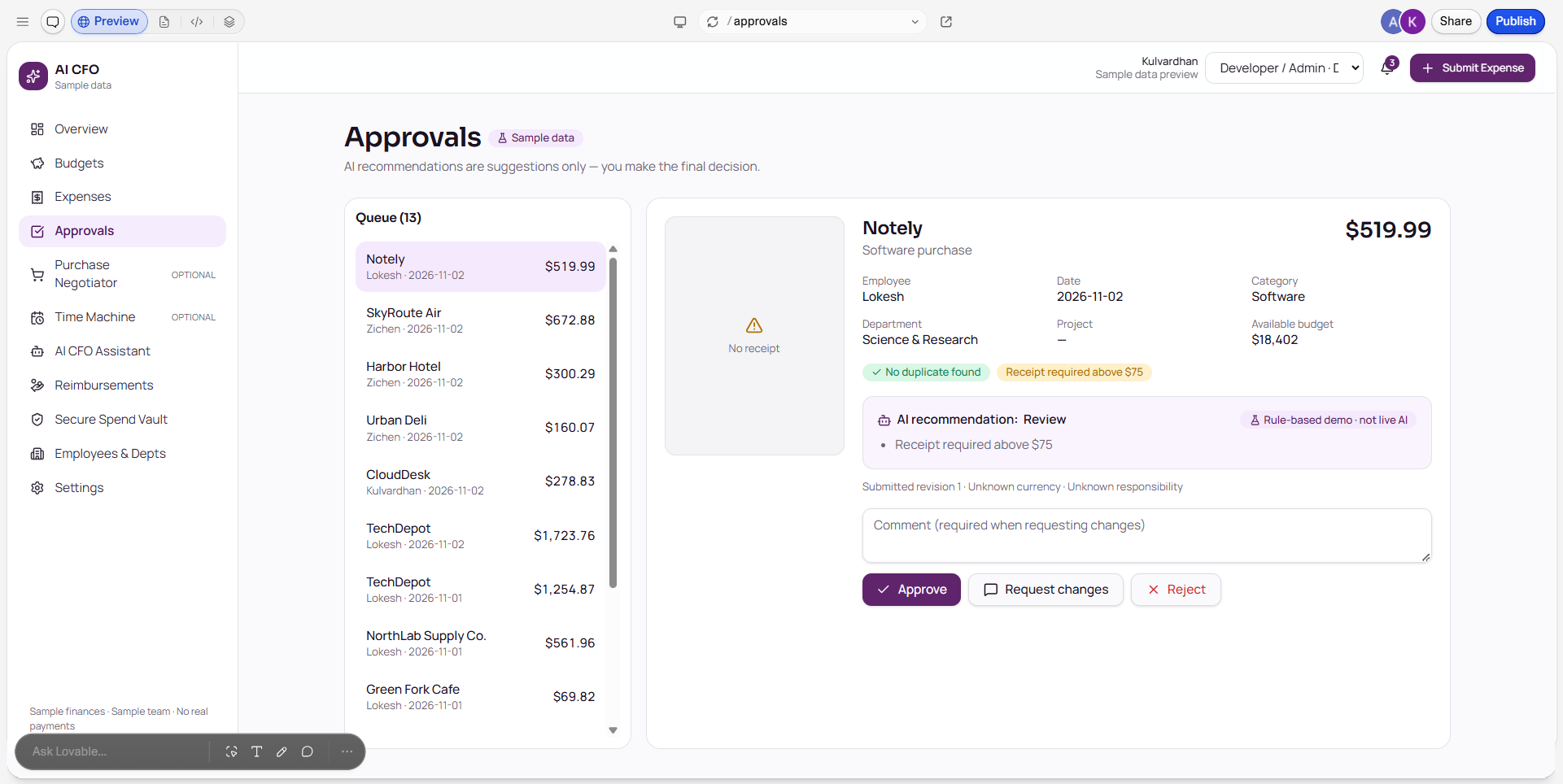
- Approve: A manager reviews the expense and budget information, then approves it or requests changes.
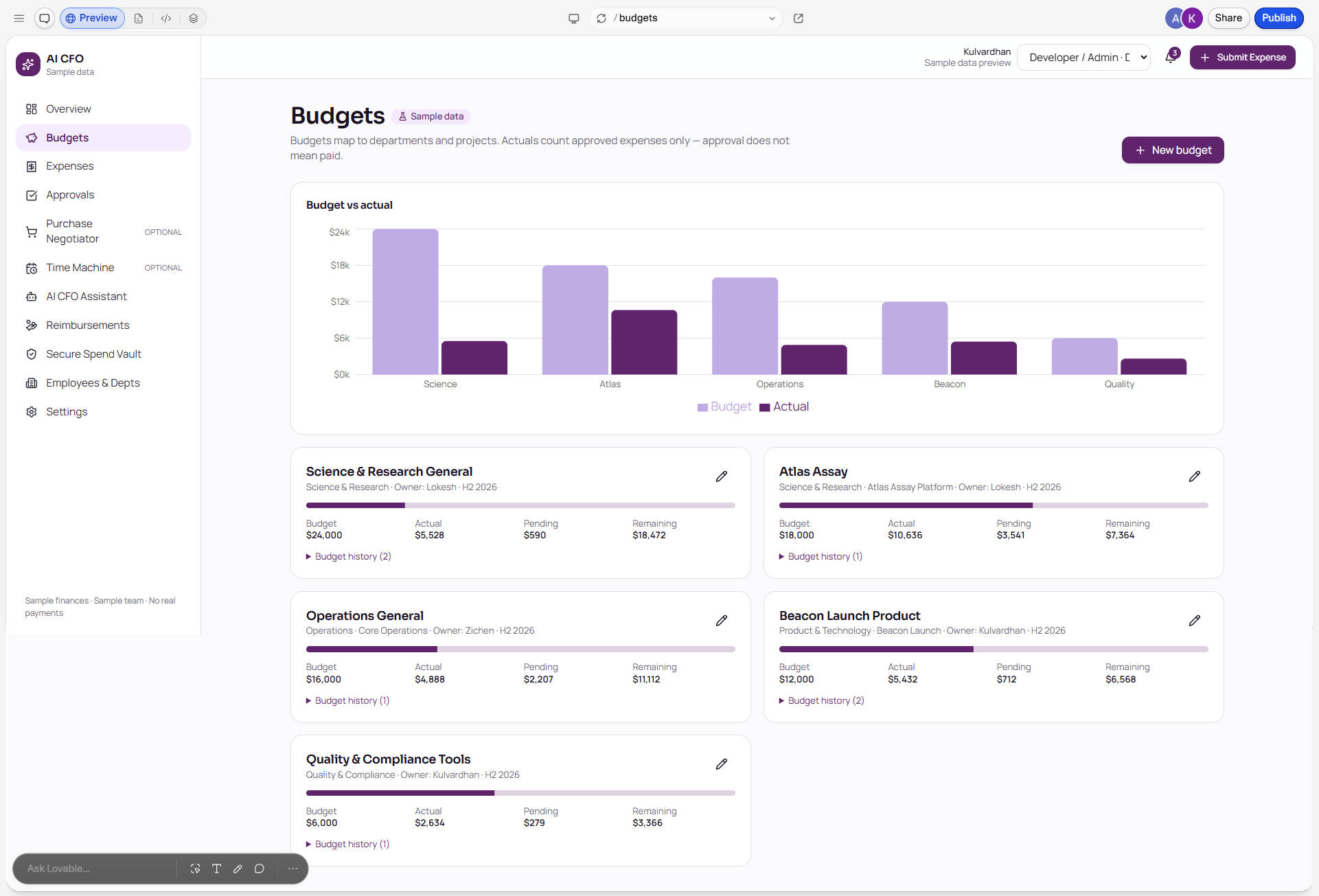
- Record: Approved expenses are reflected in the relevant budget.
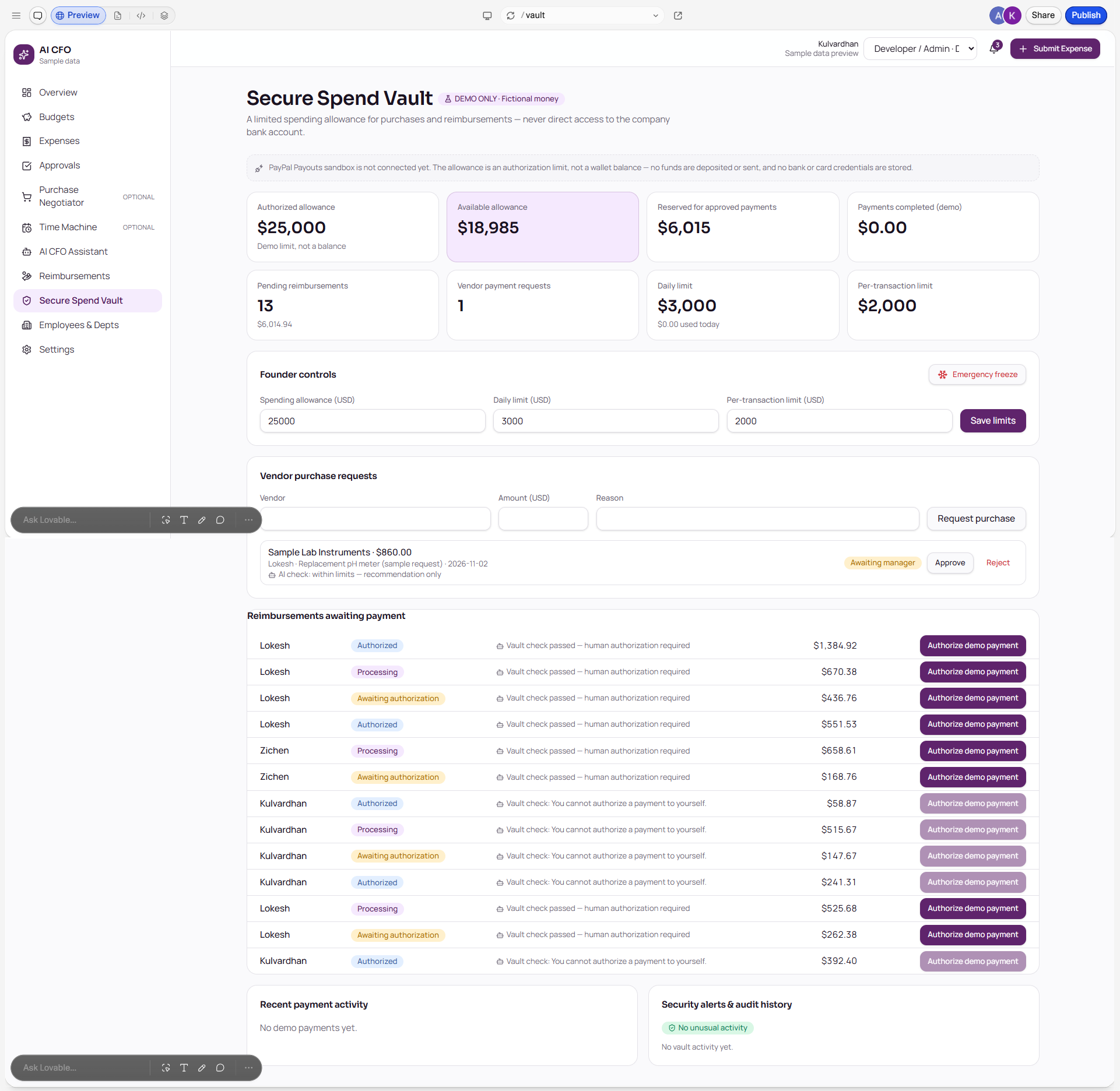
- Authorize: Finance reviews the reimbursement and authorizes payment.
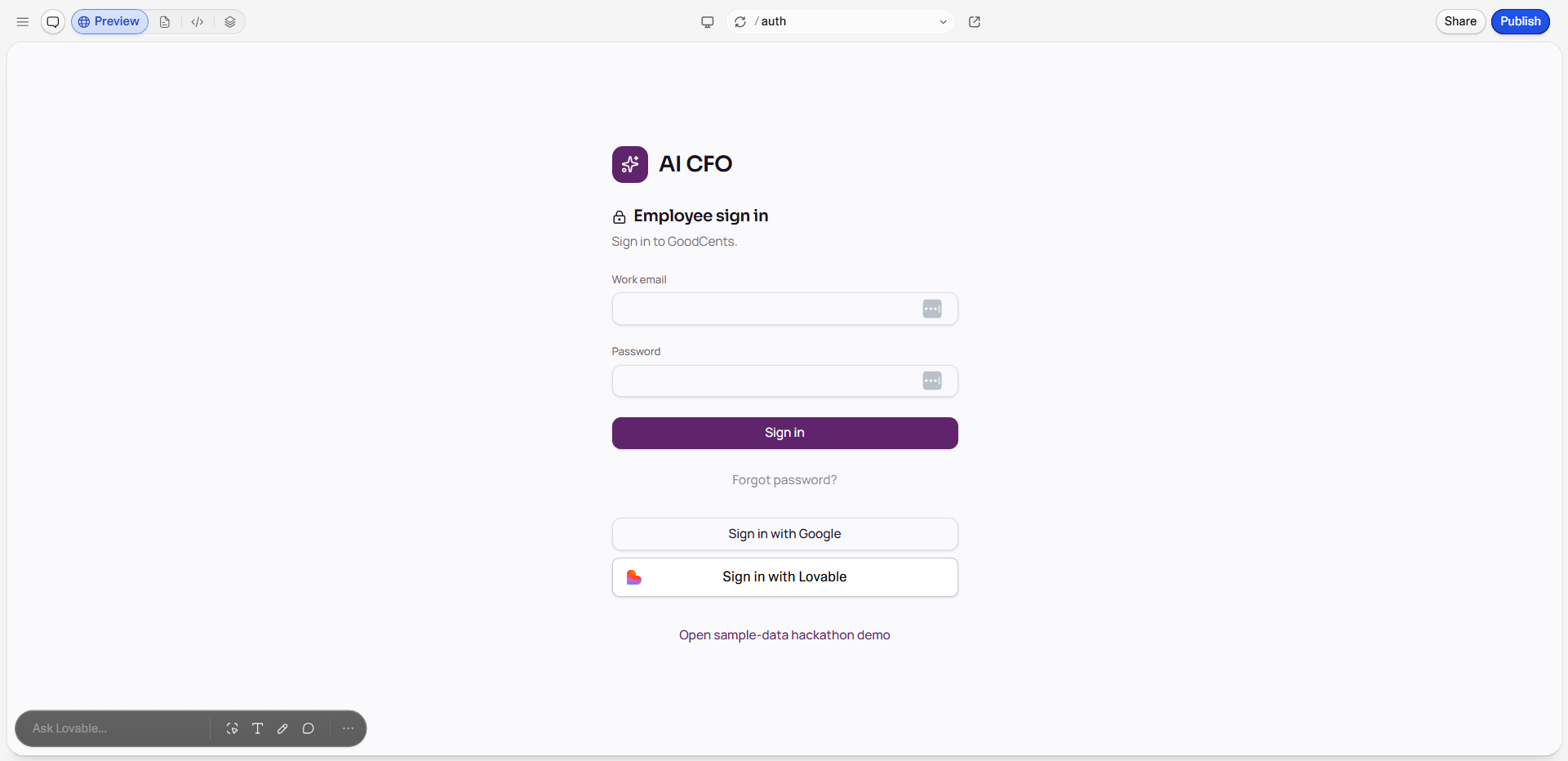
- Pay and track: GoodCents submits the payment through PayPal Sandbox and displays its status and transaction reference. Employees, managers, and finance team members have separate views and permissions. Receipts, expense details, approvals, and payment records stay connected throughout the process.
How we built it
We built GoodCents with Lovable, using React and TypeScript for the interface and TanStack Start for server-side functionality. Lovable Cloud provides PostgreSQL, authentication, and private receipt storage. A server-side connection sends uploaded receipts to our Render-hosted extraction API, which returns the receipt details for employees to review before submitting. Database checks manage submissions, approval versions, budget updates, and Finance authorization. We integrated PayPal OAuth and the Payouts API on the server, with payment IDs connecting each reimbursement to its PayPal records. We also used unit tests, database integration tests, and PayPal Sandbox API calls to test the application and payment process.
Challenges we ran into
- Receipt extraction: AI doesn't always read receipts correctly, so employees can review and edit the details. We also used submission keys and database locking to prevent duplicate entries.
- Approvals and budgets: When an expense is edited and resubmitted, managers need to review the latest version without the budget being updated twice.
- PayPal reimbursements: What if Finance clicks Authorize twice or PayPal doesn't respond? We added checks to prevent duplicate payouts and verify payment details before marking an expense as paid.
- User permissions: Employees submit expenses, managers approve them, and Finance authorizes payments. We made sure each person could access only what they needed. We tested repeated submissions, simultaneous payment requests, and uncertain PayPal responses to see how the application handles these situations.
Accomplishments that we're proud of
We're proud that the three of us took a real problem at work and turned it into a working app.
- Everything in one place: We connected receipt uploads, approvals, budget updates, and PayPal reimbursements.
- Less manual work: AI reads receipt details, while employees can review and correct them before submitting.
- Verified PayPal Sandbox payout: We successfully tested a payout and saved its payment details in GoodCents.
- Duplicate-payment protection: We tested three authorization requests arriving at the same time. All three reused one payment intent rather than creating separate ones.
- Simple for everyone: Employees, managers, and Finance each have their own view, with access to only what they need. We're especially proud that we built and tested the full process, not just the individual features.
What we learned
- Teamwork: As a team of three, we combined our skills in product management, design, and engineering to decide what to build and how to make it work.
- AI needs human review: AI can reduce manual work, but people still need to check the details and make the final decisions, especially when money is involved.
- Simple isn't always easy: Making the app easy to use meant putting a lot of thought into permissions, approvals, and payment handling behind the scenes.
- Testing matters: We learned to test what happens when someone submits the same expense twice or a payment request doesn't go as expected.
What's next for GoodCents
- Automatic payment updates: Keep PayPal reimbursement statuses updated in the background without checking them manually.
- WhatsApp receipt submissions: Let employees submit receipts directly through WhatsApp.
- Smarter AI CFO: Help teams understand spending, upcoming expenses, and budgets that might run over.
- AI Purchase Negotiator: Help employees compare prices and purchasing options before spending company money.
- Accounting integrations: Connect GoodCents with accounting tools so teams can transfer expense records without entering everything again.
Built With
- lovable
- paypal-oauth-2.0
- paypal-payouts-api
- paypal-sandbox
- postgresql
- radix-ui
- react
- render
- shadcn/ui
- sql
- supabase
- supabase-auth
- tailwind-css
- tanstack-query
- tanstack-router
- tanstack-start
- typescript
- vite
- vitest
- zod

