-
-
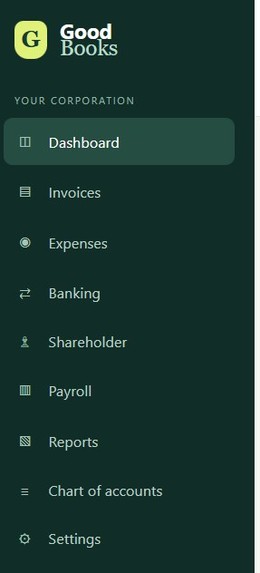
Good Books navigation items
-
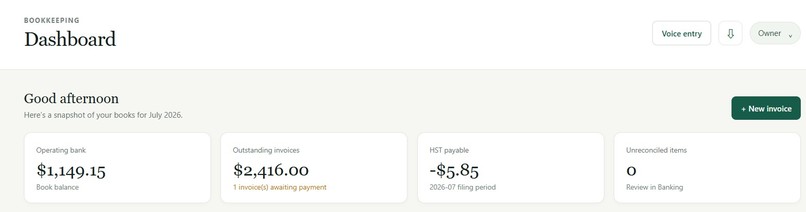
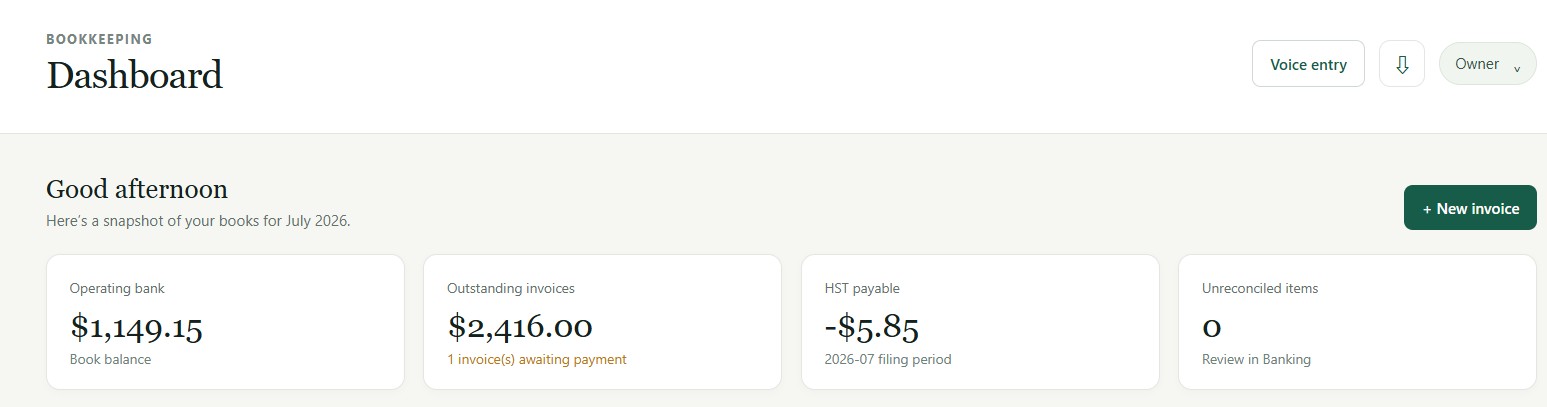
Dashboard
-
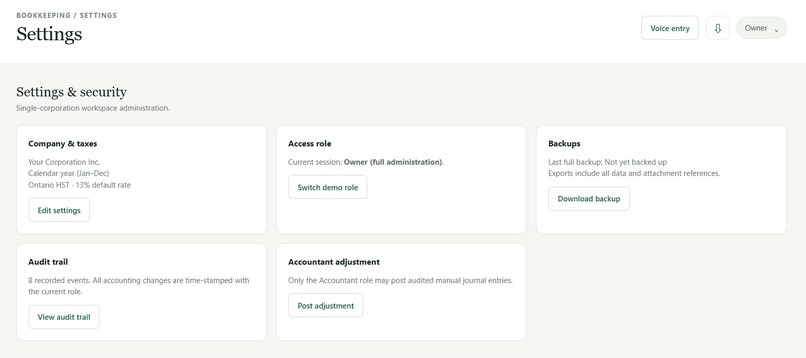
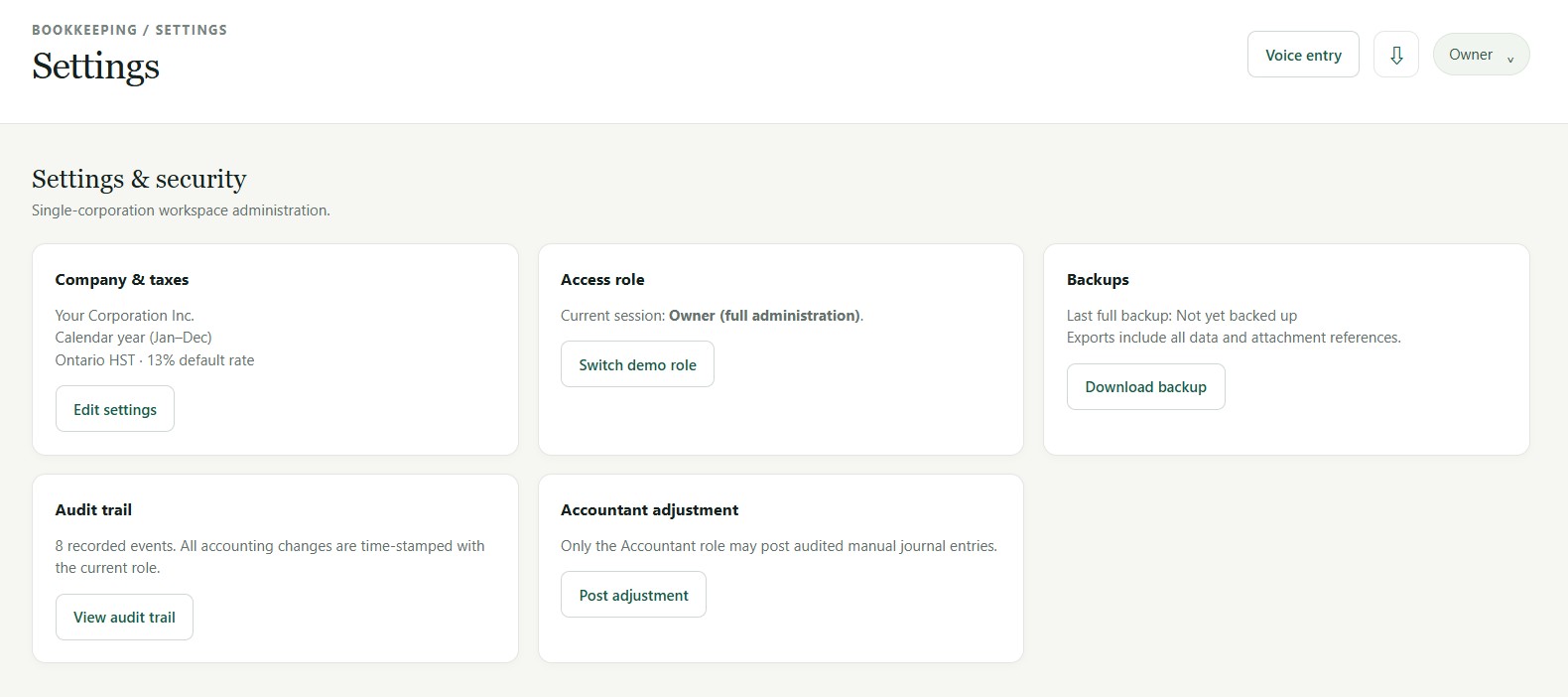
Settings
-
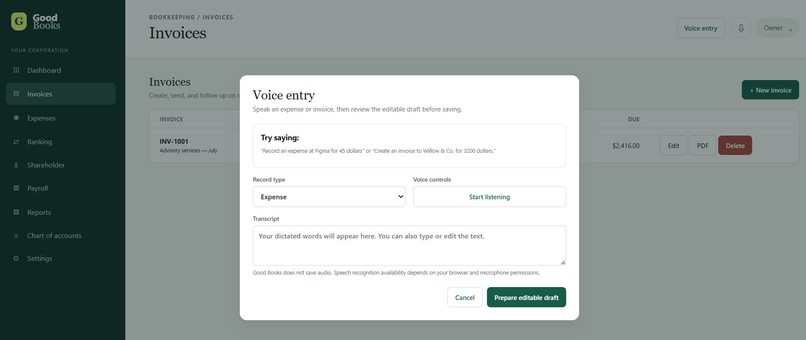
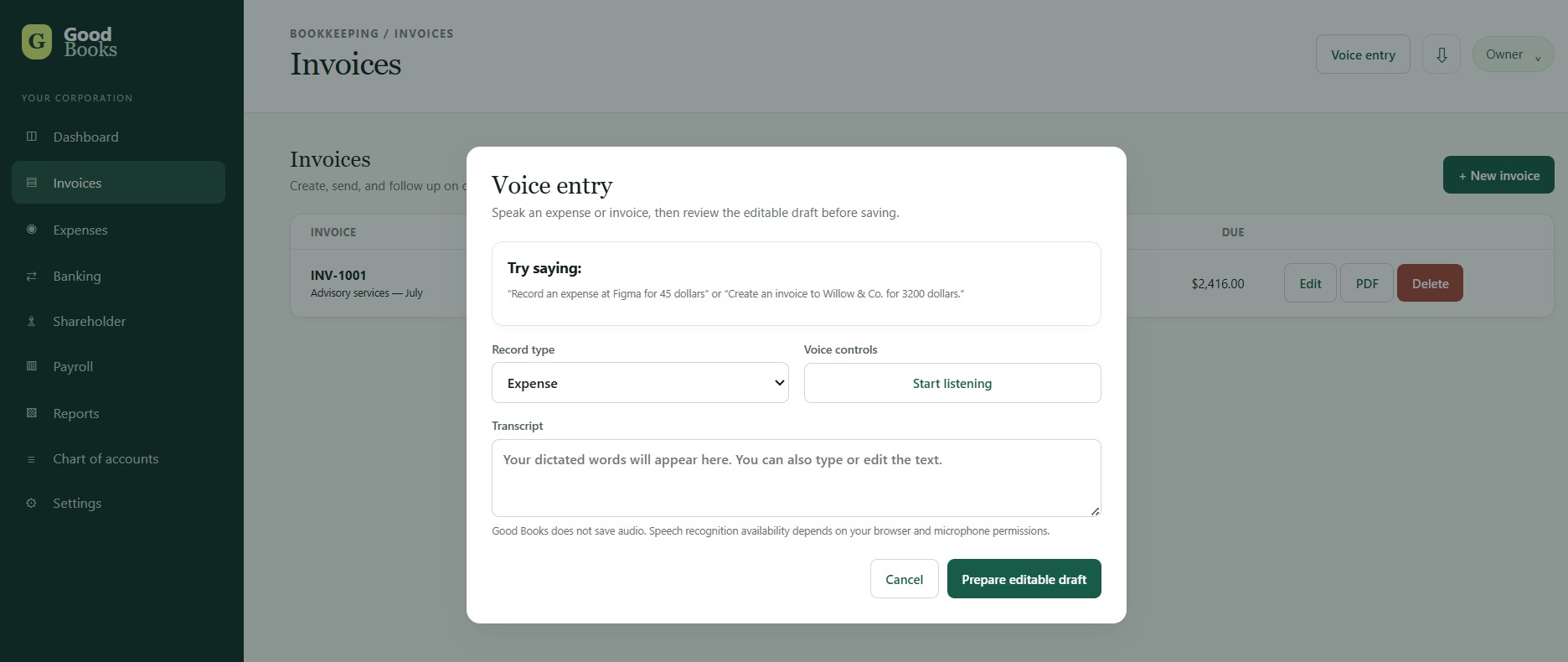
Voice enabled data entry
-
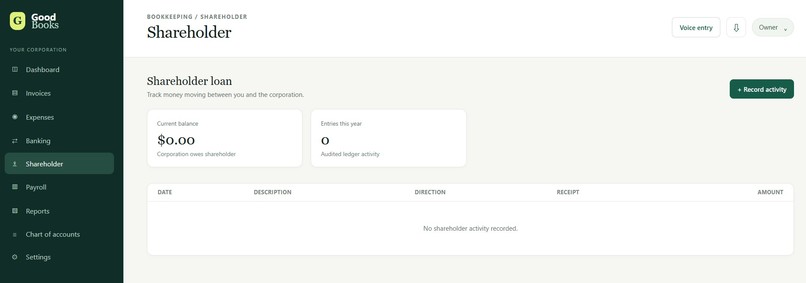
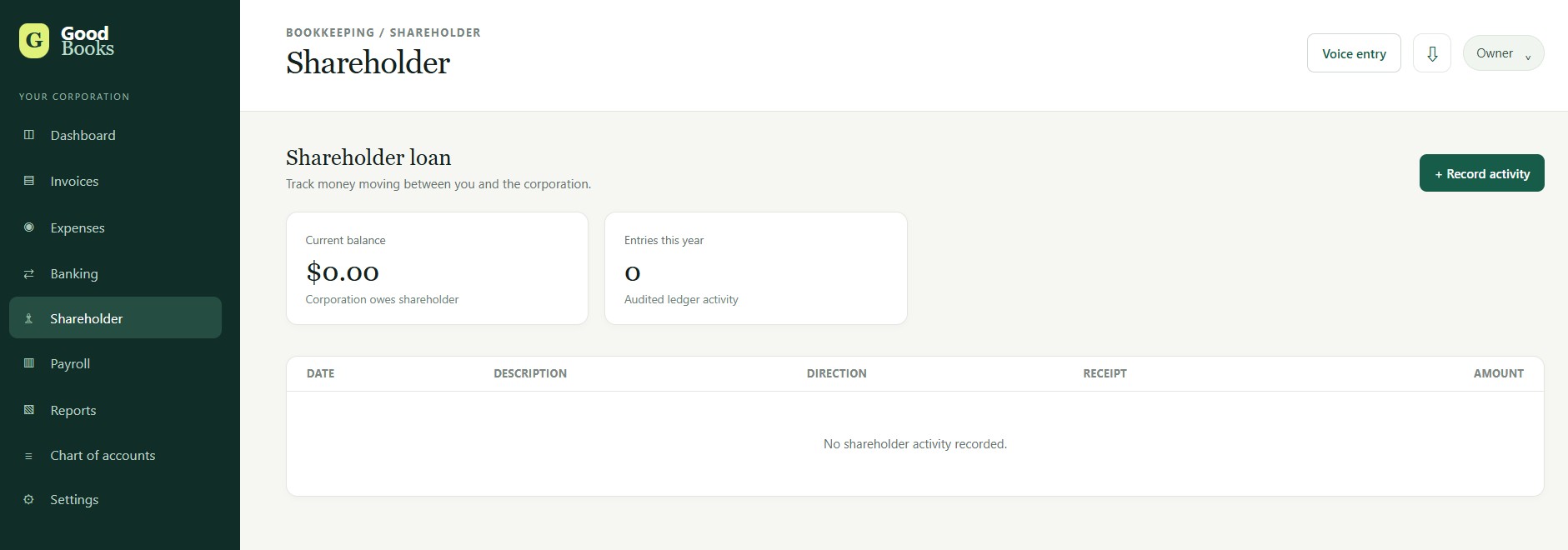
Shareholder info
-
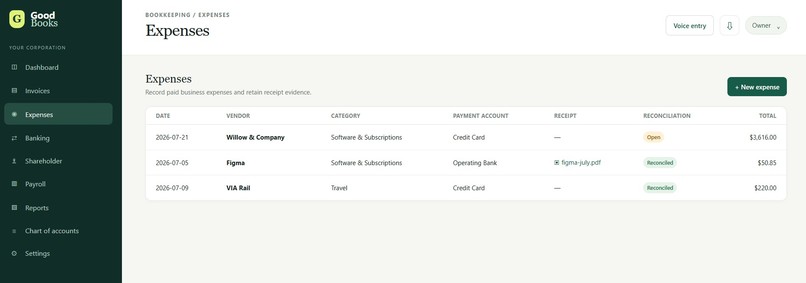
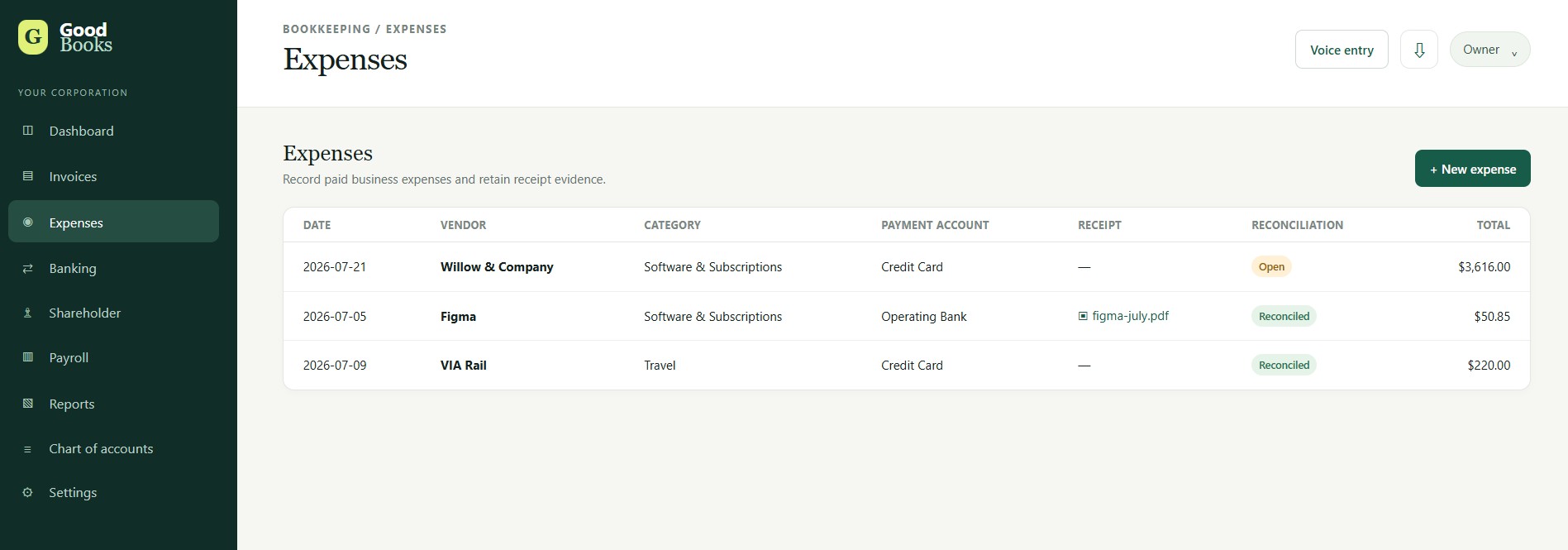
Record Expenses
-
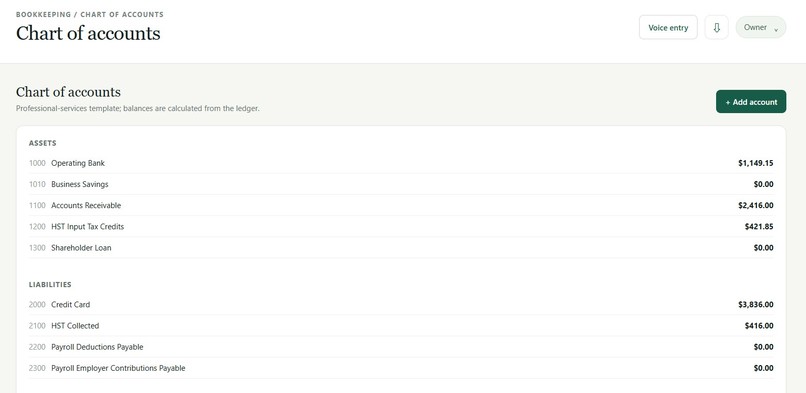
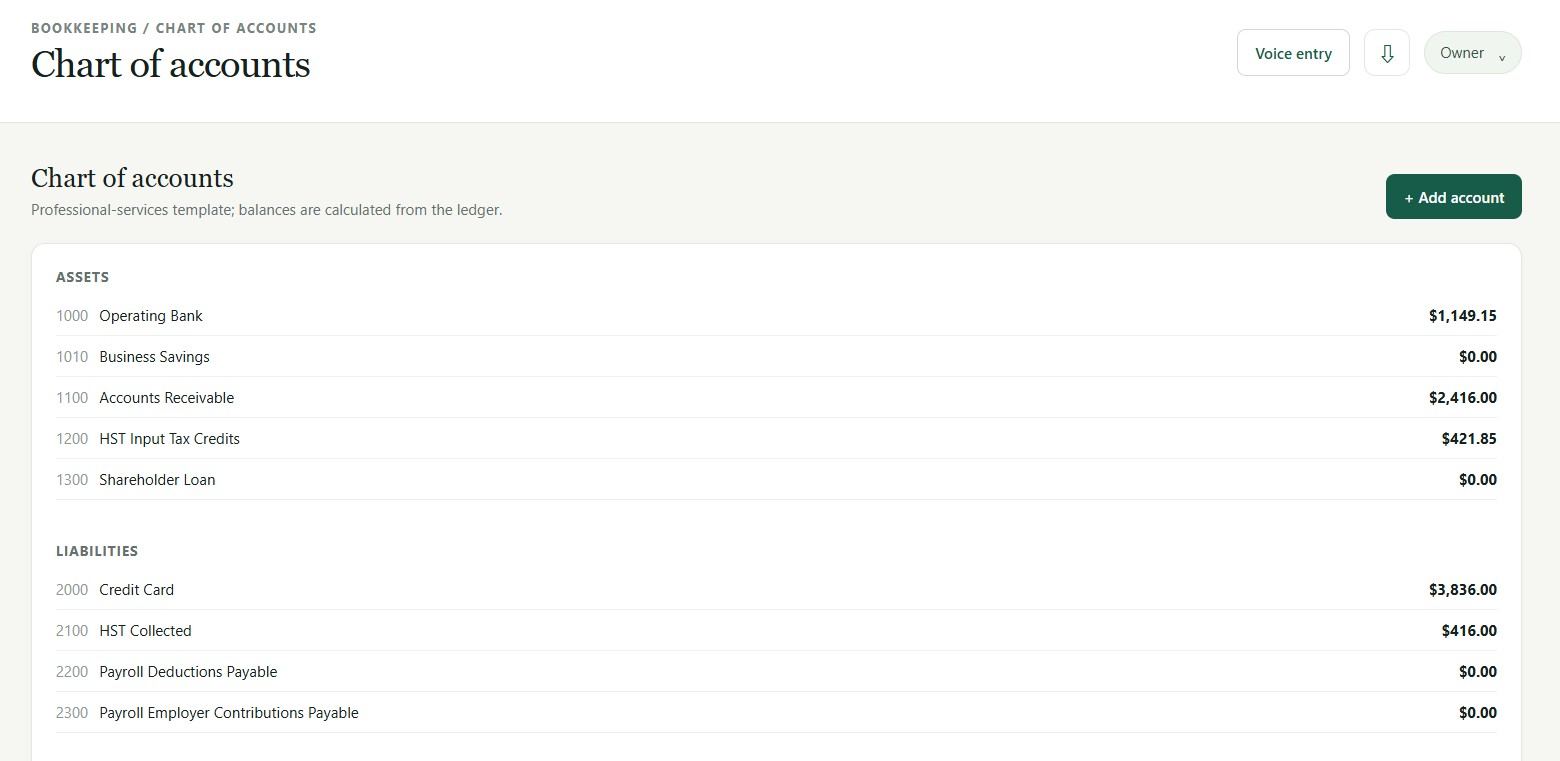
Chart of Accounts
-
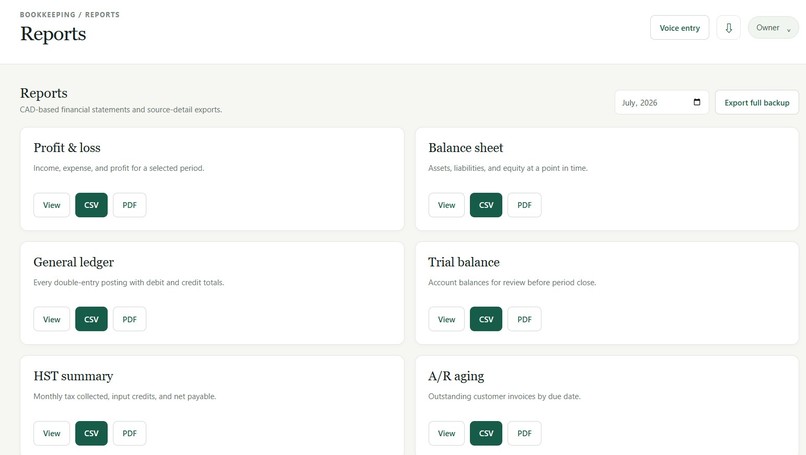
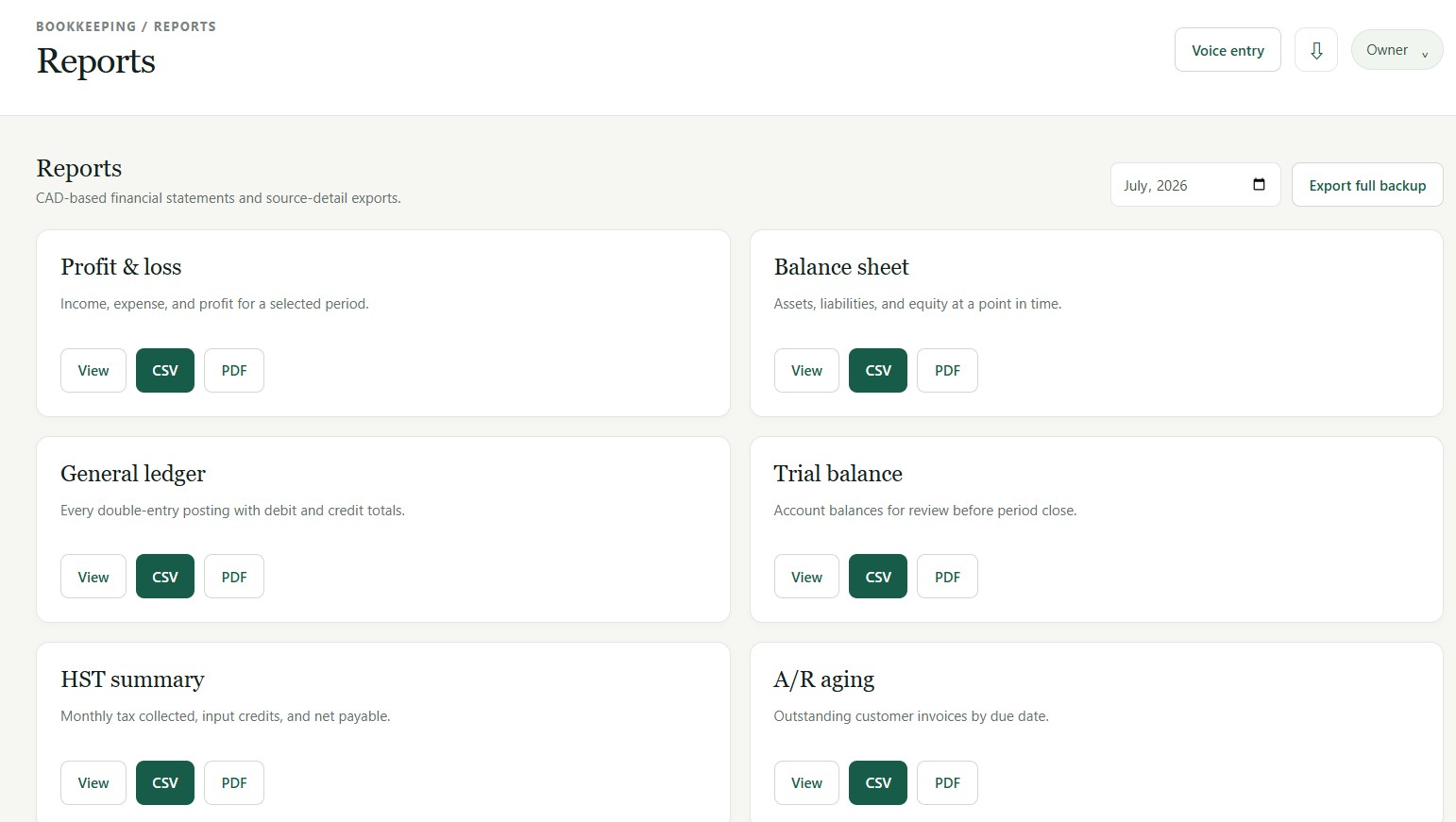
Good Books Reports
-
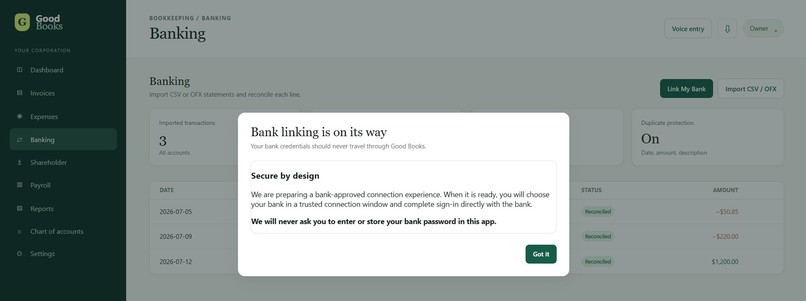
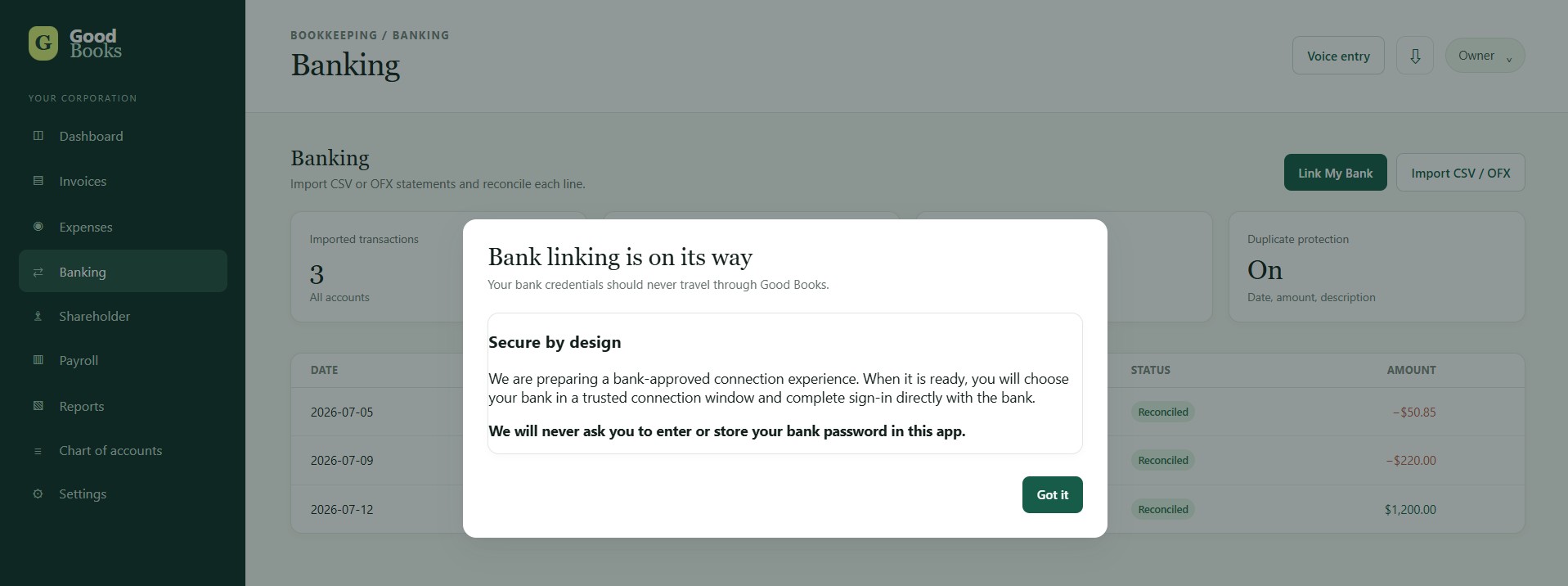
Security first
-
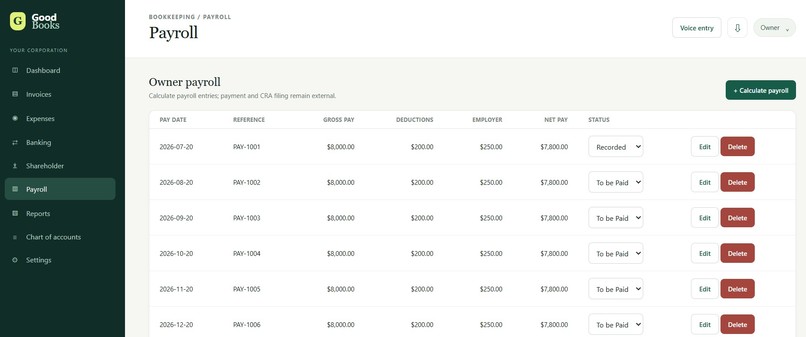
Intuitive add or update

Inspiration
As an incorporated consultant, I spent significant time every month organizing expenses, payroll, CRA deadlines, invoices, and tax records. The recurring effort made it clear that I needed a simpler and more intuitive way to manage my books. This need is not limited to small businesses. Busy professionals and individuals also benefit from a clear and organized view of their finances without the complexity of traditional accounting systems.
The idea for Good Books came directly from my own experience. The OpenAI Devpost Hackathon acted as an enabler by providing tools that allowed me to build the solution faster and with greater focus on the outcome rather than the technical complexities that usually slow down early development.
What it does
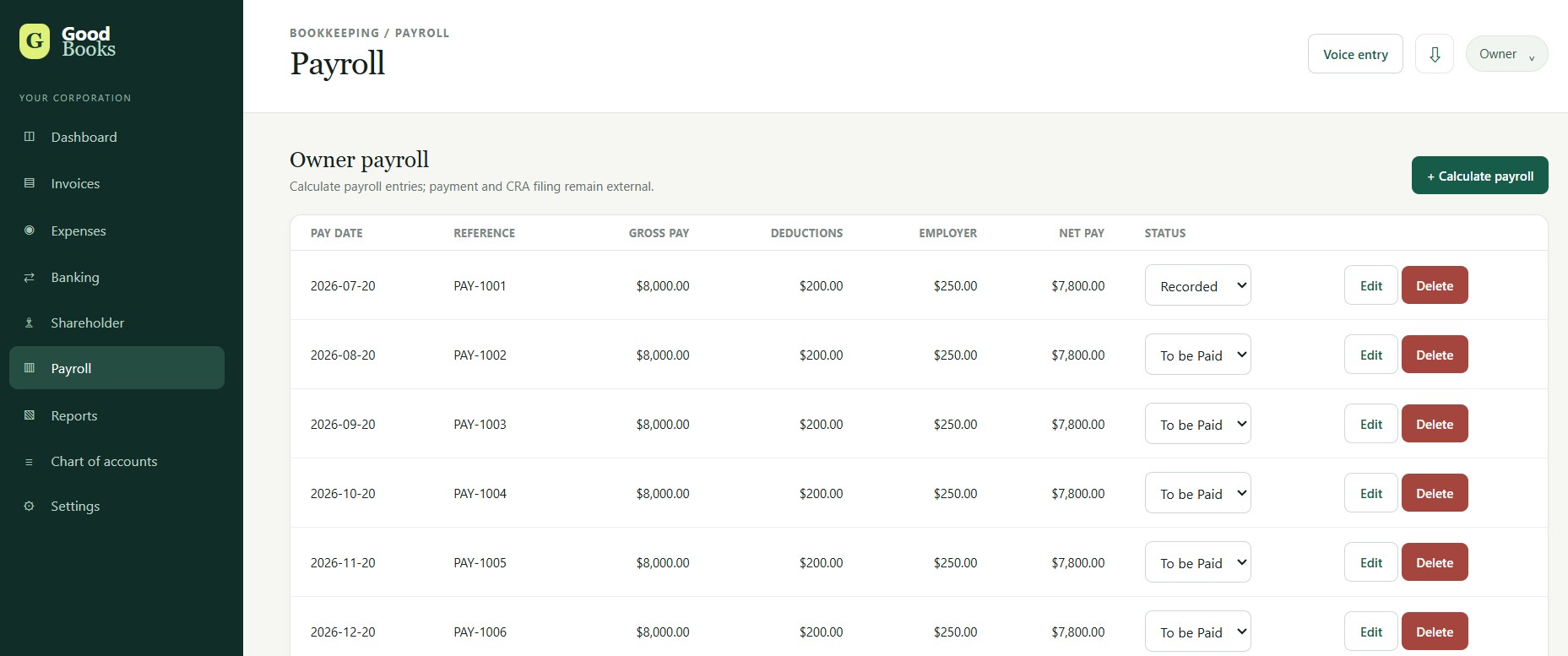
Good Books provides a streamlined bookkeeping experience for small businesses, professionals, and individuals. It organizes expenses, invoices, payroll, and tax related records in a clear and accessible format. It supports voice enabled input for quick data entry and maintains accurate, organized, and compliant financial records that help users make informed decisions without missing important entries.
How I built it
I used GPT 5.6 Terra, the balanced tier of the GPT 5.6 model family, throughout the development process. Its integrated coding capabilities supported research, guided the initial setup, and helped resolve GitHub synchronization issues. It also provided direction on integrating Supabase for secure data management.
Much of the development involved intuitive and exploratory coding. GPT 5.6 Terra consistently produced factual, accurate, coherent, and contextually relevant outputs that accelerated progress. Adding voice enabled input required only a single well structured prompt, and the model generated the implementation immediately.
All project files were generated with continuity and retained context, which allowed the prototype to reach a functional, submission ready state in a short timeframe.
Challenges I ran into
My first challenge was carving out time to begin the project, since bookkeeping tasks were already consuming monthly bandwidth. Once development began, the main challenges involved structuring the application, resolving GitHub synchronization issues, and establishing a secure and reliable data layer. GPT 5.6 Terra helped address these challenges efficiently.
Accomplishments that I am proud of
I am proud of creating a functional prototype that simplifies bookkeeping for businesses and individuals. The integration of voice enabled input with a single prompt, the seamless generation of project files, and the consistent accuracy of GPT 5.6 Terra allowed the project to reach a submission ready state quickly. The result is a clear, reliable, and intuitive financial management tool.
What I learned
I learned that modern AI assisted development can significantly accelerate prototyping by reducing technical overhead and allowing greater focus on product outcomes. GPT 5.6 Terra demonstrated strong comprehension, reliable code generation, and continuity across updates, which made the development process efficient and intuitive.
What is next for Good Books
Next steps include expanding the feature set to support automated reminders for CRA deadlines, enhanced reporting, multi user access, and deeper insights for both business and personal financial planning. My goal is to evolve Good Books into a comprehensive yet simple financial management companion for professionals and individuals.
Built With
- authentication
- css
- html
- javascript
- local
- node.js
- postgresql
- supabase
- web-speech-api

Log in or sign up for Devpost to join the conversation.