
Inspiration
Not all people are accustomed with using complex and tough websites. Many a times, people find it hard to navigate between webpages and find what they are looking for. The top 4 most frustrating things about any given online experience are:
- Sites hard to navigate (34%).
- Can’t get answers to simple questions (31%)
- Basic details about a business hard to find (28%).
- Takes too long to find services (27%).
What it does
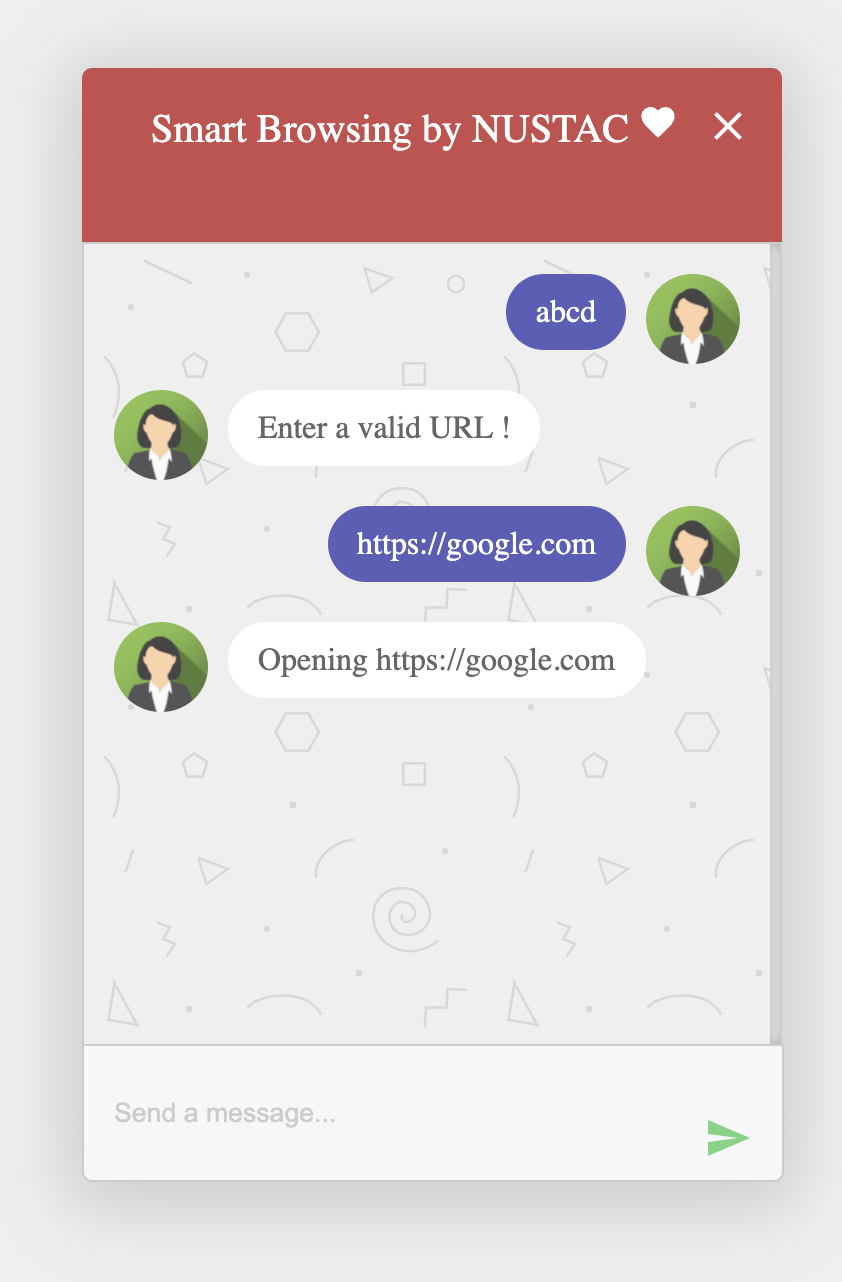
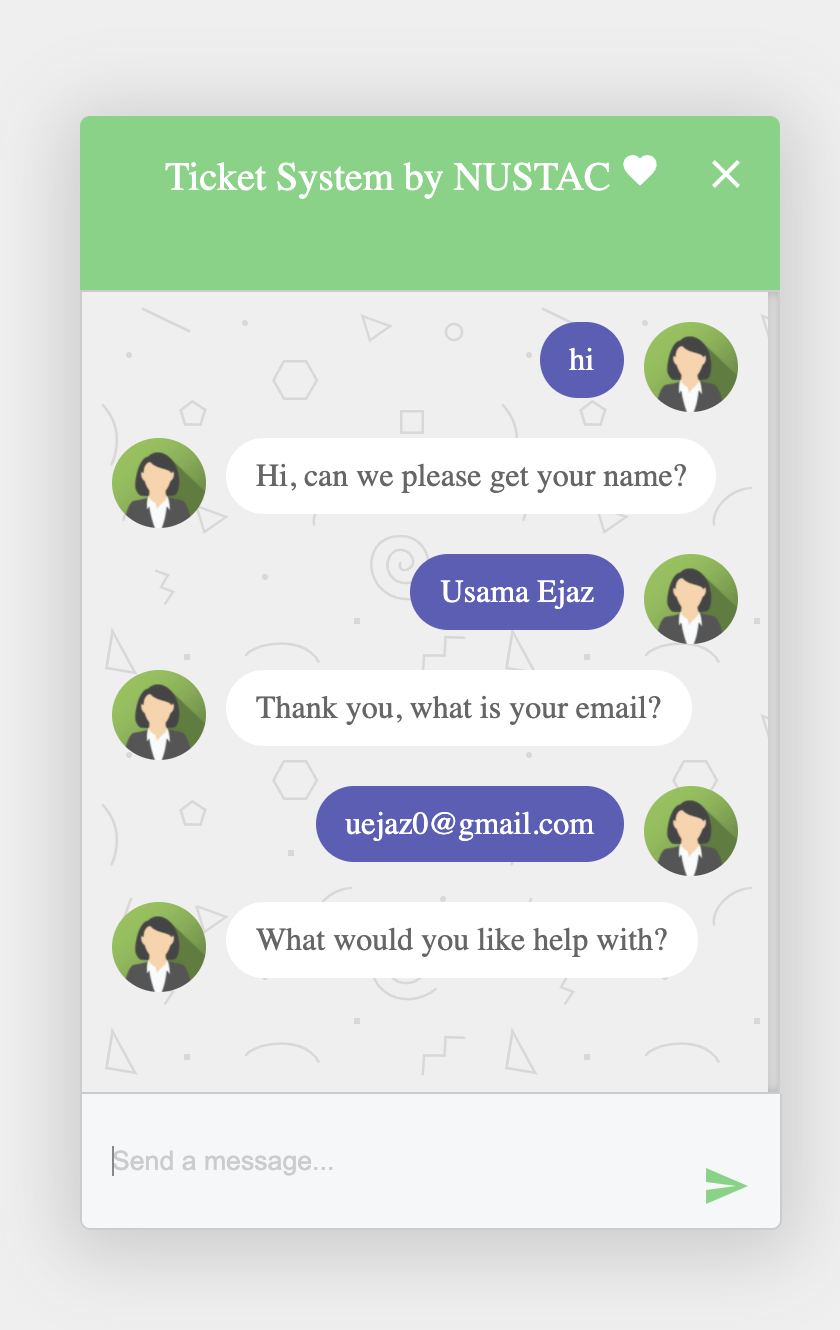
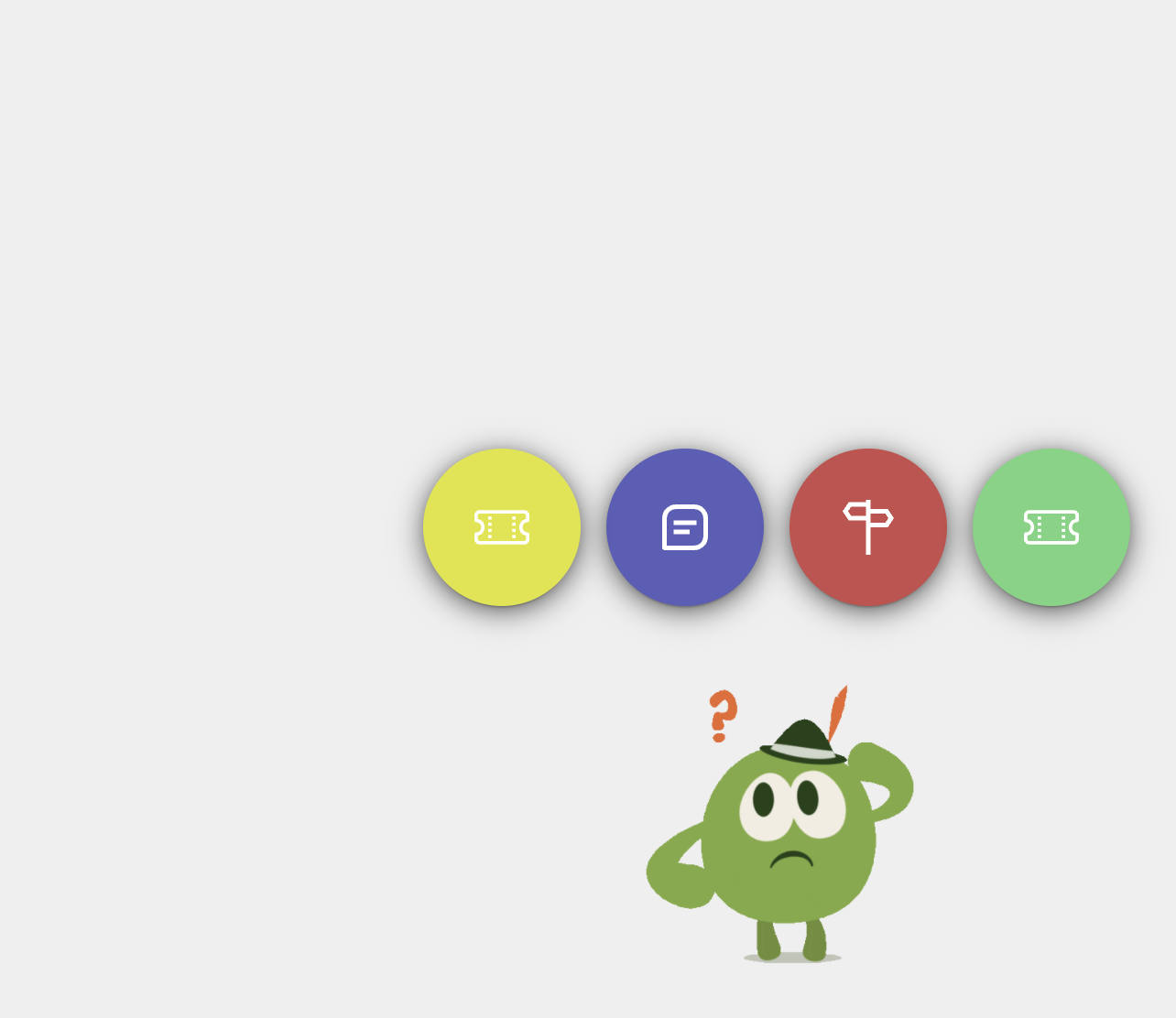
Our smart assistant engages the customers by using different techniques which are: an AI based chatbot that answers queries of the customers, a smart navigation and browsing system that helps customers to navigate the website based on user questions. A ticketing system generates a ticket and connects the customers to real agents. A quiz game that generates discount coupons if customer answers correctly.
How we built it
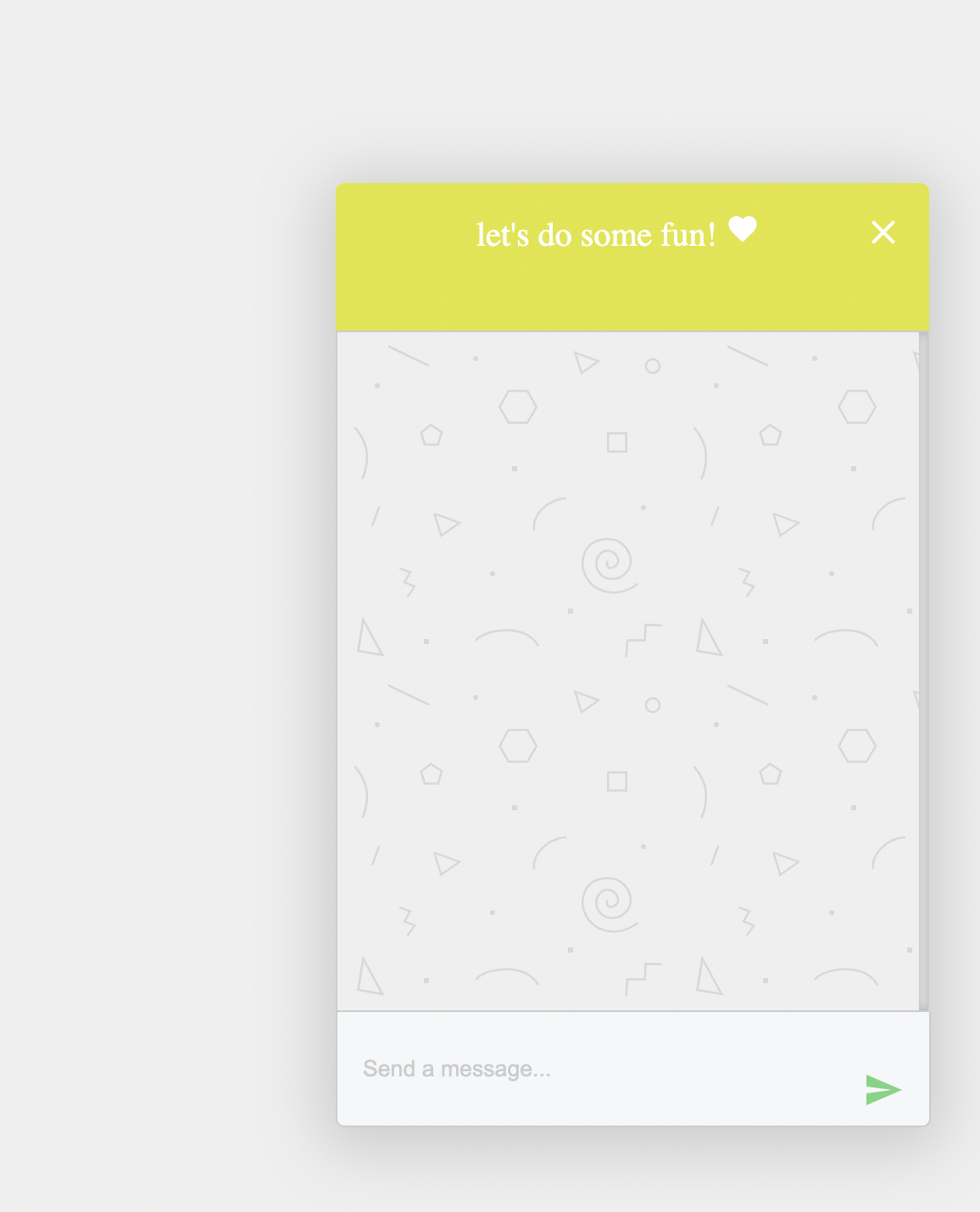
Website UI We built the front-end in Javascript Jquery HTML CSS. It consists of the basic UI of an animated character. When clicking on that character we get a chat pop-up. In that pop up there are several different options to get customer support. NLP Model The training data of the model is stored in a JSON file in the following keys: "tag","patterns","responses". For Preprocessing we used Tokenizer, Label Encoder, pad_sequeces from the Sklearn library. We used the keras framework to build our model. The model consists of three dense layers and sparse_categorical_crossentropy loss function and adams optimizer. We trained it to 1000 epochs. Back-end: We connected the model with the website through a Flask API. The model checkpoint is deployed there and we use that API to get responses to the user questions.
Challenges we ran into
We had to start from the ground up. We were first stuck on the primary issue of how to develop unique solutions that would maximise client involvement. Different ideas were provided by each team member. We agreed upon all the ideas and decided to integrate all of them despite of wondering about the perfect results . Second, we had difficulties constructing an accurate chatbot model. Finally, we were stuck on how to develop an API for our chatbot model and where to deploy both our model and frontend without causing any Cross Origin difficulties. Because we were limited on time, we tried Django, Fast API, and Flask. In the end, we got the results we wanted.
Accomplishments that we're proud of
Finally, we learned how to collaborate as a group. We were able to complete our tasks in a short amount of time, and as a result, we developed time management abilities. We learned how to establish industry-level projects and what their specific requirements are. We used a methodical approach to developing the solution. We also studied a variety of tech stacks that will aid us in our professional careers.
What we learned
The most important thing that we learned was team work, work division, learning the skills and managing time within such a short period of time. This hackathon taught us to work in a quick and efficient manner to meet the deadline. While finding an innovative solution the problem, we found out that brainstorming is an excellent method to generate new ideas. On the technical side, we understood the method of building a machine learning model, training it, building an API, using it in the frond end and then deploying the whole application.
What's next for Gooba - your smart web assistant
We are planning to make a browser extension for out application. Out extension would be able to be used by any website to engage their customers. Also, we will work on our smart navigation system and make it more accurate. It will allow users to browse or navigate the website by using voice commands.


Log in or sign up for Devpost to join the conversation.