-
-
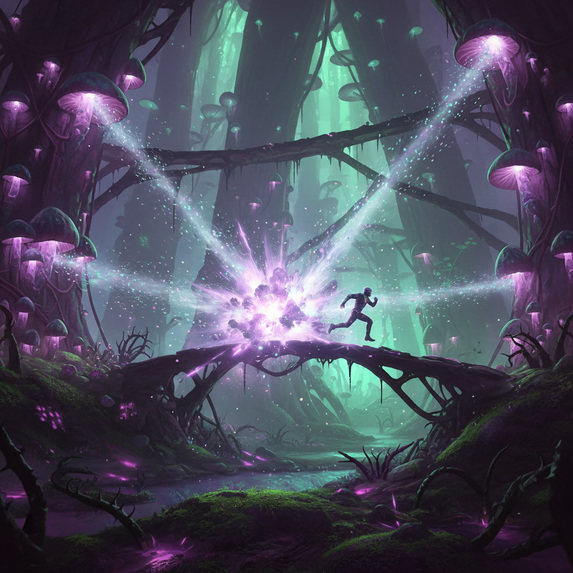
Labyrinth
-
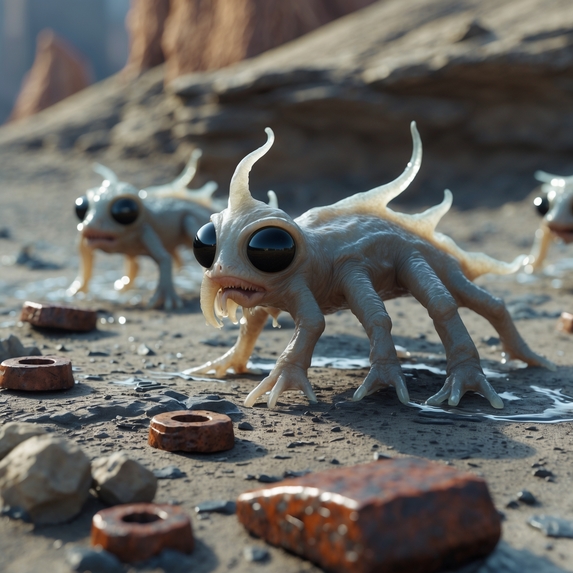
Slupies
-
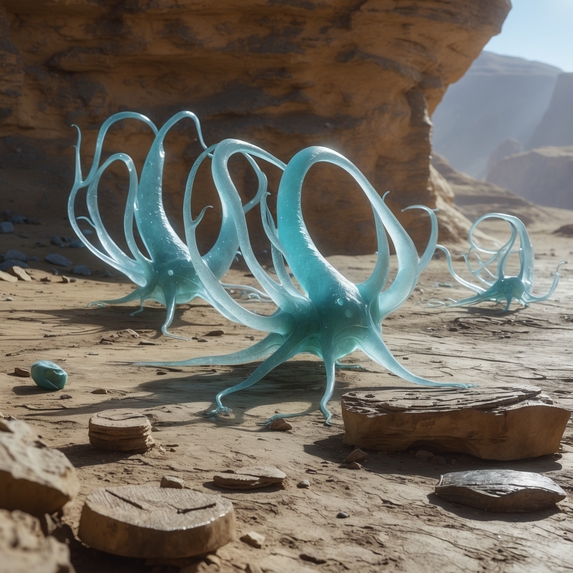
Pumplings
-

Urchin/Dye
-

Sour Seed
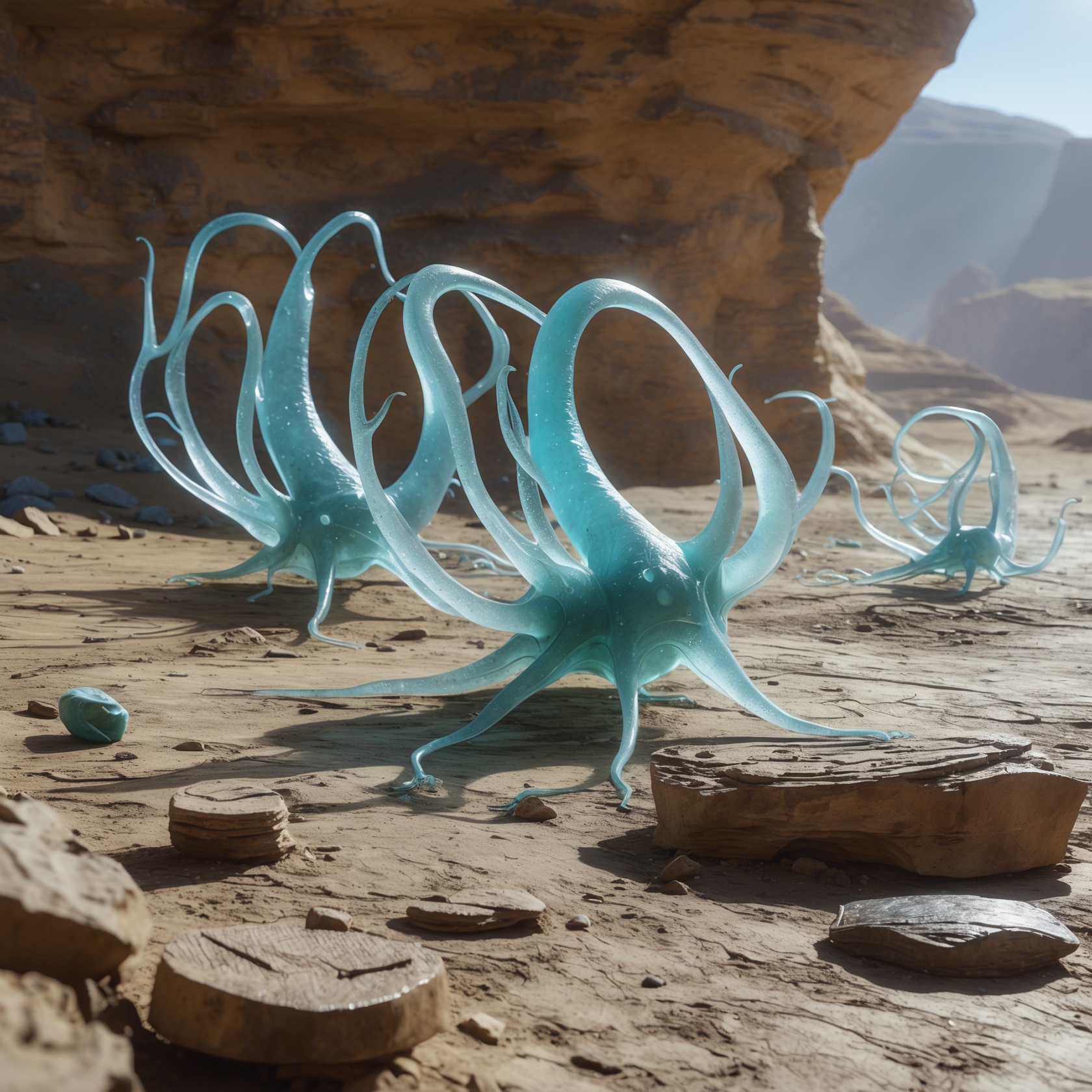


The spark for Gonki City came from a simple, frustrating realization: almost every modern survival game asks you to destroy your environment to stay alive. You chop the trees, mine the rocks, and kill the local fauna. I wanted to build something that flipped that trope completely on its head. What if success wasn't measured by a kill count, but by an Ecosystem Recovery Percentage $R_e \in [60\%, 100\%]$? I was deeply inspired by the raw, dramatic topography of a desert photograph—those massive, sun-baked terracotta orange granite cliffs contrasting against a clear blue sky. I looked at that landscape and thought: I want to build a vertical, hand-painted oasis carved directly into those rocks, where technology and nature have to physically live in harmon Inspiration
As a non-techie solopreneur, my guiding principle from day one was to start as simply as possible. I didn't try to build the world vertex-by-vertex in a complex program. Instead, I acted as a Technical Artist and Level Designer, using high-quality stylized asset building blocks.
I set up custom material shaders so your virtual hands glow a soft jade green when your karma is clean, but sprout dark, corrupt veins if you abuse the ecosystem.
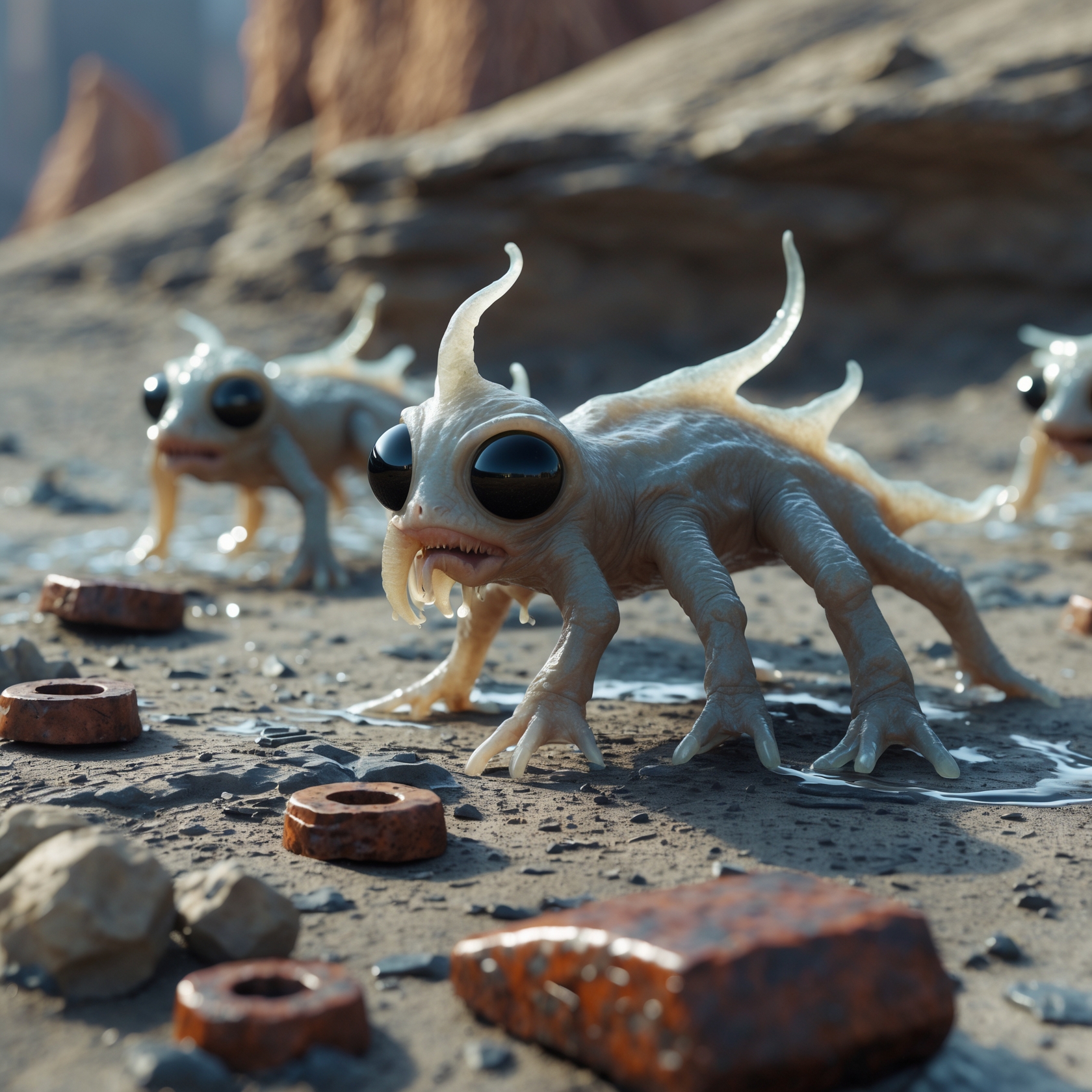
Balancing the Mutation Cascade was a total labyrinth. In my early testing, if players went greedy and chose the high-risk Turbo Cycle, that $10\%$ leak would break the whole game—it triggered this infinite loop of hyper-aggressive Glurp enemies that would completely destroy the Magnetic Tram before you could even react.
Changing from 2D to VR compatibility
What I learned is that getting 3D models into a game engine and making them actually work together smoothly is a massive headache. It is definitely not a walk in the park.
You think you can just drop a cool asset you bought right into the scene, but reality hits fast. If a model is built with too much detail or too many pieces, it completely chokes the computer. The frame rate drops, everything starts lagging, and the whole engine basically screams for help.
I learned that being a game developer isn't just about having a creative vision; it's about being a problem solver. You have to constantly clean things up, shrink things down, and set strict rules so the game runs beautifully without sacrificing the look. It's a non-stop balancing act between making the world look gorgeous and keeping the engine from melting.
What's next for Gonki_City: Expanding and iterating the levels.
Built With
- antigravity
- gemini
- gordon


Log in or sign up for Devpost to join the conversation.