-
-
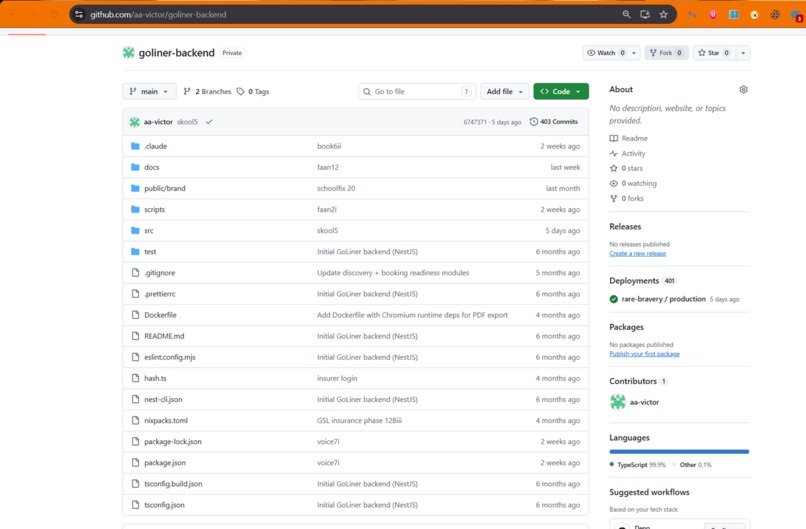
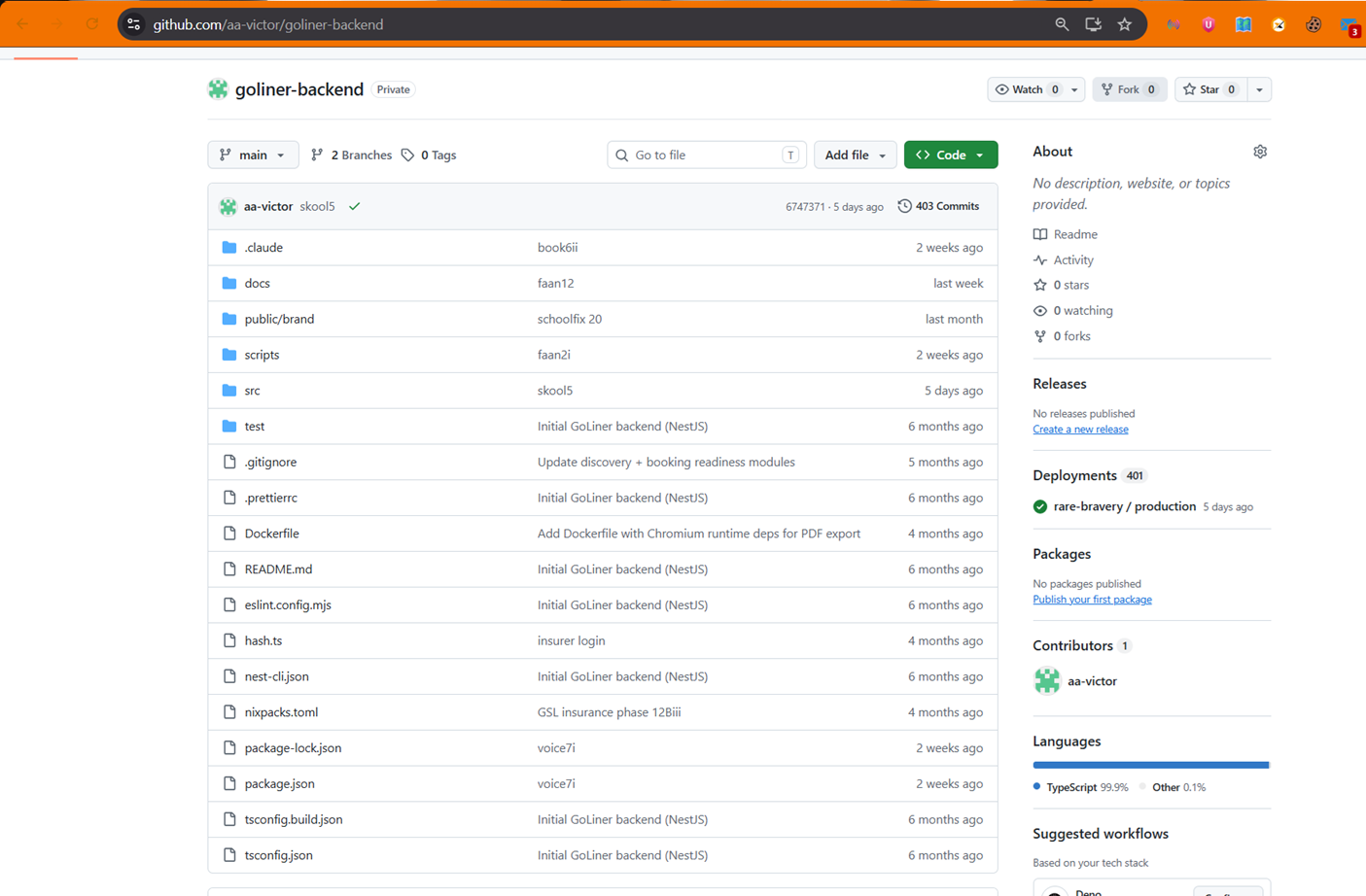
Github
-
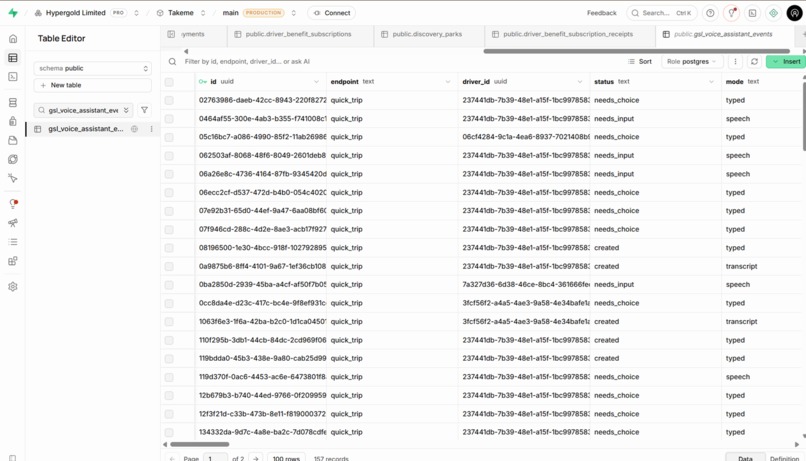
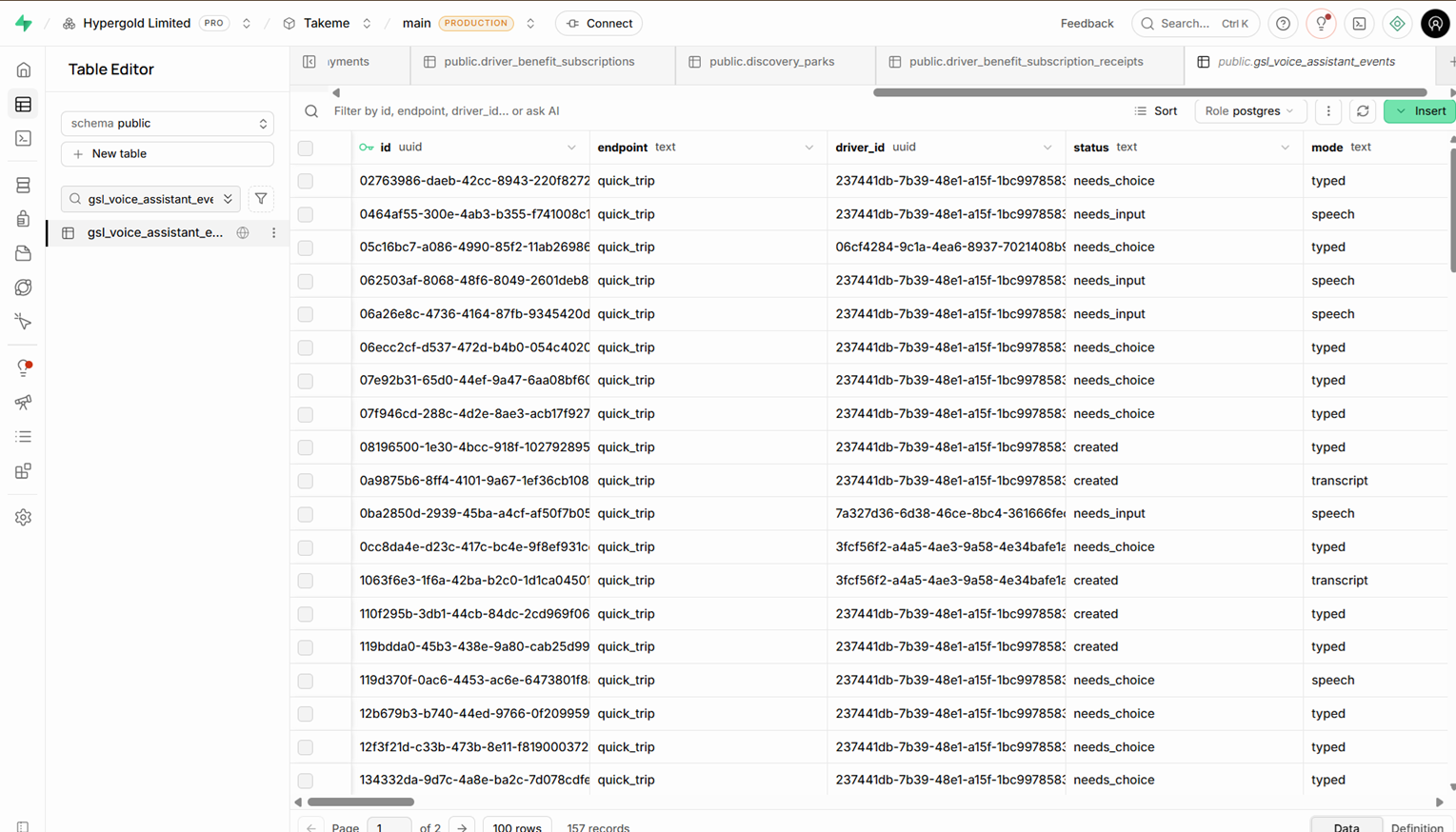
gsl_voice_assistant_events
-
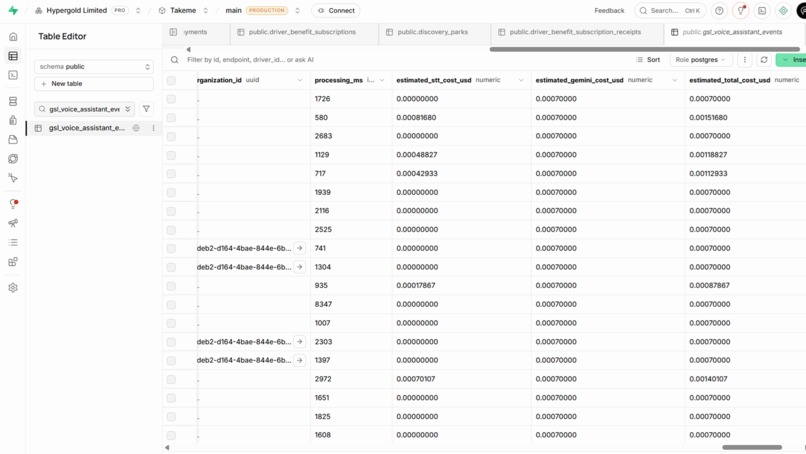
gsl_voice_assistant_events 2
-
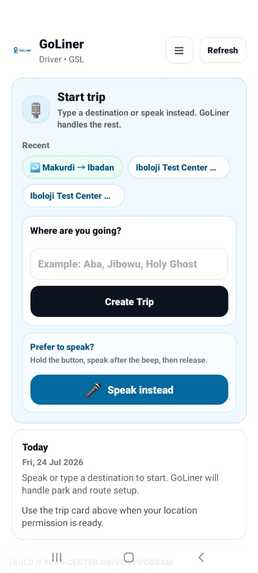
Driver app
-
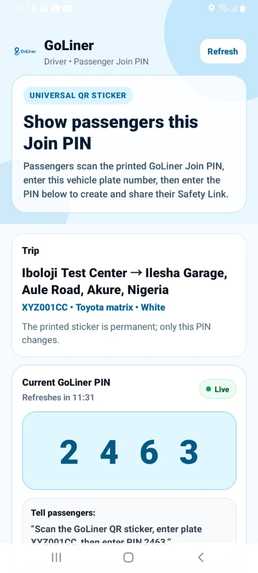
Driver show PIN
-
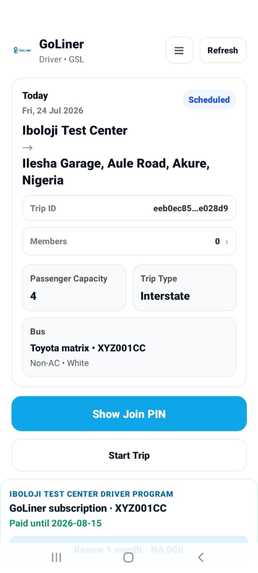
Driver create trip
Inspiration
Across Nigeria and many emerging markets, transport businesses still coordinate essential daily operations through paper manifests, phone calls, cash, WhatsApp messages and human memory.
The problem is not simply that operators are unwilling to digitise. Most transport software asks drivers to stop what they are doing, look down at a screen and complete several fields before a trip can be recorded.
That does not fit the reality of a driver working in a busy motor park, school compound, airport terminal or roadside loading point.
When a trip is not created digitally, everything downstream remains disconnected. The operator cannot see the journey clearly. The vehicle’s seats cannot easily become discoverable or bookable. Passengers and their families do not receive structured trip information. Revenue, routes, demand and operating activity remain difficult to measure.
We built GoLiner Voice Dispatch around one simple idea:
If a driver can create a trip by speaking one sentence, everything downstream can begin to work.
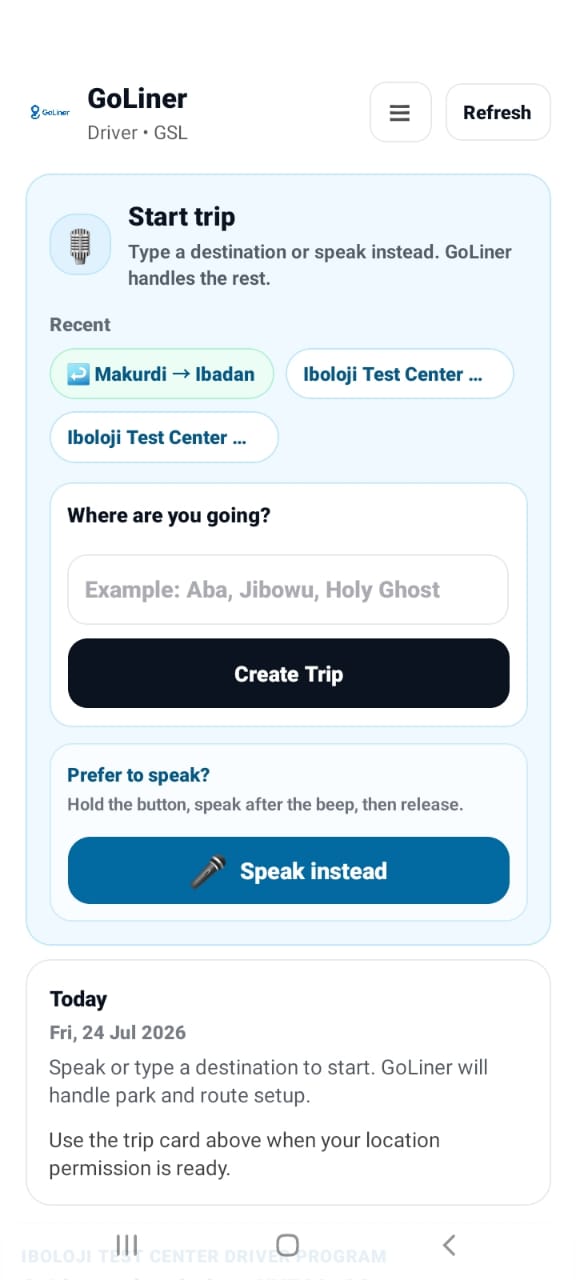
A driver should be able to tap one button and say:
“I dey go Aba.”
From that short instruction, the system should understand the intended destination, identify the driver and assigned vehicle, determine the likely origin, resolve the appropriate route and prepare the trip for confirmation.
The driver does not need to become a data-entry operator. He can continue working in the way that already feels natural: by speaking.
What we built
GoLiner Voice Dispatch is an AI-native operating layer for transport businesses.
It turns natural driver speech into structured transport operations. A spoken instruction can become a confirmed trip containing:
- the driver;
- the assigned vehicle;
- the origin;
- the destination;
- the route;
- the trip type;
- the operating organisation; and
- the resulting operational record.
The project is deployed within the wider GoLiner transport platform, which supports use cases such as:
- fleet operations;
- motor parks and transport unions;
- school transport;
- airport taxi operations;
- staff shuttle services;
- passenger booking;
- live trip visibility; and
- transport oversight.
However, the submitted project is specifically the new AI operating layer that enables drivers and operators to create transport activity through voice, together with the supporting audit, review, learning and operational workflows built around it.
The central transformation is simple:
A driver speaks. Gemini understands. GoLiner creates a structured transport operation.
Where an operator has published eligible transport supply, the resulting journey can also become discoverable or bookable without requiring the driver to complete a long form.
How AI transforms the workflow
AI is not a chatbot placed beside GoLiner. It is the primary low-friction mechanism through which a driver can create a trip without stopping to type.
When a driver records a short instruction, the production workflow performs the following steps.
1. Speech transcription
Google Cloud Speech-to-Text transcribes the driver’s audio.
The system is designed for the practical conditions in which transport workers operate, including:
- background traffic;
- running engines;
- busy terminals;
- Nigerian English;
- Pidgin;
- shortened destination names; and
- transport-specific place names.
Phrase adaptation is supplied with relevant parks, routes and destinations to improve recognition of names that general speech systems may not understand correctly.
2. Gemini intent extraction
Gemini, accessed through Vertex AI, receives the transcript and converts it into a strict structured response.
The response identifies fields such as:
- the driver’s intent;
- stated origin;
- stated destination;
- likely trip type;
- confidence;
- whether confirmation is required; and
- the message that should be returned to the driver.
Gemini does not return unrestricted prose that the system must guess how to interpret. It follows a structured response contract so the next action can be handled deterministically.
3. Origin anchoring
The system compares what the driver said with available GPS information and reverse-geocoded location data.
This helps prevent a missing, vague or incorrect spoken origin from creating an invalid route.
For example, the driver may only say:
“I dey go Aba.”
The system can use the driver’s current position and organisation context to determine the likely departure point instead of forcing the driver to describe information that the platform can already infer.
4. Destination resolution
The destination phrase is resolved against transport-relevant places and existing operational data.
The system considers:
- the operator’s known parks;
- previously used destinations;
- existing routes;
- terminal-like locations;
- Google Places candidates; and
- transport-specific ranking signals.
This is important because a spoken destination may refer to a city, motor park, junction, terminal or popular local name rather than a formal address.
5. Trip preparation and creation
Once the origin, destination and route have been resolved, the system prepares the resulting trip.
Deterministic validation checks confirm that:
- the driver is recognised;
- the driver has an assigned vehicle where required;
- the organisation is authorised;
- the destination is valid;
- an incompatible live trip is not already active; and
- the requested operation is allowed.
If the confidence level and validation checks are sufficient, the trip can be created and returned to the driver for confirmation.
6. Conversational uncertainty handling
The AI is not permitted to guess silently when the destination is uncertain.
Where confidence is low, the system can ask the driver to confirm, repeat or select the intended destination.
The driver’s correction is also captured so the system can learn that operator’s recurring language, pronunciation and destination aliases over time.
AI governance and observability
Transport operations affect passengers, revenue, routes and safety. An AI decision cannot be treated as an invisible black box.
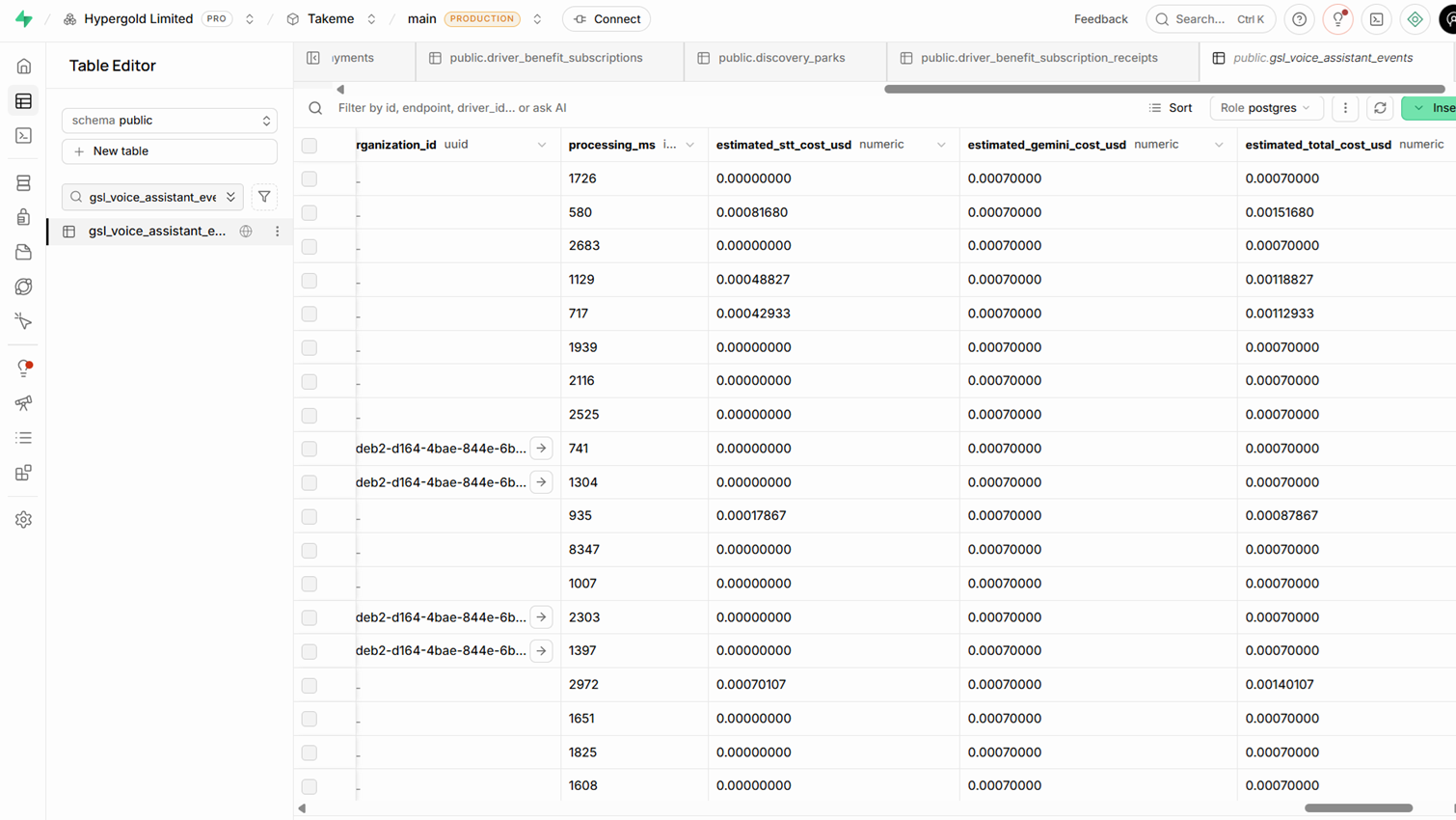
Every important voice request creates an audit event containing information such as:
- the original transcript;
- interpreted intent;
- confidence level;
- speech-recognition confidence;
- detected language;
- origin coordinates;
- resolved origin;
- resolved destination;
- candidate destinations;
- selected route;
- the action taken;
- whether a route or park was automatically created;
- failure reason;
- processing time; and
- estimated AI processing cost.
Low-confidence and failed events can be surfaced for human review.
An operator can review the event, correct the destination, resolve it or ignore it. Valid corrections can then be used as future phrase hints or destination aliases.
The system also includes operational protections such as:
- per-driver usage limits;
- cost estimation;
- feature controls;
- confidence thresholds;
- timeouts; and
- an emergency kill switch.
Every AI path has a manual fallback. If speech recognition fails, Gemini times out, credentials are unavailable or a destination cannot be confidently resolved, the driver or operator can continue through manual entry.
AI improves the workflow, but it is not allowed to become a single point of operational failure.
What AI does, what software rules do and what humans do
GoLiner separates probabilistic AI decisions from deterministic business rules and human responsibility.
AI is responsible for:
- interpreting natural speech;
- extracting the driver’s intent;
- identifying possible origins and destinations;
- ranking location candidates;
- estimating confidence;
- preparing a structured action; and
- generating a clear response for the driver.
Deterministic software is responsible for:
- validating driver identity;
- checking vehicle assignments;
- enforcing organisation boundaries;
- preventing conflicting live trips;
- applying permissions;
- confirming booking-readiness conditions; and
- performing the final database transaction.
Humans remain responsible for:
- confirming uncertain destinations;
- managing drivers and vehicles;
- establishing routes and operating policies;
- reviewing low-confidence AI events;
- resolving exceptional cases; and
- remaining accountable for the actual transport service.
The system is designed to reduce repetitive interpretation and data entry, not to remove human accountability.
A second Gemini workflow
Gemini also assists transport operators during location setup.
When an operator describes a park, terminal or boarding point in free text, Gemini can help normalise the description into structured fields such as:
- location name;
- area;
- city;
- state; and
- location type.
The platform can then compare this information with Google Places and existing GoLiner location data.
This prevents operator onboarding from stopping simply because a location is described differently from the way it appears in a map database.
How we built it
The platform combines:
- a NestJS and TypeScript backend;
- PostgreSQL through Supabase and TypeORM;
- Gemini through Vertex AI;
- Google Cloud Speech-to-Text;
- Google Maps Platform services;
- Expo and React Native driver and passenger applications;
- native Android background location services;
- Next.js operator dashboards and booking applications;
- Paystack for payments;
- Twilio WhatsApp Business;
- Africa’s Talking SMS;
- Resend for transactional email; and
- OneSignal for push notifications.
The system is designed for multiple operating environments rather than a single transport company.
A school needs parent registration, child rosters and boarding confirmation. A motor park needs routes, departures, seat allocation and cash-desk operations. A fleet needs vehicles, drivers and trip oversight. A regulator or association may need aggregated visibility without controlling the operator’s internal records.
GoLiner resolves each organisation into an appropriate workspace and feature set so users are not given a crowded platform containing tools that do not apply to them.
Use of pre-existing work
We are disclosing the project history clearly.
The broader GoLiner safety platform existed before the submission period. Earlier work included foundations such as:
- driver and passenger applications;
- core trip lifecycle;
- safety telemetry;
- live trip visibility; and
- parts of the school-transport safety product.
The submitted project is not presented as an entirely new codebase.
The work created during the submission period includes the new AI operating layer and substantial supporting infrastructure, including:
- the Gemini trip-intent workflow;
- Google Cloud Speech-to-Text integration;
- voice-based trip creation;
- origin anchoring;
- destination and park resolution;
- transport-specific location ranking;
- spoken confirmation and correction;
- AI confidence handling;
- voice-event audit and analytics;
- cost estimation and usage controls;
- alias learning;
- phrase adaptation;
- human review workflows;
- Gemini-assisted operator location setup;
- booking and passenger-discovery workflows;
- WhatsApp booking;
- operator dashboard improvements; and
- the workspace intelligence used to adapt the platform to different transport organisations.
The existing GoLiner platform provides the real transport environment in which this newly built AI operating system can be deployed and tested.
Challenges we faced
Nigerian speech and transport names
Nigerian transport speech is not a simple speech-recognition problem.
Drivers may:
- speak Pidgin;
- switch between Pidgin and English;
- shorten place names;
- use informal terminal names;
- pronounce destinations differently; or
- record audio in a noisy motor park.
Names such as Rumuokoro, Jibowu, Waterlines and Oshodi can be misunderstood by generic speech models.
We addressed this through layered interpretation:
- speech phrase adaptation;
- operator-specific location data;
- multiple resolution candidates;
- Gemini semantic interpretation;
- confidence thresholds; and
- confirmation or manual fallback.
Latency
A driver waiting at a terminal will not tolerate a long AI workflow.
Speech transcription, Gemini interpretation and location resolution operate under controlled time limits. The system checks whether enough processing time remains before attempting additional work.
When the workflow cannot complete within the permitted window, it returns a useful fallback instead of leaving the driver waiting indefinitely.
AI cost
Voice AI can become expensive if usage is uncontrolled.
We therefore designed cost visibility into the workflow from the beginning. Each event can record estimated speech and Gemini costs so the business can understand unit economics by request, driver or operator.
Rate limits and feature controls provide further protection.
Different transport businesses need different products
A school, airport taxi association, motor park and fleet operator may all manage vehicles and journeys, but their workflows are not identical.
Instead of creating unrelated products for each vertical, we built a common operating foundation with separate workspace experiences.
This allows GoLiner to reuse shared infrastructure while presenting each user with only the tools relevant to their work.
AI decisions can have financial consequences
If an AI-created trip becomes bookable, the decision may affect passenger payments, available seats and operator revenue.
That means every AI-generated action must be observable and reviewable.
The audit system records what the AI received, what it concluded, why a candidate was selected, what action followed and whether human intervention was required.
Pilot stage and business model
GoLiner Voice Dispatch is currently in the pilot and deployment stage.
We are not claiming revenue from the AI voice service yet.
Our current evidence is based on:
- a functioning production workflow;
- live application infrastructure;
- operational AI logs;
- transport-driver testing;
- pilot deployment activity;
- operator onboarding; and
- discussions with transport organisations and associations.
GoLiner has worked with transport operators and airport taxi drivers in Port Harcourt, and the wider platform is being introduced to additional fleet and motor-park organisations.
The commercial model is designed around recurring subscriptions.
Depending on the organisation, pricing can be based on:
- active vehicles;
- active drivers;
- operator workspaces;
- booking volume;
- premium operational modules; or
- enterprise implementation and integration.
The purpose of the pilot stage is to validate:
- speech-recognition success;
- destination accuracy;
- time required to create a trip;
- correction frequency;
- driver adoption;
- AI cost per request;
- operator usage;
- booking conversion; and
- operational reliability.
Revenue will follow commercial rollout once the pilot workflow is sufficiently reliable for broader operator deployment.
Relevance to Small Business Services
Many transport operators are small and medium-sized businesses without the resources to purchase or maintain large enterprise transport systems.
A family-owned fleet, twelve-bus school, airport taxi association or local motor park may manage significant daily movement while still relying on paper, cash, phone calls and WhatsApp.
GoLiner gives these businesses access to capabilities normally associated with much larger operators:
- digital trip records;
- driver and vehicle management;
- bookable transport inventory;
- payment records;
- passenger communication;
- safety visibility;
- operational dashboards; and
- an AI dispatcher that can understand a driver’s voice.
The practical test is simple:
An operator who previously could not capture a driver’s trip digitally can create a structured transport operation from one spoken sentence.
That can make the journey easier to supervise, easier to communicate, easier to sell and easier to account for.
Economic opportunity
GoLiner is designed to help existing transport workers and small operators become more productive rather than replace them.
The platform can allow:
- drivers to participate in digital operations without extensive technical training;
- dispatchers to supervise more vehicles;
- fleet managers to access clearer records;
- schools to provide greater visibility to parents;
- transport associations to improve accountability;
- passengers to find legitimate transport supply; and
- operators to build a more verifiable history of business activity.
Structured operating records may also help legitimate drivers and vehicle owners demonstrate consistent work when seeking services such as insurance, maintenance support or vehicle finance.
GoLiner does not make insurance or lending decisions. It creates the operational evidence that informal transport businesses often lack.
As the platform grows, it can also support jobs in:
- driver onboarding;
- fleet administration;
- customer support;
- safety coordination;
- transport-data review;
- payment operations; and
- operator implementation.
What we learned
The most important lesson is that voice is not merely a convenience feature.
It is an adoption mechanism.
A dashboard may be powerful, but it still fails if the person responsible for creating the trip never enters the data.
Voice changes the starting point. It allows the system to meet the driver inside an existing behaviour instead of requiring the driver to adopt an unfamiliar administrative routine.
We also learned that structured output is essential when placing an LLM inside an operational workflow.
Gemini’s role is bounded by:
- a defined response schema;
- required fields;
- confidence values;
- deterministic validation;
- confirmation paths; and
- manual fallbacks.
This makes it possible to use AI for interpretation while keeping final operational control predictable and auditable.
Accomplishments we are proud of
We are proud to have built:
- a production Gemini workflow that converts driver speech into structured transport activity;
- transport-specific destination resolution for Nigerian operating environments;
- confidence-aware confirmation and correction;
- an audit trail for every important AI decision;
- cost estimation and controls for voice-AI usage;
- graceful manual fallback for every AI path;
- a human review system for uncertain events;
- operator-specific alias learning;
- an onboarding workflow that uses Gemini to structure difficult location descriptions;
- booking, safety and operational systems that can use the resulting trip data; and
- a platform capable of serving different transport organisations without forcing them into the same interface.
What’s next
Our next phase is to improve the pilot through measured real-world use.
We will focus on:
- increasing recognition accuracy for Nigerian English and Pidgin;
- expanding operator-specific place-name adaptation;
- reducing median trip-creation time;
- improving correction and confirmation flows;
- measuring AI cost per successful trip;
- increasing the number of participating drivers and operators;
- connecting more voice-created trips to passenger discovery and booking;
- improving operational analytics for transport owners;
- expanding the review and alias-learning system; and
- preparing the service for paid commercial deployment after pilot validation.
Our long-term goal is to make advanced transport software usable through the most natural interface available to every driver:
Their voice.
Built With
- africas-talking
- expo.io
- gemini
- google-cloud
- google-cloud-speech-to-text
- google-maps-platform
- google-places
- kotlin
- nestjs
- next.js
- node.js
- onesignal
- paystack
- postgresql
- railway
- react
- react-native
- rest-api
- supabase
- tailwindcss
- twilio
- typeorm
- typescript
- vertex-ai
- whatsapp-business-api

Log in or sign up for Devpost to join the conversation.