-
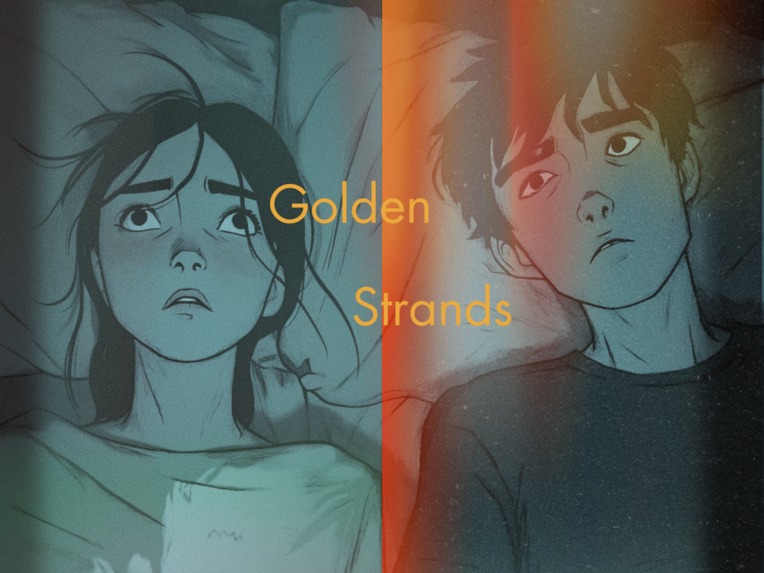
poster
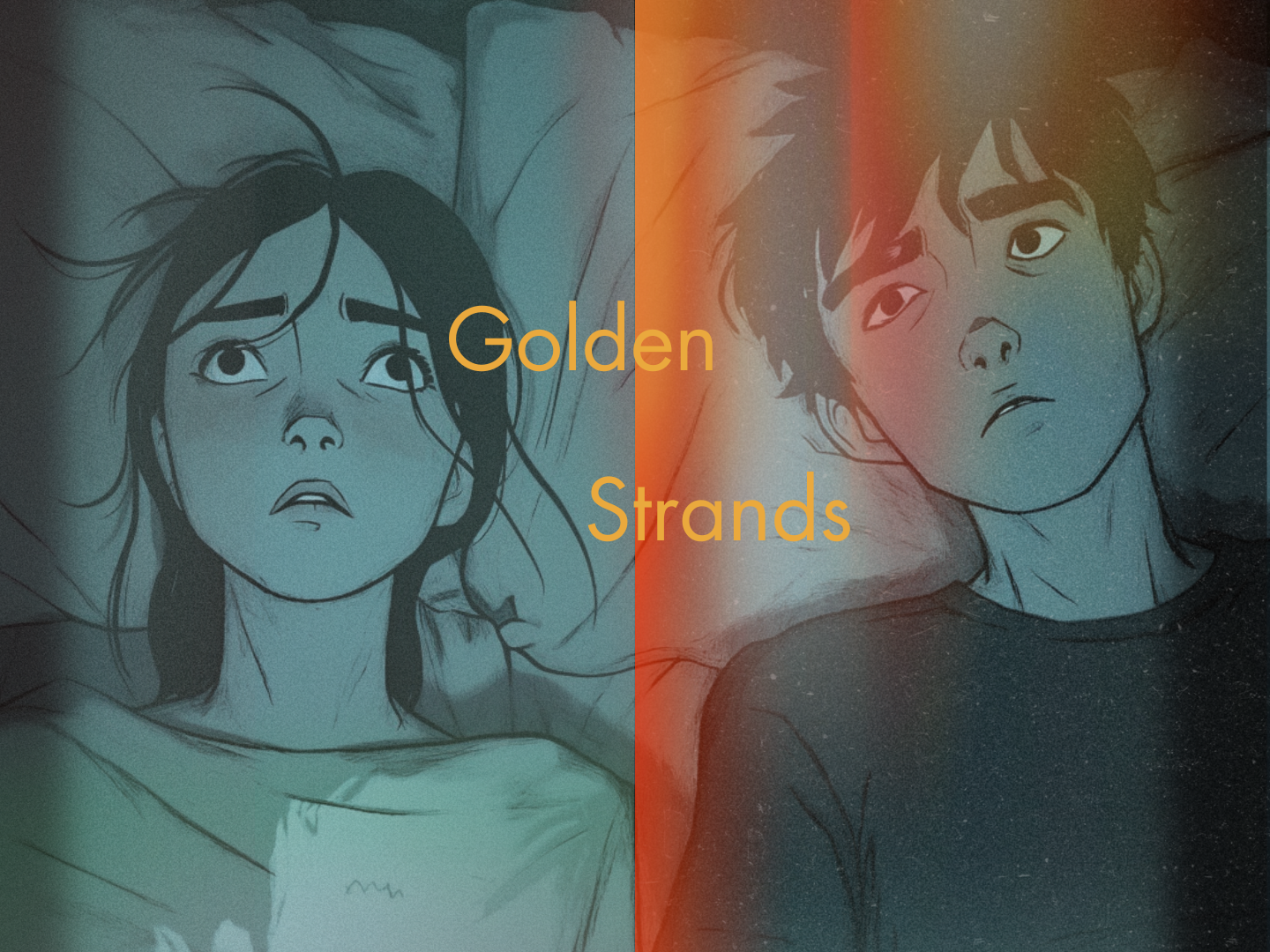
Golden Strands — Project Notes
1. Inspiration
Golden Strands began with a question: How does love survive when a system reduces humanity to a single measurable trait—hair?
The story grew from my interest in bodily anxiety, silent domestic tension, and the quiet violence inside authoritarian structures. The woman’s hair loss became a metaphor for vulnerability, while the man’s craft—state-approved tapestry work—allowed me to show oppression without dialogue.
2. How I Built the Project
The film relies on minimal dialogue, visual cues, and symbolic gestures:
Constructed a robot-governed world where
Constructed a robot-governed world where
[
\text{Value}_{\text{human}} \propto \text{Hair Amount}
]
Made the husband a government-commissioned tapestry worker, forced to weave propaganda about the robots’ rise to power.
Used tactile imagery (shampoo, strands, the plastic-net wig) to highlight fear, tenderness, and control.
Designed the wig-making sequence as an act of resistance—handmade warmth against a cold system.
Let a single cockroach and discarded golden strands symbolize collapsing value and indifference.
3. What I Learned
Oppression can be more powerful when shown through routine labor instead of speeches.
Near-silence sharpens emotional stakes and makes small gestures feel urgent.
Everyday materials can carry dystopian meaning when placed under pressure.
4. Challenges
Telling a high-stakes story with almost no dialogue.
Balancing worldbuilding with restraint.
Maintaining emotional clarity through gesture, texture, and pacing.
Built With
- hailuoai
- midjourney
- murfai
- runway

Log in or sign up for Devpost to join the conversation.