Inspiration
Data center cooling has been everywhere the past few months; but we were more interested to look at thermal management from a different angle: one that actually impacts regular people, not just server racks. Living in LA, we've felt firsthand how brutal the heat waves have gotten. A few Google searches later, we found the piece of infrastructure quietly taking the hit every summer: transformers, overheating and failing right when people need power the most. Honestly, no class or lab sparked this project; but our team member, Luke, had enough mechanical background (as he is pursuing a master's in mechanical engineering) to help figure out the physics and thermodynamics of the problem. It really was an purely an embodiment of both of our interests in skills that led us to transformers.
What it does
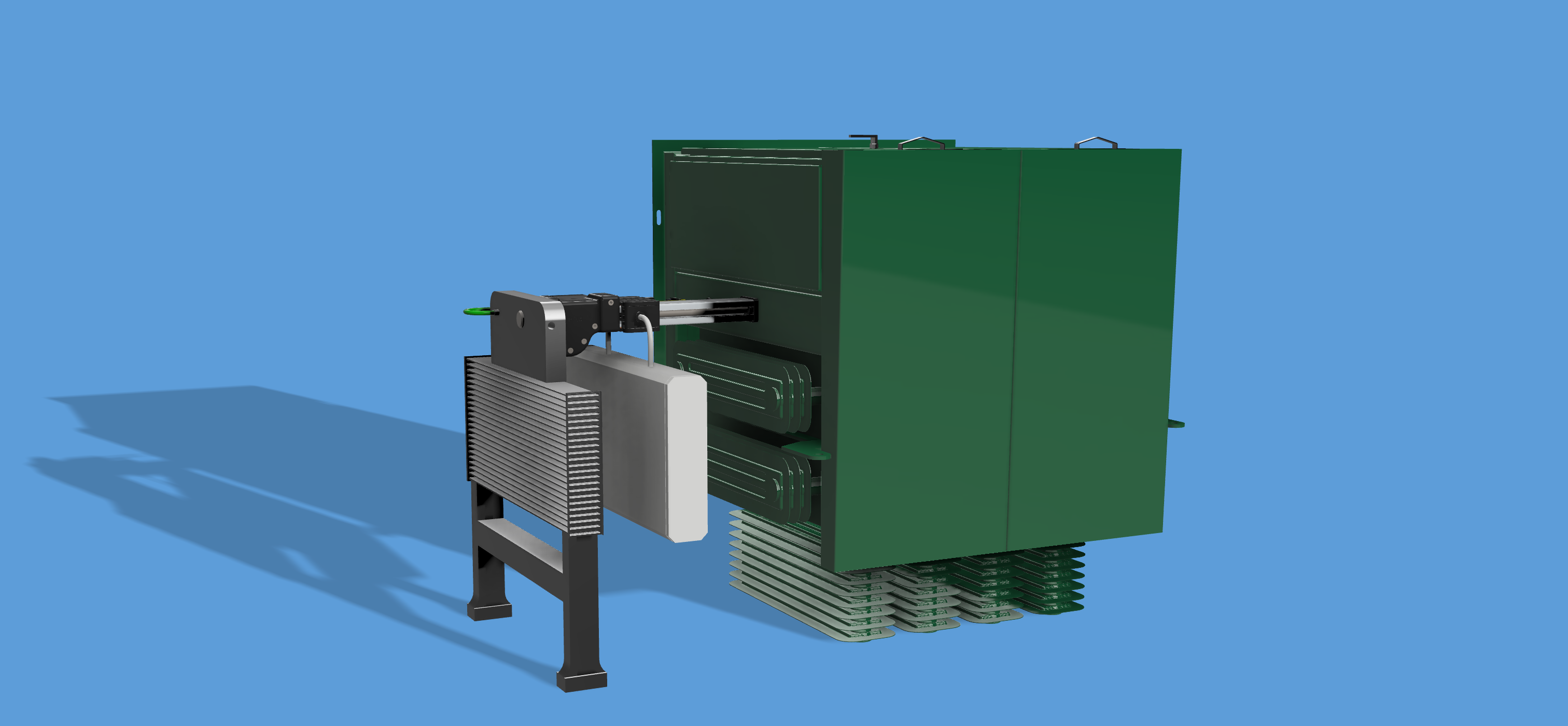
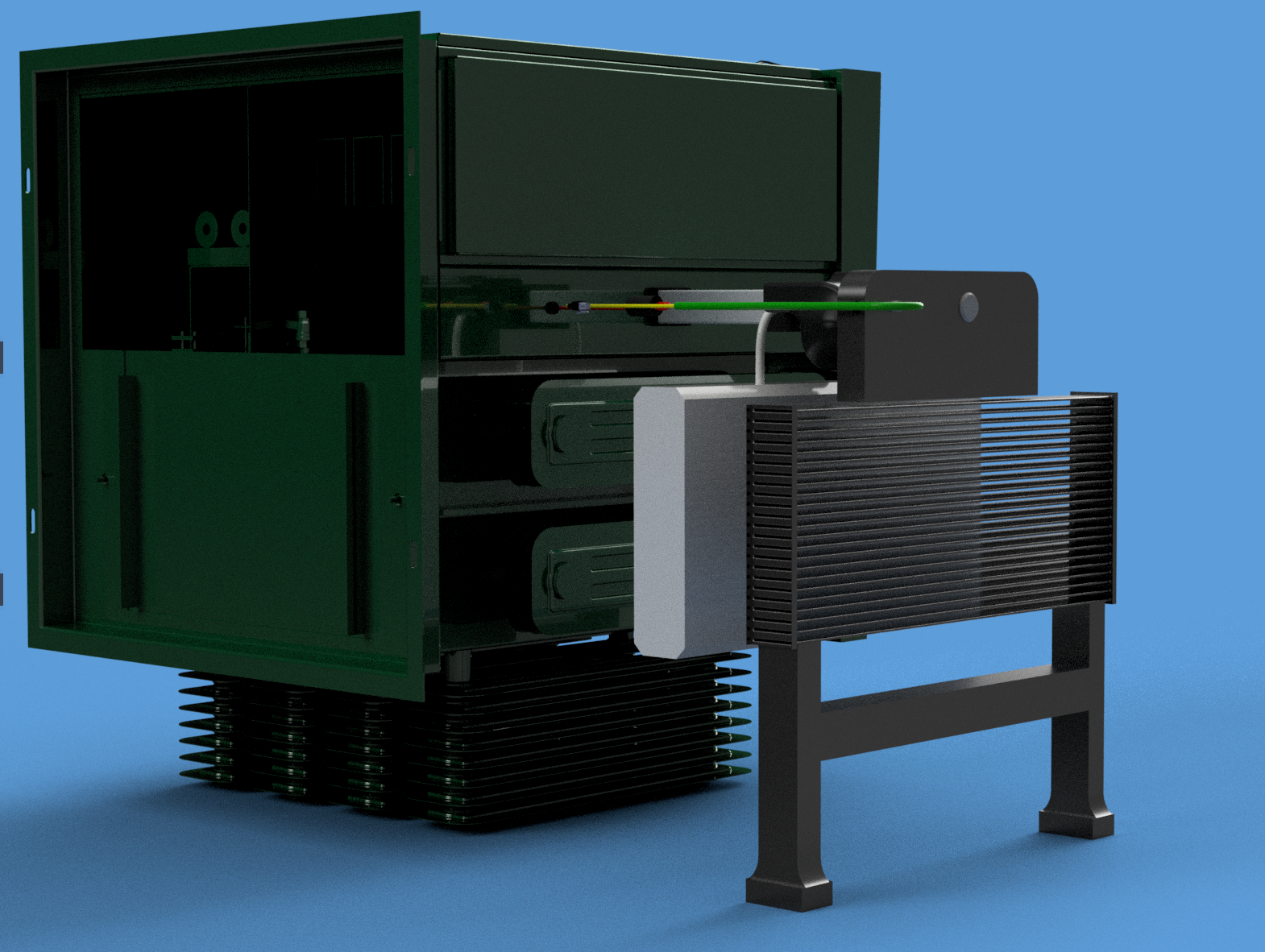
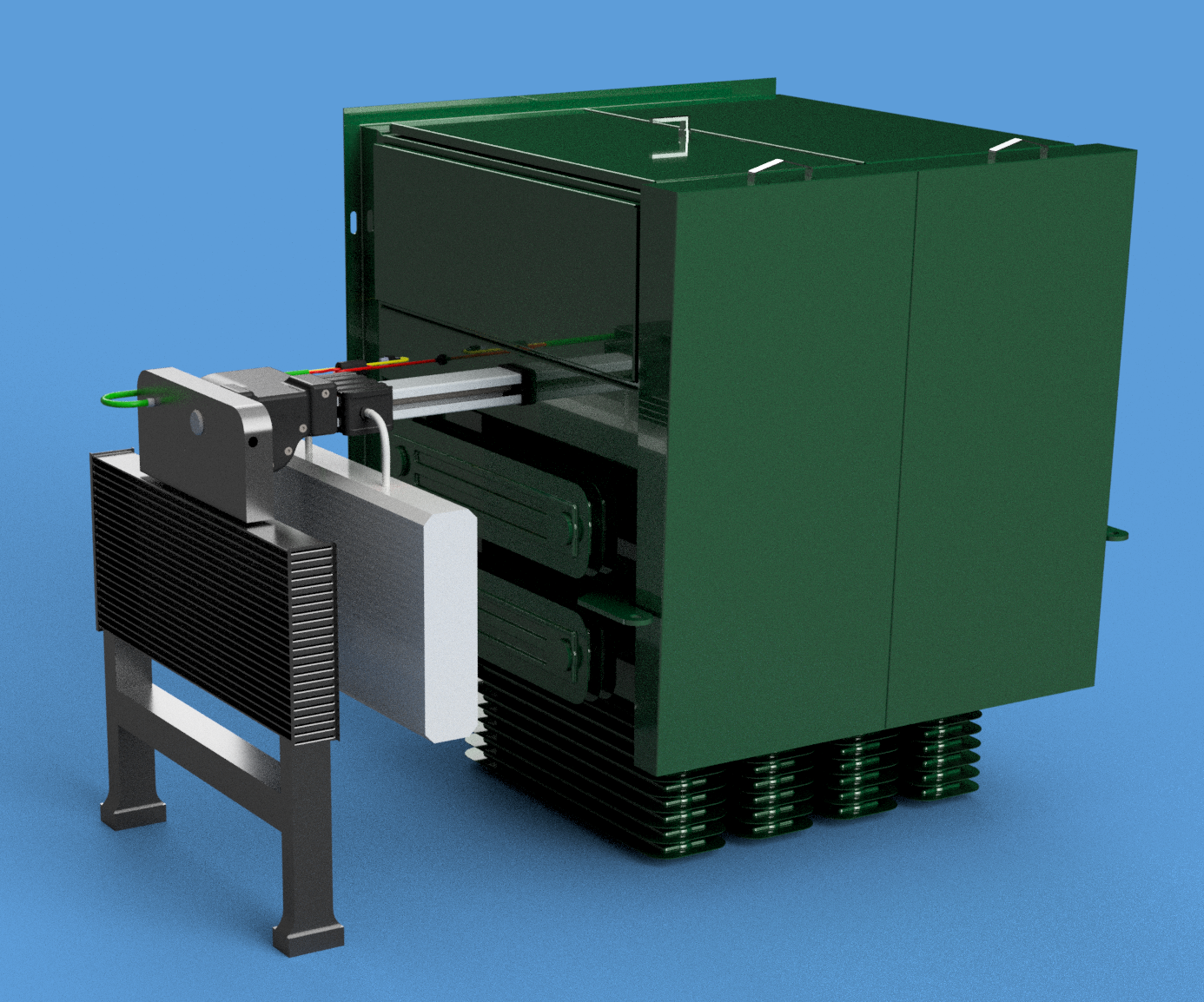
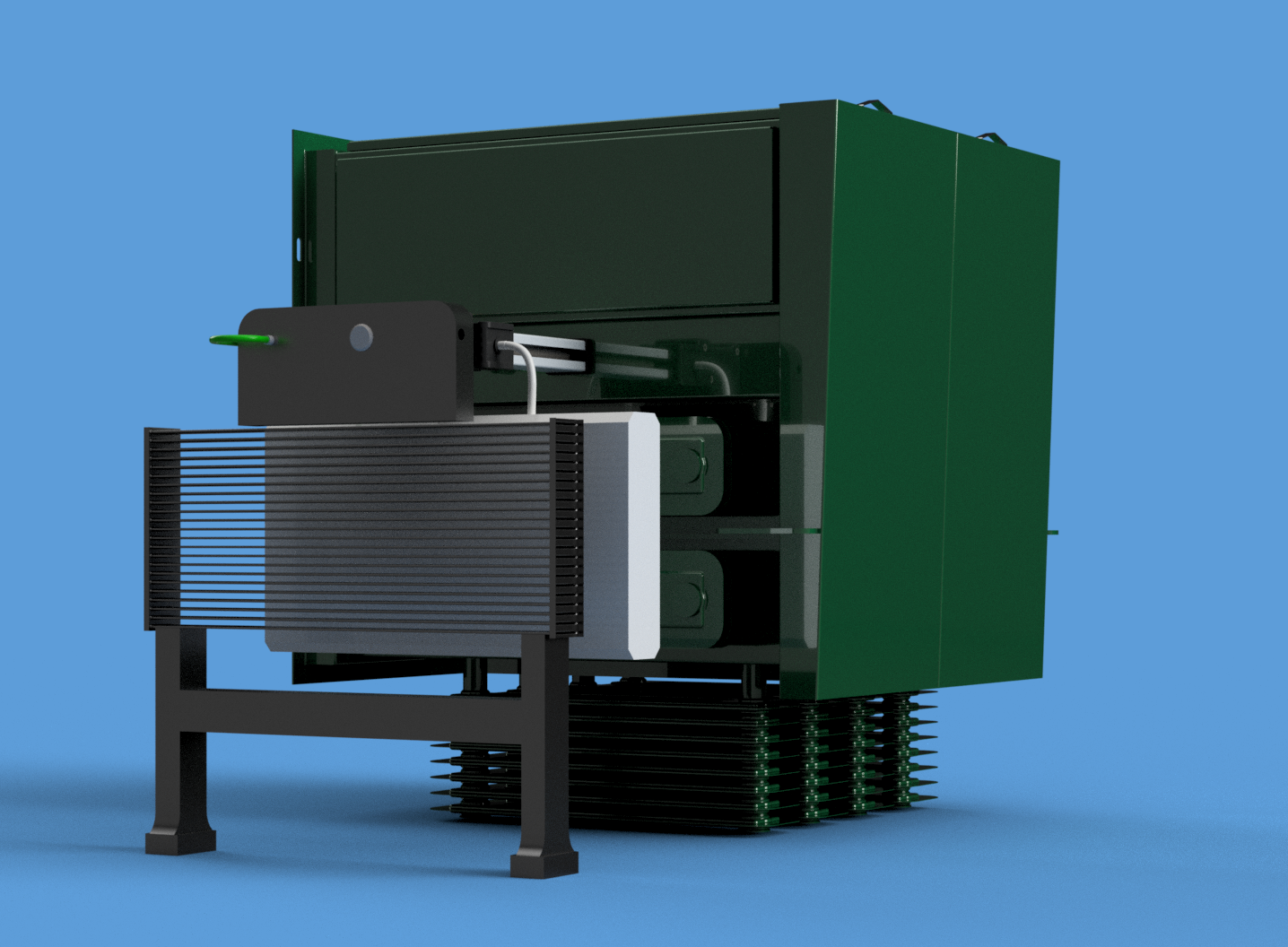
Golden Fleece is a device that keeps transformers (the equipment on your street that steps down power for your home) from overheating and failing during a heat wave, paired with software that tells utilities which ones are at risk before they fail. The hardware is a panel filled with paraffin wax that clips onto the transformer's existing cooling fins. As the transformer heats up under peak load, the wax melts and absorbs that heat instead of letting the temperature spike : no fans, no pumps, no added electricity, just a thermal buffer for the worst hour of the day. That buffer matters because a single transformer costs $20,000 to over $90,000 to replace, and prices are up 60–80% since 2020, so every failure we prevent is real money saved, not just an outage avoided. We paired that with a monitoring platform that tracks each transformer's temperature, electrical signature, and load in real time and ranks which units need attention first: so utilities know which one's about to become a $50,000 problem before it happens.
How we built it
We didn't build a physical prototype ; instead, we modeled the full device in Fusion 360 and ran the thermal physics in simulation, using real transformer specs to figure out how much cooler the wax jacket keeps it during a heat spike. On the software side, we built a working MVP dashboard with a live map, per-unit risk scores, and a running simulation showing risk rise and fall over a day. We couldn't use real transformer data since it's classified for grid-security reasons, so we built the platform on realistic synthetic data instead.
Challenges we ran into
The design itself was a real headache. We went through a lot of back-and-forth before landing on the final version : the original concept was a whole active coolant loop tapping into the transformer's oil system, and we eventually scrapped it for something simpler and safer. The thermodynamics of the wax jacket was its own problem: once the wax absorbs heat and starts melting, you have to make sure that heat doesn't just sit there and radiate back into the transformer instead of escaping outward. Figuring out a design where the heat actually flows the right direction (out through the fins, not back in) took a lot longer than we expected, and it took a while before we both agreed on one design that actually solved it.
Accomplishments that we're proud of
We're genuinely proud of the demo videos we put together : they make the whole idea click in a way slides alone never could. The 3D model is fully real and functional, not just a pretty render. It's a doable solution, and getting to the point where we had a design that actually worked, after all the back-and-forth on the thermodynamics, was a real high point for us. And even though the website was AI-generated, it turned out genuinely polished, which let us focus our own time on getting the hardware and the physics right.
What we learned
We picked up a lot along the way: animation work for the demo videos, a scary level of information about the electrical grid of LA, and a much deeper understanding of thermodynamics than either of us had going in. More than anything, it was a great design-build session where we brought two different minds together and pushed to figure out the best solution we could.
What's next for Golden Fleece
The immediate next step is building a small-scale physical prototype to validate what we've only simulated so far. From there, we want to start reaching out to LADWP and other utilities to get their eyes on it; and once we've proven the small-scale version actually works, the plan is to test it on a real transformer and scale from there.
Built With
- 3d
- 3dmodel
- animation
- autodesk-fusion-360
- lovable
- matlab


Log in or sign up for Devpost to join the conversation.