Inspiration
Tower-defence games are fun on a flat screen, but a castle is something you want to reach out and touch. We wanted a game that only makes sense in a headset: a small castle floating in front of you, raiders marching on it, and nothing in your hands but your hands. No controllers, no pointing rays, no menus on sticks.
What it does
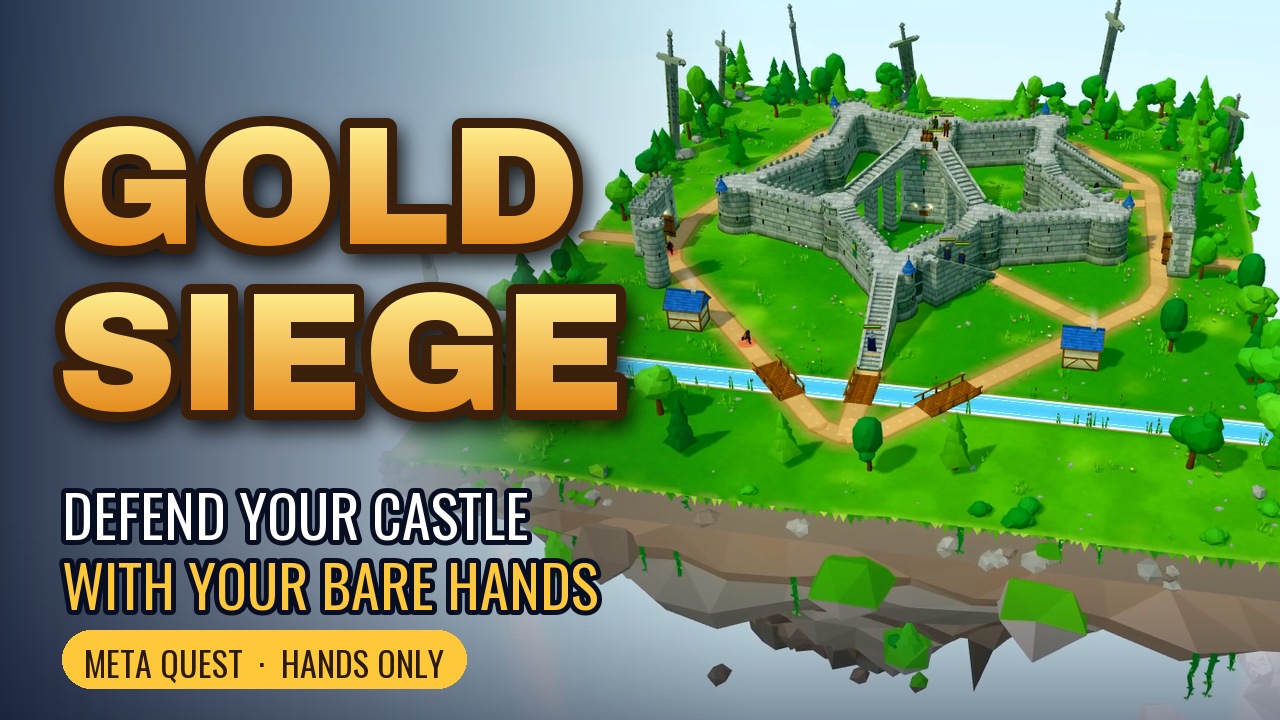
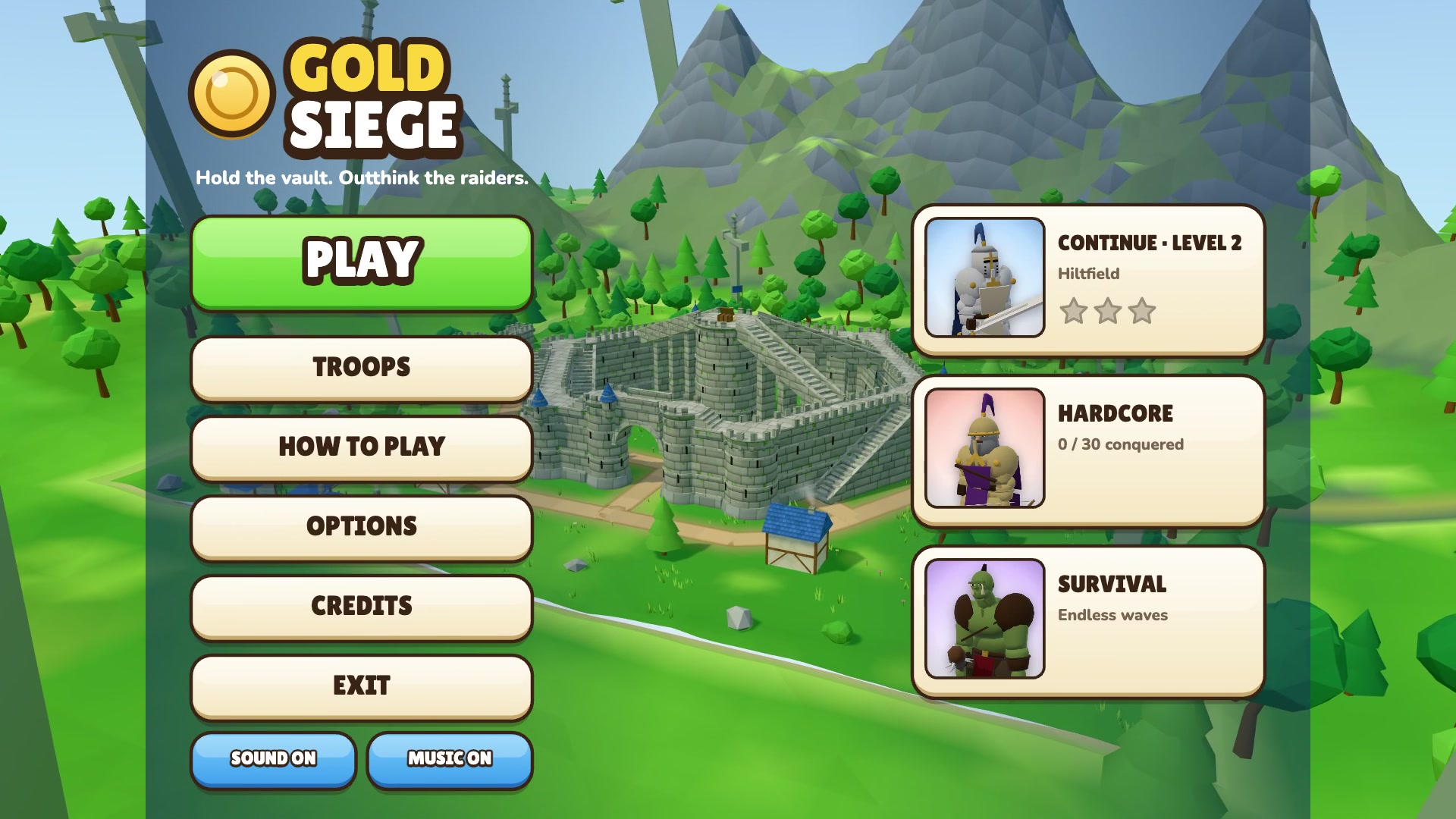
Gold Siege is an original deploy-and-defend game for Meta Quest, played entirely with bare hands.
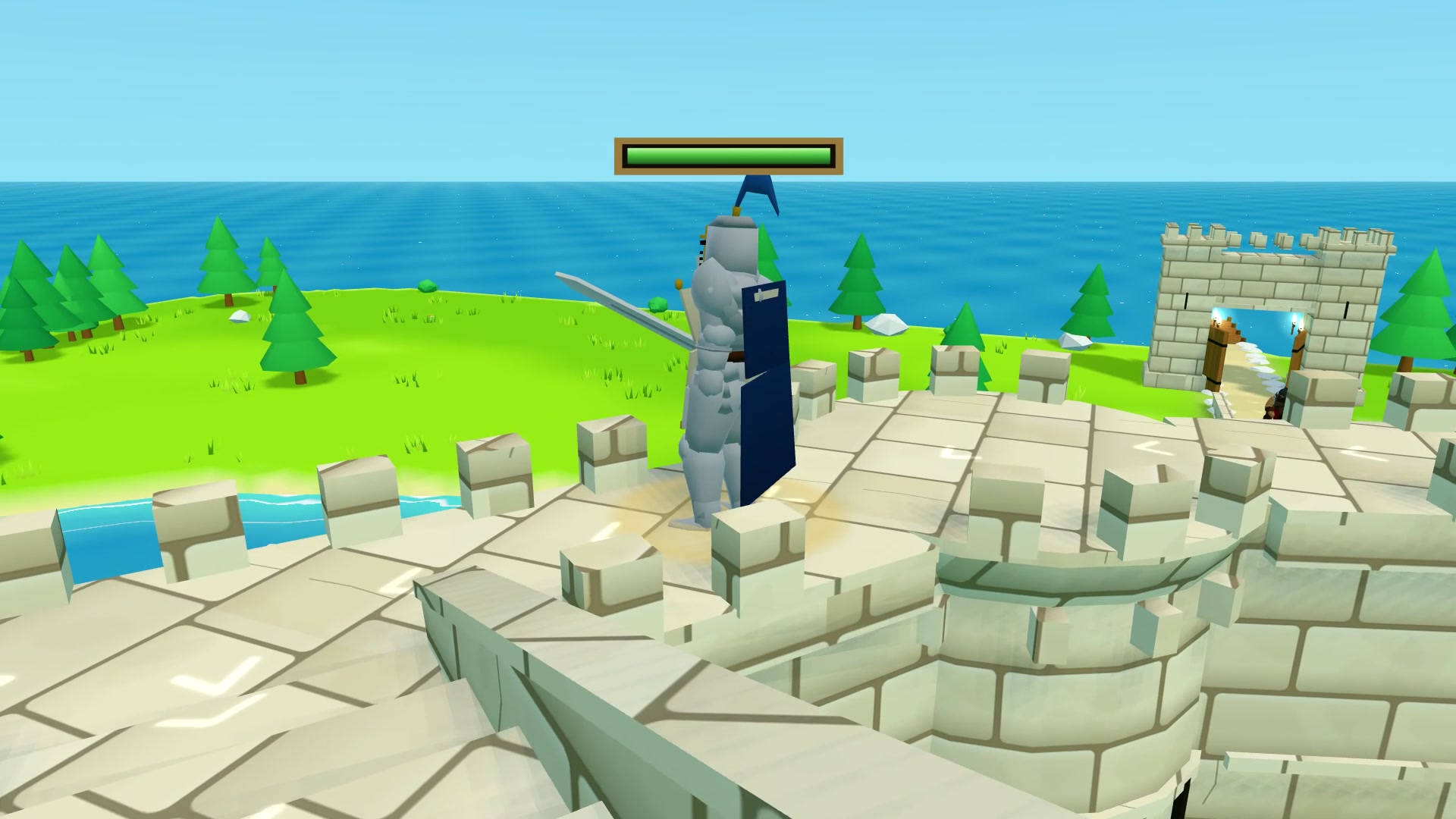
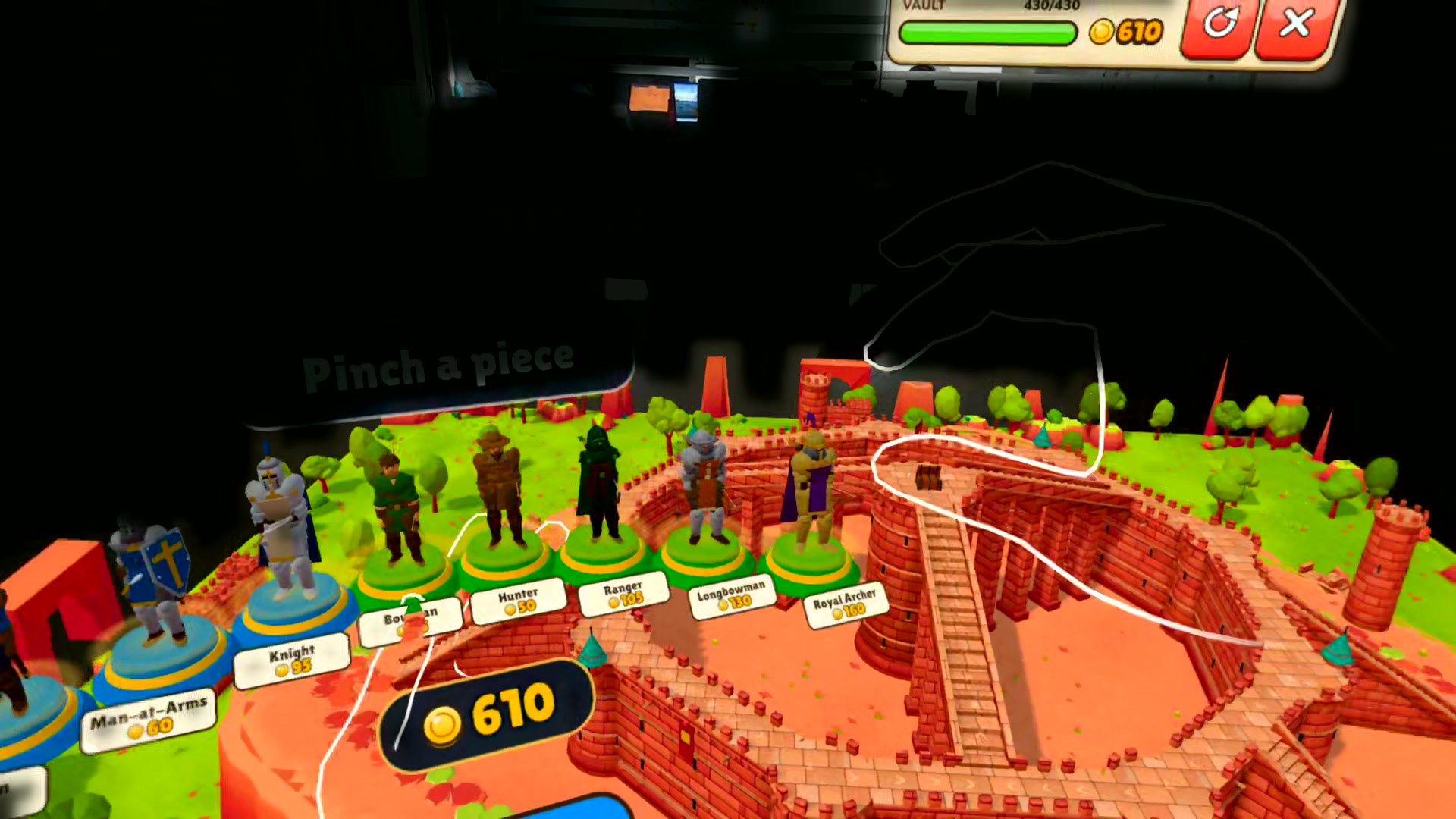
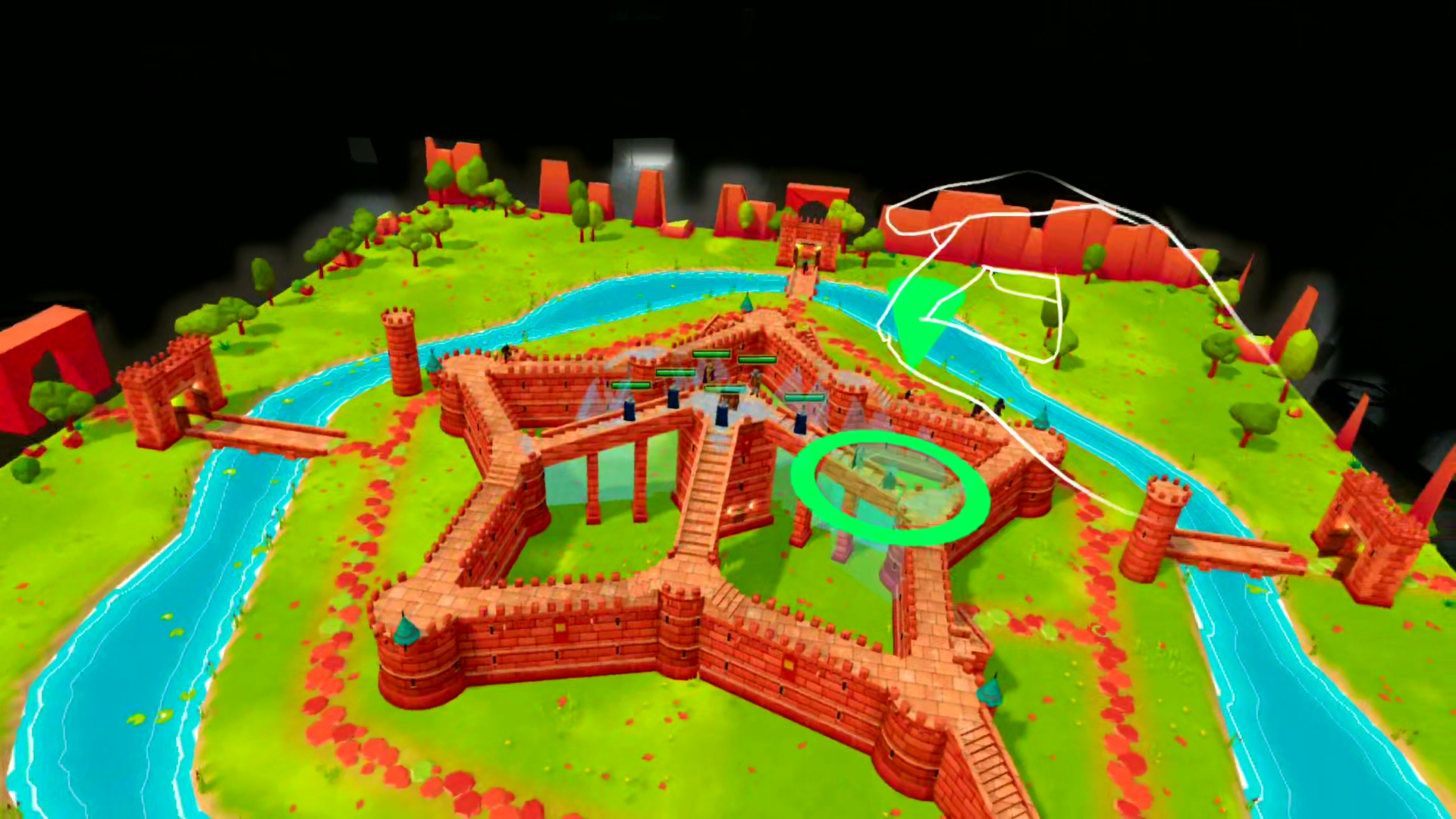
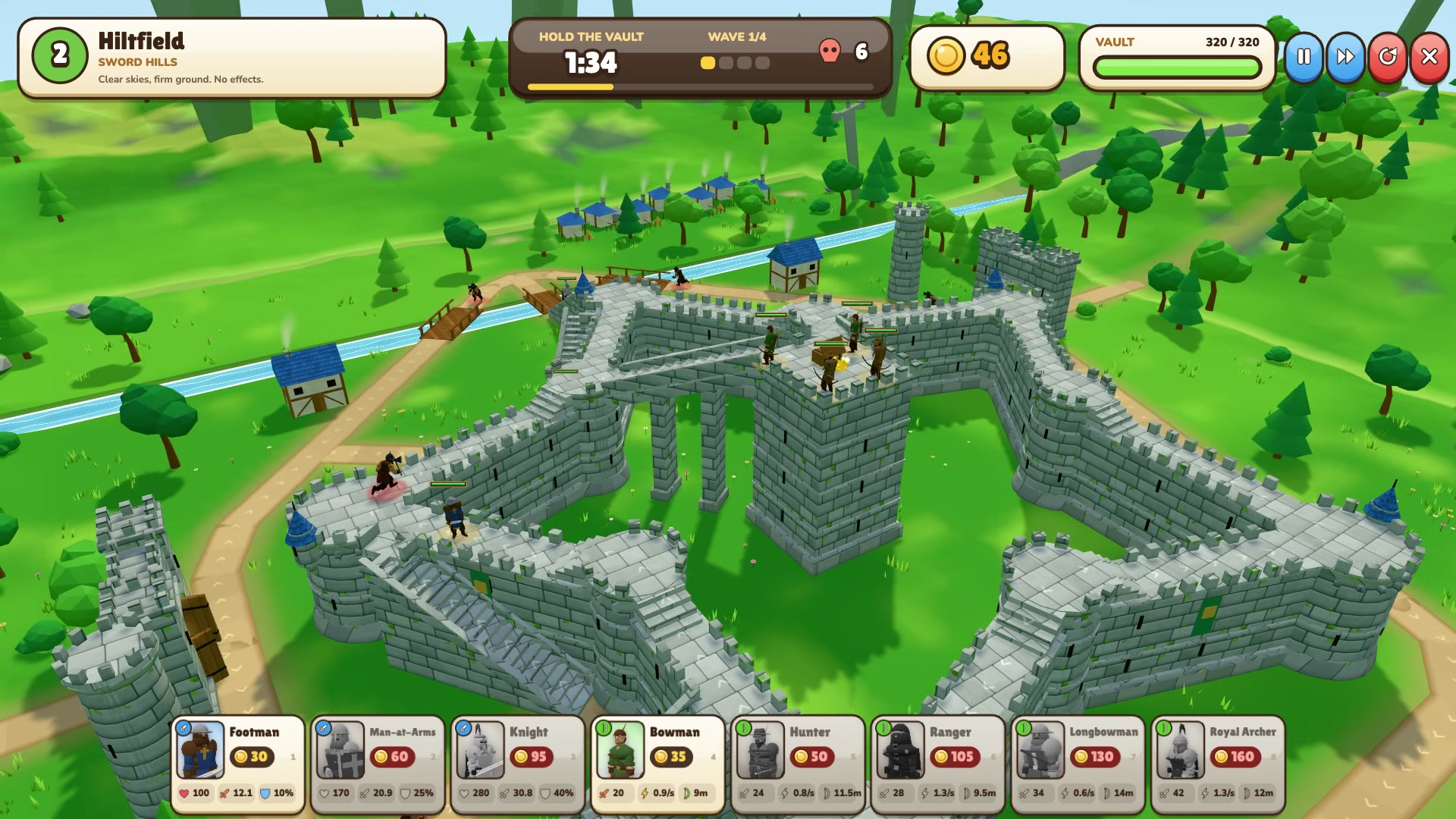
Raiders, brutes and thieves march on your fortress to carry off the gold in the vault. You spend gold on defenders and place them on the castle:
- Archers go on towers, walls and decks, where they shoot over the heads of the raiders.
- Swordsmen hold the roads, where they block the way.
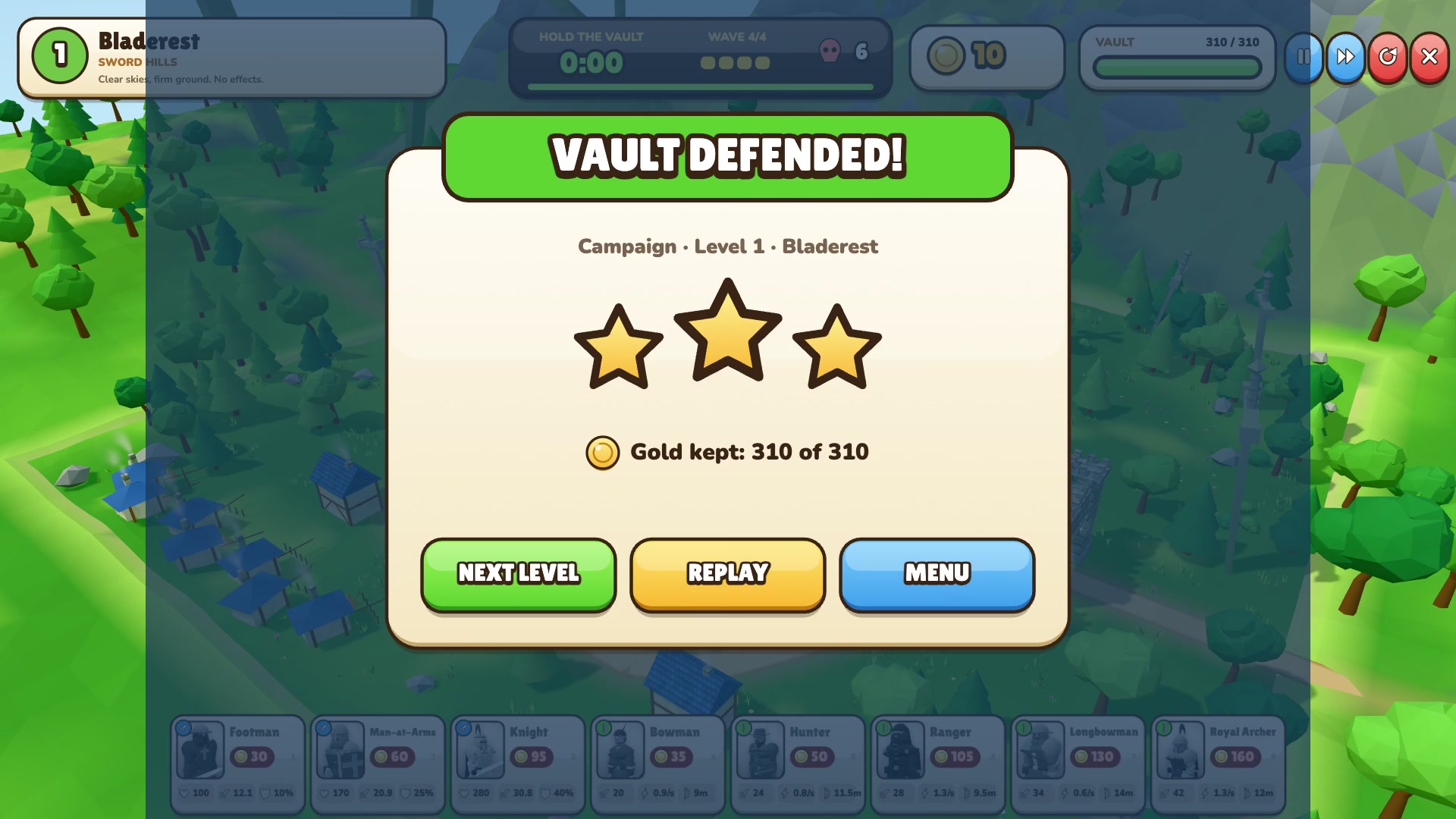
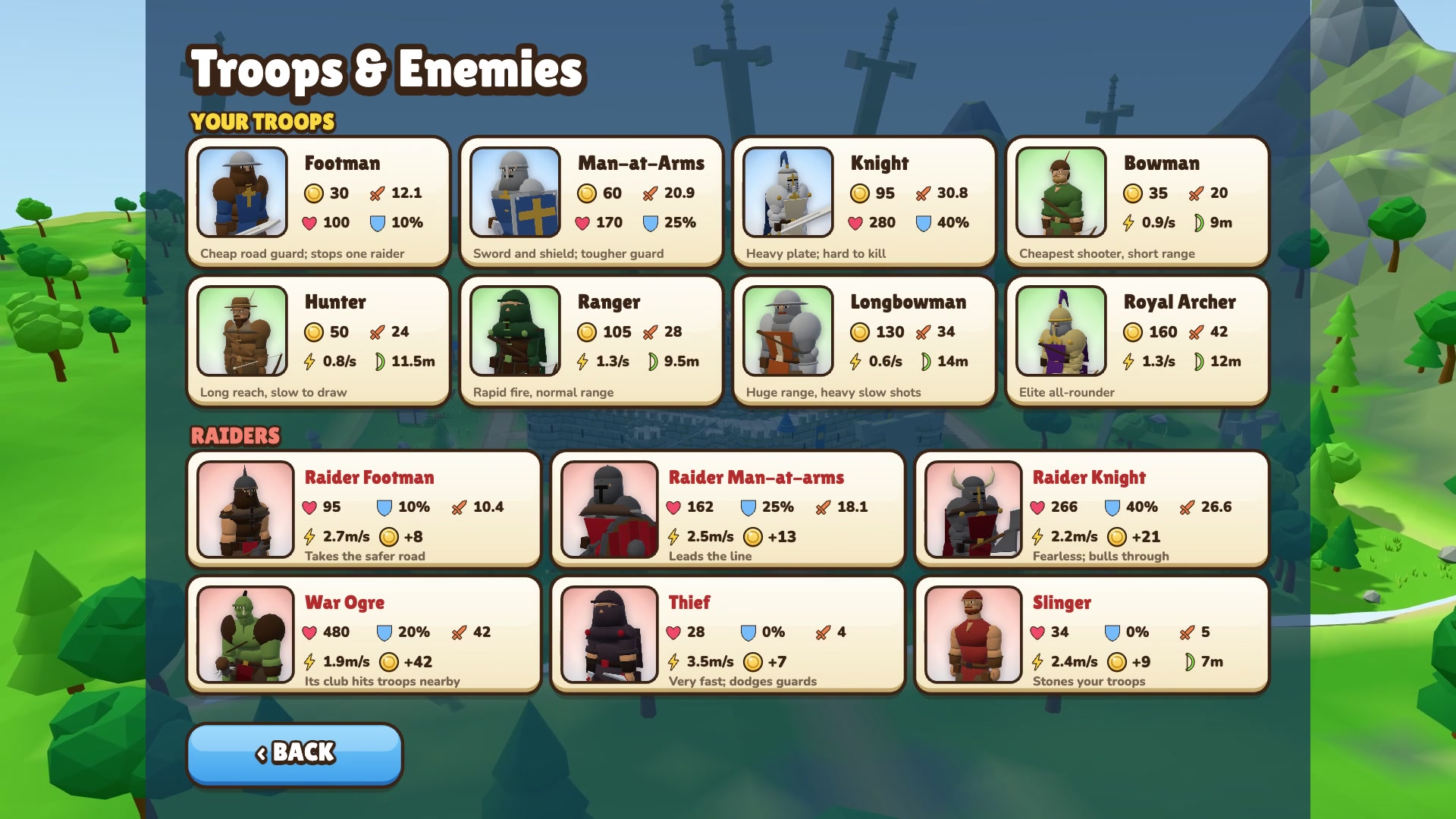
- Eight troop types in all: Footman, Man-at-Arms and Knight in melee, and Bowman, Hunter, Ranger, Longbowman and Royal Archer at range, each with its own price, role and strengths.
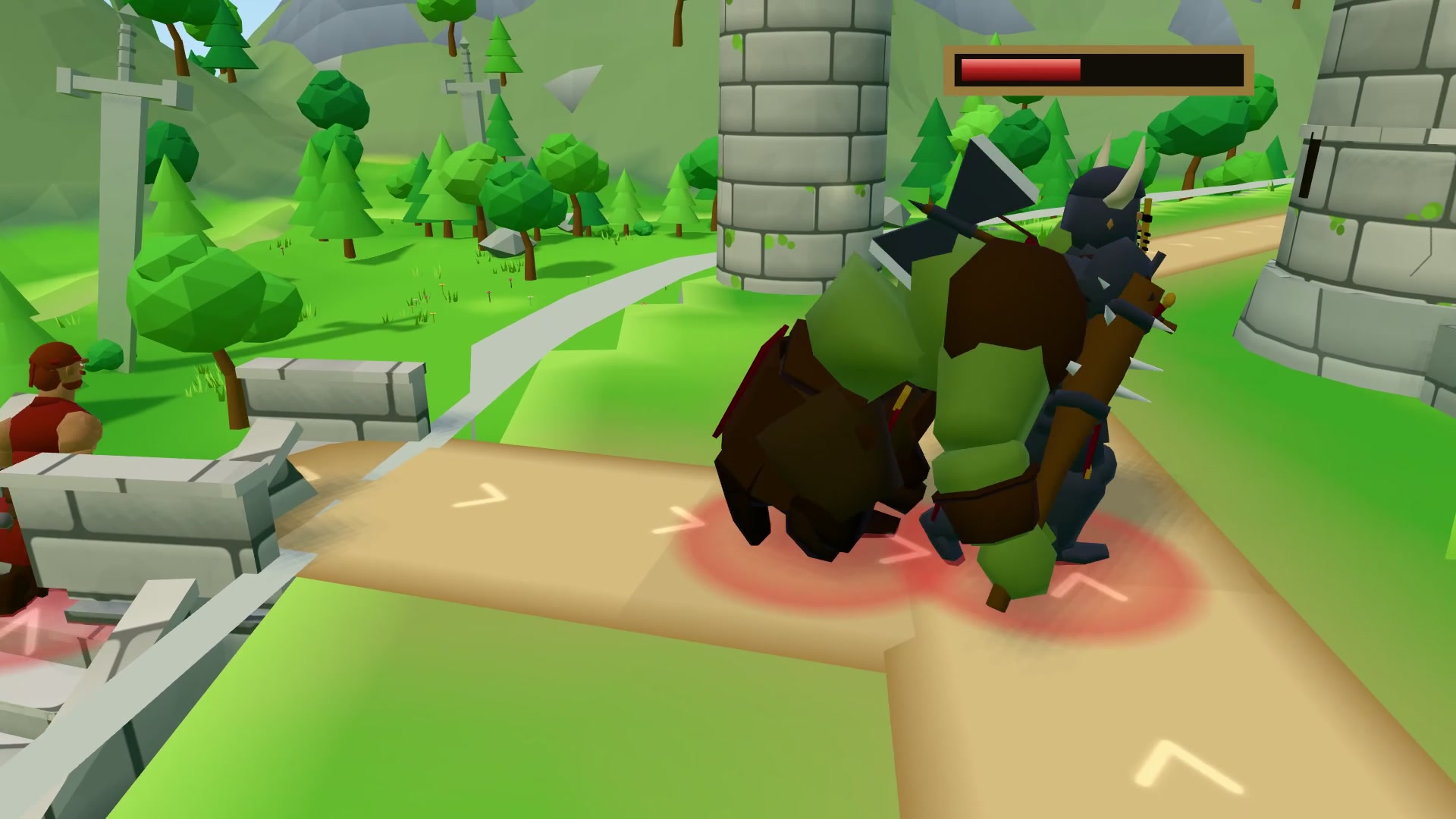
- Six kinds of raider: Footman, Man-at-arms, Knight, War Ogre, Thief and Slinger, each with different health, armour, speed and bounty. Every kill pays gold you can spend on more defenders.
- Win or lose: you lose when the vault is empty and no stolen gold is still within reach, and you win by surviving every wave. Stars depend on how much gold you keep.
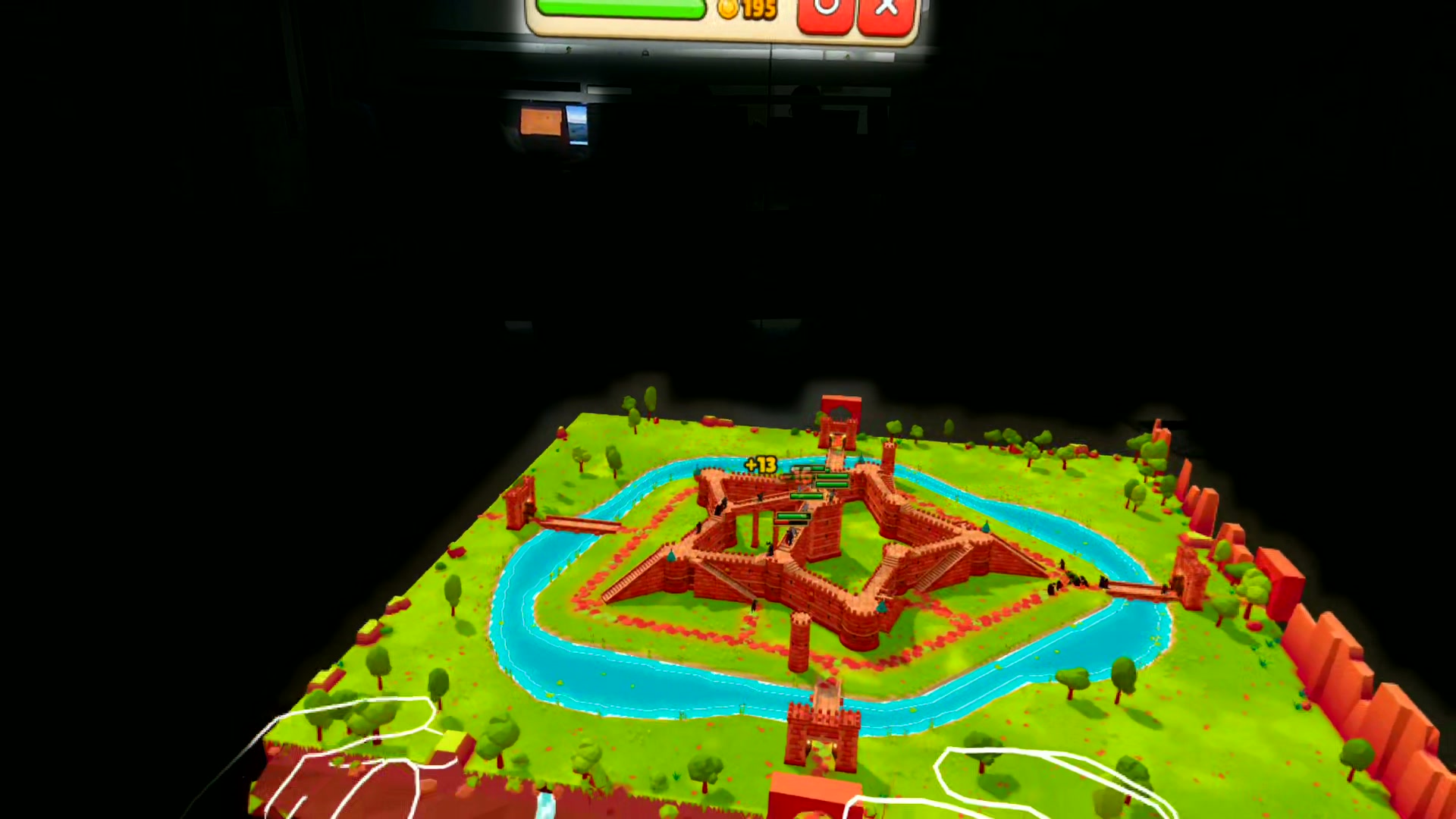
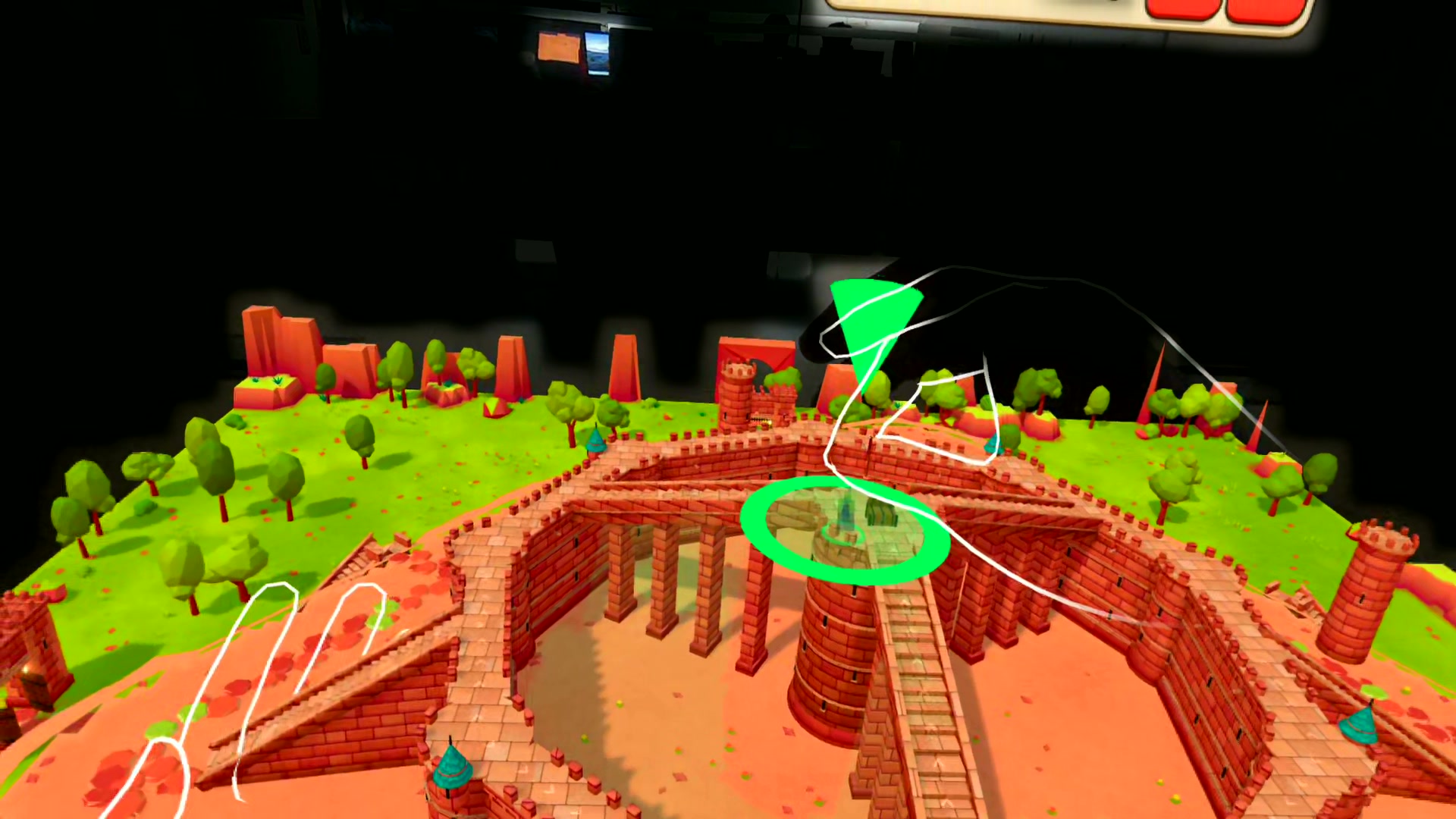
Hands only. Open your palm and your troops appear over it as small chess pieces with price tags. Pinch one, carry it, and let go over the castle; a green or red marker shows whether it can stand there. Take hold of the board to move it, swing its edge to turn it (it keeps turning, then eases to a stop), and pull both hands apart to zoom. A status card floats in front of you with the countdown to the next wave, the vault, your gold, and pause, speed, restart and exit buttons. You can move the card wherever you like, and it stays clear of the map. Pinch the camera button on it to save a photo of what you are looking at.
Lots to play.
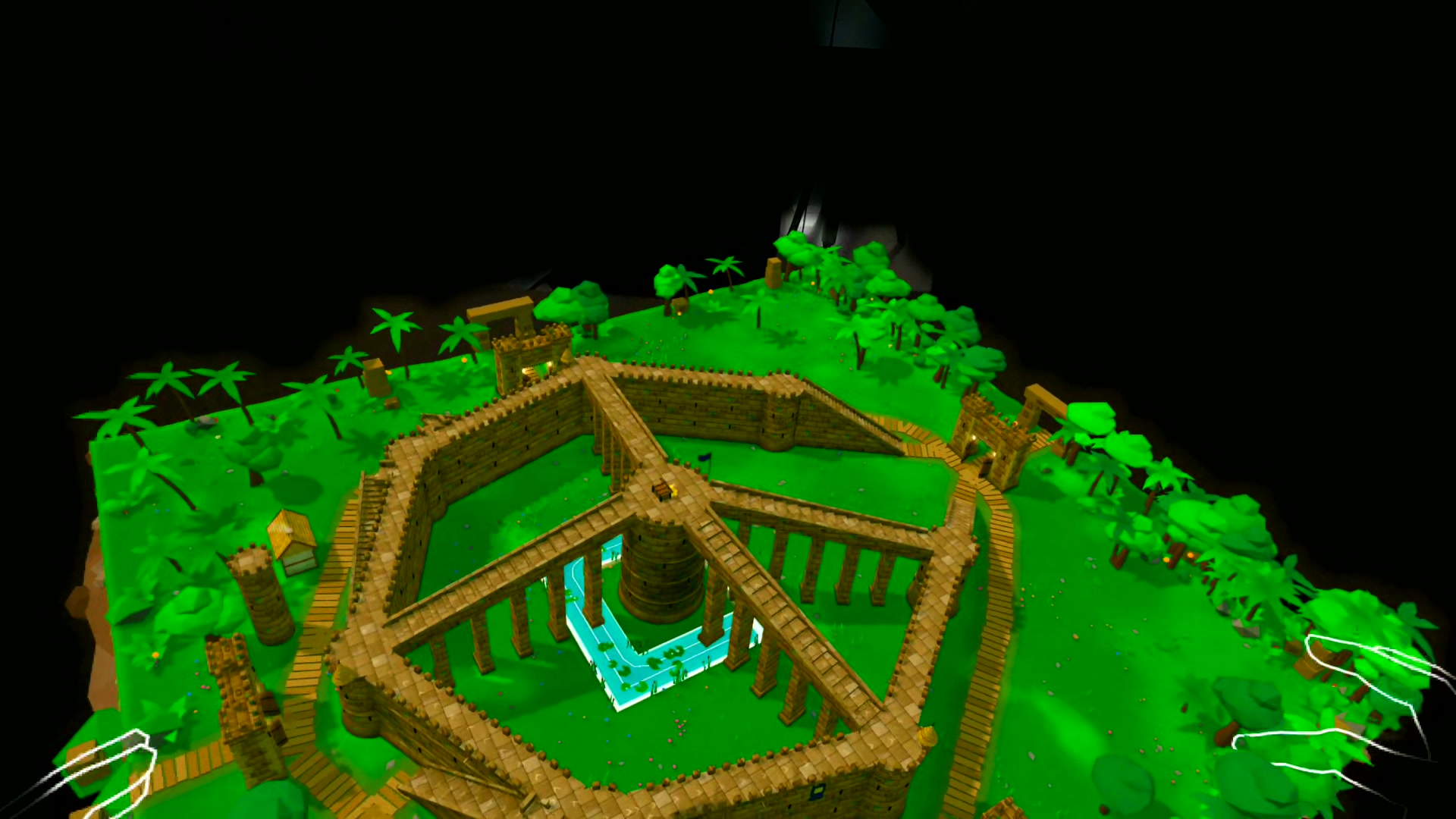
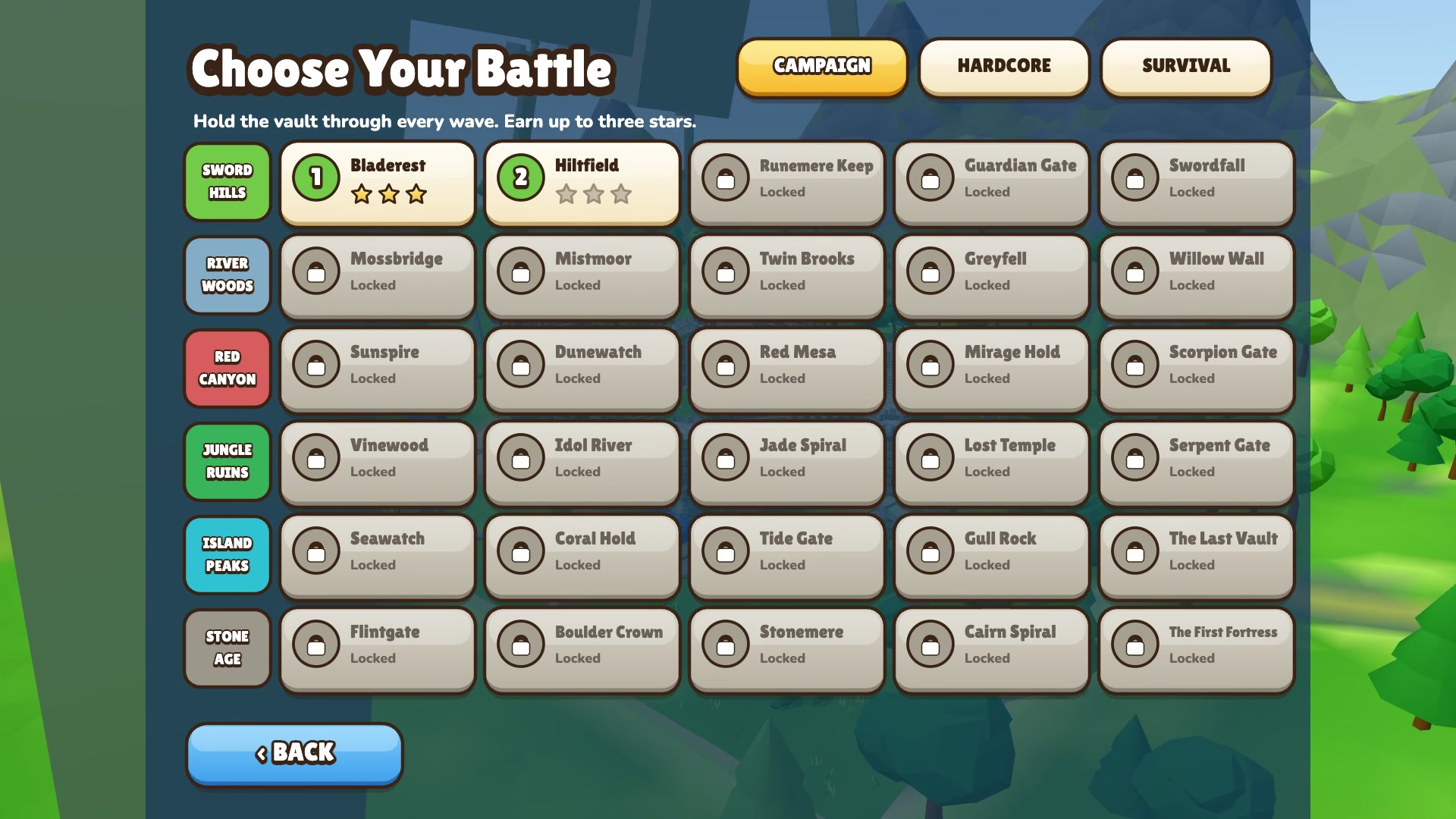
- 25 maps: 8 castle designs, each on different land (plain, river, mesa, lake or gated).
- Three modes: Campaign, Hardcore and Survival.
- A Troops page that sorts your troops and the raiders you face, with their health, armour, damage, speed and bounty.
- A "how to play" page.
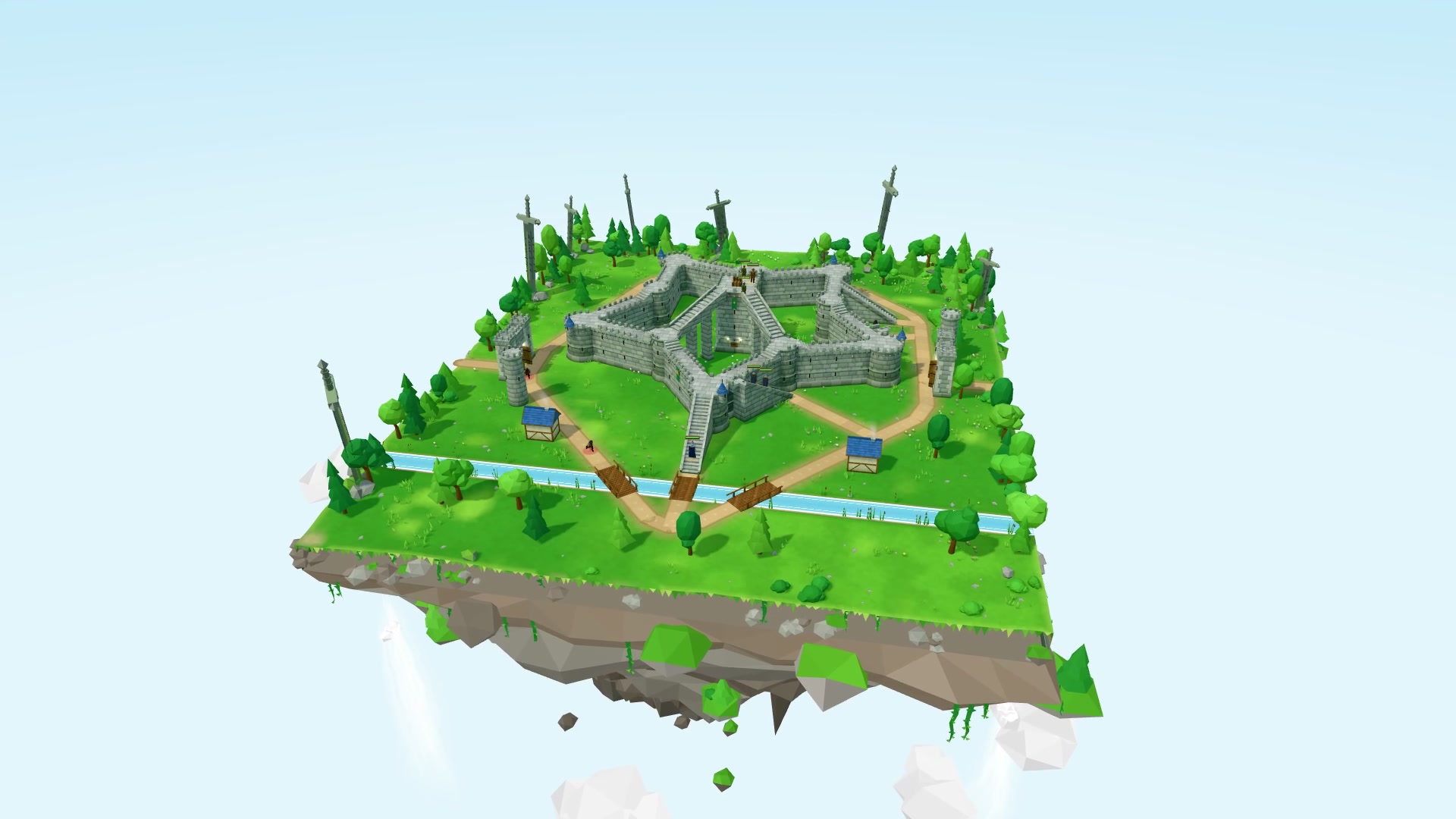
A world to look at. The board floats on its own rock island with low-poly clouds. Rivers and seas pour off the edge as waterfalls with mist drifting away below them, and each world has its own weather and time of day.
How we built it
- Immersive Web SDK (IWSDK) from Meta, on WebXR and three.js, written in TypeScript and built with Vite. It runs in the Quest Browser, so there is nothing to install: a link is all a player needs. It is hosted on Vercel.
- The game simulation is separate from the 3D view. Waves, troop and raider stats, pathing, placement and the economy run in plain TypeScript, with an automated headless test suite that covers deploying, combat, the economy, winning and losing, and every level.
- Characters are animated Mixamo models; levels, castles, terrain, the island and the waterfalls are built in code.
- Bare-hand input is our own: pinch detection, a palm-held troop menu, grabbing and turning the board by its rim, two-hand zoom, and panels you can take by simply touching them and pinching.
- Headset tuning: a frame-rate governor asks for 90 Hz and trades edge sharpness or refresh rate when the headset falls behind, and the board is cut close round the battlefield so the castle fills it.
Challenges we ran into
- Frame rate. A big battle means dozens of animated soldiers. We removed bones that move nothing, merged draw calls, shared work between soldiers and animated them at half rate. In a benchmark with 40 soldiers the cost per frame dropped from about 9 ms to 5 ms, and headset logs of battles with 10 to 16 soldiers ran in the high 70s to 90 frames a second. Keeping 90 in the very biggest battles is still our target.
- Menus in your face. Anything floating in your view can block the game. We moved, shrank and re-aimed every menu, and the status card now stays off the map and faces you wherever you stand.
- Imprecise hands. Pointing with a hand is clumsy, so every panel can be taken by touching it and pinching, and a carried troop is only set down when the pinch has really opened.
Accomplishments that we're proud of
- A full game you can play with no controllers at all.
- 25 distinct maps built from 8 castle designs.
- A clear, readable low-poly look that holds up in a headset, with waterfalls, mist and clouds around the board.
What we learned
Hand tracking rewards direct, physical actions (touch it, pick it up, put it down) over anything that imitates a mouse. Every element has to earn its place in the player's field of view, and comfort matters as much as graphics.
What's next
More castle designs and troop types, a co-op mode where two players defend one board, and holding 90 frames a second in the biggest battles.
Built With
- iwsdk
- meta-quest
- mixamo
- three.js
- typescript
- vercel
- vite
- webxr


