-
-
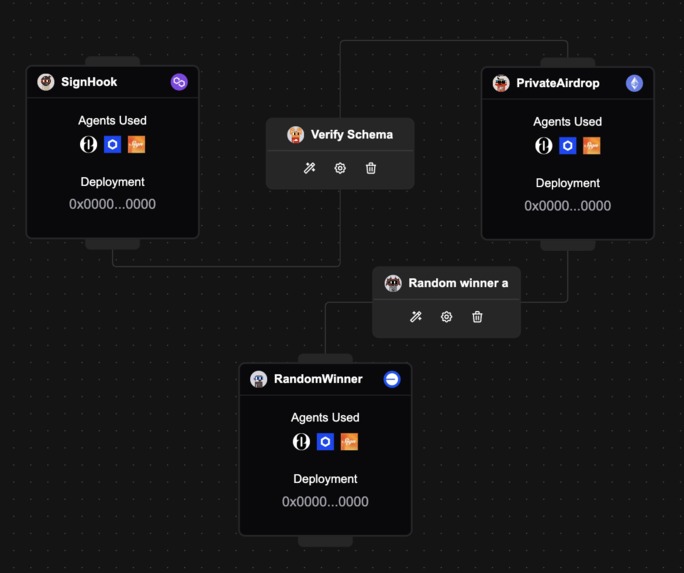
Project page
-
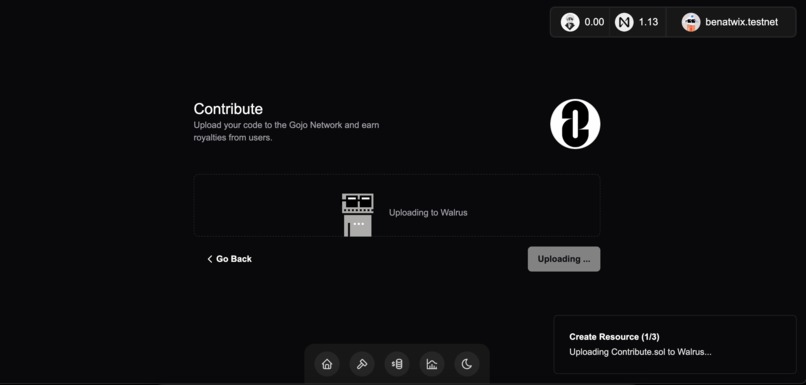
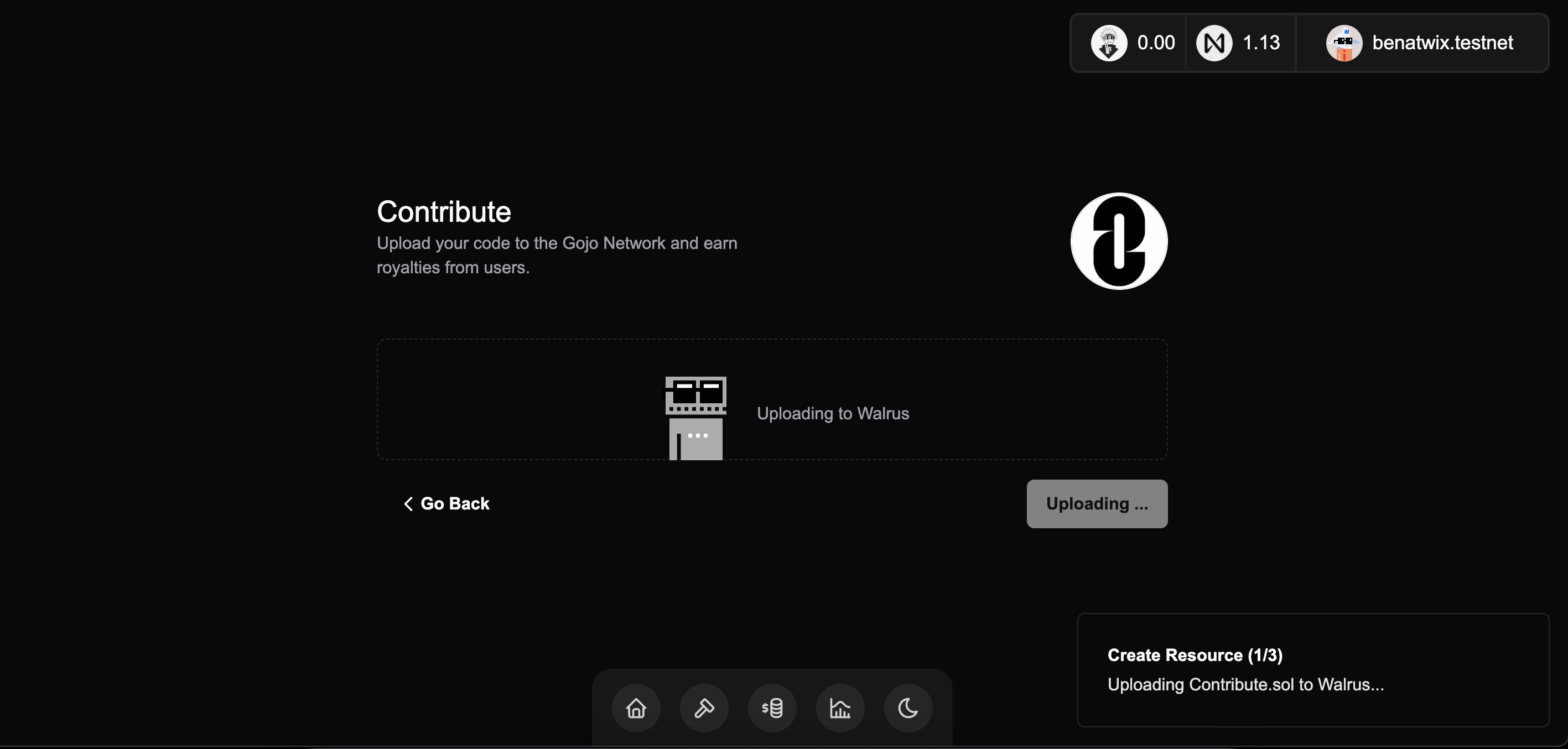
Contribute Code
-
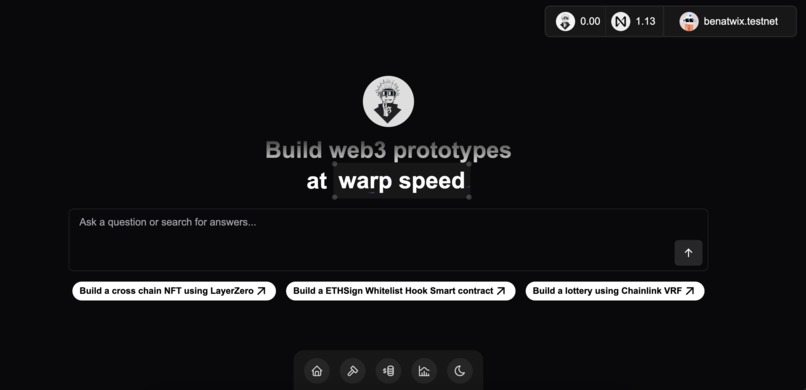
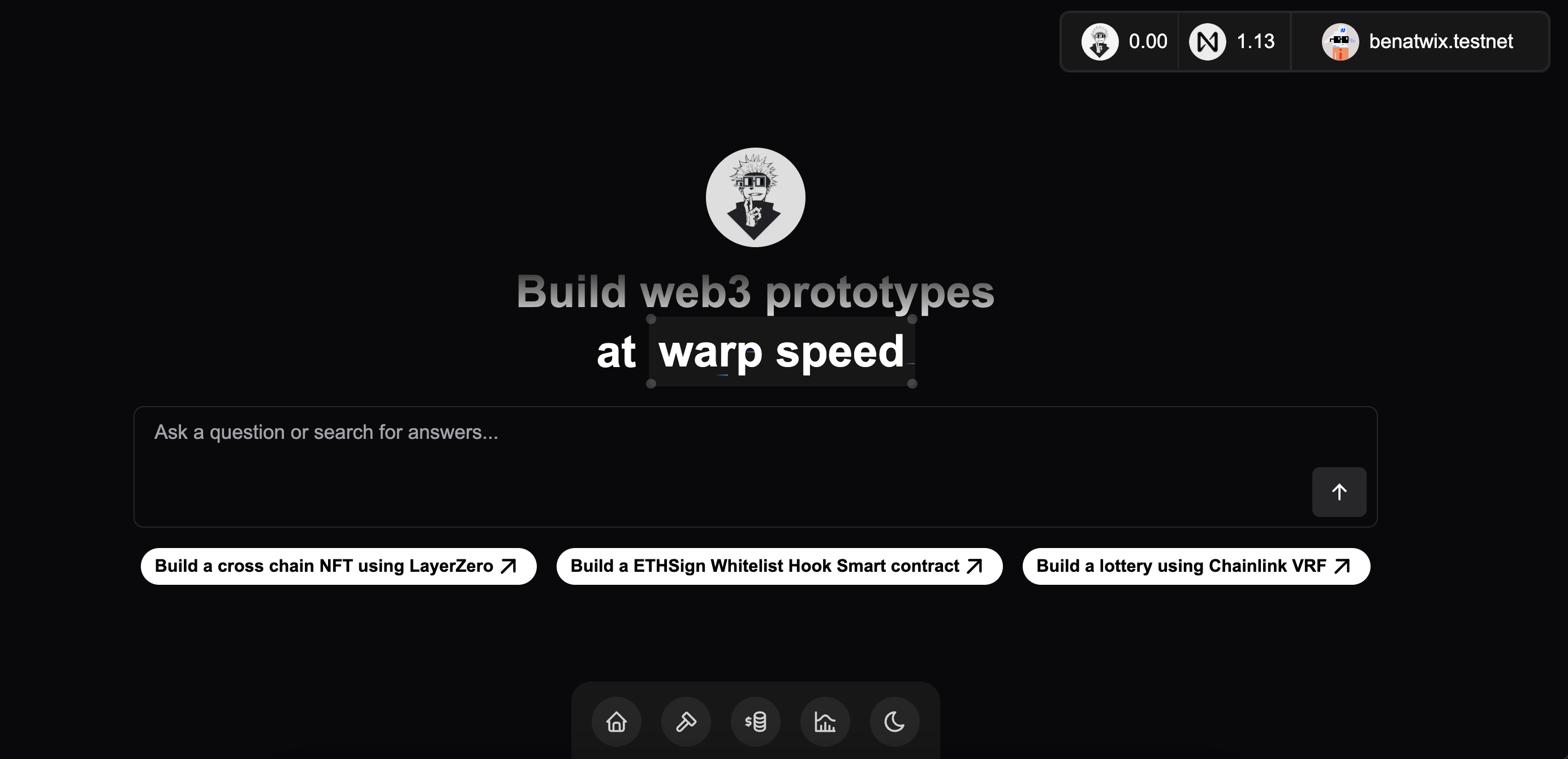
Home Page
-
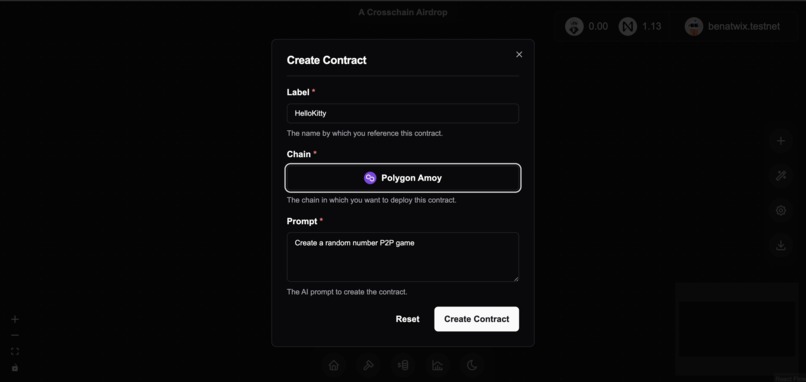
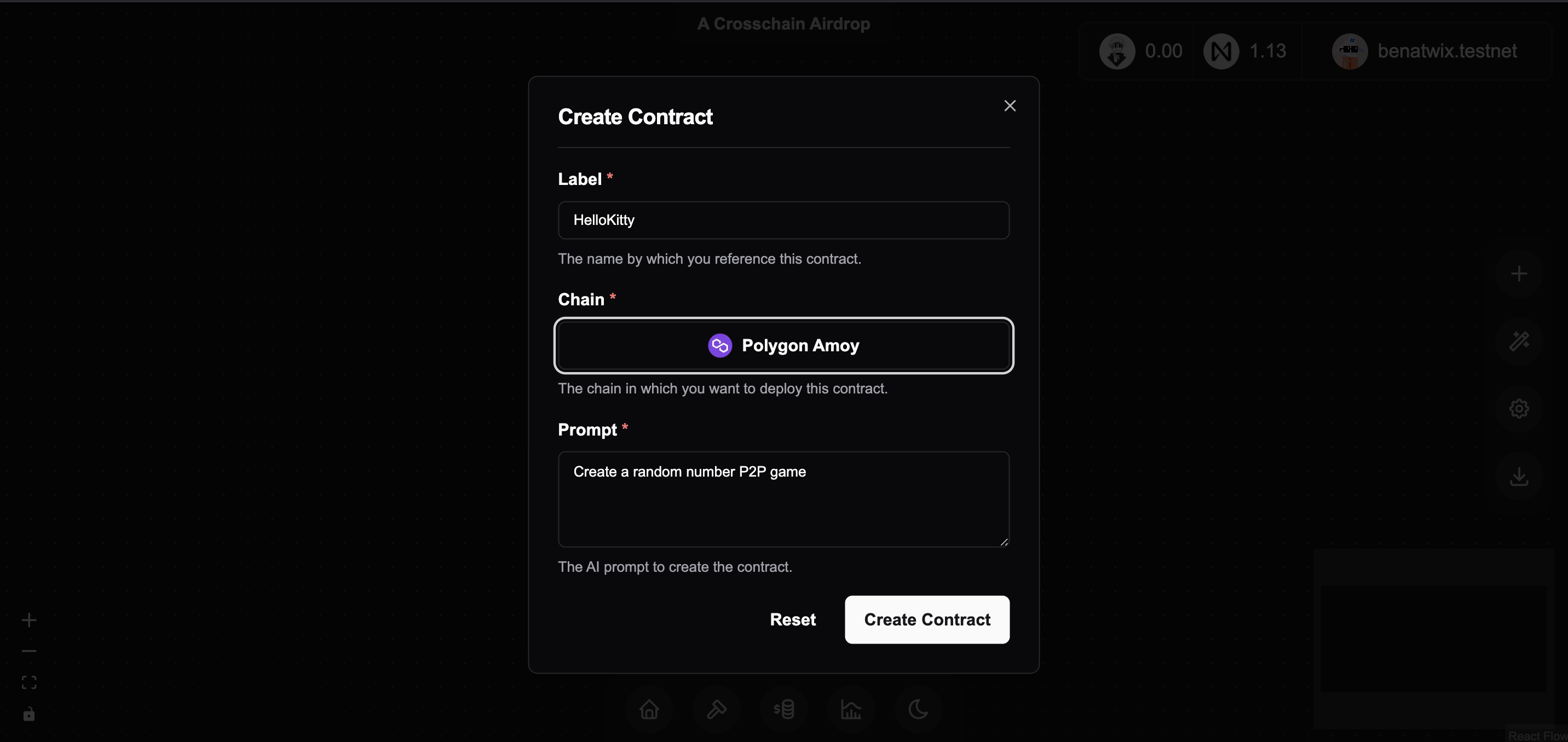
Create Contract
-
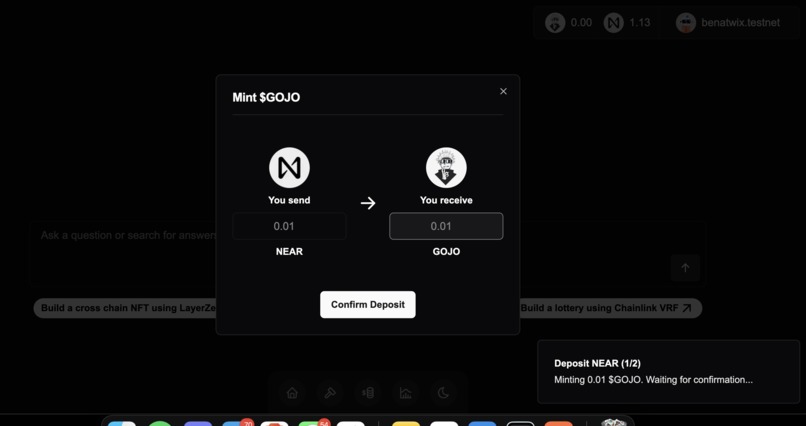
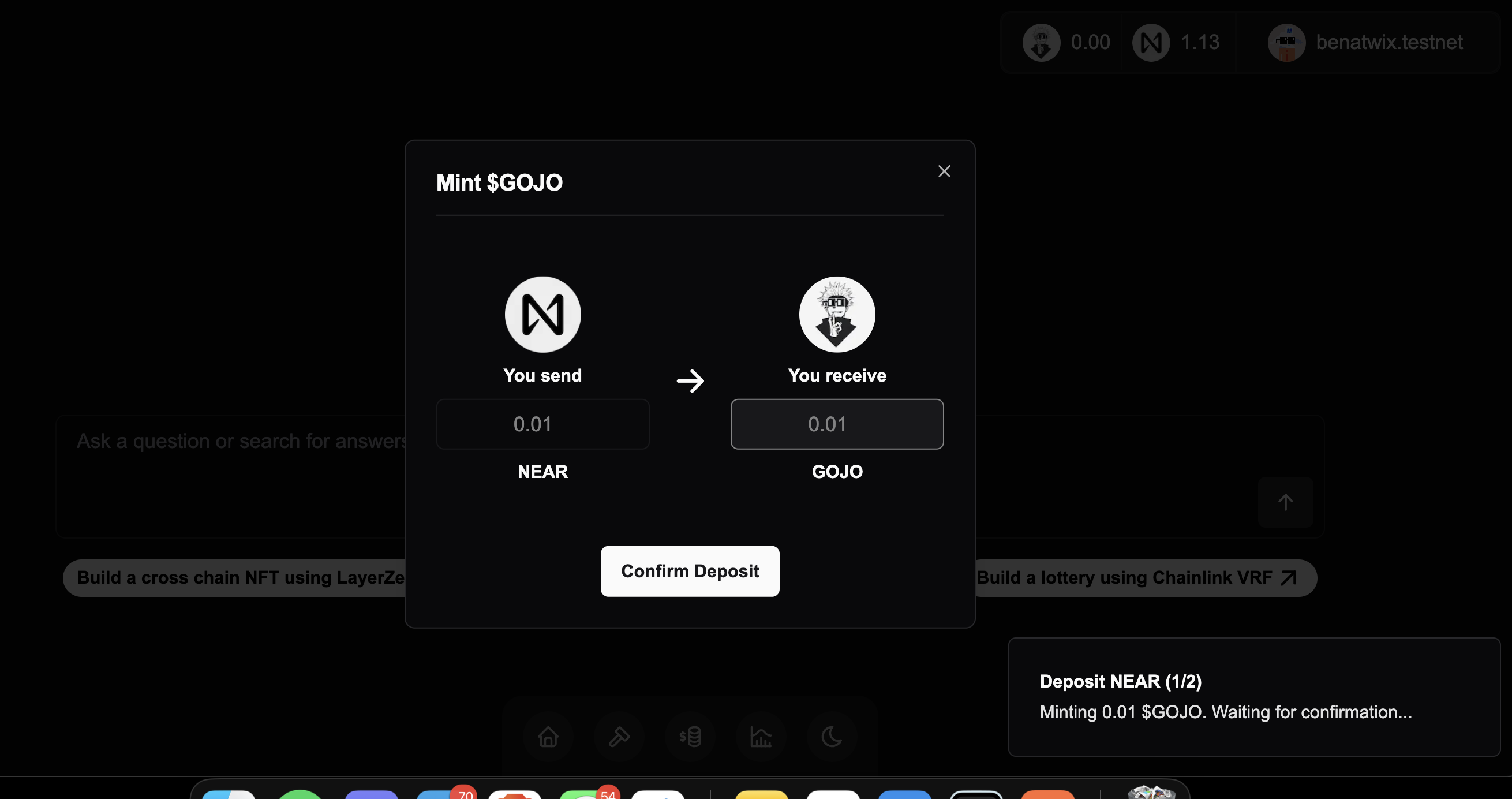
Deposit NEAR
-
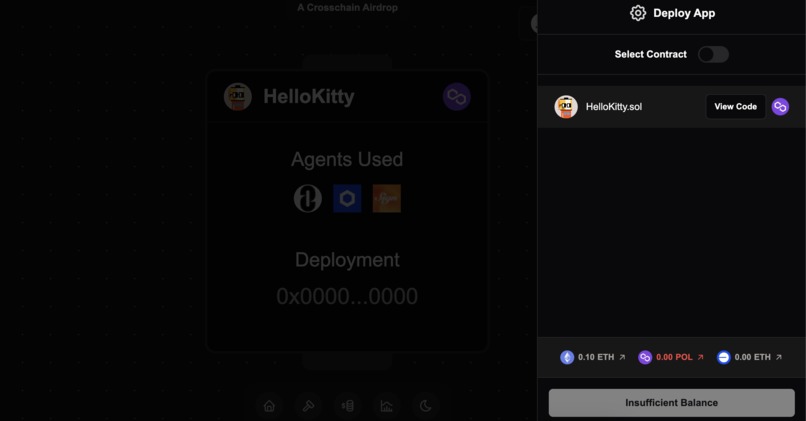
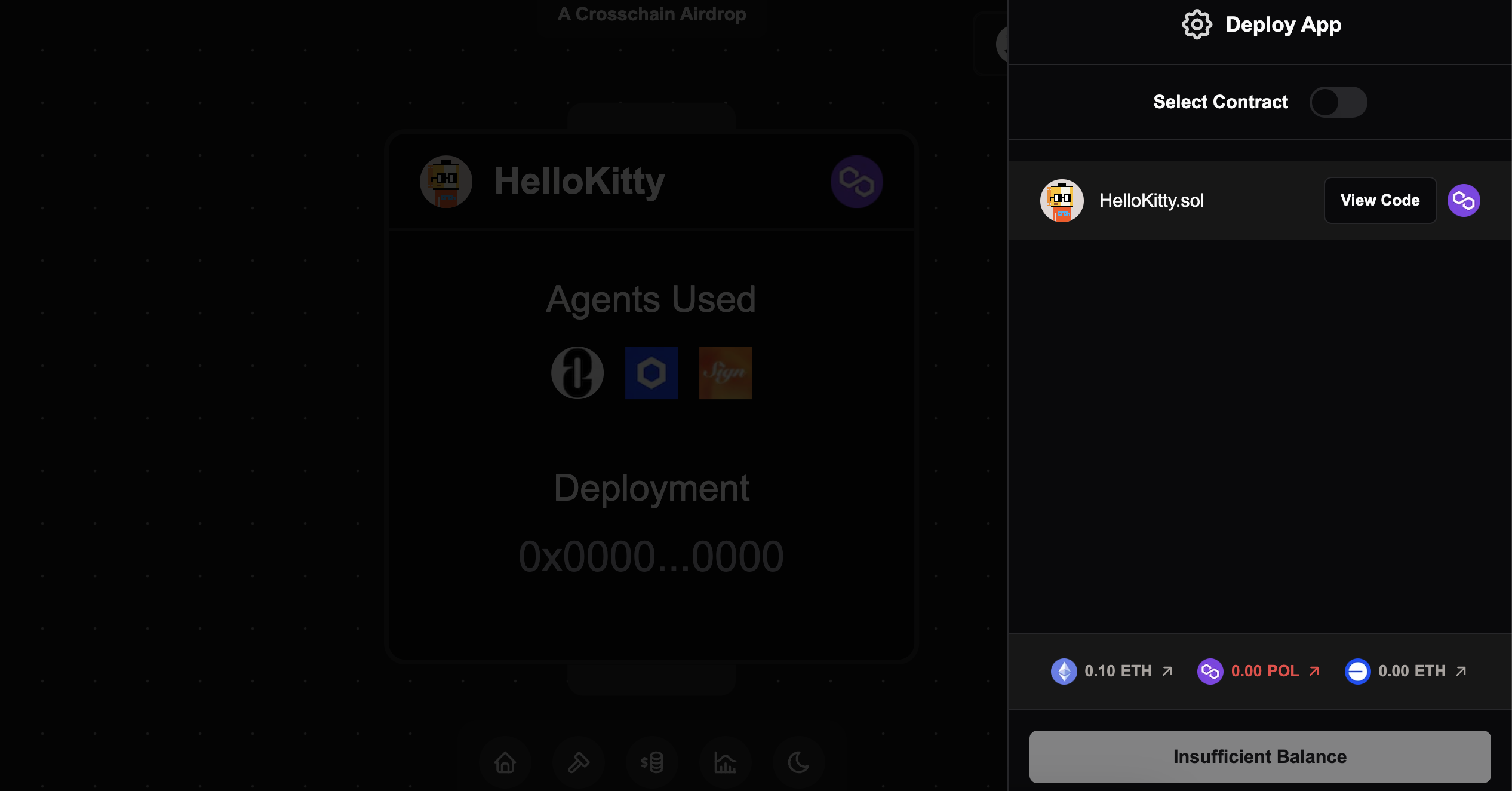
Deploy Contacts
-
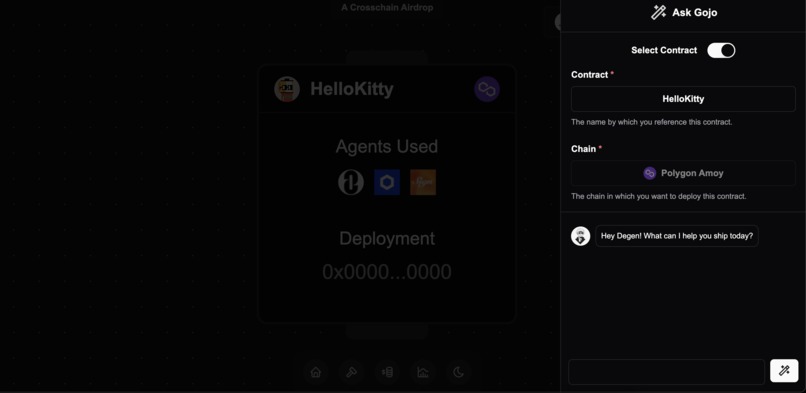
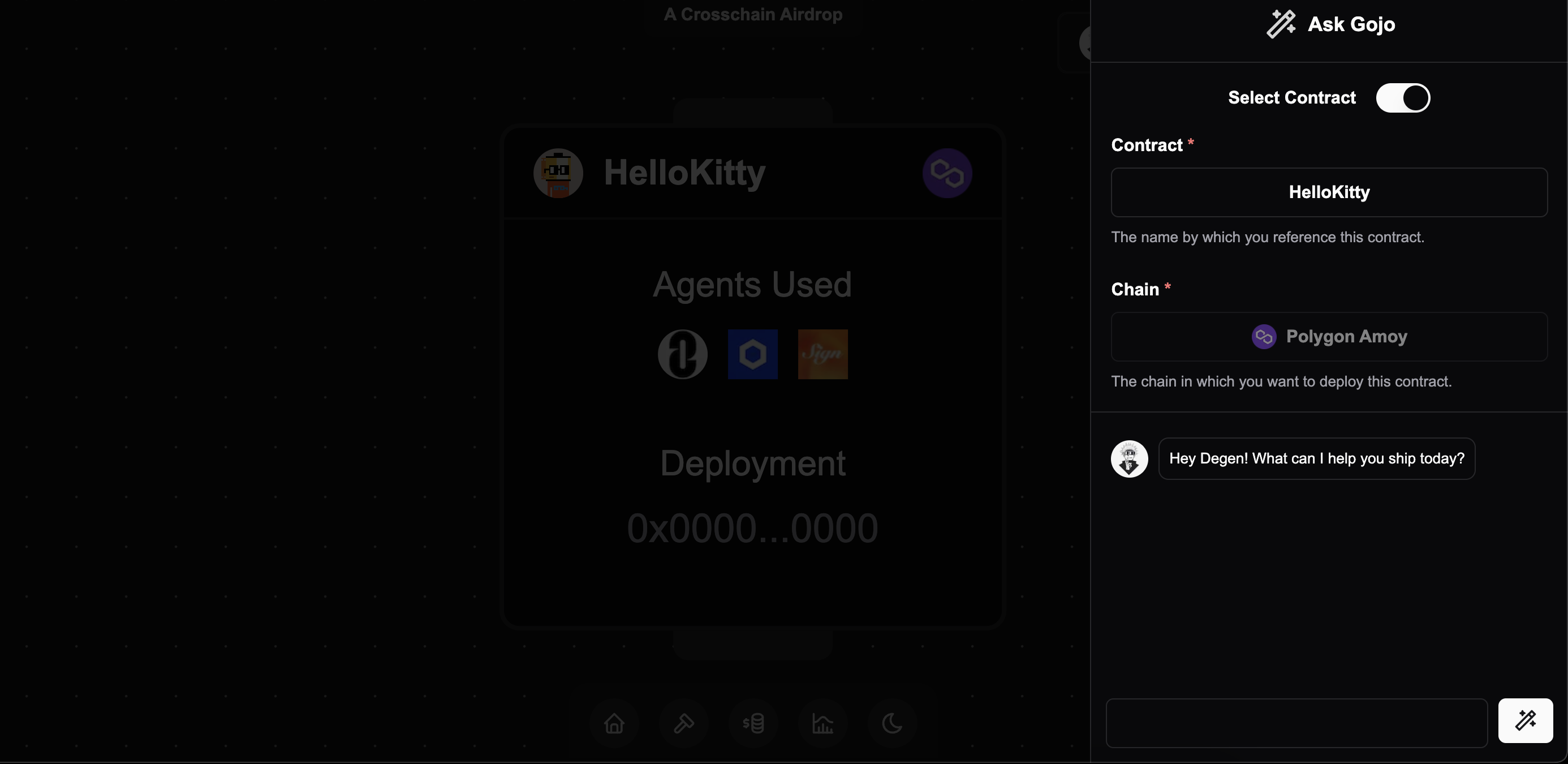
Ask Gojo
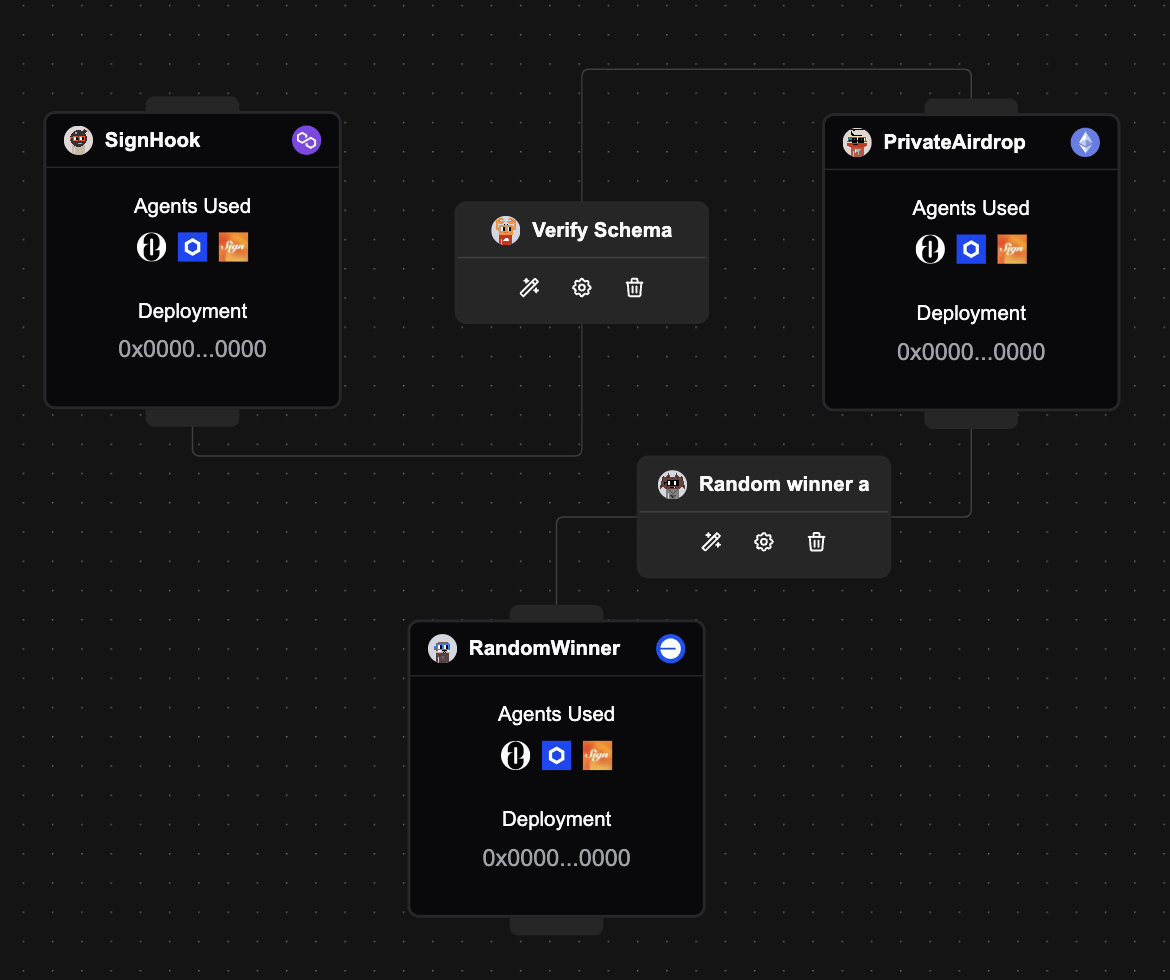
Inspiration
The idea for Gojo came from a desire to make building in the web3 space more accessible and efficient. Many people have innovative ideas but lack the technical skills to turn them into reality. Even experienced developers struggle to keep up with the rapidly evolving landscape of blockchain and decentralized technologies. Gojo’s goal is to break down these barriers, enabling anyone with an idea to create a Minimum Viable Product (MVP) without needing to write code. By leveraging AI agents and cross-chain infrastructure, Gojo provides a platform where both developers and non-developers can bring their ideas to life with ease and security.
What it does
Gojo is a no-code AI tool that simplifies the process of building and testing MVPs in the web3 space. Users can describe their project ideas with a prompt, and Gojo’s AI agents handle the technical work, generating code and deploying it across multiple blockchains. This approach drastically reduces the development time and eliminates the need for in-depth programming knowledge. Gojo also offers developers a unique opportunity to earn royalties by contributing their expertise to train AI agents, which then assist users in their project development. By leveraging NEAR Chain Signatures, Gojo facilitates seamless deployments across Ethereum, Base and Polygon, making it a powerful platform for decentralized MVP creation.
How we built it?
Gojo combines advanced AI and cross-chain blockchain infrastructure to provide a robust, decentralized platform. NEAR chain signatures enables Gojo to deploy across Ethereum, Base and Polygon, creating a seamless experience for multi-chain interactions. The core AI operations are powered by LangChain and OpenAI, which is integrated with the Client. NEAR Smart Contracts written in Rust and deployed in NEAR testnet serves as the main operational chain that handles the core logic of the application. The decentralized storage solution, Walrus, ensures that all code contributions and metadata are securely stored, with code contributors retaining full ownership of their intellectual property. Using Function Access Keys, users have a seamless UX without having to sign a transaction manually every single time.
Challenges we ran into
Accomplishments that we're proud of
What we learned
Throughout the development of Gojo, we learned a lot about the technical and operational complexities of building a decentralized, multi-chain platform. From handling cross-chain data flow to ensuring AI-powered code generation works accurately and reliably across networks, we gained a deeper understanding of the potential and challenges of web3 technologies. We also learned about the importance of incentivizing community contributions in a decentralized ecosystem, as well as the need for robust privacy measures to protect users’ data and intellectual property. Our experience reinforced the value of collaboration and innovation when bridging web2 and web3 functionalities.
What's next for Gojo
Moving forward, we plan to enhance Gojo by expanding its cross-chain capabilities, integrating additional blockchains, and refining its AI models to support even more complex project requirements. We aim to broaden the developer community on Story Network, encouraging more experts to contribute to Gojo’s AI agent knowledge base. Future updates will also include improved royalty distribution mechanisms and enhanced user interfaces to make the platform even more intuitive. In addition, we’ll be focusing on expanding Gojo’s applications beyond MVP creation to support full-scale decentralized application (dApp) development, empowering users to bring even more ambitious projects to life.
Built With
- near
- nextjs



Log in or sign up for Devpost to join the conversation.