Inspiration
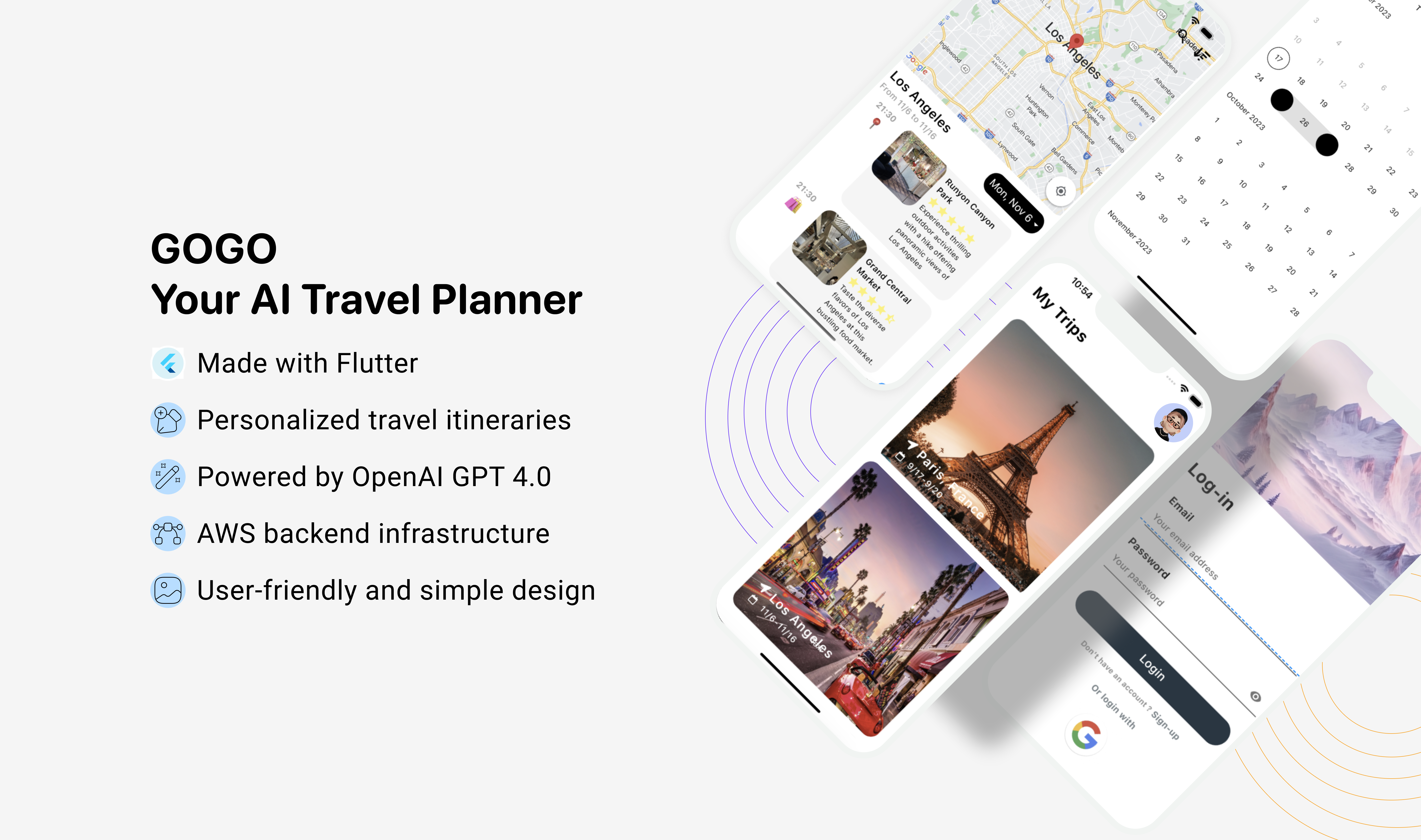
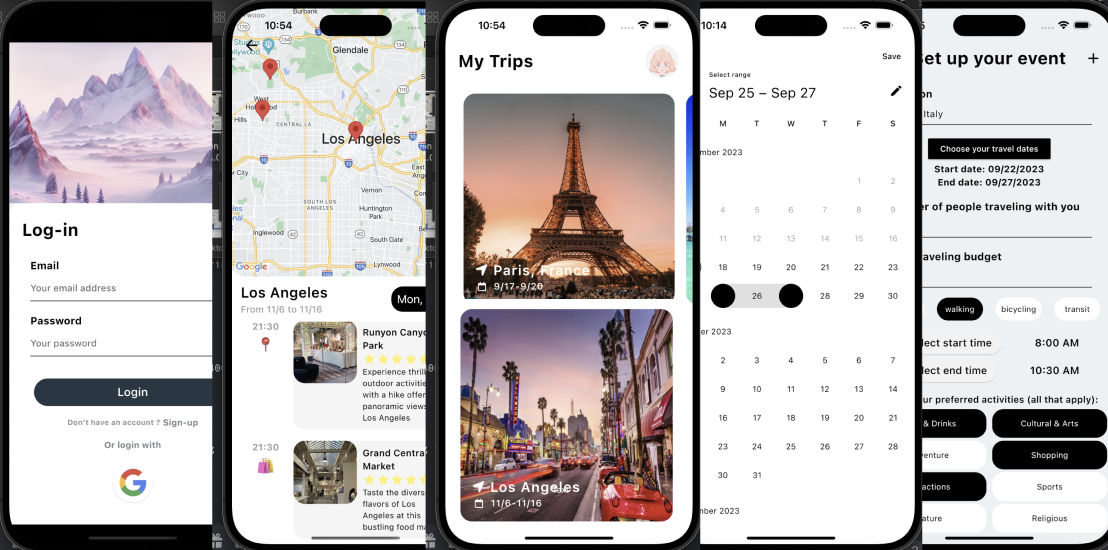
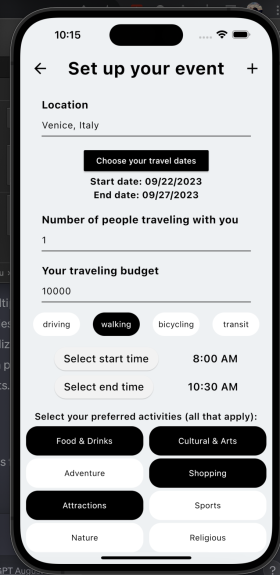
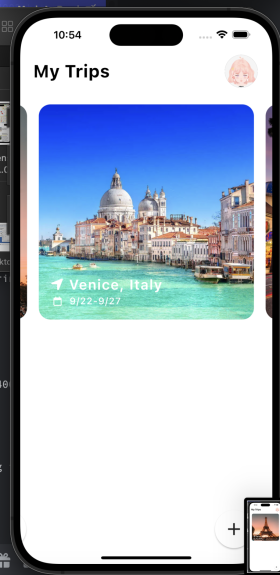
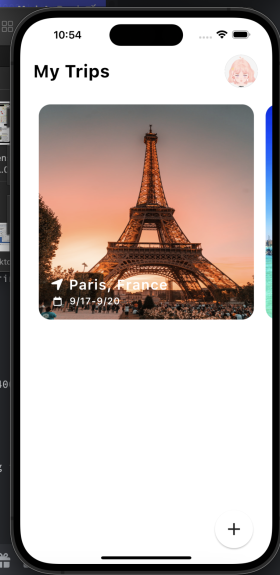
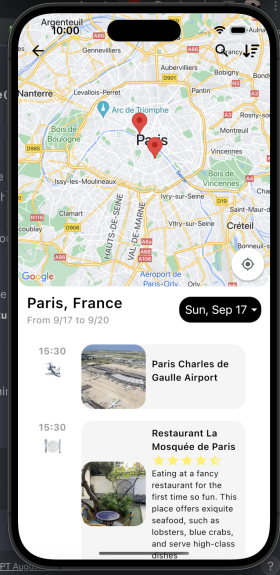
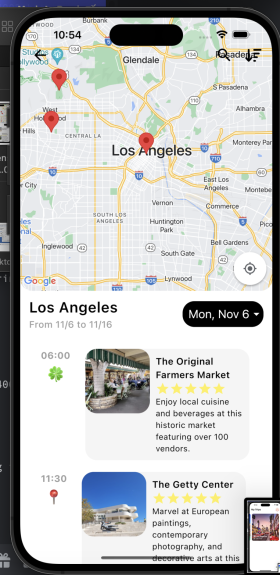
The aftermath of the COVID-19 pandemic highlighted the vulnerabilities of industries reliant on human mobility, with tourism being one of the hardest hit. Growing up in a city rooted in tourism, witnessing its devastation firsthand was a harrowing experience. We realized that the revival of tourism isn’t just about reopening borders or promoting destinations; it's about building traveler confidence, ensuring safety, and providing a seamless experience. GOGO was born from this idea. By integrating AI-driven planning and real-time data, our platform makes travel planning not just convenient, but also adaptable to changing conditions. We believe GOGO can play a pivotal role in rejuvenating the tourism industry, supporting local economies, and reigniting global wanderlust in a post-pandemic world.
Challenges we ran into
Every innovation is paved with challenges, and GOGO was no exception. Initially, deploying to the cloud proved daunting, especially with library dependencies. Managing data states, given the multiple integrations, was another steep learning curve. On the frontend, while we had some teething issues with HTTP requests due to our budding experience, we persevered, learning and adapting every step of the way.
What we learned
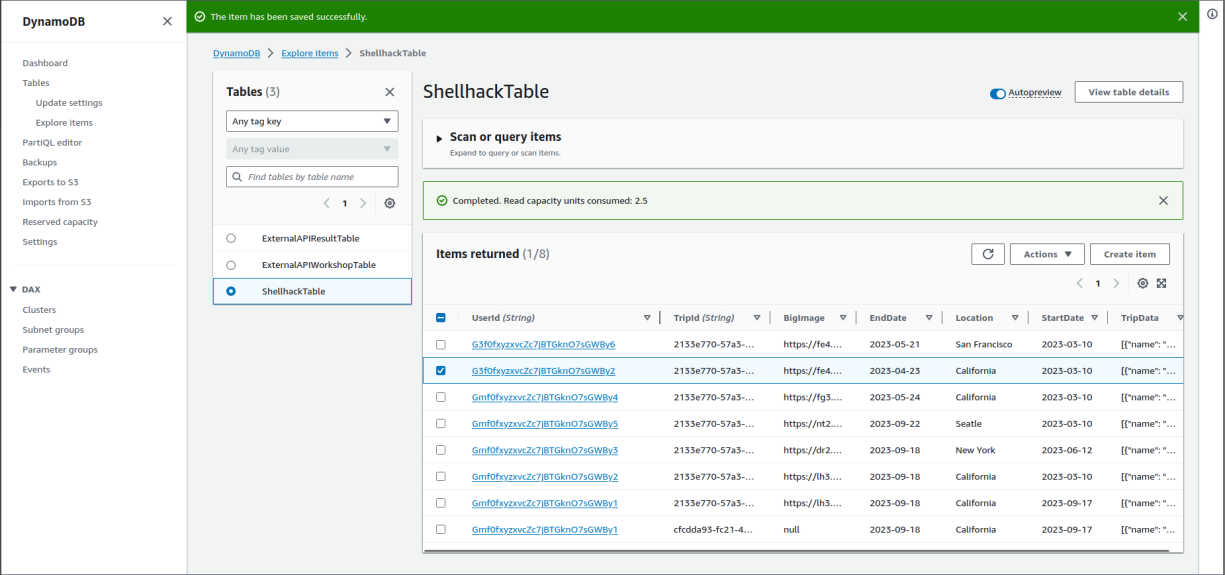
The journey with GOGO was an enlightening one. On the technical front, we delved deep into the backend, understanding the nuances of integration with the frontend via HTTP requests. We got hands-on with managing multiple AWS Lambda instances, connecting them to databases, and juggling states between different API calls, specifically the OPEN AI API and GOOGLE API.


Log in or sign up for Devpost to join the conversation.