-
-
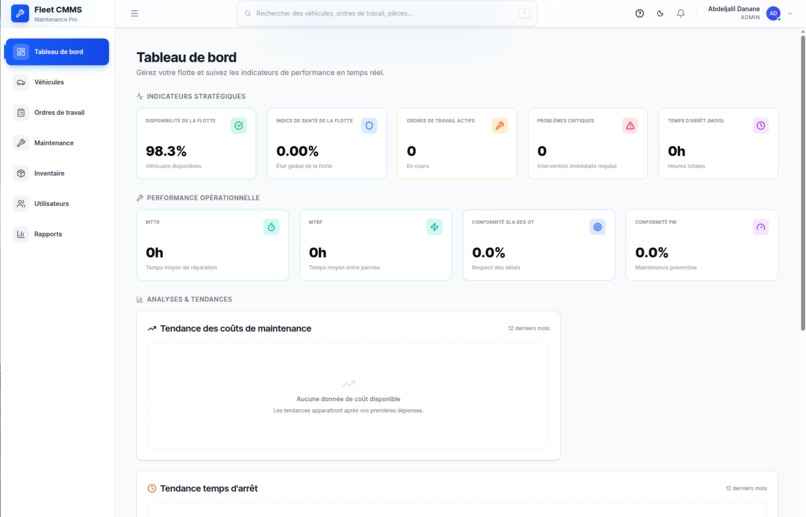
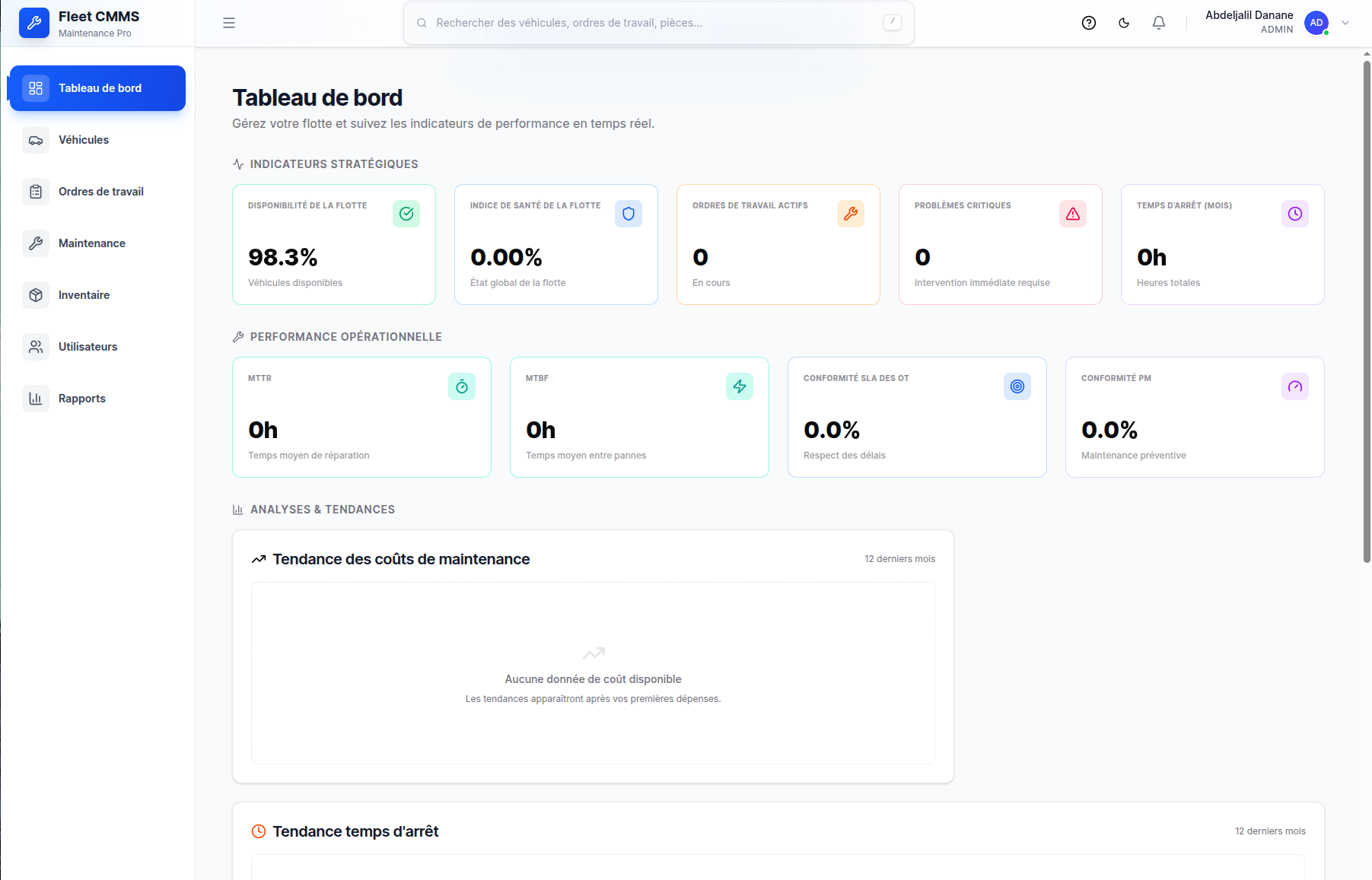
The dashbord screen show th KPIs and indicators
-
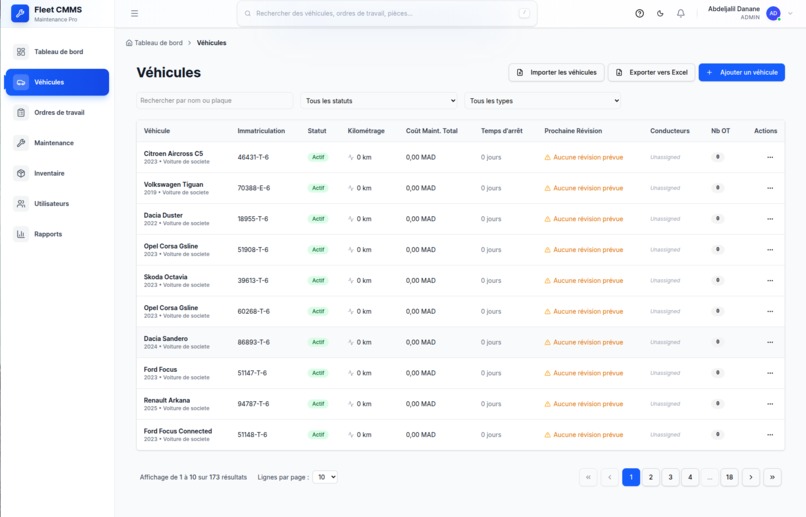
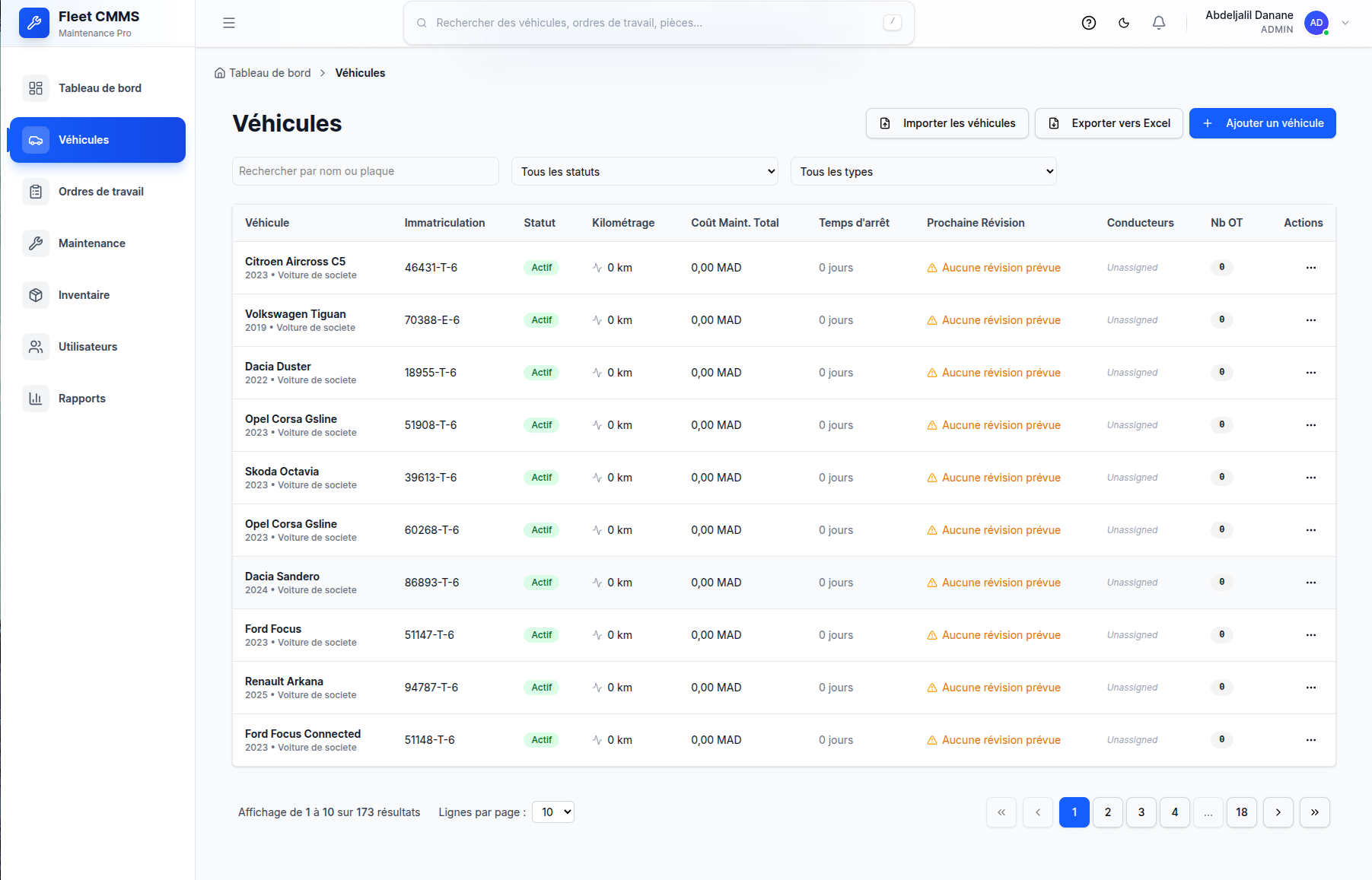
The vehicule list
-
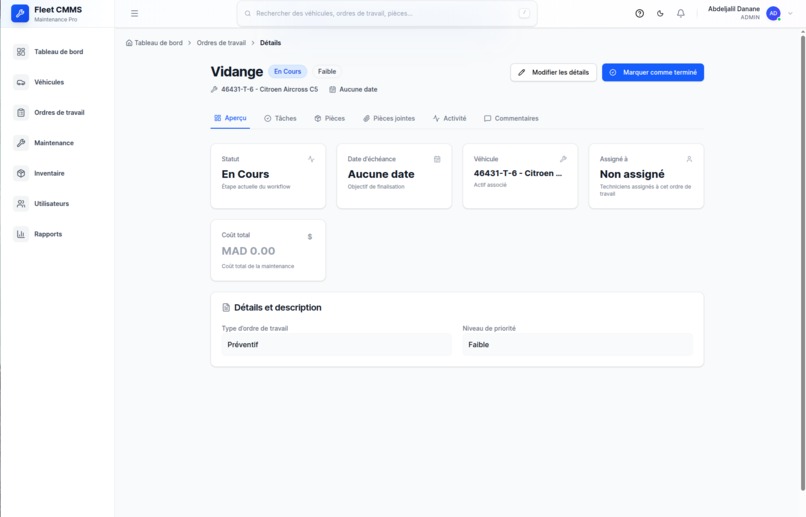
the vehicule detail page
-
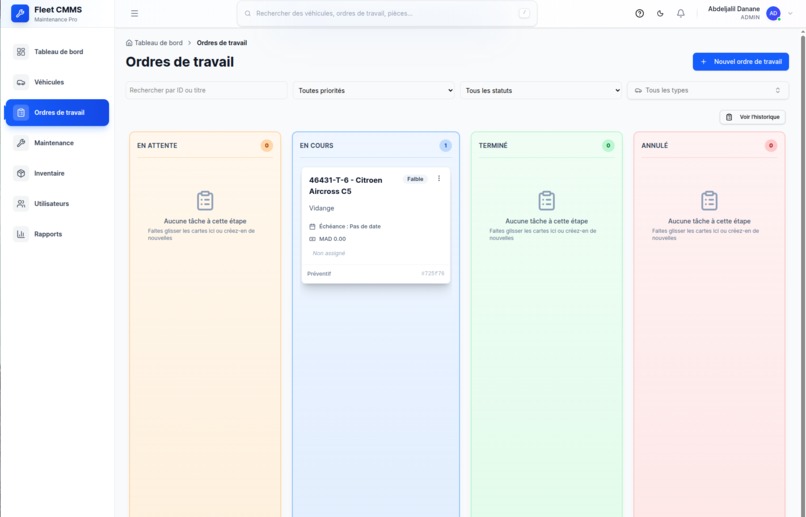
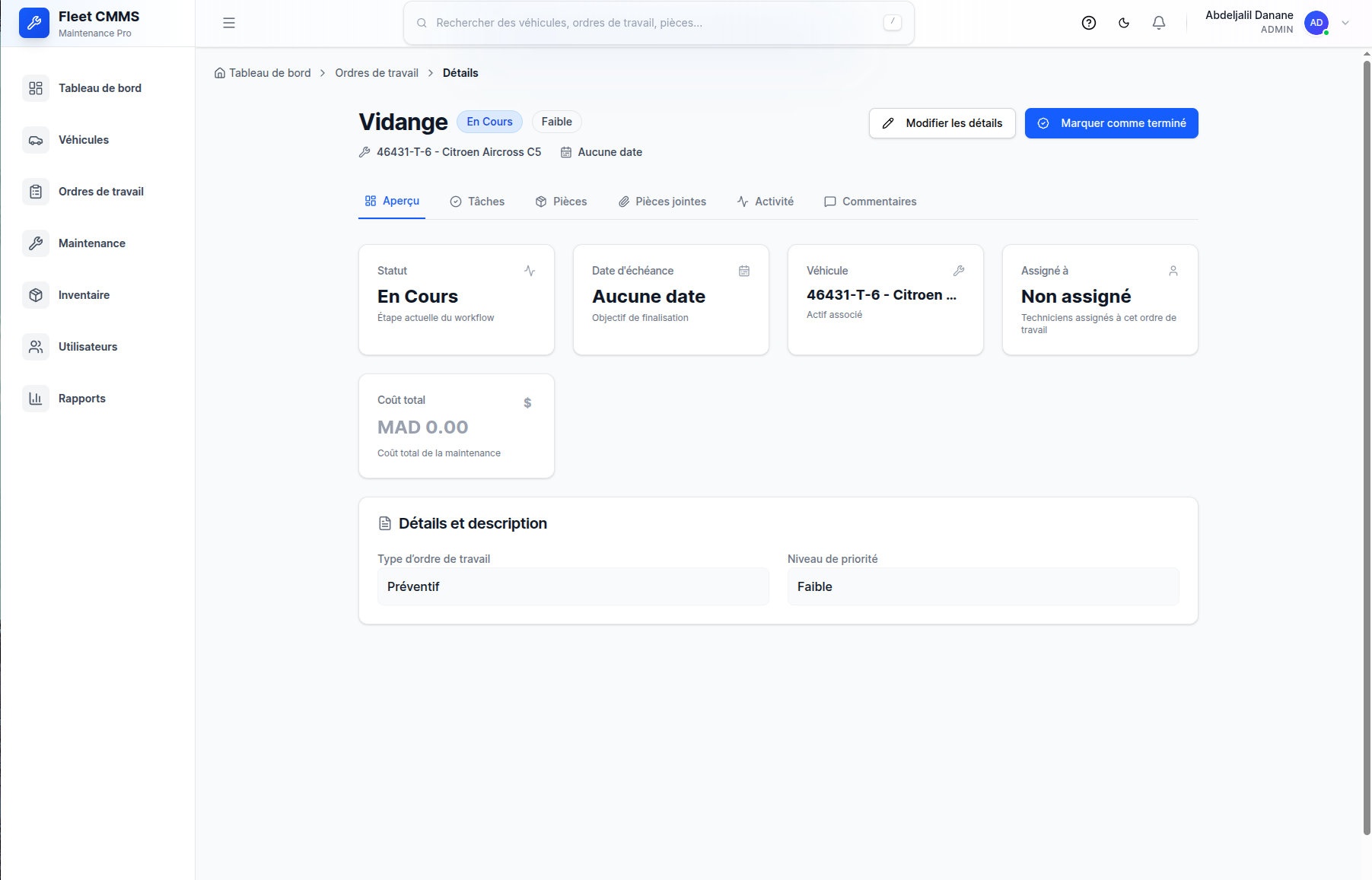
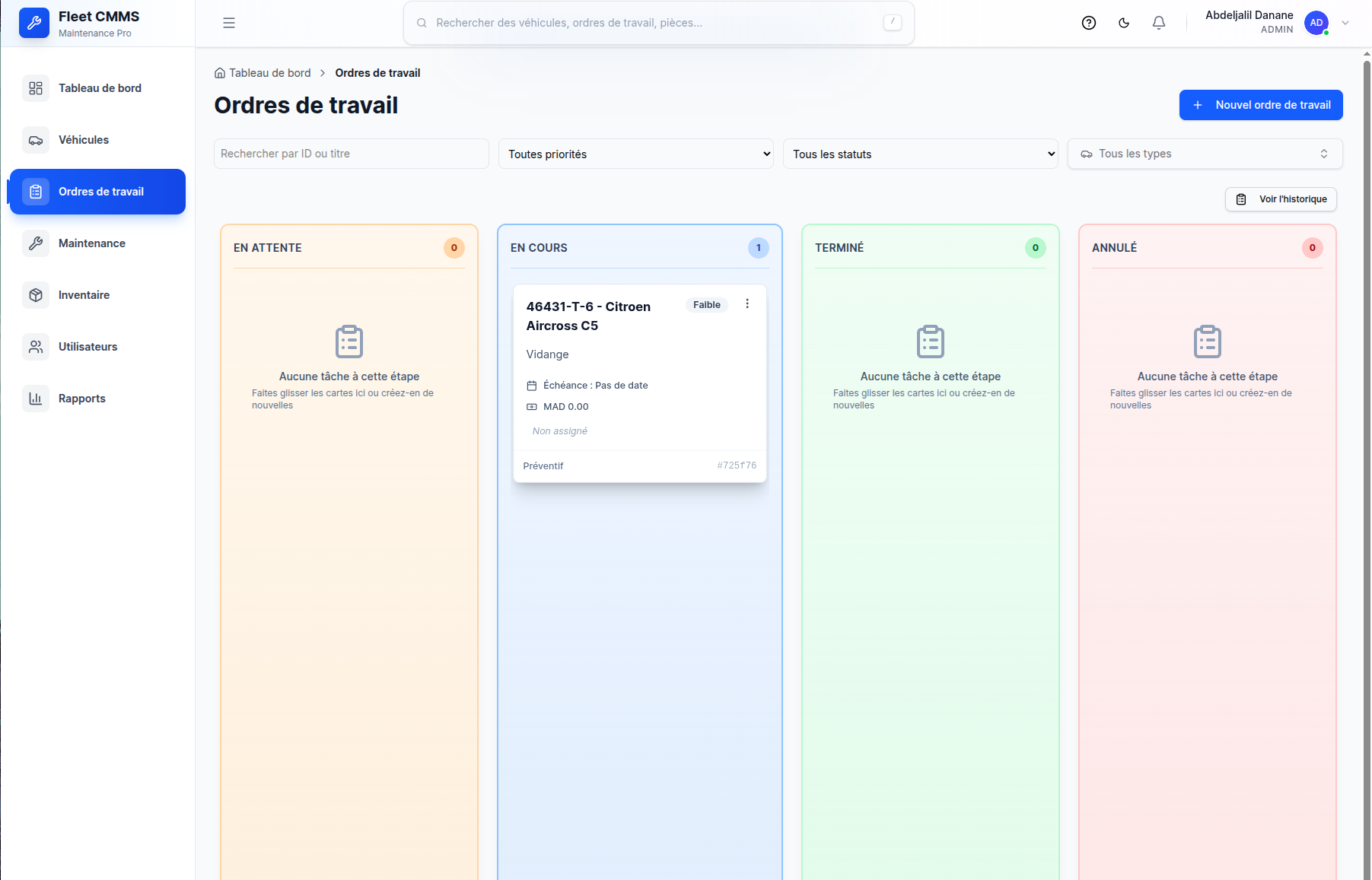
the kanban board screen get the work orders
-
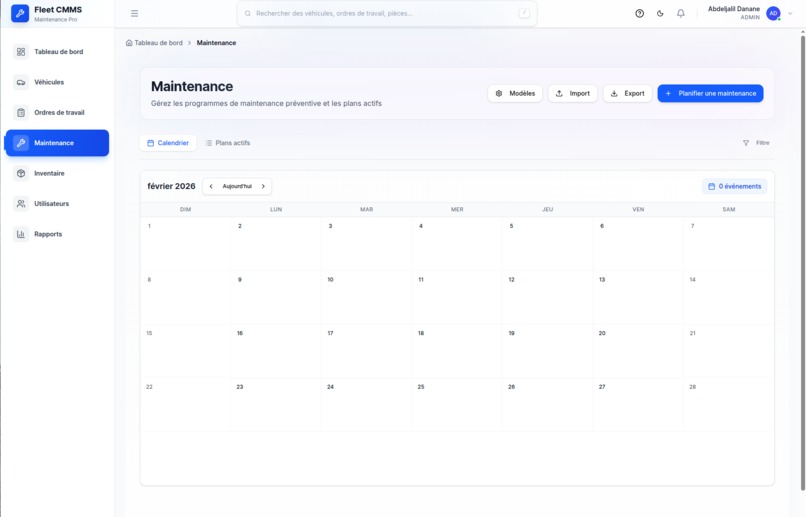
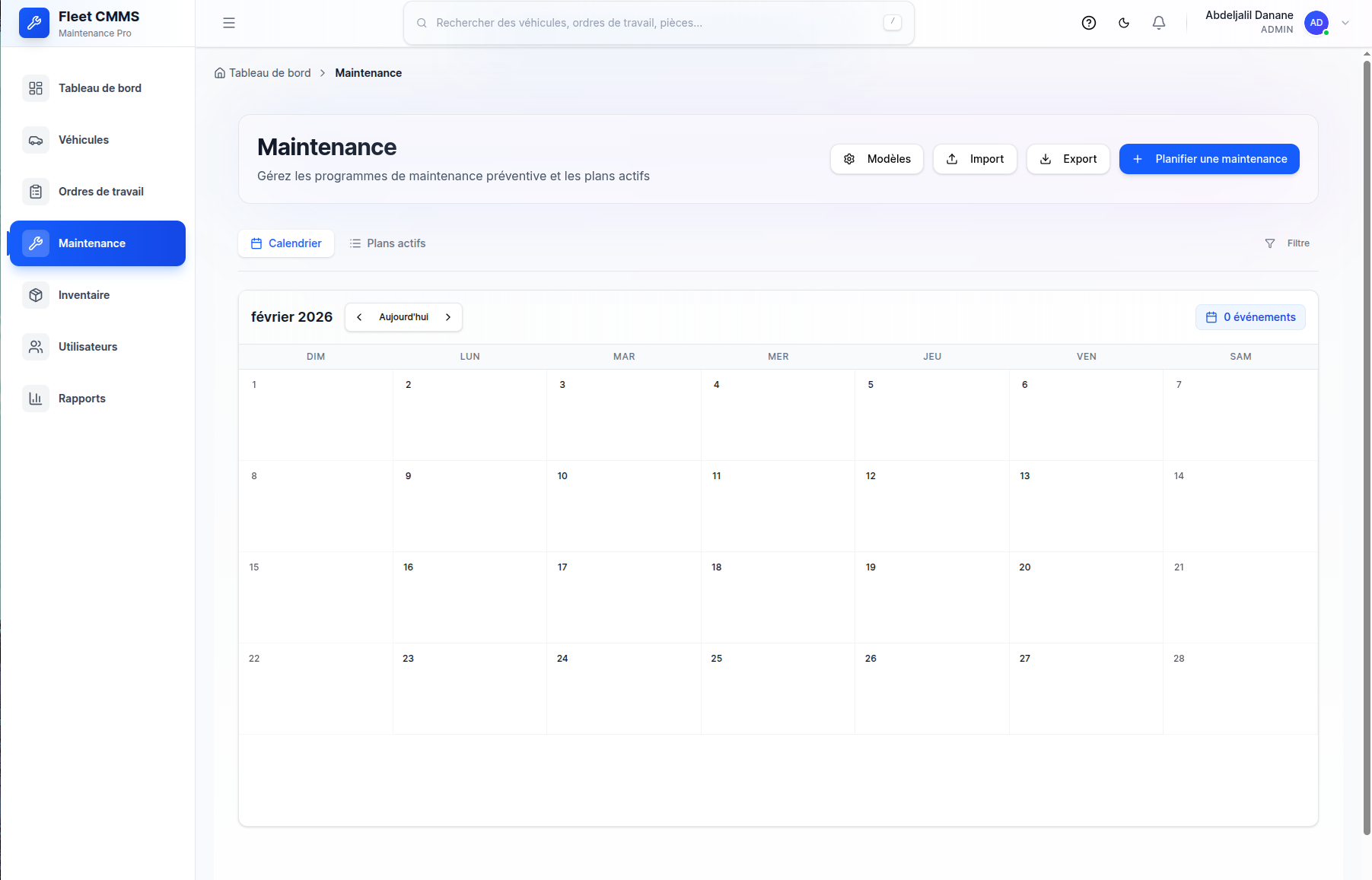
Maintenance screen schedule and interval planning
-
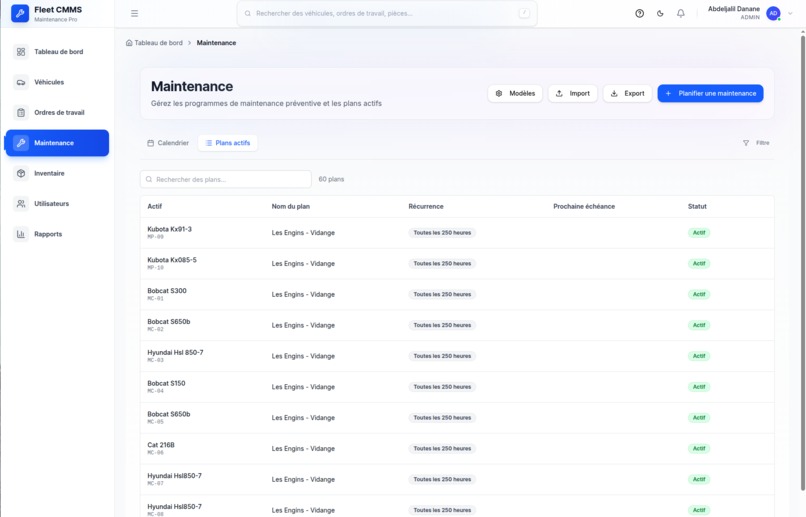
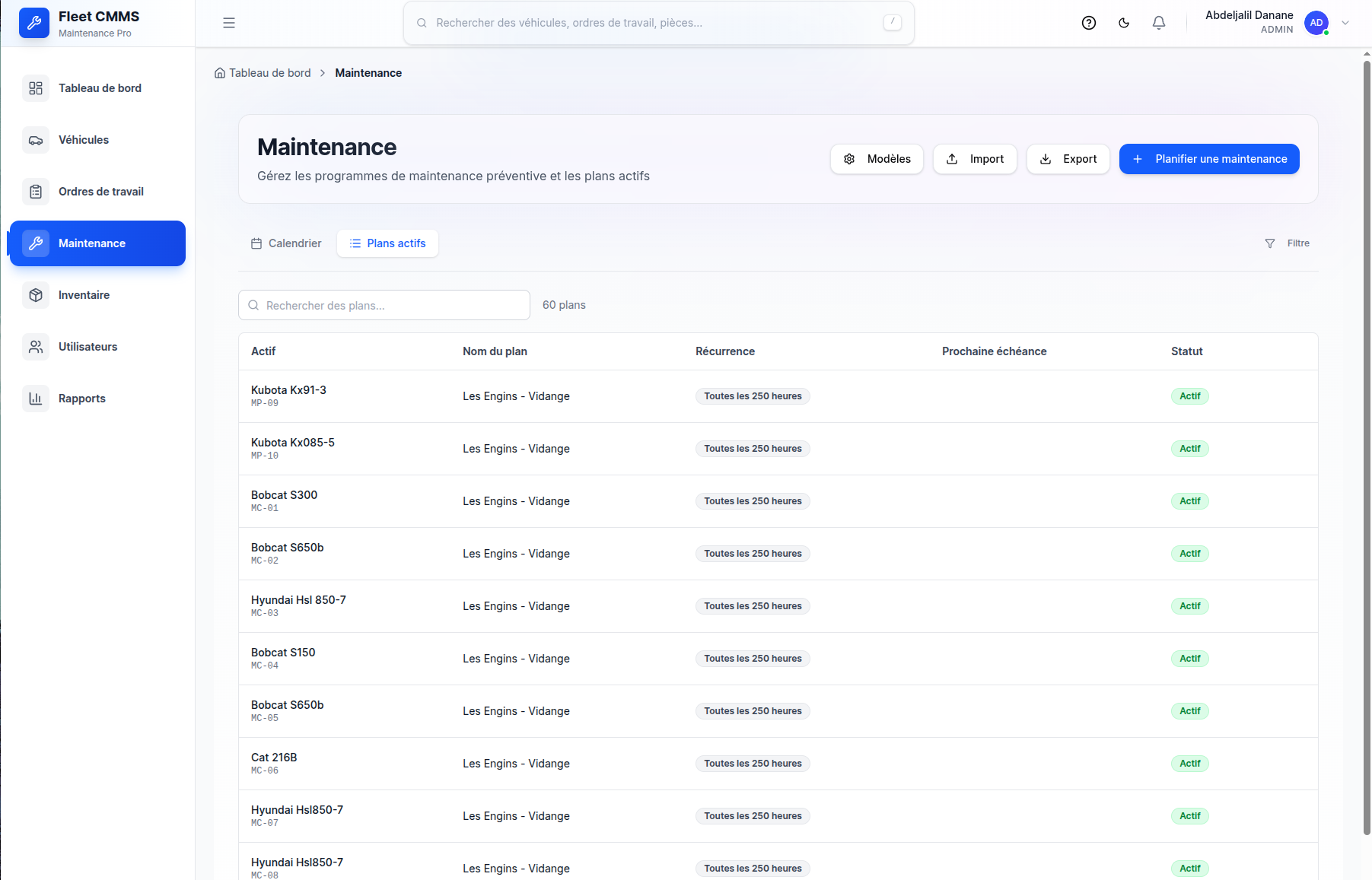
The active planned interval vehicules
-
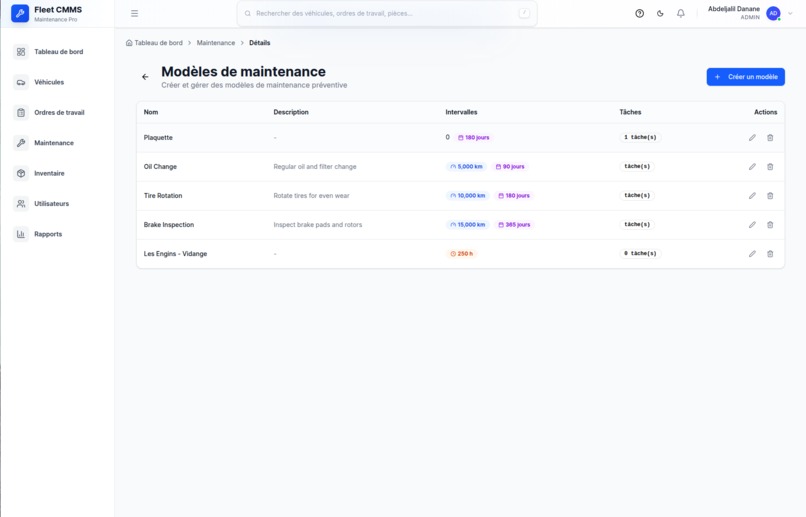
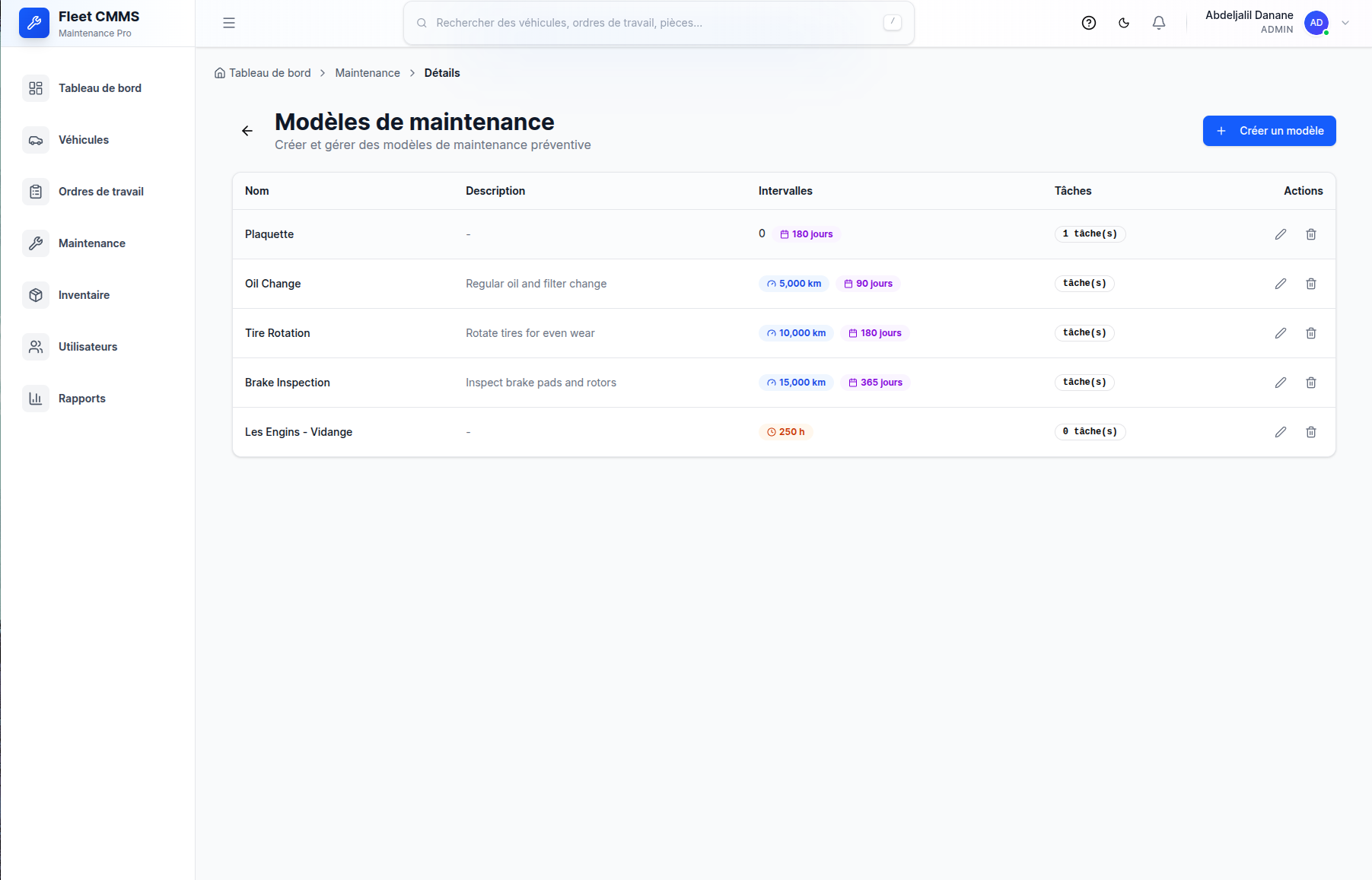
The interval template by KM-Hours-Days
-
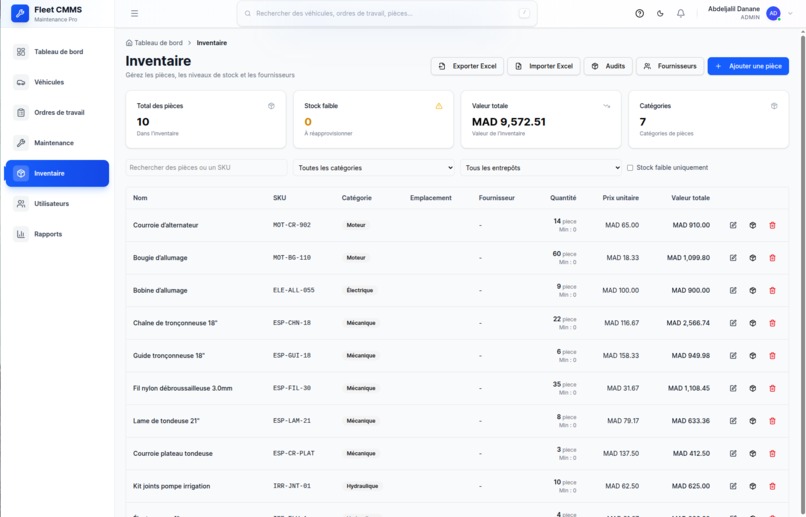
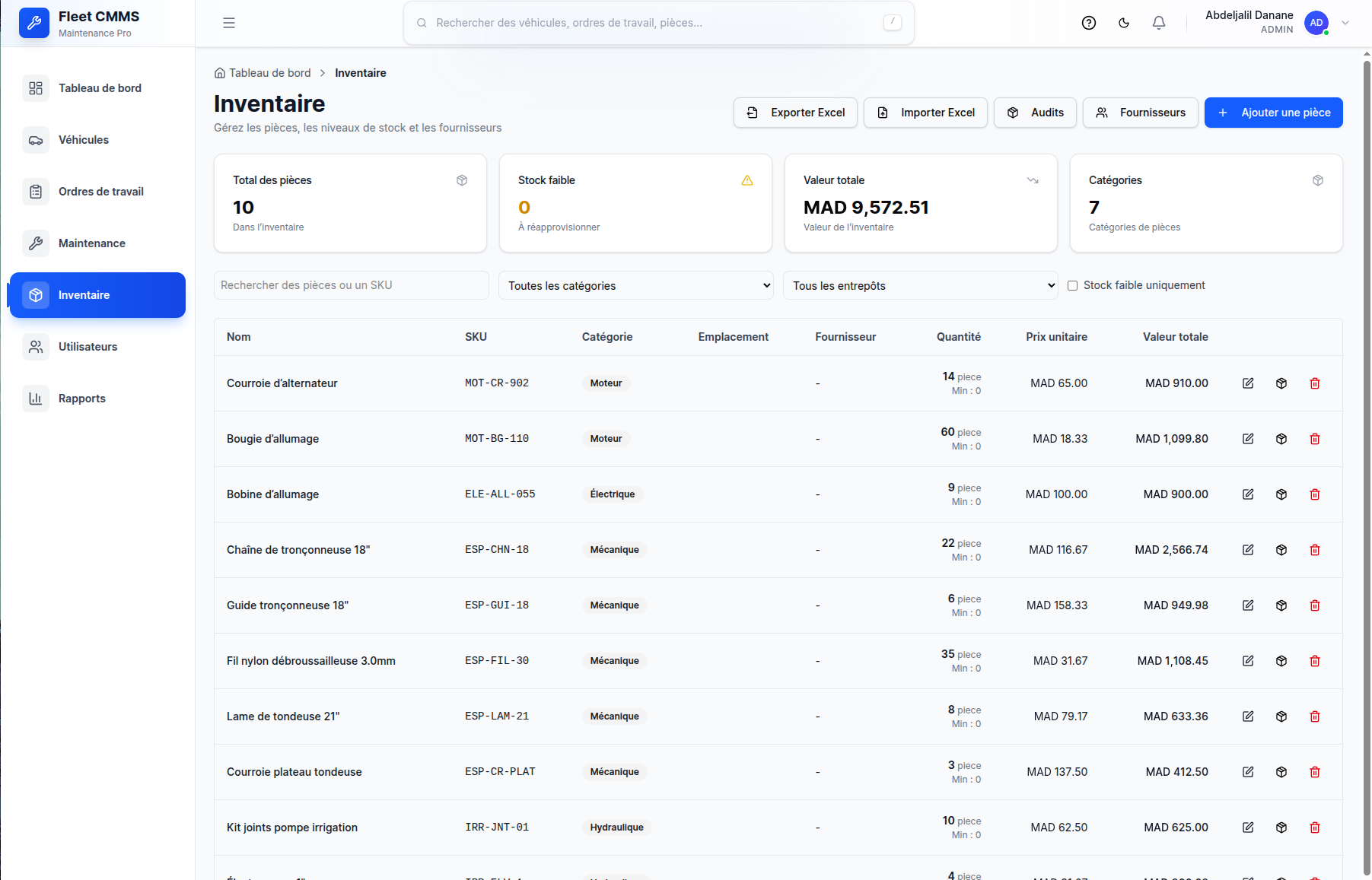
Inventory for tooks and parts of vehicules used for maintanance FIFO
-
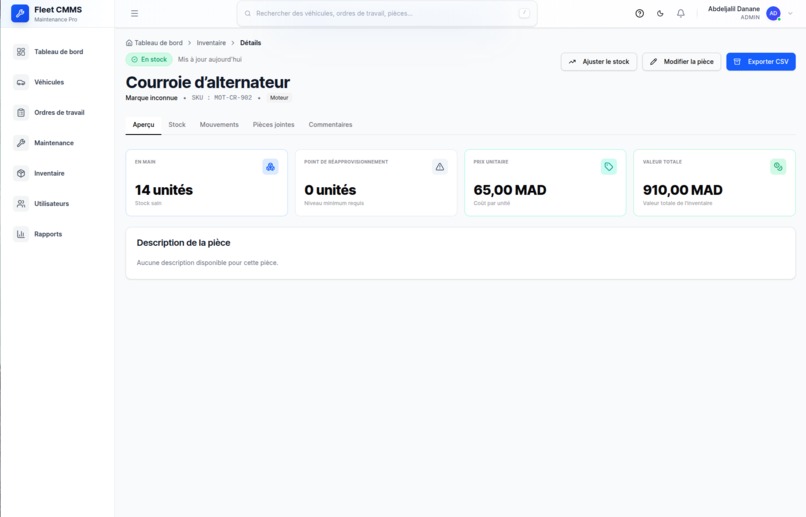
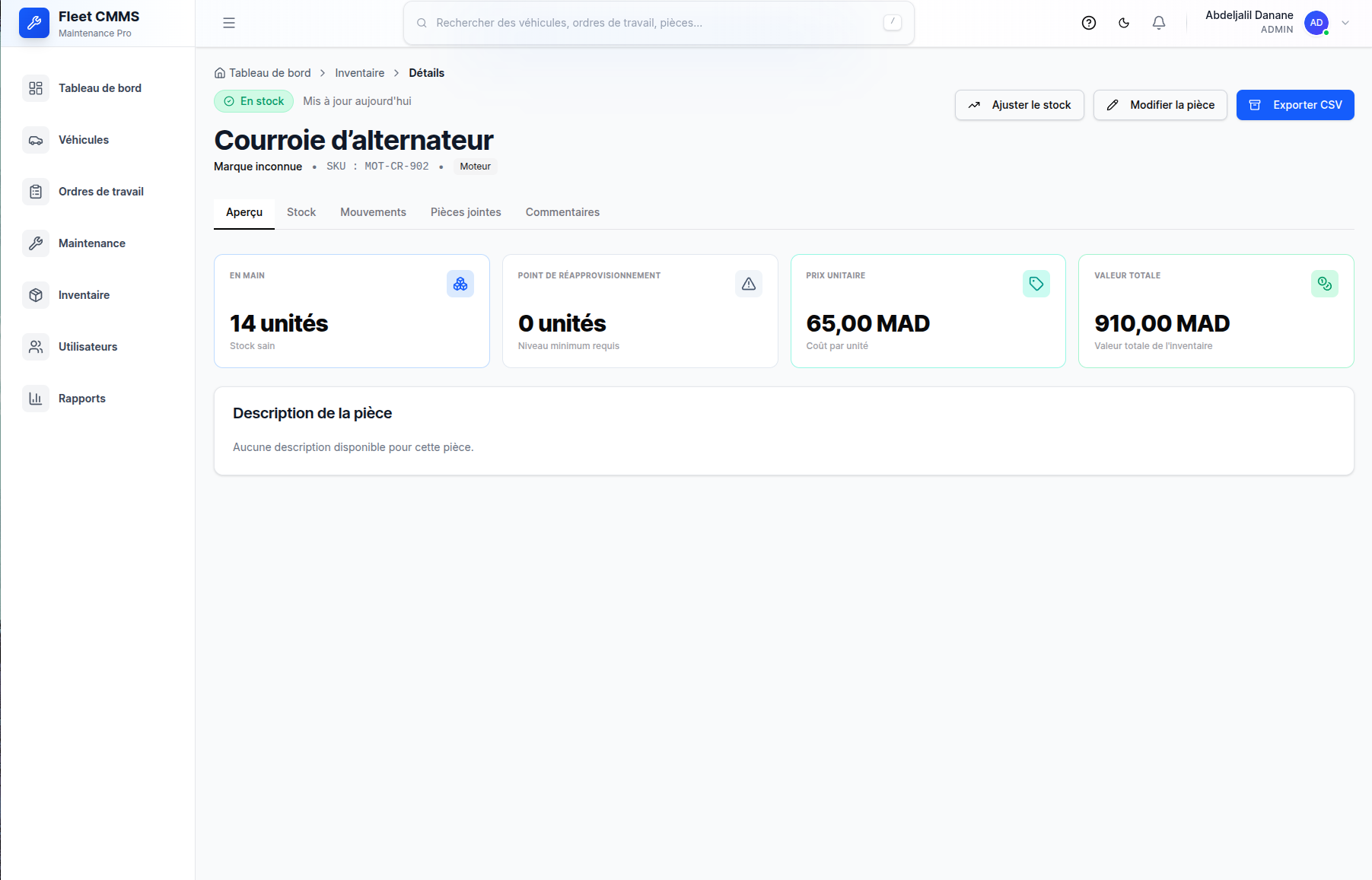
The detail inventory show the cost and stock
-
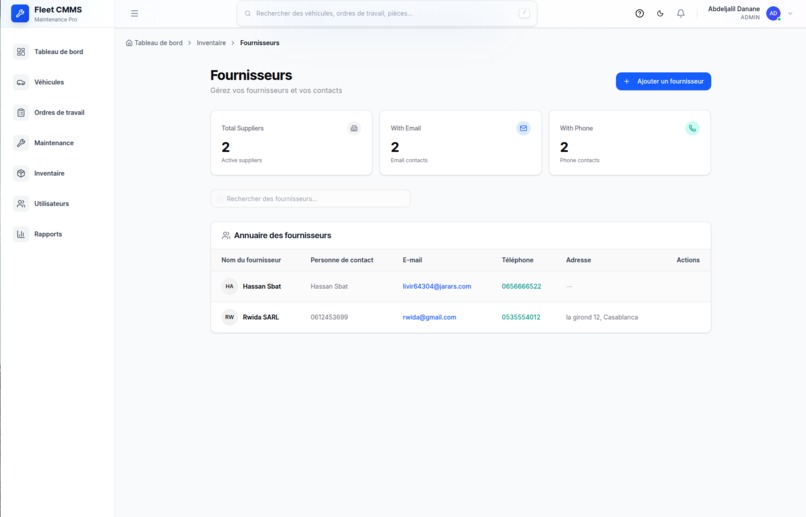
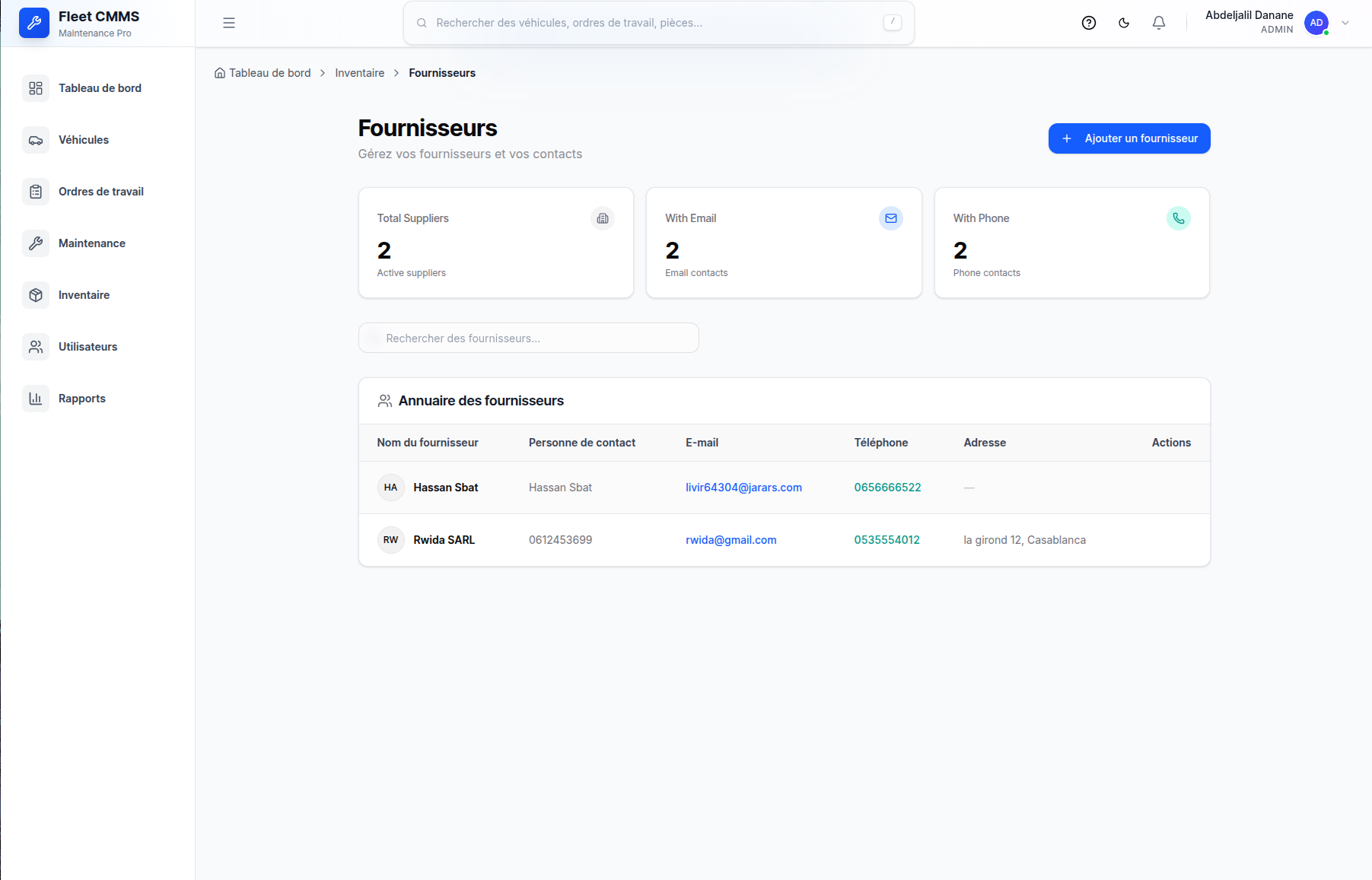
The list of suplliers of parts
-
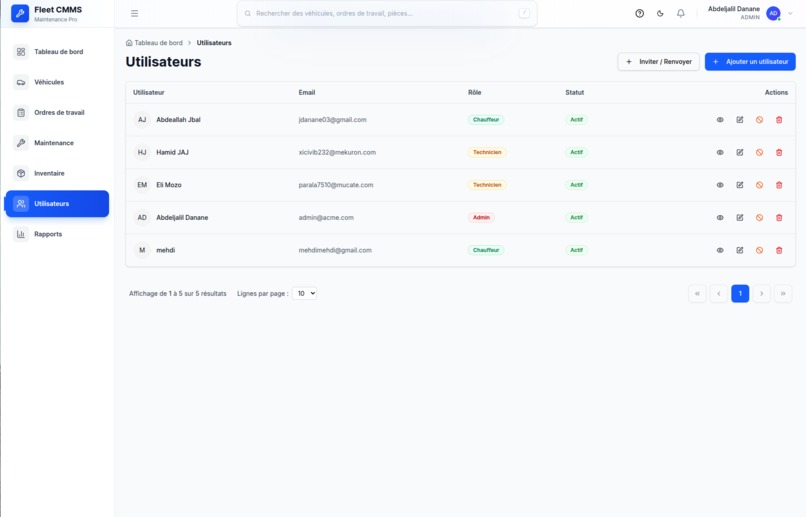
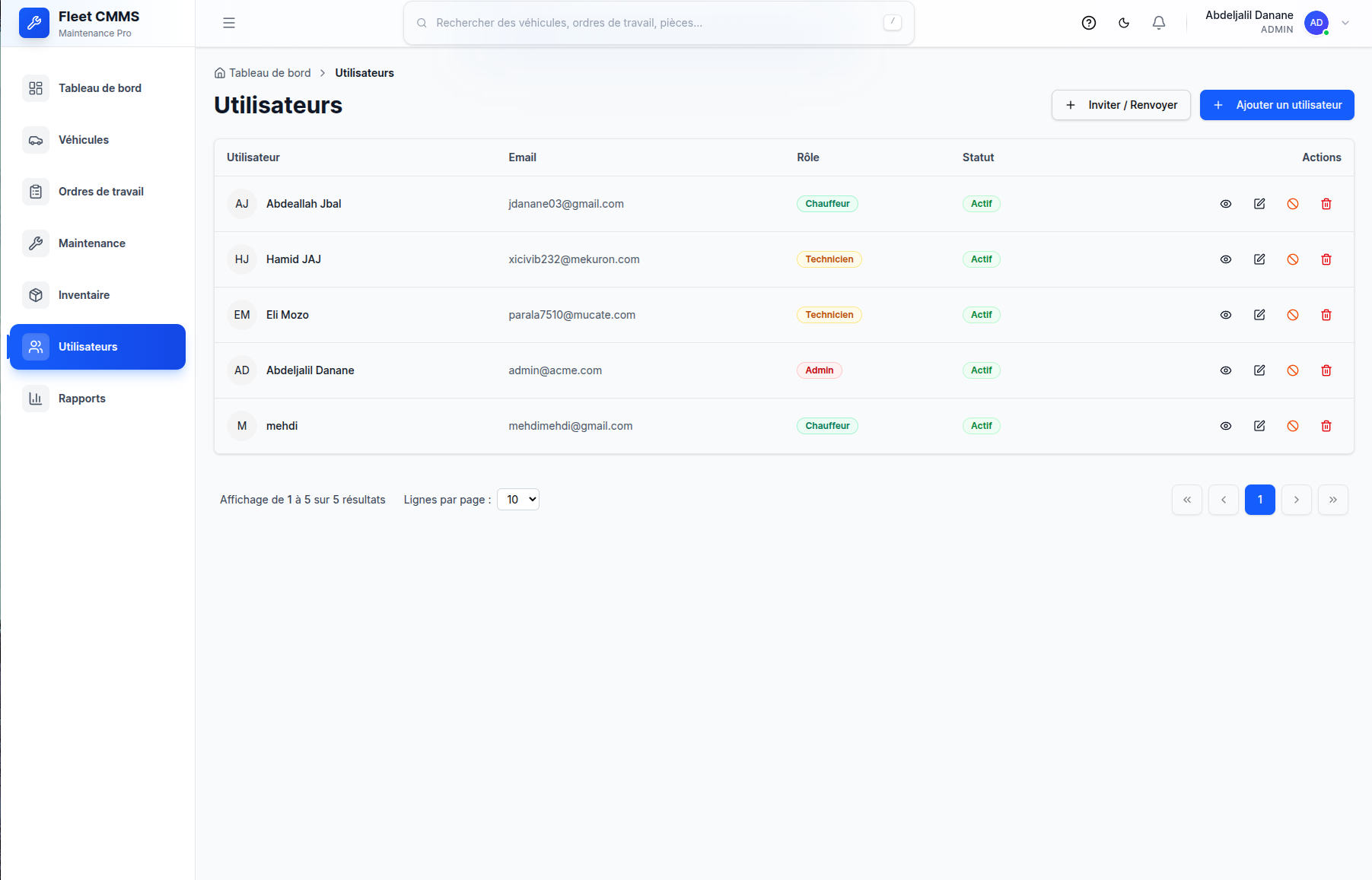
the users screen the workers that work can have access to platform based on there roles
-
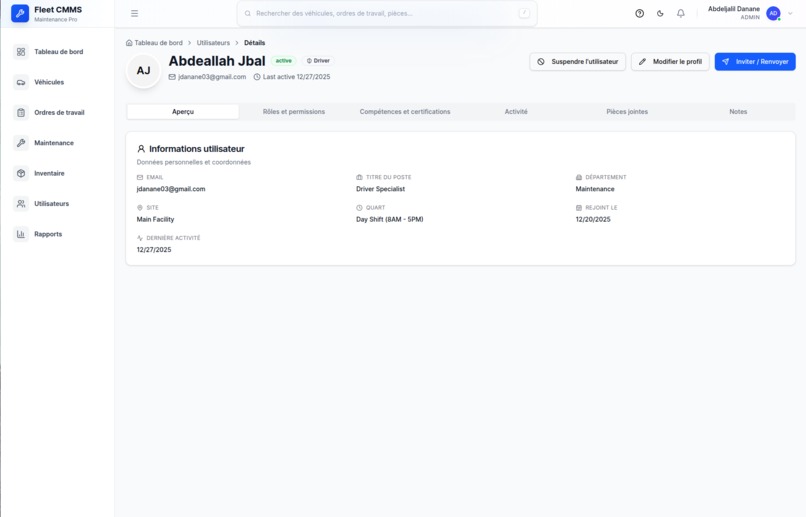
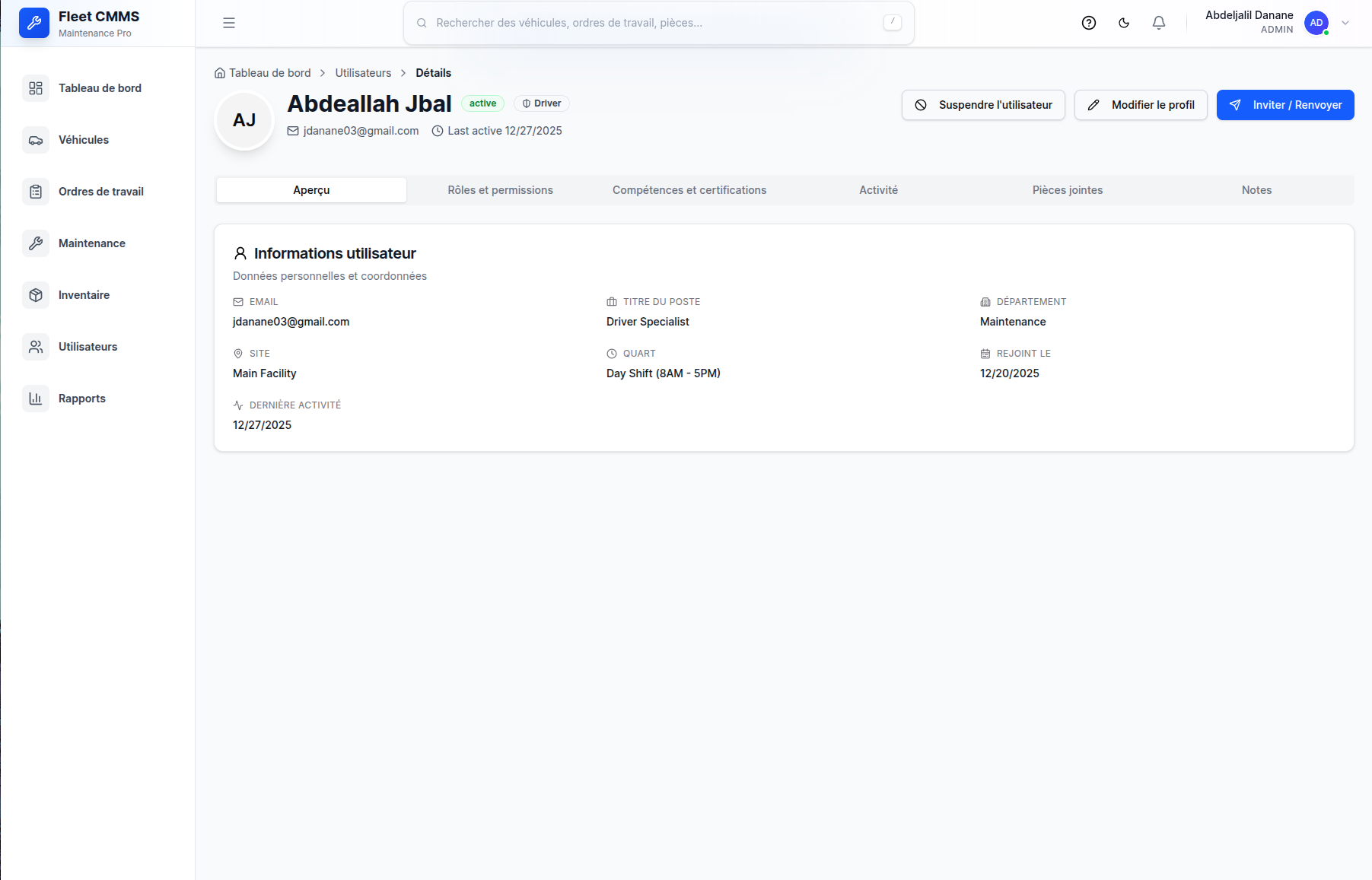
the detail users show there bio , skills, activities
-
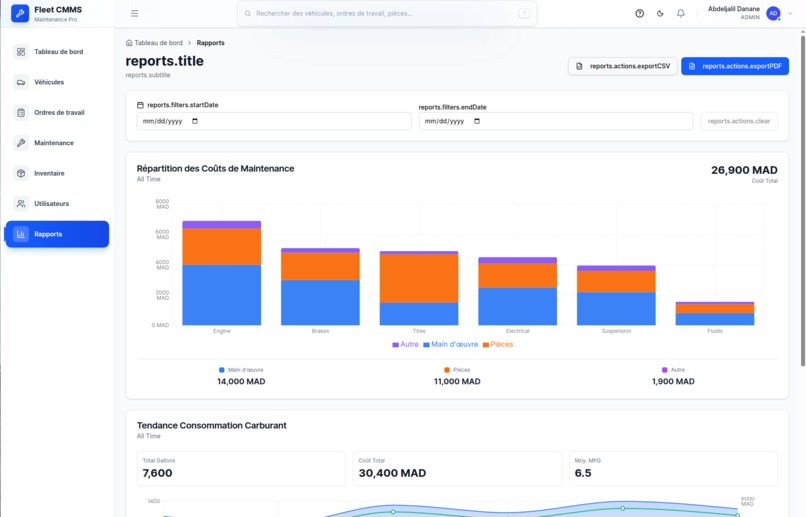
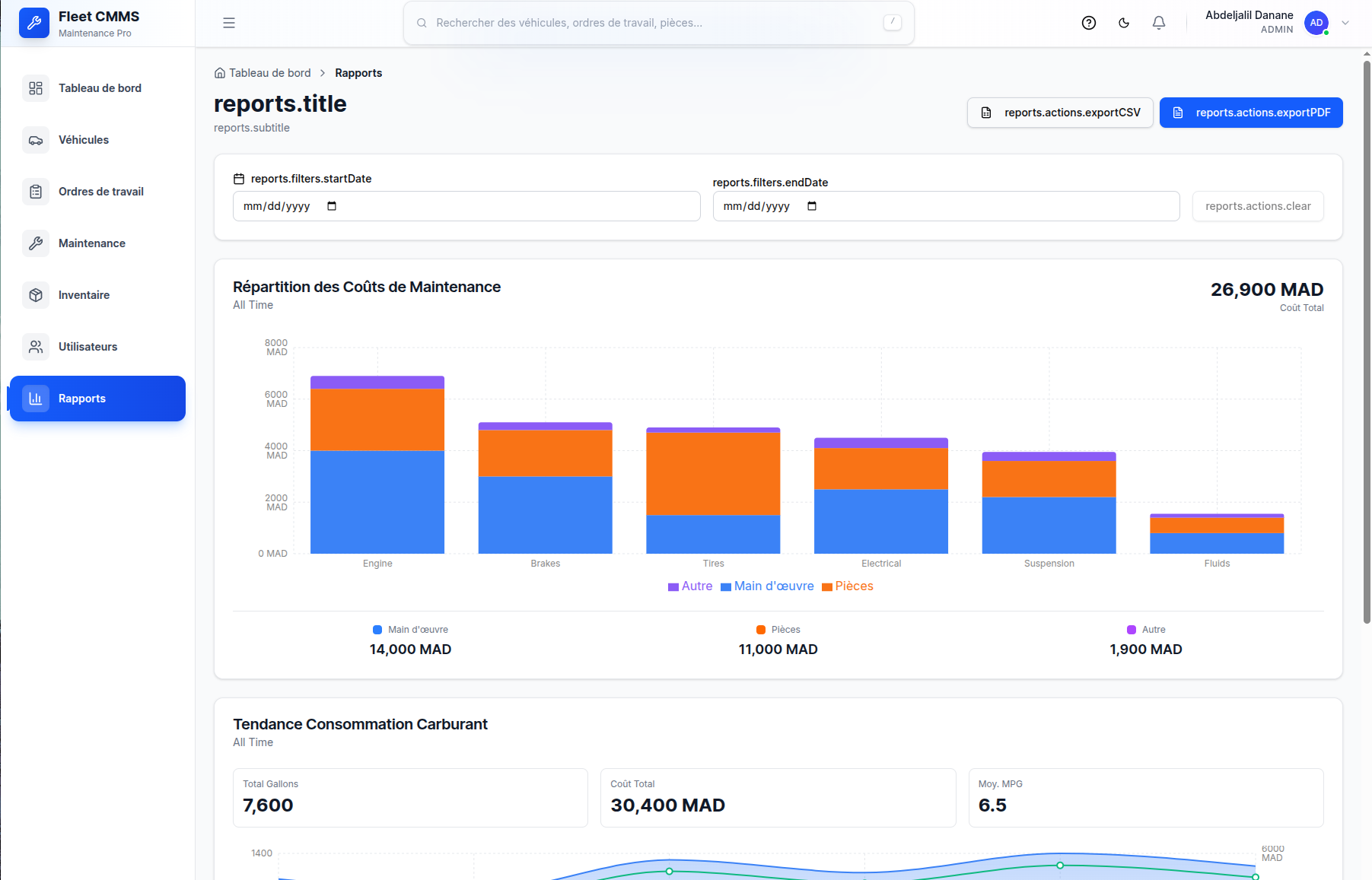
the report screen show all the charts for cost and time used for maintanance and number of time the vehicule worked
-
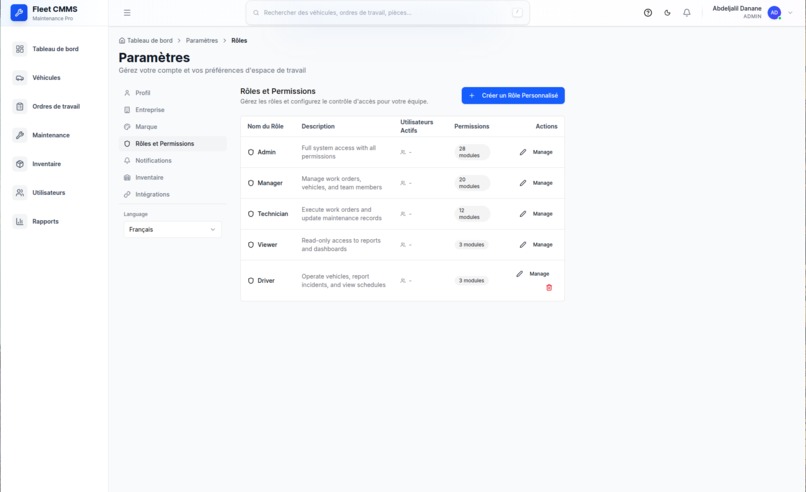
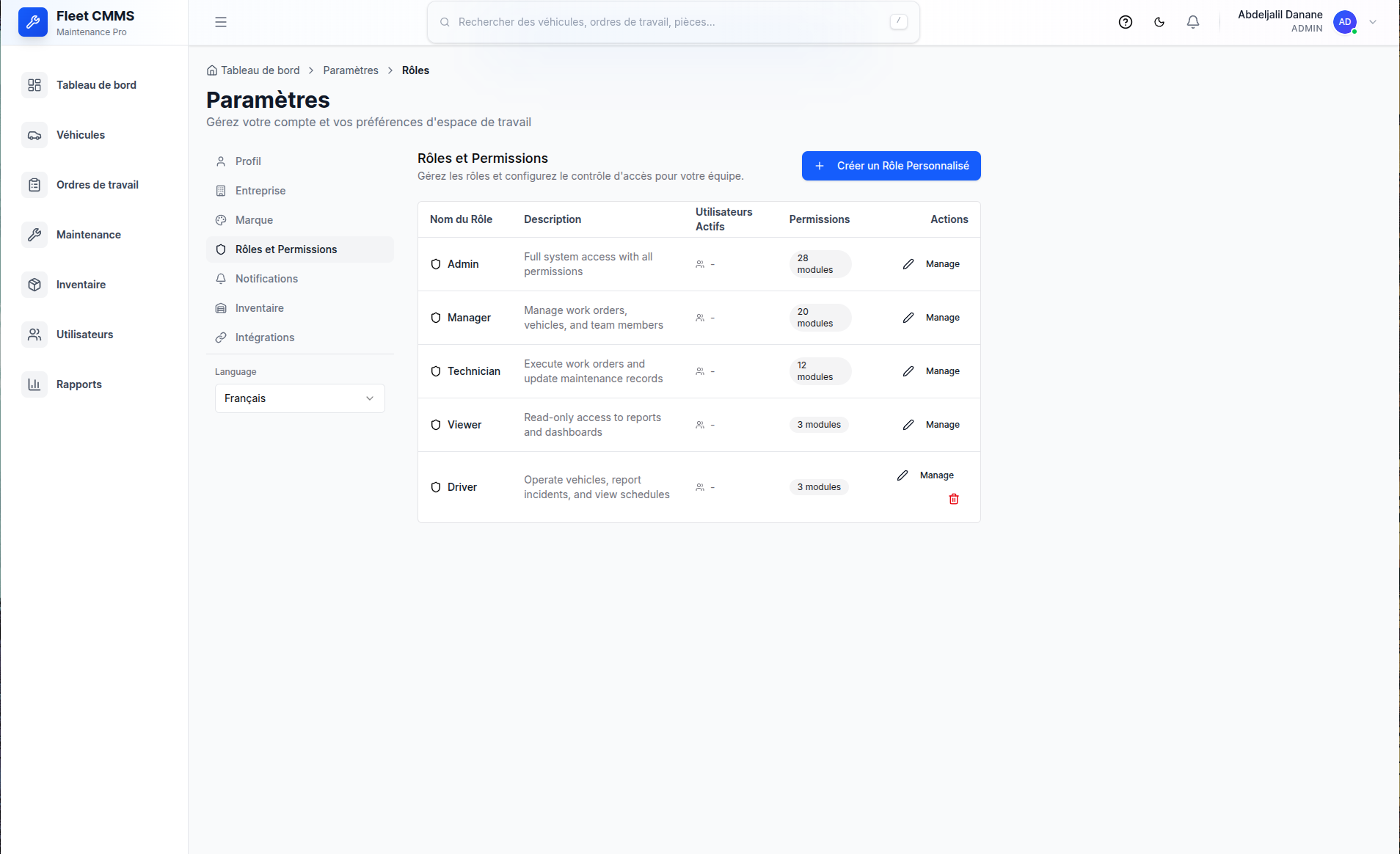
the settings page show the integration of odoo API to manage the stock and part purshased also the permission and roles
Inspiration I originally received a job description regarding Fleet System Maintenance for a specific client. After working on the initial concept, I realized the potential to scale this solution and decided to evolve it into a full SaaS platform.
What it does GoFleet manages the entire maintenance lifecycle—tracking schedules, costs, and interventions for every type of vehicle, from standard cars to heavy trucks and industrial machinery.
How we built it I built a high-performance backend using Golang and PostgreSQL, paired with a responsive frontend built on Next.js and TailwindCSS. I utilized AI-assisted coding tools (Antigravity) to accelerate the project structure and boilerplate generation.
Challenges we ran into Adapting the software to meet strict ISO requirements was a major challenge. I initially prototyped the frontend with mock data, but integrating the real Golang backend revealed several missing endpoints. Iterating on the REST API architecture until it perfectly matched the frontend needs required significant refactoring.
Accomplishments that we're proud of The system is now live in production, and the pilot company is very satisfied with the product. It is actively helping them streamline their logistics. We are continuously deploying new features to make it the go-to solution for fleet management.
What we learned I learned that user satisfaction is paramount. Building a product isn't just about code; it's about deeply understanding the customer's workflow and ensuring the software fits their specific daily requirements.
What's next for GoFleet We plan to scale the platform by integrating an AI-powered chatbot. This will help users automate repetitive tasks and provide predictive analytics on costs and time management.
Built With
- flutter
- go
- nextjs
- postgresql


Log in or sign up for Devpost to join the conversation.