Inspiration
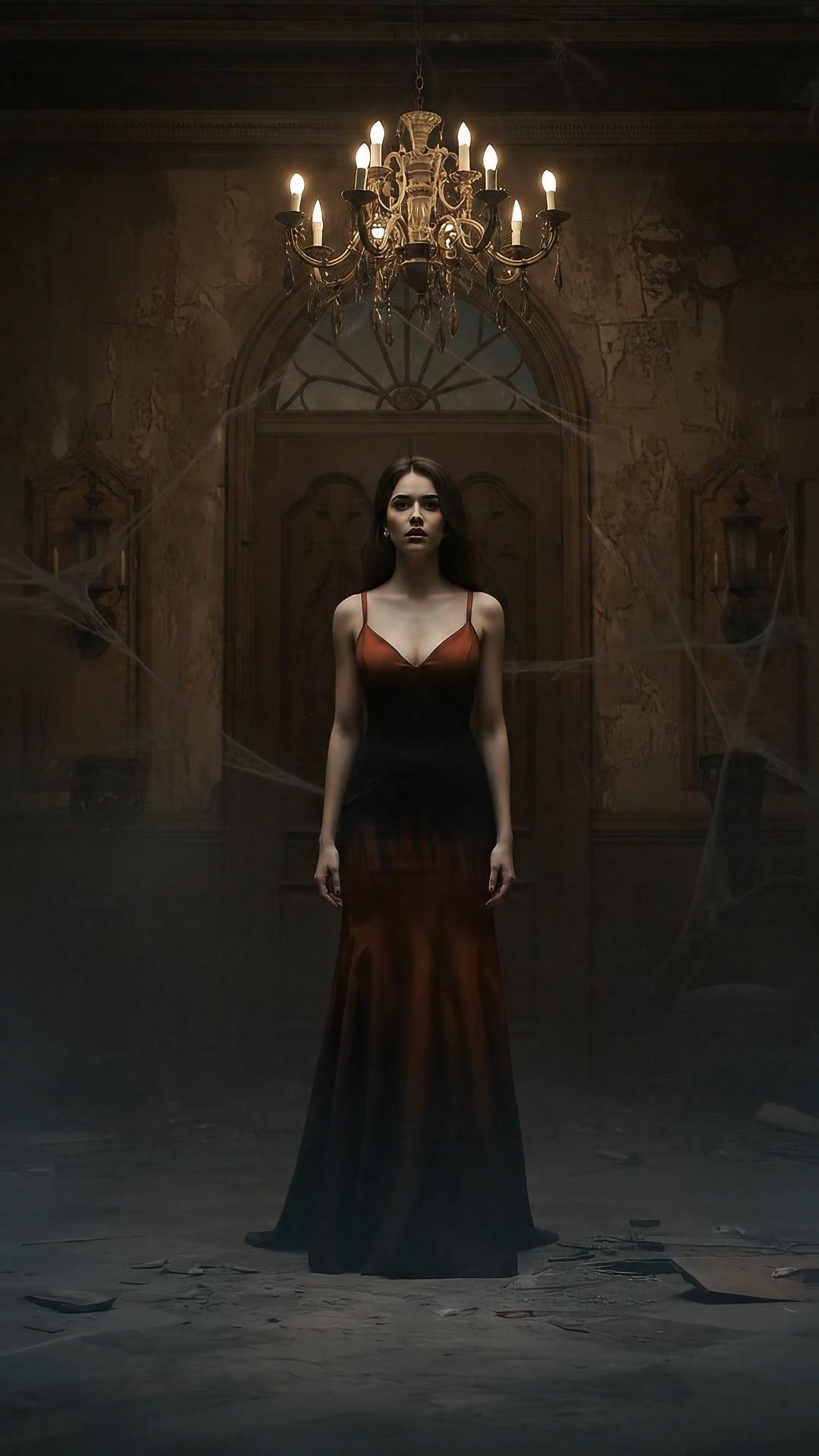
This micro-film is inspired by the haunting pull of unfinished love—the kind that lingers in walls, echoes through rooms, and waits for the right moment to call you back. I wanted the house to feel like a living entity, one that remembers everything the Goddess tried to forget.
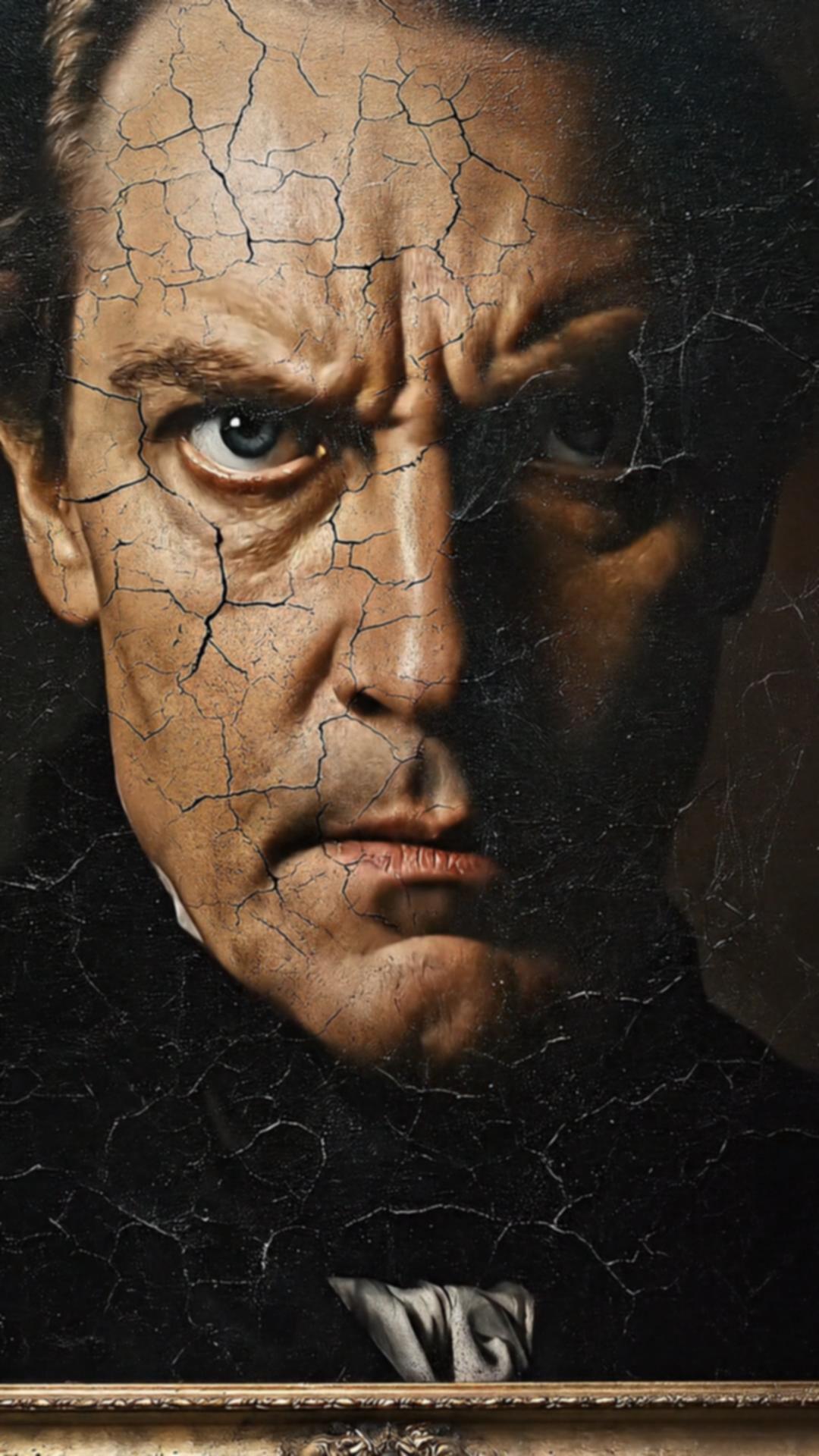
The invitation she’s waited years for finally arrives. A slammed door, a shattered chandelier, a portrait screaming her name—every supernatural moment is the house demanding she finally face the truth she ran from.
This piece merges seduction, sorrow, and supernatural longing into a single night where the past refuses to stay dead.
What it does
This micro-drama turns a haunted house into a time portal fueled by memory and desire. Each room pulls the Goddess deeper into who she once was:
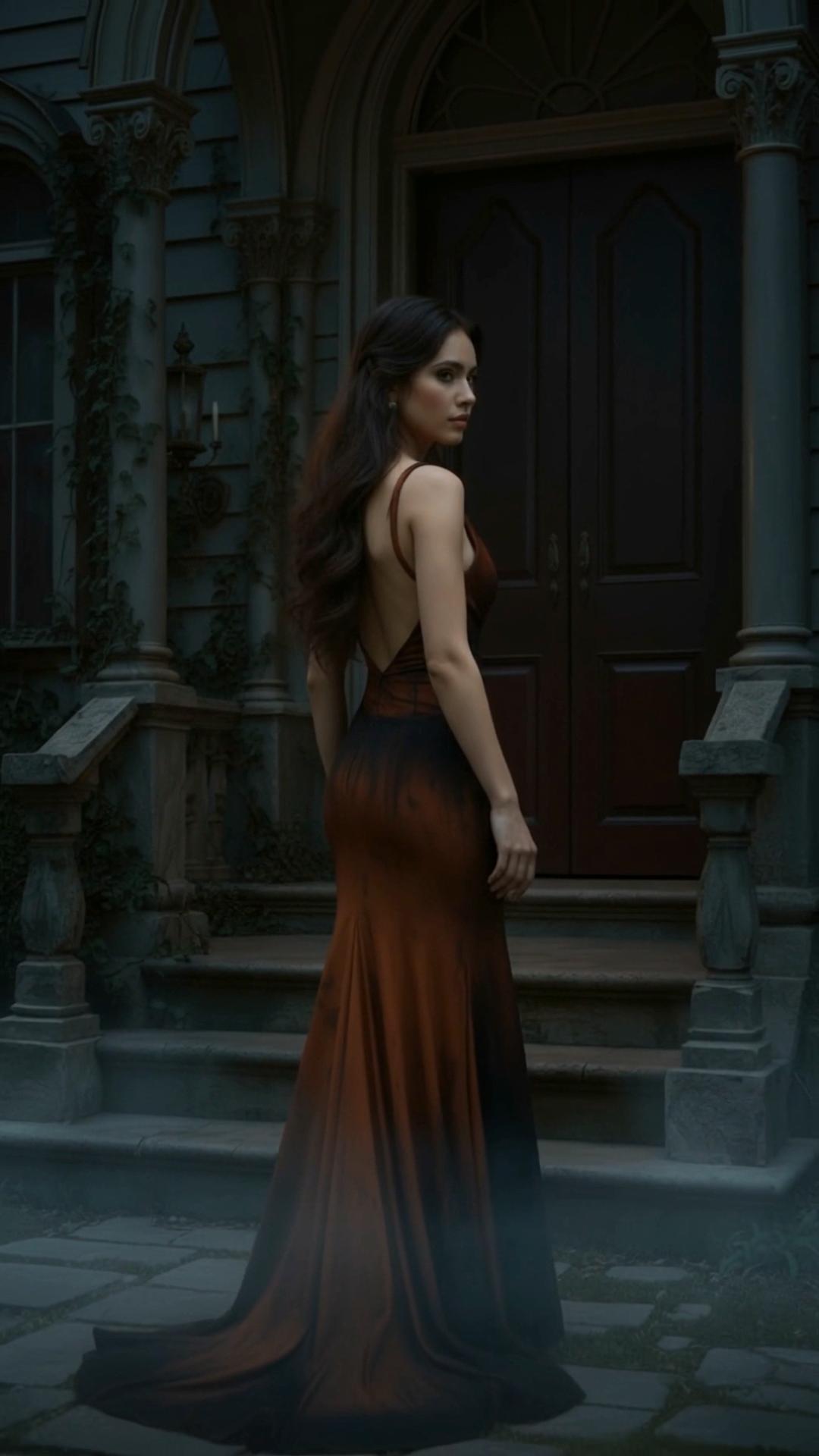
The entrance traps her instantly
The broken chandelier marks her return
The portrait attacks her with the truth
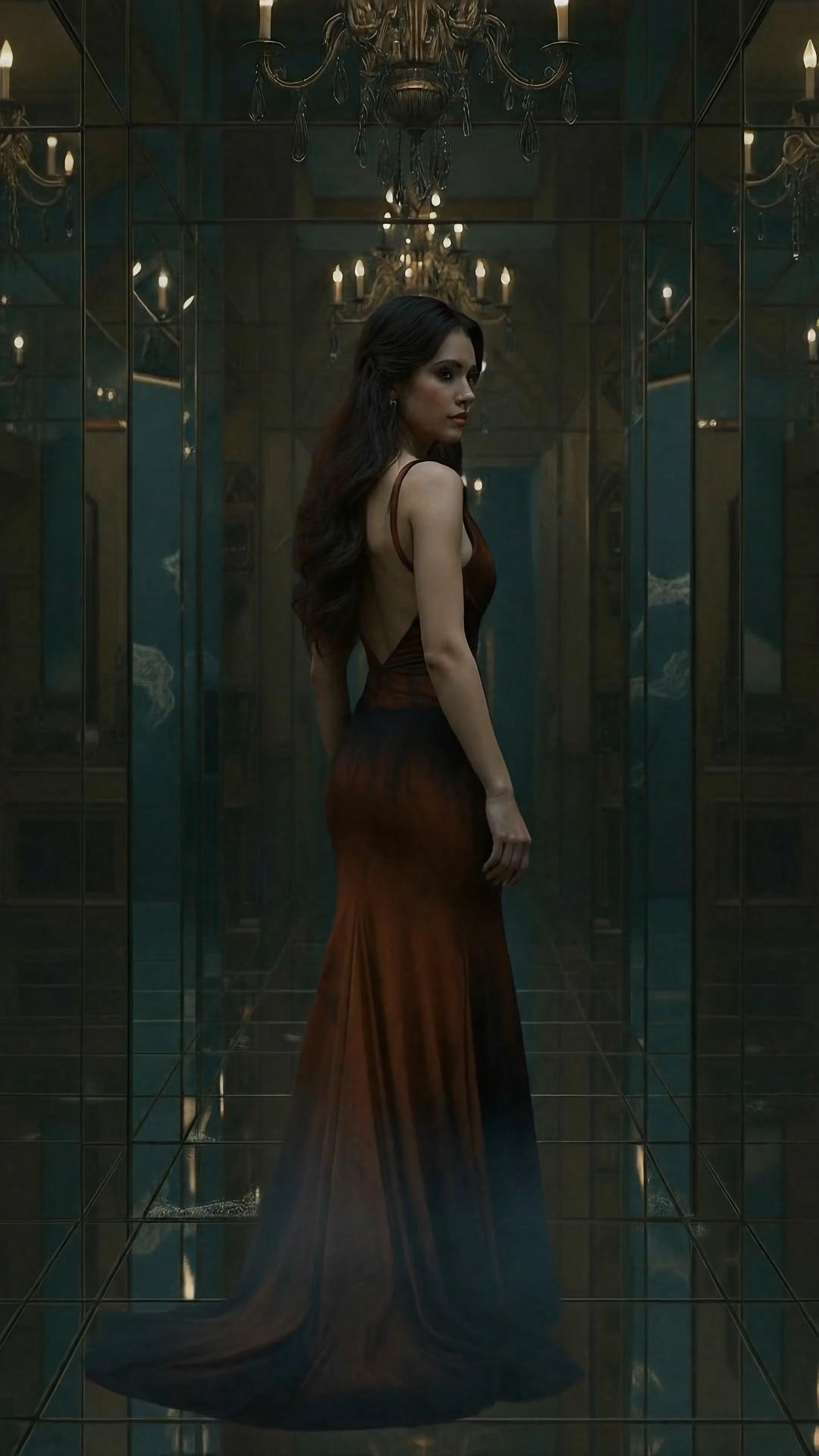
The glass hallway becomes a threshold to her past
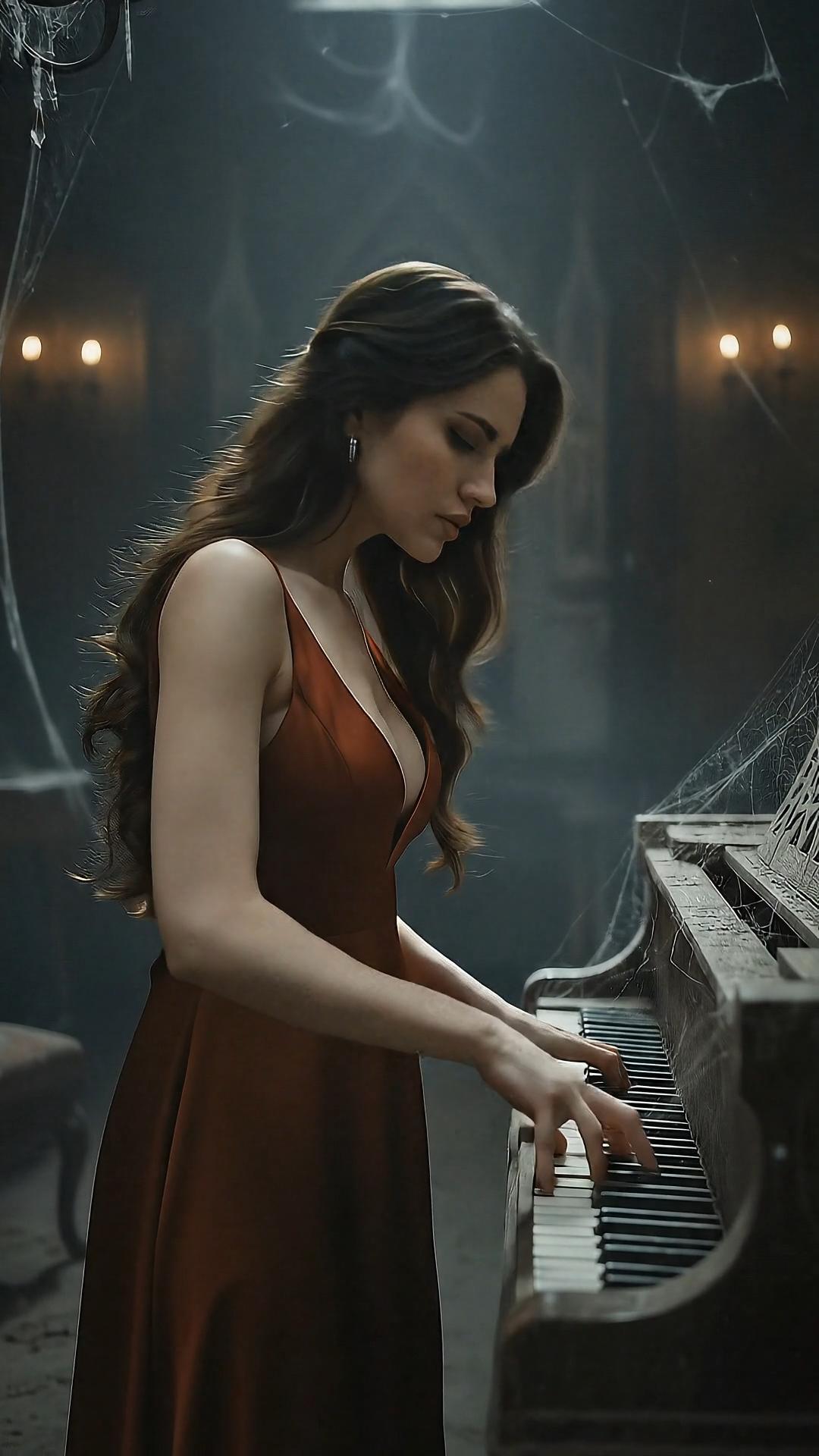
The piano reveals the version of herself she thought she buried
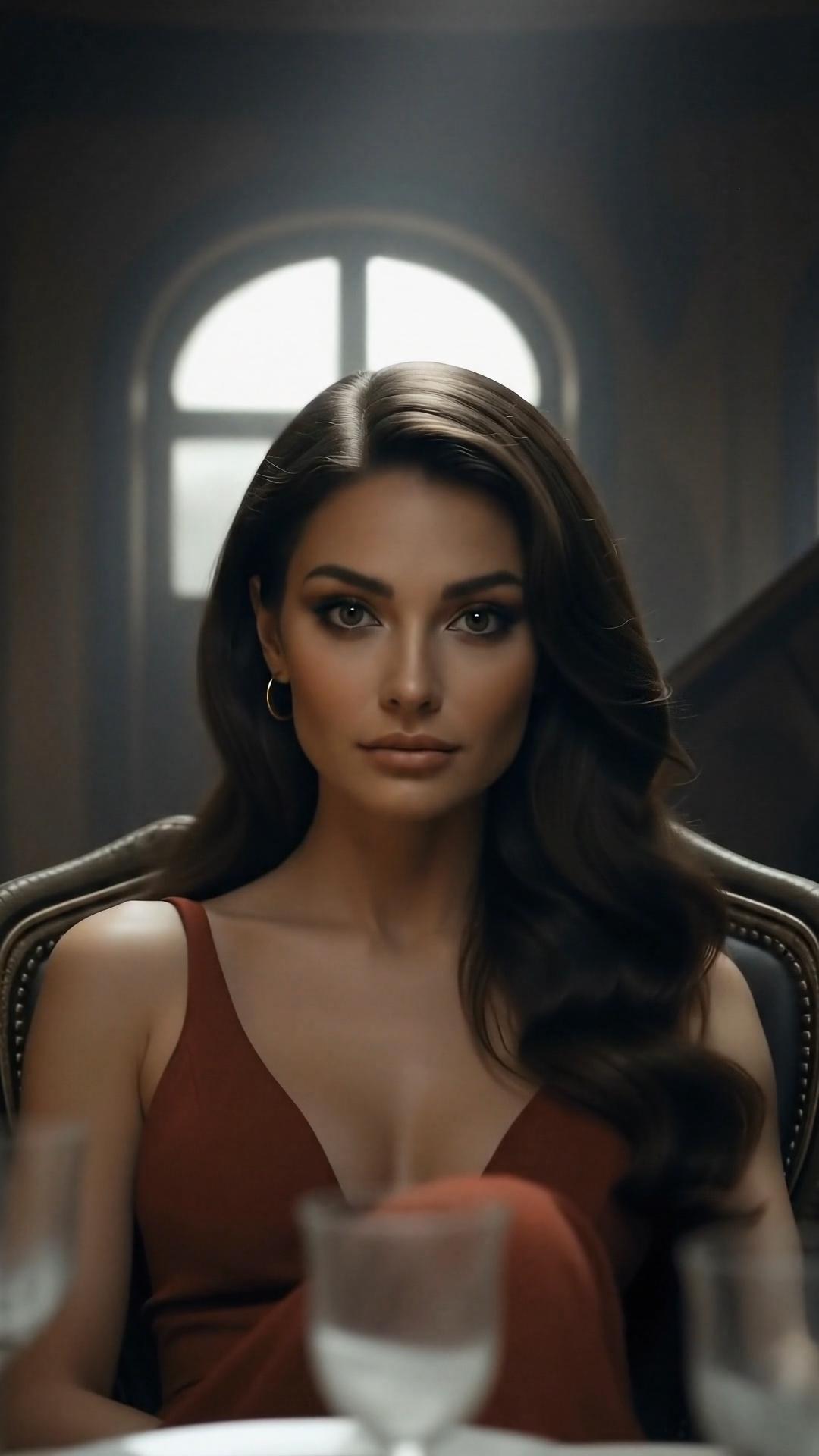
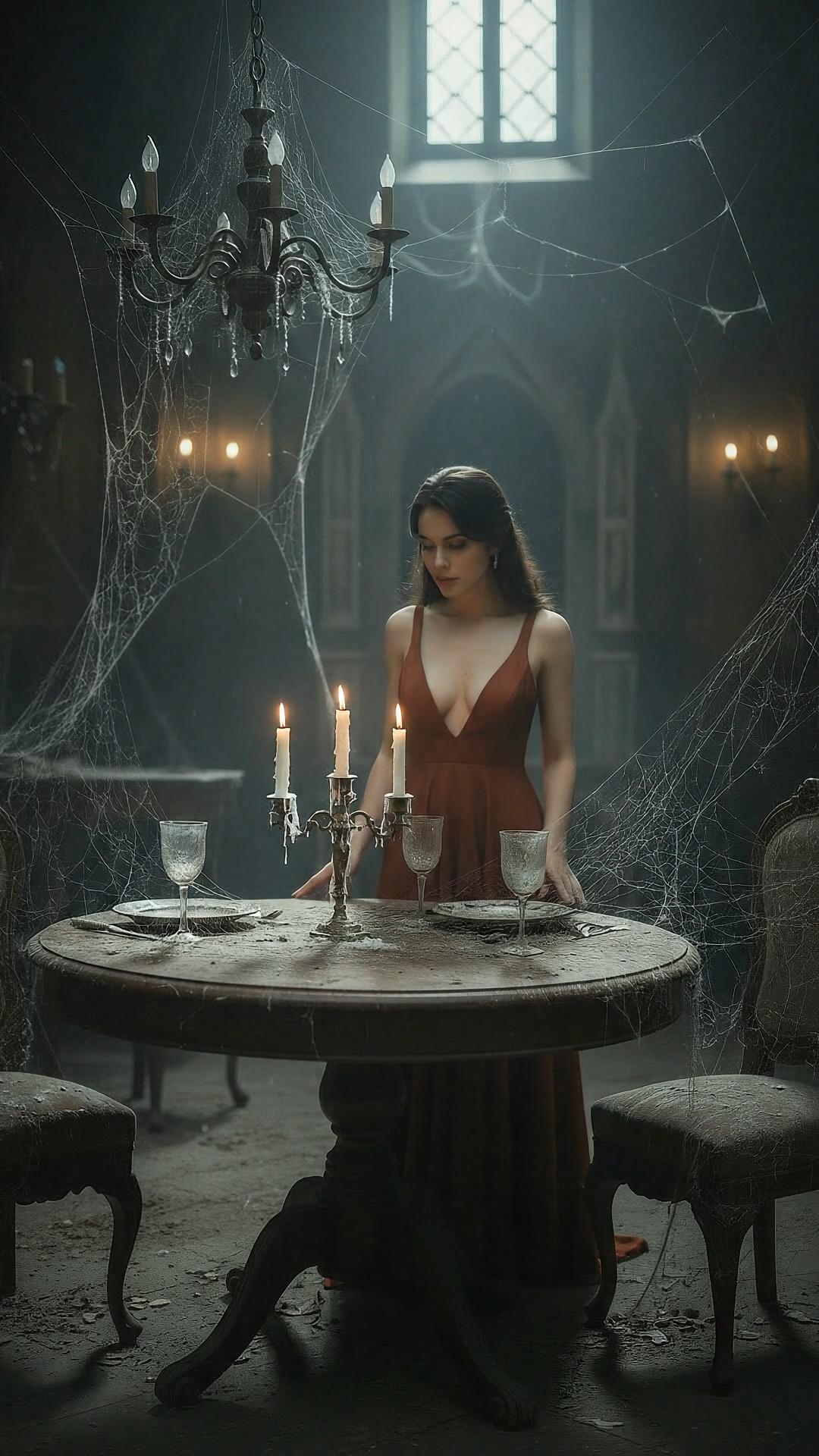
The table set for two recreates the night she lost him
And when her lover finally appears—through footsteps, electricity, and memory—she meets him not with fear, but with a seductive challenge: “So… where have you been?”
It’s a raw, emotional collision of love, anger, and ghost-lit desire.
How I built it
I built this micro-film around the way memory seduces—how the past can lure you back with equal parts pain and sweetness. The Goddess enters the house with caution but never weakness; she knows she’s walking into the one place powerful enough to unmake her.
Every supernatural moment is symbolic:
The door slamming shut → the past trapping her
The chandelier falling → beauty breaking
The portrait screaming → truth she can’t escape
The glass hallway → the bridge between who she was and who she became
When she reaches the piano, the film softens. Her fingers play the melody her former self once played for the man she loved. It’s intimate. Vulnerable. Dangerous. Walking to the table set for two, she becomes the woman she used to be—seductive, hurting, hopeful.
The final electrifying transformation brings her face-to-face with the lover who vanished, and she greets him like only a Goddess can: with seduction sharpened by years of abandonment.
Challenges I ran into
Designing a haunted environment that felt emotional rather than gimmicky was the greatest challenge. Every supernatural element had to support the story instead of distracting from it. The transition from present Goddess to past Goddess required precise pacing and lighting to feel magical, not abrupt. And balancing horror with seduction demanded restraint—the house needed to feel dangerous while the emotional core stayed intimate and real.
Accomplishments that I'm proud of
I’m proud of how the film blends haunting with sensuality. The Goddess remains powerful even as the house strips her open emotionally. The portrait, the hallway, the piano, and the dinner table each carry symbolic weight that lands within seconds—ideal for a micro-drama.
The final line is the perfect payoff: not fearful, not fragile, but raw, seductive, and slightly annoyed… exactly how a Goddess confronts a lover who left her waiting across worlds.
What I learned
I learned how potent micro-dramas become when every detail is charged with emotion. A haunted house doesn’t need monsters—it needs memories. I learned how seductive tension can sit inside horror without diminishing either. And most of all, I learned that the strongest supernatural moments are born from unfinished human ones.
What's next for Goddess & The Haunted Realm | House Where You Left Me
Next, I plan to expand the Haunted Realm into a series of micro-films where the Goddess encounters echoes of past lives, forgotten lovers, vengeful spirits, and worlds stitched together by memory and magic. Each installment will peel back another layer of her mythology—raw, intimate, and haunting enough to follow her long after the last frame.
Built With
- adobe
- filmora
- flow
- klingai
- ltxstudio

Log in or sign up for Devpost to join the conversation.