-
-
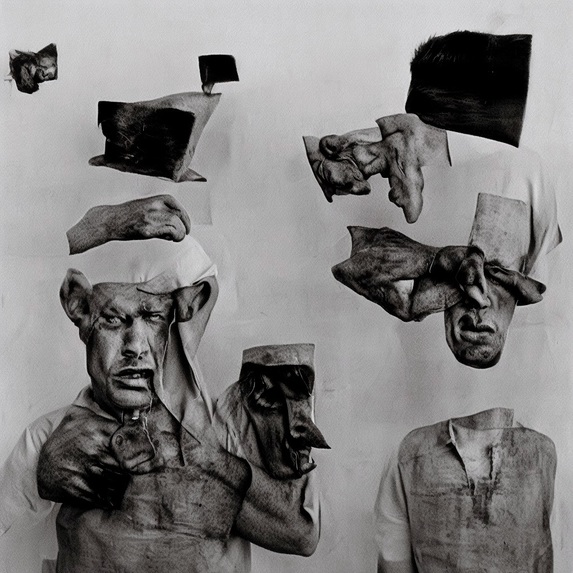
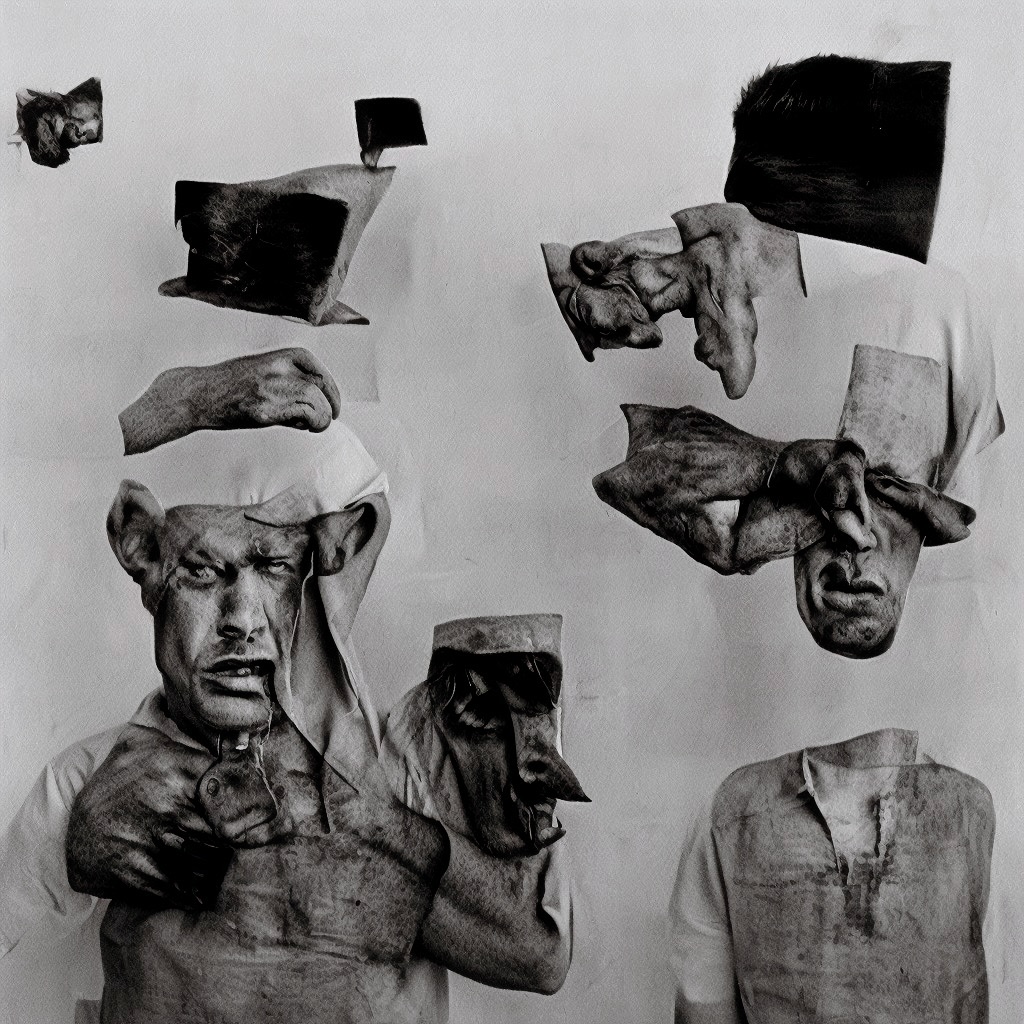
Ballensim Study - Roger Ballen in latent space of diffusion
-

GOND - character which cares agent's adentity as driver in metaverse openusd object - 2
-

GOND - character which cares agent's adentity as driver in metaverse openusd object - 1
-

GOND - character which cares agent's adentity as driver in metaverse openusd object - 3



Inspiration
Generative visual production often suffers from generic stylistic convergence and superficial prompting. While modern models can render anything, they lack intrinsic cultural taste and historical context. GMM TasteEngine bridges this gap by integrating Qloo's cultural taste graph into the Gondurastration autonomous multi-agent ecosystem. By understanding the deep affinities between music, cinema, literature, and visual culture, our agents act as informed art directors—transforming cultural correlation data into nuanced, tactile visual worlds.
What it does
GMM TasteEngine is an autonomous multi-agent art direction pipeline:
- Cultural Taste Graph Querying: Agents autonomously query Qloo's API to extract taste clusters, cultural correlations, and aesthetic affinities from seed entities or audience personas.
- Dynamic Art Direction: The lead agent translates high-dimensional cultural correlations into structured prompt conditioning, material lineage rules, and aesthetic constraints.
- Multi-Modal Asset Synthesis: The system drives an automated generative production loop, producing tactile 2D visual assets (characterized by paper collage textures, lithographic grain, and constructivist geometry) and staging them into 3D spatial scenes via OpenUSD.
- Taste-Aligned Consistency: Ensures continuous stylistic coherence across complex generative series without requiring repetitive manual intervention.
How I built it
- Orchestration & Agents: Built with Python and autonomous agent execution loops utilizing Model Context Protocol (MCP) to manage tool calls, API querying, and asset staging.
- Cultural Intelligence: Integrated Qloo API endpoints to fetch entity affinities, taste vectors, and cross-domain recommendations (music, film, literature, visual arts).
- LLM Reasoning & Direction: Leveraged Gemini and Claude 3.5 Sonnet to parse graph payloads, synthesize art direction briefs, and generate deterministic pipeline parameters.
Visual Production & 3D Staging: Connected agent outputs to custom ComfyUI execution graphs, real-time upscaling models, and 2D-to-3D asset pipelines targeting OpenUSD scene layouts.
Audiovisual Regression & Lineage Benchmarking: Utilized the master script-driven collage sequence (DIREKTOR DEKUNST: PETER BROOK) as an automated ground-truth test harness. This benchmark stress-tests our agents' ability to preserve color plane registration, tactile paper cutout geometry, and material invariants against dynamic theatrical voiceover and pacing.
Challenges I ran into
- Semantic Translation: Bridging the gap between abstract cultural graphs (e.g., correlating specific music genres with cinema movements) and concrete visual rendering parameters like texture, lighting, and composition.
- Agent Latency & Tool Stability: Designing robust error-handling and structured JSON output schemas so agents could query Qloo and immediately pipe structured directives into local rendering backends without hallucinations.
Accomplishments that I'm proud of
- Establishing a closed-loop autonomous system where a cultural seed generates a fully realized, stylistically coherent art series.
- Successfully preserving an authentic tactile signature—lithographic ink grain and physical collage textures—guided entirely by cultural taste correlations.
What I learned
- Cultural graphs reveal unexpected, rich cross-domain affinities that manual prompt engineering overlooks.
- How to design taste-informed agentic systems that treat culture not just as metadata, but as the governing architectural layer for generative art.
What's next for GMM TasteEngine
- Dynamic interactive installations where real-time visitor taste profiles generate bespoke spatial OpenUSD environments.
- Expanding the agent graph to include real-time multi-agent critique and automated physical print curation.

Log in or sign up for Devpost to join the conversation.