-
-

App on homescreen
-
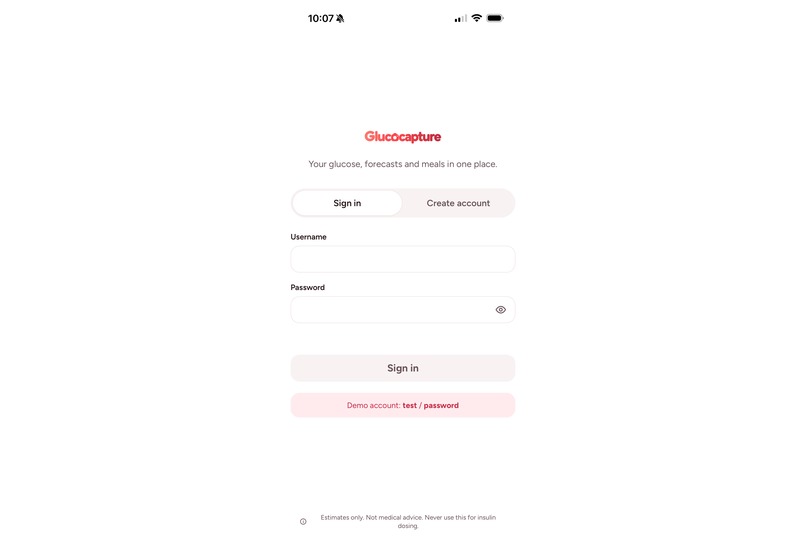
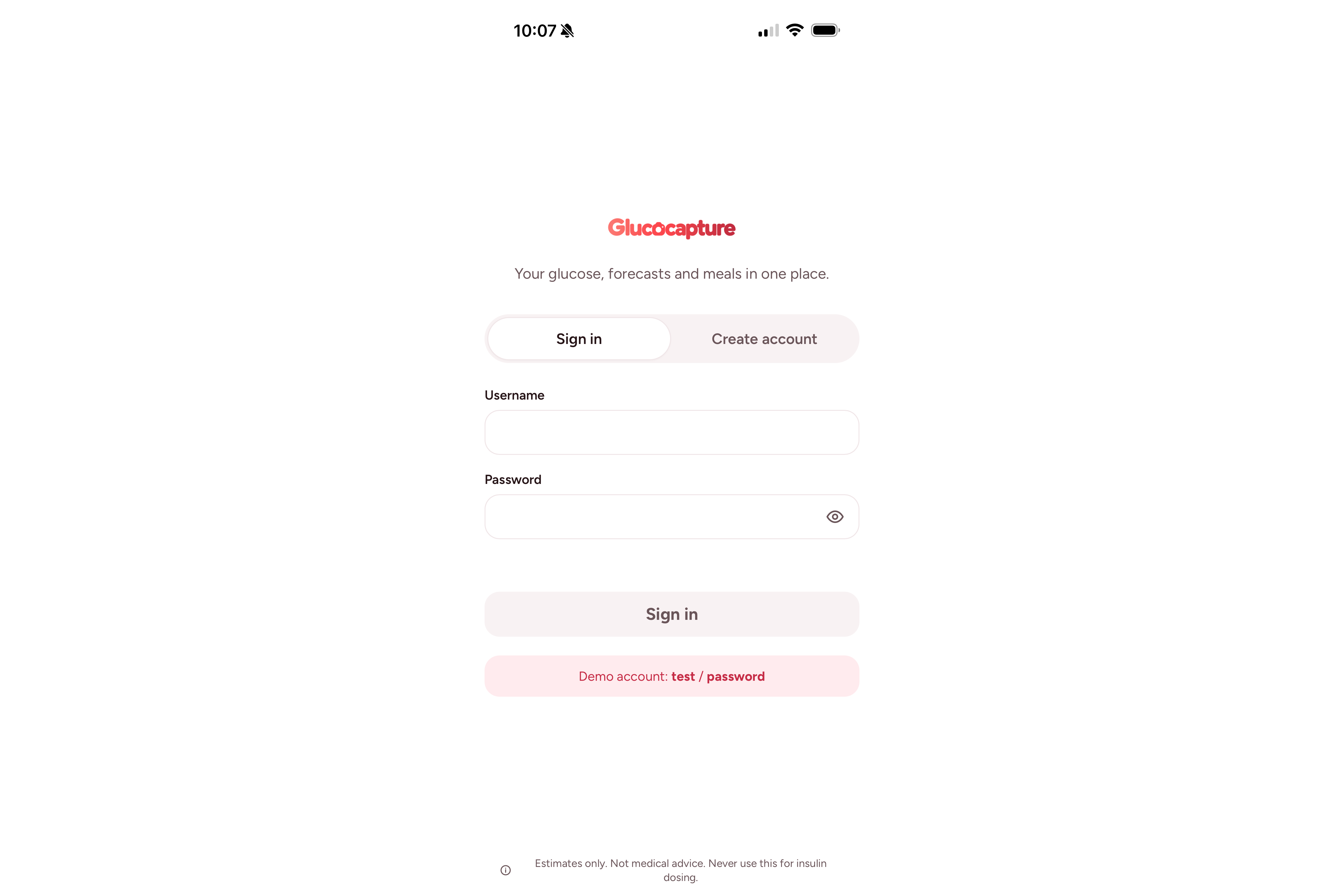
Login (we use test account)
-
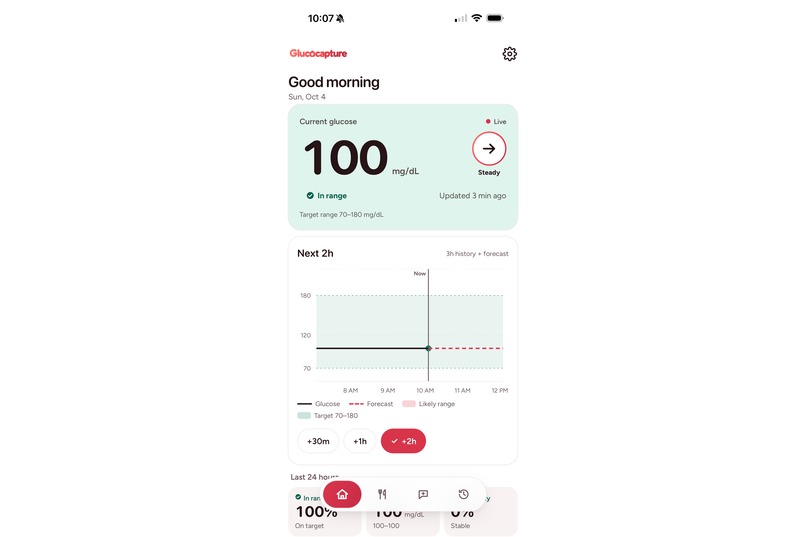
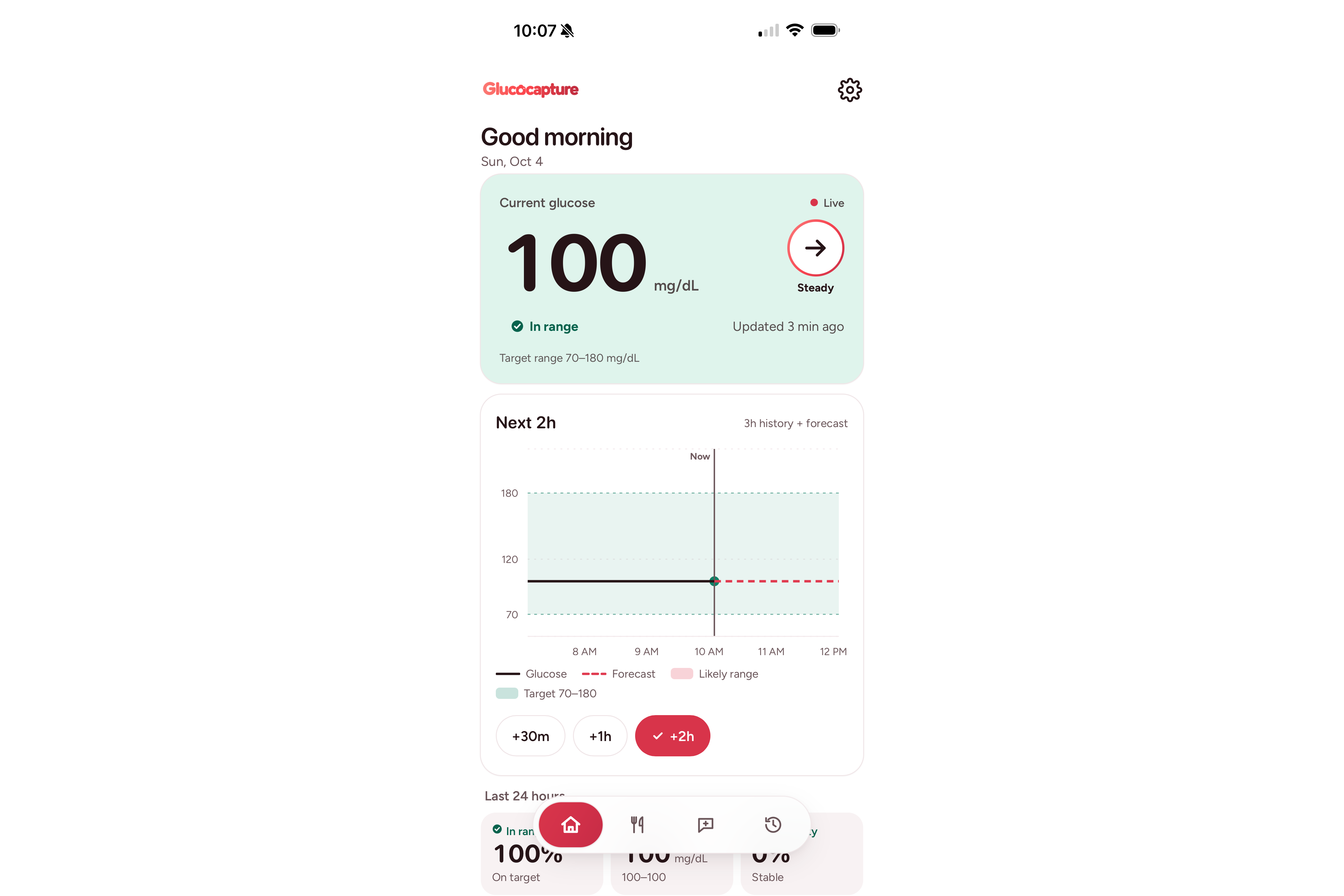
Home screen of the app
-
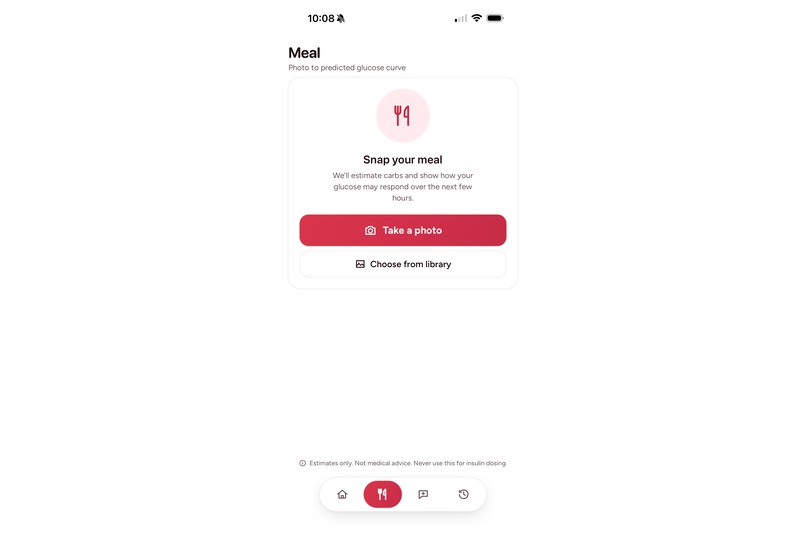
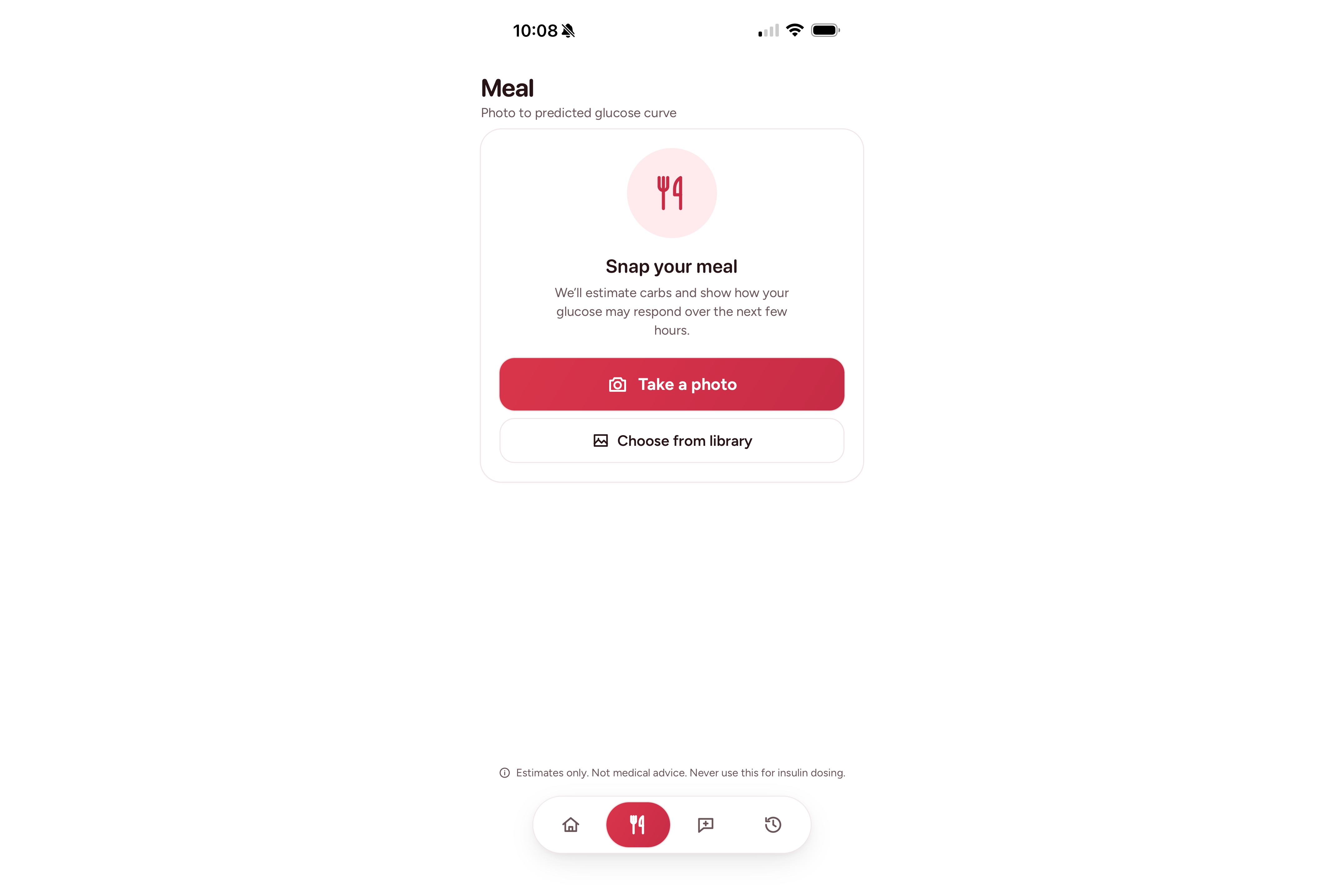
Log a meal tab
-
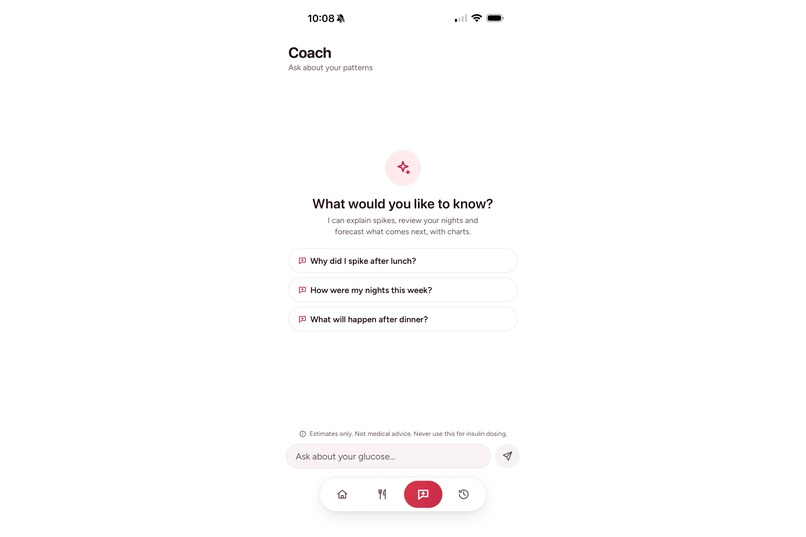
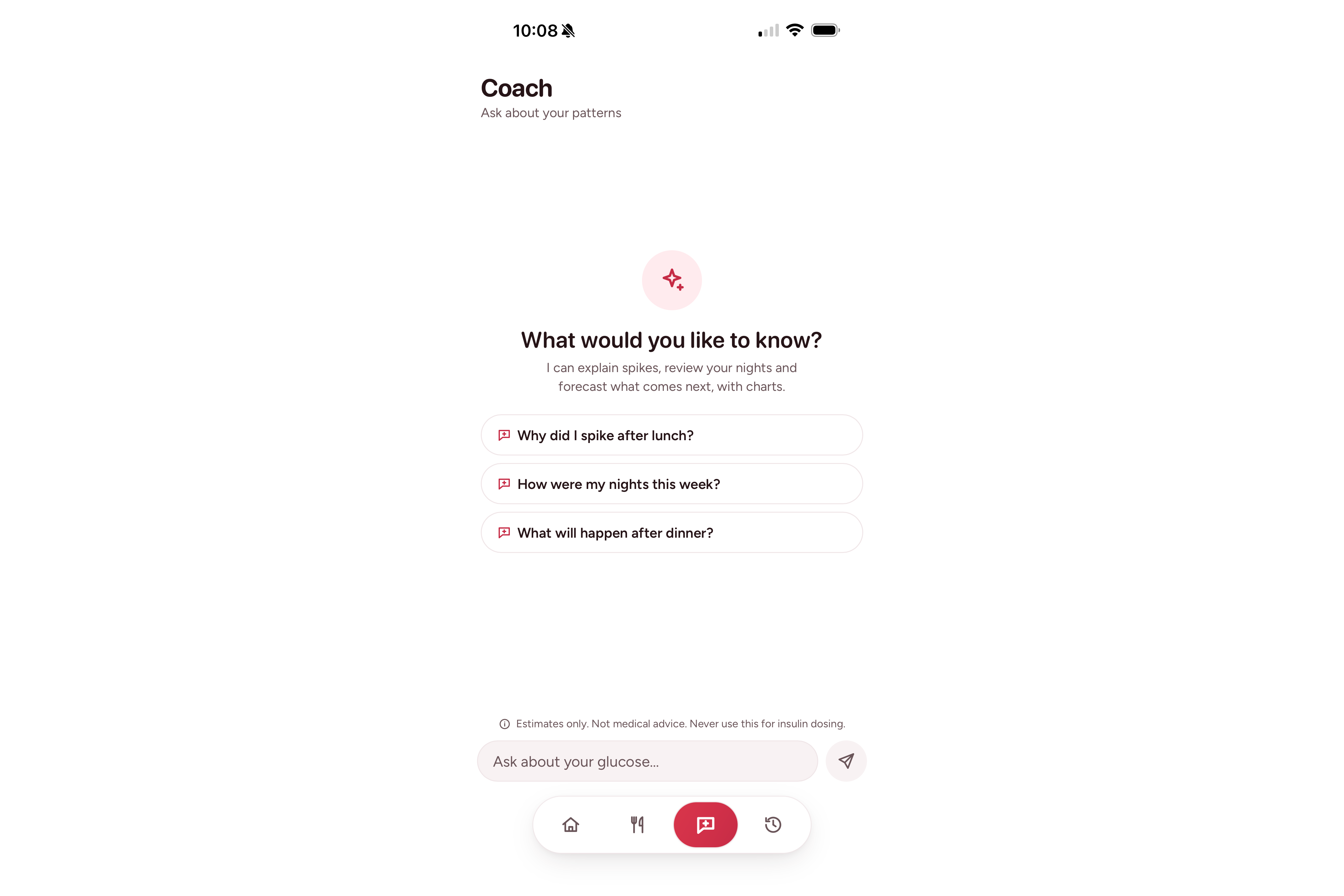
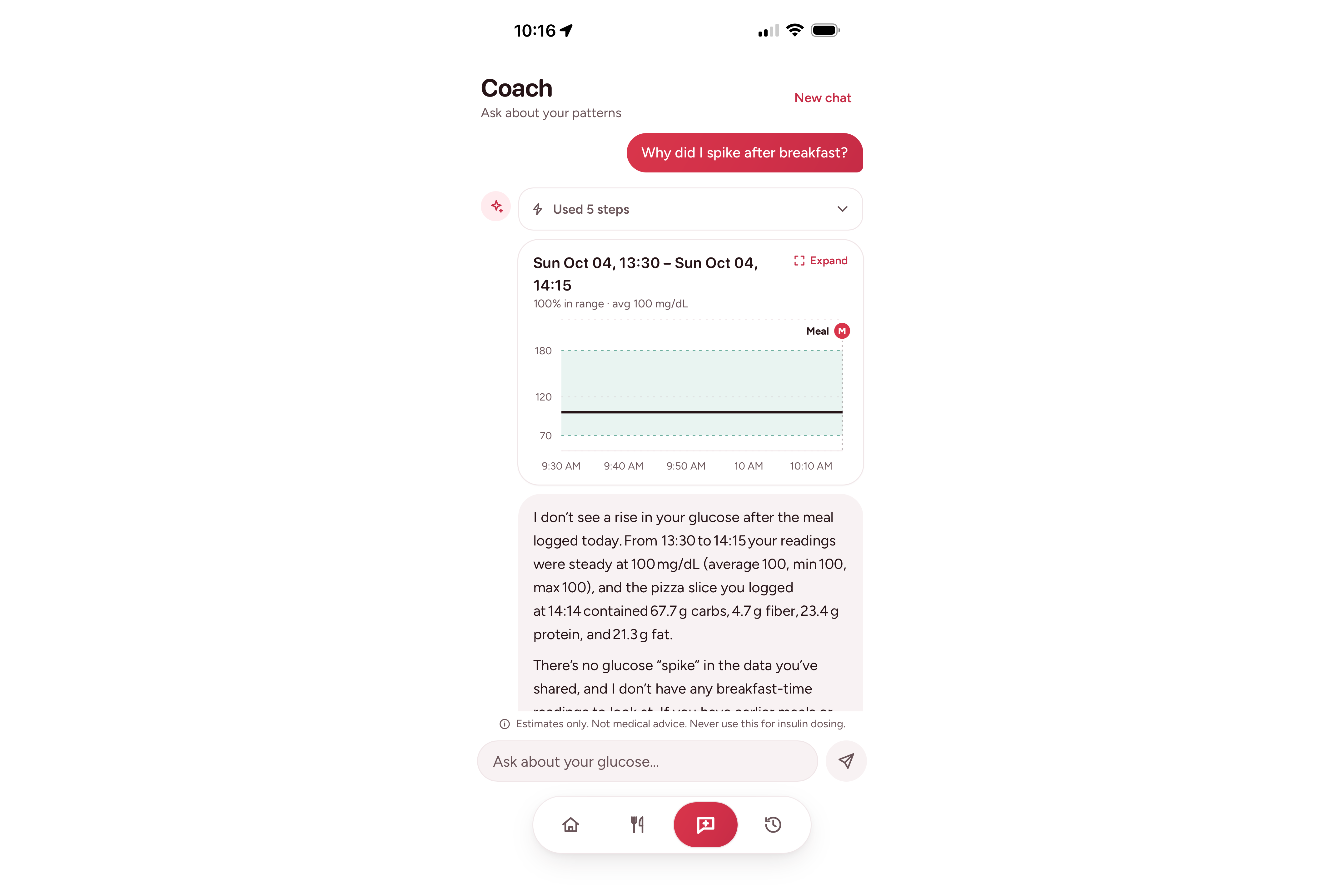
AI assistant
-
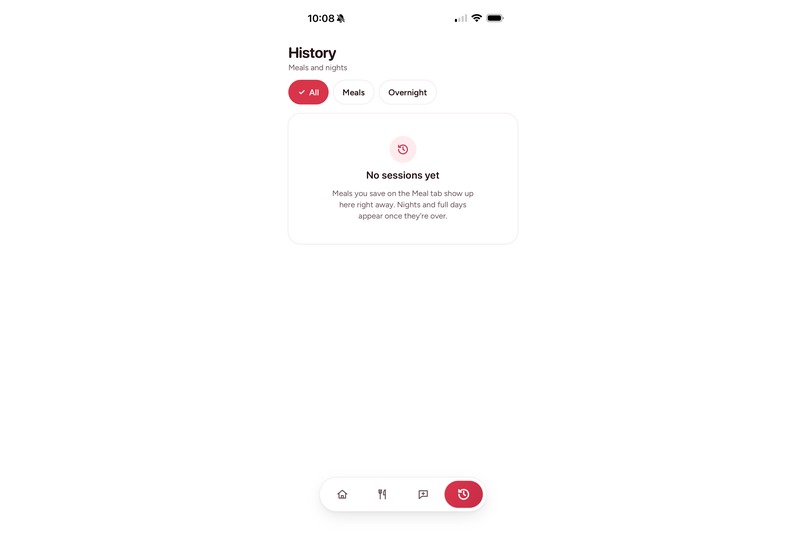
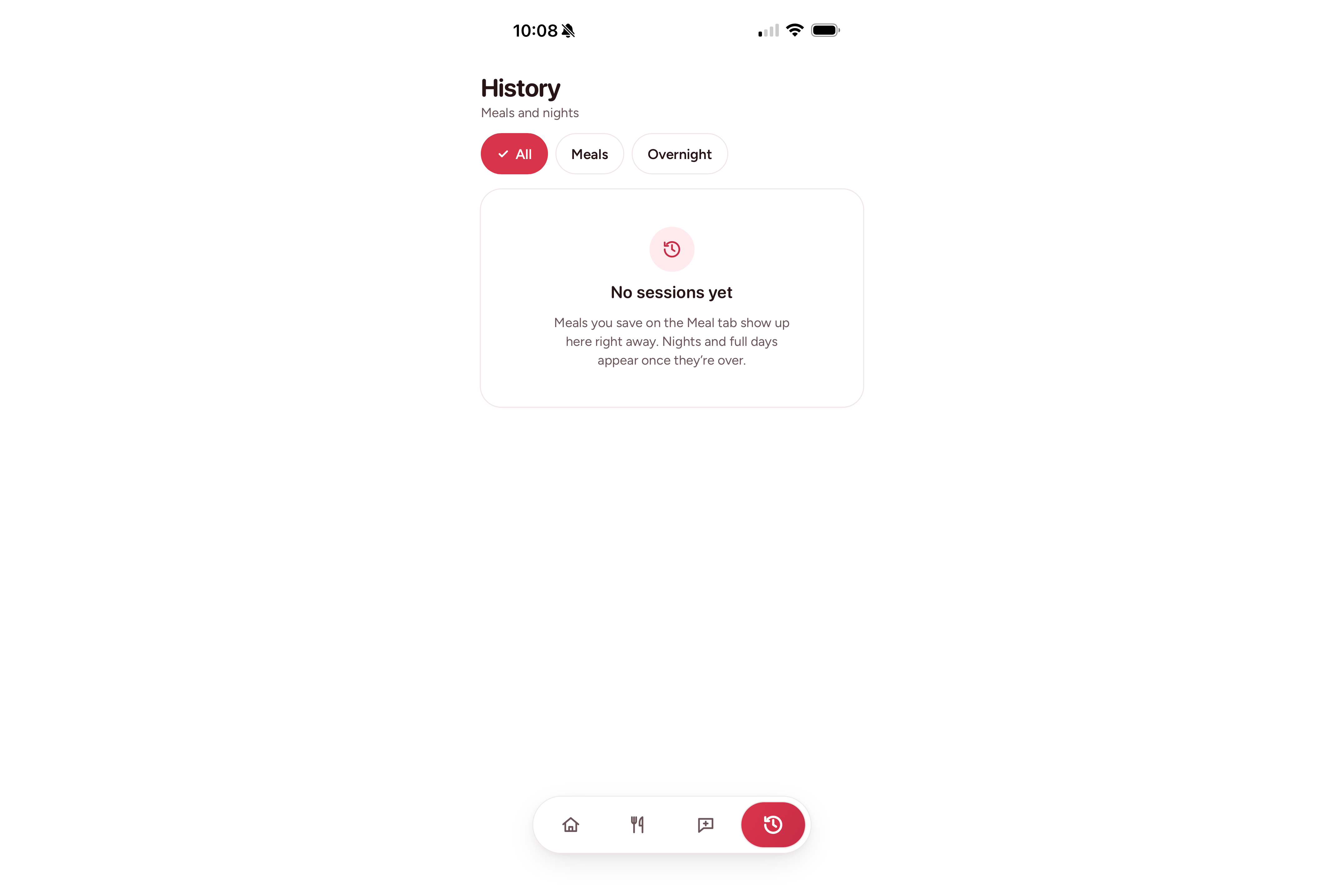
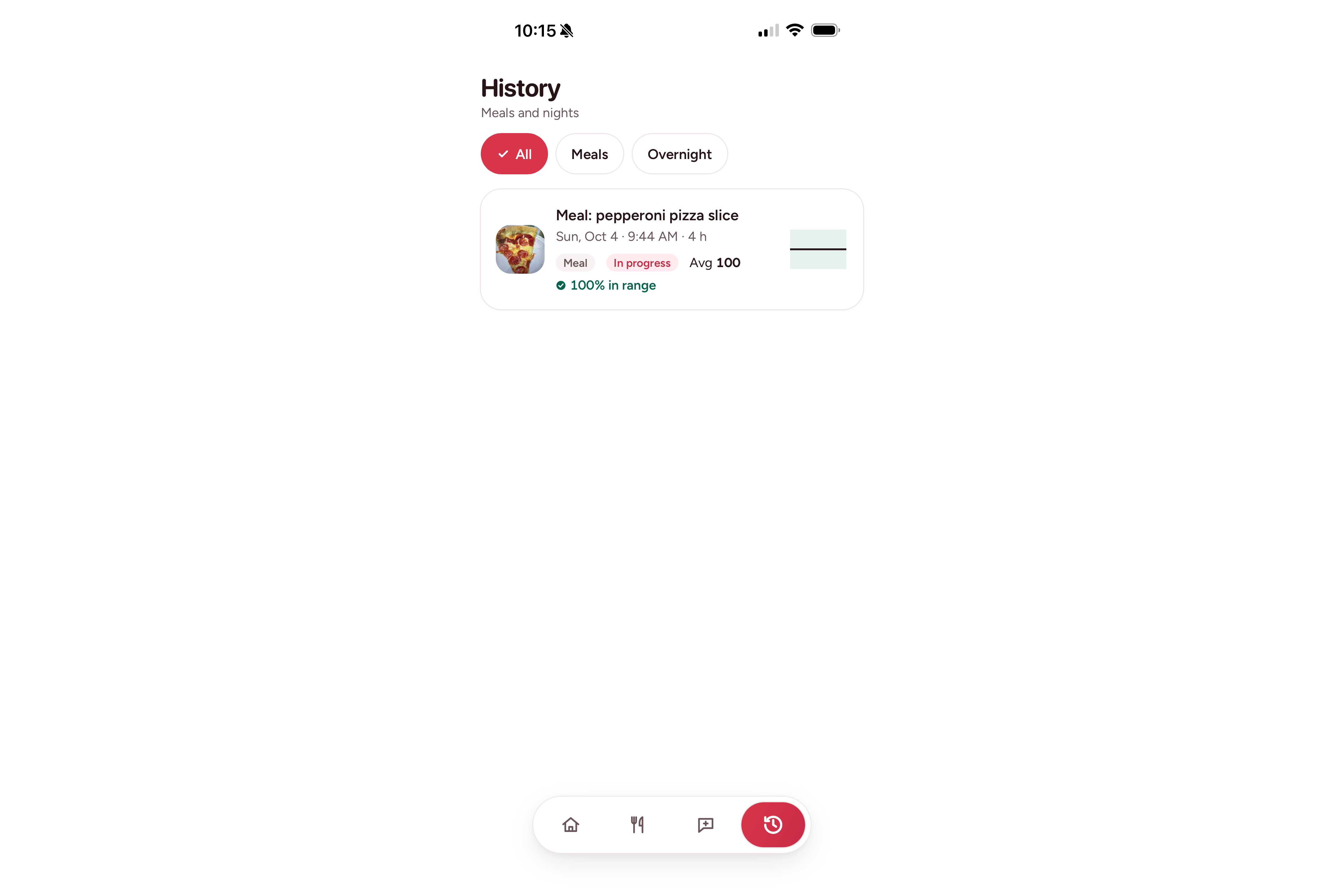
Meal History
-
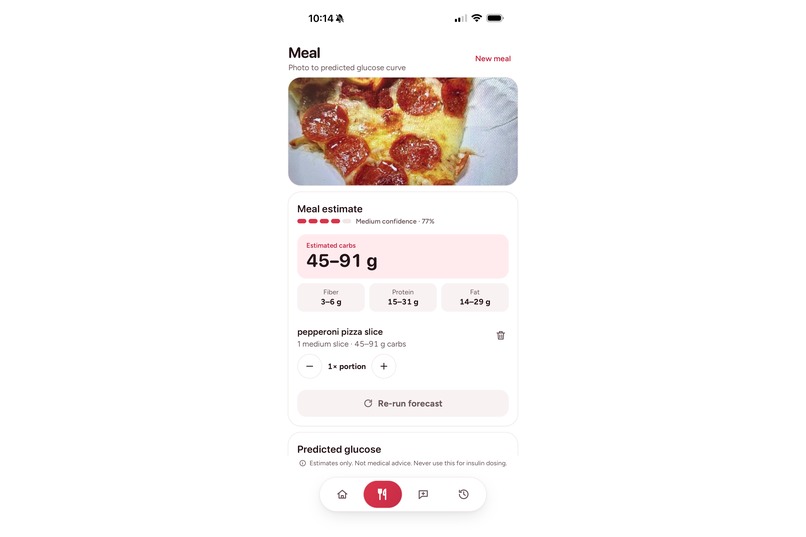
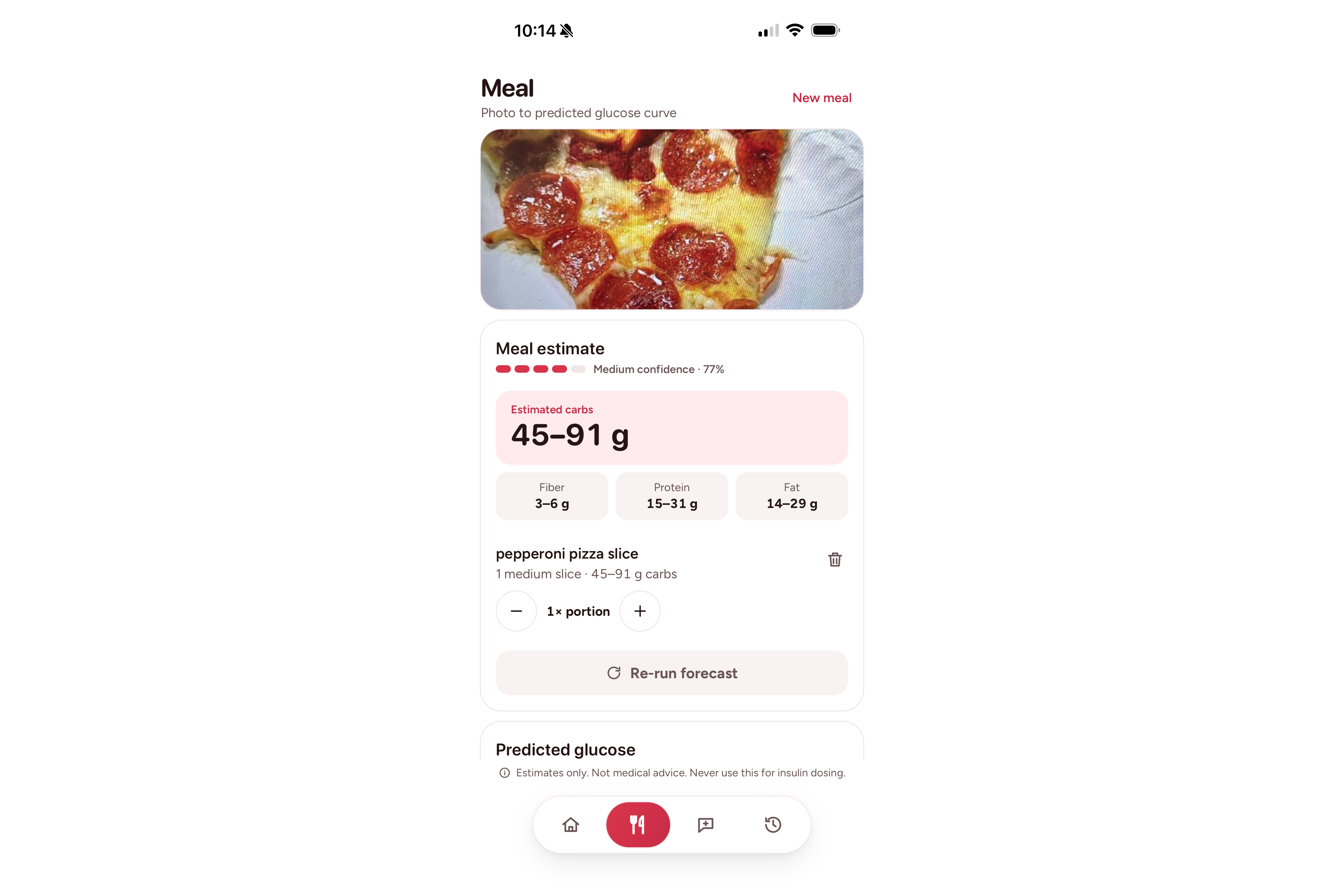
Logging a meal (Pepperoni Pizza)
-
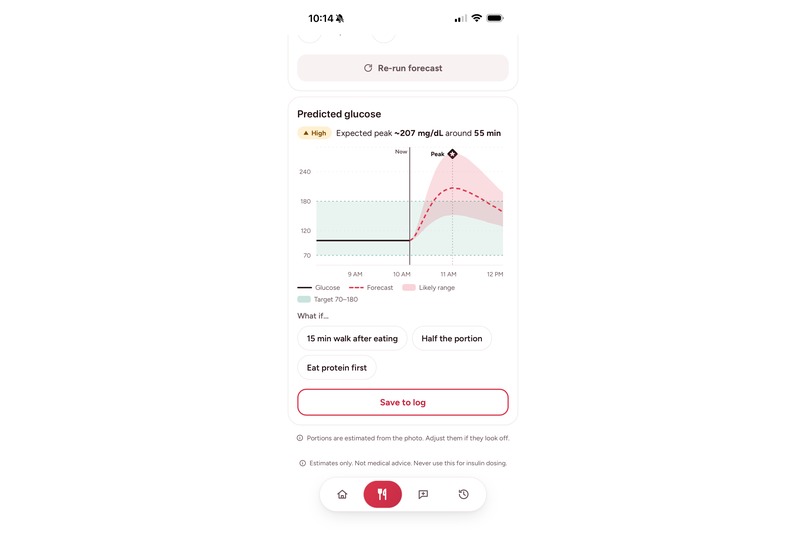
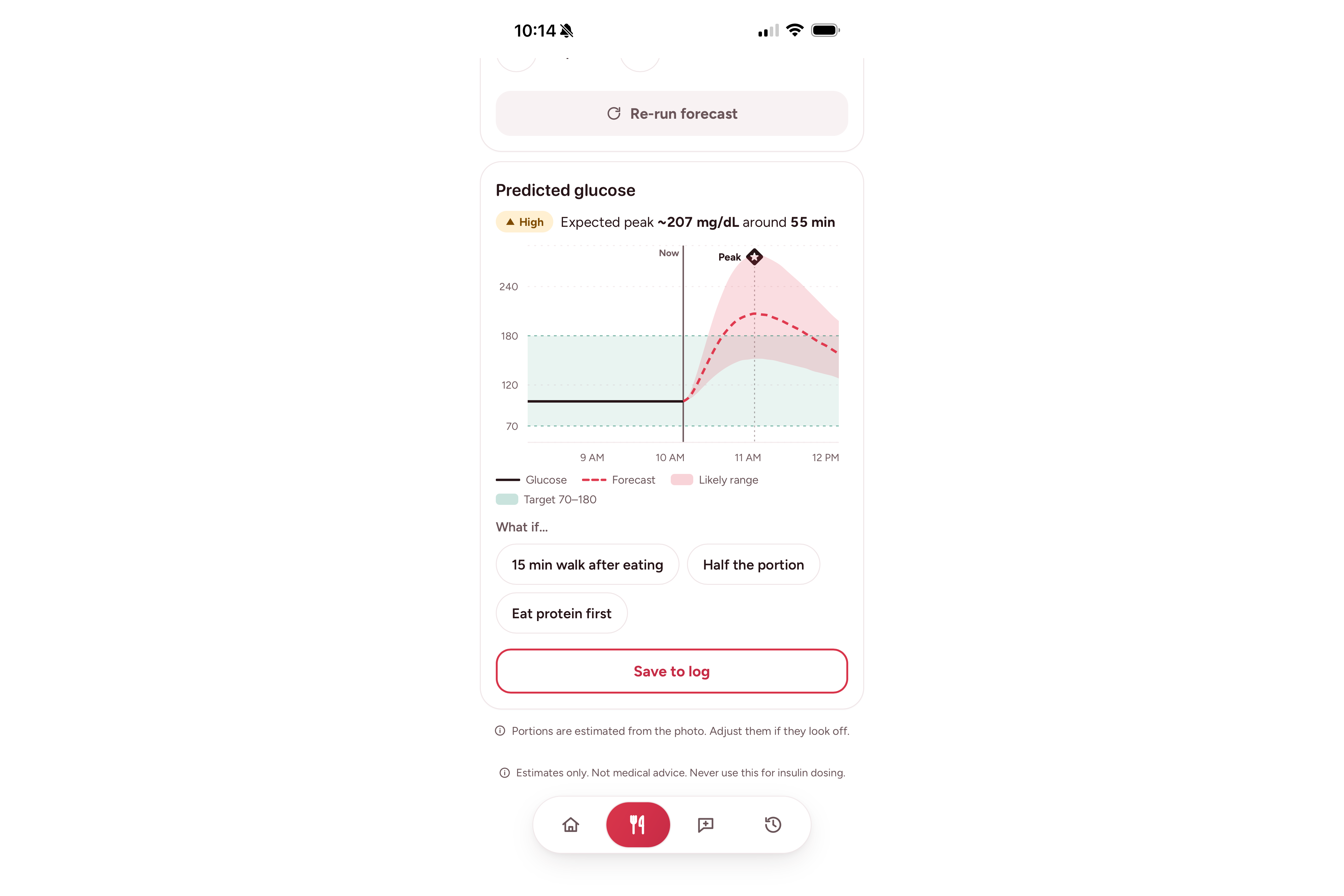
Glucose prediction chart
-
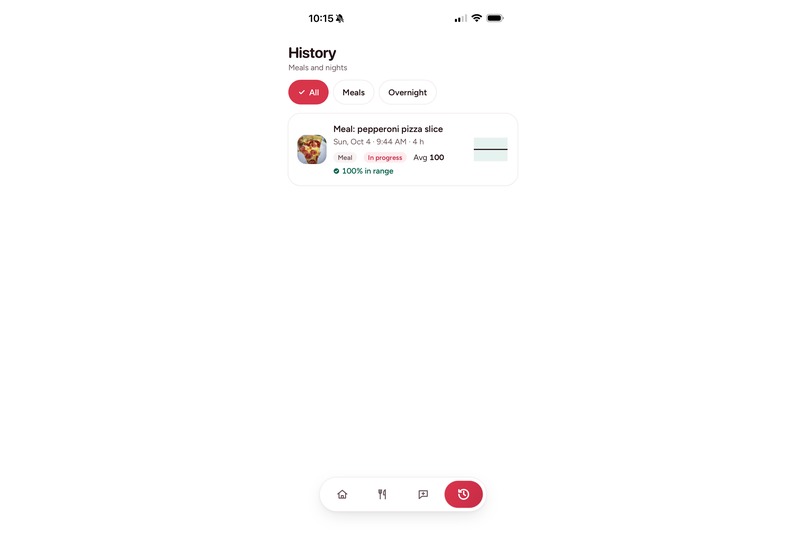
Meal logged into the history
-
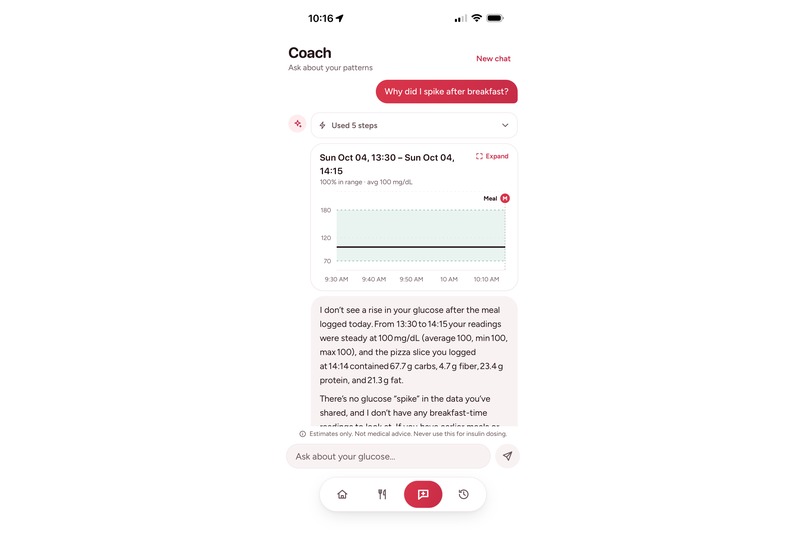
Asking the AI assistant for its input

Inspiration
We were inspired by the idea of making wearable health data easier to understand and practical to use. Glucose levels can vary when someone eats the same meal, making it difficult to understand what factors may be associated with a spike. We wanted to build a tool that aids in displaying numbers and helps users explore patterns in their glucose levels using AI.
What it does
Glucocapture is a streaming AI agent that monitors glucose levels and provides explanations for post-meal glucose spikes using wearable sensor data. It analyzes factors such as physical activity, heart rate, skin temperature, and meal information to provide context around glucose changes.
How we built it
We designed Glucocapture using Databricks and its data engineering and AI tools. We use Delta tables and Unity Catalog to organize wearable sensor data, while Structured Streaming allows us to replay glucose measurements and detect potential glucose excursions in real time.
We process and align data from multiple sensors, calculate glucose excursion metrics, and combine them with meal and activity information. We use a tool-based AI agent built with the Mosaic AI agent framework to retrieve relevant data and generate explanations. MLflow is used to trace agent activity and evaluate its responses against verified data.
Challenges we ran into
One of our main challenges was aligning data from different wearable sensors, since each sensor records measurements at different intervals. We needed to standardize timestamps and account for missing data and poor signal quality to make sure our analysis was reliable.
Another challenge was preventing the AI agent from generating unsupported explanations. Since glucose changes can be influenced by many factors, we needed to ensure that the agent relied on verified calculations and sensor data rather than making assumptions about what caused a spike.
Accomplishments that we're proud of
We are proud of designing a system that combines real-time data processing, wearable sensor analysis, and an AI agent into one workflow. Glucocapture goes beyond simply reporting glucose levels by providing context that helps users explore their data.
We are also proud of incorporating an evaluation system that checks the agent's answers against verified results, tracks numerical hallucinations, and allows the agent to acknowledge when there is insufficient evidence.
What we learned
Through this project, we learned how to approach building an AI agent that uses external tools and structured data to answer questions. We also gained experience with streaming data pipelines, sensor data processing, and evaluating AI responses for accuracy.
We learned that generating an explanation is not enough. It is equally important to ensure that the explanation is supported by the available data and that the system can recognize its limitations.
What's next for Glucocapture
We hope to improve Glucocapture by incorporating more advanced models to predict expected glucose responses based on individual history and context. We also want to improve the agent's ability to identify patterns across multiple days, refine signal quality detection, and provide a more interactive dashboard for exploring glucose trends.
In the future, we would like to evaluate the system with larger and more diverse datasets to better understand its reliability. Glucocapture is intended to provide data-driven insights, not medical diagnoses or claims about the causes of glucose changes.


Log in or sign up for Devpost to join the conversation.